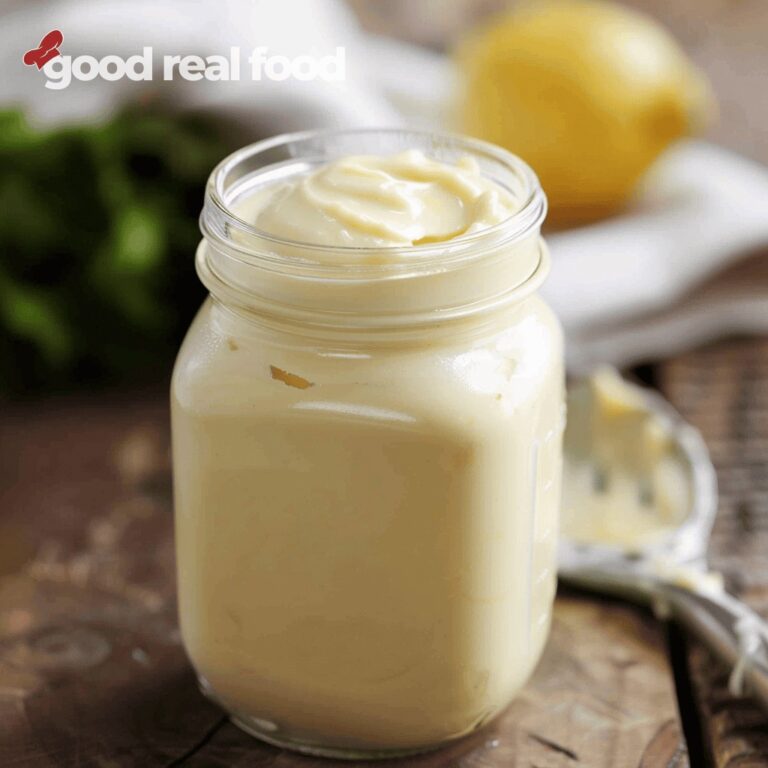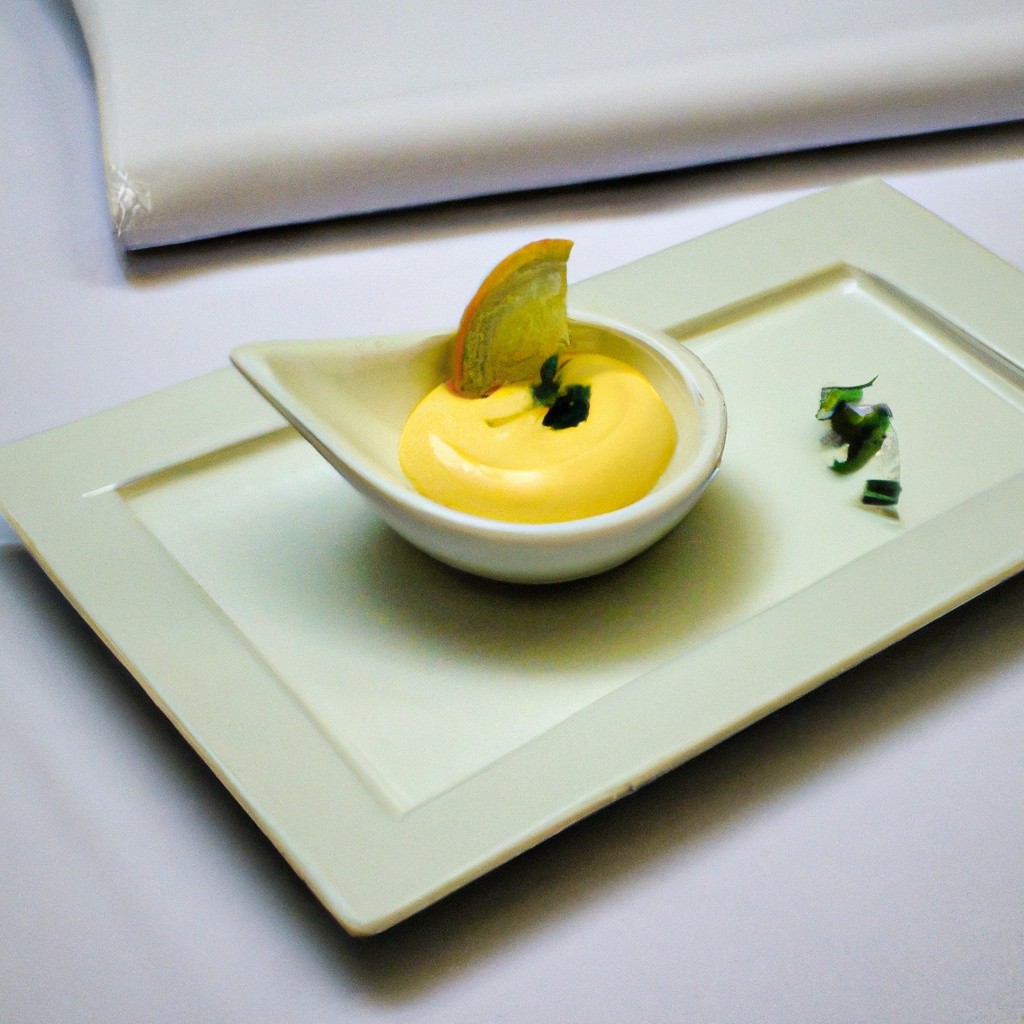
This easy aioli mayonnaise recipe elevates your dishes with a burst of flavor that traditional mayonnaise simply can’t match. If you’re seeking a creamy, garlicky condiment that enhances everything from sandwiches to salads, this recipe is your go-to solution. Discover how simple ingredients come together to create a rich, homemade aioli that stands out in any meal.
Making aioli mayonnaise at home is simple and requires just a few ingredients. This guide will teach you how to create a creamy, flavorful aioli mayonnaise that can elevate your meals, from sandwiches to dipping sauces. With just a few steps, you can whip up a delicious condiment that enhances the flavor profile of your favorite dishes.
Aioli mayonnaise is not only versatile but also easy to make. By combining fresh ingredients and following a straightforward process, you’ll soon have a homemade aioli that can transform your culinary experience. This creamy concoction adds a distinct taste, making it a perfect accompaniment for everything from grilled meats to crisp vegetables.
Ingredients You’ll Need

To make your own aioli mayonnaise, you’ll need a few essential ingredients that work together to create the perfect blend of flavor and texture:
– Fresh Garlic: The key to authentic aioli is fresh garlic. It provides a robust flavor that is indispensable to this condiment. Aim for 1-2 cloves, depending on your taste preference.
– Egg Yolks: The yolks are crucial for the creaminess and emulsification of the aioli. They help bind the oils and other ingredients together, resulting in a smooth, thick consistency.
– High-Quality Olive Oil: A good olive oil not only enhances the flavor but also adds richness to the mayonnaise. Opt for extra virgin olive oil for the best taste and health benefits.
The Basic Aioli Mayonnaise Process

Creating aioli mayonnaise is a straightforward process that requires just a few steps:
1. Start by Blending Garlic and Egg Yolks: Begin by mincing your fresh garlic and adding it to a bowl with the egg yolks. You can use a whisk or a food processor for this step. Blend until the mixture is smooth and well combined.
2. Gradually Drizzle in Olive Oil: While whisking continuously, slowly drizzle in the olive oil. This gradual addition is crucial for emulsification. The mixture should start to thicken and become creamy as you incorporate the oil. Aim for a smooth consistency that is neither too thick nor too runny.
3. Season to Taste: Once your aioli has reached the desired consistency, season it with salt and pepper to taste. Feel free to adjust the garlic according to your preference, as some may prefer a stronger garlic flavor while others might want it milder.
Flavor Variations to Try
Once you’ve mastered the basic aioli mayonnaise, consider experimenting with different flavors to enhance your culinary creations:
– Lemon Juice or Vinegar: Adding a splash of lemon juice or vinegar can give your aioli a delightful tang. This is especially useful if you’re using it as a dressing for salads or a dip for seafood.
– Herbs: Fresh herbs can bring a new dimension to your aioli. Consider incorporating basil, parsley, or dill for a fresh taste that complements a variety of dishes. Simply chop the herbs finely and mix them into your aioli for added flavor.
– Spices: For a spicy kick, try adding cayenne pepper or smoked paprika. These spices can add depth and a unique twist to your aioli that pairs beautifully with grilled meats or roasted vegetables.
Common Mistakes to Avoid

Making aioli mayonnaise can be simple, but there are a few common pitfalls to watch out for:
– Using Cold Ingredients: One of the most common mistakes is using cold eggs and oils. Cold ingredients can hinder the emulsification process, resulting in a broken sauce. Always use room temperature eggs and oils for the best results.
– Adding Oil Too Quickly: It’s important to add the oil gradually. If you pour in too much at once, the mixture may not emulsify properly, leading to a separation of ingredients. Patience is key; take your time while whisking.
– Not Whisking Enough: Proper emulsification requires consistent whisking. If you stop whisking at any point during the oil addition, you risk breaking the emulsion. Keep whisking until the aioli is fully combined and creamy.
Storing Your Aioli Mayonnaise

Once you’ve made your aioli mayonnaise, proper storage is essential:
– Refrigeration: Store your aioli in an airtight container in the refrigerator. It’s best consumed fresh, but it can be kept for up to one week.
– Check for Freshness: Always give your aioli a sniff and a quick visual check before using it. If it smells off or shows signs of separation, it’s best to discard it.
Serving Suggestions
Aioli mayonnaise is incredibly versatile and can be used in various ways:
– As a Spread: Use aioli as a spread on sandwiches, burgers, or wraps to add a creamy, garlicky flavor that enhances the overall taste.
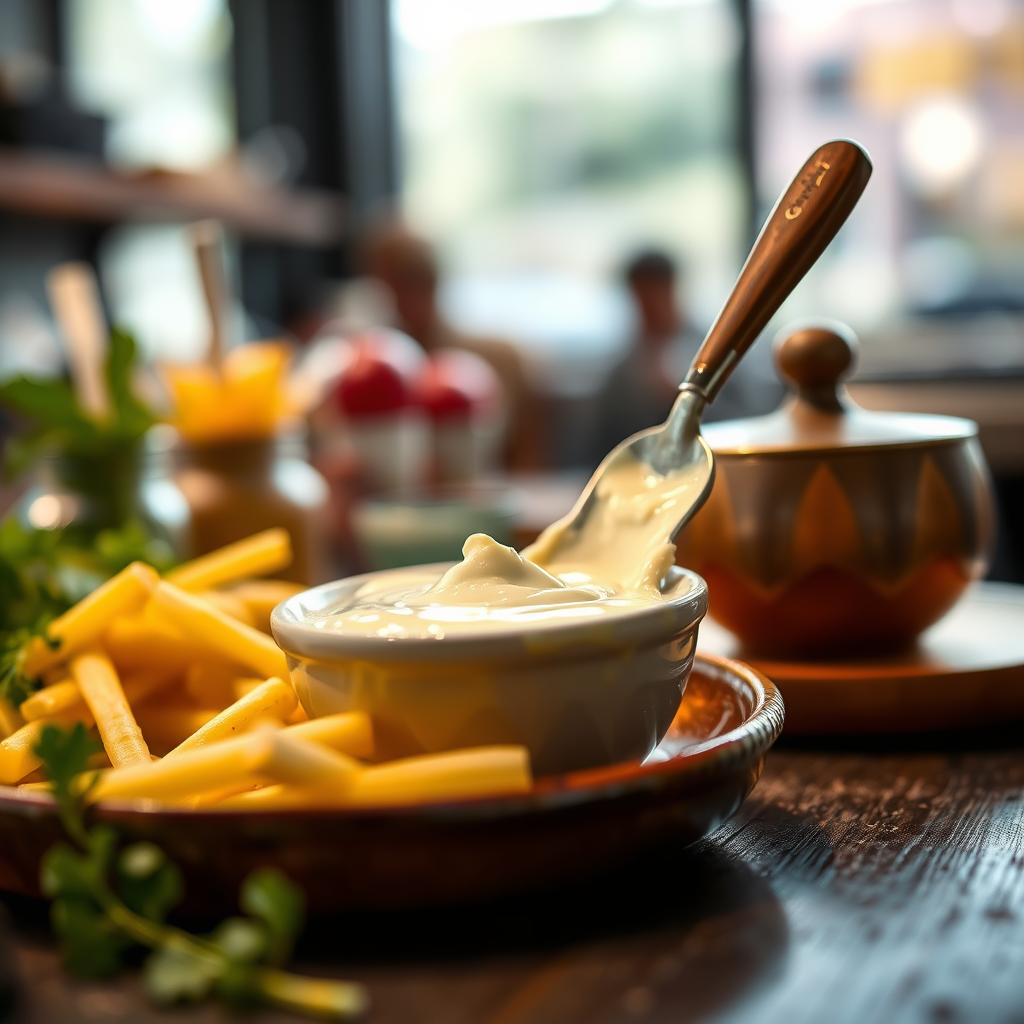
– As a Dip: Serve aioli as a dip for fresh vegetables, fries, or seafood. Its rich texture makes it an appealing choice for dipping.
– In Salads: Incorporate aioli into pasta salads or potato salads as a dressing alternative. It adds creaminess and flavor without the need for mayonnaise.
– On Grilled Meats: Drizzle aioli over grilled meats or vegetables for an elevated flavor experience. It complements the charred taste beautifully.
Top 7 Aioli Variations to Try (2024)
| # | Aioli Variation | Main Ingredient | Flavor Profile | Best Use |
|---|---|---|---|---|
| 1 | Lemon Aioli | Lemon Juice | Tangy | Seafood Dips |
| 2 | Basil Aioli | Fresh Basil | Herbaceous | Sandwiches |
| 3 | Spicy Aioli | Sriracha | Spicy | Dipping Sauce |
| 4 | Chipotle Aioli | Chipotle Peppers | Smoky | Tacos |
| 5 | Garlic Aioli | Extra Garlic | Robust | Grilled Meats |
| 6 | Truffle Aioli | Truffle Oil | Earthy | Fancy Dishes |
| 7 | Avocado Aioli | Avocado | Creamy | Salads |
Your homemade aioli mayonnaise can be a game-changer in your kitchen. By following these straightforward steps and tips, you can enjoy a rich, creamy condiment that enhances any dish. Don’t forget to experiment with flavors and share your creations! With a bit of creativity, your aioli can become a staple in your culinary repertoire, bringing a distinctive touch to everyday meals.
Frequently Asked Questions
What ingredients do I need for a basic aioli mayonnaise recipe?
To create a basic aioli mayonnaise, you’ll need fresh garlic, egg yolks, lemon juice, Dijon mustard, and a neutral oil like canola or light olive oil. Salt and pepper are also essential for seasoning. This combination gives you a creamy, flavorful sauce that can elevate various dishes.
How do I properly emulsify aioli mayonnaise without it breaking?
To emulsify aioli mayonnaise successfully, start by whisking the egg yolks and mustard together until smooth. Gradually add the oil in a thin stream while continuously whisking to create a thick emulsion. If your aioli starts to break, you can rescue it by whisking in a teaspoon of warm water or an additional yolk.
Why is my aioli mayonnaise too runny, and how can I fix it?
If your aioli mayonnaise is too runny, it may not have been emulsified properly or lacked enough oil. To fix this, you can either slowly whisk in more oil until it thickens or start a new emulsion with a fresh egg yolk and gradually add the runny aioli to it. This method will help achieve the desired creamy consistency.
What is the best way to store homemade aioli mayonnaise?
The best way to store homemade aioli mayonnaise is in an airtight container in the refrigerator. It typically lasts for about 3 to 5 days. To maintain its freshness, avoid introducing any contaminants, such as utensils that have touched other foods.
Which dishes pair well with aioli mayonnaise?
Aioli mayonnaise pairs wonderfully with a variety of dishes, including seafood, roasted vegetables, and sandwiches. It can enhance the flavor of fries or serve as a dip for fresh bread. Its versatility makes it a fantastic addition to both casual and gourmet meals.
References
- Aioli
https://en.wikipedia.org/wiki/Aioli - Aioli sauce recipe | Good Food
https://www.bbcgoodfood.com/recipes/aioli - NYT Cooking – Recipes and Cooking Guides From The New York Times
https://www.nytimes.com/recipes/1019864/aioli - https://www.verywellfit.com/what-is-aioli-5196558
https://www.verywellfit.com/what-is-aioli-5196558 - https://www.mayoclinic.org/healthy-lifestyle/nutrition-and-healthy-eating/in-depth/healthy-fats/art-20045813
https://www.mayoclinic.org/healthy-lifestyle/nutrition-and-healthy-eating/in-depth/healthy-fats/art-20045813 - https://www.cdc.gov/nutrition/resources-publications/smart-choices/aioli.html
https://www.cdc.gov/nutrition/resources-publications/smart-choices/aioli.html - https://scholar.google.com/scholar?q=aioli+mayonnaise Google Scholar
https://scholar.google.com/scholar?q=aioli+mayonnaise - Google Scholar Google Scholar
https://scholar.google.com/scholar?q=recipe+for+aioli - Google Scholar Google Scholar
https://scholar.google.com/scholar?q=aioli+ingredients+and+variations - https://www.sciencedirect.com/topics/food-science/aioli
https://www.sciencedirect.com/topics/food-science/aioli