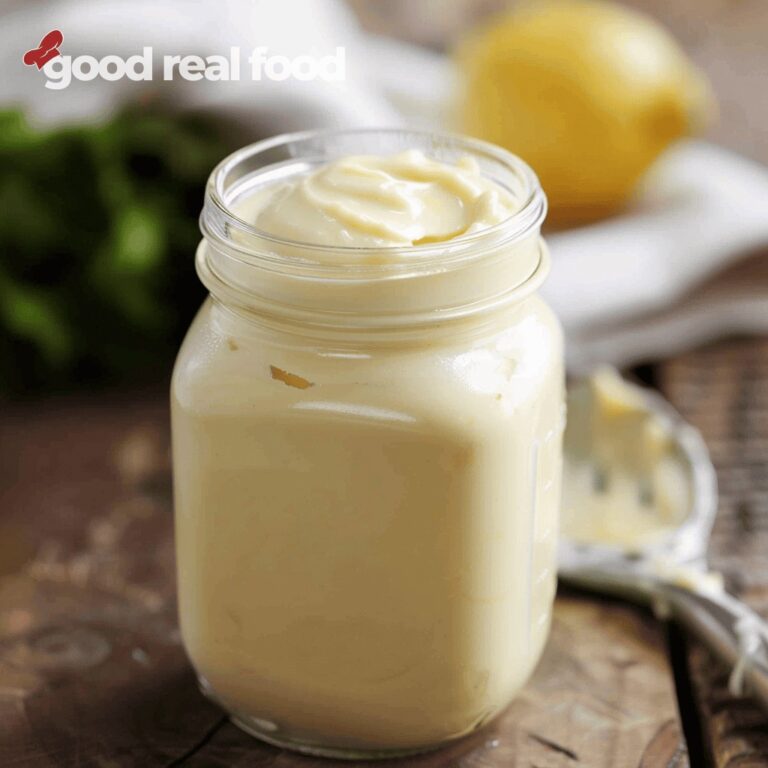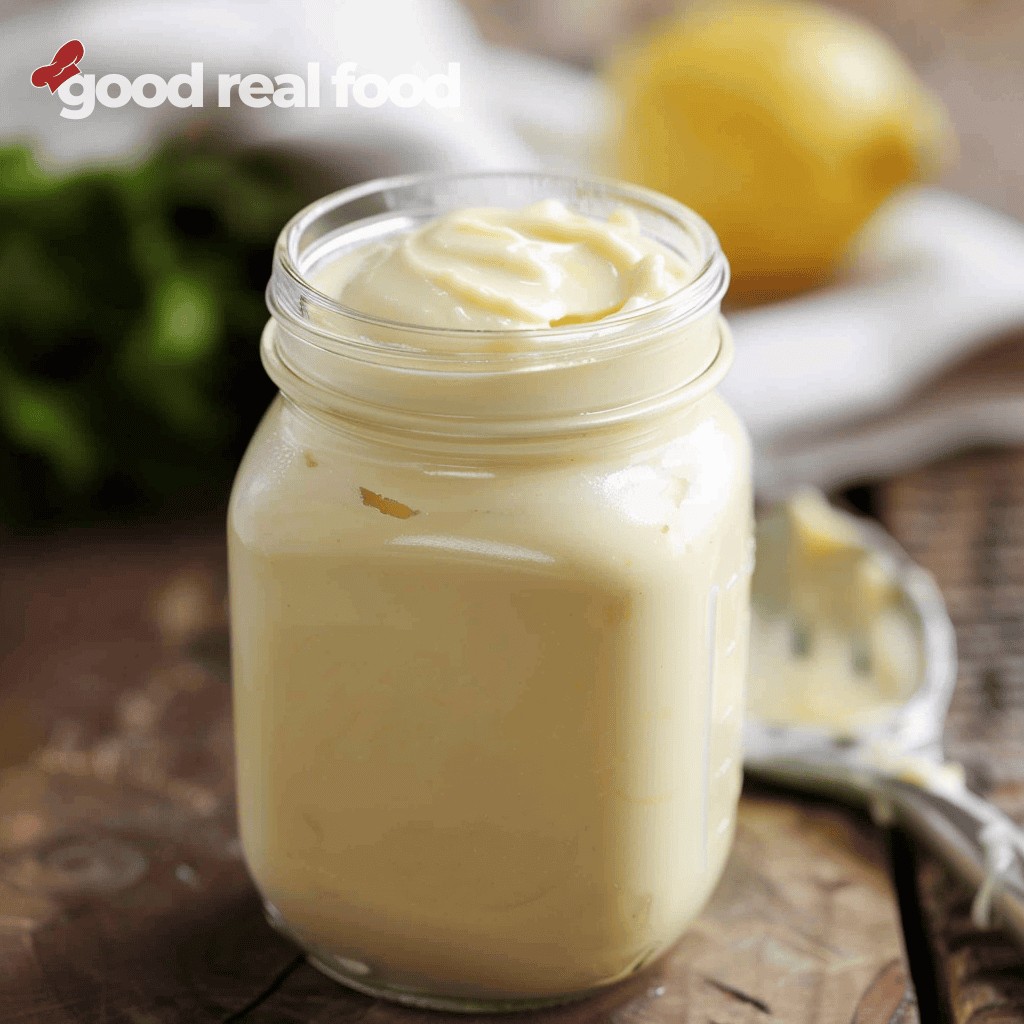
Homemade mayonnaise with olive oil is the ultimate choice for those seeking a rich, flavorful condiment without the preservatives of store-bought options. This simple recipe delivers creamy perfection in just a few easy steps, making it accessible for any home cook. Discover how to elevate your dishes with this fresh, homemade alternative that outshines commercial varieties. Get ready to whip up a batch that will transform your meals.
Making homemade mayonnaise with olive oil is incredibly easy and provides a rich, flavorful alternative to store-bought options. In just a few minutes, you can whip up a creamy, delicious mayonnaise that enhances your favorite dishes. This guide will walk you through the simple ingredients and steps needed to create your own olive oil mayonnaise. Not only will you enjoy the satisfaction of making it yourself, but you’ll also appreciate the fresh taste and healthier ingredients that come from this homemade version.
Ingredients You’ll Need
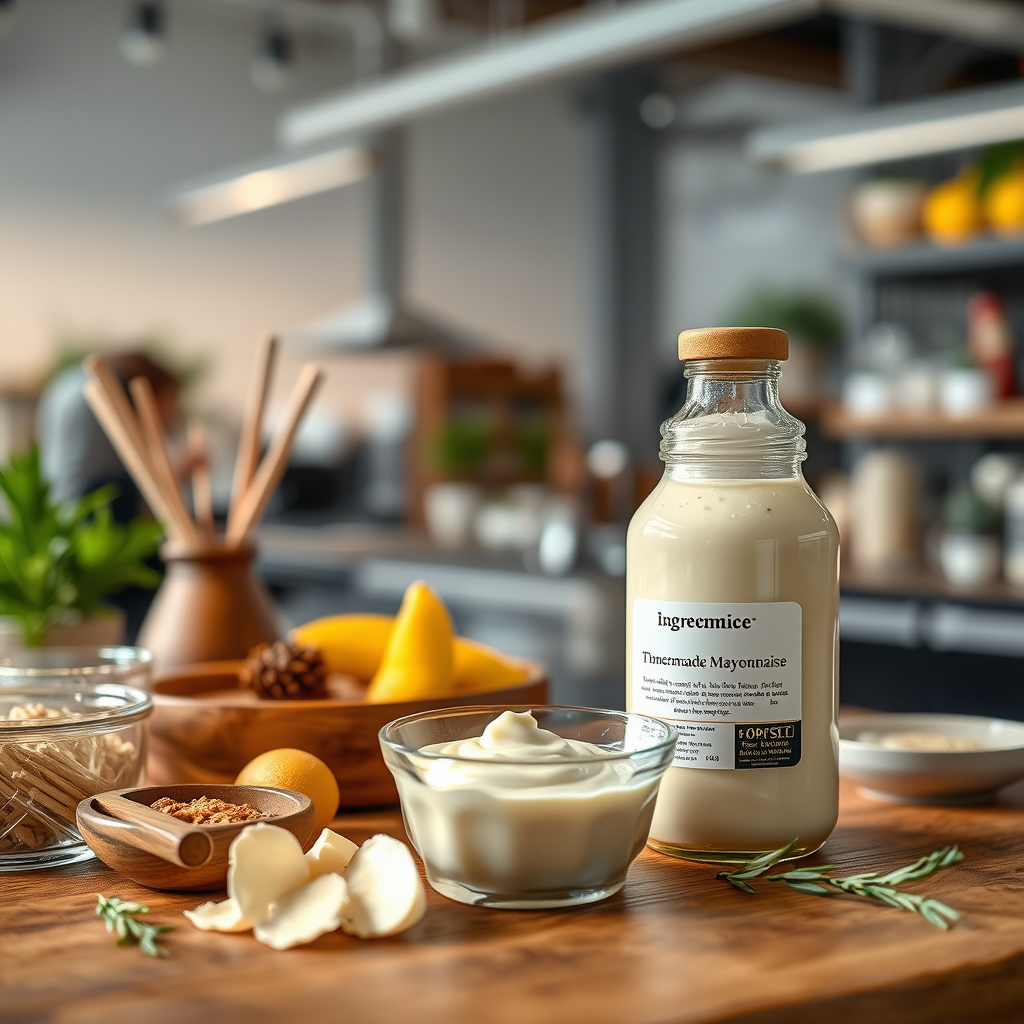
Creating your own mayonnaise may seem daunting, but having the right ingredients simplifies the process. Here’s what you’ll need:
– Fresh egg yolks: The foundation of mayonnaise, egg yolks provide the necessary emulsification that gives mayonnaise its creamy texture. Using fresh eggs ensures the best flavor and consistency.
– Olive oil: Opt for a high-quality extra virgin olive oil, which not only contributes to the flavor but also enhances the nutritional profile of your mayo. The rich taste of extra virgin olive oil will elevate your mayonnaise, making it a standout condiment.
– Acid: Incorporating acid, such as lemon juice or vinegar, is crucial. It not only balances the richness of the oil but also adds a bright, tangy flavor that enhances the overall taste of the mayonnaise.
Tools Required

To efficiently create your homemade mayonnaise, you will need the following tools:
– Mixing bowl: A sturdy bowl is essential for holding your ingredients securely while you emulsify the mixture.
– Whisk or immersion blender: While a traditional whisk can be used, an immersion blender can make the emulsification process quicker and easier, especially for beginners.
– Measuring spoons: Accurate measurements are important for achieving the right balance of flavors in your mayonnaise.
Step-by-Step Instructions
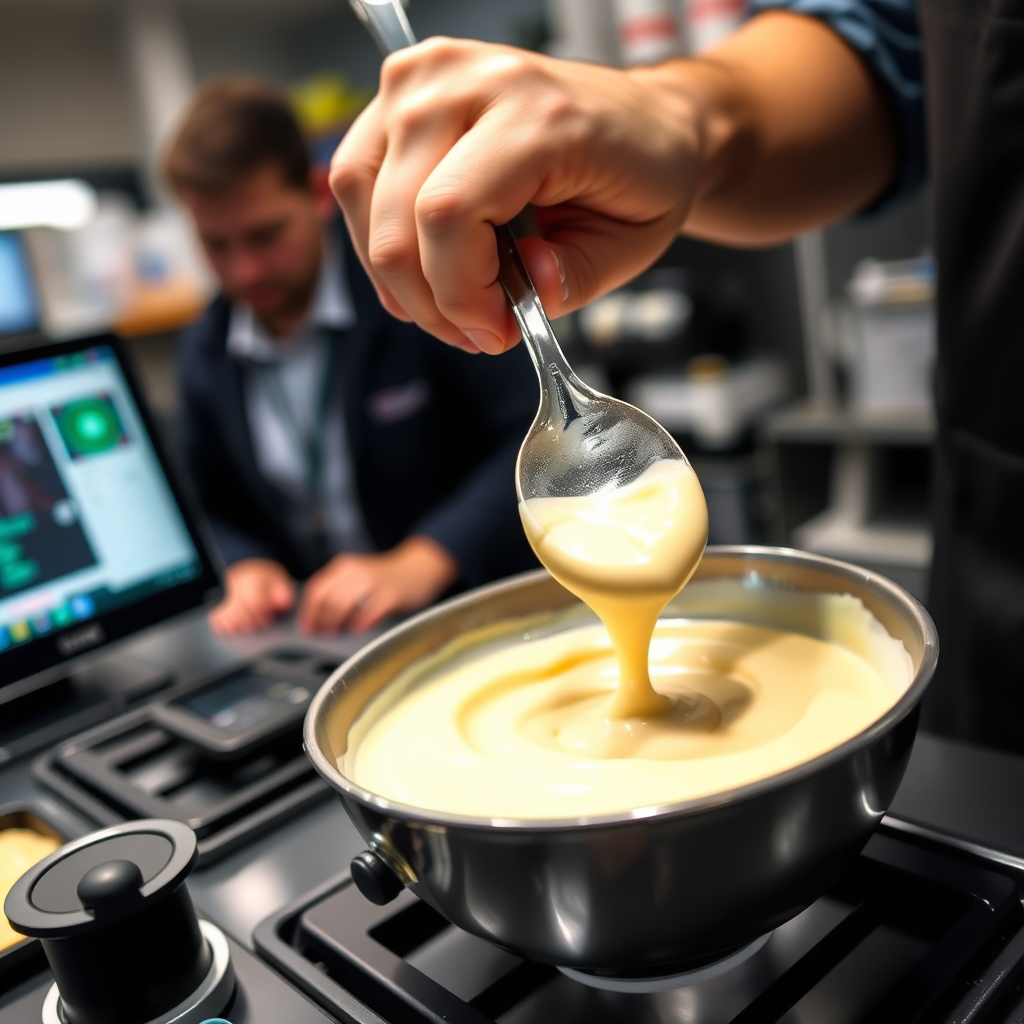
Now that you have your ingredients and tools ready, follow these simple steps to make your homemade mayonnaise:
1. Combine egg yolks and acid: In your mixing bowl, whisk together the fresh egg yolks and chosen acid (lemon juice or vinegar) until the mixture is frothy and well combined. This step is crucial for starting the emulsification process.
2. Gradually add olive oil: Begin to add the olive oil very slowly, starting with a few drops at a time while whisking constantly. As the mixture begins to thicken and emulsify, you can gradually increase the amount of oil you pour in. If using an immersion blender, you can slowly drizzle the oil while blending.
3. Adjust seasoning: Once all the oil is incorporated and the mayonnaise has reached a thick, creamy consistency, taste your creation. Season with salt, pepper, or any desired spices to enhance the flavor to your liking.
Top 7 Olive Oil Brands for Homemade Mayonnaise (2024)
| # | Brand | Flavor Profile | Country of Origin | Best For |
|---|---|---|---|---|
| 1 | Colavita | Fruity, Mild | Italy | Salads |
| 2 | Bertolli | Rich, Robust | Italy | Dipping |
| 3 | Filippo Berio | Smooth, Balanced | Italy | Cooking |
| 4 | Kirkland Signature | Earthy, Full-Bodied | USA | Dressings |
| 5 | Pompeian | Fruity, Peppery | USA | Finishing Oil |
| 6 | California Olive Ranch | Light, Clean | USA | Everyday Use |
| 7 | La Tourangelle | Nutty, Complex | France | Gourmet Cooking |
Tips for Perfect Mayonnaise

To achieve the best results with your homemade mayonnaise, consider the following tips:
– Use room temperature ingredients: Ingredients at room temperature emulsify better than cold ones. Remove your eggs from the refrigerator about 30 minutes before you start.
– Experiment with flavors: The beauty of homemade mayonnaise is its versatility. Try adding fresh herbs like basil or dill, roasted garlic, or a touch of Dijon mustard for a more complex flavor profile.
– Be patient: If your mayonnaise separates during the mixing process, don’t panic. Simply whisk in a teaspoon of water and continue whisking until it comes back together. This technique can save a batch that seems lost.
Storage Recommendations

Storing your homemade mayonnaise properly is crucial to maintain its freshness and taste:
– Refrigerate: Always store your mayonnaise in an airtight container to prevent exposure to air and contamination. A glass jar works well for this purpose.
– Use within one week: For the best taste and safety, consume your homemade mayonnaise within a week. Unlike store-bought versions that contain preservatives, homemade mayonnaise does not have a long shelf life.
Common Mistakes to Avoid
As you embark on your homemade mayonnaise journey, here are some common pitfalls to avoid:
– Overheating the oil: If your olive oil is too hot, it can negatively affect the flavor and texture of your mayonnaise. Always use oil at room temperature.
– Not whisking enough: Emulsification is key to a successful mayonnaise. A lack of vigorous whisking can lead to separation. Make sure to whisk continuously when adding the oil to ensure a stable emulsion.
Homemade mayonnaise with olive oil is not only delicious but also customizable to suit your taste. By following these simple steps, you can create a fresh, creamy condiment that elevates your meals. The process is straightforward, and with practice, you will feel confident in creating variations that can complement any dish. Try making this mayonnaise today and explore the endless possibilities for delicious dishes!
Frequently Asked Questions
What ingredients do I need for a homemade mayonnaise with olive oil?
To make homemade mayonnaise with olive oil, you will need egg yolks, Dijon mustard, lemon juice or vinegar, salt, and of course, high-quality extra virgin olive oil. This simple recipe allows you to create a delicious and creamy mayonnaise that is free from preservatives, making it a healthier choice for your meals.
How can I achieve the perfect consistency when making mayonnaise with olive oil?
To achieve the perfect consistency for your homemade mayonnaise, it’s essential to add the olive oil slowly while whisking vigorously. Start by combining the egg yolks, mustard, and lemon juice, then gradually drizzle in the olive oil until the mixture emulsifies and thickens. If the mayonnaise is too thick, you can add a few drops of water to reach your desired consistency.
Why should I use olive oil instead of other oils for homemade mayonnaise?
Using olive oil in your homemade mayonnaise not only enhances its flavor with a rich, fruity taste but also provides health benefits thanks to its high levels of monounsaturated fats and antioxidants. Unlike other oils, olive oil is known for its heart-healthy properties, making your mayonnaise a nutritious addition to salads and sandwiches.
What is the best method to store homemade mayonnaise with olive oil?
The best method to store homemade mayonnaise with olive oil is in an airtight container in the refrigerator. It should be consumed within one week for optimal freshness and safety, as homemade mayonnaise lacks preservatives. Always use clean utensils when scooping out the mayonnaise to prevent contamination.
Which tools do I need to make homemade mayonnaise with olive oil effectively?
To make homemade mayonnaise with olive oil effectively, you’ll need a mixing bowl, a whisk or an immersion blender, and a measuring spoon for accurate ingredient proportions. An immersion blender can offer a quick and easy way to achieve emulsification, while a whisk provides a more traditional method that allows for better control over the texture.
References
- Mayonnaise
https://en.wikipedia.org/wiki/Mayonnaise - 4-Amino-substituted Benzenesulfonamides as Inhibitors of Human Carbonic Anhydrases – PMC
https://www.ncbi.nlm.nih.gov/pmc/articles/PMC6271771/ - https://www.mayoclinic.org/healthy-lifestyle/nutrition-and-healthy-eating/in-depth/healthy-fats/art-20045525
https://www.mayoclinic.org/healthy-lifestyle/nutrition-and-healthy-eating/in-depth/healthy-fats/art-20045525 - https://www.sciencedirect.com/topics/food-science/mayonnaise
https://www.sciencedirect.com/topics/food-science/mayonnaise - https://www.bbc.co.uk/food/recipes/mayonnaise_85115
https://www.bbc.co.uk/food/recipes/mayonnaise_85115 - https://www.theguardian.com/lifeandstyle/2012/may/12/how-to-make-mayonnaise
https://www.theguardian.com/lifeandstyle/2012/may/12/how-to-make-mayonnaise - https://www.healthline.com/nutrition/homemade-mayonnaise
https://www.healthline.com/nutrition/homemade-mayonnaise - https://www.nytimes.com/wirecutter/blog/how-to-make-mayonnaise/
https://www.nytimes.com/wirecutter/blog/how-to-make-mayonnaise/ - Google Scholar Google Scholar
https://scholar.google.com/scholar?q=recipe+for+homemade+mayonnaise+with+olive+oil - Google Scholar Google Scholar
https://scholar.google.com/scholar?q=homemade+mayonnaise+nutrition+olive+oil