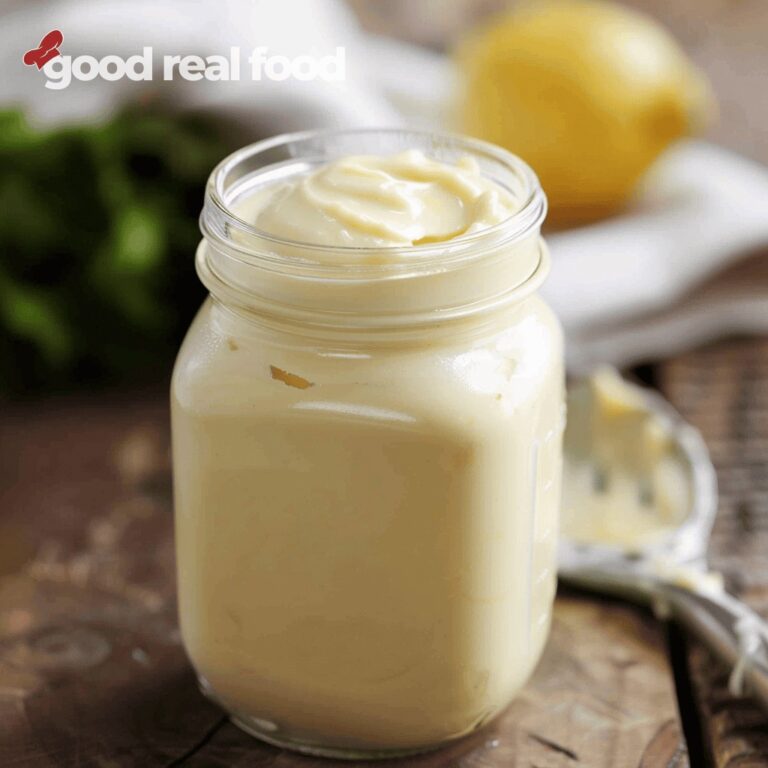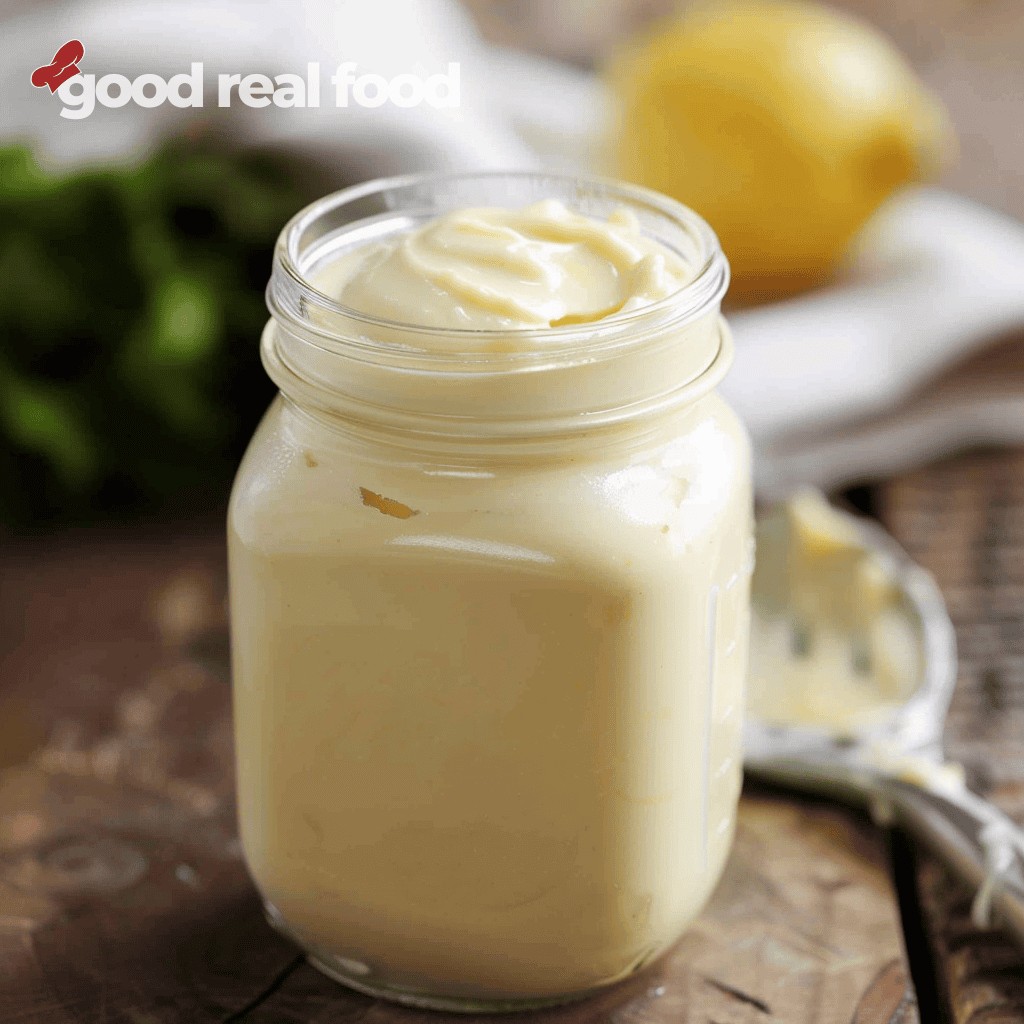
Homemade mayonnaise made with olive oil is not only easier to prepare than you might think, but it also delivers a richer flavor that elevates any dish. This guide provides simple steps to create creamy, delicious mayonnaise that outshines store-bought alternatives. By following these methods, you’ll unlock a culinary staple that enhances your cooking while ensuring freshness and quality. Get ready to impress your palate with a superior homemade version.
Making homemade mayonnaise with olive oil is a simple and rewarding process that elevates your culinary creations. In just a few minutes, you can whip up a creamy, delicious mayonnaise that’s healthier and tastier than store-bought versions. This guide will walk you through the essential ingredients and steps to create your own mayo at home.
Understanding the Ingredients
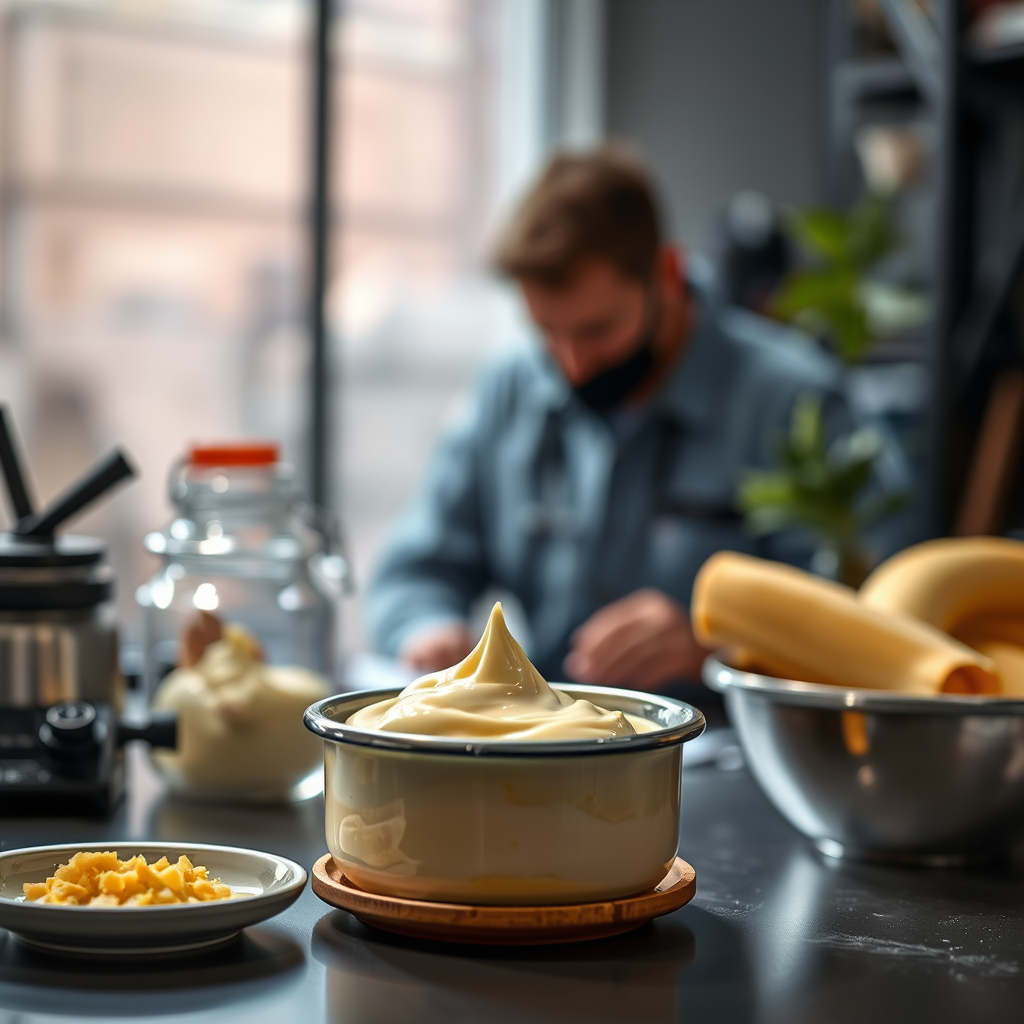
When it comes to making homemade mayonnaise, selecting the right ingredients is paramount. The three main components are olive oil, egg yolks, and an acid such as lemon juice or vinegar.
– Olive Oil: The quality of olive oil can significantly impact the flavor of your mayonnaise. Extra virgin olive oil is the best choice due to its rich, fruity flavor and high levels of healthy monounsaturated fats. It also provides antioxidants and has anti-inflammatory properties.
– Egg Yolks: Fresh, large egg yolks are crucial for achieving the perfect emulsion. The lecithin in egg yolks acts as an emulsifier, helping to bind the oil and water together, resulting in a smooth and creamy texture.
– Acid: Adding an acid such as lemon juice or vinegar is essential to balance the rich flavors of the oil and yolks. The acidity not only enhances the taste but also helps in stabilizing the mayonnaise.
Essential Tools for Making Mayonnaise
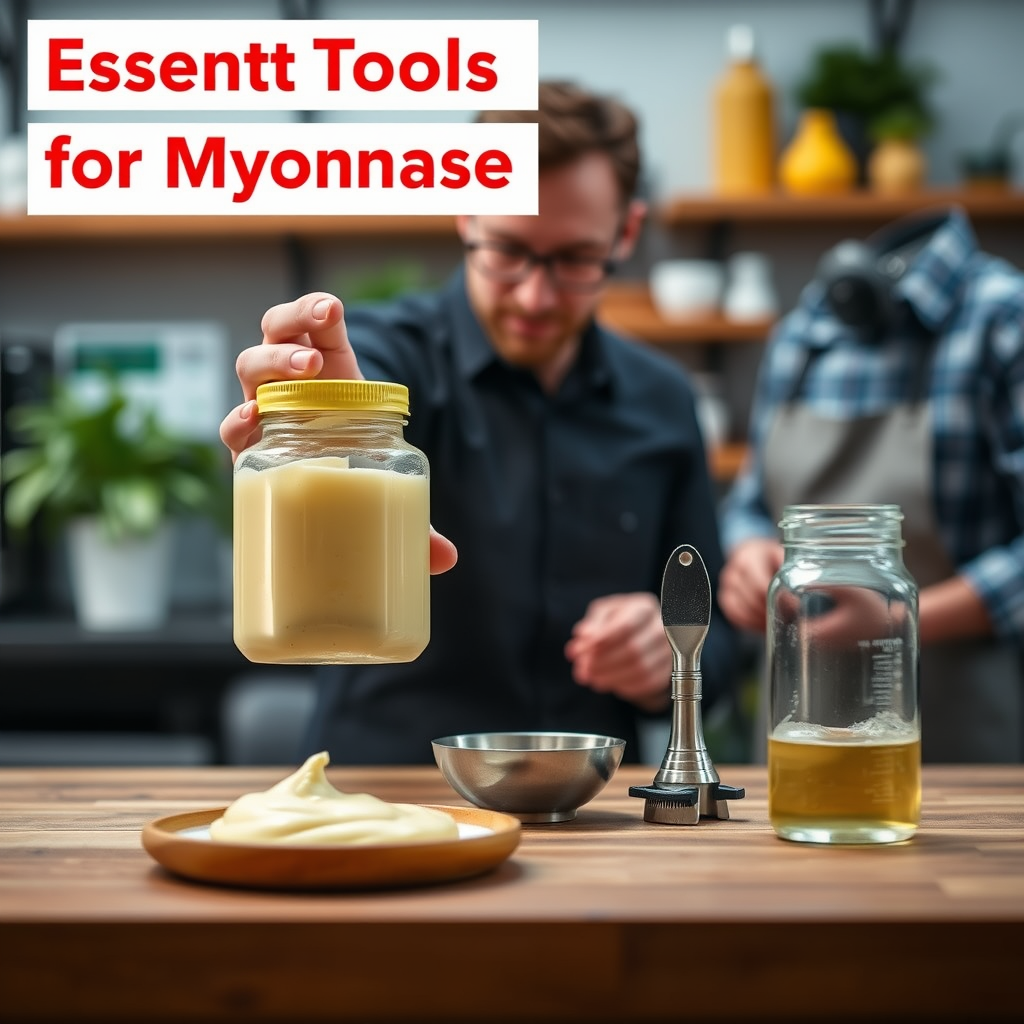
Creating your own mayonnaise requires a few essential tools to ensure a smooth process.
– Blender or Food Processor: A high-speed blender or food processor simplifies the emulsification process. These tools allow you to blend the ingredients quickly and efficiently, ensuring a well-mixed mayonnaise.
– Measuring Cups and Spoons: Accurate measurements are crucial for achieving the right consistency and flavor. Using measuring cups and spoons ensures that you don’t add too much or too little of any ingredient.
– Spatula: A spatula is handy for scraping down the sides of your blender or processor. This ensures that all ingredients are well incorporated and that nothing is left behind.
Step-by-Step Instructions

Making mayonnaise at home is straightforward if you follow these simple steps:
– Combine Ingredients: Start by adding two large egg yolks, one tablespoon of lemon juice (or vinegar), and a pinch of salt into your blender or food processor. Blend these ingredients for a few seconds until well combined.
– Emulsification: With the blender running, slowly drizzle in one cup of olive oil. It’s important to add the oil gradually to create a thick, creamy consistency. If you pour the oil too quickly, the mayonnaise may break and separate.
– Adjust Flavor: After the mayonnaise thickens, taste it and adjust the flavor if necessary. You can add more salt, lemon juice, or even spices to customize it to your liking.
Nutritional Comparison of Homemade and Store-Bought Mayonnaise
| # | Type | Calories (per tbsp) | Fat (g) | Sodium (mg) |
|---|---|---|---|---|
| 1 | Homemade Mayonnaise | 94 | 10 | 78 |
| 2 | Store-Bought Mayonnaise | 100 | 11 | 90 |
Tips for Perfect Mayonnaise
To ensure your mayonnaise turns out perfectly every time, consider these tips:
– Temperature Matters: Using ingredients at room temperature is essential for optimal emulsification. Cold eggs or oil can hinder the process, resulting in a thin or broken mayonnaise.
– Slow and Steady: Drizzle the olive oil gradually while the blender is running. This slow incorporation allows the ingredients to emulsify properly, creating a thick and creamy texture.
– Storage: Store your homemade mayonnaise in an airtight container in the refrigerator. It can last for up to one week, although it’s best consumed fresh for optimal flavor.
Common Mistakes to Avoid

When making mayonnaise, avoiding common pitfalls can save you time and frustration.
– Too Much Oil Too Fast: One of the biggest mistakes is adding the oil too quickly. This can cause the mayonnaise to break and separate, resulting in a grainy texture.
– Using Cold Ingredients: Using cold eggs or oil can prevent the emulsion from forming. Always allow your ingredients to come to room temperature before starting.
– Not Mixing Long Enough: Ensure you blend long enough for the mayonnaise to thicken properly. If the mixture is too thin, it may need additional blending.
Variations to Try
Once you master the basic mayonnaise recipe, you can experiment with various flavor profiles:
– Herbed Mayonnaise: Blend in fresh herbs like basil, dill, or parsley for a refreshing twist. This variation pairs well with sandwiches and salads.
– Spicy Mayonnaise: Add sriracha, cayenne pepper, or any hot sauce of your choice for a spicy kick. This is perfect for burgers and seafood dishes.
– Garlic Aioli: For a delicious garlic-flavored mayonnaise, simply add minced garlic to the basic recipe. This aioli is a fantastic accompaniment to fries and roasted vegetables.
Making your own homemade mayonnaise with olive oil not only enhances your dishes but also allows you to customize flavors to suit your taste. With these simple steps and tips, you’ll be able to create a creamy and flavorful mayonnaise that outshines anything from the store. Try it out today and enjoy the freshness in your cooking!
Frequently Asked Questions
What ingredients do I need for a homemade mayonnaise recipe using olive oil?
To make homemade mayonnaise with olive oil, you’ll need one large egg, one tablespoon of Dijon mustard, one tablespoon of white wine vinegar or lemon juice, and one cup of extra virgin olive oil. Additionally, salt and pepper to taste will enhance the flavor of your creamy mayonnaise.
How can I achieve the perfect consistency for homemade mayonnaise with olive oil?
To achieve the ideal consistency for your homemade mayonnaise, it’s important to blend the ingredients slowly at first. Start by combining the egg, mustard, and vinegar in a blender or food processor, then gradually drizzle in the olive oil while blending on low speed until it emulsifies and thickens to your desired creaminess.
Why should I use olive oil in my homemade mayonnaise instead of other oils?
Using olive oil in your homemade mayonnaise not only adds a rich flavor but also provides health benefits, as it’s high in monounsaturated fats and antioxidants. This makes your mayonnaise a healthier option compared to using refined vegetable oils, which may lack nutritional value and flavor.
What is the best method for storing homemade mayonnaise with olive oil?
The best way to store your homemade mayonnaise is in an airtight container in the refrigerator. It can typically last up to one week, but always check for any off smell or changes in texture before using, as homemade mayonnaise does not contain preservatives like store-bought varieties.
Which tools are recommended for making homemade mayonnaise with olive oil?
To make homemade mayonnaise, a high-speed blender or an immersion blender works best for achieving a smooth, creamy texture. Alternatively, a whisk can be used for a more traditional approach, but it requires more effort to incorporate the oil slowly and achieve the desired emulsion.
References
- Mayo
https://en.wikipedia.org/wiki/Mayo - Checking your browser – reCAPTCHA
https://www.ncbi.nlm.nih.gov/pmc/articles/PMC7174875/ - https://www.ncbi.nlm.nih.gov/pmc/articles/PMC6888229/
https://www.ncbi.nlm.nih.gov/pmc/articles/PMC6888229/ - https://www.mayoclinic.org/healthy-lifestyle/nutrition-and-healthy-eating/in-depth/mayonnaise/art-20046951
https://www.mayoclinic.org/healthy-lifestyle/nutrition-and-healthy-eating/in-depth/mayonnaise/art-20046951 - https://www.verywellfit.com/homemade-mayonnaise-recipe-4116572
https://www.verywellfit.com/homemade-mayonnaise-recipe-4116572 - https://www.sciencedirect.com/topics/food-science/mayonnaise
https://www.sciencedirect.com/topics/food-science/mayonnaise - https://www.theguardian.com/food/2020/jul/07/how-to-make-mayonnaise
https://www.theguardian.com/food/2020/jul/07/how-to-make-mayonnaise - https://scholar.google.com/scholar?q=homemade+mayonnaise+recipe+with+olive+oil Google Scholar
https://scholar.google.com/scholar?q=homemade+mayonnaise+recipe+with+olive+oil - https://scholar.google.com/scholar?q=making+mayonnaise+with+olive+oil Google Scholar
https://scholar.google.com/scholar?q=making+mayonnaise+with+olive+oil - homemade mayonnaise recipe with olive oil – Search results
https://en.wikipedia.org/wiki/Special:Search?search=homemade+mayonnaise+recipe+with+olive+oil