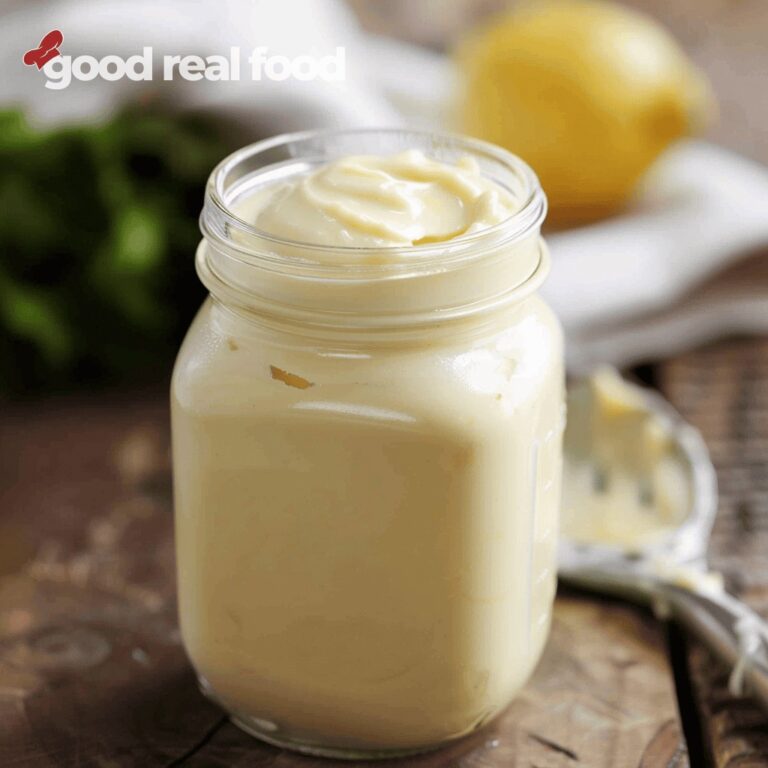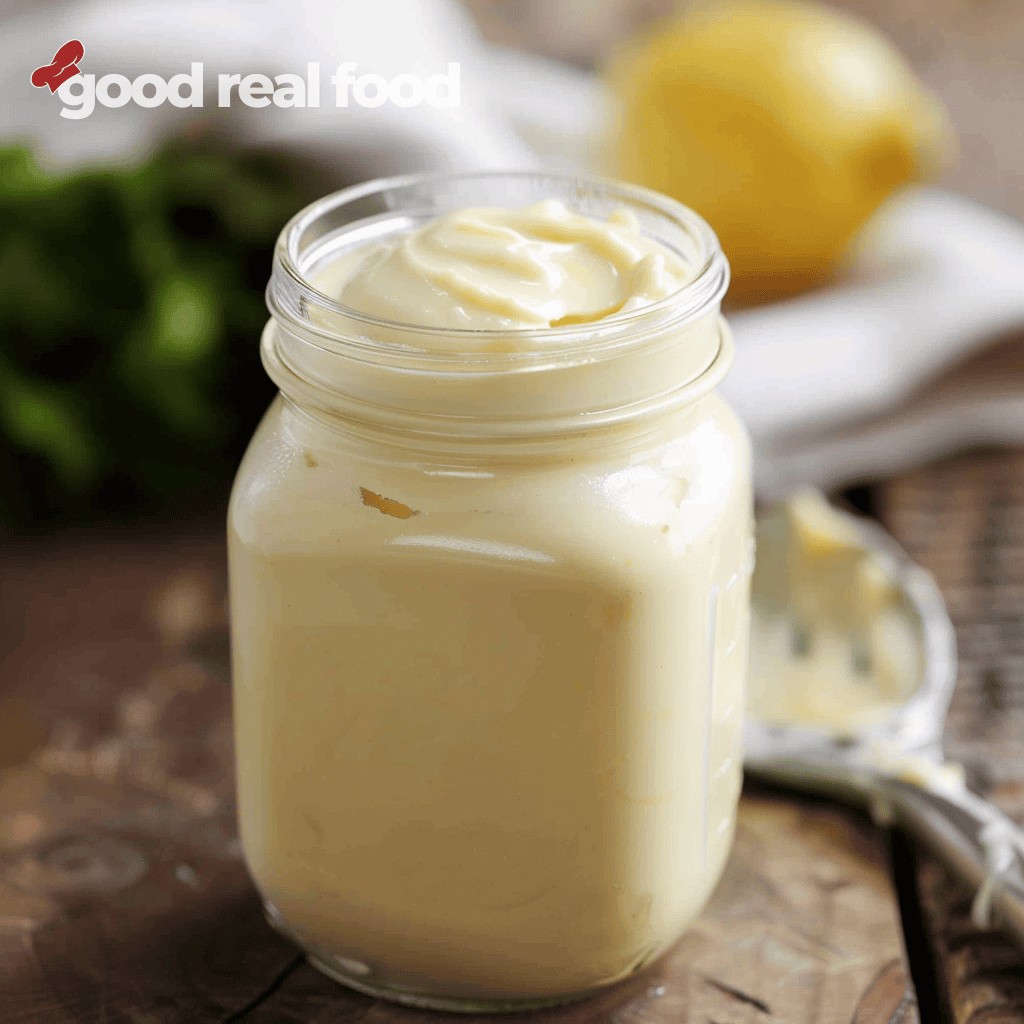
Homemade mayonnaise is not only easy to make, but it also surpasses store-bought options in flavor and freshness. This recipe will guide you through a simple process that delivers creamy, rich mayonnaise in just minutes. Say goodbye to preservatives and hello to a delicious condiment that elevates any dish. Discover the secret to achieving the perfect balance of tang and creaminess in your homemade mayonnaise.
Making homemade mayonnaise is simple and requires just a few ingredients: egg yolks, oil, and vinegar or lemon juice. With this straightforward recipe, you’ll learn how to whip up creamy, flavorful mayonnaise in no time. Say goodbye to store-bought versions and enjoy a fresher, customizable alternative that can elevate your dishes and sandwiches.
Homemade mayonnaise not only allows you to control the ingredients but also provides a taste that is often far superior to commercial products. By using fresh eggs, high-quality oils, and your choice of acid, you can create a condiment that perfectly complements your culinary creations. Whether you prefer a tangy twist or a classic flavor, this easy recipe can be adapted to suit your palate.
Ingredients You’ll Need
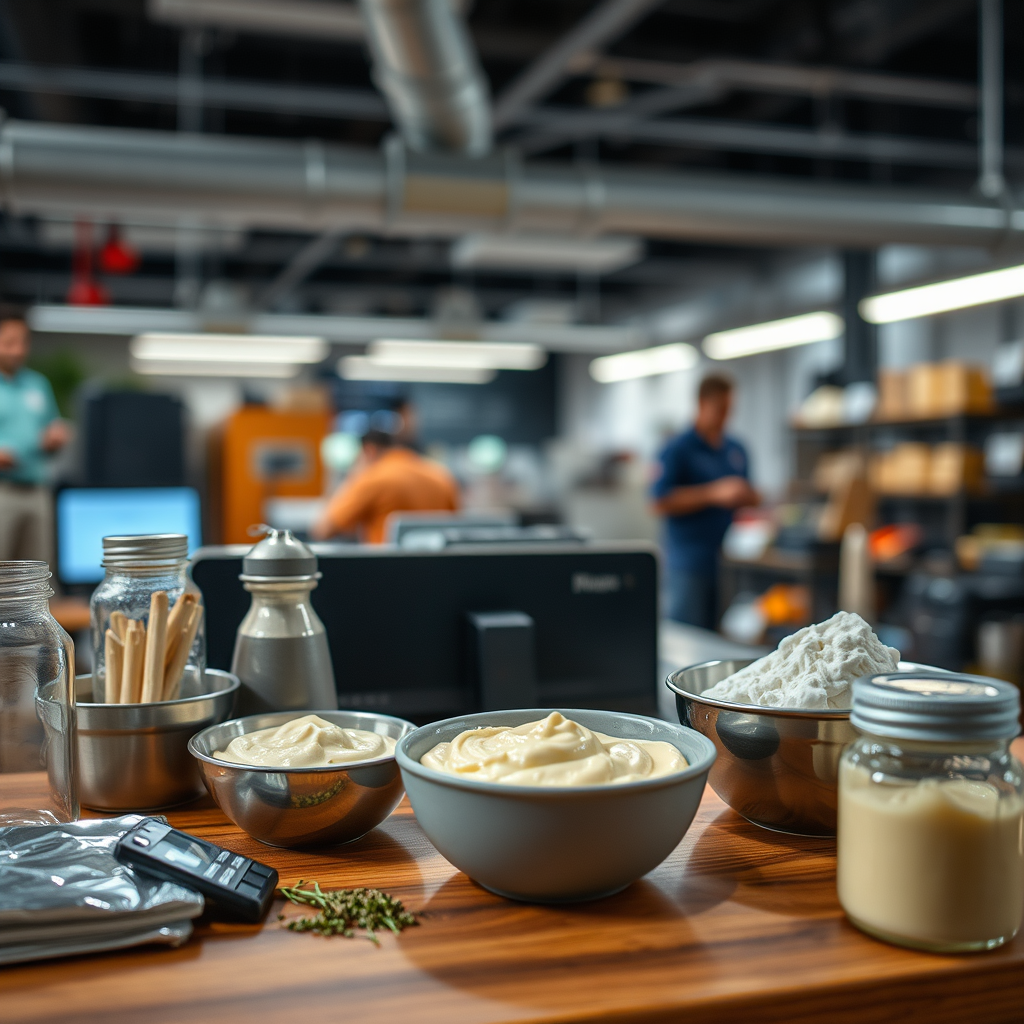
To create your homemade mayonnaise, you will need the following ingredients:
– Fresh Egg Yolks: The base of your mayonnaise, egg yolks provide a creamy texture and rich flavor. It’s best to use the freshest eggs possible, as they significantly affect the overall taste and safety of the mayonnaise.
– High-Quality Oil: Options like olive oil, canola oil, or avocado oil are excellent choices. Each oil provides a unique flavor profile and texture, allowing you to customize your mayonnaise to your liking. Extra virgin olive oil will impart a robust flavor, while canola oil will create a milder taste.
– Acid (Vinegar or Lemon Juice): The acidity not only enhances the flavor but also helps preserve the mayonnaise. You can choose between white wine vinegar, apple cider vinegar, or fresh lemon juice, each contributing different notes to the final product.
Tools Required
To make your mayonnaise effectively, gather the following tools:
– Mixing Bowl: A medium-sized bowl is ideal for combining your ingredients.
– Whisk or Immersion Blender: A whisk is traditional, but an immersion blender can provide a quicker and more foolproof method of emulsification, making it easier to achieve the desired consistency.
– Measuring Cup: For accurate ingredient portions, especially when measuring oil and acid, precision is key.
Step-by-Step Instructions

Creating your homemade mayonnaise is straightforward. Follow these steps for perfect results:
1. Combine the Base: In a mixing bowl, whisk together the fresh egg yolks and your chosen acid until they are well blended.
2. Emulsify the Mixture: Begin to add your oil slowly, starting with just a few drops while whisking vigorously. As the mixture starts to thicken, you can gradually increase the amount of oil to a thin stream. Continue whisking consistently to keep the ingredients emulsified.
3. Adjust Flavor: Once all the oil has been added, taste your mayonnaise. You may want to adjust the acidity by adding more vinegar or lemon juice or season with salt, pepper, or additional herbs.
4. Store Properly: Transfer the mayonnaise to an airtight container and refrigerate.
Data Table: Homemade Mayonnaise vs. Store-Bought Mayonnaise
Comparison: Homemade vs. Store-Bought Mayonnaise
| # | Feature | Homemade | Store-Bought | Flavor Rating |
|---|---|---|---|---|
| 1 | Freshness | High | Medium | ★★★★☆ |
| 2 | Customization | High | Low | ★★★★★ |
| 3 | Preservatives | None | Contains | ★★★★★ |
| 4 | Cost | Low | Medium | ★★★★☆ |
| 5 | Texture | Creamy | Variable | ★★★★☆ |
| 6 | Shelf Life | 1 Week | 3-6 Months | ★★★☆☆ |
| 7 | Ease of Preparation | Simple | Moderate | ★★★★☆ |
Tips for Perfecting Your Mayonnaise

To ensure your mayonnaise turns out perfectly every time, consider these tips:
– Use Room Temperature Ingredients: Allow your eggs and oil to come to room temperature before starting. This helps in achieving a stable emulsion.
– Experiment with Oils: Different oils can create varied flavors. Try using nut oils, like walnut or hazelnut oil, for a unique twist. Additionally, blending oils can result in a more complex flavor.
– Incorporate Flavorings: Don’t hesitate to add herbs, garlic, or spices to your mayonnaise. A pinch of garlic powder or a handful of fresh basil can transform your mayonnaise into something extraordinary.
– Adjust Consistency: If your mayonnaise is too thick, add a few drops of water or additional acid to thin it out. If it’s too thin, continue whisking until it emulsifies further.
Common Mistakes to Avoid

While making mayonnaise is easy, there are pitfalls to watch for:
– Adding Oil Too Quickly: If you pour the oil in too fast, the emulsion can break, leading to a watery mess. Always start with a slow drizzle.
– Not Using Fresh Ingredients: Outdated eggs or rancid oils can ruin the flavor and texture of your mayonnaise. Always check the freshness of your ingredients.
– Ignoring the Temperature: Cold ingredients can cause separation during emulsification. Ensuring your ingredients are at room temperature is crucial.
Storing Your Mayonnaise
Proper storage is essential to keep your homemade mayonnaise fresh and safe:
– Refrigeration: Store your mayonnaise in an airtight container in the refrigerator. Ensure the lid is tightly sealed to prevent contamination.
– Shelf Life: Homemade mayonnaise is best consumed within one week due to the lack of preservatives. If you notice any off smells or changes in texture, discard it immediately.
– Labeling: For convenience, label your container with the date you made the mayonnaise. This will help you keep track of its freshness.
To conclude, making homemade mayonnaise is a rewarding endeavor that enhances your culinary repertoire. With just a few basic ingredients and some simple techniques, you can create a fresh, delicious condiment tailored to your preference. By avoiding common pitfalls and storing your mayonnaise properly, you can enjoy this delightful addition to your meals for days to come. Try this recipe today to experience the difference in flavor and quality!
Frequently Asked Questions
What ingredients do I need to make homemade mayonnaise?
To make homemade mayonnaise, you’ll need just a few simple ingredients: one large egg at room temperature, one tablespoon of Dijon mustard, one tablespoon of white vinegar or lemon juice, and one cup of neutral oil like canola or sunflower oil. Salt and pepper can also be added to taste for seasoning, ensuring a flavorful result.
How can I make mayonnaise without a blender or food processor?
You can make mayonnaise by using a whisk and a bowl instead of a blender or food processor. Start by whisking the egg, mustard, and vinegar together until combined, then slowly drizzle in the oil while continuously whisking vigorously. This technique requires some elbow grease but can yield a delicious homemade mayonnaise.
Why did my homemade mayonnaise not emulsify?
If your homemade mayonnaise didn’t emulsify, it could be due to several reasons, such as using cold ingredients or adding the oil too quickly. Make sure all ingredients are at room temperature and add the oil in a slow, steady stream while whisking constantly. If it fails, you can try saving it by whisking in a new egg yolk and slowly incorporating the broken mixture.
What is the best type of oil to use for homemade mayonnaise?
The best types of oil for homemade mayonnaise are neutral-flavored oils like canola oil, grapeseed oil, or sunflower oil, as they won’t overpower the taste of the mayonnaise. Olive oil can also be used, but it has a stronger flavor, so consider mixing it with a neutral oil for a more balanced taste.
Which tools are essential for making homemade mayonnaise?
Essential tools for making homemade mayonnaise include a mixing bowl, a whisk or an immersion blender, and a measuring cup. If you opt for an immersion blender, it can make the process quicker and easier, allowing you to achieve a creamy consistency in just seconds.
References
- Mayo
https://en.wikipedia.org/wiki/Mayo - https://www.mayoclinic.org/healthy-lifestyle/nutrition-and-healthy-eating/expert-answers/homemade-mayonnaise/faq-20057973
https://www.mayoclinic.org/healthy-lifestyle/nutrition-and-healthy-eating/expert-answers/homemade-mayonnaise/faq-20057973 - Checking your browser – reCAPTCHA
https://www.ncbi.nlm.nih.gov/pmc/articles/PMC4619505/ - https://www.cdc.gov/foodsafety/communication/homefoodpreservation.html
https://www.cdc.gov/foodsafety/communication/homefoodpreservation.html - https://www.sciencedirect.com/topics/food-science/mayonnaise
https://www.sciencedirect.com/topics/food-science/mayonnaise - https://www.nutrition.gov/topics/nutrition-101/food-safety/homemade-mayonnaise
https://www.nutrition.gov/topics/nutrition-101/food-safety/homemade-mayonnaise - Google Scholar Google Scholar
https://scholar.google.com/scholar?q=recipe+for+homemade+mayonnaise - Google Scholar Google Scholar
https://scholar.google.com/scholar?q=homemade+mayonnaise+health+benefits - Google Scholar Google Scholar
https://scholar.google.com/scholar?q=mayonnaise+recipe+nutritional+value - recipe for homemade mayonnaise – Search results
https://en.wikipedia.org/wiki/Special:Search?search=recipe+for+homemade+mayonnaise