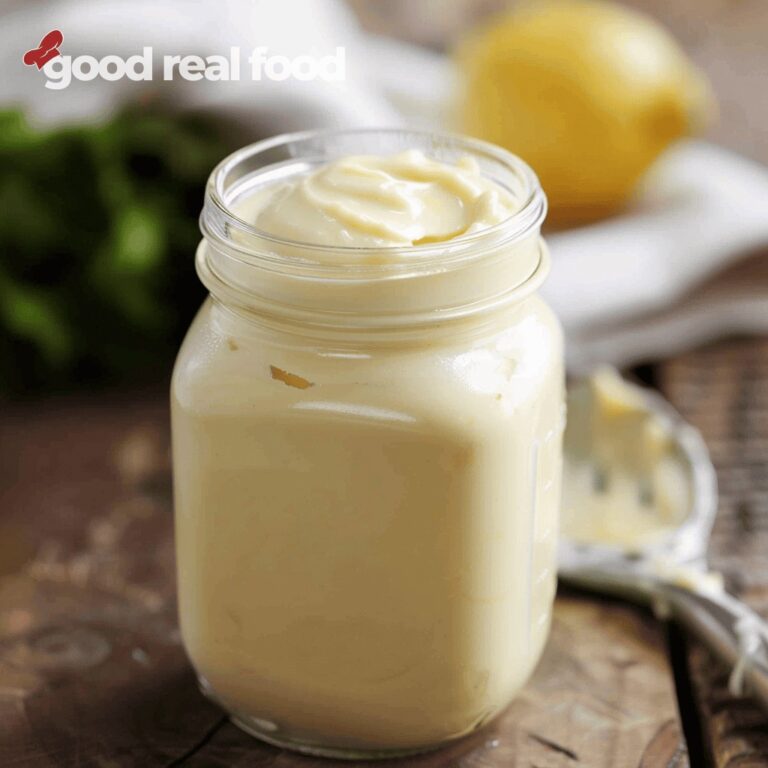
This easy vegan mayonnaise recipe stands out as the best choice for those seeking a creamy, plant-based alternative to traditional mayo. With simple ingredients and a quick preparation time, you can enjoy a delicious condiment that enhances sandwiches, dips, and dressings without any animal products. Say goodbye to store-bought options filled with preservatives and hello to fresh, homemade flavor.
Making your own vegan mayonnaise at home is not only straightforward but also requires just a handful of ingredients. This easy recipe will guide you through creating a creamy, flavorful mayo that can elevate your sandwiches, salads, and various dishes. In this guide, you’ll learn how to whip up your own vegan mayonnaise quickly and easily, along with tips for flavor variations, storage, and common pitfalls to avoid.
Ingredients You’ll Need
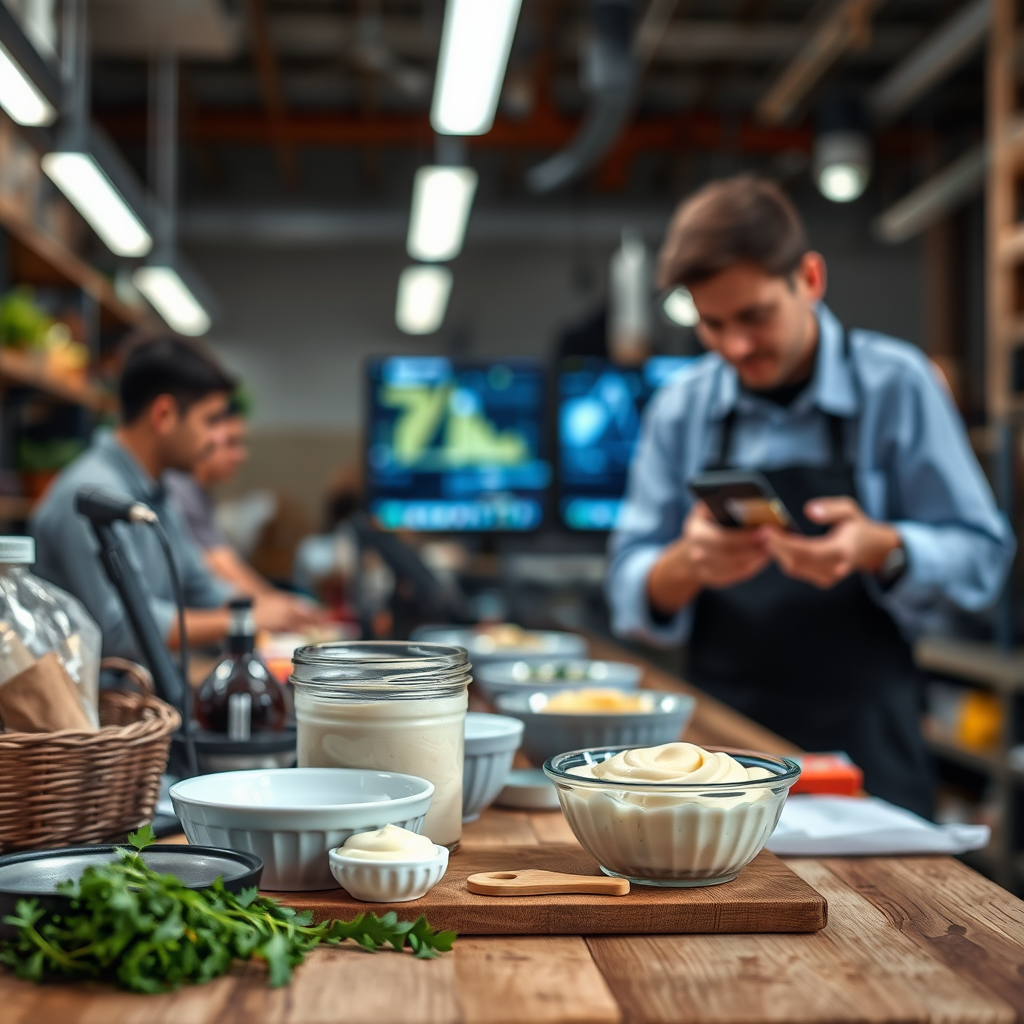
To create a delicious vegan mayonnaise, you will need the following essential ingredients:
– Aquafaba: The liquid from canned chickpeas or cooked chickpeas, which acts as the base for creaminess.
– Oil: A neutral oil, such as sunflower or canola oil, is typically used for the best flavor.
– Vinegar: Apple cider vinegar or lemon juice adds acidity and brightness.
– Mustard: Dijon mustard gives a subtle tang and depth of flavor.
– Salt: To enhance the overall taste.
Optional Ingredients for Flavor Variations
– Garlic Powder: For a hint of garlic flavor.
– Nutritional Yeast: Adds a cheesy, nutty flavor.
– Herbs: Fresh or dried herbs like dill, parsley, or basil can add freshness.
– Spices: Paprika, cayenne, or black pepper for a kick.
Step-by-Step Instructions

1. Prepare the Aquafaba: If using canned chickpeas, drain the liquid and measure out 3 tablespoons of aquafaba. If using cooked chickpeas, blend them with water until smooth, then strain to get the liquid.
2. Combine Ingredients: In a tall container suitable for immersion blenders, combine the aquafaba, 1 cup of oil, 1 tablespoon of vinegar, 1 tablespoon of mustard, and a pinch of salt.
3. Blend: Using an immersion blender, blend the mixture on high speed until it emulsifies and thickens, usually around 30 seconds to 1 minute. If using a standard blender, blend on low and gradually increase speed.
4. Adjust Consistency: If the mayo is too thick, add a teaspoon of water and blend again. For a thicker texture, blend longer.
5. Taste and Adjust: Taste your mayo and adjust the seasoning as needed, adding more salt, vinegar, or mustard for flavor.
6. Store: Transfer to a clean, airtight container.
Tips for Achieving the Perfect Consistency
– Ensure all ingredients are at room temperature for better emulsification.
– Use a high-speed blender or immersion blender for best results.
– If the mayo separates, simply blend it again for a few seconds.
Flavor Variations
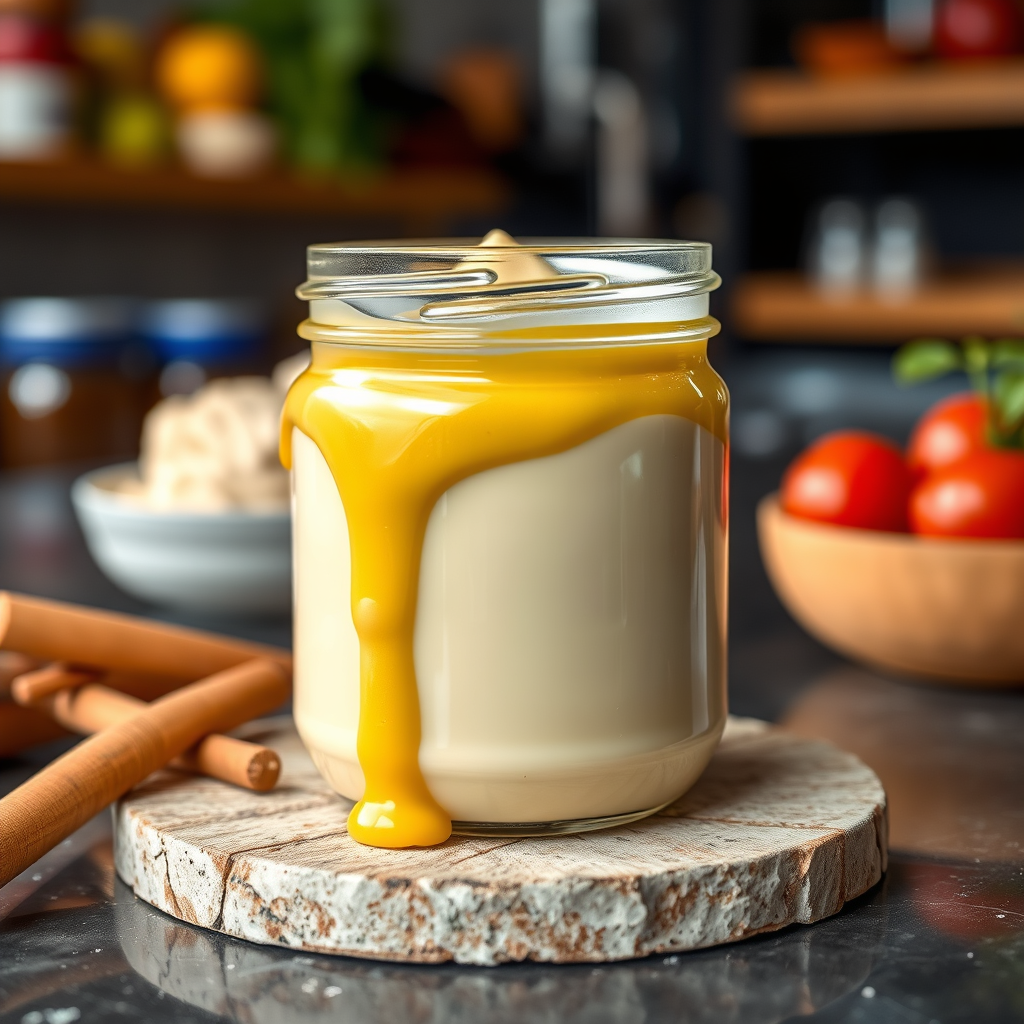
Customizing your vegan mayonnaise is part of the fun. Here are some suggestions:
– Garlic Aioli: Add 1-2 cloves of minced garlic for a classic aioli flavor.
– Chipotle Mayo: Blend in 1-2 teaspoons of chipotle paste or powder for a smoky kick.
– Herbed Mayo: Incorporate fresh herbs like dill or basil for a refreshing taste.
– Curry Mayo: Add curry powder for a unique twist that pairs well with roasted vegetables.
Ideas for Using It in Different Dishes
– Sandwiches and Wraps: Spread on bread or wraps for added creaminess.
– Salads: Use as a base for potato or pasta salads.
– Dips: Serve as a dip for vegetables or fries.
– Dressings: Thin with more vinegar or water to create a salad dressing.
Storage Tips
To maximize the shelf life of your homemade vegan mayonnaise:
– Refrigerate: Store in an airtight container in the refrigerator.
– Shelf Life: It can last up to one week, but always check for freshness.
– Signs of Spoilage: If the mayo develops an off smell or changes in texture, it’s best to discard it.
Common Mistakes to Avoid

While making vegan mayonnaise is simple, here are some common pitfalls to watch out for:
– Not Emulsifying: If the mayo doesn’t thicken, ensure your blender is on high and that you are blending long enough.
– Too Thin: If the mayo is too runny, try blending for a longer time or adding more oil gradually.
– Lack of Flavor: Always taste and adjust seasonings; don’t skip salt or acid.
Troubleshooting Tips for Consistency and Flavor
– If your mayo separates after a few days, a quick re-blend can restore its texture.
– Experiment with different oils and acid types to find your preferred flavor profile.
Health Benefits of Vegan Mayonnaise
Vegan mayonnaise is a plant-based alternative that offers several nutritional advantages:
– Lower in Calories: Generally, vegan mayo contains fewer calories than traditional mayo made with eggs.
– Cholesterol-Free: Since it is made from plant-based ingredients, it contains no cholesterol, making it heart-healthy.
– Rich in Nutrients: Ingredients like aquafaba and nutritional yeast add protein and various vitamins.
Comparison with Traditional Mayonnaise
| Nutritional Aspect | Vegan Mayonnaise (per 1 tbsp) | Traditional Mayonnaise (per 1 tbsp) |
|————————-|——————————-|————————————–|
| Calories | 35 | 94 |
| Total Fat (g) | 3 | 10 |
| Saturated Fat (g) | 0.5 | 1.5 |
| Cholesterol (mg) | 0 | 5 |
| Protein (g) | 0.5 | 0.1 |
| Sugar (g) | 0 | 0.1 |
| Sodium (mg) | 45 | 90 |
Nutritional Comparison: Vegan vs Traditional Mayonnaise
| Nutritional Aspect | Vegan Mayonnaise | Traditional Mayonnaise |
|---|---|---|
| Calories | 35 | 94 |
| Total Fat (g) | 3 | 10 |
| Saturated Fat (g) | 0.5 | 1.5 |
| Cholesterol (mg) | 0 | 5 |
| Protein (g) | 0.5 | 0.1 |
| Sugar (g) | 0 | 0.1 |
| Sodium (mg) | 45 | 90 |
Homemade vegan mayonnaise is not only easy to prepare but also customizable to suit your taste. Now that you have the recipe and tips, try making it at home and enjoy a healthier, plant-based alternative to traditional mayo. Don’t forget to share your experience and any variations you try!
Frequently Asked Questions
What are the main ingredients in a vegan mayonnaise recipe?
A basic vegan mayonnaise recipe typically includes silken tofu or aquafaba as a base, along with oil (such as sunflower or olive oil), lemon juice or vinegar for acidity, and seasonings like mustard, salt, and pepper. These ingredients blend together to create a creamy texture similar to traditional mayonnaise, making it a perfect substitute for those following a plant-based diet.
How do you make homemade vegan mayonnaise?
To make homemade vegan mayonnaise, start by blending 1 cup of silken tofu or 3 tablespoons of aquafaba with 1 tablespoon of lemon juice, 1 teaspoon of Dijon mustard, and a pinch of salt in a food processor. Gradually add 1 cup of oil while blending until the mixture thickens and achieves a smooth consistency. Adjust the flavor by adding more lemon juice or seasonings to taste.
Why should I consider using vegan mayonnaise instead of regular mayonnaise?
Choosing vegan mayonnaise over regular mayonnaise is beneficial for several reasons, including dietary restrictions, health considerations, and ethical beliefs. Vegan mayonnaise is cholesterol-free, often lower in calories, and suitable for those with egg allergies or those following a plant-based lifestyle, making it a versatile option for sandwiches, salads, and dips.
What is the best oil to use for vegan mayonnaise?
The best oil for vegan mayonnaise is generally a neutral-flavored oil like sunflower, canola, or grapeseed oil, as these oils provide a light taste that won’t overpower your mayonnaise flavor. However, you can also use extra virgin olive oil for a richer, more robust flavor, keeping in mind that this may alter the final taste of your mayonnaise.
Which common mistakes should I avoid when making vegan mayonnaise?
Common mistakes when making vegan mayonnaise include using too much acid, which can make it overly tangy, or not blending long enough, resulting in a runny consistency. Additionally, adding the oil too quickly can prevent proper emulsification; therefore, it’s crucial to add it slowly while blending to achieve that perfect creamy texture.
References
- Mayonnaise
https://en.wikipedia.org/wiki/Vegan_mayonnaise - Novel Phenyldiazenyl Fibrate Analogues as PPAR α/γ/δ Pan-Agonists for the Amelioration of Metabol…
https://www.ncbi.nlm.nih.gov/pmc/articles/PMC6466826/ - Page Not Found – Site Help – Mayo Clinic
https://www.mayoclinic.org/healthy-lifestyle/nutrition-and-healthy-eating/expert-answers/vegan-diet/faq-20057869 - https://www.healthline.com/nutrition/vegan-mayonnaise
https://www.healthline.com/nutrition/vegan-mayonnaise - https://www.theguardian.com/food/2020/apr/15/how-to-make-vegan-mayonnaise
https://www.theguardian.com/food/2020/apr/15/how-to-make-vegan-mayonnaise - https://www.sciencedirect.com/topics/agricultural-and-biological-sciences/vegan-mayonnaise
https://www.sciencedirect.com/topics/agricultural-and-biological-sciences/vegan-mayonnaise - Google Scholar Google Scholar
https://scholar.google.com/scholar?q=vegan+mayonnaise+recipe - Google Scholar Google Scholar
https://scholar.google.com/scholar?q=plant-based+mayonnaise - Google Scholar Google Scholar
https://scholar.google.com/scholar?q=homemade+vegan+mayonnaise - vegan mayonnaise recipe – Search results
https://en.wikipedia.org/wiki/Special:Search?search=vegan+mayonnaise+recipe