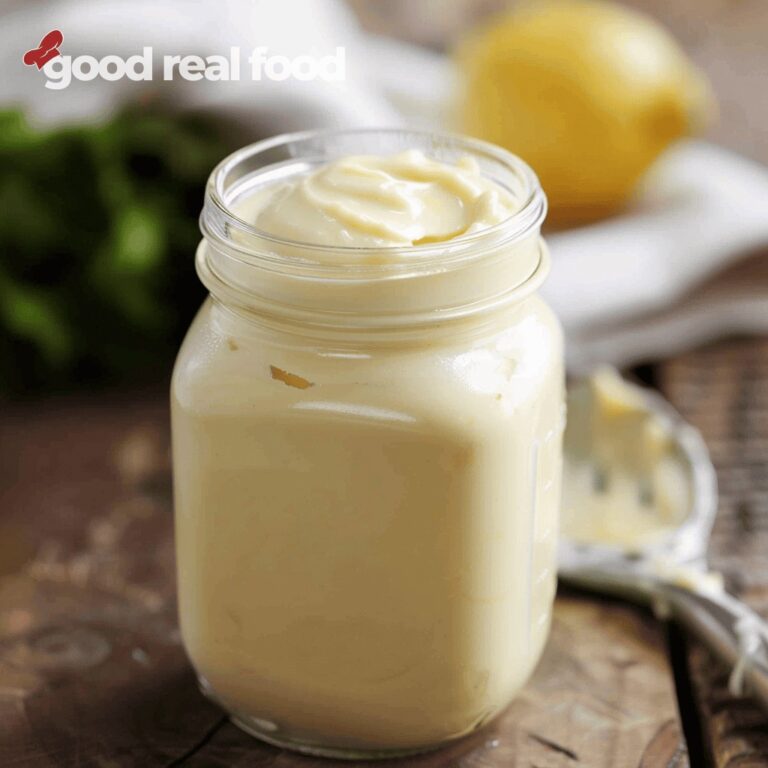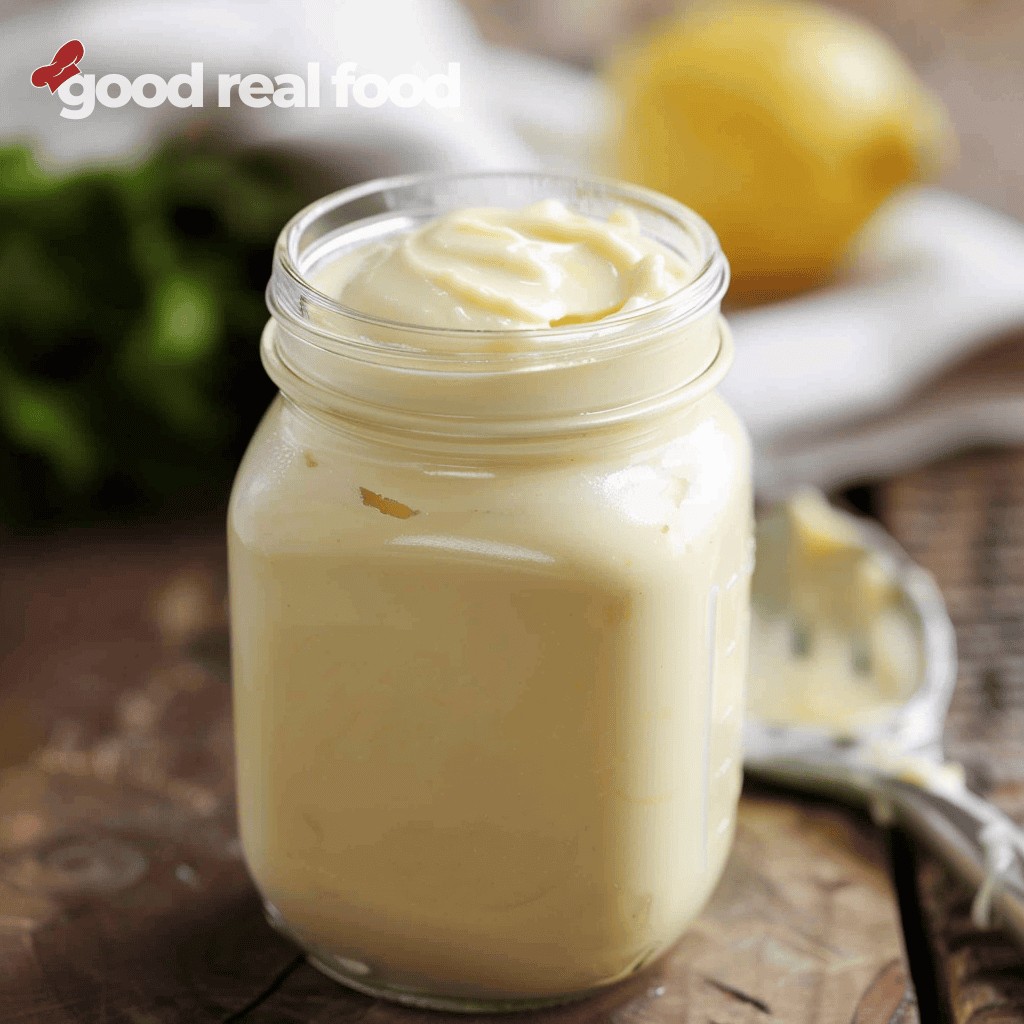
This easy homemade mayonnaise recipe is the ultimate solution for anyone seeking a fresh, flavorful alternative to store-bought options. With just a few simple ingredients and minimal effort, you can whip up a creamy condiment that elevates any dish. Say goodbye to preservatives and hello to a customizable taste that perfectly suits your palate. Discover how to make mayonnaise today and transform your meals effortlessly.
Making homemade mayonnaise is simple and rewarding. With just a few ingredients and a few minutes of your time, you can whip up a creamy, delicious mayonnaise that’s far superior to store-bought versions. Not only is it fresher, but it also allows you to customize flavors to suit your preferences. This article will guide you through the basics of making mayonnaise at home, including essential ingredients, methods, flavor variations, common pitfalls, and storage tips.
Ingredients You’ll Need
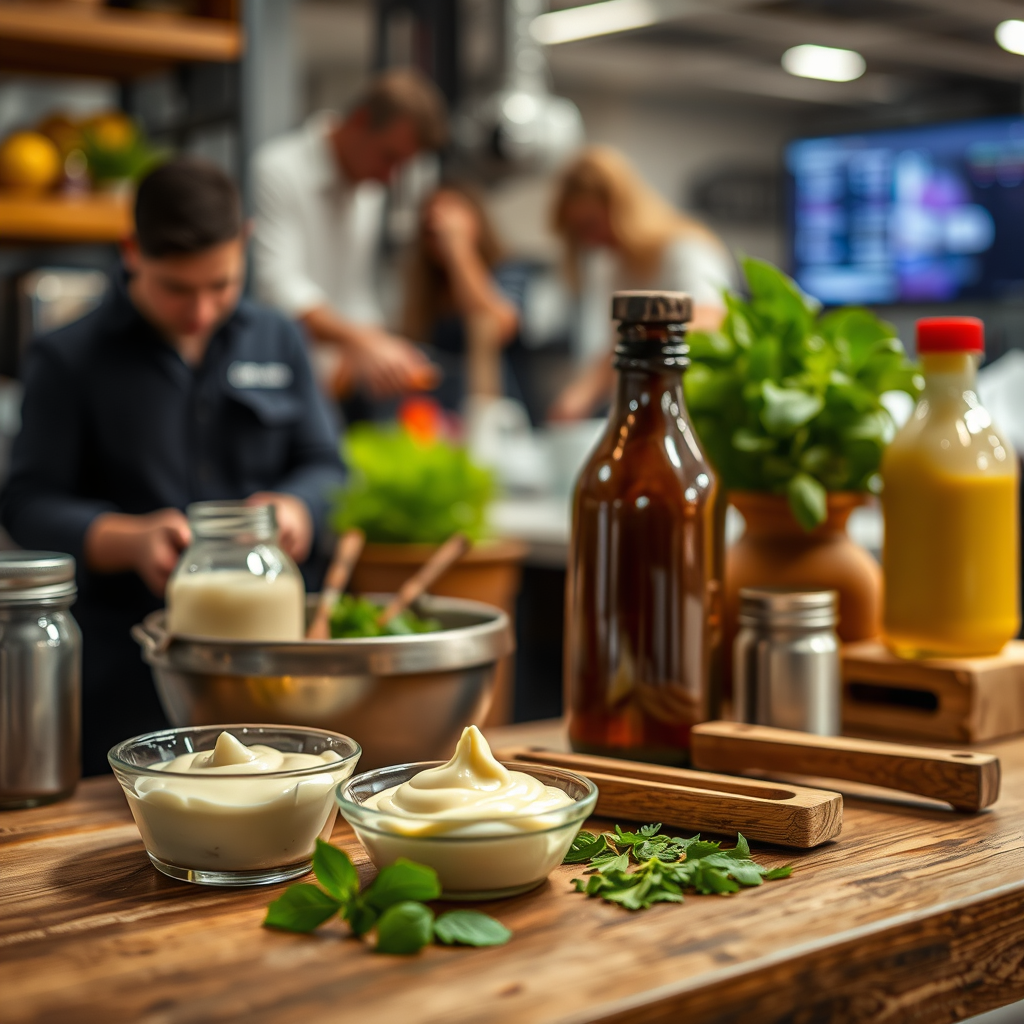
To create the perfect homemade mayonnaise, you will need three primary ingredients: fresh eggs, oil, and an acid.
– Fresh Eggs: Start with room temperature eggs, specifically egg yolks, as they enhance emulsification, which is crucial for achieving that creamy texture. The quality of the eggs is paramount; look for organic or free-range options for the best flavor.
– Oil: The choice of oil can significantly affect the flavor of your mayonnaise. A neutral oil like canola or grapeseed oil will produce a classic taste, while a robust oil like extra virgin olive oil will impart a distinct flavor, making it a gourmet addition to your dishes.
– Acid: Incorporating an acid like vinegar or lemon juice not only adds a tangy flavor but also aids in the preservation of the mayonnaise. Lemon juice offers a bright flavor, while vinegar can lend a sharper note, so choose based on your taste preference.
The Basic Method

Making mayonnaise at home is straightforward and can be accomplished in three basic steps:
– Prepare Your Equipment: You can use a whisk for a traditional approach, but a blender or food processor will yield quicker results. Ensure that your tools are clean and dry, as any moisture can affect emulsification.
– Combine Ingredients: Begin by placing the egg yolks and your chosen acid in your mixing bowl or blender. Blend them together until well combined. This initial blending is critical for creating a stable emulsion.
– Emulsify: Gradually add your oil in a thin, steady stream while continuing to blend. The key here is patience; adding the oil too quickly can cause the emulsion to break. Keep blending until the mixture thickens and becomes creamy, resembling store-bought mayonnaise.
Flavor Variations

Once you master the basic recipe, feel free to experiment with different flavors to create unique variations of mayonnaise:
– Add Herbs: Fresh herbs like basil, dill, or chives can transform your mayonnaise into a flavorful condiment. Simply chop the herbs finely and fold them into the mayonnaise after it has emulsified.
– Spice It Up: For those who enjoy a bit of heat, adding ingredients such as Dijon mustard, minced garlic, or hot sauce can elevate your mayonnaise to new heights. These ingredients not only enhance flavor but can also add depth and complexity to your dishes.
– Sweeten: If you prefer a sweeter mayonnaise, consider adding a small amount of honey or sugar. This can work particularly well in dressings or dips that accompany fruits or sweet vegetables.
Top 7 Ingredients for Homemade Mayonnaise (2023)
| # | Ingredient | Type | Flavor Profile | Uses |
|---|---|---|---|---|
| 1 | Egg Yolks | Fresh | Rich, Creamy | Base for mayo |
| 2 | Canola Oil | Neutral | Mild, Smooth | General use |
| 3 | Olive Oil | Flavorful | Robust, Bitter | Gourmet mayo |
| 4 | Lemon Juice | Fresh | Tangy, Bright | Preservation |
| 5 | White Vinegar | Acid | Sharp, Pungent | Flavor enhancer |
| 6 | Mustard | Condiment | Spicy, Tangy | Flavor booster |
| 7 | Garlic | Fresh | Savory, Pungent | Flavor enhancer |
Common Mistakes to Avoid

While making homemade mayonnaise is relatively easy, there are common pitfalls that can lead to disappointing results:
– Using Cold Ingredients: Ensuring that your eggs and oil are at room temperature is essential for proper emulsification. Cold ingredients can prevent the mixture from thickening correctly.
– Adding Oil Too Quickly: When adding the oil, it is crucial to do so in a slow, steady stream. Pouring too quickly can cause the emulsion to break, resulting in a runny mayonnaise.
– Overmixing: Once your mayonnaise reaches a creamy consistency, stop blending. Overmixing can lead to separation, so it’s important to know when to halt the process.
Storage Tips

Proper storage is key to maintaining the freshness of your homemade mayonnaise:
– Use a Clean Jar: Always store your mayonnaise in a sanitized container to prevent contamination. Glass jars with airtight lids are ideal for storage.
– Refrigerate Promptly: Homemade mayonnaise should be kept in the refrigerator and consumed within one week. Always check for any off-smells or changes in texture before using.
– Label Your Jar: Including the date on your storage container can help you track freshness and ensure you consume it within the recommended timeframe.
Serving Suggestions
Homemade mayonnaise can elevate a variety of dishes in your kitchen:
– Perfect for Sandwiches: Spread your mayonnaise on your favorite bread for a delicious, creamy layer that enhances any sandwich.
– Use in Salads: Incorporate mayonnaise into coleslaw, potato salad, or tuna salad for added creaminess and flavor that will delight your palate.
– Dipping Sauce: Serve it as a dip with fresh vegetables or crispy fries for a delightful experience that will impress your guests.
Making homemade mayonnaise is not only easy but also allows you to customize flavors to suit your taste. With a few simple steps and ingredients, you can enjoy a fresher, tastier alternative to store-bought mayonnaise. Try this recipe today and elevate your meals!
Frequently Asked Questions
What ingredients do I need for a basic homemade mayonnaise recipe?
To make a basic homemade mayonnaise, you will need egg yolks, Dijon mustard, vinegar or lemon juice, oil (such as vegetable or olive oil), and salt. These simple ingredients combine to create a creamy, flavorful condiment that can elevate your dishes.
How can I make homemade mayonnaise without a blender?
You can make homemade mayonnaise without a blender by using a whisk or a hand mixer. Start by whisking the egg yolks and mustard together, then slowly drizzle in the oil while continuously whisking until it emulsifies and thickens. This method requires a bit of elbow grease but can yield delicious results.
Why does my homemade mayonnaise keep separating?
If your homemade mayonnaise is separating, it may be due to adding the oil too quickly or not having the ingredients at room temperature. To fix this, start with room-temperature eggs and gradually incorporate the oil while whisking vigorously to stabilize the emulsion.
What is the best type of oil to use for homemade mayonnaise?
The best type of oil for homemade mayonnaise largely depends on your flavor preference. Neutral oils like canola or grapeseed oil create a mild taste, while olive oil adds a rich flavor but can be more pungent. For a balanced flavor, consider using a blend of olive oil and a neutral oil.
Which utensils work best for making homemade mayonnaise?
For making homemade mayonnaise, a medium-sized bowl, a whisk or hand mixer, and a measuring cup for the oil are essential. A tall, narrow container can also be helpful if you’re using an immersion blender, as it allows for more effective emulsification and easier blending.
References
- Mayonnaise
https://en.wikipedia.org/wiki/Mayonnaise - https://www.bbc.co.uk/food/recipes/mayonnaise_86613
https://www.bbc.co.uk/food/recipes/mayonnaise_86613 - https://www.healthline.com/nutrition/homemade-mayonnaise
https://www.healthline.com/nutrition/homemade-mayonnaise - https://www.mayoclinic.org/healthy-lifestyle/nutrition-and-healthy-eating/in-depth/mayonnaise/art-20046115
https://www.mayoclinic.org/healthy-lifestyle/nutrition-and-healthy-eating/in-depth/mayonnaise/art-20046115 - https://www.cdc.gov/foodsafety/communication/homefoodpreservation.html
https://www.cdc.gov/foodsafety/communication/homefoodpreservation.html - https://scholar.google.com/scholar?q=homemade+mayonnaise+recipe Google Scholar
https://scholar.google.com/scholar?q=homemade+mayonnaise+recipe - https://scholar.google.com/scholar?q=mayonnaise+nutritional+benefits Google Scholar
https://scholar.google.com/scholar?q=mayonnaise+nutritional+benefits - https://scholar.google.com/scholar?q=homemade+mayonnaise+food+safety Google Scholar
https://scholar.google.com/scholar?q=homemade+mayonnaise+food+safety - https://www.health.harvard.edu/staying-healthy/the-health-benefits-of-homemade-mayonnaise
https://www.health.harvard.edu/staying-healthy/the-health-benefits-of-homemade-mayonnaise - https://www.sciencedirect.com/topics/food-science/mayonnaise
https://www.sciencedirect.com/topics/food-science/mayonnaise