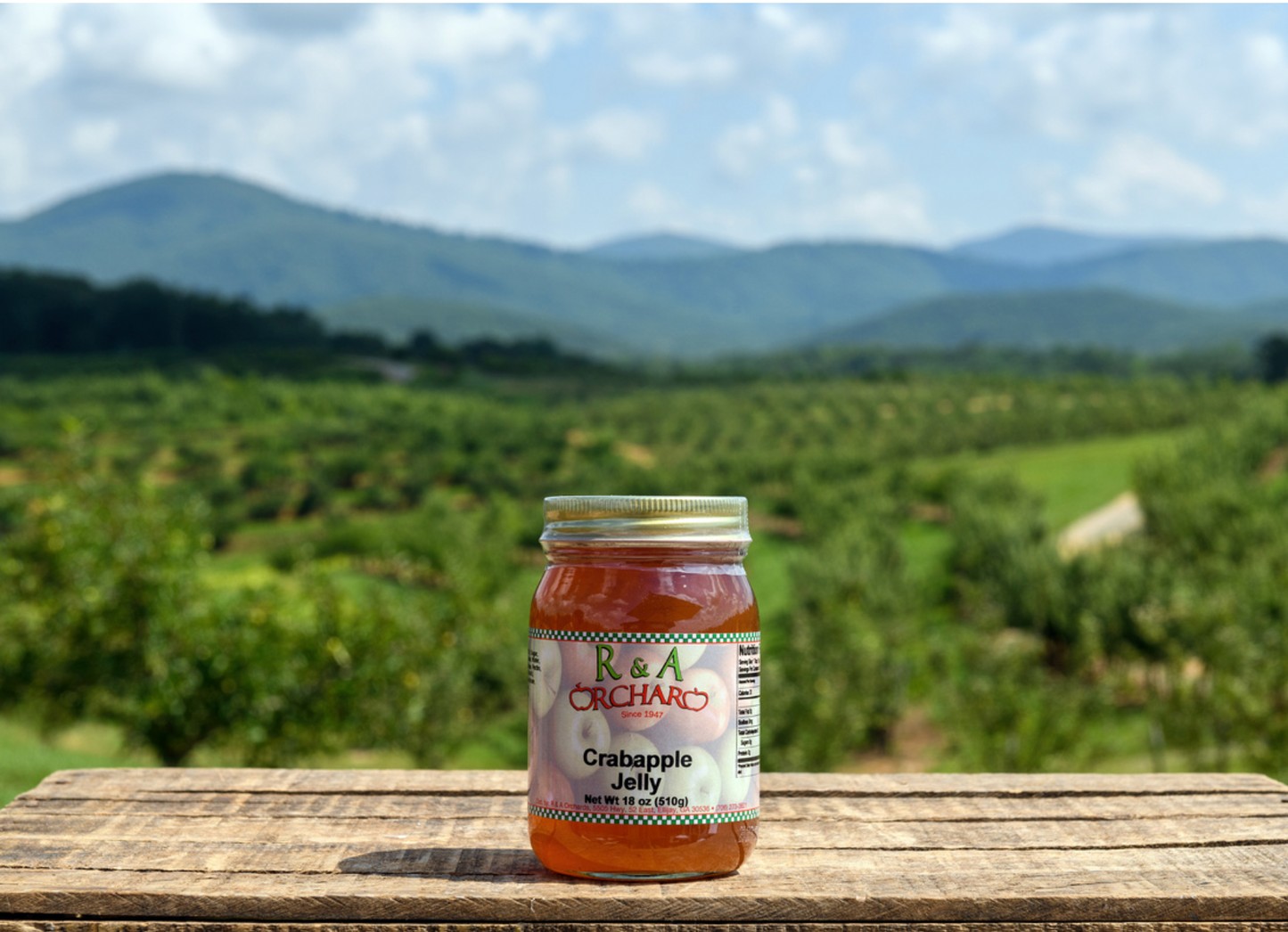
Master the art of making crabapple jelly with this complete expert guide, crafted for both novice and experienced home cooks. This guide covers essential recipes, safety protocols, and tips for achieving the perfect texture and flavor. Following the right procedures is crucial not only for taste but also for ensuring your jelly is safe to enjoy. Elevate your culinary skills and savor the delightful results of homemade crabapple jelly.
What This Guide Covers (And What It Doesn’t)

This guide offers thorough, step-by-step instructions for making crabapple jelly, featuring specific recipes, ingredient ratios, and techniques that ensure optimal flavor and consistency. It emphasizes safe canning practices, providing crucial insights into proper sterilization, equipment usage, and storage methods to prevent spoilage. However, it does not delve into other types of preserves, jellies made from different fruits, or general canning techniques unrelated to crabapples.
Who Should Read This

This guide is designed for home cooks who possess a basic understanding of canning and preserving but may be new to crafting jelly from crabapples. It caters to individuals interested in utilizing seasonal produce, especially those with access to crabapple trees or local markets. Conversely, this guide is not intended for complete beginners lacking any canning experience or those seeking advanced jelly-making techniques beyond crabapples.
The Step-by-Step Protocol

1. Gather Ingredients: Start with 4 cups of prepared crabapple juice, 1 package (1.75 oz) of fruit pectin, and 5 cups of granulated sugar.
2. Prepare the Crabapples: Wash 10-12 medium-sized crabapples, remove their stems and cores, then chop them into quarters without peeling.
3. Extract Juice: Place the chopped crabapples in a large pot with 4 cups of water. Simmer on low heat for about 30 minutes, then strain through a cheesecloth to collect the juice.
4. Cook the Jelly: In a clean pot, combine 4 cups of crabapple juice and the fruit pectin. Bring to a rolling boil, stirring constantly, and add 5 cups of sugar all at once. Boil for 1 minute, stirring continuously.
5. Test for Doneness: Using a thermometer, ensure the jelly reaches a temperature of 220°F (104°C) for proper gel formation. Alternatively, perform the “spoon test” to check the consistency.
6. Jar and Seal: Sterilize canning jars and lids. Pour the hot jelly into the jars, leaving a 1/4-inch headspace. Wipe the rims, seal with lids, and process in a boiling water bath for 5-10 minutes.
Common Crabapple Varieties for Jelly Making
| # | Variety | Flavor Profile | Best for Jelly | Acidity Level |
|---|---|---|---|---|
| 1 | Dolgo | Sweet and Tart | Yes | Medium |
| 2 | Hyslop | Rich and Tart | Yes | High |
| 3 | Chestnut | Nutty and Sweet | Yes | Medium |
| 4 | Transcendent | Sweet | No | Low |
| 5 | Whitney | Sweet | Yes | Medium |
| 6 | Dolgo | Sweet | Yes | Medium |
| 7 | Sweet 16 | Sweet | Yes | Medium |
Warning Signs: When Not to Follow This
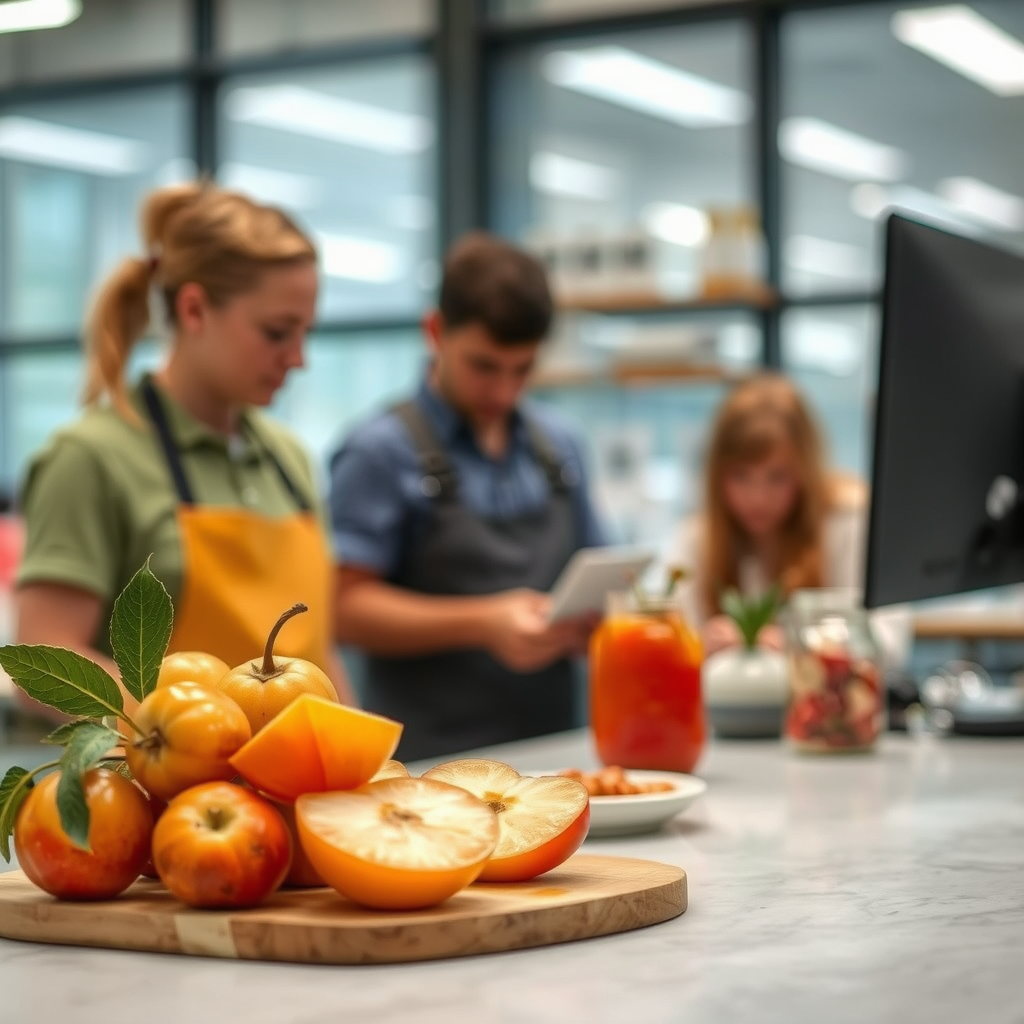
Be cautious when making crabapple jelly. Avoid using fruit that shows signs of mold, rot, or excessive bruising, as these imperfections can introduce harmful bacteria that spoil the jelly. Additionally, if your kitchen environment has not been properly sanitized, refrain from canning, as this greatly increases the risk of contamination. Lastly, if you’re unsure about the acidity level of your crabapples, do not alter the recipe without consulting a pH test; low acidity can lead to unsafe jelly that may harbor bacteria.
The Most Common Mistakes (And Their Consequences)

Several common mistakes can jeopardize the success of your jelly-making endeavor. For instance, failing to properly sterilize jars can lead to bacterial growth, resulting in spoilage or even food poisoning. Using the wrong amount of sugar can prevent the jelly from setting, leaving you with a runny and unappetizing result. Moreover, skipping the boiling water bath process can compromise the safety of the jelly, making it vulnerable to spoilage during storage.
Special Cases That Need a Different Approach
Certain scenarios may require adjustments in your approach. If you’re using wild crabapples, which often have a higher acidity, be sure to adjust the sugar content accordingly to achieve a balanced flavor while ensuring preservation safety. For those with allergies or dietary restrictions, consider substituting traditional granulated sugar with pectin-compatible sweeteners; however, keep in mind that this may alter the jelly’s setting characteristics. Additionally, if you have a large batch of crabapples, think about incorporating additional fruits, like pears, while ensuring you follow proper ratios to maintain safety and consistency.
When You Need a Professional
If you notice any signs of spoilage in your jelly, such as bubbling, off smells, or unusual colors, discard it immediately and consult a food safety expert. Should you have questions about specific dietary restrictions or health concerns related to canning and preserving, seeking guidance from a licensed nutritionist or food safety authority is advisable. Furthermore, in cases of severe allergies or food sensitivities, especially when introducing new ingredients or methods, consulting a professional is essential to ensure safety before proceeding.
Sources and Further Reading
– National Center for Home Food Preservation: Guidelines for Canning Jams and Jellies
– USDA Complete Guide to Home Canning: Comprehensive information on safe food preservation methods.
– “The Ball Book of Canning and Preserving”: A trusted resource for canning techniques and recipes specific to fruits like crabapples.
– Local Extension Service Publications: Regional guidelines and tested recipes tailored to crabapple jelly and other preserves.
Frequently Asked Questions
What is the best way to prepare crabapples for jelly making?
To prepare crabapples for jelly, start by washing them thoroughly to remove any dirt or pesticides. Cut the crabapples in half or quarters, leaving the seeds and cores intact, as they contain pectin which helps the jelly set. Simmer the prepared fruit in water until soft, then strain the mixture through a cheesecloth to extract the juice needed for your jelly.
How do I make crabapple jelly from scratch?
To make crabapple jelly from scratch, combine crabapple juice, sugar, and pectin in a large pot. Bring the mixture to a rolling boil, stirring constantly, then boil for about 1-2 minutes until it reaches the desired consistency. Pour the hot jelly into sterilized jars, seal them, and process in a water bath for 5-10 minutes to ensure preservation.
Why is my crabapple jelly not setting properly?
If your crabapple jelly is not setting, it could be due to insufficient pectin or cooking time. Make sure to use ripe crabapples, as they have higher pectin content, and follow the recommended cooking time for your recipe. If needed, you can re-cook the jelly with additional pectin to achieve the desired consistency.
What are some creative uses for crabapple jelly?
Crabapple jelly is versatile and can be used in various ways, such as a flavorful spread on toast or biscuits, a glaze for meats like pork or chicken, or as an ingredient in salad dressings. You can also incorporate it into desserts, such as drizzling over cheesecake or mixing into yogurt for a sweet touch.
Which types of crabapples are best for making jelly?
The best types of crabapples for making jelly are varieties high in pectin and tartness, such as “Dolgo,” “Honeycrisp,” and “Whitney.” These varieties not only yield a good amount of juice but also contribute to the jelly’s flavor profile, balancing sweetness with a pleasant tartness. Always choose firm, unblemished fruit for the best results.
References
- Malus
https://en.wikipedia.org/wiki/Crabapple - https://www.ars.usda.gov/ARSUserFiles/oc/np/Crabapple.pdf
https://www.ars.usda.gov/ARSUserFiles/oc/np/Crabapple.pdf - https://www.uga.edu/extension/food-safety/processing-jams-jellies.html
https://www.uga.edu/extension/food-safety/processing-jams-jellies.html - https://www.foodnetwork.com/recipes/articles/what-to-do-with-crab-apples
https://www.foodnetwork.com/recipes/articles/what-to-do-with-crab-apples - https://www.extension.purdue.edu/extmedia/HHS/HHS-225-W.pdf
https://www.extension.purdue.edu/extmedia/HHS/HHS-225-W.pdf - https://www.extension.iastate.edu/food/faq/jams-jellies.html
https://www.extension.iastate.edu/food/faq/jams-jellies.html - Google Scholar Google Scholar
https://scholar.google.com/scholar?q=crabapple+recipes+jelly - Google Scholar Google Scholar
https://scholar.google.com/scholar?q=crabapple+jam+recipes - Google Scholar Google Scholar
https://scholar.google.com/scholar?q=crabapple+fruit+uses - https://www.nal.usda.gov/explore/local-food-systems/crabapple-jelly-recipe
https://www.nal.usda.gov/explore/local-food-systems/crabapple-jelly-recipe