Making chokecherry jelly jam requires precision and care to ensure safety and flavor. This complete guide provides expert protocol for crafting this unique preserve, detailing every step from foraging to canning. Adhering to these guidelines is crucial not only for taste but also for food safety, making your homemade jelly enjoyable and worry-free.
What This Guide Covers (And What It Doesn’t)
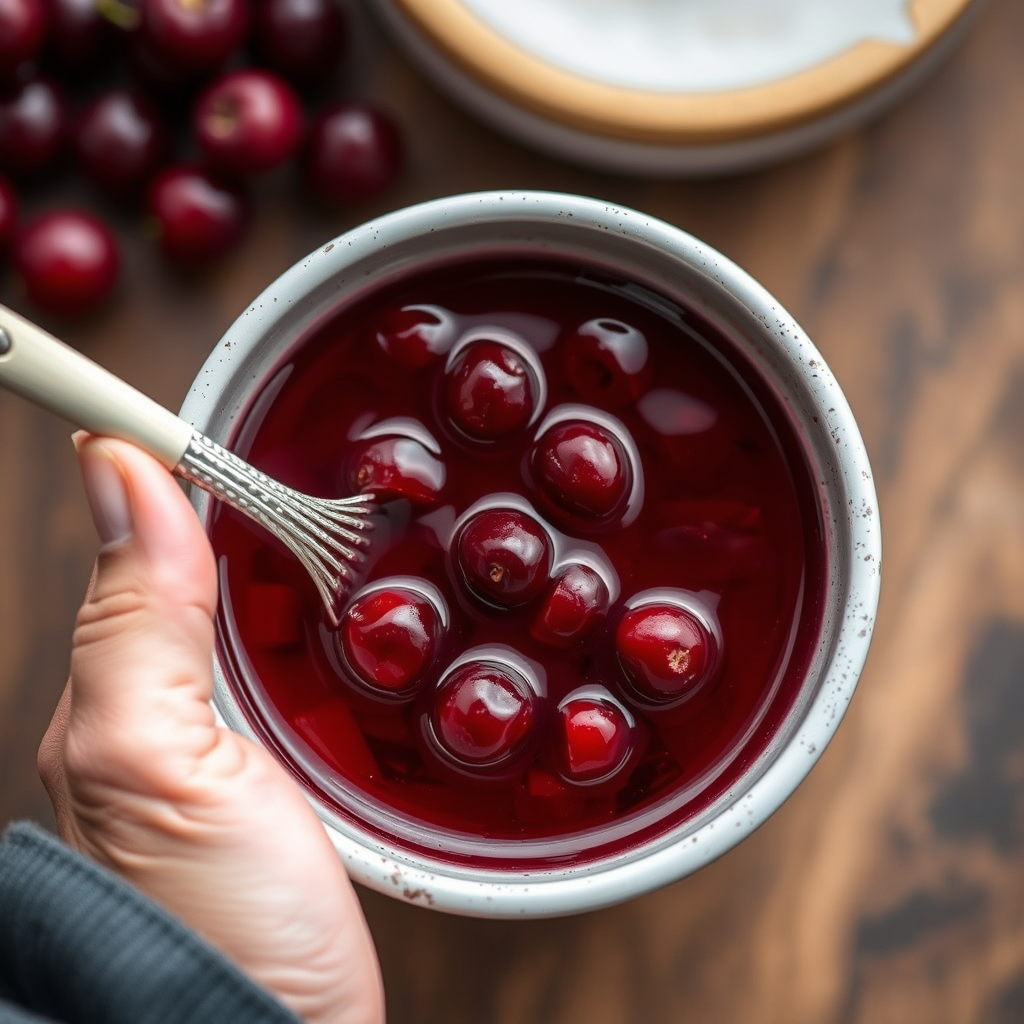
This guide provides an in-depth look at the art of making chokecherry jelly jam. It covers everything from ingredient selection and preparation methods to canning techniques that ensure both safety and quality. You will find detailed information on the necessary equipment, step-by-step instructions, and essential safety protocols for preserving chokecherries in jelly form, with a strong emphasis on maintaining proper acidity levels and effective storage methods. However, it does not include general jelly-making techniques unrelated to chokecherries, nor does it explore alternative fruit jellies or advanced canning methods not suited for the home kitchen.
Who Should Read This
This guide is designed for home canners and food preservation enthusiasts who possess a basic understanding of canning and wish to master the specific nuances of chokecherry jelly jam. Readers should have access to chokecherries, whether through personal harvesting or local markets, and be familiar with basic kitchen equipment like a boiling water canner, jars, and lids. This guide is not intended for those without prior canning experience or individuals unfamiliar with food safety principles, as making chokecherry jelly requires precise techniques to prevent spoilage.
The Step-by-Step Protocol
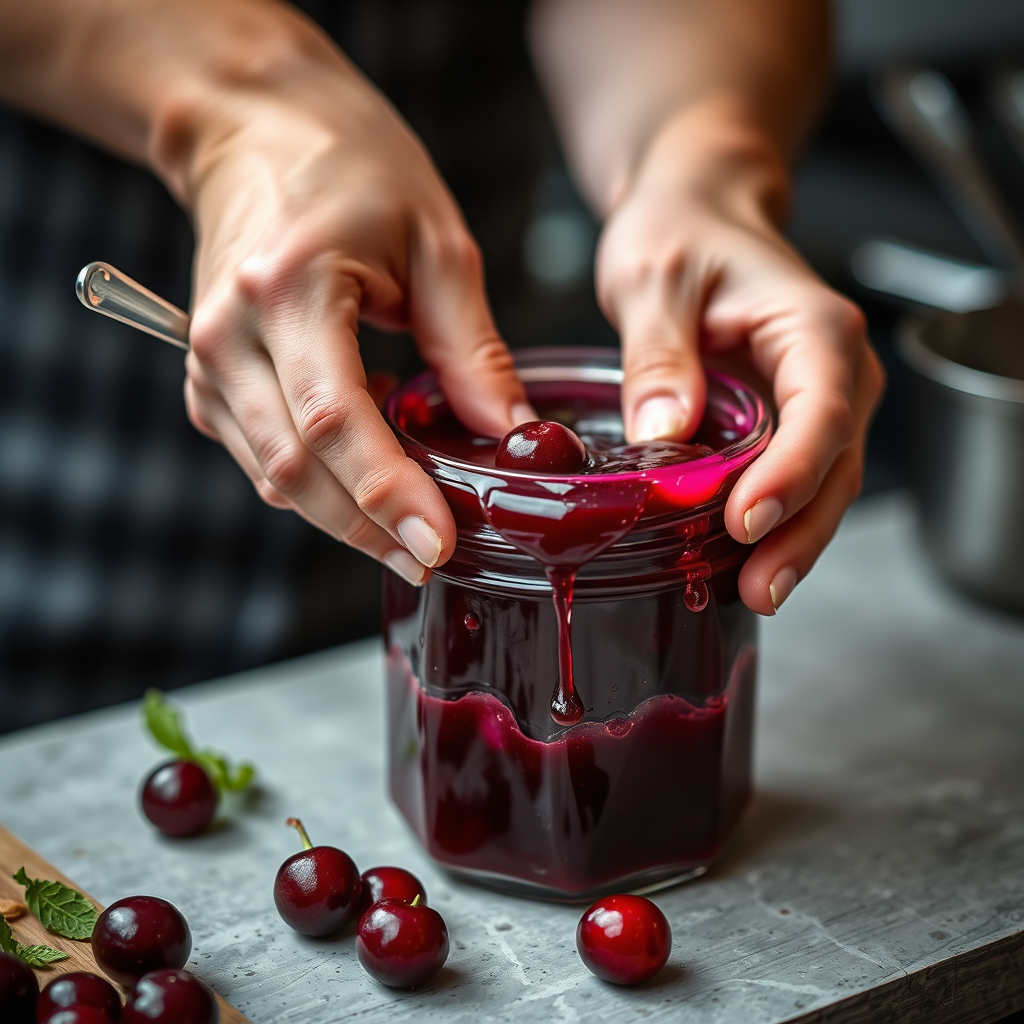
1. Gather Ingredients and Equipment: Collect 4 cups of ripe chokecherries, 1 cup of water, 1 package (1.75 oz) of pectin, 5 cups of granulated sugar, and canning jars with lids. Ensure that all equipment is free from cracks and thoroughly cleaned.
2. Prepare Chokecherries: Rinse the chokecherries under cool water, remove the stems, and crush them slightly to release their juices. This step maximizes juice extraction during the cooking process.
3. Extract Juice: In a large pot, combine the crushed chokecherries with 1 cup of water. Simmer on low heat for about 30 minutes, stirring occasionally. After simmering, strain the mixture through a fine mesh sieve or cheesecloth to obtain approximately 3 cups of chokecherry juice. Be sure to press down on the solids to extract as much juice as possible.
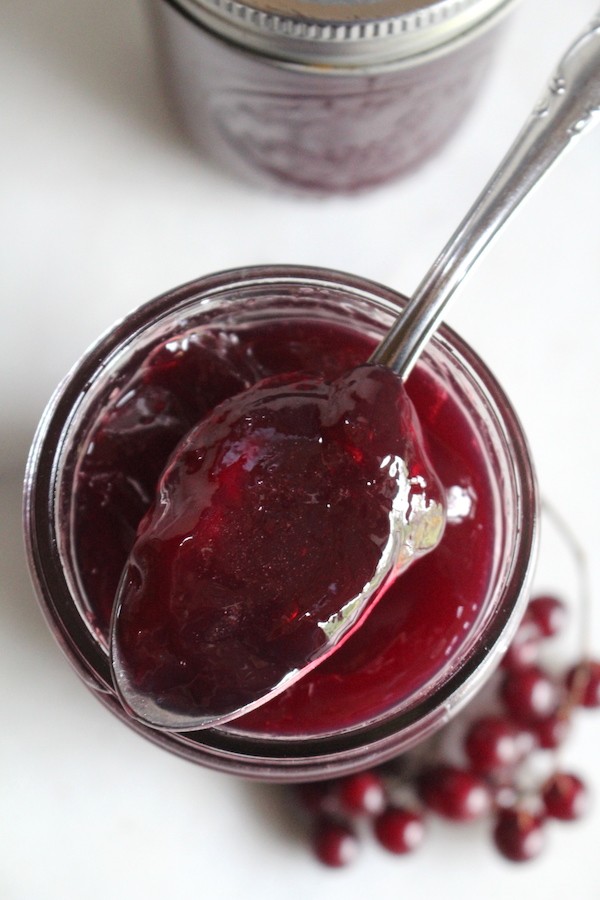
4. Cook and Can the Jelly: In a clean pot, mix the 3 cups of chokecherry juice with the pectin. Bring this mixture to a rolling boil over medium-high heat. Once boiling, add the 5 cups of granulated sugar all at once, stirring constantly to ensure the sugar dissolves. Continue boiling for an additional 1-2 minutes until the mixture returns to a full rolling boil, indicating that the jelly is ready for canning.
5. Fill Canning Jars: Carefully ladle the hot jelly into sterilized canning jars, leaving about 1/4 inch of headspace at the top. Wipe the rims with a clean, damp cloth to remove any residue, then seal with sterilized lids.
6. Process in a Boiling Water Canner: Place the filled jars in a boiling water canner. Ensure the jars are covered by at least 1 inch of water. Process for 5-10 minutes, adjusting for altitude if necessary. Check local guidelines for specific processing times based on your elevation.
7. Cool and Store: After processing, carefully remove the jars from the canner and let them cool on a clean towel or rack for 12-24 hours. To ensure the lids have sealed properly, press down in the center of each lid; it should not pop back. Store sealed jars in a cool, dark place.
Top 7 Nutritional Benefits of Chokecherries (Per 100g)
| # | Nutritional Component | Amount | Daily Value % | Benefits |
|---|---|---|---|---|
| 1 | Vitamin C | 12 mg | 20% | Boosts immune function |
| 2 | Fiber | 3.6 g | 14% | Promotes digestive health |
| 3 | Potassium | 210 mg | 6% | Helps regulate blood pressure |
| 4 | Calcium | 30 mg | 3% | Supports bone health |
| 5 | Iron | 0.5 mg | 3% | Essential for red blood cell production |
| 6 | Vitamin A | 64 IU | 1% | Supports vision and immune health |
| 7 | Antioxidants | Varied | N/A | Fight oxidative stress |
Warning Signs: When Not to Follow This
Avoid making chokecherry jelly if the chokecherries exhibit signs of mold, spoilage, or excessive softness, as these conditions can compromise the safety of your preserves. Additionally, do not use pectin that is past its expiration date, as it may not set properly and could jeopardize the texture and safety of the jelly. If you have not adequately sterilized your canning jars, or if any jars show cracks or chips, refrain from proceeding with the canning process, as this significantly increases the risk of contamination and spoilage.
The Most Common Mistakes (And Their Consequences)
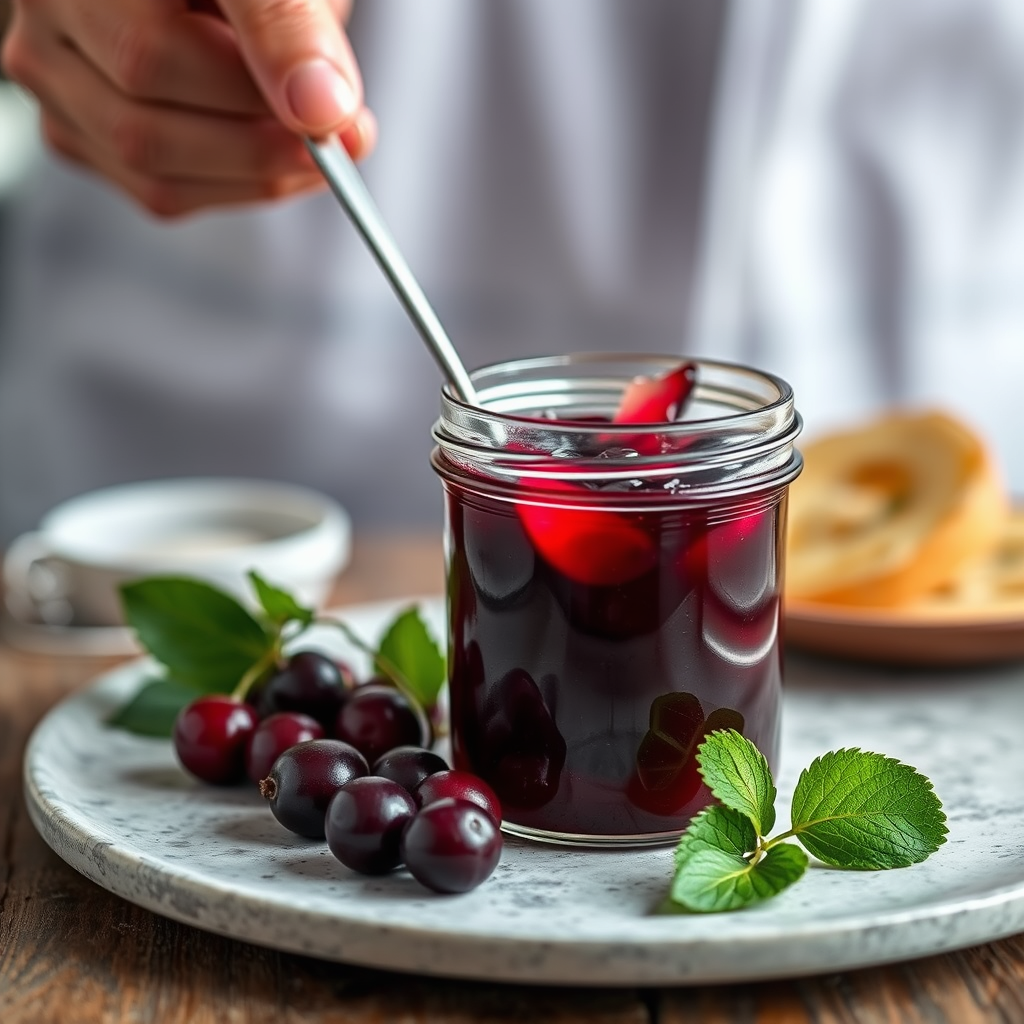
One common mistake is inaccurately measuring the chokecherry juice; using too little can result in jelly that fails to set. Aim for exactly 3 cups to achieve the proper consistency. Many home canners also overlook the necessity of maintaining a rolling boil after adding sugar. Failing to do so can yield a syrupy texture instead of a firm jelly. Moreover, some may neglect to sterilize jars and lids, which can introduce harmful bacteria, leading to spoilage or foodborne illness. Always ensure that all equipment is properly sanitized before use.
Special Cases That Need a Different Approach
When using wild chokecherries, be mindful that their flavor can vary significantly; particularly tart or bitter fruit may necessitate adjustments in sugar levels or the addition of other sweeteners to balance the flavor. For those with dietary restrictions, low-sugar pectin can be a suitable alternative, allowing for adjustments in sugar content while still ensuring the jelly sets properly. In high-altitude regions, modifications in processing time and pressure may be required; consult a reliable canning guide for altitude-specific recommendations to ensure safety and effectiveness.
When You Need a Professional
If you are uncertain about the safety of the chokecherries you have gathered or purchased, it is crucial to consult a local extension office or food safety expert before proceeding with jelly production. In cases where you have significant doubts about the canning process or encounter unexpected issues during cooking (such as failure to set), consider reaching out to a certified food preservation expert for guidance. If you observe any signs of spoilage, such as bulging lids, off-smells, or mold, do not taste the jelly; instead, seek professional assistance immediately to mitigate health risks.
Sources and Further Reading
The National Center for Home Food Preservation offers extensive guidelines on safe canning practices, including specific recipes for chokecherry jelly jam. The Ball Blue Book Guide to Preserving is a trusted resource for home canners, providing detailed instructions and safety tips for making various fruit jellies, including chokecherry. Additionally, local extension services often provide materials and workshops on food preservation, including safe methods for jelly making, which can further support and enhance the skills of home canners.
Frequently Asked Questions
What ingredients do I need for a chokecherry jelly jam recipe?
To make chokecherry jelly, you will need ripe chokecherries, sugar, water, and pectin. It’s essential to use ripe chokecherries for the best flavor, and high-quality pectin will help ensure your jelly sets properly. You may also want to include lemon juice for added acidity, which enhances the flavor and helps with preservation.
How do I prepare chokecherries for making jelly?
To prepare chokecherries for jelly, first, rinse the berries thoroughly to remove any dirt. Next, remove the stems and crush the berries to extract their juice, which can be done using a food processor or by hand. Then, simmer the crushed chokecherries in water for about 30 minutes before straining the mixture through a fine mesh sieve or cheesecloth to collect the juice.
Why did my chokecherry jelly not set properly?
If your chokecherry jelly did not set, it could be due to insufficient pectin or not cooking it long enough to reach the right temperature. Make sure to follow the pectin package instructions carefully and use a candy thermometer to check that the mixture reaches 220°F, the temperature needed for proper jelling. Additionally, overly ripe or undercooked fruit can also affect the setting process.
What is the best way to store chokecherry jelly after making it?
The best way to store chokecherry jelly is in sterilized jars with airtight lids. After filling the jars, process them in a boiling water bath for about 5-10 minutes to create a vacuum seal. Once cooled, store the jars in a cool, dark place, and they can last for up to a year. Refrigerate any opened jars and consume within a few weeks for optimal freshness.
Which pectin should I use for chokecherry jelly?
It is best to use a high-quality powdered or liquid pectin specifically designed for making jelly. Brands like Sure-Jell or Ball are popular choices among home canners for their reliability in setting. Always check the packaging for the recommended sugar-to-pectin ratio, as this can vary between brands and affect the final texture of your chokecherry jelly.
References
- Prunus virginiana
https://en.wikipedia.org/wiki/Chokecherry - https://pubmed.ncbi.nlm.nih.gov/31581495/
https://pubmed.ncbi.nlm.nih.gov/31581495/ - https://www.nal.usda.gov/legacy/legacy/recipe/chokecherry-jelly
https://www.nal.usda.gov/legacy/legacy/recipe/chokecherry-jelly - https://www.extension.umn.edu/food/food-safety/food-preservation/jams-jellies/chokecherry-jelly/
https://www.extension.umn.edu/food/food-safety/food-preservation/jams-jellies/chokecherry-jelly/ - https://www.fs.usda.gov/wildflowers/ethnobotany/Chokecherry.shtml
https://www.fs.usda.gov/wildflowers/ethnobotany/Chokecherry.shtml - Google Scholar Google Scholar
https://scholar.google.com/scholar?q=chokecherry+jelly+recipe - Google Scholar Google Scholar
https://scholar.google.com/scholar?q=chokecherry+jam+recipe - Chokecherry | Description, Tree, Leaves, Fruit, Uses, & Facts | Britannica
https://www.britannica.com/plant/chokecherry - https://www.nal.usda.gov/legacy/legacy/chokecherry
https://www.nal.usda.gov/legacy/legacy/chokecherry - https://www.uvm.edu/extension/food-safety/chokecherry-jelly-recipe
https://www.uvm.edu/extension/food-safety/chokecherry-jelly-recipe