Discover how to create delicious dishes using quince jelly while ensuring safety and quality. This expert guide provides precise recipes and best practices for incorporating quince jelly into your culinary repertoire. Following these protocols not only enhances flavor but also guarantees your dishes are made with care and attention to food safety standards. Elevate your cooking with confidence and creativity as you explore the versatility of quince jelly.
What This Guide Covers (And What It Doesn’t)

This guide offers a collection of detailed recipes that showcase quince jelly as a primary ingredient, spanning appetizers, main courses, desserts, and preserves. You will discover specific instructions designed to enhance the flavors and presentations of various dishes with quince jelly. However, it does not delve into the basic process of making quince jelly, nor does it include recipes that do not feature quince jelly as a key component. Tailored for home cooks eager to elevate their culinary skills, this guide invites you to explore innovative applications of quince jelly. If you’re seeking general information about quince fruit, its nutritional content, or unrelated jelly recipes, you may want to look elsewhere.
Who Should Read This
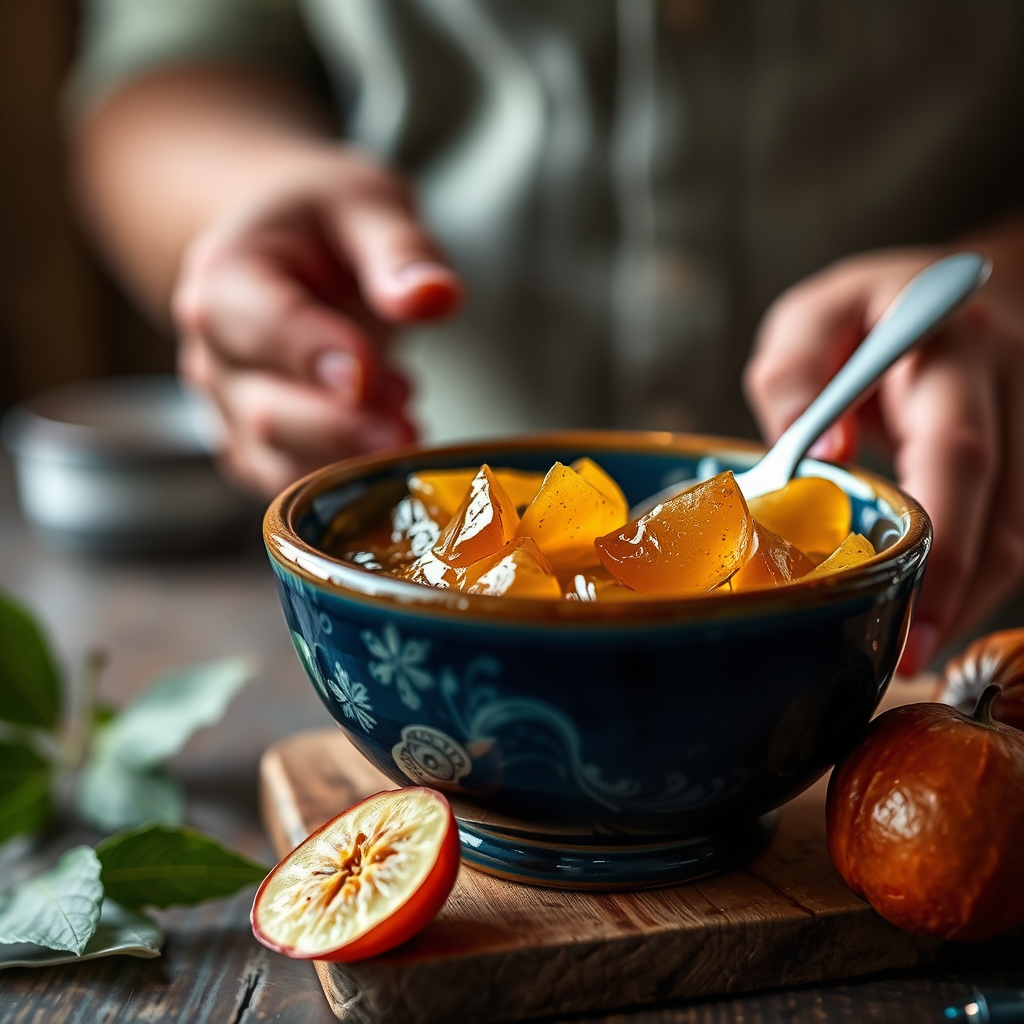
This guide is crafted for intermediate to advanced home cooks who possess some experience with fruit preserves and are comfortable experimenting with unique ingredients like quince jelly. Food enthusiasts looking to explore the versatility of quince jelly in both savory and sweet dishes will find the detailed instructions invaluable. Those eager to discover creative uses for quince jelly beyond traditional spreads will benefit greatly from this compilation. Beginners unfamiliar with quince jelly or cooking with preserves may need to consult foundational cooking resources before tackling the recipes outlined here.
The Step-by-Step Protocol
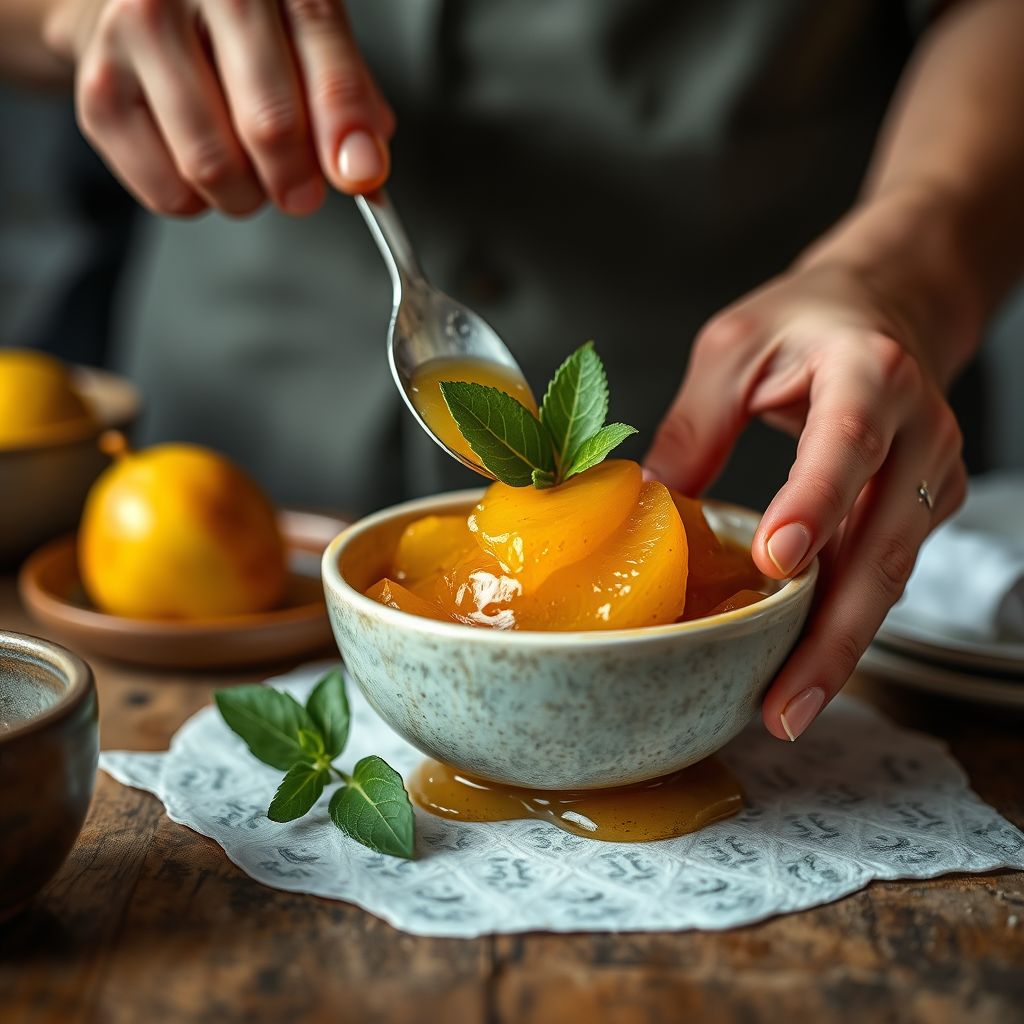
1. Select Your Recipes: Choose from various categories such as appetizers (e.g., cheese pairings), main dishes (e.g., glazed meats), and desserts (e.g., cakes or tarts) that highlight quince jelly.
2. Gather Ingredients: Ensure you have high-quality quince jelly (preferably homemade or artisanal) along with all other necessary ingredients measured and ready. For instance, you might need 200g of quince jelly for a tart, along with flour, butter, and sugar.
3. Follow Cooking Instructions: Carefully adhere to each recipe’s specific cooking times and temperatures. For example, bake a quince jelly tart at 350°F (175°C) for 25-30 minutes until golden brown.
4. Presentation and Serving Suggestions: Plate your finished dishes attractively, using quince jelly as a glaze or drizzle to enhance both visual appeal and flavor. Consider serving a cheese platter with quince jelly alongside aged cheeses, or drizzling it over roasted meats for an elegant touch.
Top 7 Uses for Quince Jelly in Culinary Applications
| # | Recipe Type | Main Ingredients | Cooking Time | Flavor Profile |
|---|---|---|---|---|
| 1 | Quince Jelly Tart | Quince Jelly, Pastry, Eggs | 30 min | Sweet & Tart |
| 2 | Glazed Roast Chicken | Quince Jelly, Chicken, Soy Sauce | 1 hr | Savory & Sweet |
| 3 | Cheese Pairing | Quince Jelly, Cheese, Crackers | No Cook | Creamy & Sweet |
| 4 | Quince Glaze for Pork | Quince Jelly, Pork, Mustard | 45 min | Savory & Tangy |
| 5 | Quince Jelly Cake | Quince Jelly, Flour, Butter | 1 hr | Sweet & Moist |
| 6 | Quince Yogurt Parfait | Quince Jelly, Yogurt, Granola | No Cook | Creamy & Fruity |
| 7 | Quince Jelly Muffins | Quince Jelly, Flour, Eggs | 25 min | Sweet & Fluffy |
Warning Signs: When Not to Follow This

Be cautious when using store-bought quince jelly that contains additives or preservatives, as these can compromise the natural flavor profile of your recipes. Avoid these recipes if you have allergies to any of the ingredients paired with quince jelly, such as nuts or dairy. If you notice signs of spoilage in the quince jelly—like an off smell or discoloration—discard it immediately and refrain from using it in your cooking. Additionally, steer clear of using quince jelly in dishes that require high cooking temperatures (above 400°F), as it may caramelize too quickly, adversely affecting the dish’s flavor.
The Most Common Mistakes (And Their Consequences)
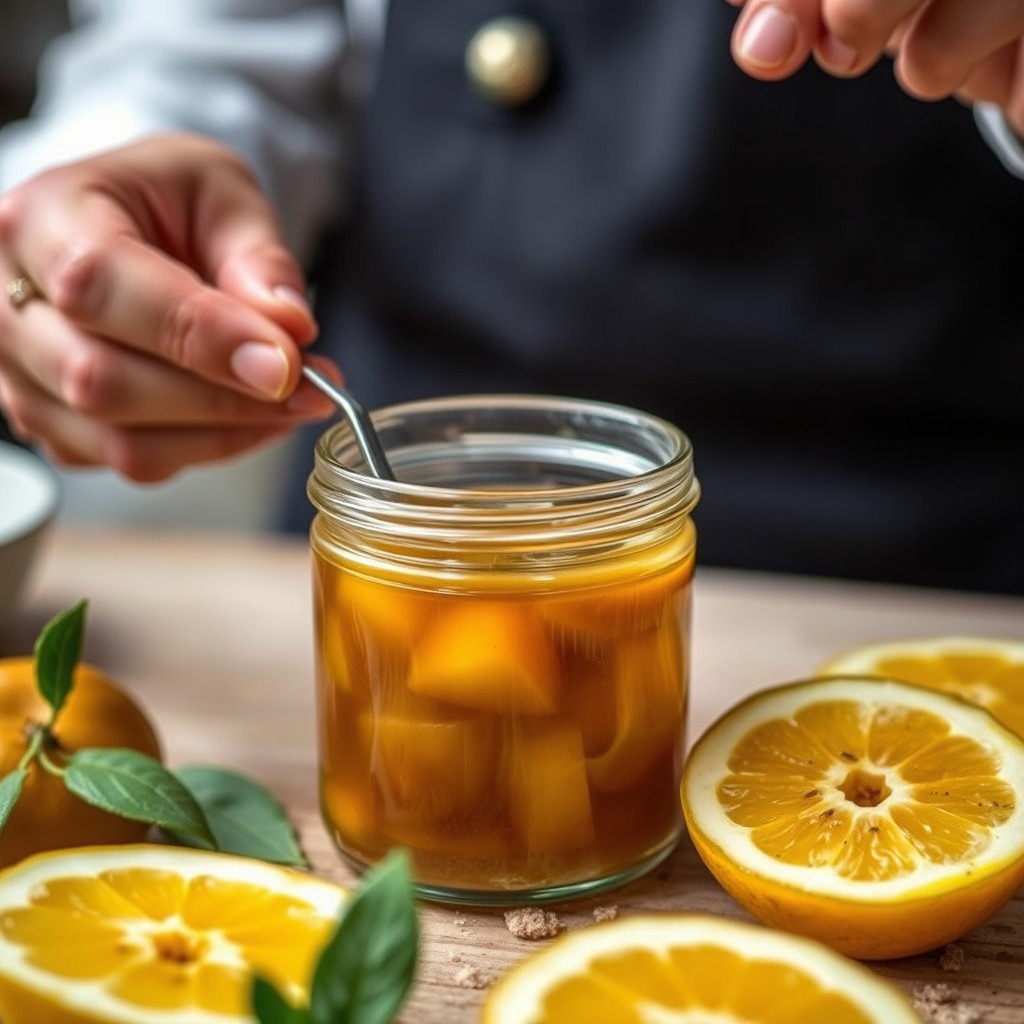
One common error is using excessive quince jelly, leading to overly sweet dishes. Stick to recommended quantities; for example, use no more than 1/4 cup in savory dishes. Neglecting to adjust the acidity of recipes, particularly when pairing with meats, can result in unbalanced flavors. A splash of vinegar or citrus juice can help rectify this. Failing to consider the jelly’s consistency may result in incorrect textures in desserts; ensure you’re using a firm jelly for glazes. Mixing quince jelly with incompatible flavors, such as an overload of spices, can overshadow its unique taste; instead, pair it with complementary ingredients like cheese or mild herbs.
Special Cases That Need a Different Approach
When preparing dishes for individuals with dietary restrictions—such as vegan or low-sugar diets—consider using alternative recipes that substitute quince jelly with fruit purees or sugar-free options. In high-altitude cooking, adjustments to cooking times and temperatures may be necessary; using a food thermometer is essential to ensure meats glazed with quince jelly are properly cooked. When baking with quince jelly, be mindful of moisture levels; in humid environments, reduce the amount of added liquids to maintain the desired texture. For those interested in canning recipes that include quince jelly, it’s crucial to follow specific canning guidelines to ensure safety and preserve quality.
When You Need a Professional
If you have concerns about potential food allergies or intolerances related to quince jelly or other ingredients, consult an allergist or nutritionist for tailored advice. A culinary professional can provide guidance if you are attempting complex preservation techniques involving quince jelly, such as canning or fermenting. When your recipes involve high-risk ingredients (like raw eggs or unpasteurized products), seeking the advice of a food safety expert is prudent to mitigate any health risks. If you’re experimenting with large batch recipes for events or gatherings, consider consulting a professional caterer for tips on scaling recipes effectively while maintaining quality.
Sources and Further Reading
– “The Joy of Cooking” by Irma S. Rombauer, which includes foundational techniques for working with fruit preserves.
– “Preserving Everything: The Ultimate Canning Guide” by Liana Krissoff, for insights on safe canning practices when using quince jelly.
– The USDA’s Complete Guide to Home Canning for safety regulations and best practices in preserving foods.
– Various culinary blogs and recipe websites dedicated to quince jelly recipes, including detailed user reviews and modifications to existing recipes.
This guide aims to equip you with the knowledge and confidence to explore the culinary potential of quince jelly in your kitchen. Happy cooking!
Frequently Asked Questions
What are some easy recipes using quince jelly?
Easy recipes using quince jelly include quince jelly glazes for meats, such as pork or chicken, where the jelly adds a sweet and tangy flavor. You can also use quince jelly in desserts, such as spreading it on toast or using it as a filling for pastries. Additionally, it works well in salad dressings, mixed with vinegar and olive oil for a unique twist.
How can I incorporate quince jelly into savory dishes?
Incorporating quince jelly into savory dishes can elevate your meals with its sweet yet tangy flavor profile. Try adding it to a cheese platter, where it pairs beautifully with sharp cheeses. You can also mix it into barbecue sauces or marinades for meat, enhancing the overall taste and providing a delightful glaze when cooked.
Why should I use quince jelly in my cooking?
Using quince jelly in your cooking can enhance flavors and add a unique twist to traditional recipes. Its natural sweetness and aromatic qualities complement both sweet and savory dishes, making it versatile in the kitchen. Moreover, quince jelly can be a healthier alternative to refined sugars in sauces and glazes, allowing you to enjoy delicious meals with a fruity essence.
What are the best pairings for quince jelly?
The best pairings for quince jelly include strong cheeses like aged cheddar and blue cheese, which balance the sweetness with savory notes. Additionally, it complements roasted meats, particularly lamb and pork, as well as being an excellent addition to charcuterie boards. For desserts, pairing quince jelly with vanilla ice cream or yogurt creates a delightful contrast.
Which desserts can I make with quince jelly?
You can make a variety of desserts with quince jelly, such as tarts and pies, where it serves as a flavorful filling. It can also be used to glaze cakes or as a topping for cheesecakes, adding a fruity layer of flavor. Another option is to incorporate quince jelly into thumbprint cookies, where it creates a beautiful and delicious centerpiece.
References
- Quince
https://en.wikipedia.org/wiki/Quince - Checking your browser – reCAPTCHA
https://www.ncbi.nlm.nih.gov/pmc/articles/PMC6417821/ - Checking your browser – reCAPTCHA
https://www.ncbi.nlm.nih.gov/pmc/articles/PMC5960545/ - https://www.sciencedirect.com/topics/agricultural-and-biological-sciences/quince
https://www.sciencedirect.com/topics/agricultural-and-biological-sciences/quince - https://www.bbc.com/food/recipes/quince_jelly_38978
https://www.bbc.com/food/recipes/quince_jelly_38978 - https://www.nytimes.com/2021/10/12/dining/quince-jelly-recipe.html
https://www.nytimes.com/2021/10/12/dining/quince-jelly-recipe.html - https://www.theguardian.com/food/2020/nov/04/how-to-make-quince-jelly
https://www.theguardian.com/food/2020/nov/04/how-to-make-quince-jelly - Google Scholar Google Scholar
https://scholar.google.com/scholar?q=recipes+with+quince+jelly - Google Scholar Google Scholar
https://scholar.google.com/scholar?q=quince+jelly+health+benefits - Google Scholar Google Scholar
https://scholar.google.com/scholar?q=quince+jelly+culinary+uses