This expert guide provides a detailed, step-by-step recipe for safely making watermelon jelly, perfect for both novice and experienced canners. Following precise protocols is crucial to ensure the jelly sets properly and remains safe for consumption. Unlock the sweet potential of ripe watermelon while mastering the art of preserving this seasonal delight.
What This Guide Covers (And What It Doesn’t)
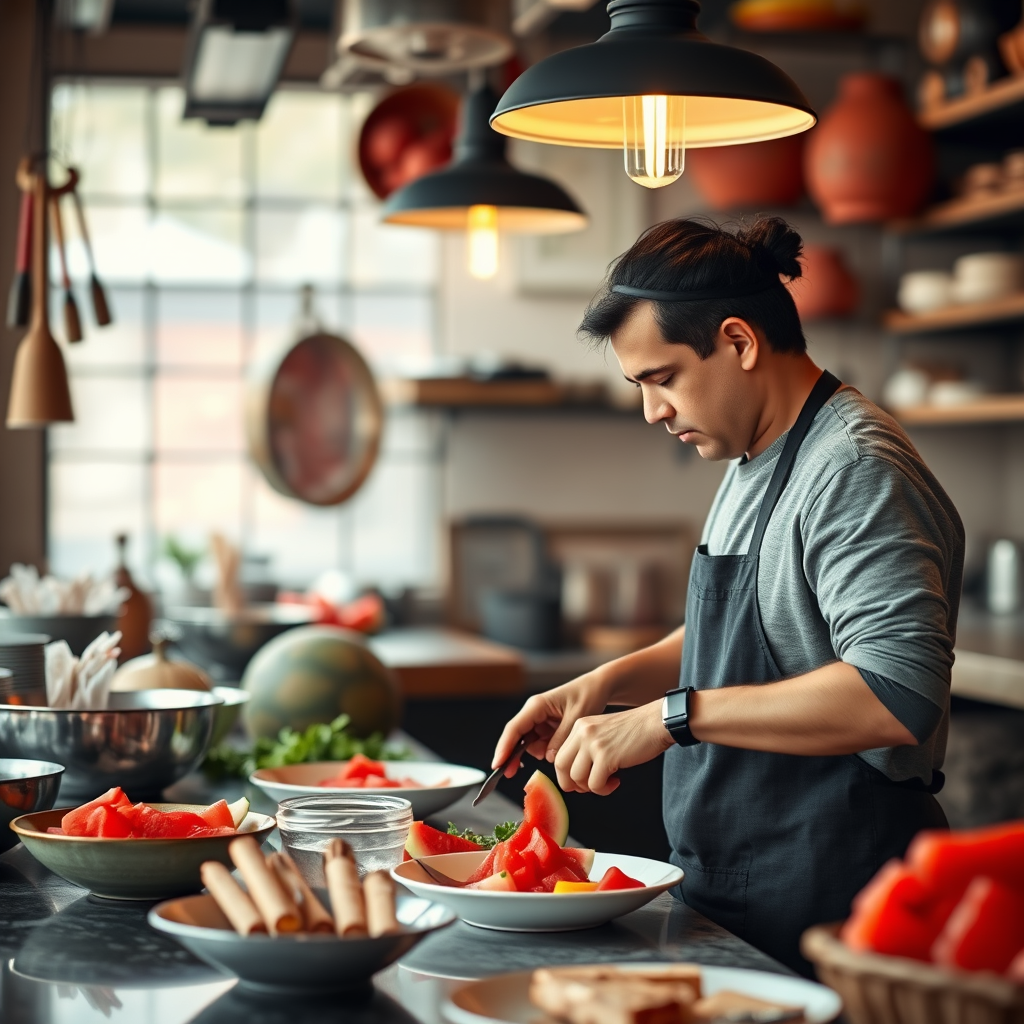
This guide provides an in-depth recipe for crafting watermelon jelly, offering precise measurements, cooking times, and canning procedures to guarantee both safety and quality. It focuses exclusively on watermelon jelly and does not include alternative jelly recipes or techniques for other fruits. Designed for home cooks eager to create watermelon jelly safely, this guide ensures that all food safety protocols are meticulously followed throughout the process.
Who Should Read This
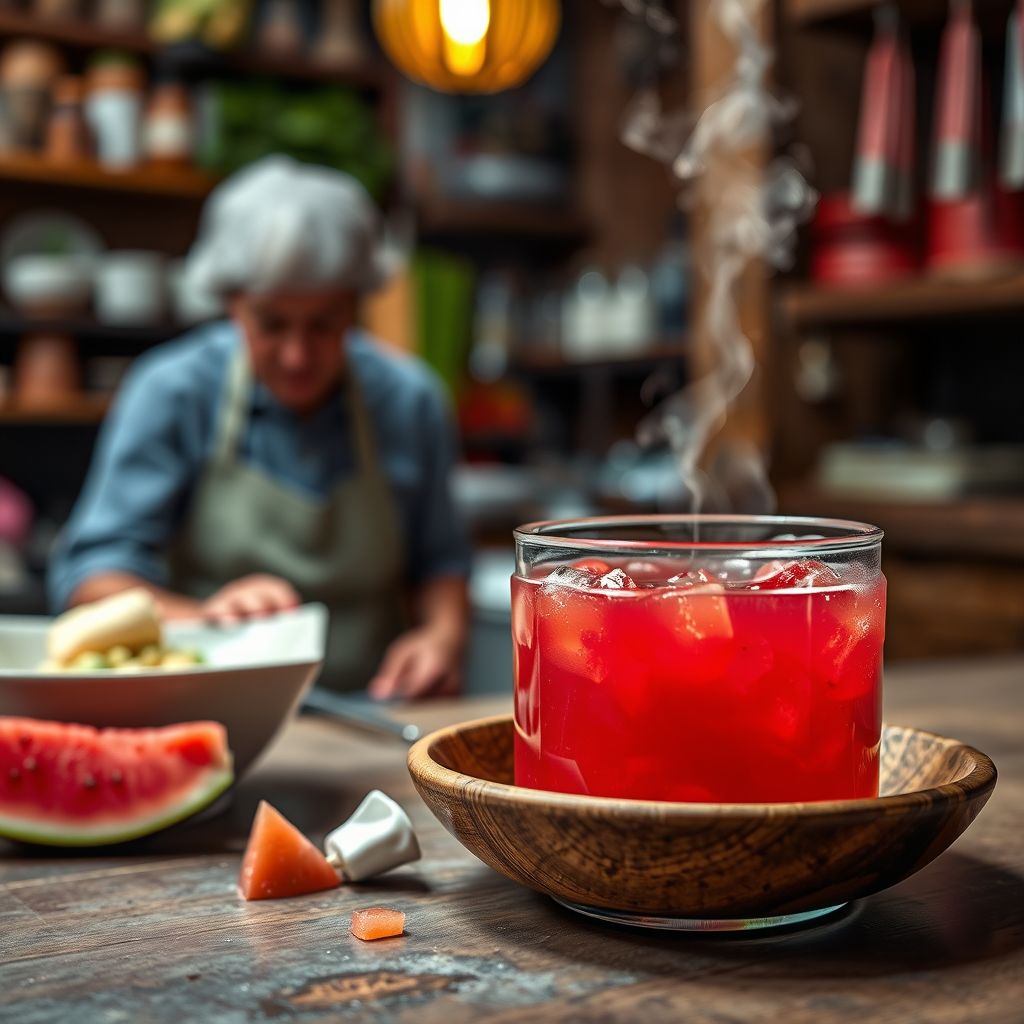
This guide is tailored for individuals with basic kitchen skills, comfortable using essential equipment like pots, measuring cups, and canning jars. It’s suitable for those with some experience in making preserves or jellies, as well as beginners who are prepared to follow detailed instructions. To successfully create watermelon jelly, readers should have access to fresh watermelon, along with necessary ingredients and tools, such as pectin and canning supplies.
The Step-by-Step Protocol
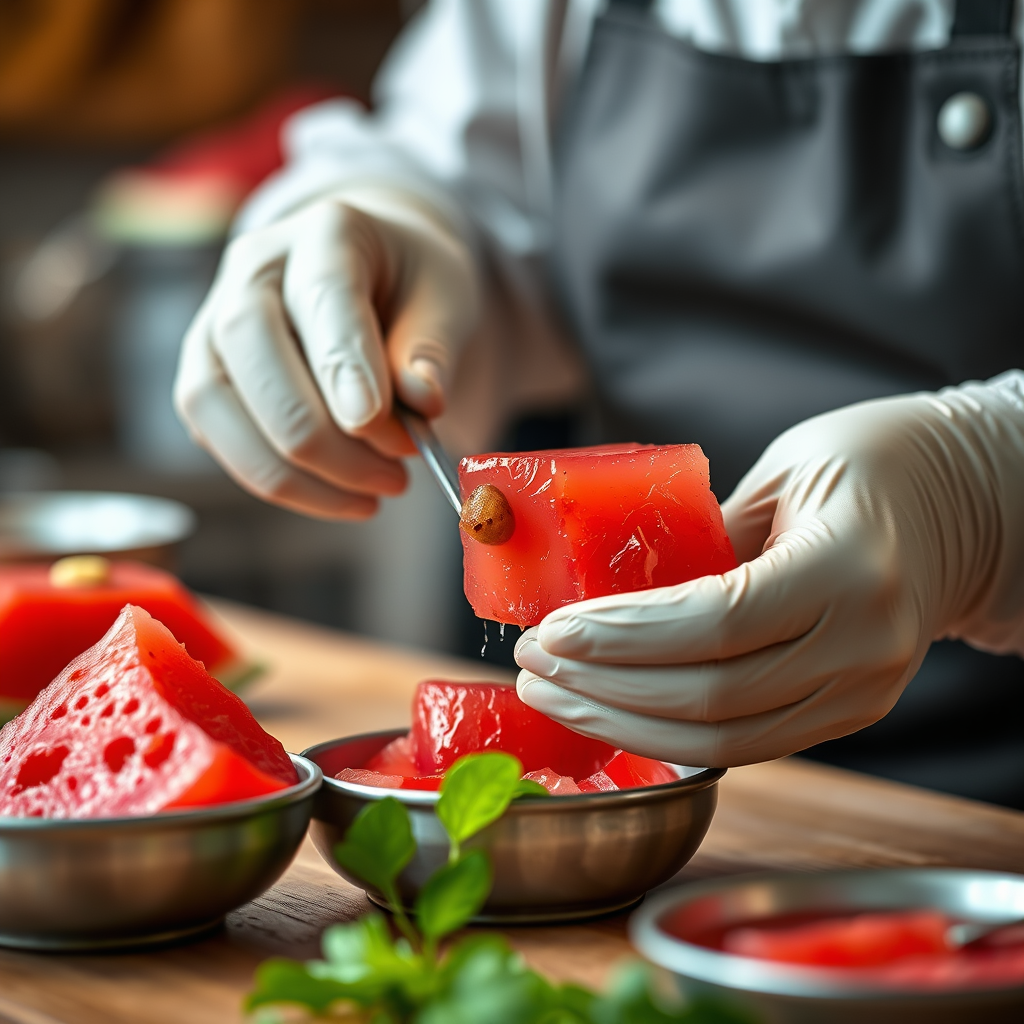
1. Prepare the Watermelon: Cut a ripe watermelon (approximately 5-6 pounds) into quarters. Remove the seeds and scoop out the flesh. Measure 4 cups of watermelon puree, ensuring no seeds or rind remain.
2. Combine Ingredients: In a large pot, mix the watermelon puree with 1/4 cup of lemon juice and one 1.75-ounce package of fruit pectin (ensure it is specifically for jellies, such as Sure-Jell).
3. Cook the Mixture: Bring the mixture to a full rolling boil over medium-high heat, stirring constantly. Once boiling, add 5 cups of granulated sugar all at once and stir until dissolved. Boil for exactly 1 minute.
4. Canning the Jelly: After boiling, remove the pot from heat. Skim any foam from the top, then pour the jelly into sterilized half-pint or pint canning jars, leaving 1/4 inch headspace. Process jars in a boiling water bath for 5-10 minutes, depending on your altitude.
Watermelon Jelly Recipe Ingredients Comparison
| # | Ingredient | Quantity | Purpose |
|---|---|---|---|
| 1 | Watermelon Puree | 4 cups | Base flavor and consistency |
| 2 | Lemon Juice | 1/4 cup | Acidity and flavor balance |
| 3 | Fruit Pectin | 1.75 oz | Jelly setting |
| 4 | Granulated Sugar | 5 cups | Sweetness and preservation |
| 5 | Canning Jars | As needed | Storage and preservation |
| 6 | Boiling Water | As needed | Canning process |
Warning Signs: When Not to Follow This
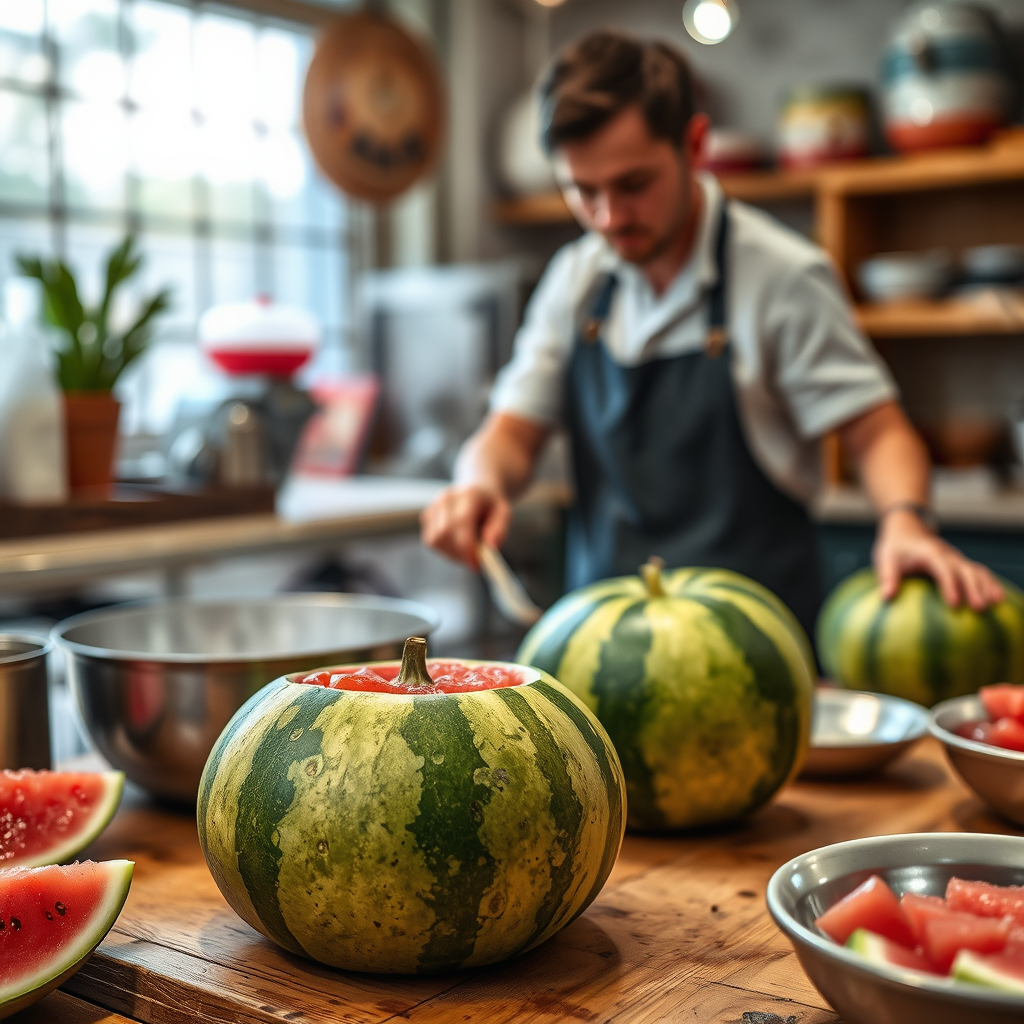
Refrain from attempting this recipe if your watermelon is overripe, shows signs of mold, or appears visibly spoiled, as these conditions can compromise both safety and flavor. If your kitchen environment lacks cleanliness or if your canning equipment isn’t properly sterilized, it’s best to avoid making watermelon jelly. Additionally, if you’re allergic to any of the ingredients—such as pectin or sugar—do not proceed to prevent adverse reactions.
The Most Common Mistakes (And Their Consequences)
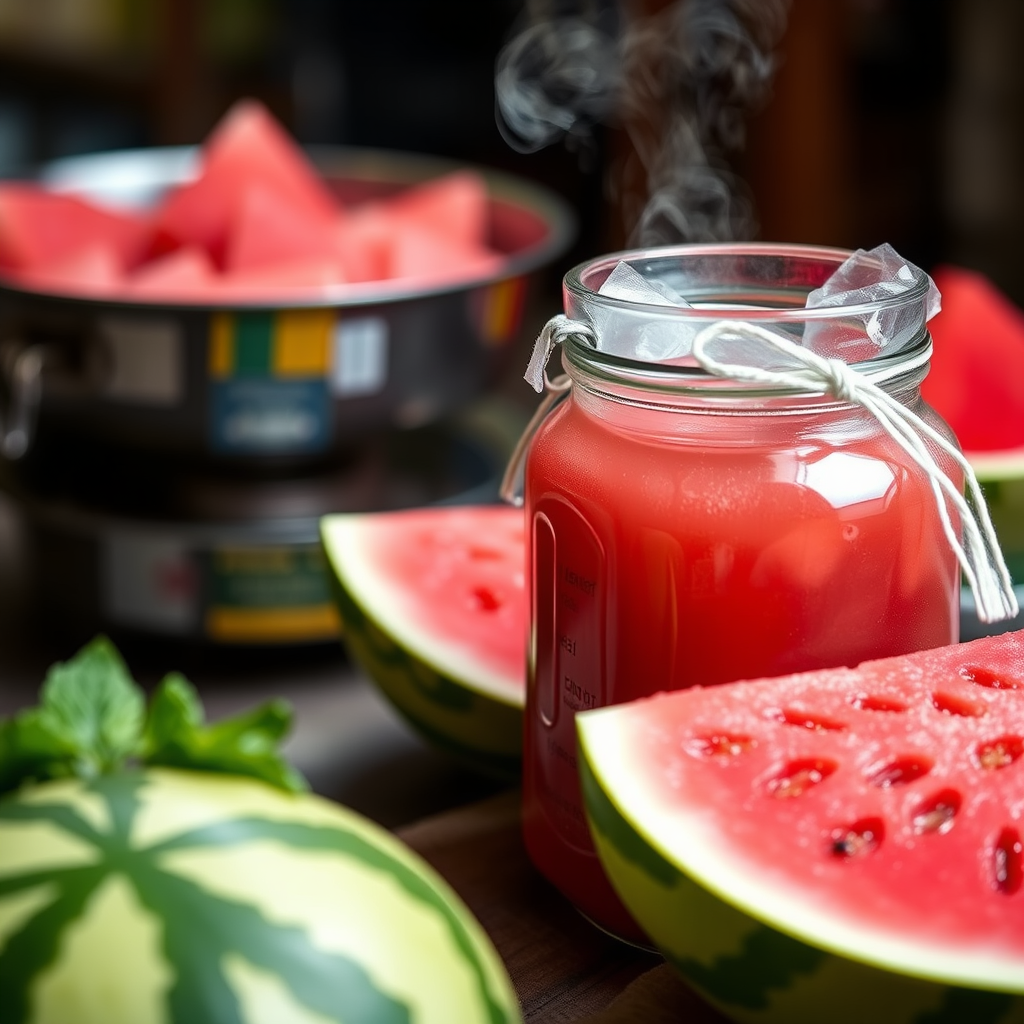
One frequent error is inaccurate measurement of the watermelon puree, which can result in jelly that is either too runny or too firm; always use a liquid measuring cup for precision. Skipping the boiling water bath process can lead to improperly sealed jars, heightening the risk of spoilage or foodborne illness; always adhere to the specified processing time. Furthermore, using low-sugar pectin without adjusting the sugar content accordingly may yield a jelly that fails to set properly, making it crucial to follow the recipe’s sugar requirements.
Special Cases That Need a Different Approach
If you’re making watermelon jelly at high altitudes (above 1,000 feet), you may need to extend the processing time by 1 minute for each additional 1,000 feet of elevation to ensure safety and proper sealing. For those with dietary restrictions, such as sugar-free or low-sugar diets, consider using a canning-approved sugar substitute that has been tested for jelly-making. If you wish to incorporate additional flavors, such as mint or lime, add them in small quantities (about 1-2 teaspoons) during the boiling process to avoid altering the jelly’s setting properties.
When You Need a Professional
Should you notice any unusual signs, such as an off smell or bubbling in sealed jars after processing, consult a food safety expert or your local extension office for immediate guidance. If you’re uncertain about your canning techniques, particularly if you’re new to the process, consider enrolling in a food preservation class or workshop led by a certified instructor. For large-scale production or if you plan to sell your watermelon jelly, reach out to a food safety professional to ensure compliance with local health regulations and safe canning practices.
Sources and Further Reading
– National Center for Home Food Preservation: Comprehensive guidelines on safe canning practices specifically for fruit jellies and preserves.
– USDA Complete Guide to Home Canning: Essential reference for home canning techniques, including specific instructions for watermelon jelly recipes.
– Ball Canning Book of Preserving: A trusted resource that offers detailed recipes and tips for various types of jellies, including fruit-specific variations.
In conclusion, making watermelon jelly is a delightful way to preserve the taste of summer. By carefully following this guide, you can ensure a safe and successful jelly-making experience. Prioritize food safety, accuracy in measurements, and proper canning techniques for delicious results. Enjoy your homemade watermelon jelly!
Frequently Asked Questions
What ingredients do I need for a basic watermelon jelly recipe?
To make a basic watermelon jelly, you’ll need fresh watermelon, sugar, lemon juice, and pectin. The watermelon should be pureed to extract its juice, which is the foundation of the jelly. Using high-quality ingredients will ensure a delicious and flavorful result.
How do I prepare the watermelon for making jelly?
To prepare the watermelon for jelly, start by selecting a ripe watermelon and cutting it into quarters. Remove the seeds and rind, then blend the flesh until smooth. Strain the puree through a fine mesh sieve or cheesecloth to get the juice needed for the jelly.
Why is pectin important in making watermelon jelly?
Pectin is a natural thickening agent that helps the jelly set properly, giving it the desired consistency. Without pectin, the watermelon juice may not gel effectively, resulting in a runny product. Using either powdered or liquid pectin according to the recipe instructions is essential for achieving the best results.
What is the best method for canning watermelon jelly?
The best method for canning watermelon jelly involves sterilizing your jars and lids in boiling water before filling them with the hot jelly. Seal them tightly and process in a boiling water bath for about 5-10 minutes to ensure they are properly preserved. This method keeps the jelly safe for long-term storage.
Which recipes can I use watermelon jelly in?
Watermelon jelly can be used in various recipes, from spreading on toast to glazing meats and adding flavor to desserts. It also works well as a filling for cakes and pastries or as a topping for ice cream and yogurt. Its sweet and fruity flavor makes it a versatile addition to many dishes.
References
- Jelly
https://en.wikipedia.org/wiki/Jelly - MicroRNA-Target Network Inference and Local Network Enrichment Analysis Identify Two microRNA Clu…
https://www.ncbi.nlm.nih.gov/pmc/articles/PMC4691172/ - https://www.sciencedirect.com/science/article/pii/S2351978917301228
https://www.sciencedirect.com/science/article/pii/S2351978917301228 - https://www.britannica.com/topic/jelly-food
https://www.britannica.com/topic/jelly-food - https://www.nutrition.gov/topics/food-safety/food-preservation/jelly-jam-and-preserves
https://www.nutrition.gov/topics/food-safety/food-preservation/jelly-jam-and-preserves - Google Scholar Google Scholar
https://scholar.google.com/scholar?q=watermelon+jelly+recipe - Google Scholar Google Scholar
https://scholar.google.com/scholar?q=making+jelly+from+watermelon - Google Scholar Google Scholar
https://scholar.google.com/scholar?q=watermelon+jelly+preservation - https://www.cdc.gov/foodsafety/food-safety-education/week/recipes.html
https://www.cdc.gov/foodsafety/food-safety-education/week/recipes.html - https://www.verywellfit.com/how-to-make-watermelon-jelly-4691349
https://www.verywellfit.com/how-to-make-watermelon-jelly-4691349