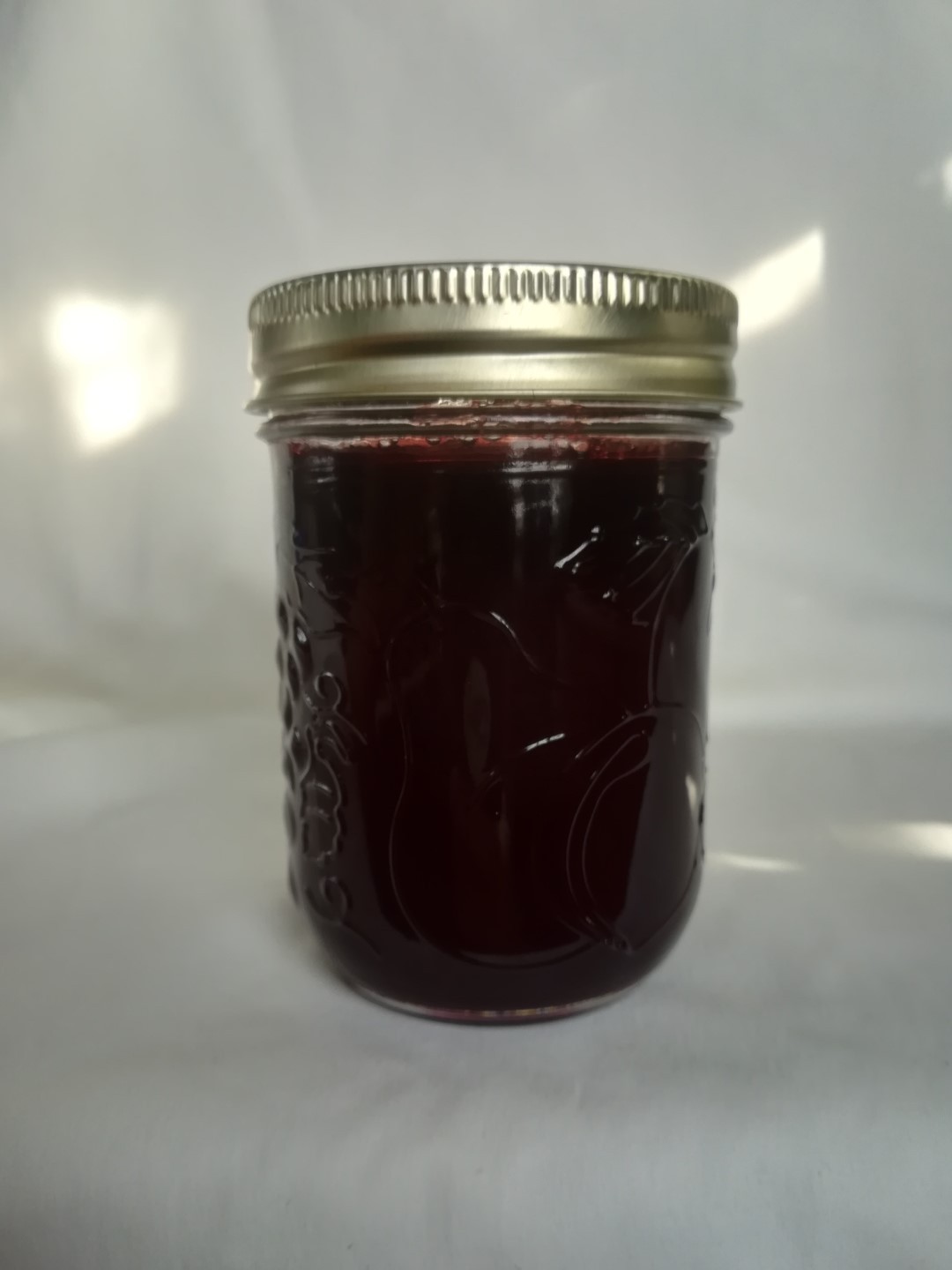
Master the art of making chokecherry jelly with this comprehensive step-by-step protocol designed for both novice and seasoned canners. This guide covers everything from selecting the ripest chokecherries to ensuring safe and effective canning practices, all essential for preserving the vibrant flavor and quality of your jelly. Following these precise methods not only enhances your culinary skills but also guarantees a delicious and safe product for your family and friends.
What This Guide Covers (And What It Doesn’t)
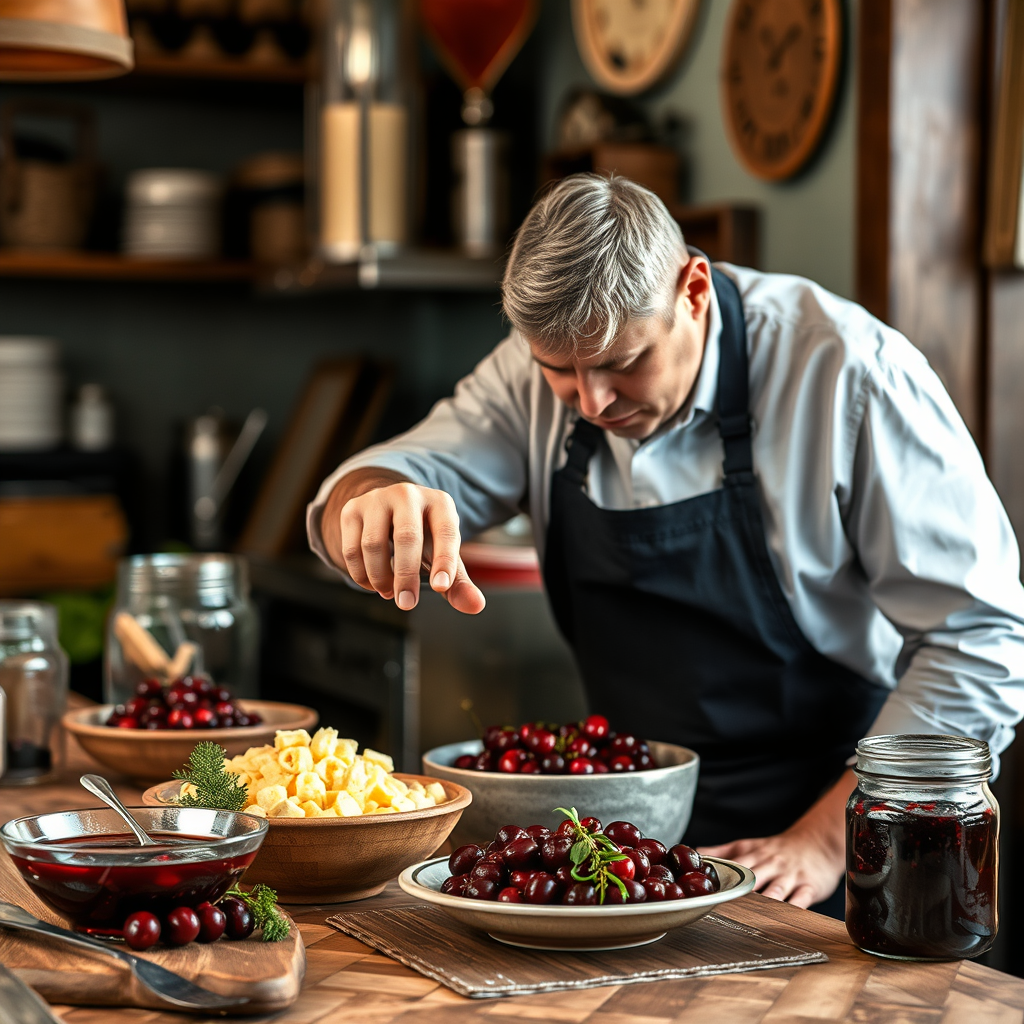
This guide offers a detailed recipe for making chokecherry jelly, complete with ingredient measurements, necessary equipment, and specific techniques to ensure both safety and quality. You will discover how to handle chokecherries, extract their juice, and preserve your jelly effectively. While this guide focuses solely on the jelly-making process, it does not address other types of jellies or preserves, nor does it explore the history or cultural significance of chokecherries. It serves as a valuable resource for home cooks with a foundational understanding of canning and food preservation, as well as providing detailed insights for novices eager to learn.
Who Should Read This
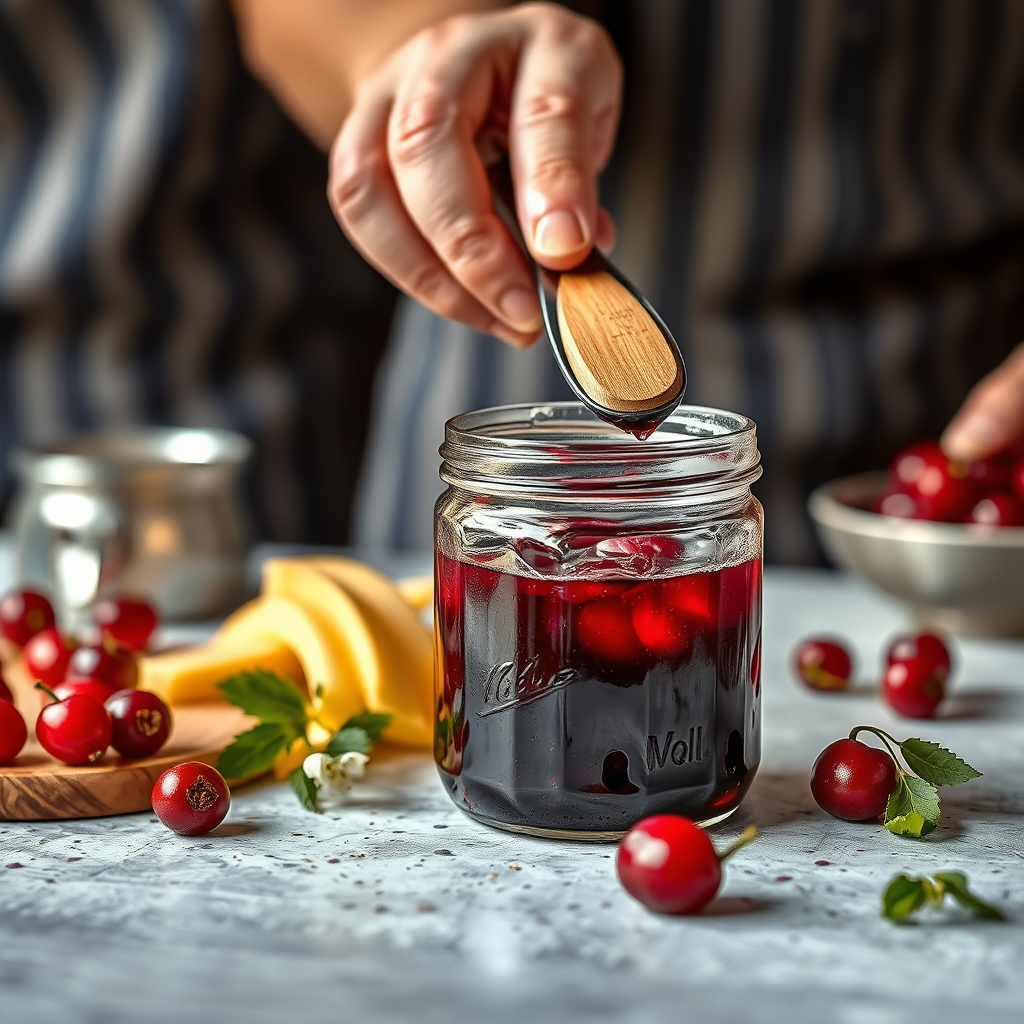
This article is tailored for home canners and kitchen enthusiasts keen on utilizing chokecherries, a wild fruit often overlooked in jelly-making. It targets individuals who possess a basic understanding of kitchen safety, including sanitation practices and the importance of precise measurements in recipes. Those experienced with other fruit preserves will find this guide particularly beneficial, as it highlights the unique aspects of working with chokecherries.
The Step-by-Step Protocol
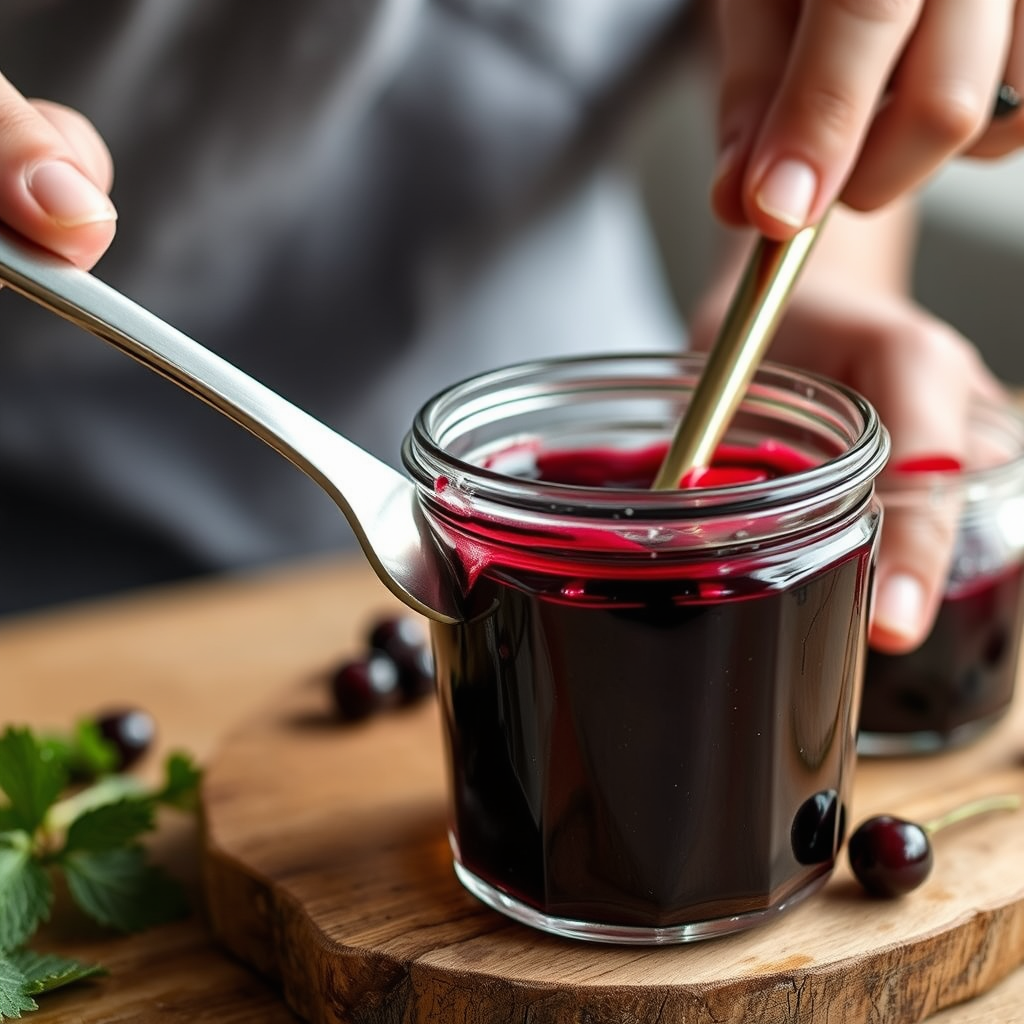
1. Gather Ingredients and Equipment: Collect 4 cups of chokecherry juice, 5 cups of granulated sugar, and 1 packet of pectin. Ensure you have sterilized jars, lids, a large pot, a canning funnel, a ladle, and a fine mesh strainer or cheesecloth.
2. Prepare Chokecherries: Rinse chokecherries thoroughly to remove dirt and debris. Remove stems and mash the fruit to extract juice using a potato masher or food processor.
3. Extract Juice: Place the mashed chokecherries in a large pot with 1 cup of water. Simmer for 30 minutes to allow the juices to release. Strain the mixture using a fine mesh strainer or cheesecloth to yield 4 cups of chokecherry juice.
4. Cook the Jelly: Combine the chokecherry juice, pectin, and 1/4 cup of lemon juice in a pot. Bring to a rolling boil while stirring constantly. Add all the sugar once boiling, and continue stirring for 1-2 minutes until fully dissolved and the mixture returns to a boil.
5. Test for Set: To check for gel consistency, place a spoonful of the boiling mixture on a cold plate. Allow it to cool for a minute, then push it with your finger; it should wrinkle if ready to jar.
6. Fill the Jars: Using a ladle and canning funnel, fill sterilized jars with the hot jelly, leaving 1/4-inch headspace. Wipe the rims clean with a damp cloth and place sterilized lids on top.
7. Process the Jelly: Process jars in a boiling water bath for 5-10 minutes, ensuring that the water covers the jars by at least an inch. This step is crucial for food safety.
8. Cool and Store: Remove the jars from the water bath and let them cool on a clean towel or rack. Check seals after 24 hours and store any unsealed jars in the refrigerator.
Chokecherry Jelly Yield and Processing Times
| # | Item | Quantity | Yield | Processing Time |
|---|---|---|---|---|
| 1 | Chokecherry Juice | 4 cups | 6-8 half-pints | 5-10 minutes |
| 2 | Sugar | 5 cups | N/A | N/A |
| 3 | Pectin | 1 packet | N/A | N/A |
| 4 | Lemon Juice | 1/4 cup | N/A | N/A |
| 5 | Total Yield | – | 6-8 half-pints | – |
Warning Signs: When Not to Follow This

– Do not attempt this recipe if you have allergies to chokecherries or any of the ingredients listed, as this could trigger severe allergic reactions.
– Avoid making chokecherry jelly if you notice any signs of spoilage in your fruit, such as mold, an off smell, or discoloration, as these can compromise the safety of the jelly.
– If you lack proper canning equipment, such as a water bath canner or sterilized jars, it is advisable to refrain from attempting this recipe; improper canning can lead to foodborne illnesses.
The Most Common Mistakes (And Their Consequences)
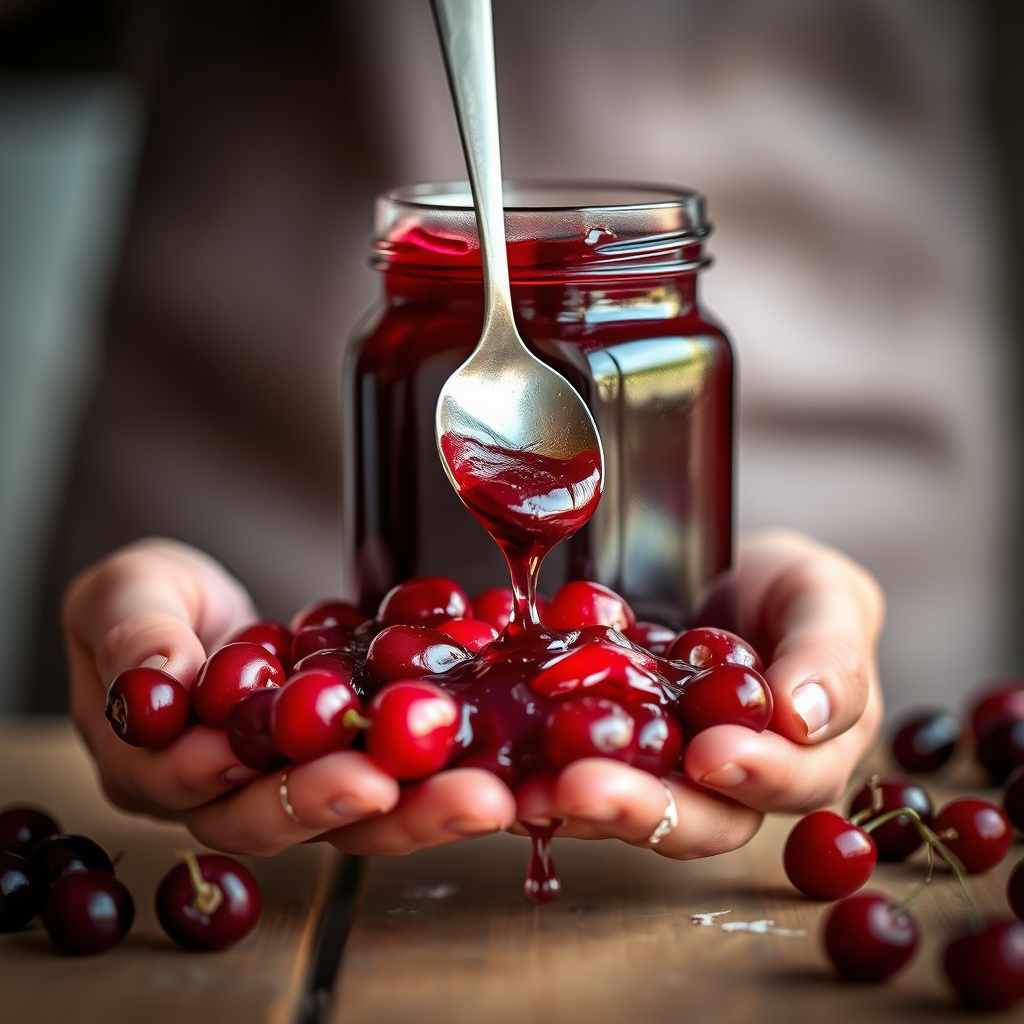
– One frequent error is mismeasuring the chokecherry juice, which can result in jelly that fails to set properly. Always use measuring cups for accuracy.
– Skipping the boiling water bath processing step can lead to jars that are inadequately sealed, increasing the risk of spoilage and contamination.
– Failing to test the gel consistency before jarring can produce runny jelly that does not achieve the desired texture, leading to disappointment after the effort invested in making it.
Special Cases That Need a Different Approach
– If using chokecherries from a location treated with pesticides or chemicals, it is vital to source organic chokecherries or wash them thoroughly to avoid contamination.
– For those with dietary restrictions, consider using low-sugar pectin and adjusting sugar levels in the recipe accordingly, but be aware that this may affect the gelling process.
– If you are making jelly at high altitudes (above 1,000 feet), increase the processing time by one additional minute for every 1,000 feet above sea level to ensure safety.
When You Need a Professional
– If you are uncertain about the safety of your chokecherries due to potential contamination or misidentification of the fruit, consult with a local agricultural extension office or a food safety expert before proceeding.
– In the event of experiencing any adverse reactions to the jelly after consumption, such as gastrointestinal distress, seek medical attention immediately and consider notifying local health authorities.
– For those new to canning who feel overwhelmed by the process, enrolling in a local canning workshop or consulting with a certified food preservation expert is recommended to gain hands-on experience.
Sources and Further Reading
– “The USDA Complete Guide to Home Canning” – A comprehensive resource for safe canning practices and recipes, including specifics on berry jellies.
– “Ball Blue Book Guide to Preserving” – An essential guide for home canners featuring tested recipes and techniques for jams and jellies.
– “Canning and Preserving for Beginners” by Carla Emery – A beginner’s guide that includes step-by-step instructions and troubleshooting tips for home canning enthusiasts.
With this guide, you are well-equipped to make chokecherry jelly safely and successfully. Embrace the process and enjoy the delightful results of your hard work!
Frequently Asked Questions
What ingredients do I need to make chokecherry jelly?
To make chokecherry jelly, you will need ripe chokecherries, sugar, lemon juice, and pectin. The chokecherries should be washed and crushed to extract their juice, which is the key ingredient for the jelly. Using fresh, high-quality ingredients ensures a flavorful and successful jelly.
How do I properly extract juice from chokecherries for jelly?
To extract juice from chokecherries, first wash them thoroughly and remove any stems. Place the cleaned chokecherries in a large pot with a little water, then simmer them over low heat until they become soft. Strain the mixture through a cheesecloth or fine mesh strainer to collect the juice, which is essential for your chokecherry jelly.
Why is pectin important in making chokecherry jelly?
Pectin is a natural thickening agent that helps your chokecherry jelly set properly, giving it the desired jelly-like consistency. Without pectin, your jelly may turn out too runny and not hold its shape. It’s crucial to use the right amount of pectin according to the recipe to achieve the best results.
What is the best way to store chokecherry jelly after making it?
After making chokecherry jelly, it’s best to store it in sterilized glass jars with tight-fitting lids. Keep the jars in a cool, dark place, such as a pantry, for up to a year. Once opened, store the jelly in the refrigerator and consume it within a few weeks for optimal freshness and flavor.
Which tools do I need to make chokecherry jelly at home?
To make chokecherry jelly at home, you will need a large pot for cooking, a strainer or cheesecloth for extracting juice, measuring cups for sugar and pectin, and sterilized jars for storage. Additionally, having a ladle and a funnel can make transferring the jelly into jars much easier and neater.
References
- Prunus virginiana
https://en.wikipedia.org/wiki/Chokecherry - https://www.extension.umn.edu/food/food-safety/food-preservation/jams-and-jellies/chokecherry-jelly
https://www.extension.umn.edu/food/food-safety/food-preservation/jams-and-jellies/chokecherry-jelly - https://pubmed.ncbi.nlm.nih.gov/26738163/
https://pubmed.ncbi.nlm.nih.gov/26738163/ - https://www.fs.usda.gov/wildflowers/plant-of-the-week/prunus_virginiana.shtml
https://www.fs.usda.gov/wildflowers/plant-of-the-week/prunus_virginiana.shtml - https://www.nal.usda.gov/legacy/food-safety/guide-home-food-preservation-jams-and-jellies
https://www.nal.usda.gov/legacy/food-safety/guide-home-food-preservation-jams-and-jellies - https://www.cdc.gov/nutrition/resources-publications/healthier-jams-jellies.html
https://www.cdc.gov/nutrition/resources-publications/healthier-jams-jellies.html - Google Scholar Google Scholar
https://scholar.google.com/scholar?q=chokecherry+jelly+recipe - Google Scholar Google Scholar
https://scholar.google.com/scholar?q=Prunus+virginiana+jelly+recipe - Google Scholar Google Scholar
https://scholar.google.com/scholar?q=chokecherry+preservation+methods - https://www.ars.usda.gov/ARSUserFiles/20360500/Chokecherry%20jelly%20recipe.pdf
https://www.ars.usda.gov/ARSUserFiles/20360500/Chokecherry%20jelly%20recipe.pdf