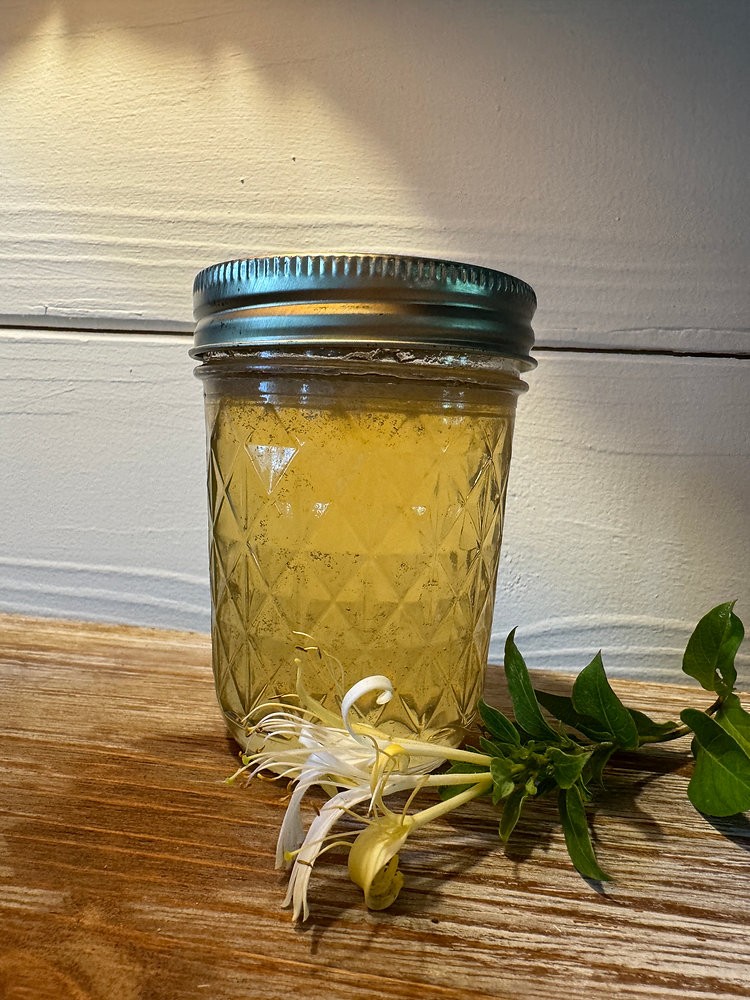
Learn how to safely make honeysuckle jelly with this expert guide, designed for both novice and seasoned cooks. This comprehensive resource details essential techniques and safety protocols to ensure a delicious and safe outcome, highlighting the importance of proper preparation and ingredient selection. By following these expert tips, you can enjoy the unique flavors of honeysuckle while avoiding potential pitfalls.
What This Guide Covers (And What It Doesn’t)
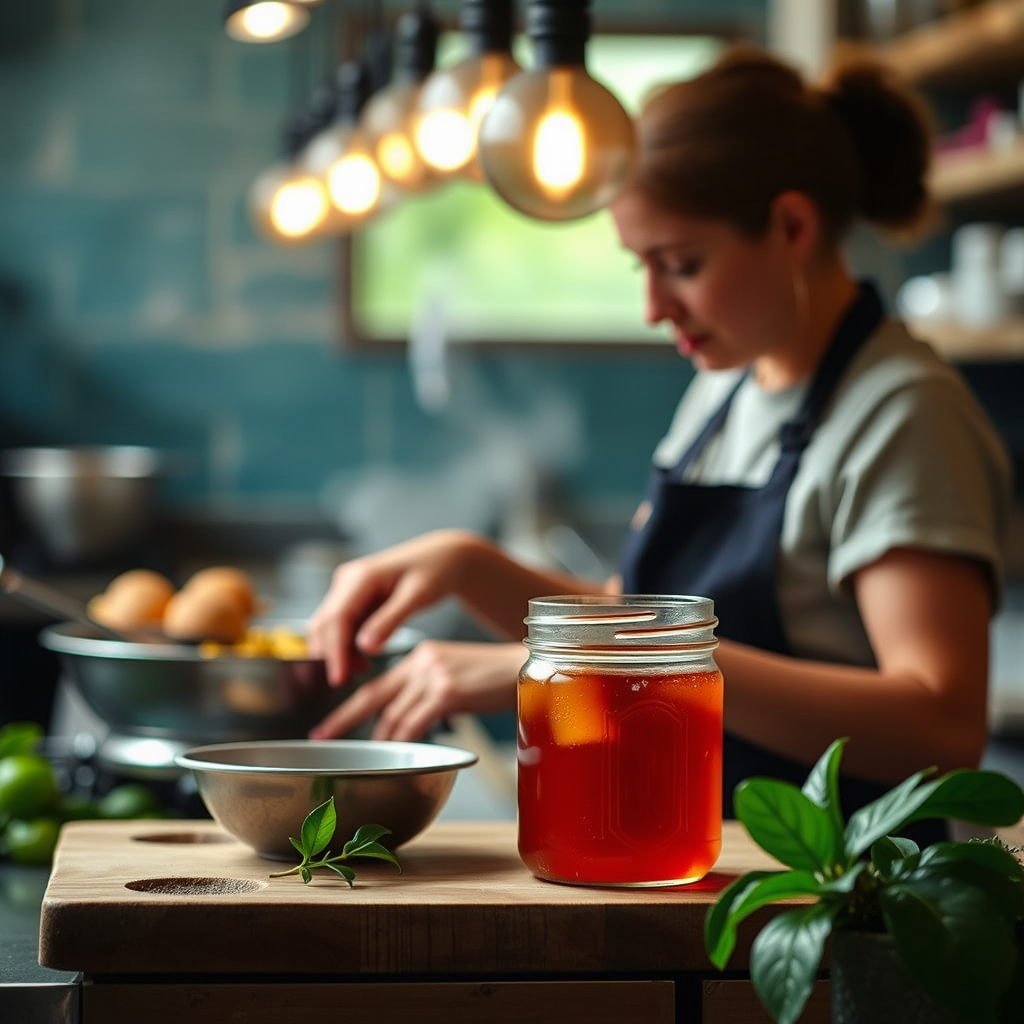
This guide offers a detailed, step-by-step recipe for crafting honeysuckle jelly, complete with ingredient quantities, preparation methods, and essential safety precautions. Specific instructions cater to both novice and seasoned cooks, enabling them to produce a high-quality jelly. While the focus remains on the jelly-making process, alternative uses for honeysuckle, such as syrups or other preserves, are not included. This guide is designed for home cooks eager to create honeysuckle jelly safely and effectively, underscoring the necessity of using only edible honeysuckle species.
Who Should Read This
This article is tailored for amateur and experienced home cooks interested in exploring unique flavors, especially those keen on foraging and utilizing natural ingredients. Readers should possess basic kitchen skills, including familiarity with cooking terminology and an understanding of canning and preserving techniques. Those passionate about making preserves, jellies, or jams will find this guide particularly valuable, as it addresses both culinary and safety considerations throughout the process.
The Step-by-Step Protocol
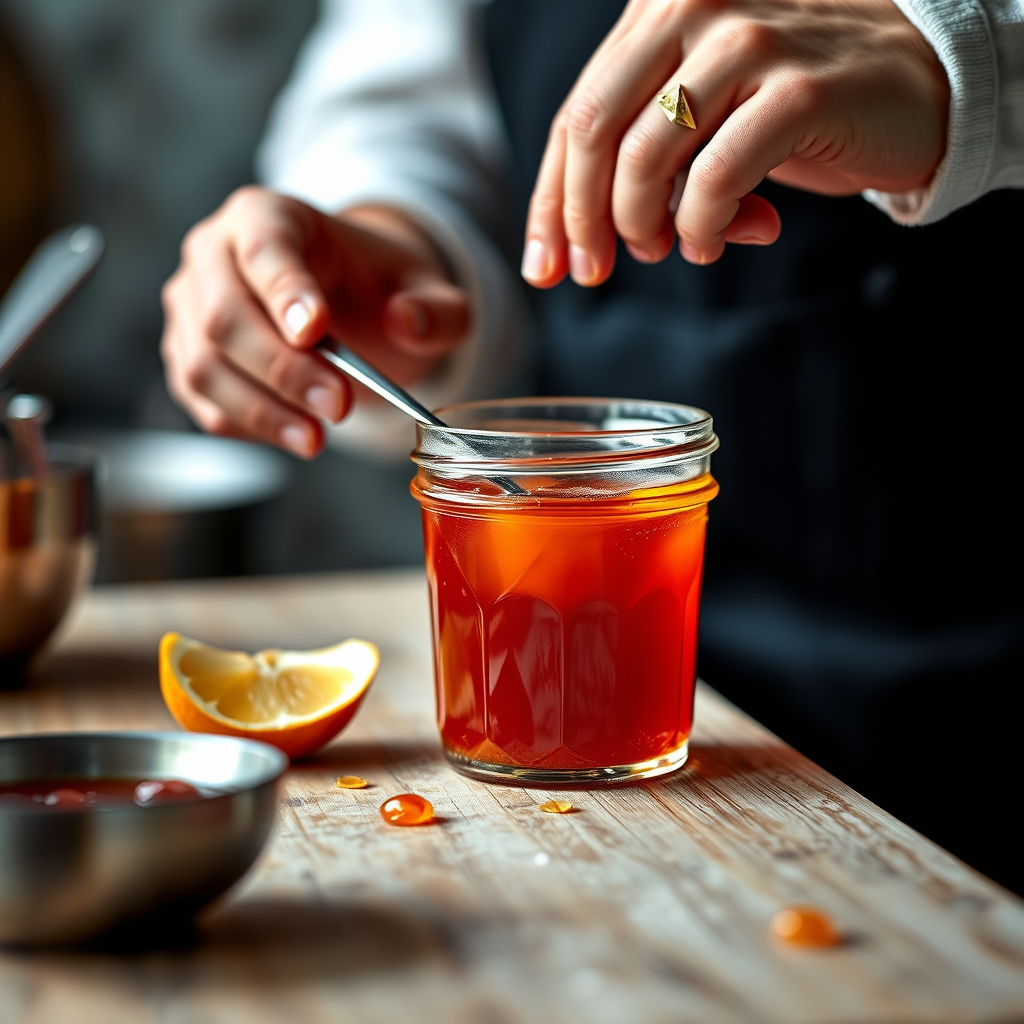
1. Gather Ingredients: Collect 4 cups of honeysuckle blossoms, 4 cups of water, 1/4 cup of lemon juice, and 1 package (1.75 oz) of fruit pectin.
2. Prepare Blossoms: Rinse the honeysuckle blossoms thoroughly to remove any dirt or insects. Remove the green parts, as they can impart bitterness to the jelly.
3. Make Honeysuckle Infusion: In a large pot, combine the cleaned blossoms and water. Bring to a boil, then reduce to a simmer for 30 minutes. Strain the mixture through a fine mesh sieve to extract the liquid, discarding the solids.
4. Cook Jelly Mixture: In a clean pot, combine 3 cups of the strained honeysuckle infusion, lemon juice, and pectin. Bring to a rolling boil while stirring constantly for 1-2 minutes until the pectin is fully dissolved.
5. Add Sugar: Gradually stir in 4 cups of granulated sugar, ensuring it dissolves completely before returning to a boil. Boil for another 1-2 minutes until the mixture reaches a gel-like consistency, which can be tested using a spoon.
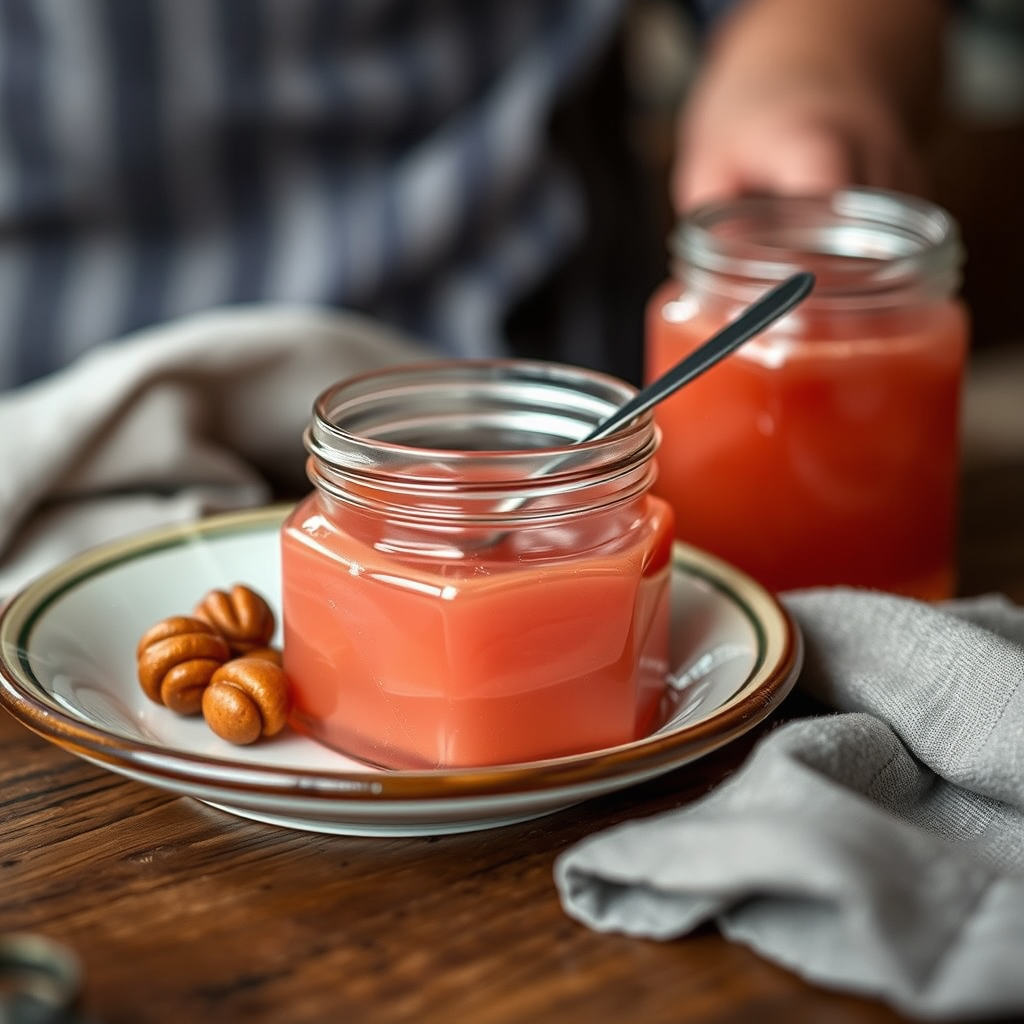
6. Jar and Seal: Pour the hot jelly into sterilized jars, leaving 1/4 inch of headspace. Seal with sterilized lids and process in a boiling water bath for 5-10 minutes to ensure proper sealing.
Honeysuckle Jelly Nutritional Information (per tablespoon)
| # | Nutrient | Amount | % Daily Value |
|---|---|---|---|
| 1 | Calories | 50 | 2% |
| 2 | Total Fat | 0g | 0% |
| 3 | Sodium | 0mg | 0% |
| 4 | Total Carbohydrates | 13g | 4% |
| 5 | Sugars | 12g | 24% |
| 6 | Protein | 0g | 0% |
| 7 | Vitamin C | 0mg | 0% |
| 8 | Calcium | 0mg | 0% |
| 9 | Iron | 0mg | 0% |
| 10 | Best For | Spreading on toast |
Warning Signs: When Not to Follow This
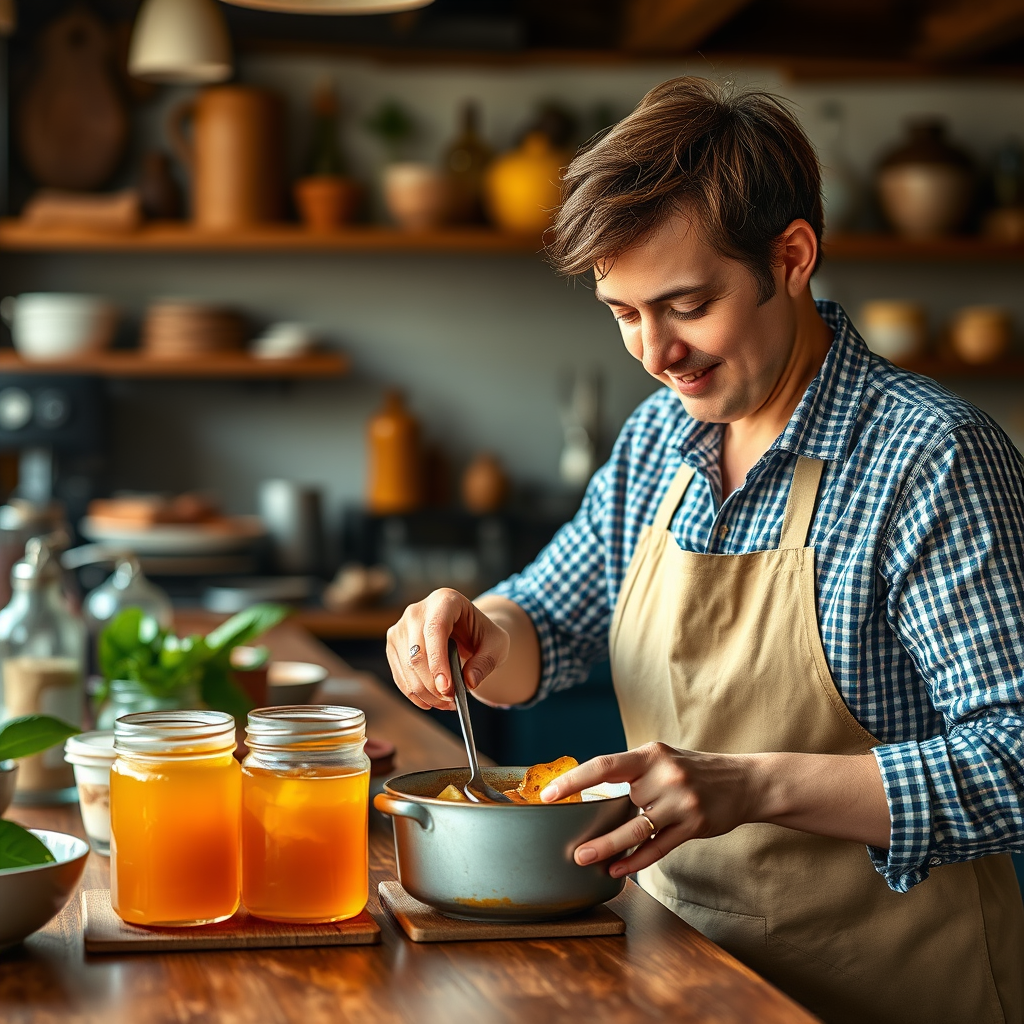
Avoid making honeysuckle jelly if you are allergic to honeysuckle or similar flowering plants, as reactions can range from mild to severe. Do not proceed with the recipe if you cannot accurately identify edible honeysuckle species, since some can be toxic. If you observe any unusual discoloration, off-putting smells, or mold on the honeysuckle blossoms, discard them immediately and do not attempt to make jelly.
The Most Common Mistakes (And Their Consequences)
One prevalent mistake is using the wrong species of honeysuckle; non-edible varieties can lead to food poisoning or adverse reactions. Failing to sterilize jars properly can result in spoilage, producing unsafe jelly that may harbor harmful bacteria. Additionally, inaccurate measurements of ingredients—especially sugar and pectin—can lead to a jelly that fails to set, resulting in a syrupy consistency instead of a firm jelly.
Special Cases That Need a Different Approach
If you are using honeysuckle from areas that may have been treated with pesticides, ensure you only select blossoms from organic or known safe sources. For individuals with dietary restrictions, consider using alternative sweeteners such as honey or agave in place of granulated sugar, adjusting quantities according to their sweetness levels. In regions with high humidity, you may need to add extra pectin or extend the boiling time to achieve the desired jelly consistency.
When You Need a Professional
Consult a licensed food preservation expert if you are unfamiliar with canning methods or have concerns about the safety of your ingredients, particularly regarding wild plants. Should you notice any signs of spoilage post-canning—such as bulging lids or off odors—do not taste the jelly; discard it and seek guidance from a food safety professional. If you experience an allergic reaction after consuming honeysuckle jelly, seek immediate medical attention to address potential health risks.
Sources and Further Reading
– “Canning and Preserving for Beginners” by Carla Snyder provides foundational knowledge on safe canning practices.
– The USDA Complete Guide to Home Canning offers detailed instructions on food preservation and safety measures.
– The National Center for Home Food Preservation provides research-based guidelines and recipes for safe food preservation, including jellies and jams.
Frequently Asked Questions
What ingredients do I need for a honeysuckle jelly recipe?
To make a delicious honeysuckle jelly, you’ll need fresh honeysuckle flowers, water, sugar, pectin, and lemon juice. The honeysuckle flowers provide the unique flavor, while the pectin helps the jelly set. Make sure to use ripe flowers for the best taste.
How do I properly prepare honeysuckle flowers for jelly?
To prepare honeysuckle flowers for jelly, first, rinse them gently under cool water to remove dirt or insects. Then, remove the green stems and leaves, as only the flowers should be used in your recipe. This ensures a pure flavor in your homemade honeysuckle jelly.
Why is my honeysuckle jelly not setting?
If your honeysuckle jelly isn’t setting, it could be due to insufficient pectin or not boiling the mixture long enough. Ensure you’re using the correct amount of pectin according to the package instructions and allow the jelly to boil for the recommended time to achieve the right consistency.
What is the best method for canning honeysuckle jelly?
The best method for canning honeysuckle jelly involves using a water bath canner. After filling sterilized jars with hot jelly, process them in boiling water for the time specified in your recipe. This method ensures a safe seal and preserves the jelly for long-term storage.
Which varieties of honeysuckle can I use for jelly?
The best varieties of honeysuckle for making jelly include Japanese honeysuckle and native honeysuckle species like Lonicera caerulea. These varieties produce sweet, fragrant flowers that lend a delightful flavor to your jelly. However, avoid using any honeysuckle that is not identified as edible.
References
- Honeysuckle
https://en.wikipedia.org/wiki/Honeysuckle - Checking your browser – reCAPTCHA
https://www.ncbi.nlm.nih.gov/pmc/articles/PMC6770435/ - https://www.sciencedirect.com/topics/agricultural-and-biological-sciences/honeysuckle
https://www.sciencedirect.com/topics/agricultural-and-biological-sciences/honeysuckle - Honeysuckle | Description & Major Species | Britannica
https://www.britannica.com/plant/honeysuckle - https://www.nature.com/articles/s41598-019-42591-1
https://www.nature.com/articles/s41598-019-42591-1 - Google Scholar Google Scholar
https://scholar.google.com/scholar?q=honeysuckle+jelly+recipe - Google Scholar Google Scholar
https://scholar.google.com/scholar?q=honeysuckle+preservation+methods - Google Scholar Google Scholar
https://scholar.google.com/scholar?q=traditional+jelly+recipes - UGA
https://www.uga.edu/ - ARS Home : USDA ARS
https://www.ars.usda.gov/