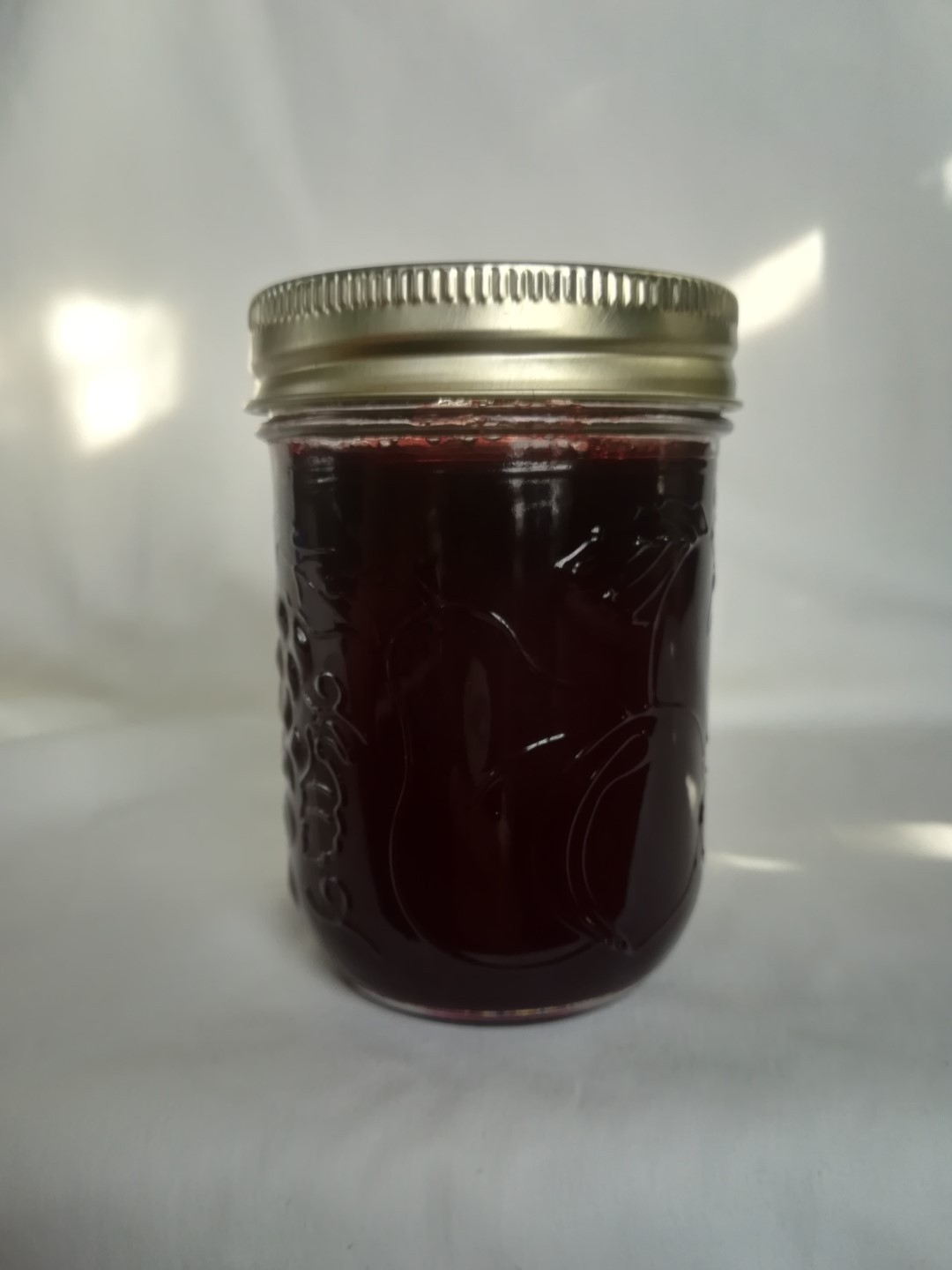
Chokecherry jelly recipes require precise techniques to ensure both flavor and safety in your food preservation efforts. This comprehensive guide outlines expert protocols for selecting, preparing, and canning chokecherries, ensuring you achieve a delicious and safe product every time. Understanding the importance of following proper procedures will not only enhance your jelly-making experience but also safeguard your health and that of your loved ones. Dive into the world of chokecherry jelly with confidence and expertise.
What This Guide Covers (And What It Doesn’t)

This guide offers an in-depth look at the safe methods and expert protocols for crafting chokecherry jelly, complete with detailed recipes, essential safety tips, and troubleshooting advice. However, it does not address other types of fruit jellies or preserves, nor does it explore broader canning techniques unrelated to chokecherries. Targeted specifically at home preservers and those eager to create high-quality chokecherry jelly, this guide emphasizes food safety and proper techniques. Readers interested in chokecherry wine, syrup, or other forms of processing will find this guide does not cover those topics.
Who Should Read This
This guide is designed for home cooks and food preservation enthusiasts with a fundamental understanding of canning and jelly-making processes. Those with prior experience in making jellies or preserves will find the most value here, as it assumes a familiarity with common kitchen tools and safety practices. Beginners in canning or jelly-making should approach this guide with a readiness to learn and follow expert protocols closely, ensuring safety and quality in their final products. If you have allergies to chokecherries or other fruits, or if you are cooking for individuals with specific dietary restrictions, this guide may not meet your needs.
The Step-by-Step Protocol
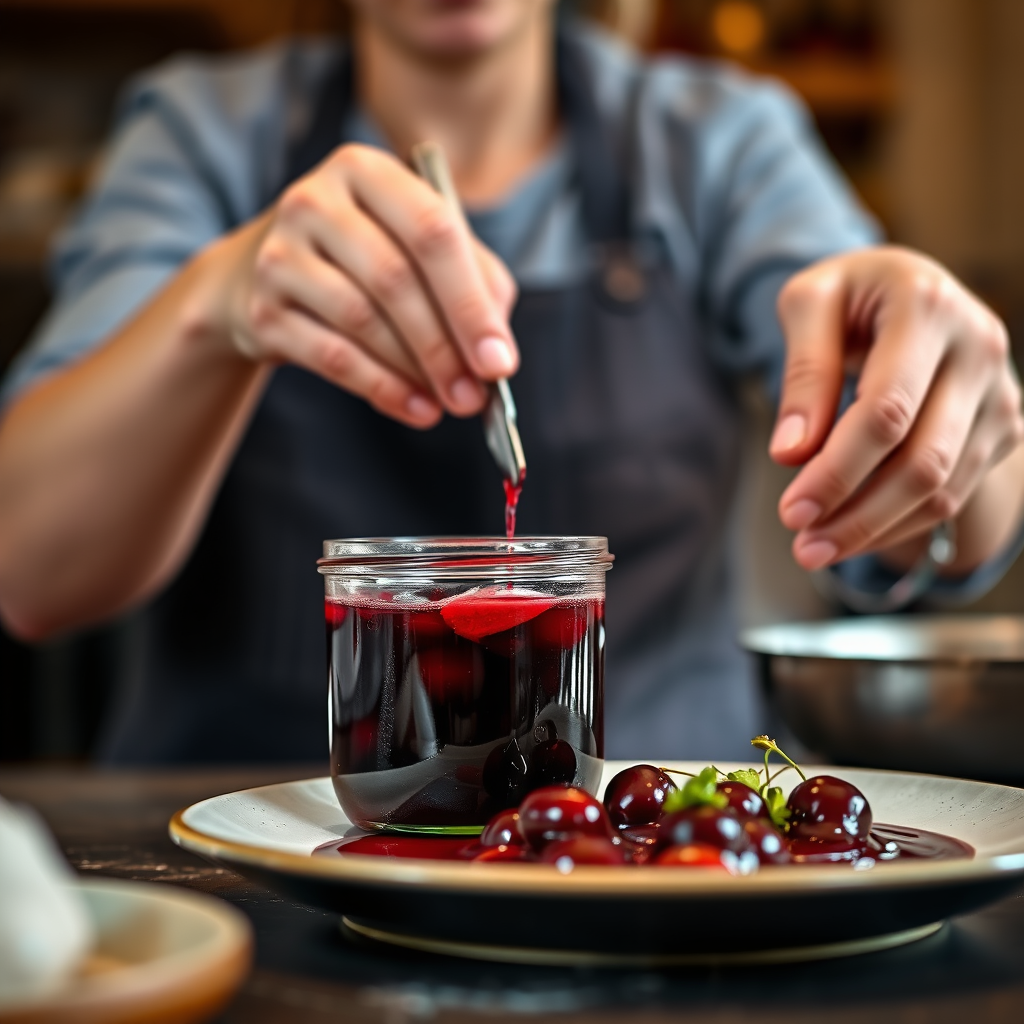
1. Harvesting Chokecherries: Begin by picking ripe chokecherries in late summer, ensuring they are fully dark purple and firm. Steer clear of overripe or underdeveloped fruit, as these may impart undesirable flavors and have lower pectin content.
2. Preparing the Fruit: Rinse the chokecherries thoroughly under cool running water to eliminate dirt and insects. Remove the stems and any damaged berries, placing the clean fruit in a large, heavy-bottomed pot.
3. Juicing the Chokecherries: Pour 1 cup of water into the pot filled with chokecherries. Simmer the berries over low heat for 15-20 minutes, stirring occasionally to prevent sticking, until they burst and release their juice.
4. Straining the Juice: Use a fine mesh strainer or cheesecloth to separate the juice from the solids. Gently press the solids to extract as much juice as possible, ensuring you collect at least 4 cups of chokecherry juice for the jelly recipe.
5. Cooking the Jelly: In a clean pot, combine the chokecherry juice with 1 package (1.75 oz) of powdered pectin and 5 cups of granulated sugar. Stir well and bring the mixture to a rolling boil over medium-high heat, stirring constantly.
6. Testing for Doneness: After reaching a boil, continue to cook for exactly 1-2 minutes. To check for doneness, place a spoonful of the mixture onto a cold plate and tilt it. If it holds its shape and doesn’t run, it’s ready for canning.
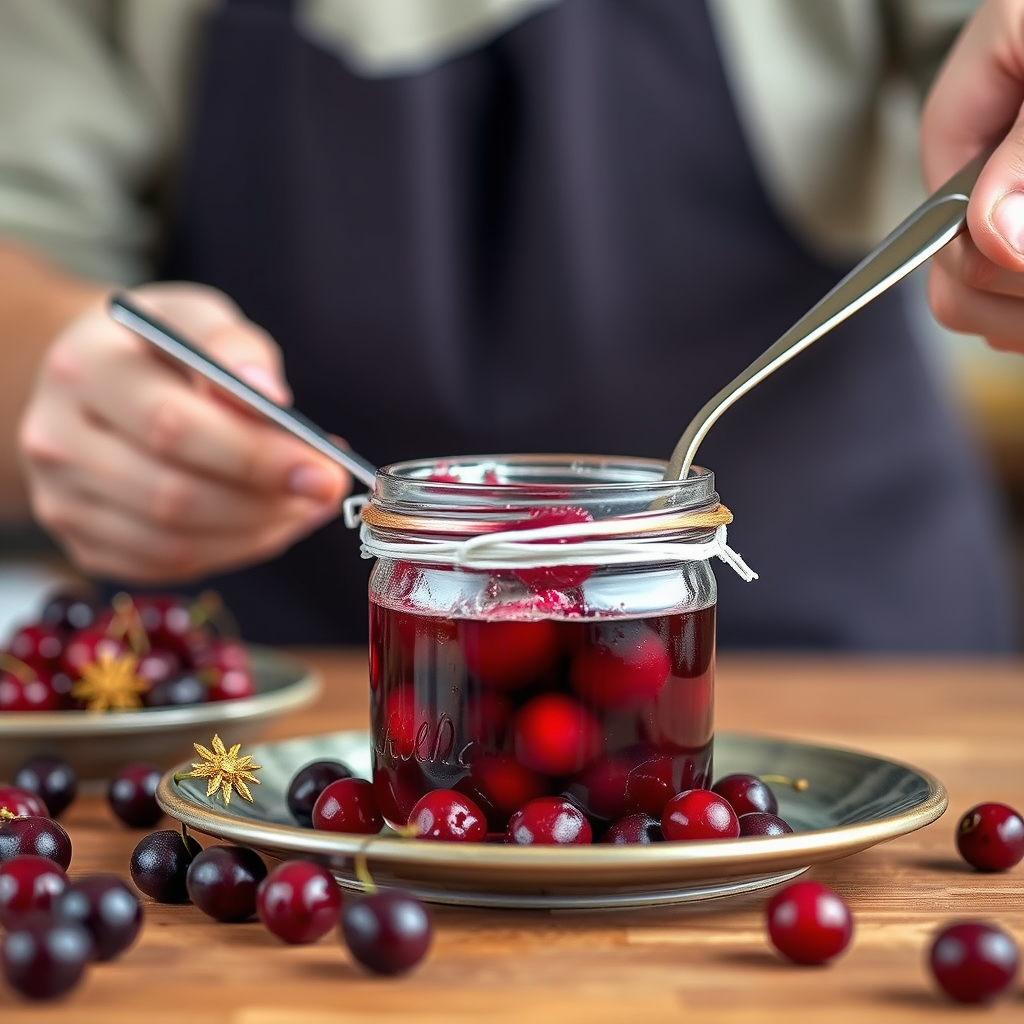
7. Canning the Jelly: Ladle the hot jelly into pre-sterilized jars, leaving about ¼ inch of headspace. Wipe the rims of the jars with a clean cloth to remove any residue. Seal with new, sterilized lids and rings.
8. Processing the Jars: Process the jars in a boiling water bath for 5-10 minutes, adjusting for altitude as necessary. Once processed, remove the jars and allow them to cool completely on a clean towel or rack.
Chokecherry Jelly Recipe Ingredients Comparison (2023)
| # | Recipe | Chokecherry Juice | Sugar | Pectin | Yield |
|---|---|---|---|---|---|
| 1 | Classic Chokecherry Jelly | 4 cups | 5 cups | 1.75 oz | 5-6 jars |
| 2 | Spiced Chokecherry Jelly | 4 cups | 4 cups | 1.75 oz | 5 jars |
| 3 | Chokecherry Jalapeño Jelly | 4 cups | 5 cups | 1.75 oz | 5-6 jars |
| 4 | Chokecherry Mint Jelly | 4 cups | 4 cups | 1.75 oz | 5 jars |
| 5 | Chokecherry Raspberry Jelly | 3 cups | 5 cups | 1.75 oz | 5-6 jars |
| 6 | Chokecherry Citrus Jelly | 4 cups | 5 cups | 1.75 oz | 5-6 jars |
| 7 | Chokecherry Vanilla Bean Jelly | 4 cups | 5 cups | 1.75 oz | 5-6 jars |
Warning Signs: When Not to Follow This

It is crucial to avoid making chokecherry jelly if you are allergic to chokecherries or sensitive to similar fruits, as this can lead to serious health reactions. Do not proceed if your chokecherries exhibit signs of mold, severe bruising, or any unpleasant odors, as these indicate spoilage and potential toxins. If you lack access to a pressure canner or a water bath canner, refrain from attempting to preserve the jelly; improper equipment can compromise food safety. Additionally, if you are uncertain about your ability to follow canning safety protocols, such as maintaining proper acidity, it is best not to attempt jelly-making without further guidance.
The Most Common Mistakes (And Their Consequences)
– Using Overripe or Underripe Chokecherries: This can lead to jelly that fails to set properly, resulting in a syrupy consistency instead of a firm jelly. Always ensure your fruit is at optimal ripeness for the best results.
– Not Measuring Ingredients Accurately: Inaccurate measurements of sugar or pectin can hinder the gelling process. Follow the recipe precisely, using a kitchen scale if necessary, to avoid inconsistencies.
– Skipping Pasteurization: Neglecting to process jars properly in a water bath can promote microbial growth. Always adhere to the recommended processing times based on your elevation. Inadequate processing can result in spoilage or foodborne illness.
– Neglecting to Sterilize Jars: Using unsterilized jars can introduce bacteria, leading to spoilage. Ensure jars are boiled for 10 minutes before filling to guarantee proper sanitation.
Special Cases That Need a Different Approach
– High-Altitude Adjustments: If you’re located above 1,000 feet, increase processing time by 5-10 minutes to ensure proper sealing and safety of the jelly. This adjustment compensates for variations in boiling temperatures.
– Using Alternative Sweeteners: If you choose to substitute sugar with alternatives like honey or agave, consult specific conversion charts, as these may affect the pectin’s ability to gel. Not all sweeteners behave the same way in jelly-making.
– Making Small Batches: For those preparing less than a full recipe (e.g., 1-2 cups of juice), adjust the ratios of pectin and sugar accordingly to maintain proper consistency. Smaller batches may require testing for set using the plate test method.
– Incorporating Additional Flavors: If adding spices or other fruit juices, conduct a small test batch first, as these can alter acidity and gelling properties. Ensure the final product meets the necessary balance for safe preservation.
When You Need a Professional
If you notice any signs of botulism or spoilage in your jelly, such as an off smell, bubbling, or discoloration, seek immediate professional assistance. Consult a food preservation expert if you are uncertain about the acidity levels of your chokecherry jelly, especially when using alternative ingredients or methods. If you plan to sell your homemade jelly commercially, ensure compliance with local health regulations by consulting with a licensed food safety expert. Additionally, consult a professional if you consistently encounter issues with your jelly not setting, as they can provide tailored solutions based on your specific situation.
Sources and Further Reading
– “Canning and Preserving for Beginners: The Essential Guide to Get Started” by Carla Johnson offers a detailed resource on safe canning practices.
– The National Center for Home Food Preservation provides specific guidelines for fruit jelly making and safety protocols.
– “The Complete Book of Home Preserving” by Ball delivers thorough guidance on various preserving methods, including chokecherry jelly recipes.
– Local agricultural extension offices often offer workshops and resources on safe canning practices specific to your region, including chokecherry preservation.
By following the outlined steps in this guide, you can create delicious and safe chokecherry jelly, preserving the unique flavors of this fruit while ensuring your homemade preserves are safe for consumption.
Frequently Asked Questions
What ingredients do I need for a basic chokecherry jelly recipe?
To make a basic chokecherry jelly, you will need chokecherries, sugar, water, and pectin. Typically, you’ll use about 4 cups of chokecherry juice, 5 cups of sugar, and 1 package of fruit pectin. This combination ensures a sweet, flavorful jelly that captures the unique taste of chokecherries.
How do I properly prepare chokecherries for jelly making?
Preparing chokecherries for jelly involves washing them thoroughly, removing the stems, and simmering them with water to extract the juice. Once the berries are soft, strain the mixture through a fine mesh sieve or cheesecloth to separate the juice from the pulp. This juice is the base for your chokecherry jelly and should be clear and free of solids.
Why is pectin important in chokecherry jelly recipes?
Pectin is a natural thickening agent that helps to gel the jelly, giving it the desired consistency. Without pectin, your chokecherry jelly may turn out runny and not set properly. Using the correct amount of pectin is crucial for achieving the perfect texture and ensuring your jelly is safe for preservation.
What is the best way to store homemade chokecherry jelly?
The best way to store homemade chokecherry jelly is in sterilized glass jars with airtight lids. Once sealed, store the jars in a cool, dark place like a pantry. For long-term storage, you can refrigerate opened jars or freeze the jelly, ensuring it maintains its flavor and quality for up to a year.
Which recipes can I try using chokecherry jelly besides spreading on toast?
Chokecherry jelly can be used in various recipes beyond toast, such as glazes for meats, filling for pastries, or as a sweet addition to salad dressings. You can also swirl it into yogurt, use it as a topping for pancakes, or mix it into cocktails for a unique flavor twist. Its versatility makes it a delightful ingredient in both sweet and savory dishes.
References
- Prunus virginiana
https://en.wikipedia.org/wiki/Prunus_virginiana - https://www.fs.usda.gov/wildflowers/plant-of-the-week/prunus_virginiana.shtml
https://www.fs.usda.gov/wildflowers/plant-of-the-week/prunus_virginiana.shtml - https://www.nrcs.usda.gov/wps/portal/nrcs/detail/national/plantsanimals/flowers/?cid=nrcs143_013696
https://www.nrcs.usda.gov/wps/portal/nrcs/detail/national/plantsanimals/flowers/?cid=nrcs143_013696 - https://www.extension.purdue.edu/extmedia/FNR/FNR-502-W.pdf
https://www.extension.purdue.edu/extmedia/FNR/FNR-502-W.pdf - https://www.extension.umn.edu/garden/yard-garden/landscaping/chokecherry/
https://www.extension.umn.edu/garden/yard-garden/landscaping/chokecherry/ - https://www.colorado.edu/ebio/2020/08/20/chokecherry-jelly-recipe
https://www.colorado.edu/ebio/2020/08/20/chokecherry-jelly-recipe - Google Scholar Google Scholar
https://scholar.google.com/scholar?q=chokecherry+jelly+recipes - Google Scholar Google Scholar
https://scholar.google.com/scholar?q=Prunus+virginiana+jelly - Google Scholar Google Scholar
https://scholar.google.com/scholar?q=chokecherry+preservation - https://www.nal.usda.gov/legacy/legacy/nal-collections/food-science-and-technology-collection/chokecherry-jelly-recipes
https://www.nal.usda.gov/legacy/legacy/nal-collections/food-science-and-technology-collection/chokecherry-jelly-recipes