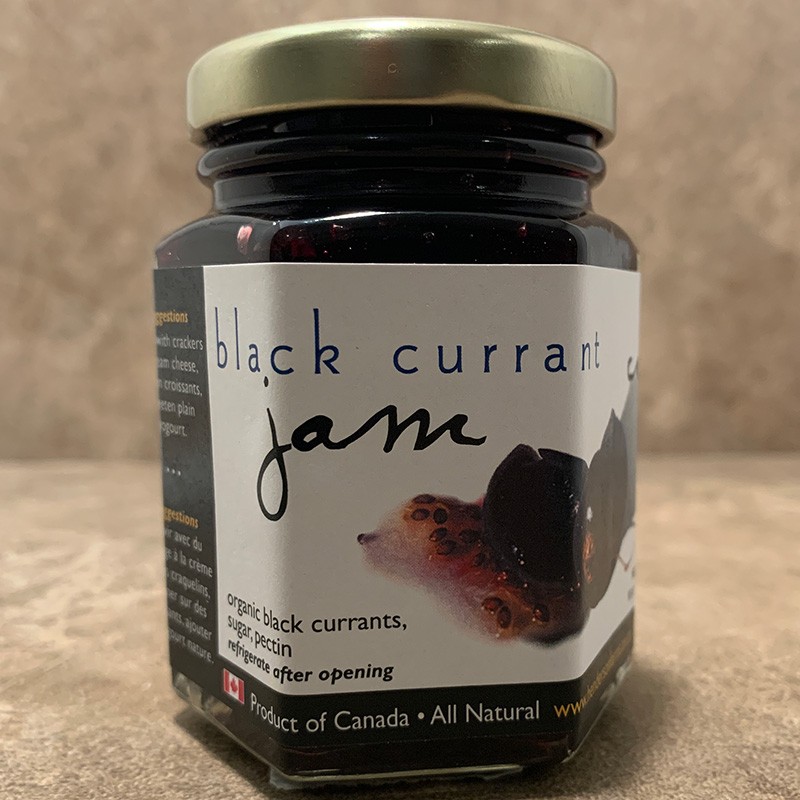
Mastering black currant jam and jelly recipes is essential for anyone looking to preserve this tangy fruit while ensuring safe canning practices. This expert guide provides precise steps and crucial safety protocols to help you create delicious, shelf-stable preserves. By following these proven methods, you can enjoy the rich flavor of black currants throughout the year without compromising quality or safety.
What This Guide Covers (And What It Doesn’t)
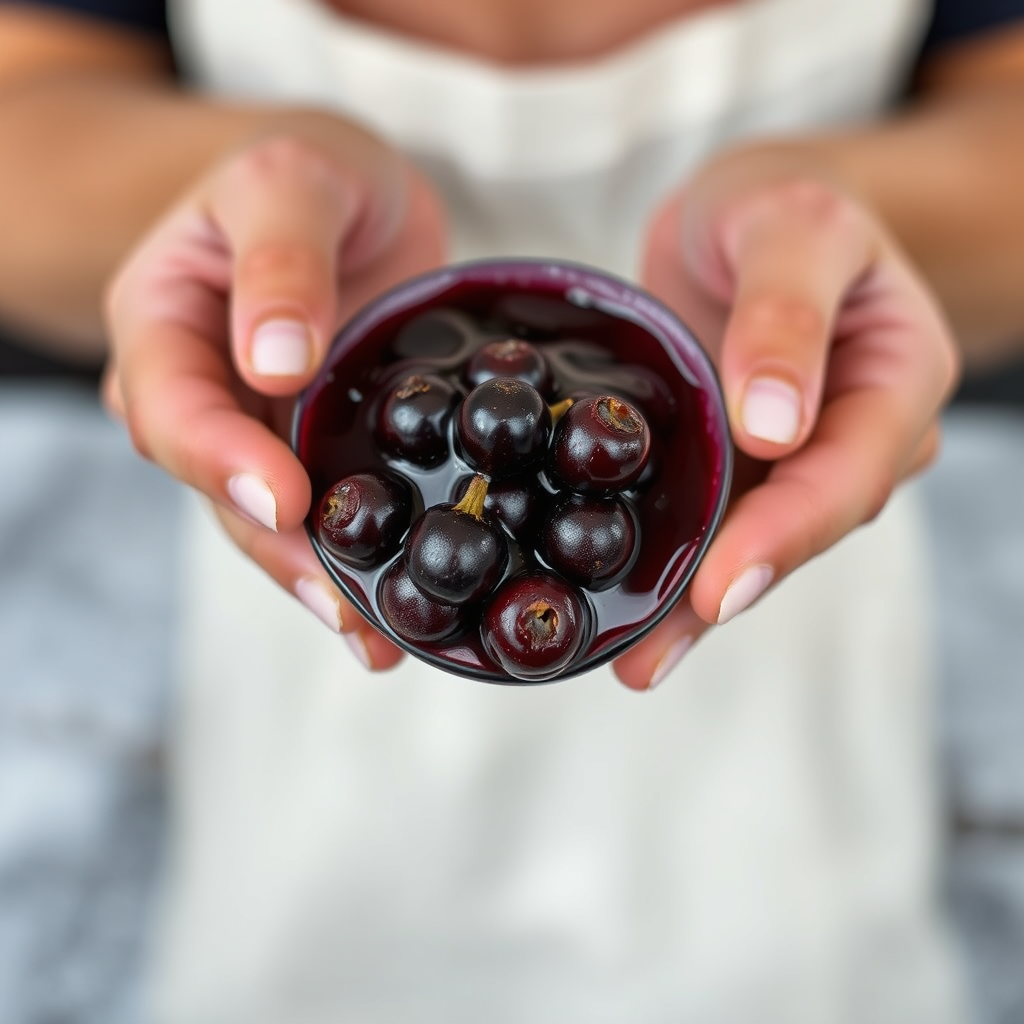
This guide provides detailed recipes for making black currant jam and jelly, ensuring safety and quality throughout the process. You will find specific ingredient ratios, cooking times, and sterilization methods necessary to preserve the unique flavor and properties of black currants. However, it does not delve into general fruit preservation techniques or recipes for other types of jams and jellies, as the focus remains solely on black currants. Designed for home cooks with some canning experience, this guide aims to refine your skills in this particular area.
Who Should Read This
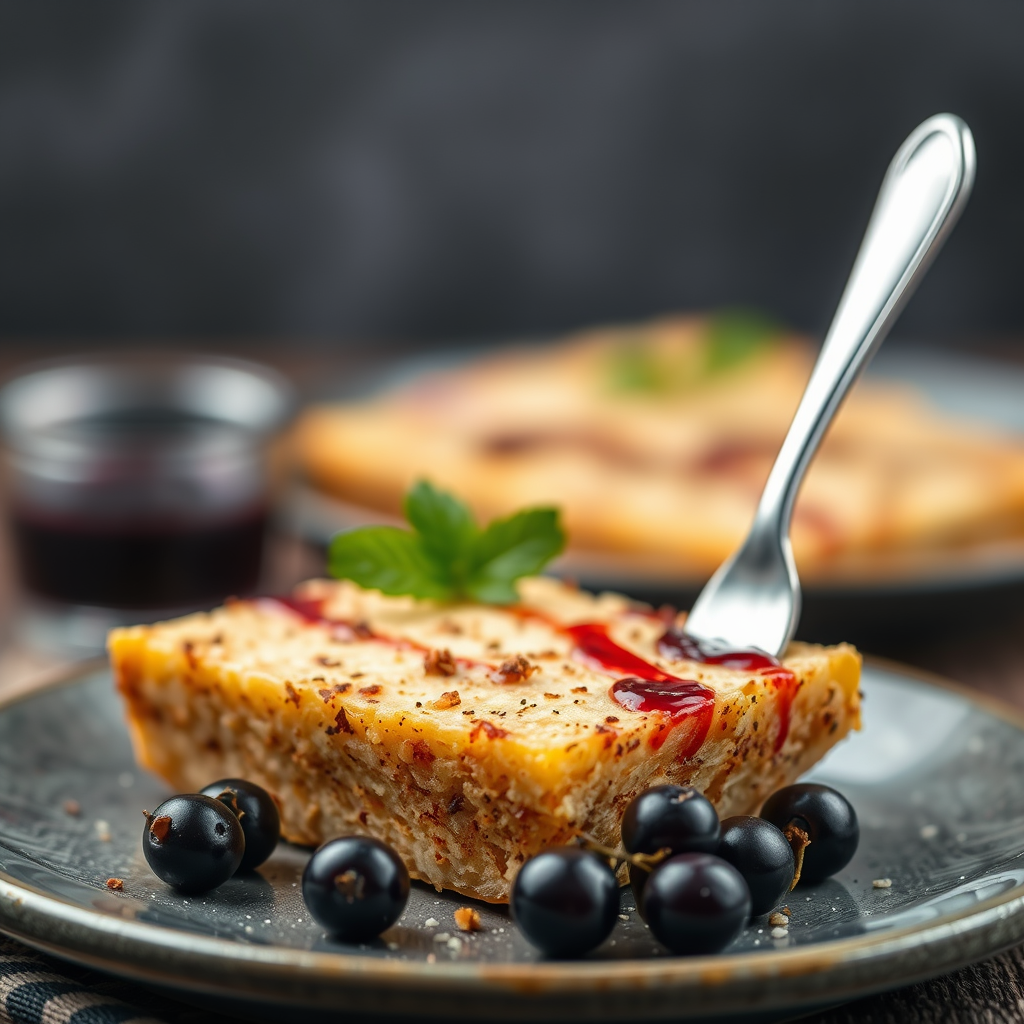
This guide is tailored for home cooks and food enthusiasts eager to craft their own preserves, especially those with access to fresh or frozen black currants. A basic understanding of canning principles, including sterilization and pH levels, is essential, as these concepts will play a critical role in the recipes provided. If you are new to canning or feel uncertain about food safety practices, it may be beneficial to seek additional foundational knowledge before proceeding.
The Step-by-Step Protocol
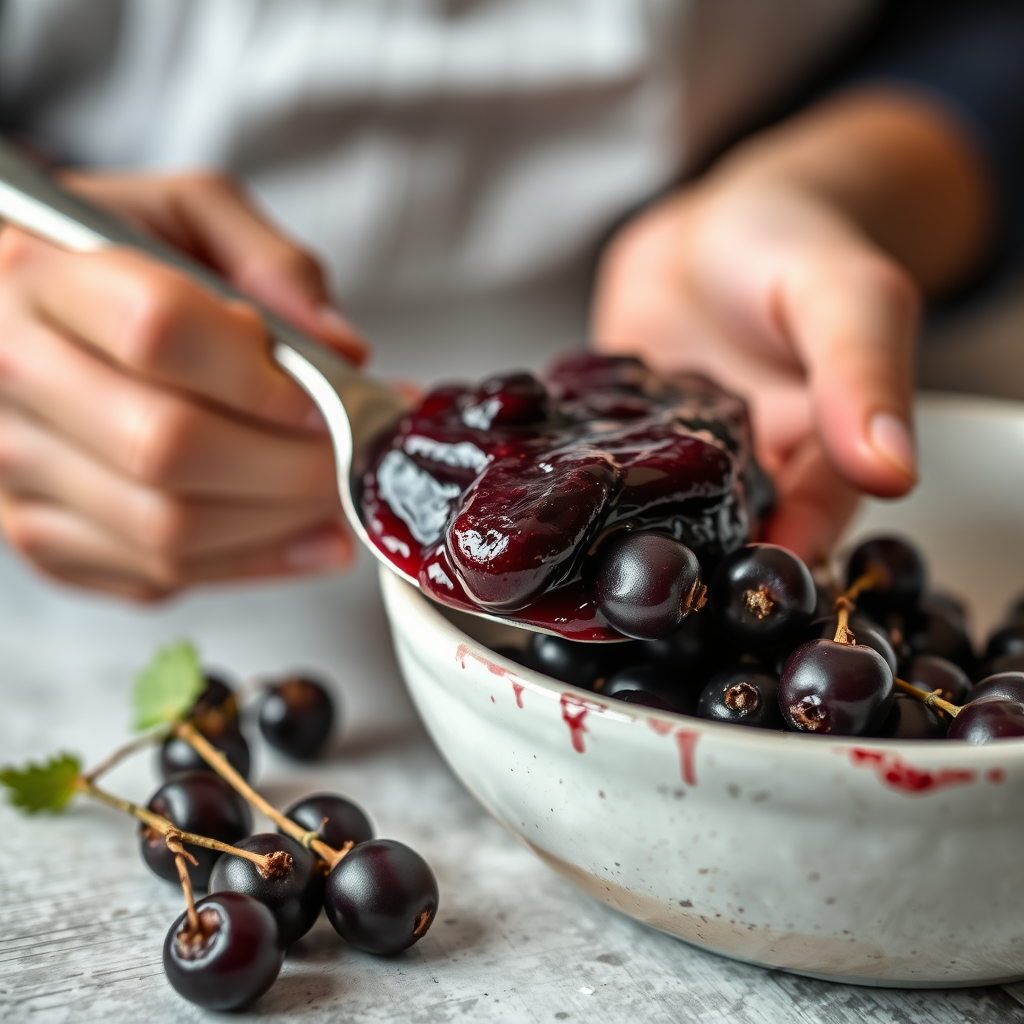
1. Gather Ingredients: Start with 4 cups of fresh black currants, 5 cups of granulated sugar, 1/4 cup of lemon juice, and 1 packet of pectin (for jam) or 2 packets (for jelly).
2. Prepare the Black Currants: Rinse the black currants under cold water, remove stems and any leaves, and mash them lightly to release their juices.
3. Cook the Mixture: In a large pot, combine the mashed black currants, sugar, and lemon juice. Bring to a rapid boil over medium-high heat, stirring frequently, until the mixture reaches 220°F (105°C) for jam or 205°F (96°C) for jelly.
4. Check for Set: For jam, use the spoon test by dropping a small amount on a cold plate; it should wrinkle when pushed. For jelly, use the same method but ensure it holds its shape when cooled.
5. Jar and Seal: Pour the hot mixture into sterilized jars, leaving about 1/4 inch of headspace. Wipe the rims with a clean cloth to remove any residue, then seal with sterilized lids.
6. Process the Jars: Place the sealed jars in a boiling water bath, ensuring they are submerged by at least an inch of water. Process for 10-15 minutes, depending on your altitude.
7. Cool and Store: Remove the jars from the water bath and let them cool on a clean towel or cooling rack. Once cooled, check the seals by pressing the center of the lids; they should not pop back. Store sealed jars in a cool, dark place.
Nutritional Information for Black Currant Jam (per tablespoon)
| # | Nutrient | Amount | % Daily Value |
|---|---|---|---|
| 1 | Calories | 50 | 3% |
| 2 | Total Carbohydrates | 13g | 5% |
| 3 | Sugars | 11g | N/A |
| 4 | Vitamin C | 7mg | 12% |
| 5 | Calcium | 10mg | 1% |
| 6 | Iron | 0.2mg | 1% |
| 7 | Potassium | 30mg | 1% |
Warning Signs: When Not to Follow This
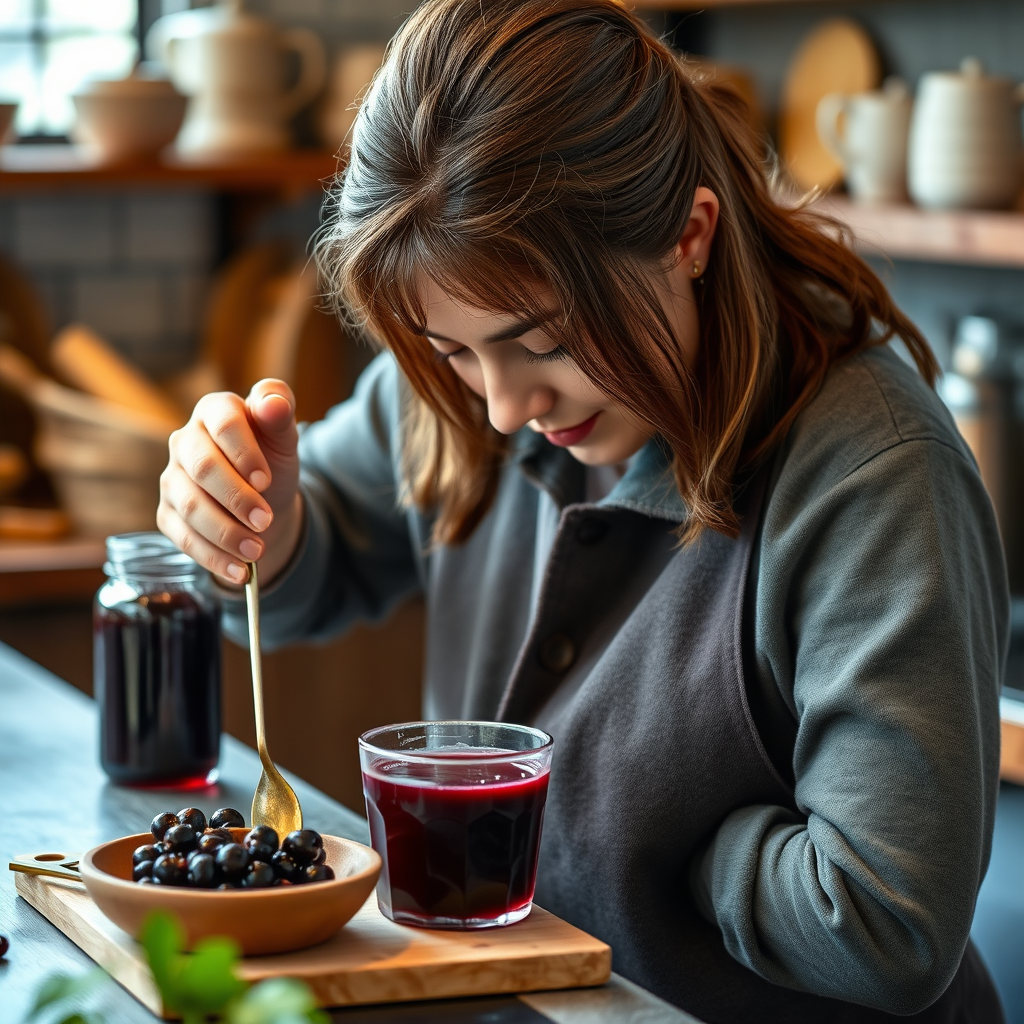
Avoid making black currant jam or jelly if you notice any signs of mold or fermentation on the fruit, as this can lead to unsafe products. Additionally, do not proceed with the recipe if you lack proper canning equipment, such as a water bath canner or sterilized jars. This increases the risk of foodborne illness. If you cannot maintain the necessary cooking temperatures or times, it’s wise to seek assistance or reconsider attempting this recipe.
The Most Common Mistakes (And Their Consequences)
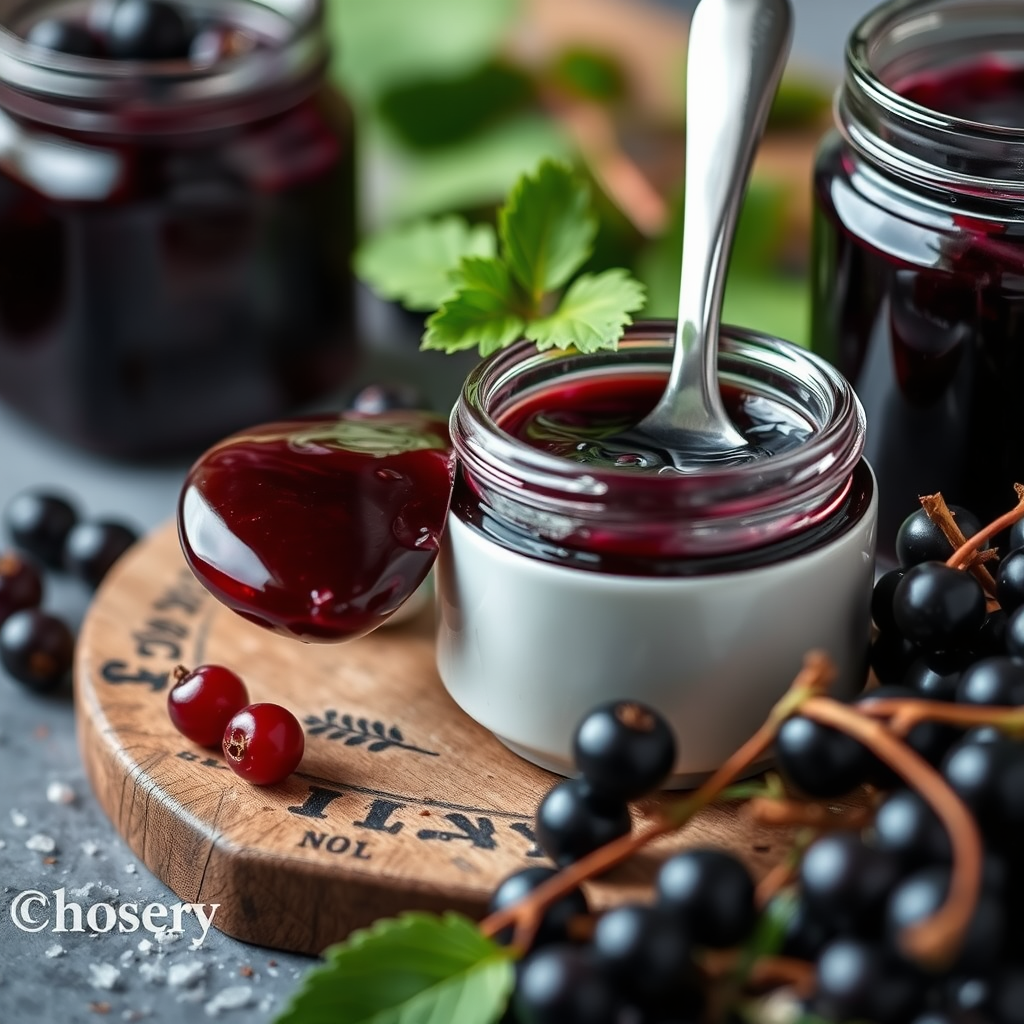
One prevalent mistake is mismeasuring the pectin; too little can lead to a runny jam or jelly, while too much results in an overly gelatinous texture. Failure to sterilize jars properly can cause spoilage; if jars aren’t heated to at least 180°F (82°C) before filling, bacteria may contaminate your preserves. Skipping the lemon juice can also disrupt the pH level, potentially making the jam or jelly unsafe; always ensure that the correct amount is included for effective preservation.
Special Cases That Need a Different Approach
For those using frozen black currants, allow them to thaw completely and drain excess liquid before following the jam or jelly recipe, as excess water can compromise the set. If you’re aiming for a low-sugar version of black currant jam, consider using a low-sugar pectin specifically designed for this purpose, since traditional pectin requires higher sugar levels for proper gelling. Individuals with dietary restrictions may explore sugar alternatives, but be aware that this can affect the flavor and consistency of the final product.
When You Need a Professional
If you notice unexpected fermentation or bubbling in your jars after sealing, this may indicate spoilage. In such cases, contact a food safety expert or local extension office for guidance. If you wish to preserve large quantities of black currants or explore advanced canning techniques, it’s advisable to consult a professional canner or food preservation specialist for tailored advice. Should you have doubts about the safety of a specific ingredient (like using untested fruit varieties), reach out to a food scientist or preservation expert for a thorough evaluation.
Sources and Further Reading
– “The USDA Complete Guide to Home Canning” – A comprehensive manual detailing safe canning practices, including fruit preservation techniques.
– “Ball Home Canning Book” – A trusted resource filled with tested recipes and preserving tips specifically for jams and jellies.
– Local university extension programs often provide resources on fruit preservation and safe canning practices tailored to your region’s produce.
Frequently Asked Questions
What are the key ingredients for making black currant jam or jelly?
The essential ingredients for black currant jam or jelly include ripe black currants, sugar, and lemon juice. For jam, you may also need pectin to ensure proper thickening. Using fresh, high-quality black currants will enhance the flavor and texture of your homemade jam or jelly.
How do I make black currant jelly without adding pectin?
To make black currant jelly without pectin, start by cooking the black currants in a pot with water until they are soft and release their juices. Strain the mixture through a cheesecloth to separate the juice, then combine it with sugar and lemon juice in a pot. Simmer until the mixture reaches the desired thickness, which typically takes about 20-30 minutes.
Why does my black currant jam have a bitter taste?
A bitter taste in black currant jam can occur if the currants are overcooked or if the seeds are included in the final product. To avoid bitterness, ensure that you are using only the juice and pulp of the fruit, and cook the mixture gently to prevent burning. Additionally, tasting the fruit before using can help you gauge its sweetness and acidity.
What is the best way to store homemade black currant jam?
The best way to store homemade black currant jam is in sterilized glass jars with tight-fitting lids, kept in a cool, dark place. Once opened, store the jam in the refrigerator to maintain freshness. Properly sealed and stored, homemade black currant jam can last for up to a year in the pantry and several weeks in the fridge.
Which recipes can I use black currant jelly in besides spreading on toast?
Black currant jelly is versatile and can be used in various recipes besides toast. It makes a great glaze for meats, a flavorful addition to salad dressings, and a delightful filling for pastries and desserts. You can also swirl it into yogurt or oatmeal for extra flavor, making it a fantastic ingredient in both sweet and savory dishes.
References
- Currant
https://en.wikipedia.org/wiki/Currant - https://www.ncbi.nlm.nih.gov/pmc/articles/PMC6632747/
https://www.ncbi.nlm.nih.gov/pmc/articles/PMC6632747/ - https://www.sciencedirect.com/science/article/pii/S2214785320301669
https://www.sciencedirect.com/science/article/pii/S2214785320301669 - Checking your browser – reCAPTCHA
https://www.ncbi.nlm.nih.gov/pmc/articles/PMC7073765/ - Black currant | Fruit, Berries, Jam, & Flowers | Britannica
https://www.britannica.com/plant/black-currant - Google Scholar Google Scholar
https://scholar.google.com/scholar?q=black+currant+jam+jelly+recipes - Google Scholar Google Scholar
https://scholar.google.com/scholar?q=black+currant+preservation+techniques - Google Scholar Google Scholar
https://scholar.google.com/scholar?q=black+currant+cooking+recipes - Black currants raw foods
https://www.nutritionvalue.org/Black_currants%2C_raw_nutritional_value.html - https://www.hort.purdue.edu/newcrop/afcm/black_currant.html
https://www.hort.purdue.edu/newcrop/afcm/black_currant.html