Mastering the art of making redbud jelly requires careful attention to detail and adherence to safety protocols. This expert guide provides a precise recipe, step-by-step instructions, and essential tips to ensure your jelly is not only delicious but also safe for consumption. By following these guidelines, you can confidently preserve the unique flavor of redbud blossoms while avoiding common pitfalls in food preservation.
What This Guide Covers (And What It Doesn’t)
This guide offers a detailed recipe for crafting redbud jelly, emphasizing the essential ingredients, equipment, and techniques required for both safety and flavor. It highlights the optimal timing for harvesting redbud flowers, ensuring you gather them at their peak for the best taste. However, this guide does not address other jelly or jam varieties, nor does it explore alternative uses for redbud flowers beyond jelly-making.
Who Should Read This
This guide is tailored for home canners and food preservation enthusiasts with a foundational understanding of canning methods and safety protocols. It caters specifically to those eager to experiment with unique, seasonal flavors and unlock the culinary potential of native plants. While beginners in jelly-making may find the step-by-step instructions beneficial, familiarity with essential tools like canning jars and water bath canning is recommended.
The Step-by-Step Protocol
1. Gather Ingredients: Collect approximately 2 cups of fresh redbud flowers, 4 cups of water, 1/4 cup of lemon juice, and 1 package (1.75 oz) of fruit pectin.
2. Prepare the Redbud Tea: Boil the flowers in water for 10 minutes, then strain the mixture through a fine mesh sieve to extract the floral essence.
3. Combine Ingredients: In a large pot, mix the redbud tea, lemon juice, and pectin. Bring this mixture to a rapid boil over medium-high heat while stirring constantly.
4. Add Sugar: Gradually stir in 5 cups of granulated sugar, ensuring it dissolves completely before returning the mixture to a full rolling boil for exactly 1 minute.
5. Test for Gelling: Use the spoon test to check if the jelly has reached the proper consistency, allowing it to cool for a minute before assessing.
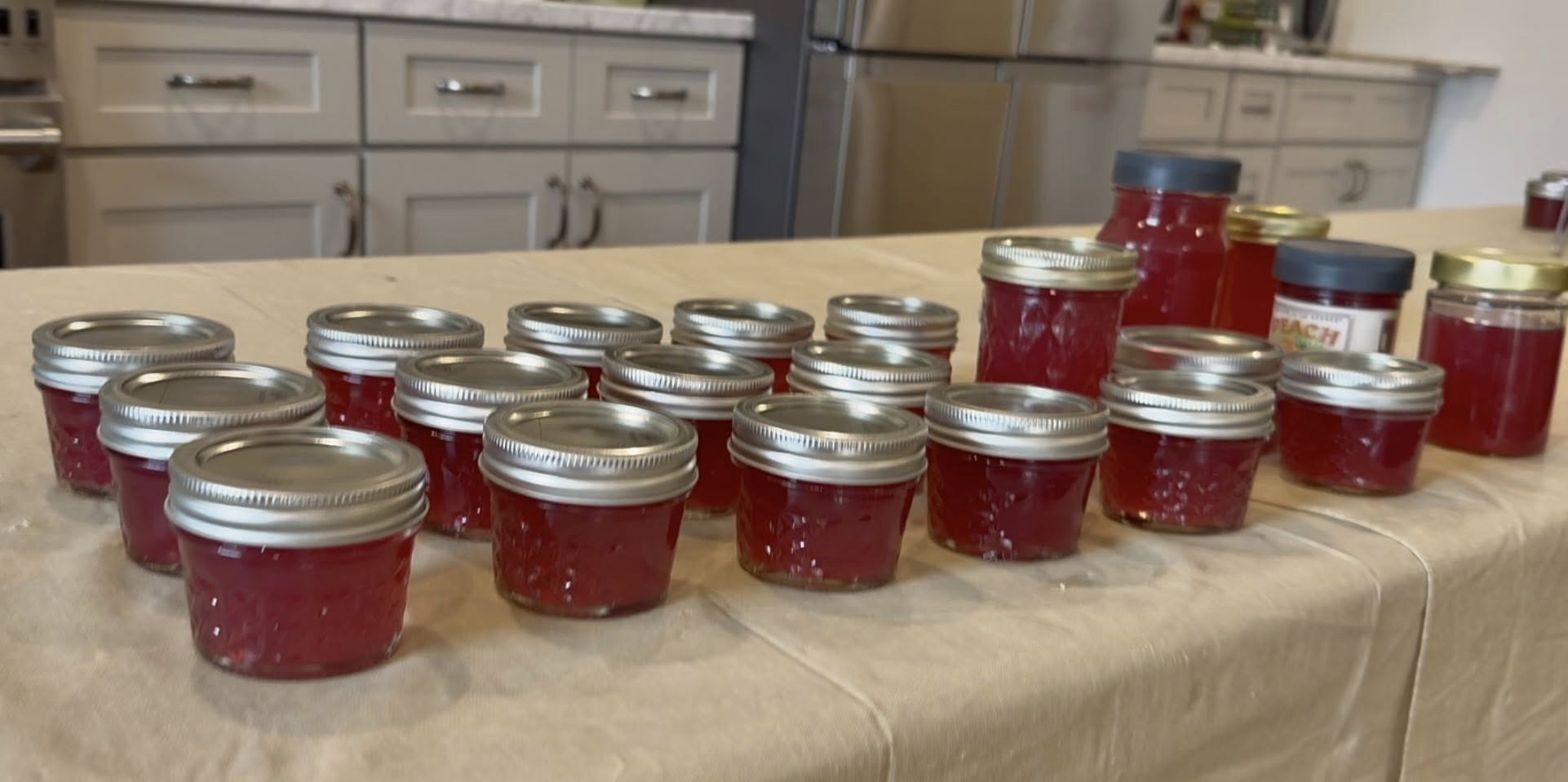
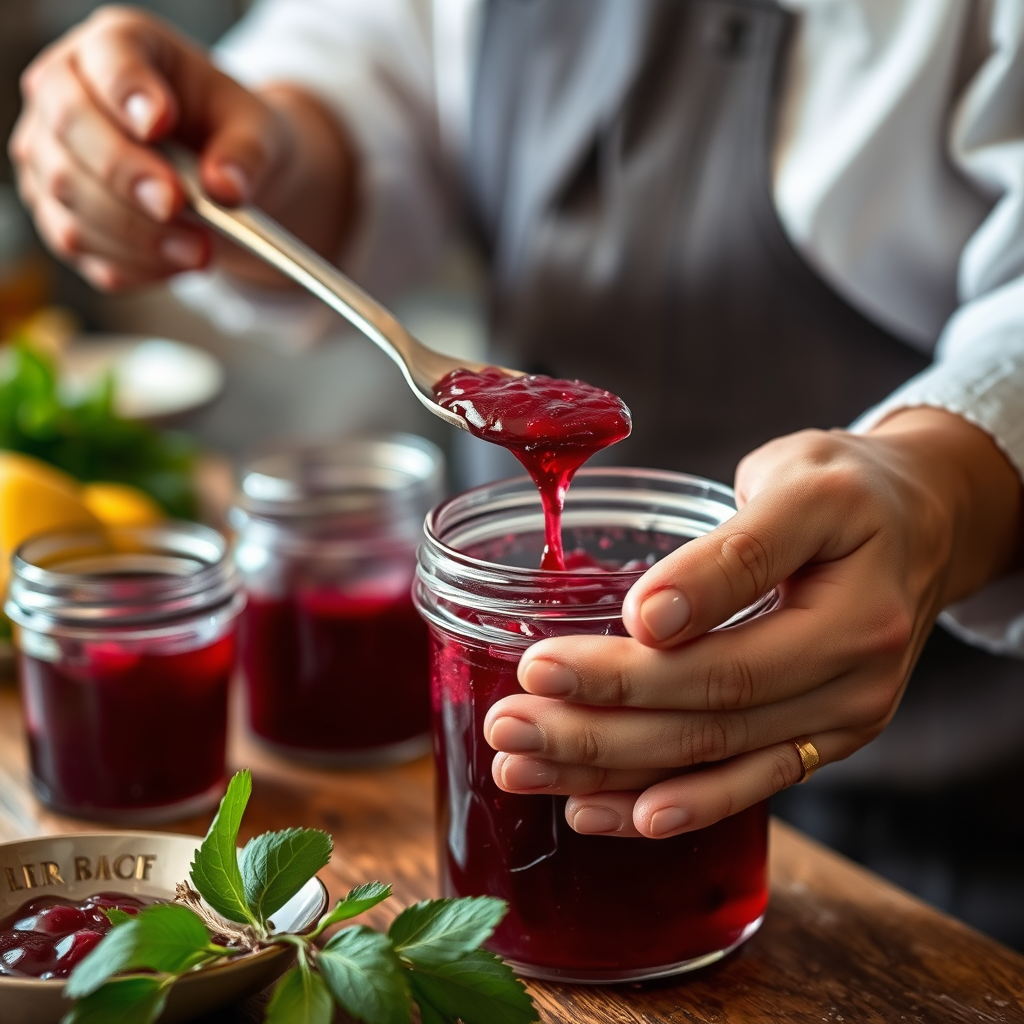
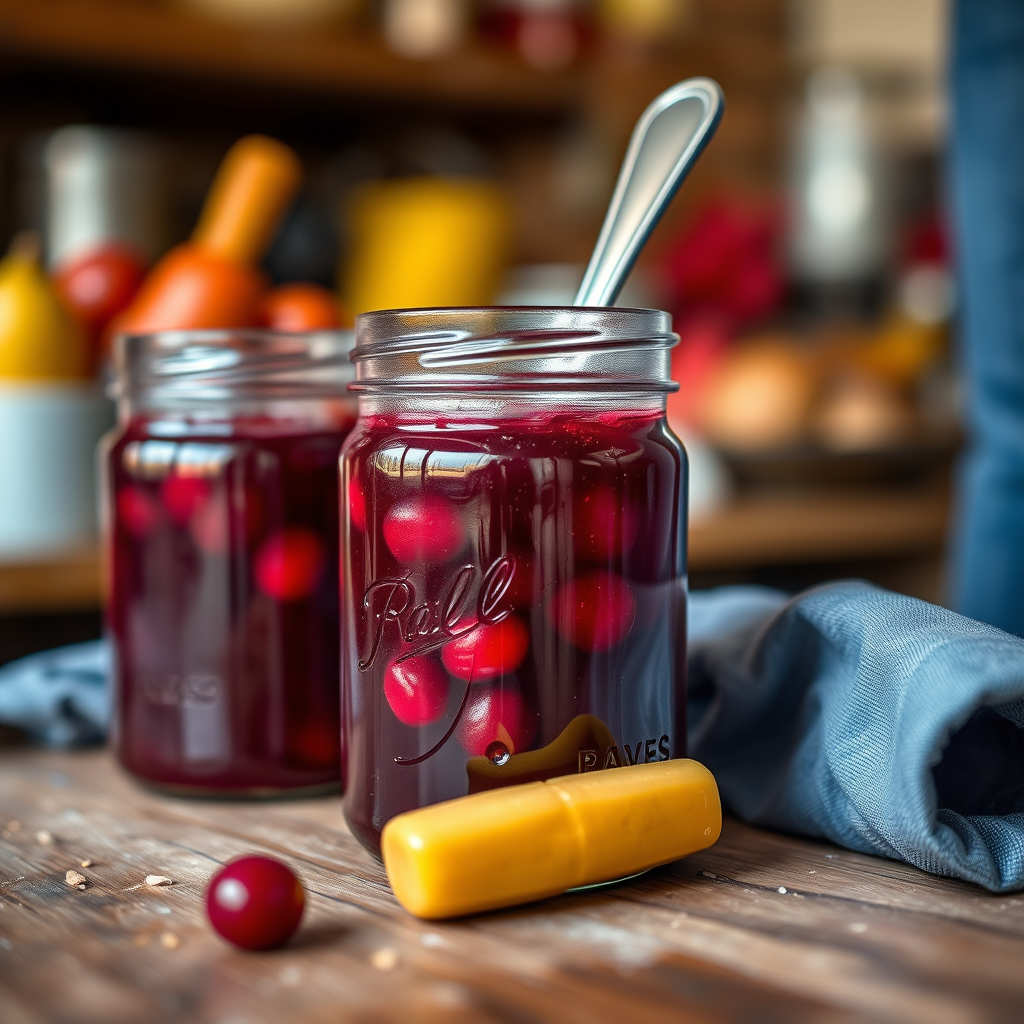
6. Jar and Process: Pour hot jelly into sterilized jars, leaving a 1/4 inch headspace, seal with lids, and process in a boiling water bath for 5-10 minutes based on your altitude.
Nutritional Breakdown of Redbud Jelly (per tablespoon)
| # | Nutrient | Amount | % Daily Value | Notes |
|---|---|---|---|---|
| 1 | Calories | 53 | 2% | Per tablespoon |
| 2 | Total Carbohydrates | 14g | 5% | Sugars included |
| 3 | Total Fat | 0g | 0% | Fat-free |
| 4 | Sodium | 0mg | 0% | No sodium |
| 5 | Protein | 0g | 0% | Protein-free |
| 6 | Vitamin C | 1% DV | 1% | Antioxidant |
| 7 | Calcium | 0% DV | 0% | Trace amounts |
Warning Signs: When Not to Follow This
– If you observe any signs of mold or detect off-smells during the jelly-making process, discard the batch immediately and do not proceed with canning.
– Avoid using flowers that are not fully opened or that appear discolored, as they may impart bitterness or spoilage to the final product.
– If you lack the proper canning equipment, such as a water bath canner, do not attempt to make redbud jelly; improper sealing can result in foodborne illnesses.
The Most Common Mistakes (And Their Consequences)
– A frequent error is inaccurately measuring the sugar, which can lead to a jelly that fails to set and spoils quickly. This mistake often results in an unappealing, watery consistency.
– Omitting lemon juice can create a jelly that lacks necessary acidity, increasing the risk of botulism; always include it as specified in the recipe, as acidity is crucial for preservation.
– Not processing the jars for the correct duration can prevent proper sealing, risking spoilage and contamination. Adhere to timing recommendations based on your altitude.
Special Cases That Need a Different Approach
– If using frozen redbud flowers, ensure they are fully thawed and drained to prevent excess moisture from affecting the jelly’s consistency, as this can dilute flavor and alter texture.
– For those with dietary restrictions, consider a low-sugar pectin alternative, but be mindful that this may impact the jelly’s gelling properties. Always follow the manufacturer’s instructions for optimal results.
– Individuals residing at higher altitudes may need to adjust processing times according to local pressure and temperature variations to ensure safety. Typically, increase the processing time by 1 minute for every 1,000 feet above 1,000 feet elevation.
When You Need a Professional
– If you are unfamiliar with safe canning practices or have never canned before, seek guidance from a local extension service or canning expert. They can offer valuable insights and assistance.
– If you notice any signs of spoilage or are uncertain about the safety of your jelly, it is essential to discard the product and consult a food safety professional. Consuming spoiled jelly can lead to serious health risks.
– In cases of food allergies or sensitivities, particularly concerning redbud flowers or added sugars, consult a healthcare provider to ensure safety before consumption. Allergic reactions could pose significant risks.
Sources and Further Reading
– “The Complete Book of Home Preserving” by Ball and the University of Georgia’s Extension Service guidelines for safe canning practices.
– The National Center for Home Food Preservation offers research-based recommendations for safe canning and jelly-making techniques.
– Local agricultural extension websites frequently provide region-specific advice and recipes for maximizing the use of seasonal ingredients like redbud flowers.
Frequently Asked Questions
What ingredients do I need for a redbud jelly recipe?
To make a delicious redbud jelly, you’ll need fresh redbud flowers, sugar, water, lemon juice, and pectin. It’s essential to use only the blossoms, as they impart the unique flavor and color to the jelly. Ensure that the flowers are clean and free from any pesticides for the best results.
How do I prepare redbud flowers for making jelly?
Start by gently rinsing the redbud flowers in cool water to remove any dirt or insects. After rinsing, remove the green parts and stems, as they can affect the flavor. Place the clean flowers in a pot with water and bring it to a simmer to extract their flavor before straining the liquid to use in your jelly recipe.
Why is pectin important in a redbud jelly recipe?
Pectin is a natural thickening agent that helps the jelly achieve its desired gel-like consistency. In a redbud jelly recipe, pectin binds with the sugar and acid from lemon juice to create that perfect spreadable texture. Without pectin, your jelly may end up too runny and not set properly.
What is the best method for canning redbud jelly?
The best method for canning redbud jelly is the water bath canning technique, which involves sealing the jars in boiling water to create a vacuum. Make sure to sterilize your jars and lids before filling them with hot jelly, and process them in boiling water for the recommended time to ensure food safety and long shelf life.
Which redbud jelly recipes are popular among home cooks?
Popular redbud jelly recipes often include variations like adding lemon zest for a citrusy kick or mixing in spices like cinnamon for depth of flavor. Many home cooks enjoy experimenting with combinations of redbud flowers and other fruits, like berries, to create unique and flavorful jellies that highlight the floral notes of redbud.
References
- Cercis canadensis
https://en.wikipedia.org/wiki/Cercis_canadensis - https://www.extension.purdue.edu/extmedia/ID/ID-400-W.pdf
https://www.extension.purdue.edu/extmedia/ID/ID-400-W.pdf - https://www.uga.edu/
https://www.uga.edu/ - Screening Olive Leaves from Unexploited Traditional Greek Cultivars for Their Phenolic Antioxidan…
https://www.ncbi.nlm.nih.gov/pmc/articles/PMC6306955/ - Iowa State University Extension and Outreach
https://www.extension.iastate.edu/ - Google Scholar Google Scholar
https://scholar.google.com/scholar?q=redbud+jelly+recipe - Google Scholar Google Scholar
https://scholar.google.com/scholar?q=redbud+jelly - Google Scholar Google Scholar
https://scholar.google.com/scholar?q=redbud+recipes - redbud jelly recipe – Search results
https://en.wikipedia.org/wiki/Special:Search?search=redbud+jelly+recipe - https://www.ncbi.nlm.nih.gov/search/research-articles/?term=redbud+jelly+recipe
https://www.ncbi.nlm.nih.gov/search/research-articles/?term=redbud+jelly+recipe