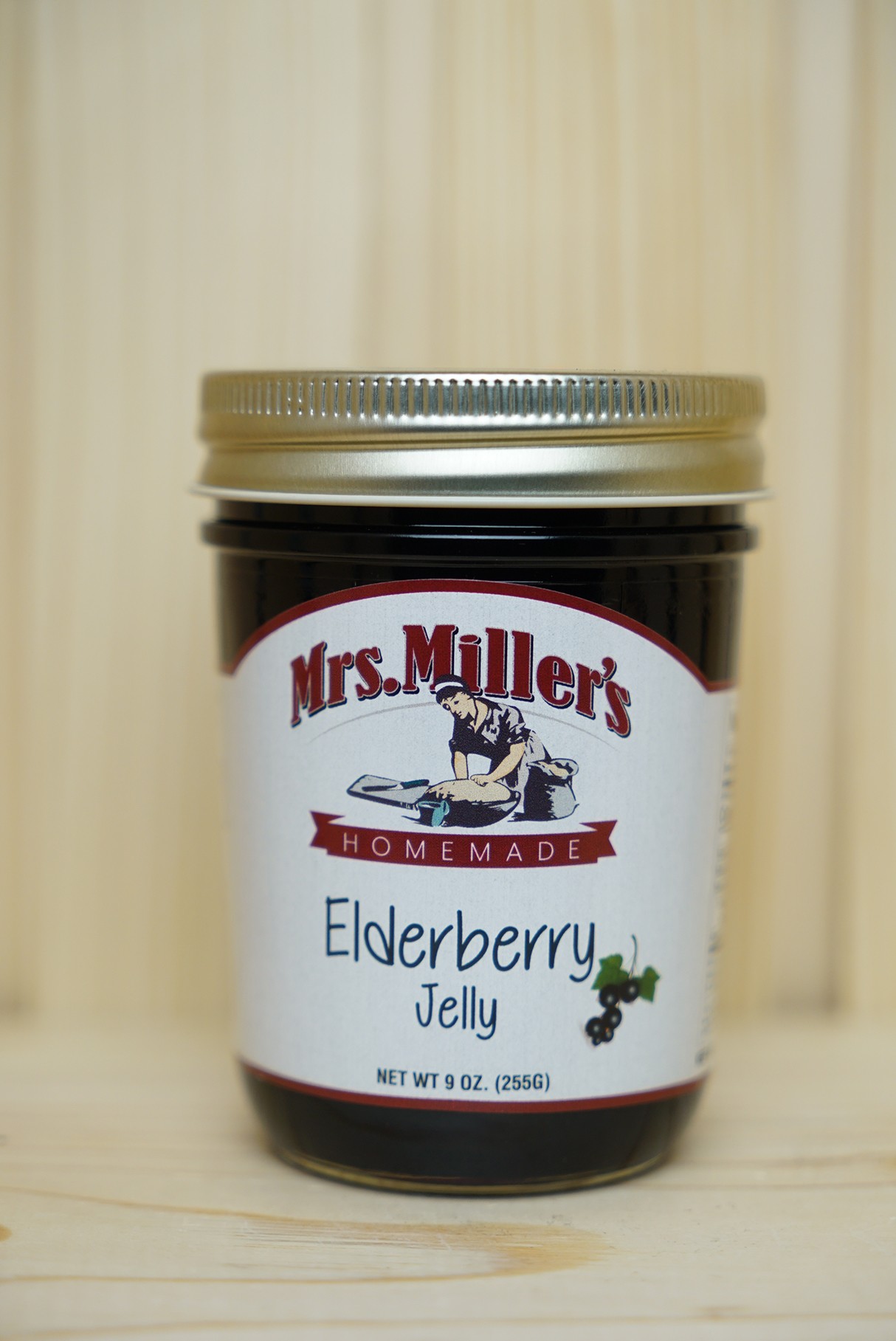
This complete guide to safely making elderberry jam and jelly provides expert instructions and essential tips for preserving this nutritious fruit. Proper techniques are crucial not only for flavor but also for ensuring food safety and preventing potential health risks. Follow these step-by-step methods to create delicious elderberry spreads that you can enjoy all year round.
What This Guide Covers (And What It Doesn’t)
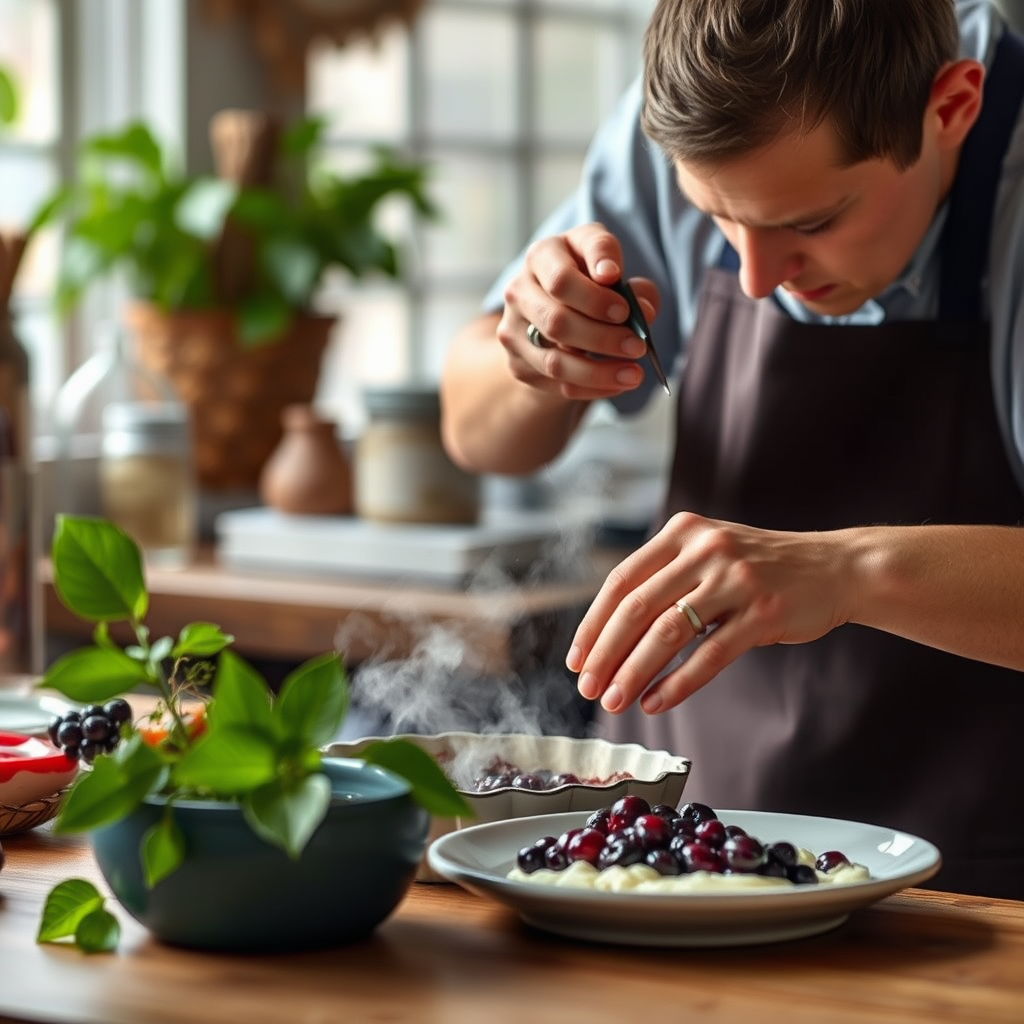
This guide provides clear, step-by-step instructions for crafting elderberry jam and jelly, emphasizing safety and effective preservation techniques. It outlines the necessary ingredients and equipment, along with crucial safety tips specific to elderberries, ensuring a successful canning experience. However, this guide does not address alternative fruit jams or jellies, nor does it explore non-canning methods for preserving elderberries.
Who Should Read This
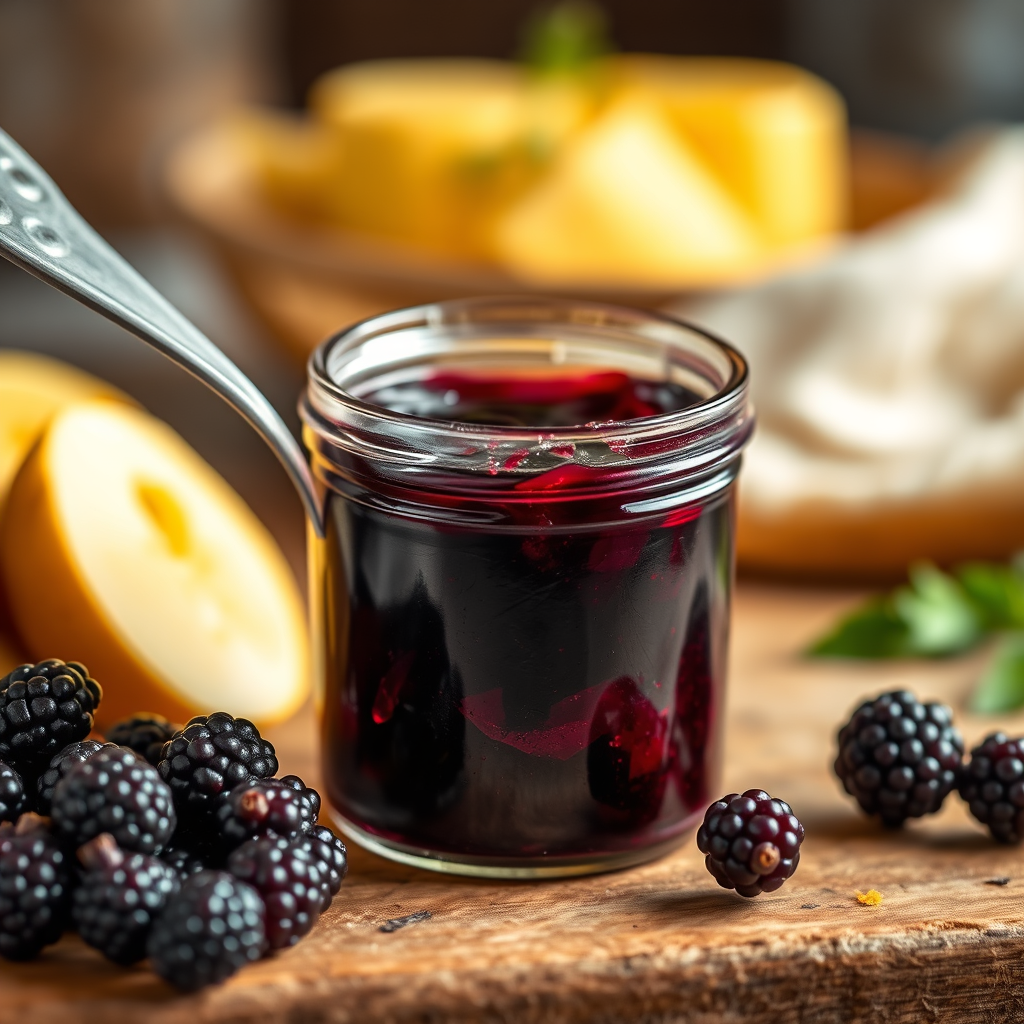
Designed for home canners and food preservation enthusiasts, this guide assumes a basic understanding of canning methods and safety practices. It is particularly beneficial for those keen on harnessing the health benefits of elderberries, known for their high antioxidant content and potential immune-boosting properties. Readers with limited or no canning experience might find this guide too advanced and should seek beginner resources before attempting to make elderberry jam or jelly.
The Step-by-Step Protocol
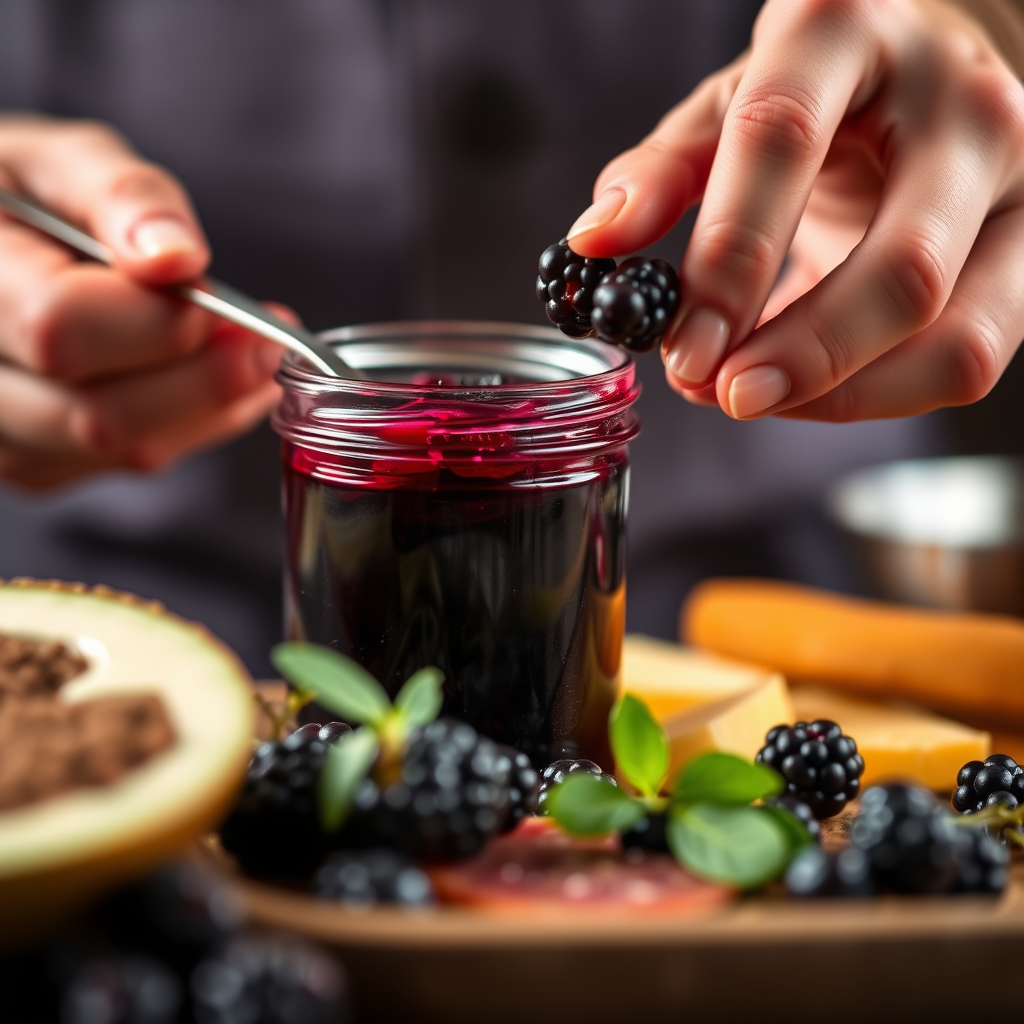
1. Gather Ingredients: Collect 2 cups of ripe elderberries, 1 cup of granulated sugar, 1 tablespoon of lemon juice, and 1 packet of pectin (typically 1.75 ounces for this quantity).
2. Prepare Elderberries: Rinse the elderberries thoroughly under cold water, taking care to remove any stems and leaves, which can be toxic. This step is crucial; ensure you only use fully ripe berries for safe consumption.
3. Cook the Mixture: In a large pot, combine the elderberries, lemon juice, and 1 cup of water. Bring the mixture to a boil, then reduce to a simmer for 10 minutes to extract the juice effectively.
4. Add Sugar and Pectin: Strain the elderberry mixture through a fine mesh sieve into a clean pot, discarding the solids. Add the measured sugar and pectin to the strained juice. Bring to a rolling boil for 1-2 minutes, stirring constantly until everything is fully dissolved.
5. Jar and Seal: Pour the hot jam or jelly into sterilized jars, ensuring to leave a 1/4 inch headspace at the top. Seal immediately with sterilized lids and process in a boiling water bath for 10 minutes to ensure a proper seal.
Nutritional Comparison of Elderberry Jam and Jelly (Per 1 Tbsp)
| # | Nutrient | Elderberry Jam | Elderberry Jelly | Difference |
|---|---|---|---|---|
| 1 | Calories | 50 | 45 | +5 |
| 2 | Sugar (g) | 12 | 10 | +2 |
| 3 | Fiber (g) | 1 | 0 | +1 |
| 4 | Vitamin C (% DV) | 10% | 5% | +5% |
| 5 | Potassium (mg) | 40 | 30 | +10 |
| 6 | Calcium (% DV) | 2% | 1% | +1% |
| 7 | Iron (% DV) | 1% | 0% | +1 |
Warning Signs: When Not to Follow This
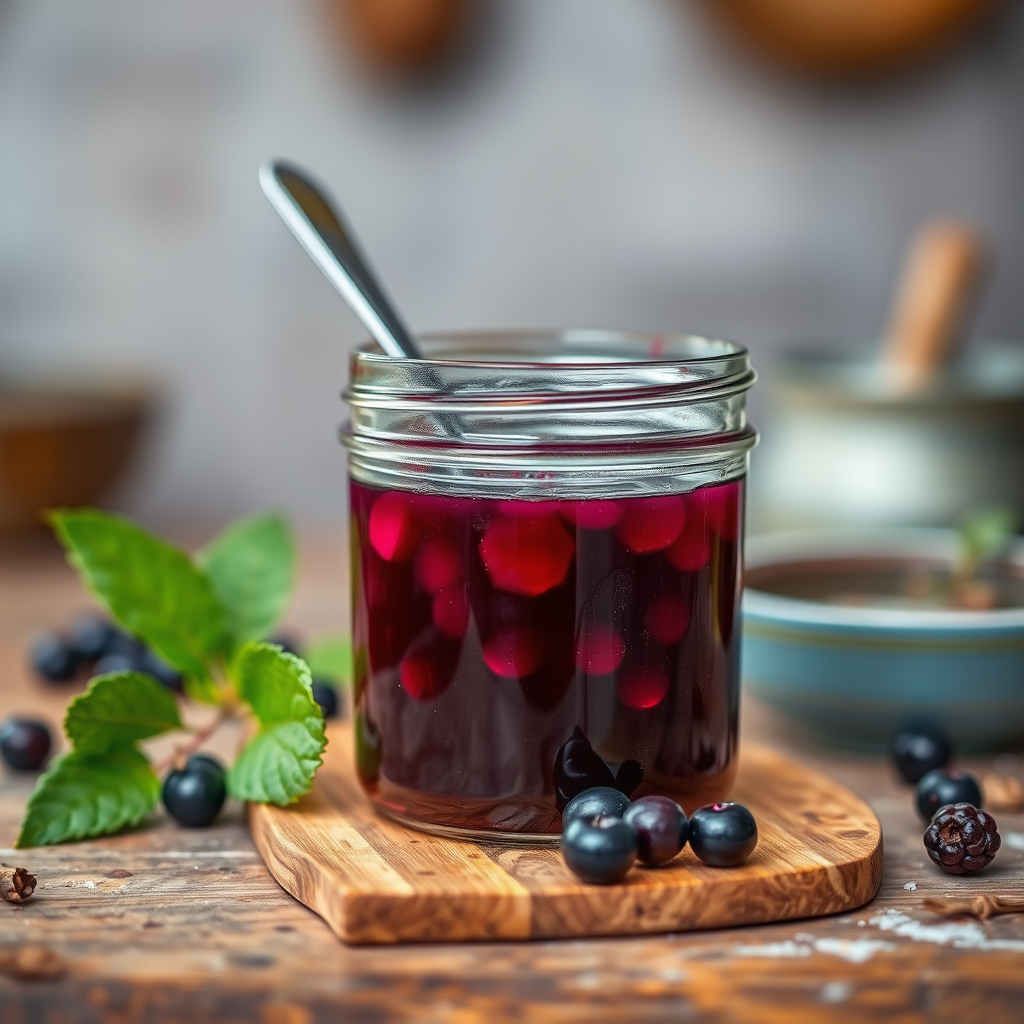
– Do not attempt to make elderberry jam or jelly if the elderberries are unripe, as they can be toxic and lead to nausea or more severe health issues.
– Avoid using elderberries that show signs of mold, spoilage, or have been improperly stored, as these conditions can compromise the safety of the final product.
– If you have allergies to other berries or fruits, consult with a healthcare provider before attempting to make elderberry products.
The Most Common Mistakes (And Their Consequences)
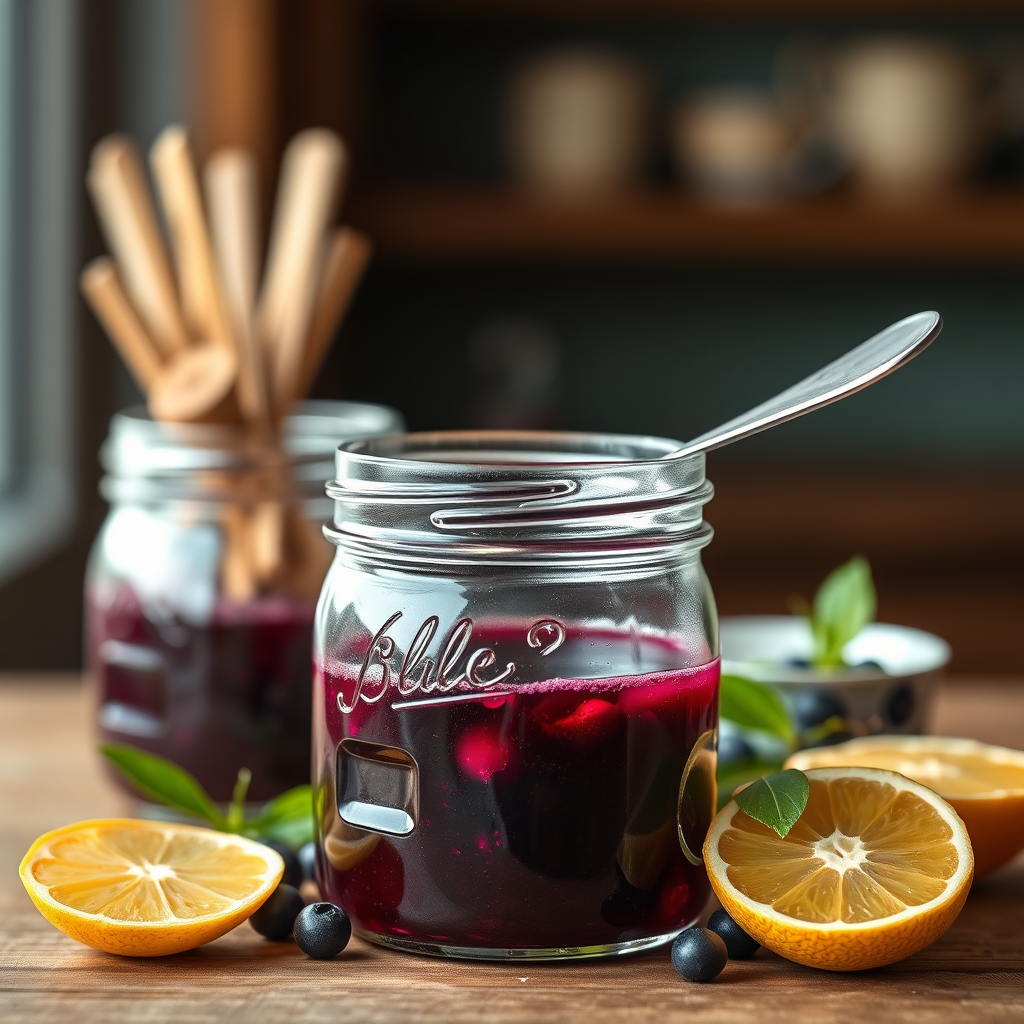
– Many home canners neglect to remove all stems and leaves from elderberries, leading to toxicity in the final product and potential health risks. Inspecting each berry carefully is imperative.
– Skipping the water bath processing can result in improperly sealed jars, increasing the likelihood of spoilage and foodborne illness. Always adhere to the recommended processing times based on your altitude.
– Inaccurate measurements, particularly of pectin and sugar, can disrupt the gelling process, resulting in a runny or overly thick jam or jelly. Using precise measuring tools will yield the best results.
Special Cases That Need a Different Approach
– When using fresh elderberries, you may need to adjust the quantity based on juiciness. Start with more berries if the juice yield is low; a good rule of thumb is to use 2.5 cups of fresh berries if you suspect lower juice yield.
– For individuals with dietary restrictions, such as those needing a low-sugar option, consider using low-sugar pectin and adjusting the sugar content according to package instructions. Always refer to the specific manufacturing guidelines for the pectin you choose.
– When making elderberry jelly, ensure that you strain the mixture multiple times to achieve a clear product. This may require additional patience and effort; using a cheesecloth can facilitate finer straining.
When You Need a Professional
– If you are uncertain about the safety of your elderberries or have a medical history involving food allergies, consult a healthcare professional before consuming elderberry products.
– In cases of suspected botulism or spoilage—such as jars that do not seal properly or exhibit unusual odors—it is crucial to discard the product and seek expert advice on safe canning practices. Do not taste any suspicious products.
– If you plan to sell your elderberry products, contact a local food safety office or extension service to ensure compliance with local health regulations and guidelines.
Sources and Further Reading
– For updated canning guidelines and safety tips specific to elderberry products, refer to the National Center for Home Food Preservation.
– The “Ball Blue Book of Preserving” is a trusted resource, offering canning recipes and techniques, including a section dedicated to berry preserves.
– The University of Georgia Cooperative Extension provides research-based recommendations for safe canning practices, including the use of pectin and proper sterilization methods.
By following this guide, you’ll be well-equipped to produce delicious elderberry jam or jelly while ensuring safety and adherence to best practices in food preservation. Happy canning!
Frequently Asked Questions
What ingredients do I need for a basic elderberry jam or jelly recipe?
To make a basic elderberry jam or jelly, you will need fresh or cooked elderberries, granulated sugar, pectin, and lemon juice. Fresh elderberries provide the best flavor, while pectin helps achieve the right texture. Ensure you use ripe berries, as they will yield a sweeter and more flavorful jam.
How do I prepare elderberries for making jam or jelly?
Preparing elderberries involves first rinsing them thoroughly to remove any dirt or insects. Next, remove the berries from the stems, as the stems are toxic. You can cook the berries with a bit of water to soften them, which makes them easier to extract juice for your jam or jelly.
Why is pectin important in elderberry jam or jelly recipes?
Pectin is a natural thickening agent that helps your elderberry jam or jelly set properly, giving it a desirable consistency. Without sufficient pectin, the jam may remain runny and not gel. Using a commercial pectin product ensures reliable results, but if you prefer a natural option, you can use the pectin naturally found in apples or citrus fruits.
What is the best method for canning elderberry jam or jelly?
The best method for canning elderberry jam or jelly is the water bath canning technique. Once your jam is cooked and has reached the desired consistency, pour it into sterilized jars, leaving about a quarter-inch headspace. Seal the jars with lids and process them in a boiling water bath for the recommended time to ensure they are shelf-stable.
Which common mistakes should I avoid when making elderberry jam or jelly?
Common mistakes to avoid when making elderberry jam or jelly include not using enough sugar, which can prevent proper gelling, and failing to sterilize jars adequately, risking contamination. Additionally, overcooking the mixture can lead to a burnt flavor, so keep an eye on it as it cooks. Always follow a trusted recipe for the best results.
References
- Sambucus
https://en.wikipedia.org/wiki/Elderberry - https://pubmed.ncbi.nlm.nih.gov/20346378/
https://pubmed.ncbi.nlm.nih.gov/20346378/ - Checking your browser – reCAPTCHA
https://www.ncbi.nlm.nih.gov/pmc/articles/PMC6313449/ - Page Not Found – Site Help – Mayo Clinic
https://www.mayoclinic.org/healthy-lifestyle/nutrition-and-healthy-eating/expert-answers/elderberry/faq-20057891 - https://www.sciencedirect.com/science/article/pii/S2212670918300877
https://www.sciencedirect.com/science/article/pii/S2212670918300877 - https://www.oregon.gov/odf/ForestBenefits/Documents/Elderberry.pdf
https://www.oregon.gov/odf/ForestBenefits/Documents/Elderberry.pdf - Google Scholar Google Scholar
https://scholar.google.com/scholar?q=elderberry+jam+jelly+recipe - Google Scholar Google Scholar
https://scholar.google.com/scholar?q=elderberry+preservation+methods - Google Scholar Google Scholar
https://scholar.google.com/scholar?q=elderberry+health+benefits - Checking your browser – reCAPTCHA
https://www.ncbi.nlm.nih.gov/pmc/articles/PMC4005463/