The Complete Expert Guide to Safely Making Prickly Pear Cactus Fruit Jelly provides precise recipes and step-by-step procedures to ensure your jelly turns out flavorful and safe. This guide is essential for home canners and food preservation enthusiasts seeking to harness the unique taste of prickly pear cactus fruit while adhering to safe canning practices. Following the right protocols is crucial not only for flavor but also for preventing foodborne illness.
What This Guide Covers (And What It Doesn’t)
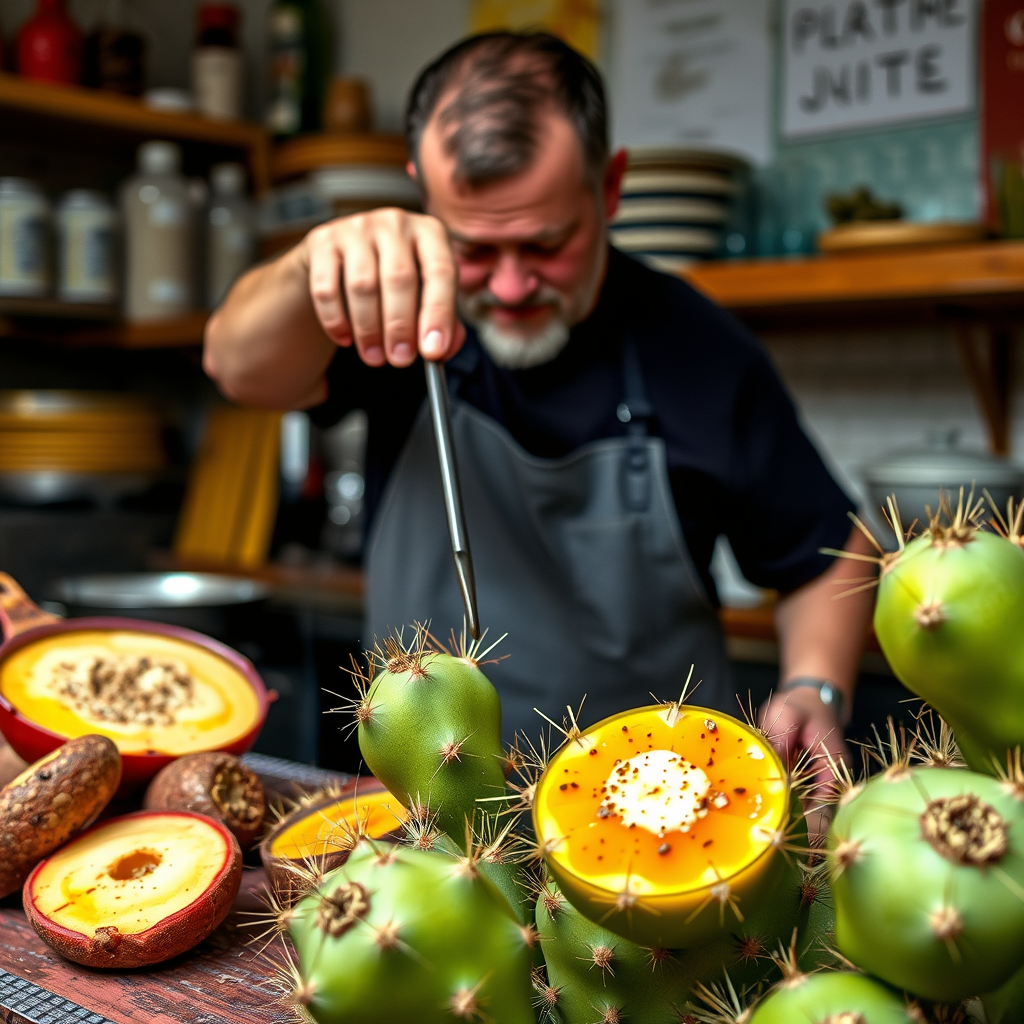
This guide offers precise, step-by-step instructions for making prickly pear cactus fruit jelly safely, detailing the necessary ingredients, equipment, and preservation techniques. It emphasizes recipes that utilize fresh prickly pear fruit and presents variations for flavor enhancement, such as the addition of citrus or spices. However, it does not explore other preservation methods for prickly pear, like drying or freezing, nor does it address the medicinal uses of prickly pear cactus.
Who Should Read This
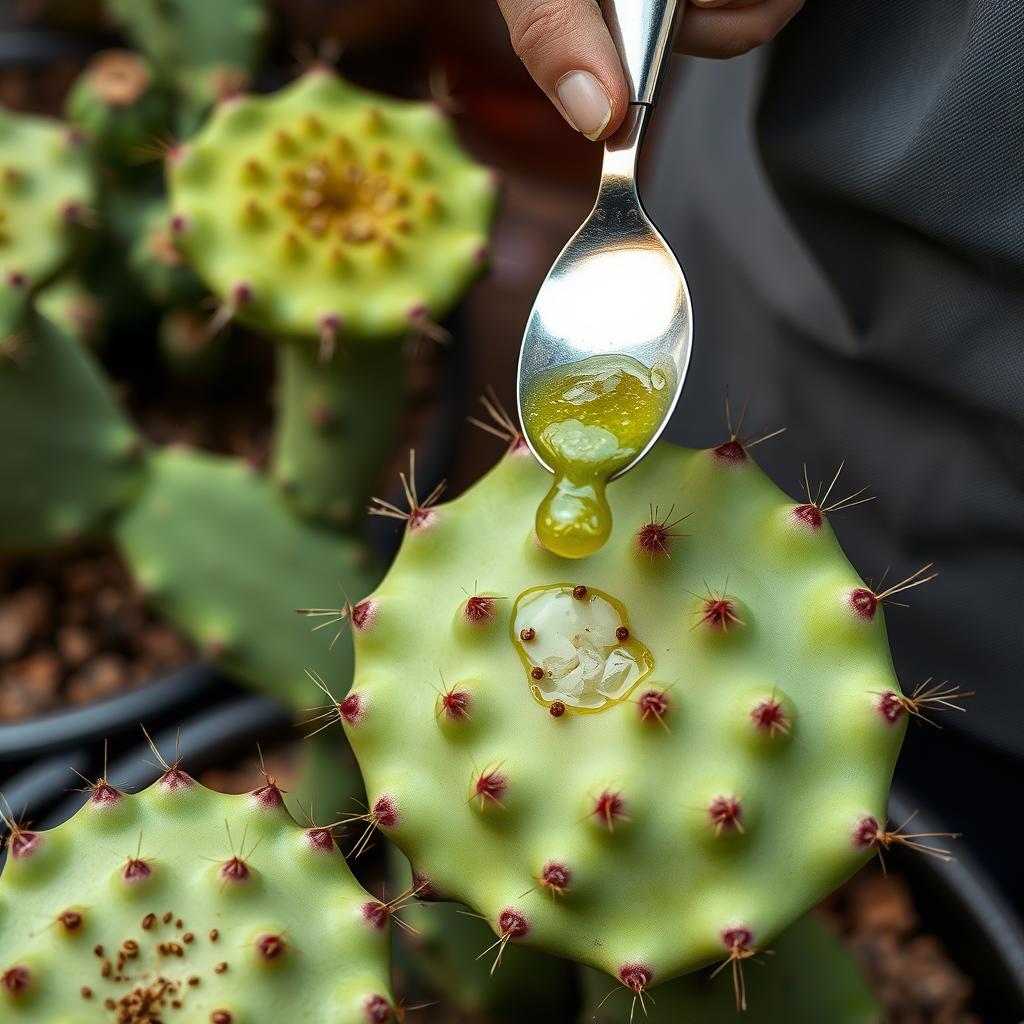
This guide is designed for home canners and food preservation enthusiasts who possess a basic understanding of jelly-making techniques, including boiling and sterilizing jars. Those eager to experiment with unique fruit preserves, especially those with access to prickly pear cactus fruit, will find this guide particularly beneficial. It is not intended for complete beginners in food preservation; prior experience with jelly or jam making is recommended for a more comprehensive understanding.
The Step-by-Step Protocol
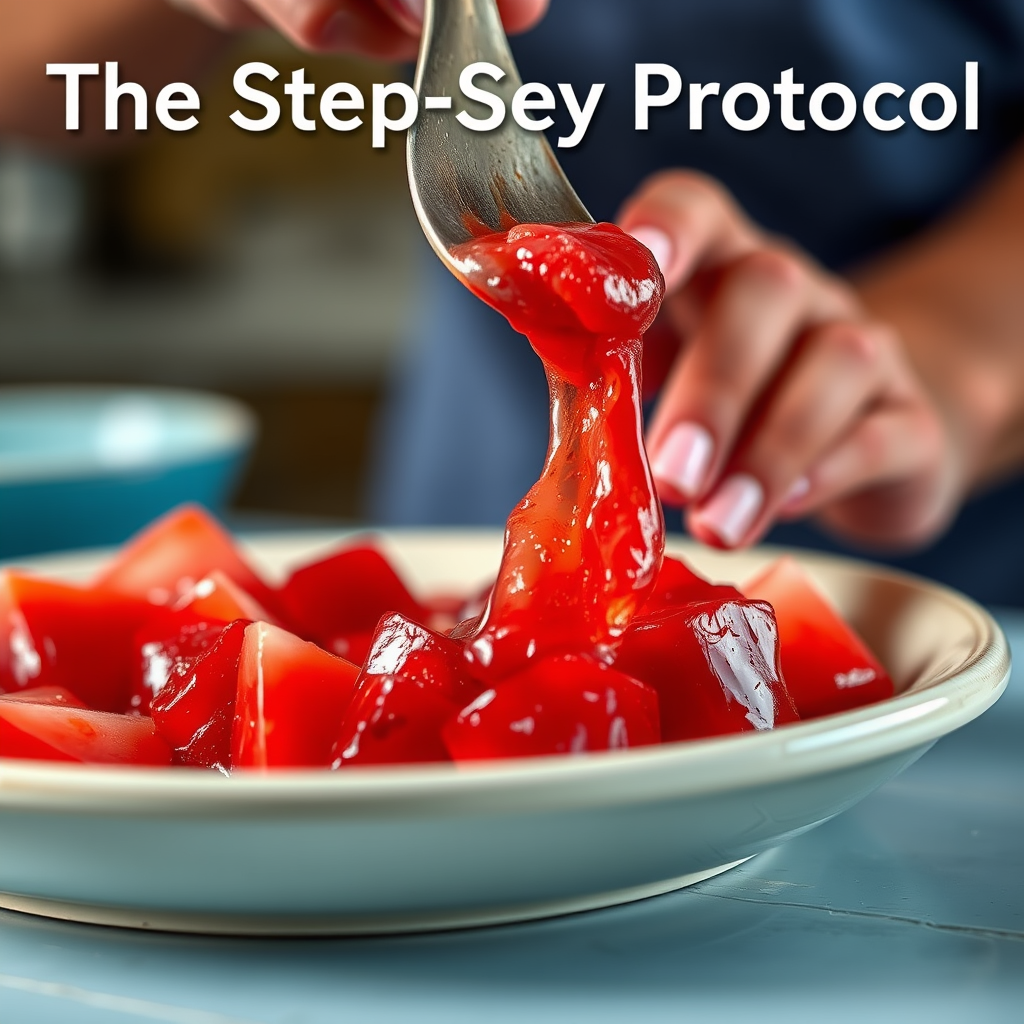
1. Harvesting and Preparing Prickly Pears: Begin by donning gloves to safely handle ripe prickly pears. Wash them thoroughly under running water. Slice off both ends of the fruit, then carefully peel away the skin to extract the pulp. Ensure all thorns and spines are completely removed during this process.
2. Extracting Juice: Transfer the peeled fruit to a large mixing bowl and mash the flesh with a potato masher to release the juice. Strain the mixture through a fine mesh sieve or cheesecloth to yield approximately 2 cups of prickly pear juice. Press down on the solids to extract as much juice as possible.
3. Cooking the Jelly: In a large, heavy-bottomed pot, combine the 2 cups of prickly pear juice with 1 tablespoon of freshly squeezed lemon juice and 1 package (1.75 oz) of powdered pectin. Stir the mixture well and bring it to a rolling boil over medium-high heat, ensuring it reaches a temperature of 220°F (104°C).
4. Adding Sugar and Jarring: Gradually stir in 4 cups of granulated sugar while continuing to stir to prevent clumping. Return the mixture to a rolling boil and cook for one full minute. Carefully pour the hot jelly into sterilized jars, leaving 1/4-inch headspace. Wipe the rims of the jars with a clean cloth to remove any residue. Process the jars in a boiling water bath for 10 minutes, ensuring they are fully submerged.
Nutritional Profile of Prickly Pear Fruit (per 100g)
| # | Nutrient | Value | Daily Value (%) |
|---|---|---|---|
| 1 | Calories | 50 | 2% |
| 2 | Carbohydrates | 13.5g | 5% |
| 3 | Fiber | 3g | 12% |
| 4 | Protein | 1g | 2% |
| 5 | Vitamin C | 14mg | 24% |
| 6 | Calcium | 56mg | 5% |
| 7 | Magnesium | 18mg | 5% |
Warning Signs: When Not to Follow This

Avoid making jelly if the prickly pears show signs of mold, bruising, or spoilage, as these conditions can lead to unsafe consumption and contamination in the final product. Additionally, do not use pectin substitutes that are not specifically designed for jelly-making, as they may not gel properly, compromising both food safety and the jelly’s texture. If you are allergic to prickly pear or have experienced adverse reactions to other fruits, it’s best to consult with a healthcare professional before proceeding.
The Most Common Mistakes (And Their Consequences)
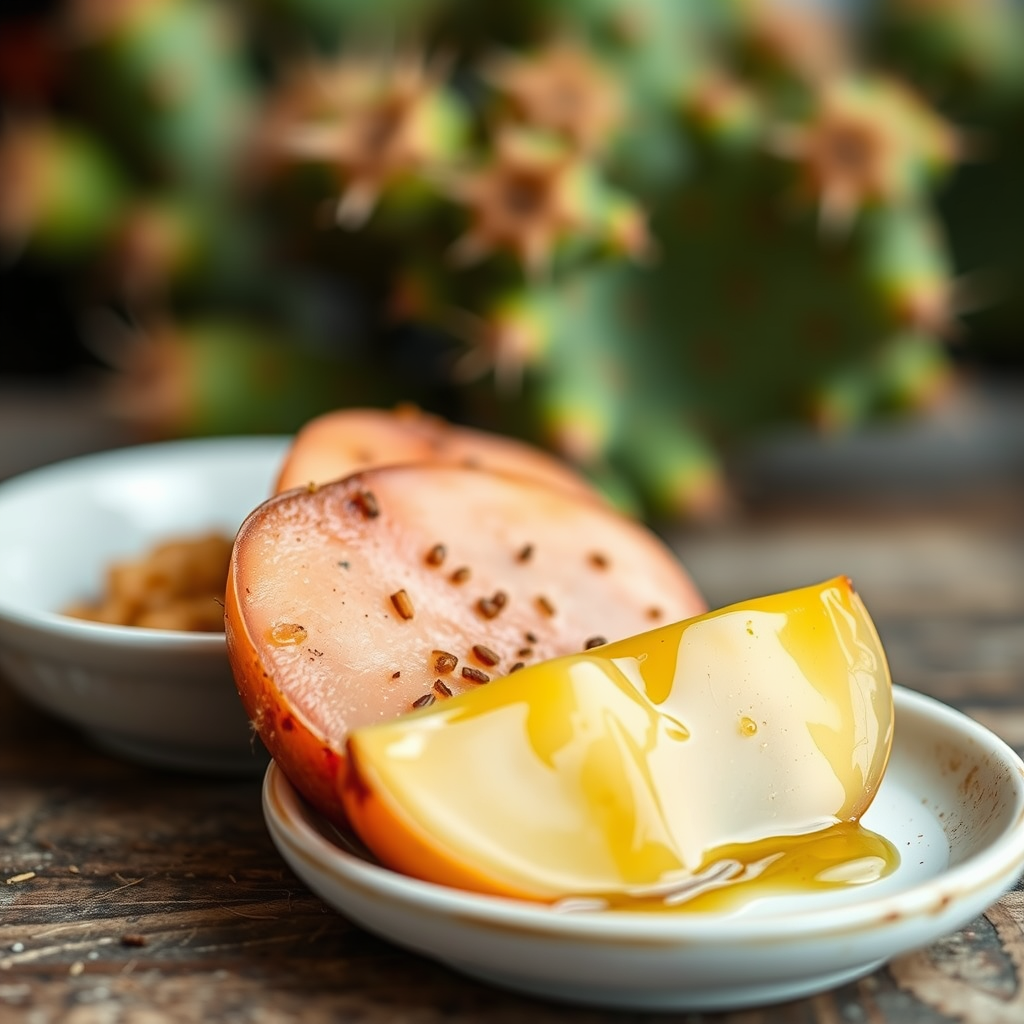
One of the most frequent errors home canners make is skipping the crucial step of sterilizing jars, which can lead to spoilage or contamination in the final product. Always ensure jars are properly sterilized before filling. Additionally, using insufficient sugar or not adhering to the recommended ratios can result in jelly that fails to set, leading to a syrupy consistency instead of a firm jelly. Failing to process jars in a water bath for the recommended time can also cause improper sealing, increasing the risk of botulism and other foodborne illnesses. Always follow the processing time that is specific to your altitude.
Special Cases That Need a Different Approach
If you are using frozen prickly pear juice instead of fresh, ensure it is fully thawed and accurately measured, as this can impact the gelling process. Achieving the correct juice content is crucial for proper consistency. For those managing a diabetes or sugar-restricted diet, consider using low-sugar pectin and adjusting sugar amounts accordingly; however, be aware that this may alter the jelly’s texture and flavor profile. When making jelly at high altitudes (over 1,000 feet), increase the processing time by 5 minutes to ensure proper sealing and safety, as atmospheric pressure can affect boiling temperatures.
When You Need a Professional
If you have any concerns regarding food safety or are uncertain whether your equipment meets health standards, consult with a food preservation expert before proceeding. This is particularly important for larger batches or if you plan to scale up production. Should you experience allergic reactions or gastrointestinal issues after consuming prickly pear products, seek medical advice immediately and discontinue use. For those looking to scale up production for commercial purposes, collaborating with a licensed food technologist is essential to ensure compliance with local food safety regulations, including proper labeling and handling guidelines.
Sources and Further Reading
– The National Center for Home Food Preservation offers guidelines on safe canning practices, including specifics on jelly-making.
– The USDA Complete Guide to Home Canning provides research-based recipes and processing times for fruits, including prickly pear.
– Local agricultural extension offices can provide additional resources and workshops focused on safe food preservation techniques tailored to regional practices.
Frequently Asked Questions
What are the basic ingredients needed for prickly pear cactus fruit jelly?
To make prickly pear cactus fruit jelly, you will need fresh prickly pear fruit, sugar, pectin, and lemon juice. The prickly pear adds a unique flavor and vibrant color to the jelly, while pectin helps it set properly. Ensure you have ripe fruit for the best taste and gel consistency.
How do I prepare prickly pear cactus fruit for jelly making?
Preparing prickly pear cactus fruit involves carefully peeling the fruit and removing the seeds. Start by wearing gloves to protect your hands from the tiny spines, then cut off the ends and slice the skin to peel it off. Once peeled, you can mash or blend the fruit to extract the juice needed for your jelly recipe.
Why is lemon juice important in prickly pear cactus fruit jelly recipes?
Lemon juice is essential in prickly pear cactus fruit jelly recipes because it adds acidity, which helps to balance the sweetness of the sugar and enhances the flavor of the jelly. Additionally, the acidity aids in the gelling process by interacting with the pectin, ensuring your jelly sets properly.
What is the best way to store prickly pear cactus fruit jelly?
The best way to store prickly pear cactus fruit jelly is in sterilized glass jars with airtight lids. Make sure to store the jelly in a cool, dark place, such as a pantry or cupboard. Once opened, keep the jelly in the refrigerator and consume it within a few weeks for optimal freshness.
Which types of pectin work best for making prickly pear cactus fruit jelly?
For making prickly pear cactus fruit jelly, both liquid and powdered pectin can be used effectively. However, using a low-sugar or no-sugar pectin can help retain the vibrant color and flavor of the fruit while allowing you to adjust the sugar levels according to your taste preferences. Always follow the instructions on the pectin packaging for the best results.
References
- Opuntia
https://en.wikipedia.org/wiki/Opuntia - Effect of homeostatic T-cell proliferation in the vaccine responsiveness against influenza in eld…
https://www.ncbi.nlm.nih.gov/pmc/articles/PMC6612162/ - https://pubmed.ncbi.nlm.nih.gov/25205159/
https://pubmed.ncbi.nlm.nih.gov/25205159/ - https://www.sciencedirect.com/science/article/pii/S030881461830318X
https://www.sciencedirect.com/science/article/pii/S030881461830318X - Petroclival meningiomas: radiological features essential for surgeons – PMC
https://www.ncbi.nlm.nih.gov/pmc/articles/PMC6445566/ - Wrist blood pressure monitors: Are they accurate? – Mayo Clinic
https://www.mayoclinic.org/healthy-lifestyle/nutrition-and-healthy-eating/expert-answers/prickly-pear/faq-20057802 - Prickly pear | Description, Uses, & Species | Britannica
https://www.britannica.com/plant/prickly-pear - Google Scholar Google Scholar
https://scholar.google.com/scholar?q=prickly+pear+cactus+fruit+jelly+recipes - Google Scholar Google Scholar
https://scholar.google.com/scholar?q=Opuntia+fruit+jam+recipe - Google Scholar Google Scholar
https://scholar.google.com/scholar?q=prickly+pear+cactus+nutritional+benefits