This expert guide to safely making lemon jelly provides precise, step-by-step instructions tailored for both novice and seasoned cooks. Understanding the proper techniques and safety protocols is crucial to achieving a perfect consistency and flavor while ensuring food safety. Master the art of lemon jelly with confidence, knowing you’re following best practices for a delightful and reliable result.
What This Guide Covers (And What It Doesn’t)
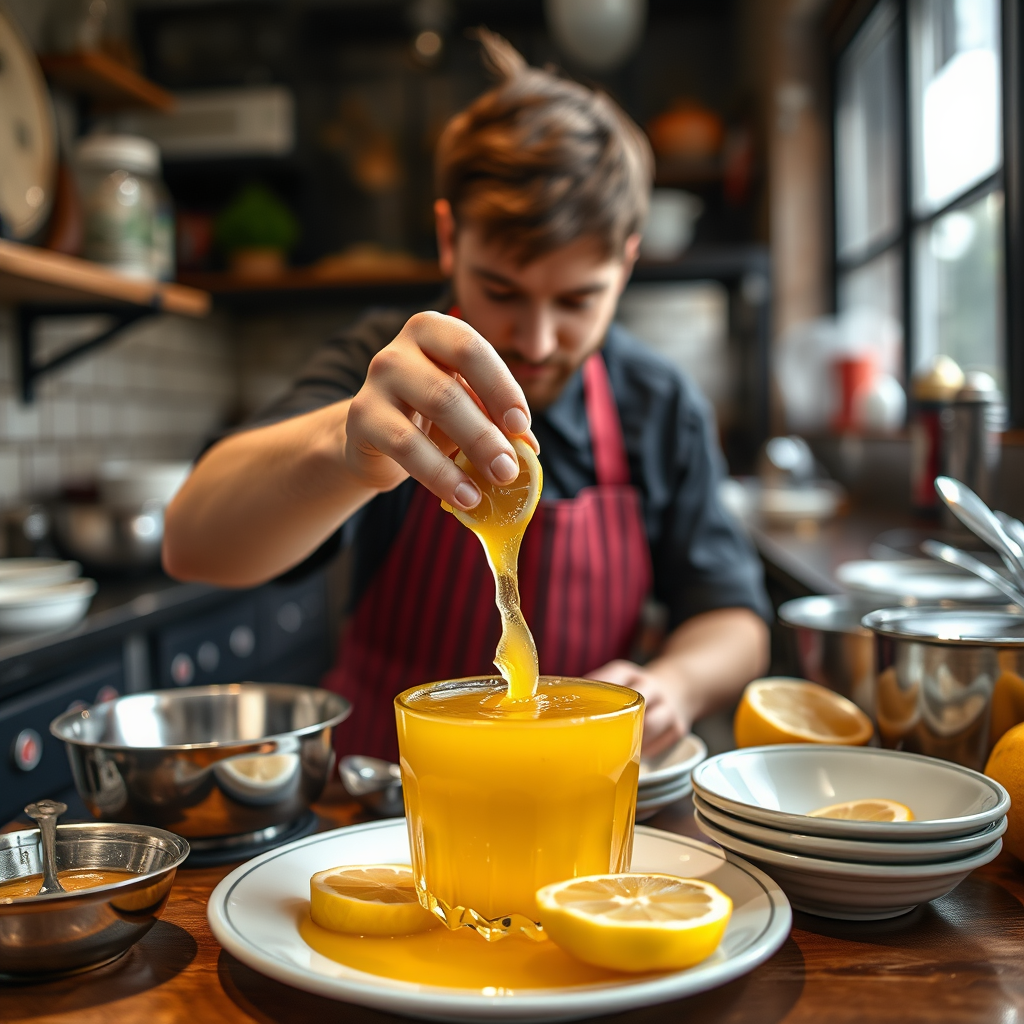
This guide provides a detailed and practical approach to making lemon jelly, covering everything from ingredient lists and essential equipment to safety protocols and troubleshooting tips. Its aim is to equip home cooks with the knowledge necessary to create delicious, shelf-stable lemon jelly safely. While the focus remains on the traditional lemon jelly recipe, it does not explore variations made with other citrus fruits or flavored jellies. Designed for home cooks with a basic understanding of food preparation and preservation techniques, this guide prioritizes clarity and safety throughout the process.
Who Should Read This
This guide is crafted for home cooks eager to dive into canning and preserving their own foods, particularly those interested in making a refreshing lemon jelly. Readers should have a foundational understanding of kitchen safety, including sanitation practices, to ensure a safe cooking environment. It is not suitable for individuals with citrus allergies or those lacking basic cooking skills, as it assumes familiarity with common kitchen tools and techniques.
The Step-by-Step Protocol
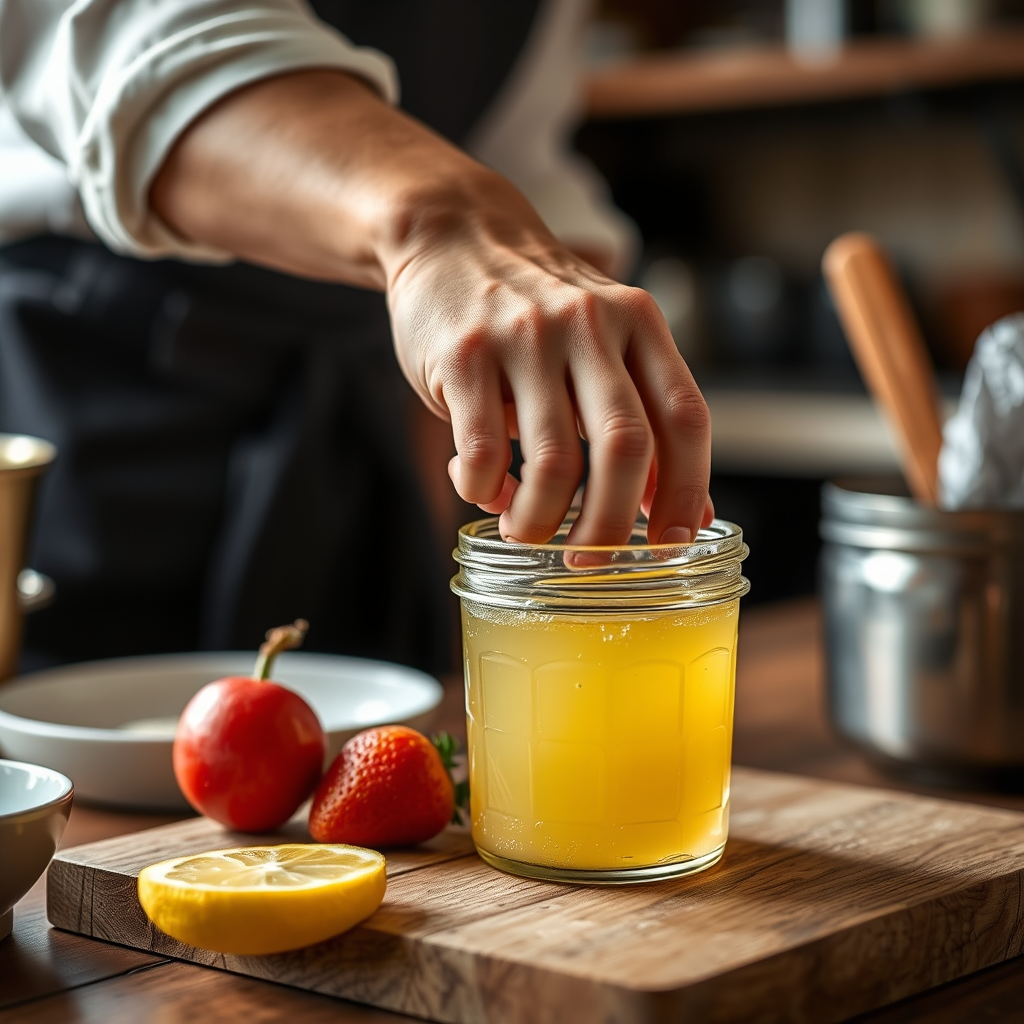
1. Gather Ingredients and Equipment: Collect 4 cups of freshly squeezed lemon juice, 1 package (1.75 oz) of fruit pectin (such as Sure-Jell), 5 cups of granulated sugar, and 1/4 teaspoon of butter to reduce foaming. Ensure you have glass jars, lids, a large pot, and a canning funnel.
2. Prepare the Jars: Sterilize your jars by placing them in a boiling water bath for 10 minutes. Keeping the jars warm until you’re ready to fill them will help prevent cracking when the hot jelly is poured in.
3. Cook the Mixture: In a large pot, combine the lemon juice and pectin. Stir well and bring the mixture to a full rolling boil over medium-high heat, stirring constantly to prevent scorching.
4. Add Sugar and Boil: Once the mixture reaches a boil, quickly add the 5 cups of sugar, stirring continuously. Return to a full boil for exactly 1 minute. The mixture should reach a temperature of 220°F (104°C) to achieve the correct gel consistency.
5. Fill the Jars: Remove the pot from heat. Skim off any foam with a spoon, then pour the hot jelly into the prepared jars, leaving 1/4 inch of headspace. Wipe the rims with a clean cloth to ensure a proper seal.
6. Seal and Process: Place the sterilized lids on the jars and screw on the metal bands until fingertip-tight. Process the jars in a boiling water bath for 5-10 minutes to ensure a proper seal, adjusting for altitude if necessary.
Nutritional Data for Lemon Jelly (per 1 tablespoon)
| # | Nutrient | Amount | % Daily Value | Calories |
|---|---|---|---|---|
| 1 | Total Carbohydrates | 12g | 4% | 50 |
| 2 | Sugars | 10g | N/A | 40 |
| 3 | Vitamin C | 0% | 0% | 0 |
| 4 | Calcium | 0% | 0% | 0 |
| 5 | Iron | 0% | 0% | 0 |
| 6 | Potassium | 0% | 0% | 0 |
| 7 | Fat | 0g | 0% | 0 |
| 8 | Sodium | 0mg | 0% | 0 |
| 9 | Vitamin A | 0% | 0% | 0 |
| 10 | Cholesterol | 0mg | 0% | 0 |
Warning Signs: When Not to Follow This
Take caution if your lemons show signs of mold or excessive softness, as these factors can compromise both the safety and quality of your jelly. If you’re unfamiliar with canning safety practices, such as ensuring proper sealing and processing times, it’s best to avoid making lemon jelly until you gain more knowledge. Additionally, refrain from significantly modifying the sugar content, as doing so can disrupt the pH balance necessary for safe preservation and could lead to spoilage.
The Most Common Mistakes (And Their Consequences)
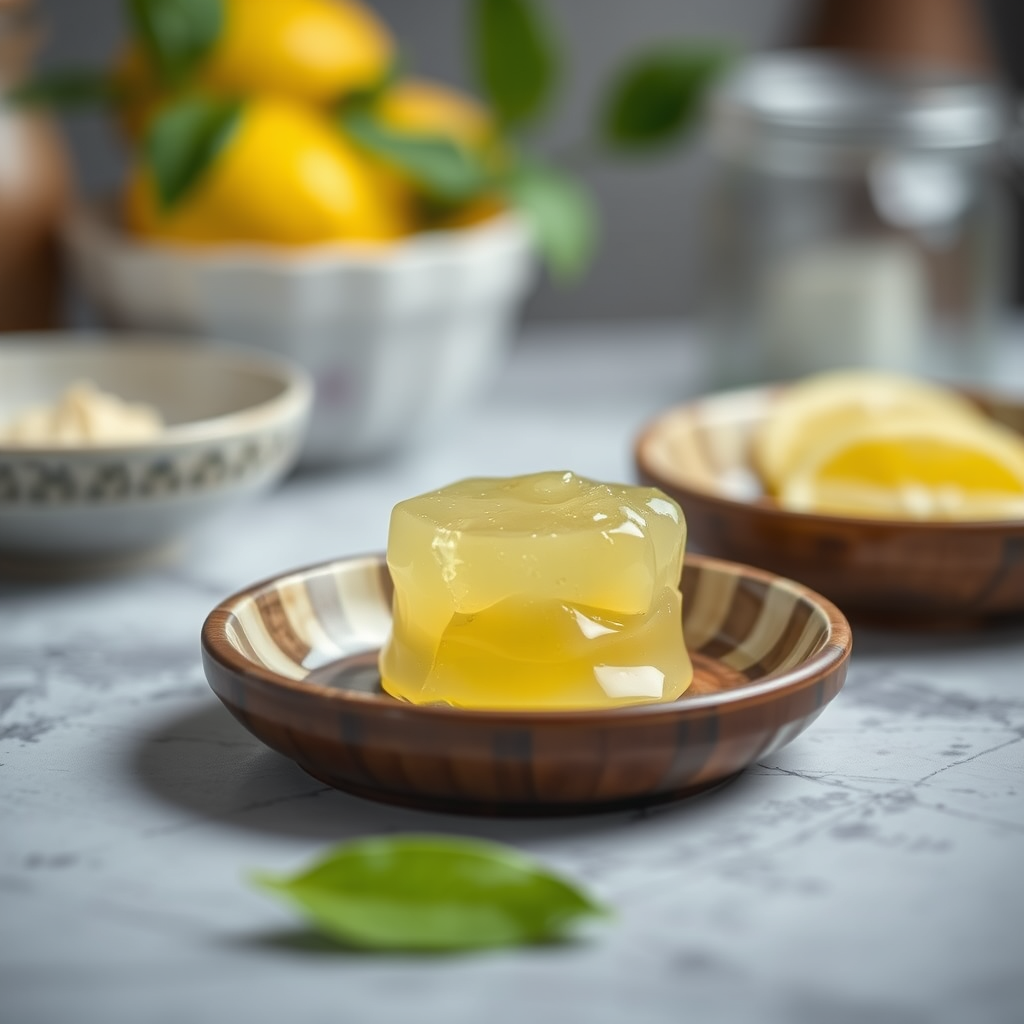
One common pitfall is under-cooking the jelly, which can result in a runny consistency due to insufficient gelling action from the pectin. Instead of jelly, you may end up with syrup, rendering it unsuitable for preservation. Another mistake is skipping the sterilization of jars, which can introduce harmful bacteria and increase the risk of spoilage and foodborne illness. Always ensure your jars are sterilized for a safe product. Additionally, using bottled lemon juice instead of fresh can compromise flavor and acidity levels, hindering proper gel formation and posing safety concerns. Fresh lemon juice is essential for achieving the necessary acidity for successful preservation.
Special Cases That Need a Different Approach
If you choose to use Meyer lemons, known for their sweeter and less acidic profile, you may need to adjust the sugar and pectin amounts to achieve the right gelling and flavor balance. A good starting point is to reduce the sugar by one cup and adjust the pectin accordingly. For those with specific dietary restrictions, such as low-sugar diets, alternative pectin products designed for low-sugar recipes can be utilized, though technique adjustments may be necessary. Always consult the packaging for specific instructions regarding these changes. High-altitude canning demands special attention to processing times and temperatures; be sure to refer to local food preservation guidelines for specific adjustments, as boiling points decrease with altitude.
When You Need a Professional
If you observe signs of spoilage, such as bulging lids or off-smells after processing, do not consume the jelly and consult a food safety expert immediately. For individuals with specific dietary needs or allergies, it is advisable to consult a nutritionist or food safety specialist to ensure safe food preparation. Additionally, if you’re unsure about canning methods or are new to food preservation, connecting with local extension services or food safety experts can provide valuable support and knowledge to help you adhere to safety standards.
Sources and Further Reading
– USDA Complete Guide to Home Canning: This resource offers detailed instructions for safe canning practices, including lemon jelly recipes and alternatives.
– National Center for Home Food Preservation: A reputable source for safe canning methods and preservation techniques specifically for fruits.
– “The Ball Blue Book of Canning and Preserving”: A well-regarded guide containing various jelly and jam recipes, along with troubleshooting tips for common canning issues.
This guide serves as a comprehensive resource for making lemon jelly safely and effectively. With the right knowledge and tools, you can confidently produce a delicious and shelf-stable product.
Frequently Asked Questions
What ingredients do I need for a basic lemon jelly recipe?
To make a basic lemon jelly, you will need fresh lemons, sugar, water, and pectin. The pectin is essential for achieving the right jelly consistency, while the sugar balances the tartness of the lemons. Make sure to use ripe lemons for the best flavor.
How do I ensure my lemon jelly sets properly?
To ensure your lemon jelly sets properly, follow the instructions on your pectin package carefully, as different brands may have varying requirements. It’s crucial to measure your ingredients accurately and boil the mixture at the right temperature. Additionally, allowing the jelly to cool at room temperature before refrigerating can help it firm up nicely.
Why is my lemon jelly too runny, and how can I fix it?
If your lemon jelly turns out too runny, it may be due to insufficient pectin or not boiling the mixture long enough. To fix it, you can reheat the jelly and add more pectin, following the package instructions for the appropriate amount. Alternatively, you can cook it down further to evaporate excess moisture.
What is the best way to store homemade lemon jelly?
The best way to store homemade lemon jelly is in sterilized glass jars with airtight lids. Keep the jars in a cool, dark place like a pantry, and once opened, store them in the refrigerator. Properly sealed, lemon jelly can last up to a year in the pantry, while opened jars should be consumed within a few weeks.
Which types of lemons are best for making lemon jelly?
The best types of lemons for making lemon jelly are Eureka and Lisbon lemons, as they are juicy and have a balanced tartness. Meyer lemons can also be used for a sweeter, less acidic flavor but may require adjustments in sugar. Always choose fresh, firm lemons without blemishes for the best results in your jelly recipe.
References
- Lemon Jelly
https://en.wikipedia.org/wiki/Lemon_jelly - https://www.uga.edu/extension/publications/ANR/ANR-1119.pdf
https://www.uga.edu/extension/publications/ANR/ANR-1119.pdf - Google Scholar Google Scholar
https://scholar.google.com/scholar?q=lemon+jelly+recipe - https://www.foodsafety.gov/food-safety-charts/jelly-jam-preserving
https://www.foodsafety.gov/food-safety-charts/jelly-jam-preserving - https://pubmed.ncbi.nlm.nih.gov/?term=lemon+jelly
https://pubmed.ncbi.nlm.nih.gov/?term=lemon+jelly - Sexual trauma and post-traumatic stress among African female refugees and migrants in South Afric…
https://www.ncbi.nlm.nih.gov/pmc/articles/PMC6007988/ - Google Scholar Google Scholar
https://scholar.google.com/scholar?q=lemon+jelly - https://www.britannica.com/topic/jelly-food
https://www.britannica.com/topic/jelly-food - https://www.nutrition.gov/recipes/lemon-jelly
https://www.nutrition.gov/recipes/lemon-jelly - lemon jelly recipe – Search results
https://en.wikipedia.org/wiki/Special:Search?search=lemon+jelly+recipe