Master the art of baking jelly cookies with this comprehensive guide, designed for both novice bakers and seasoned pros. This expert protocol covers essential techniques, ingredient selection, and baking tips to ensure your jelly cookies are perfectly executed every time. Following precise steps not only enhances flavor and texture but also elevates your baking skills to new heights.
What This Guide Covers (And What It Doesn’t)

This guide offers an in-depth jelly cookie recipe, detailing ingredient specifications, baking techniques, and essential tips for achieving the perfect texture and flavor. You will learn how to craft delicious, visually appealing jelly-filled cookies that can brighten any dessert platter or serve as a sweet treat for your family. However, it does not address variations outside traditional jelly cookies, such as gluten-free or vegan adaptations, which require separate guidelines. This guide is designed for home bakers eager to enhance their cookie-making skills, particularly those focused on mastering the jelly cookie.
Who Should Read This
Targeted at beginner to intermediate home bakers, this guide assumes a basic understanding of cookie-making techniques and terminology. If terms like “creaming butter” or “folding in ingredients” are unfamiliar to you, consider brushing up on these concepts first. Experienced bakers seeking a detailed exploration of jelly cookies will also find valuable protocols and troubleshooting advice within these pages.
The Step-by-Step Protocol

1. Gather Ingredients: Collect 2 ¾ cups of all-purpose flour, 1 teaspoon of baking powder, ½ teaspoon of salt, 1 cup of softened unsalted butter, 1 cup of granulated sugar, 1 large egg, and 1 teaspoon of vanilla extract. Select your preferred jelly (such as raspberry or apricot) for filling.
2. Preheat Oven: Preheat your oven to 350°F (175°C) and prepare a baking sheet by lining it with parchment paper to prevent sticking.
3. Mix Dry Ingredients: In a medium bowl, whisk together the flour, baking powder, and salt. Set this mixture aside for later incorporation into the wet ingredients.
4. Cream Butter and Sugar: In a large bowl, cream the softened butter and sugar together until the mixture is light and fluffy, which should take about 3-5 minutes. This step is vital for achieving the right texture. Add the egg and vanilla extract, mixing until fully combined.
5. Combine Mixtures: Gradually add the dry ingredient mixture to the wet ingredients, mixing just until combined to avoid overworking the dough. The final dough should be soft but not sticky.
6. Chill the Dough: Refrigerate the dough for at least 30 minutes to facilitate easier handling and to improve texture during baking. Chilling is essential for maintaining the cookies’ shape.
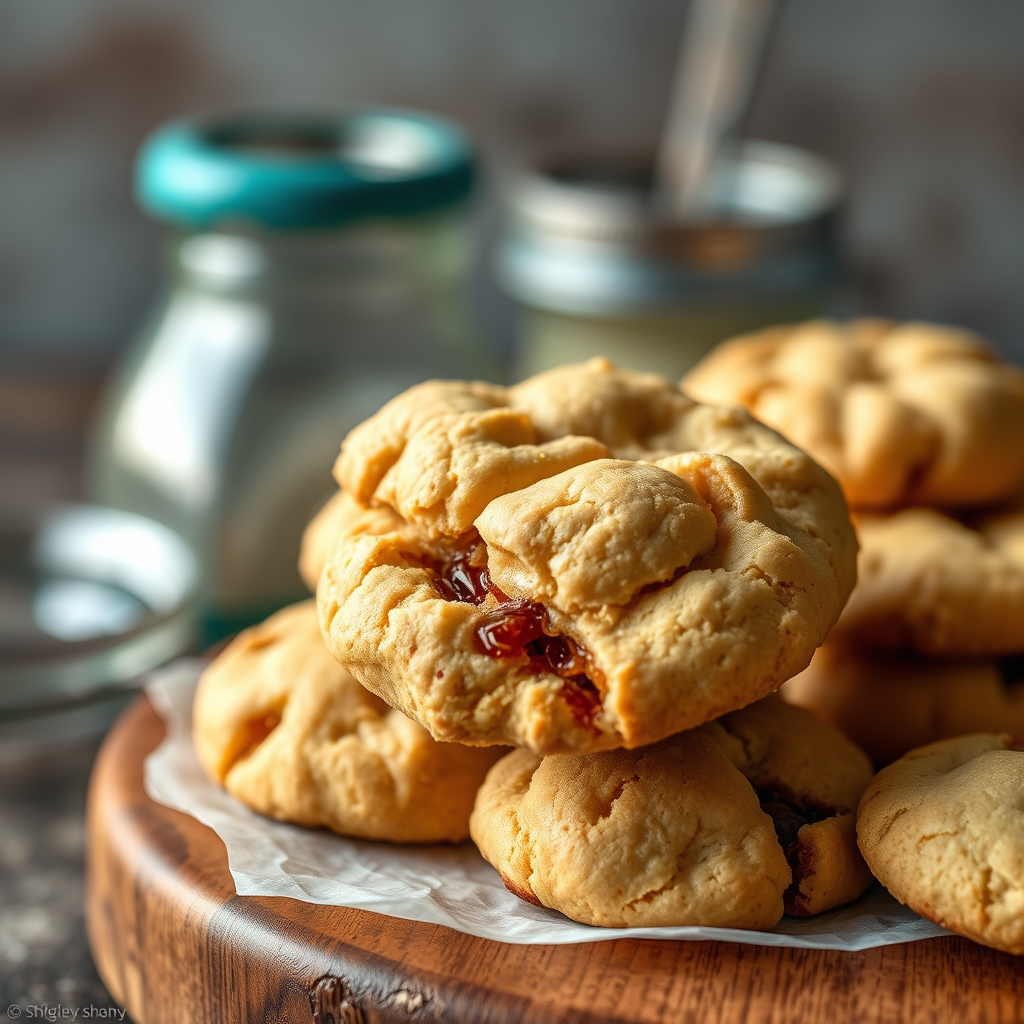
7. Shape Cookies: After chilling, scoop tablespoon-sized balls of dough onto the prepared baking sheet, spacing them 2 inches apart. Create a small indent in the center of each ball for the jelly.
8. Fill with Jelly: Spoon ½ teaspoon of jelly into each indent. Be careful not to overfill, as this can lead to overflow during baking. Using a variety of colors and flavors can enhance the cookies’ visual appeal.
9. Bake Cookies: Bake in the preheated oven for 12-15 minutes or until the edges are lightly golden. Keep a close watch after the 10-minute mark to prevent overbaking. Allow the cookies to cool on the baking sheet for 5 minutes before transferring them to a wire rack.
10. Store and Serve: Store the cooled cookies in an airtight container for up to one week, or freeze them for up to three months to maintain their freshness and flavor.
Top 7 Jelly Varieties for Cookies (2024)
| # | Jelly Variety | Flavor Profile | Best Pairing | Popularity Rating |
|---|---|---|---|---|
| 1 | Raspberry | Sweet and tart | Almond | ★★★★☆ |
| 2 | Apricot | Fruity and sweet | Vanilla | ★★★★★ |
| 3 | Strawberry | Sweet and fragrant | Chocolate | ★★★★☆ |
| 4 | Blackberry | Rich and tart | Lemon | ★★★☆☆ |
| 5 | Peach | Sweet and juicy | Cinnamon | ★★★★☆ |
| 6 | Grape | Sweet and bold | Nutmeg | ★★☆☆☆ |
| 7 | Orange | Citrusy and bright | Cream | ★★★★★ |
Warning Signs: When Not to Follow This
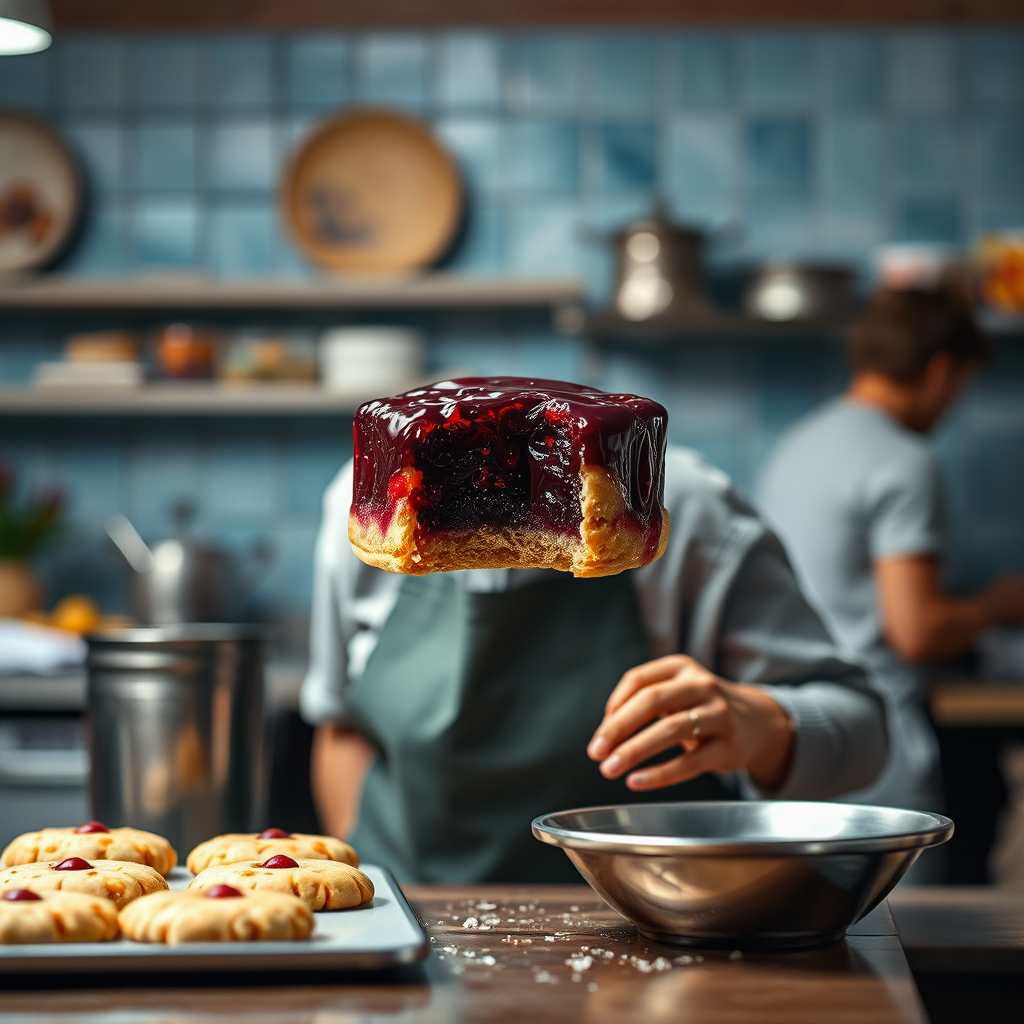
– If you have a severe allergy to any of the listed ingredients (e.g., gluten, dairy, eggs), do not attempt this recipe without appropriate substitutions. Always consult with an allergist if you’re uncertain about your allergies.
– If your kitchen lacks essential equipment (e.g., a mixer or proper baking sheets), you may not achieve the desired results. Ensure you have the necessary baking tools on hand.
– Avoid this recipe if you cannot refrigerate the dough, as chilling is crucial for achieving the right texture and handling. If refrigeration isn’t an option, consider another cookie recipe.
The Most Common Mistakes (And Their Consequences)
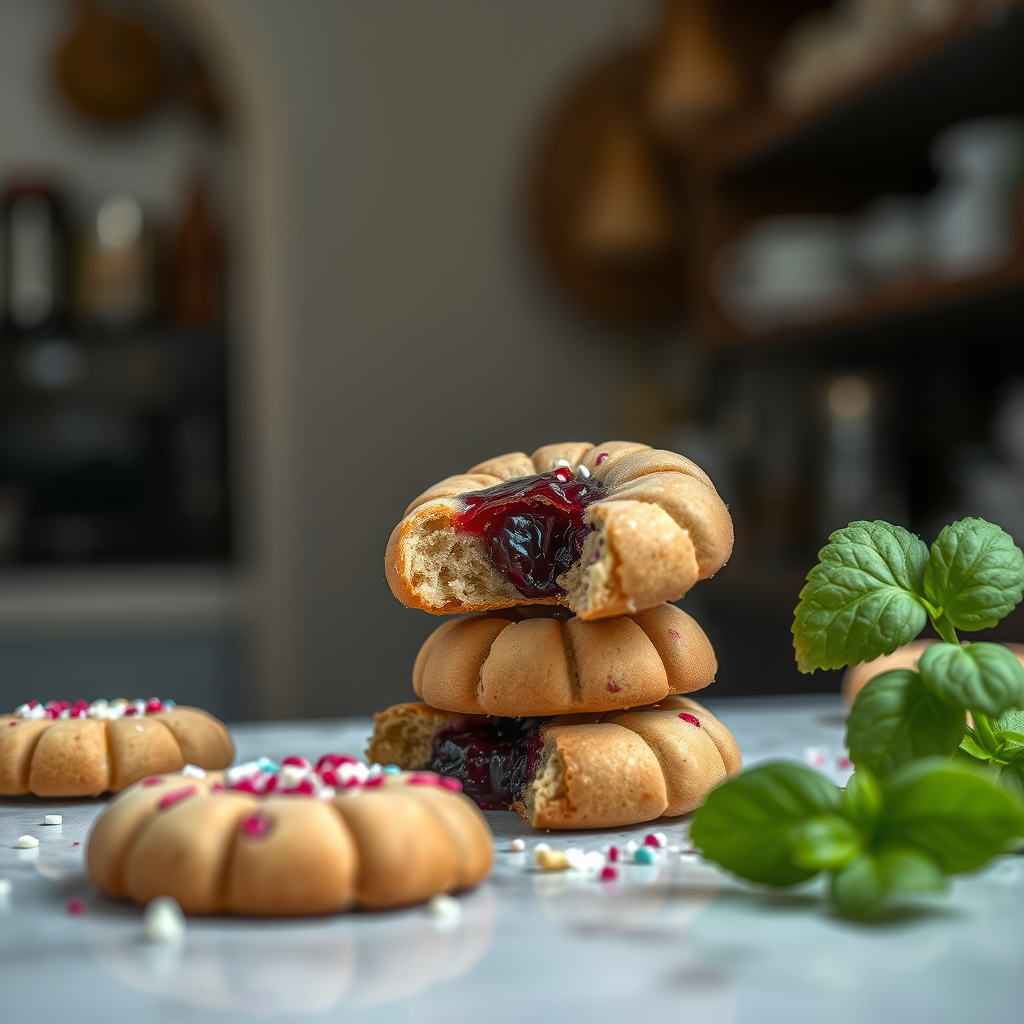
– Incorrect Measurements: Failing to measure flour accurately can lead to dry cookies. Always use the spoon-and-level method for precision, or consider using a kitchen scale to ensure accuracy.
– Skipping the Chilling Step: Not chilling the dough can cause the cookies to spread excessively during baking, resulting in flat and misshapen cookies. This step is essential for preserving the cookie’s structure.
– Overmixing the Dough: Overworking the dough after adding flour can lead to tough cookies; mix until just combined. Pay close attention to your mixing time to achieve the right texture.
Special Cases That Need a Different Approach
– High-Altitude Baking: If you are baking at high altitude (above 3,500 feet), consider reducing sugar by 1-2 tablespoons and increasing flour by a similar amount to prevent excessive spreading. You may also need to extend baking time slightly.
– Flavor Variations: When using flavored jellies (e.g., citrus or spiced) that might alter moisture levels, adjust the wet ingredients slightly to maintain the right dough consistency. Keep a close eye on the dough’s texture.
– Colorful Jelly Options: If using fruit preserves with whole pieces of fruit, ensure they are finely chopped to avoid large lumps that can disrupt the cookie structure. This will also help ensure an even distribution of filling.
When You Need a Professional
– If you’re uncertain about ingredient substitutions due to allergies, consult with a nutritionist or allergist for tailored advice. Their expertise can guide you in ensuring safety.
– Seek a professional baker’s insights if you consistently struggle with texture or consistency despite following this guide. Their experience can provide invaluable troubleshooting tips.
– If you plan to sell jelly cookies commercially, consider consulting a food safety expert to ensure compliance with local health regulations. Understanding packaging, labeling, and ingredient sourcing is vital for success.
Sources and Further Reading
– “The Joy of Baking: Jelly Cookies” — A trusted baking resource that delves into cookie recipes and techniques, providing a wealth of information for home bakers.
– “Baking Science: Understanding the Chemistry of Cookies” — A comprehensive guide that explains the science behind baking, enhancing your understanding of cookie-making.
– “The Baker’s Handbook” — A classic reference for home bakers, offering troubleshooting tips and variations for cookie recipes, including jelly cookies, to help you master this delightful treat.
By following this expert protocol, you’ll be well on your way to creating beautiful and delicious jelly cookies that are sure to impress. Happy baking!
Frequently Asked Questions
What ingredients do I need for a basic jelly cookie recipe?
To make a basic jelly cookie recipe, you will need all-purpose flour, granulated sugar, butter, eggs, baking powder, and your choice of fruit jelly or jam. Optional ingredients can include vanilla extract for flavor and a pinch of salt to enhance the taste.
How do I prevent my jelly cookies from spreading too much during baking?
To prevent your jelly cookies from spreading, ensure that your butter is at the right temperature—softened but not melted. Chilling the dough for at least 30 minutes before baking can also help maintain the cookie shape and prevent excessive spreading.
Why did my jelly cookies turn out too dry or crumbly?
If your jelly cookies are dry or crumbly, it could be due to over-measuring your flour or baking them for too long. Make sure to spoon the flour into your measuring cup and level it off, and always keep an eye on the cookies while they bake to avoid overcooking.
What is the best type of jelly to use in jelly cookies?
The best type of jelly to use in jelly cookies is one that complements the cookie flavor, such as raspberry, strawberry, or apricot. High-quality fruit preserves will provide a richer taste and a more appealing texture, enhancing your jelly cookies’ overall flavor profile.
Which baking method is recommended for jelly cookies to achieve perfect texture?
For jelly cookies, it is recommended to use the bake and cool method. Bake the cookies until the edges are lightly golden, then let them cool on a wire rack to ensure they set properly. This method helps achieve a chewy center with a slightly crisp edge, making your jelly cookies delightful.
References
- https://en.wikipedia.org/wiki/Jelly_cookie
https://en.wikipedia.org/wiki/Jelly_cookie - https://www.bbc.co.uk/food/recipes/jammy_dodgers_83835
https://www.bbc.co.uk/food/recipes/jammy_dodgers_83835 - https://www.sciencedirect.com/topics/food-science/jelly-cookie
https://www.sciencedirect.com/topics/food-science/jelly-cookie - Checking your browser – reCAPTCHA
https://www.ncbi.nlm.nih.gov/pmc/articles/PMC7072661/ - Google Scholar Google Scholar
https://scholar.google.com/scholar?q=jelly+cookie+recipe - Google Scholar Google Scholar
https://scholar.google.com/scholar?q=jelly+cookies - https://www.foodnetwork.com/recipes/articles/50-cookie-recipes
https://www.foodnetwork.com/recipes/articles/50-cookie-recipes - https://www.nytimes.com/2020/12/04/dining/cookie-recipes.html
https://www.nytimes.com/2020/12/04/dining/cookie-recipes.html - https://www.britannica.com/topic/cookie
https://www.britannica.com/topic/cookie - https://www.nutrition.gov/topics/food-safety/recipes-and-cooking-tips
https://www.nutrition.gov/topics/food-safety/recipes-and-cooking-tips