Master the art of making guava jelly with this comprehensive guide, designed for home cooks seeking expert protocols. This resource covers everything from selecting the perfect guavas to ensuring safe canning practices, emphasizing the importance of following precise methods to avoid common pitfalls. Elevate your preserves with confidence, knowing you’re equipped with the best techniques for delicious and safe guava jelly.
What This Guide Covers (And What It Doesn’t)
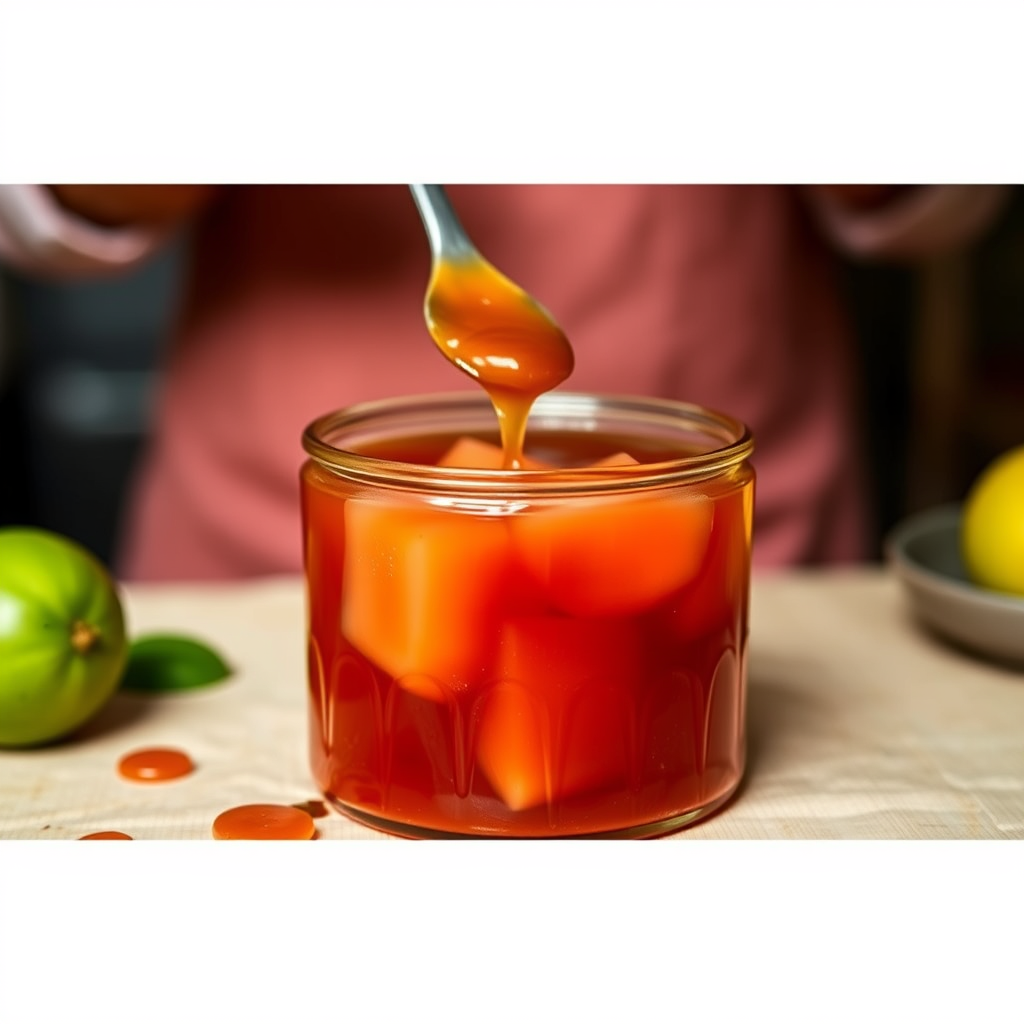
This guide offers comprehensive, step-by-step instructions for safely making guava jelly at home. It thoroughly details the ingredients, equipment, and techniques specific to guava, ensuring a focused approach. You’ll find essential information on safety protocols in canning, including sterilization methods and pH levels necessary for successful guava jelly production. Tailored for home cooks eager to enhance their jelly-making skills, this guide is particularly beneficial for those interested in unique fruit preserves.
Who Should Read This
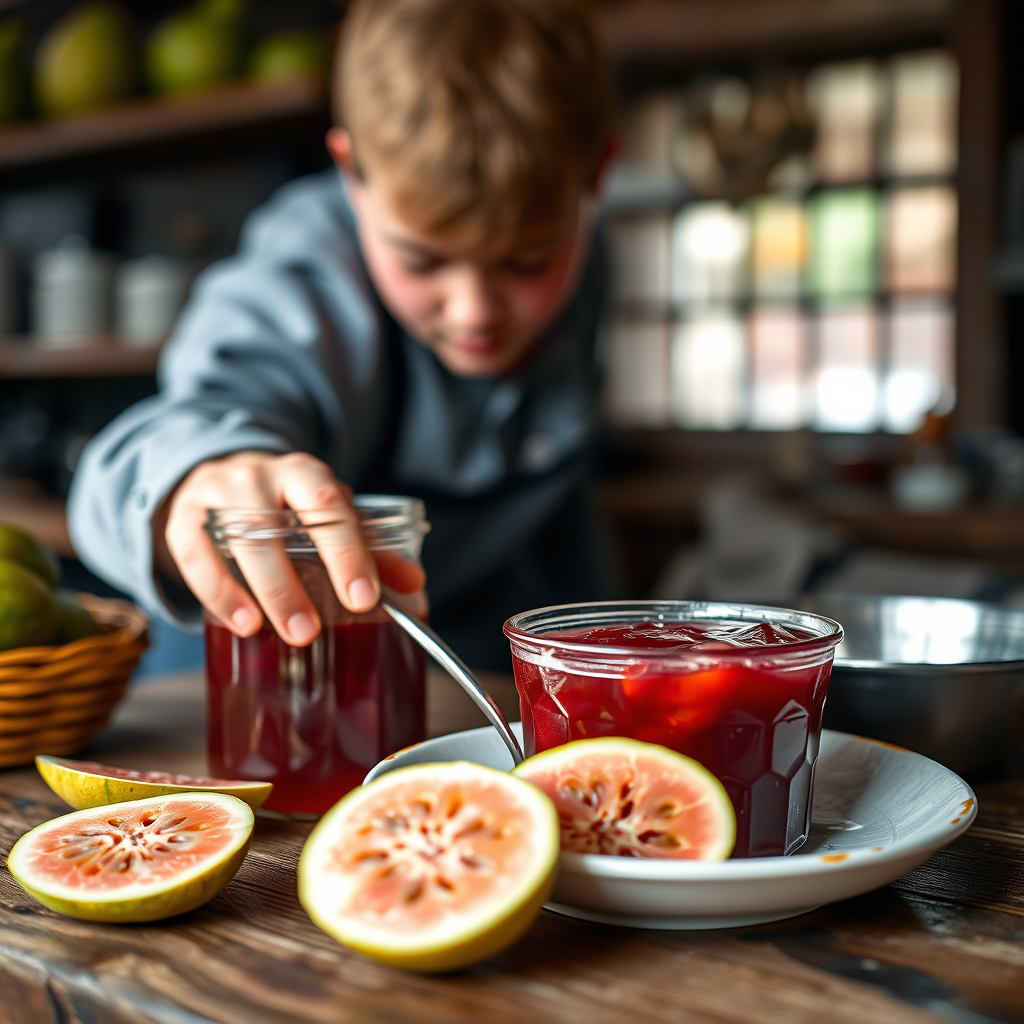
Designed for home cooks with a basic understanding of canning and preservation, this guide is perfect for those ready to tackle guava jelly recipes. Readers should be comfortable with kitchen measurements and techniques, such as boiling and sterilization, to ensure a safe and successful outcome. This article appeals to anyone looking to utilize fresh guavas from local markets or backyard gardens, as well as those seeking to reduce waste by using overripe fruits. However, if you are searching for general jelly-making techniques without a focus on guava, this guide may not be suitable.
The Step-by-Step Protocol
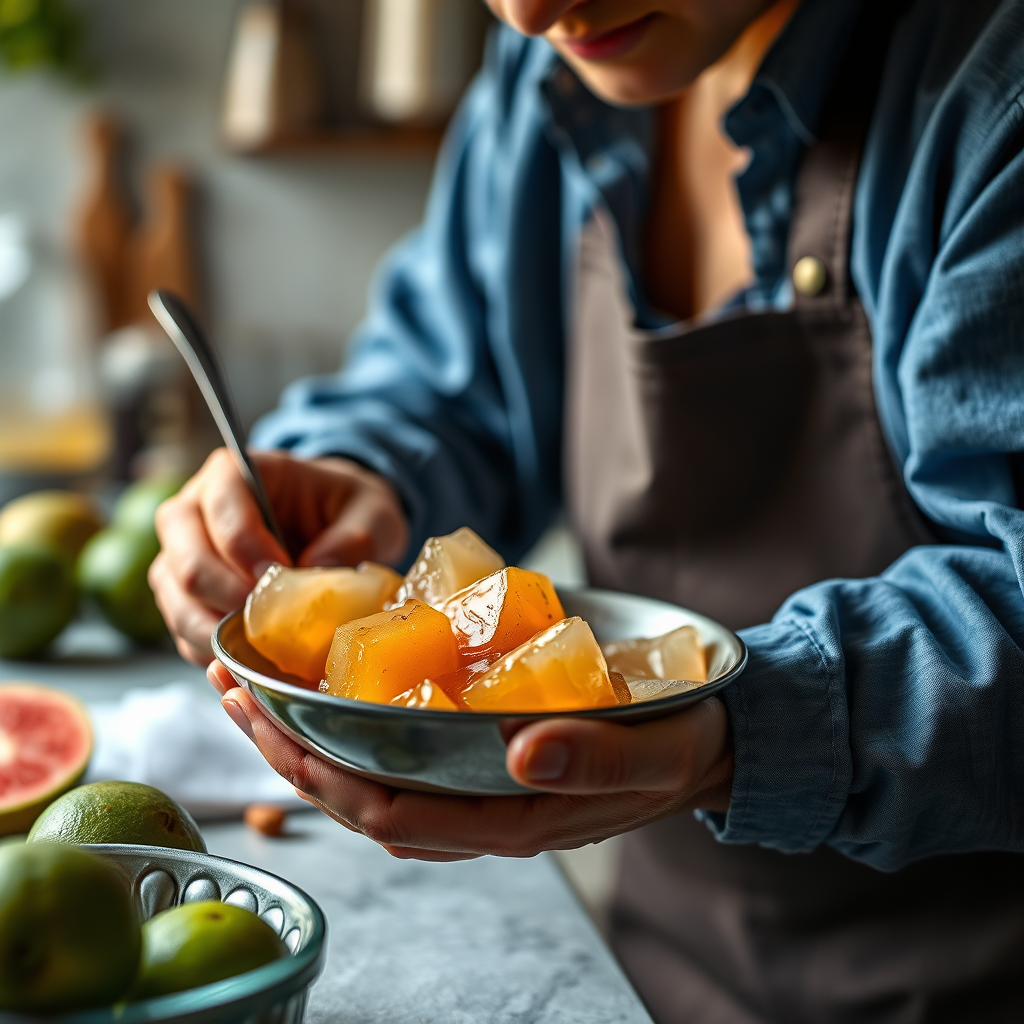
1. Gather Ingredients: Measure out 4 cups of ripe guava pulp (approximately 12-15 ripe guavas), 1 cup of water, 1/4 cup of lemon juice, and 1 package (1.75 oz) of fruit pectin.
2. Prepare the Guavas: Wash the guavas thoroughly, cut them in half, and simmer in a pot with the water for 30 minutes to extract the pulp. Strain through a fine mesh sieve to collect 4 cups of guava juice.
3. Cook the Jelly Mixture: In a large pot, combine the guava juice, lemon juice, and pectin. Bring to a rolling boil while stirring constantly. Once boiling, add 5 cups of granulated sugar and return to a boil for 1 minute.
4. Jar the Jelly: Sterilize canning jars and lids in boiling water. Pour the hot guava jelly into sterilized jars, leaving 1/4-inch headspace. Seal the jars with lids and process in a boiling water bath for 10 minutes.
Guava Jelly Recipe Ingredients Comparison
| # | Ingredient | Quantity | Role |
|---|---|---|---|
| 1 | Ripe Guava Pulp | 4 cups | Main Flavor |
| 2 | Water | 1 cup | Extraction |
| 3 | Lemon Juice | 1/4 cup | Acidity |
| 4 | Fruit Pectin | 1 package (1.75 oz) | Thickening Agent |
| 5 | Granulated Sugar | 5 cups | Sweetener |
| 6 | Canning Jars | As needed | Storage |
| 7 | Lids | As needed | Sealing |
Warning Signs: When Not to Follow This
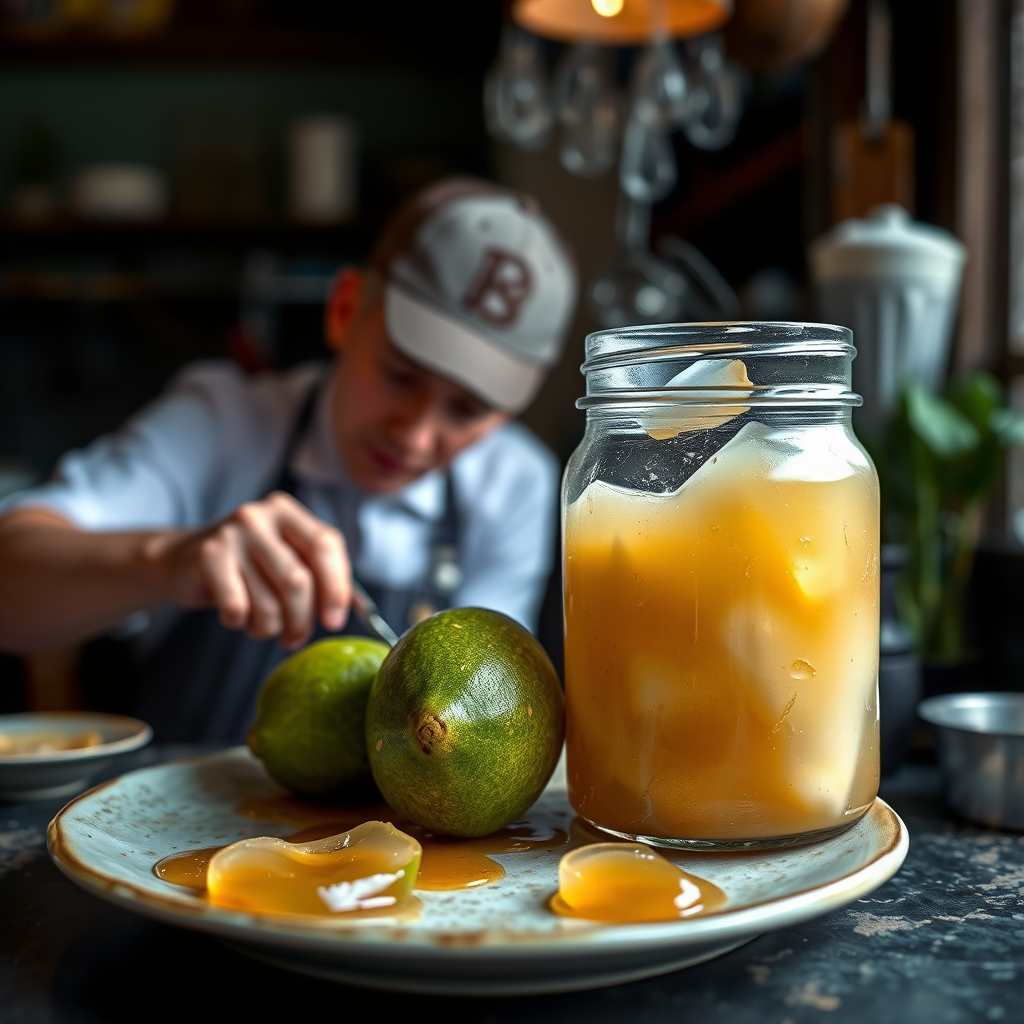
Certain conditions should prompt you to reconsider attempting this recipe. Do not proceed if your guavas show signs of mold or significant bruising, as these can compromise both the safety and taste of the jelly. Additionally, avoid making guava jelly if you lack the appropriate canning equipment, such as a boiling water bath canner or proper jars, which are critical for ensuring food safety. Using alternative sweeteners or pectin brands without verifying their compatibility can also alter the chemistry and safety of the jelly. Lastly, if your kitchen environment is not clean or you’re not adhering to proper hygiene practices, refrain from making guava jelly to prevent contamination.
The Most Common Mistakes (And Their Consequences)
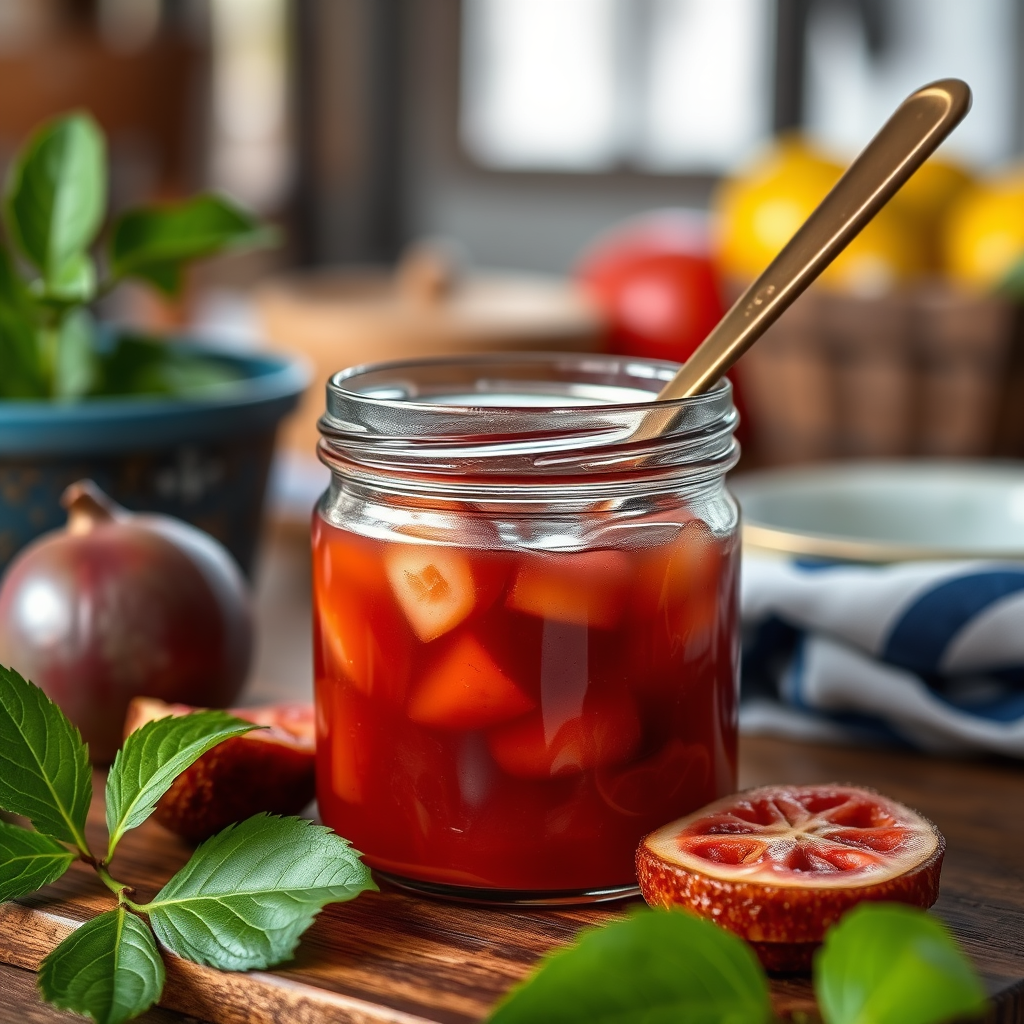
Several common missteps can hinder your success in making guava jelly. A frequent mistake is undercooking the guava mixture, which leads to jelly that doesn’t set properly. To avoid this, always ensure a full boil for at least one minute after adding sugar. Skipping the water bath canning process can result in unsafe jelly that may harbor bacteria; thus, it’s crucial to process jars for the recommended time. Using unripe guavas can yield a jelly that lacks flavor and sweetness, negatively impacting the overall quality. Moreover, not measuring ingredients accurately can disrupt the balance of acidity and sugar, affecting preservation and taste.
Special Cases That Need a Different Approach
In certain scenarios, adjustments are necessary for successful guava jelly production. If you are using frozen guava pulp, ensure it is thawed completely and drained of excess liquid before cooking; you may also need to adjust the sugar based on the sweetness of the frozen pulp. For those allergic to pectin, consider using a natural thickening agent like apple juice concentrate, keeping in mind that this may require a different cooking time and method. When making a smaller batch, be sure to reduce the proportions while maintaining the correct ratios of guava pulp, sugar, and pectin for jelly formation. Lastly, if you wish to experiment with flavor additions, such as herbs or spices, start with small amounts to assess their impact on the setting and flavor profile of the guava jelly.
When You Need a Professional
There are times when seeking professional guidance is essential. If you have concerns about food safety, such as potential contamination or improper canning techniques, consult a certified home economist or food safety expert. If you’re planning to scale up production significantly, it’s wise to seek advice from a licensed canning expert, as this may introduce complexities related to preservation and safety. Should you encounter repeated issues with jelly not setting, consulting with a food scientist or preserving expert can help evaluate your technique and ingredients. Finally, if you have dietary restrictions or allergies, particularly when using alternative ingredients, it’s advisable to consult a nutritionist for tailored advice on safe jelly-making practices.
Sources and Further Reading
– National Center for Home Food Preservation: Guidelines on safe canning practices and preserving fruits, including guava.
– USDA Complete Guide to Home Canning: Detailed standards for preserving fruit jellies and the science behind pectin.
– “The Joy of Jams, Jellies, and Other Sweet Preserves” by Nancy Baggett: A comprehensive resource for homemade preserves, including fruit-specific recipes.
– University Extension Services: Local resources often provide research-based recipes and safety information specific to canning and preserving fruits like guava.
Frequently Asked Questions
What ingredients do I need for a basic guava jelly recipe?
To make a basic guava jelly, you will need ripe guavas, granulated sugar, lemon juice, and pectin. The guavas should be washed and mashed to extract the juice, while the sugar helps preserve the jelly and enhances its sweetness. Pectin is crucial for achieving the right jelly consistency, so make sure to choose a high-quality product.
How do I ensure my guava jelly sets properly?
To ensure your guava jelly sets properly, it’s important to follow the pectin package instructions closely, including the correct ratios of fruit juice to sugar. Additionally, boiling the mixture for the specified time and ensuring that you reach the proper temperature (usually around 220°F or 104°C) will help achieve the desired jelly consistency. Testing for doneness with a cold plate method can also be effective.
Why is my guava jelly too runny, and how can I fix it?
If your guava jelly turns out too runny, it may be due to insufficient pectin or not boiling it long enough. To fix this, you can reheat the jelly, add more pectin, and boil for an additional 1-2 minutes. Alternatively, you can make a new batch of guava juice with additional fruit and mix it in to help thicken the jelly.
What is the best way to store homemade guava jelly?
The best way to store homemade guava jelly is in sterilized glass jars with airtight lids. After filling the jars, ensure they are sealed properly and store them in a cool, dark place. If you plan to keep the jelly for an extended period, refrigeration is recommended, and properly canned jelly can last up to a year in a pantry.
Which guava varieties are best for making jelly?
The best guava varieties for making jelly include the pink guava and the white guava, as they have a high sugar content and rich flavor. The pink guava is particularly favored for its vibrant color and aroma, making it ideal for visually appealing jelly. Always choose ripe, fragrant guavas for the best taste and jelly consistency.
References
- Guava
https://en.wikipedia.org/wiki/Guava - The novel cardiac z-disc protein CEFIP regulates cardiomyocyte hypertrophy by modulating calcineu…
https://www.ncbi.nlm.nih.gov/pmc/articles/PMC5602380/ - https://www.sciencedirect.com/science/article/pii/S2214784317301043
https://www.sciencedirect.com/science/article/pii/S2214784317301043 - https://www.britannica.com/plant/guava
https://www.britannica.com/plant/guava - Spectrofluorimetric estimation of salbutamol sulphate in different dosage forms by formation of i…
https://www.ncbi.nlm.nih.gov/pmc/articles/PMC3658014/ - https://pubmed.ncbi.nlm.nih.gov/24426631/
https://pubmed.ncbi.nlm.nih.gov/24426631/ - Google Scholar Google Scholar
https://scholar.google.com/scholar?q=guava+jelly+recipes - Google Scholar Google Scholar
https://scholar.google.com/scholar?q=guava+preservation+methods - Google Scholar Google Scholar
https://scholar.google.com/scholar?q=guava+jam+and+jelly+recipes - https://www.healthline.com/nutrition/guava-benefits#1
https://www.healthline.com/nutrition/guava-benefits#1