Mastering the art of making grape juice jelly requires precision and knowledge of safe canning practices. This expert guide provides a step-by-step recipe along with essential tips to ensure a delicious and safe outcome. Following the right protocol not only enhances flavor but also ensures food safety, making it crucial for both novice and experienced canners alike. Dive into the world of grape juice jelly with confidence and creativity.
What This Guide Covers (And What It Doesn’t)
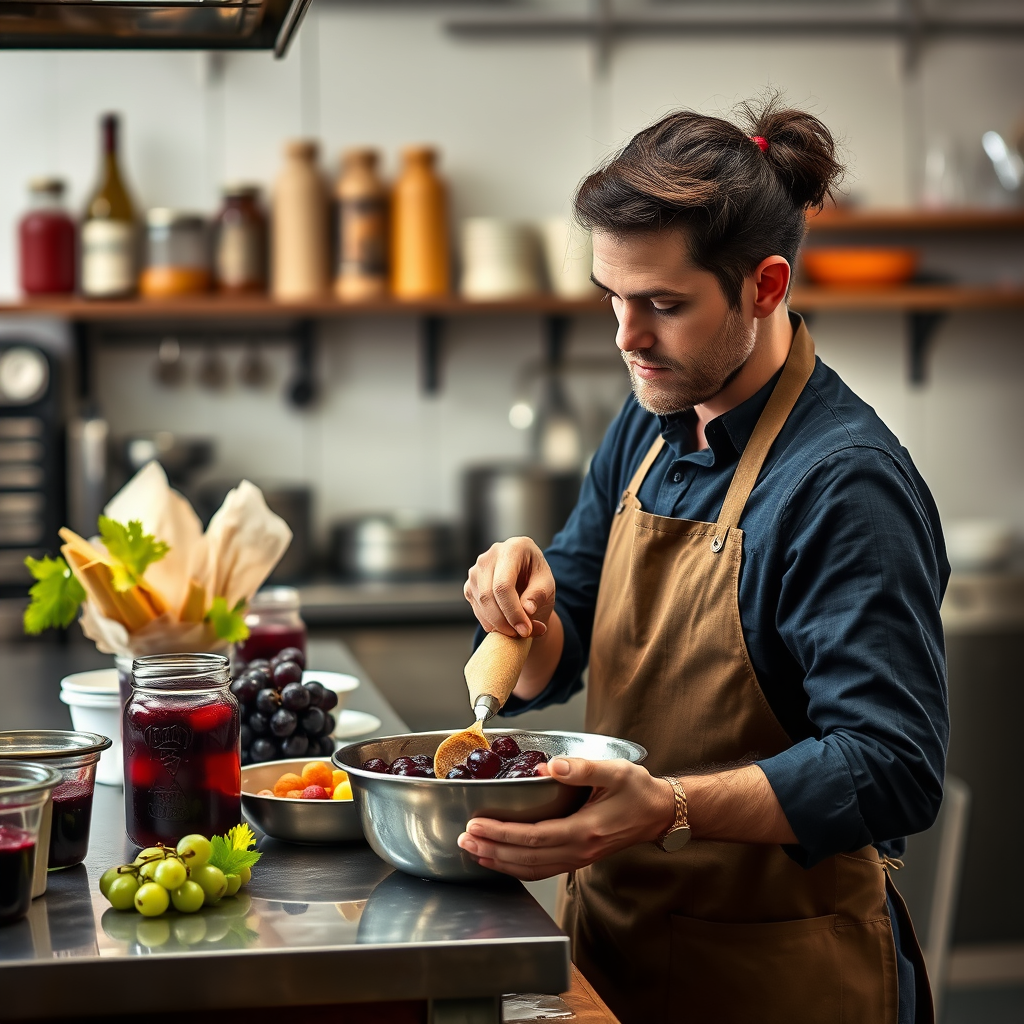
This guide offers a comprehensive, step-by-step recipe for making grape juice jelly safely and effectively. It includes precise ingredient measurements and processing times, focusing specifically on commercially prepared grape juice. This approach makes the process accessible for home cooks without the need for juicing fresh grapes. However, it does not address alternative jelly recipes or methods for making grape jelly from fresh grapes, nor does it delve into canning techniques beyond what is essential for this specific recipe.
Who Should Read This
This guide is aimed at home cooks who possess basic kitchen safety knowledge and are eager to create their own jelly using grape juice. It is particularly suited for individuals who enjoy preserving foods and wish to enhance their jelly-making skills, even without prior experience. Those unfamiliar with food preservation methods or with limited cooking experience may find this guide challenging and should consider consulting more foundational resources before proceeding with the recipe.
The Step-by-Step Protocol
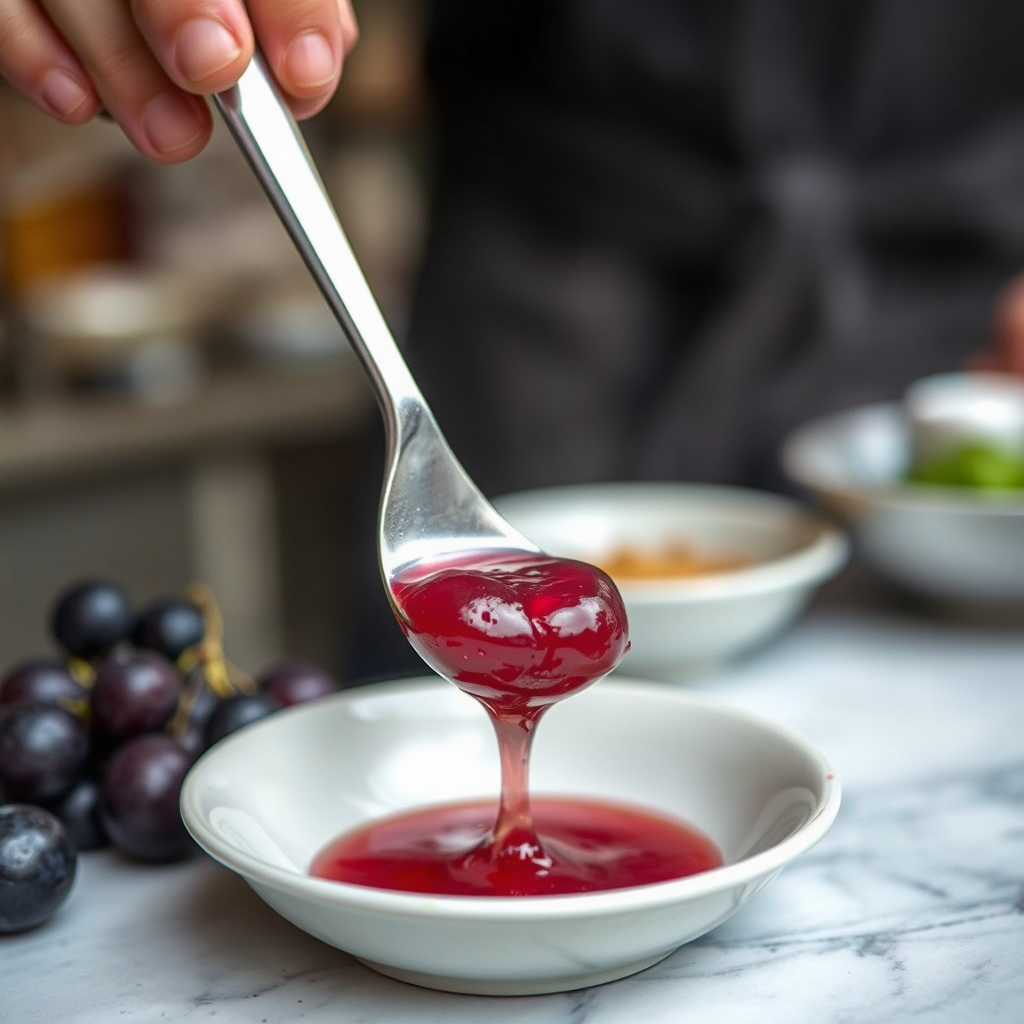
1. Gather Ingredients and Supplies: Start by collecting 4 cups of 100% grape juice (preferably without preservatives), 1/4 cup of lemon juice, 1 package (1.75 oz) of fruit pectin, and 5 cups of granulated sugar. Ensure you have clean jars, lids, and a large pot for boiling.
2. Prepare the Jelly Mixture: In a large pot, combine the grape juice and lemon juice. Stir in the fruit pectin, then bring the mixture to a rapid boil over medium-high heat, stirring constantly.
3. Add Sugar: Once boiling, quickly add 5 cups of granulated sugar to the pot. Stir continuously until the mixture returns to a full rolling boil, then boil for exactly 1 minute to ensure proper gel formation.
4. Pour into Sterilized Jars: Remove the pot from heat and skim off any foam. Carefully pour the jelly into sterilized jars, leaving about 1/4 inch of headspace. Wipe the rims of the jars with a clean cloth to ensure a proper seal.
5. Process the Jars: If you are canning the jelly for long-term storage, process the jars in a boiling water bath for 5-10 minutes. This step is crucial for achieving a vacuum seal and extending shelf life; adjust the time based on your altitude.
6. Cool and Store: Allow the jars to cool completely at room temperature. Once cooled, check that the tops are concave, indicating a proper seal. Store the jelly in a cool, dark place for optimal preservation.
Nutritional Comparison of Grape Juice Jelly (Per Serving)
| # | Nutrient | Amount | % Daily Value |
|---|---|---|---|
| 1 | Calories | 50 | 2% |
| 2 | Total Fat | 0g | 0% |
| 3 | Sodium | 5mg | 0% |
| 4 | Total Carbohydrates | 13g | 5% |
| 5 | Sugars | 12g | N/A |
| 6 | Protein | 0g | 0% |
| 7 | Vitamin C | 1mg | 2% |
| 8 | Calcium | 1mg | 0% |
| 9 | Iron | 0mg | 0% |
| 10 | Potassium | 25mg | 1% |
Warning Signs: When Not to Follow This
– If the grape juice has been opened for more than 7 days or shows any signs of spoilage, such as an off smell or visible mold, do not use it for making jelly.
– Avoid attempting this recipe if you lack proper canning equipment or are unfamiliar with safe canning practices, as this could lead to food safety issues.
– Do not proceed with the recipe if you cannot accurately measure ingredients; precision is critical for the jelly to set correctly.
The Most Common Mistakes (And Their Consequences)
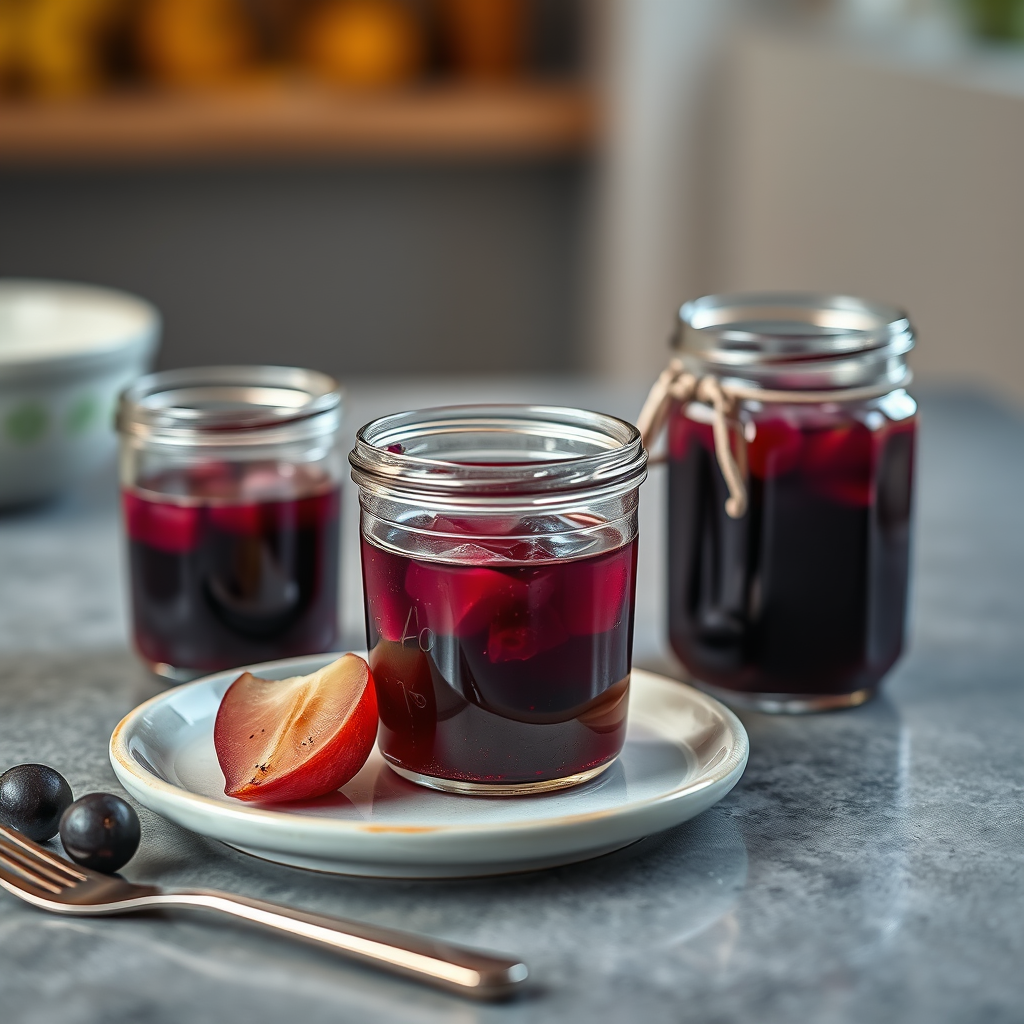
– Failing to measure pectin accurately can result in jelly that does not set, leading to a syrupy consistency instead of a firm jelly. This makes the final product unsuitable for spreading or serving as intended.
– Skipping the boiling step after adding sugar can prevent proper gelling, resulting in a product that spoils quickly or remains liquid. The jelly must achieve a full rolling boil for the correct duration to ensure proper preservation.
– Not sterilizing jars correctly can introduce bacteria, leading to spoilage or foodborne illness and negating the purpose of preserving the jelly. Always ensure jars are sanitized through boiling or by using a dishwasher.
Special Cases That Need a Different Approach
– If you are making jelly at high altitudes (above 1,000 feet), you may need to adjust the boiling time to ensure proper gelling. Consult specific altitude adjustment charts for jelly making to guarantee adequate processing.
– For those with dietary restrictions, consider using low-sugar pectin and adjusting the sugar content accordingly. This will require precise measurements and a different cooking approach to achieve the desired set.
– If you wish to incorporate flavors or additional fruits, ensure that any additions do not exceed the total liquid volume or alter the sugar-to-pectin ratio necessary for setting. It’s often best to start with small quantities to gauge their impact on the final product.
When You Need a Professional
– If you have concerns about food safety, such as uncertainties regarding ingredient quality or proper preservation methods, consult a food safety expert or your local extension service to ensure best practices.
– Should you experience any adverse reactions while consuming homemade jelly, such as allergic responses or gastrointestinal distress, seek medical attention immediately.
– If you intend to sell or distribute your grape juice jelly commercially, consult with a food safety professional to ensure compliance with local regulations and safe food handling practices.
Sources and Further Reading
– National Center for Home Food Preservation (nchfp.uga.edu): Provides research-based guidelines on canning and preserving food safely.
– USDA Complete Guide to Home Canning: Offers comprehensive information on safe canning practices and recipes, including jelly and preserves.
– Ball Canning Products: A trusted resource for canning supplies and instructions, including specific recipes for fruit jellies and preserves.
By following this expert guide, you can create delicious grape juice jelly that is not only enjoyable but also safe for consumption. Happy jelly making!
Frequently Asked Questions
What ingredients do I need for a grape juice jelly recipe?
To make grape juice jelly, you will need 4 cups of grape juice, 1/4 cup of lemon juice, 1 package (1.75 oz) of fruit pectin, and 5 cups of granulated sugar. These ingredients are key to achieving the perfect flavor and texture in your jelly.
How do I properly prepare grape juice for jelly making?
To prepare grape juice for jelly making, you can use either store-bought grape juice or make your own by crushing fresh grapes and straining the juice. Ensure the juice is free from any solids and debris, as this will help create a smooth jelly consistency.
Why is pectin important in a grape juice jelly recipe?
Pectin is crucial in a grape juice jelly recipe because it acts as a gelling agent, helping the jelly to set properly. Without enough pectin, the jelly may turn out runny or fail to hold its shape, resulting in a less desirable texture.
What is the best method for canning grape juice jelly?
The best method for canning grape juice jelly involves using a water bath canner. Fill jars with hot jelly, leaving appropriate headspace, and process them in boiling water for 5 to 10 minutes to ensure they are sealed properly and safe for long-term storage.
Which types of grapes are best for making homemade grape juice jelly?
Concord grapes are the best variety for making homemade grape juice jelly due to their rich flavor and natural sweetness. However, other grape varieties like Niagara or Catawba can also be used, though they may yield different taste profiles in your jelly.
References
- Fruit preserves
https://en.wikipedia.org/wiki/Jam - Suspension syndrome: a potentially fatal vagally mediated circulatory collapse—an experimental ra…
https://www.ncbi.nlm.nih.gov/pmc/articles/PMC6517360/ - Fever in Infants: Assessing Variability in Sepsis Evaluation – PMC
https://www.ncbi.nlm.nih.gov/pmc/articles/PMC5630908/ - https://www.jstor.org/stable/10.5325/jusfres.5.1.0123
https://www.jstor.org/stable/10.5325/jusfres.5.1.0123 - https://www.sciencedirect.com/topics/agricultural-and-biological-sciences/jelly
https://www.sciencedirect.com/topics/agricultural-and-biological-sciences/jelly - https://www.extension.purdue.edu/extmedia/FNR/FNR-466-W.pdf
https://www.extension.purdue.edu/extmedia/FNR/FNR-466-W.pdf - https://www.extension.iastate.edu/publications/pm1953.pdf
https://www.extension.iastate.edu/publications/pm1953.pdf - https://www.foodsafety.gov/food-safety-charts/canning-jams-jellies
https://www.foodsafety.gov/food-safety-charts/canning-jams-jellies - Google Scholar Google Scholar
https://scholar.google.com/scholar?q=grape+juice+jelly+recipe - Google Scholar Google Scholar
https://scholar.google.com/scholar?q=homemade+jelly+recipes