Master the art of making grape jelly from fresh grapes with this comprehensive expert guide. This resource provides step-by-step instructions, essential tips, and precise measurements to ensure your jelly achieves the perfect consistency and flavor. Following the right protocol is crucial not only for taste but also for food safety and preservation, making this guide indispensable for both novice and seasoned canners.
What This Guide Covers (And What It Doesn’t)
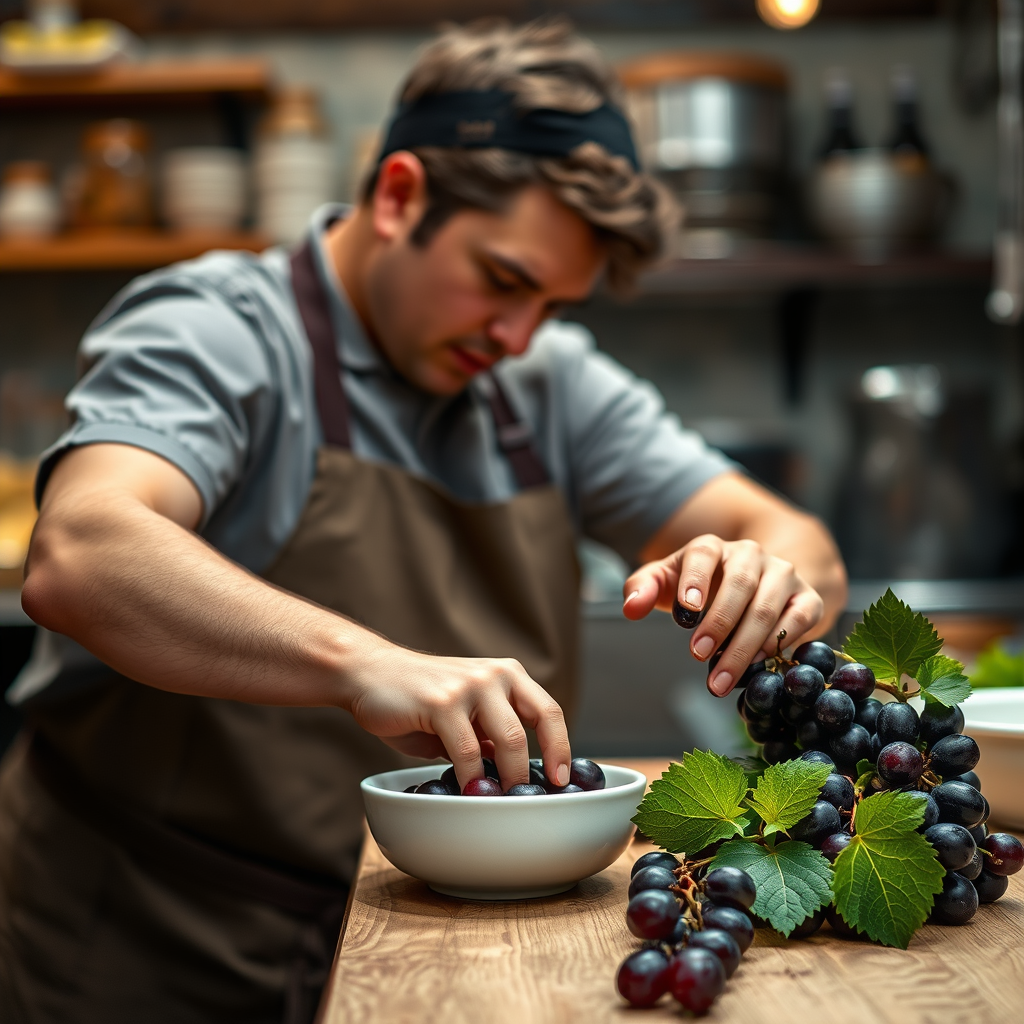
This comprehensive guide offers a clear, step-by-step process for making grape jelly using fresh grapes, while also highlighting the grape varieties that yield the best results. You’ll find detailed information on essential ingredients, equipment, and techniques tailored specifically for grape jelly-making, all aimed at helping you achieve a smooth and flavorful product. However, this guide does not explore alternative jelly recipes or methods involving grape juice or commercial pectin; it focuses exclusively on the use of fresh grapes. If you’re searching for unrelated jelly recipes or prefer store-bought options, you may find this guide less relevant.
Who Should Read This
This guide is tailored for home cooks who possess a basic understanding of canning and preserving but wish to hone their skills in making grape jelly from scratch. It’s perfect for anyone with access to fresh grapes, whether from backyard vines or local farmers’ markets, eager to transform these fruits into homemade preserves. While beginners without prior jelly-making experience can still benefit, having some knowledge of boiling water canning methods will enhance your success. Professional chefs or those seeking advanced culinary techniques might find this guide too elementary, as it centers on straightforward, home-friendly methods.
The Step-by-Step Protocol
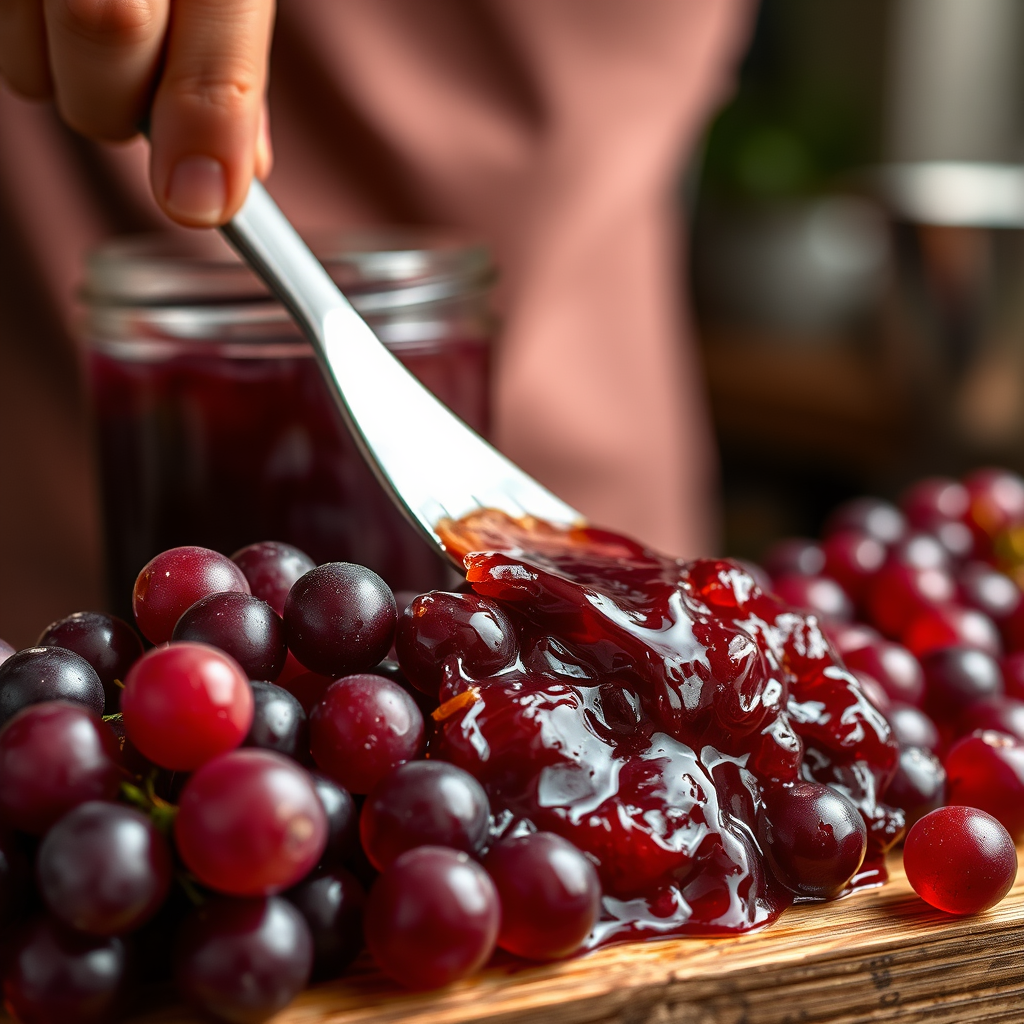
1. Select and Prepare Grapes: Choose 4 pounds of ripe grapes, preferably Concord or another high-pectin variety. Rinse thoroughly under cold water and remove stems.
2. Extract Juice: Crush the grapes using a potato masher or food processor, then place them in a large, non-reactive pot. Add 1 cup of water and heat over medium until boiling, stirring occasionally. Simmer for 10-15 minutes to release the juice.
3. Strain the Juice: Use a fine-mesh strainer or cheesecloth to separate the juice from the solids. You should yield approximately 4 cups of grape juice. Discard the solids.
4. Cook the Jelly: In a clean pot, combine the grape juice with 5 cups of granulated sugar and 1/4 cup of lemon juice. Bring the mixture to a rolling boil over high heat, stirring constantly until the sugar dissolves.
5. Check for Doneness: Use a candy thermometer to monitor the temperature; the mixture should reach 220°F (104°C). Alternatively, perform a spoon test: the jelly should coat the back of a spoon evenly.
6. Jar the Jelly: Pour the hot jelly into sterilized canning jars, leaving 1/4 inch of headspace. Wipe the rims clean and seal with sterilized lids and bands.
7. Process in a Water Bath: Process the jars in a boiling water bath for 5-10 minutes to ensure proper sealing and shelf stability. Allow to cool completely on a kitchen towel before labeling.
Top 7 Grape Varieties for Jelly Making
| # | Grape Variety | Pectin Level | Flavor Profile | Best For |
|---|---|---|---|---|
| 1 | Concord | High | Sweet, Fruity | Jelly |
| 2 | Niagara | Medium | Light, Floral | Jelly |
| 3 | Thompson Seedless | Low | Mild, Sweet | Not Recommended |
| 4 | Mars | Medium | Sweet, Juicy | Jelly |
| 5 | Catawba | Medium | Tangy, Sweet | Jelly |
| 6 | Muscadine | High | Bold, Sweet | Jelly |
| 7 | Blue Concord | High | Rich, Sweet | Jelly |
Warning Signs: When Not to Follow This
When embarking on your grape jelly-making adventure, be cautious. If your grapes are overripe, moldy, or emit an off smell, do not use them; these can spoil the jelly and pose health risks. Similarly, avoid this recipe if you have allergies to any ingredients, particularly grapes or citric acid found in lemon juice. Ensure you have proper canning equipment, such as a water bath canner and sterilized jars; inadequate sealing can lead to spoilage. If you’re unfamiliar with safe canning practices, or if your health requires a specialized diet, consult with a food preservation expert before proceeding.
The Most Common Mistakes (And Their Consequences)
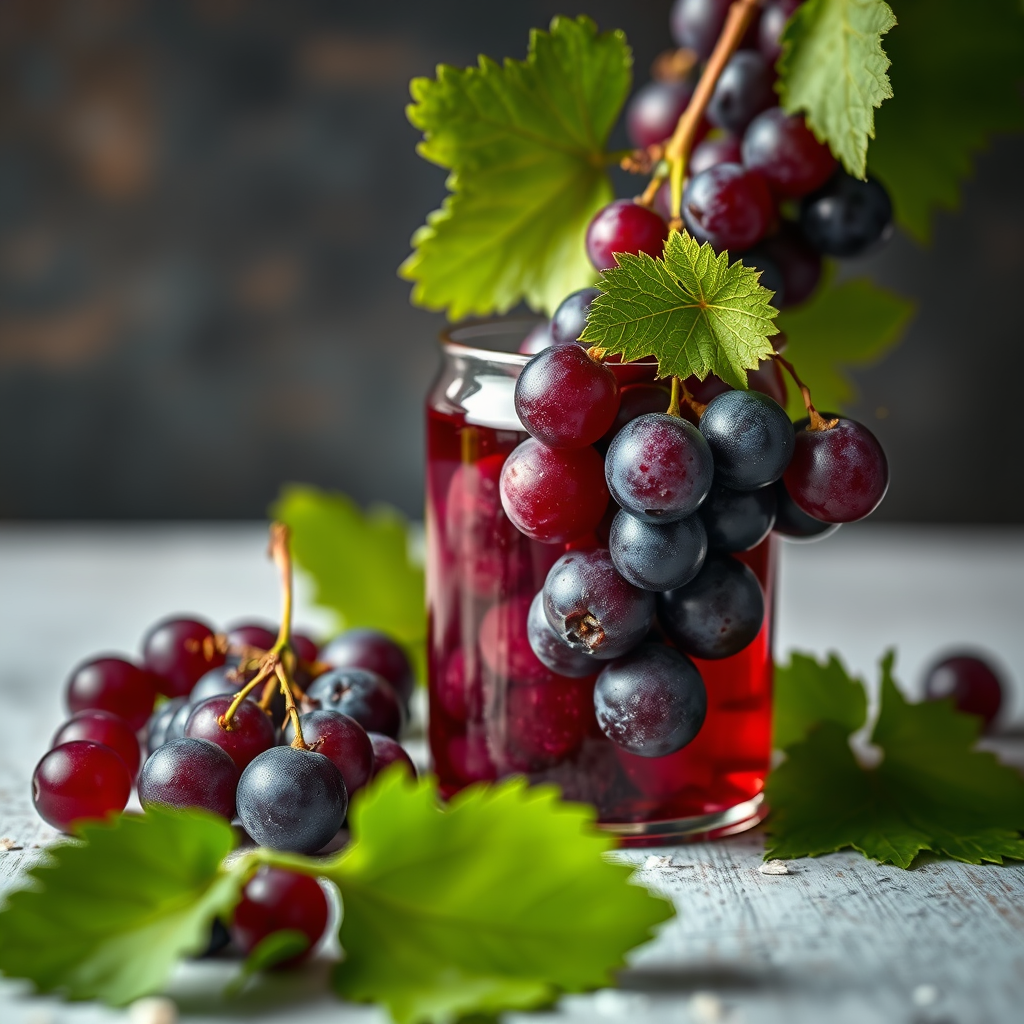
Several pitfalls can derail your jelly-making process. Using low-pectin grape varieties can result in a syrupy consistency instead of firm jelly; always opt for high-pectin varieties like Concord or Muscadine. Failing to sterilize jars and lids introduces bacteria, risking spoilage and foodborne illness, so always ensure your canning materials are properly cleaned. Not accurately checking the temperature can lead to jelly that is either overcooked or undercooked, compromising flavor and texture; a reliable candy thermometer is essential. Additionally, skipping the water bath processing step can prevent jars from sealing correctly, resulting in spoilage and wasted effort.
Special Cases That Need a Different Approach
Some situations warrant a unique approach. If you’re using hybrid or unusual grape varieties, adjust the sugar content and cooking time based on their pectin levels; specific guides for these varieties can be invaluable. For those with dietary restrictions, consider sugar substitutes like erythritol or stevia, but keep in mind that these may alter the taste and texture of the final product. If you’re located in a high-altitude area, adjustments in cooking times and temperatures may be necessary; consulting high-altitude canning guidelines is recommended. Lastly, if you prefer a less sweet jelly, you can reduce the sugar by up to 1 cup, but be prepared for potential changes in set and flavor balance.
When You Need a Professional
There are times when seeking professional advice is crucial. If you’re unsure about the safety of your canning methods or suspect spoilage in your ingredients, consult a licensed food preservation expert. Should you experience adverse reactions after consuming grape jelly made from your own recipe, reach out to a healthcare professional to rule out foodborne illness. For those canning on a larger scale for commercial purposes, engaging a food safety consultant is essential to ensure compliance with health regulations. Lastly, if you’re considering alterations to standard recipes due to dietary needs or health conditions, a consultation with a nutritionist or dietitian can provide personalized guidance.
Sources and Further Reading
– USDA Complete Guide to Home Canning: A comprehensive resource for safe canning practices, including jelly-making techniques and preservation standards.
– “The Joy of Cooking” by Irma S. Rombauer: A classic cookbook that includes traditional recipes for grape jelly and other preserves.
– National Center for Home Food Preservation: Provides science-based information on home canning and food preservation methods, along with troubleshooting tips.
– “The Complete Book of Home Preserving” by Ball: A detailed guide featuring recipes and techniques for making various types of preserves, including grape jelly from fresh grapes.
Frequently Asked Questions
What ingredients do I need for a homemade grape jelly recipe from grapes?
To make grape jelly from fresh grapes, you will need about 4 cups of crushed grapes, 1/4 cup of lemon juice, and 5 cups of granulated sugar. Additionally, you’ll need a package of fruit pectin to help the jelly set properly. Make sure to choose ripe grapes for the best flavor.
How do I make grape jelly from scratch using fresh grapes?
To make grape jelly from scratch, start by washing and crushing your grapes in a large pot. Add water and bring to a boil, then simmer for about 10 minutes. Strain the mixture to extract the juice, then combine it with sugar and pectin, boiling again until it reaches the desired thickness. Finally, pour into sterilized jars and seal.
Why is my grape jelly not setting properly?
If your grape jelly isn’t setting, it may be due to insufficient pectin or not cooking it long enough. Make sure to measure ingredients accurately and follow the cooking times in the recipe. Additionally, using overly ripe grapes can lead to a jelly that doesn’t firm up well, so opt for grapes that are just ripe.
What is the best type of grapes to use for making grape jelly?
The best type of grapes for making grape jelly are Concord grapes, as they have a rich flavor and high pectin content, making them ideal for jelly. Other varieties, such as Niagara or muscadine grapes, can also be used, but may require different adjustments in cooking time and sugar amounts.
Which tools do I need for canning grape jelly successfully?
To can grape jelly successfully, you will need a large pot for boiling the jelly, a canning funnel for pouring into jars, and a jar lifter for safely handling hot jars. Additionally, having a ladle, a thermometer to check the jelly’s temperature, and sterilized jars and lids is essential for proper canning and food safety.
References
- Jelly
https://en.wikipedia.org/wiki/Jelly - https://www.extension.purdue.edu/extmedia/FS/FS-50-W.pdf
https://www.extension.purdue.edu/extmedia/FS/FS-50-W.pdf - Page not found
https://www.clemson.edu/extension/food/food_safety/recipes/fruit/jelly.html - https://www.nifa.usda.gov/resource/blueberry-jelly-recipe
https://www.nifa.usda.gov/resource/blueberry-jelly-recipe - https://www.uga.edu/
https://www.uga.edu/ - Google Scholar Google Scholar
https://scholar.google.com/scholar?q=grape+jelly+recipe+from+grapes - Google Scholar Google Scholar
https://scholar.google.com/scholar?q=homemade+grape+jelly+recipe - Google Scholar Google Scholar
https://scholar.google.com/scholar?q=making+jelly+from+grapes - https://www.sciencedirect.com/topics/agricultural-and-biological-sciences/jelly
https://www.sciencedirect.com/topics/agricultural-and-biological-sciences/jelly - https://www.britannica.com/topic/jelly-food
https://www.britannica.com/topic/jelly-food