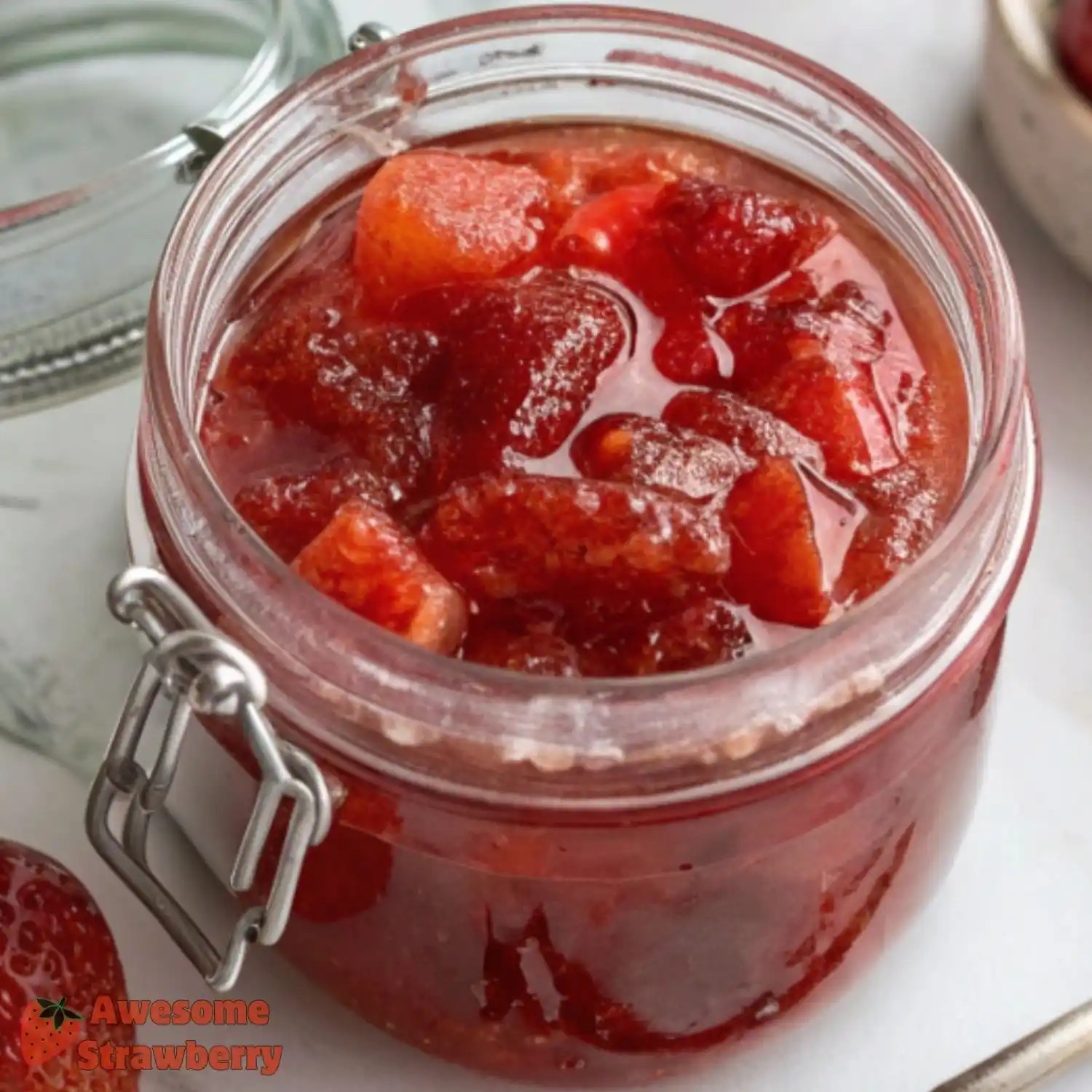
Master the art of making freezer strawberry jelly with this expert guide, designed for home cooks seeking a reliable recipe and safe preservation techniques. This comprehensive resource covers everything from selecting ripe strawberries to achieving the perfect jelly consistency, ensuring your homemade treat is not only delicious but also safe for your family. Following the right protocols is essential for maintaining flavor and preventing spoilage, making this guide an invaluable tool in your kitchen.
What This Guide Covers (And What It Doesn’t)
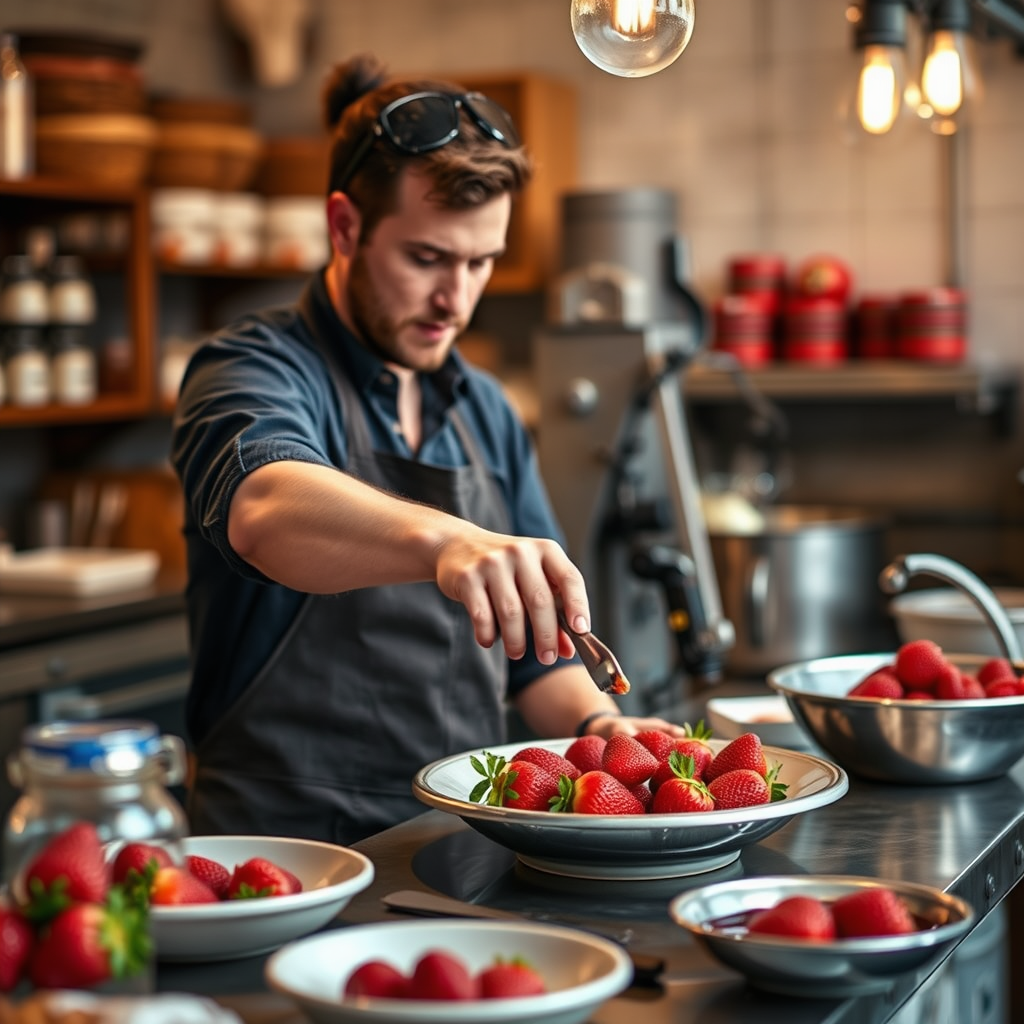
This guide offers a comprehensive, step-by-step procedure for making freezer strawberry jelly, with a strong emphasis on safety, ingredient selection, and effective storage techniques. You’ll discover the essential equipment and ingredients needed, as well as the science behind freezer jelly, particularly regarding the critical roles of pectin and sugar ratios. Importantly, this guide does not cater to those interested in traditional canning methods; instead, it focuses exclusively on the freezer jelly process, which bypasses the need for heat processing. If you’re looking for alternative fruit jelly recipes or advanced canning techniques, you may find this guide less relevant.
Who Should Read This
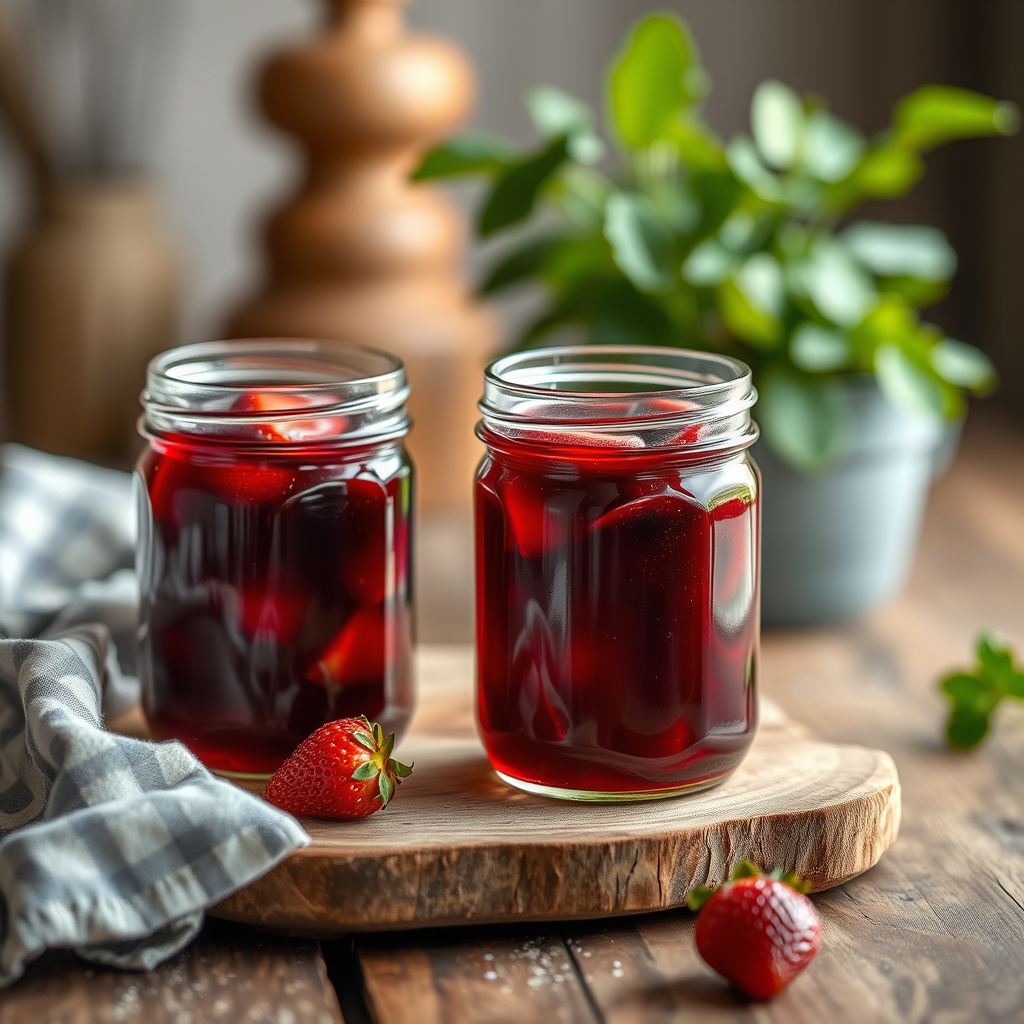
Ideal for home cooks and food enthusiasts, this guide is perfect for anyone eager to preserve seasonal strawberries with minimal fuss. It targets individuals who possess a basic understanding of cooking but may lack experience in jelly-making or food preservation. If you have access to fresh strawberries and a freezer, you’ll find this guide invaluable for maximizing your fruit usage and reducing waste. Those seeking quick, straightforward recipes without the complexities of traditional canning will benefit the most from these insights.
The Step-by-Step Protocol
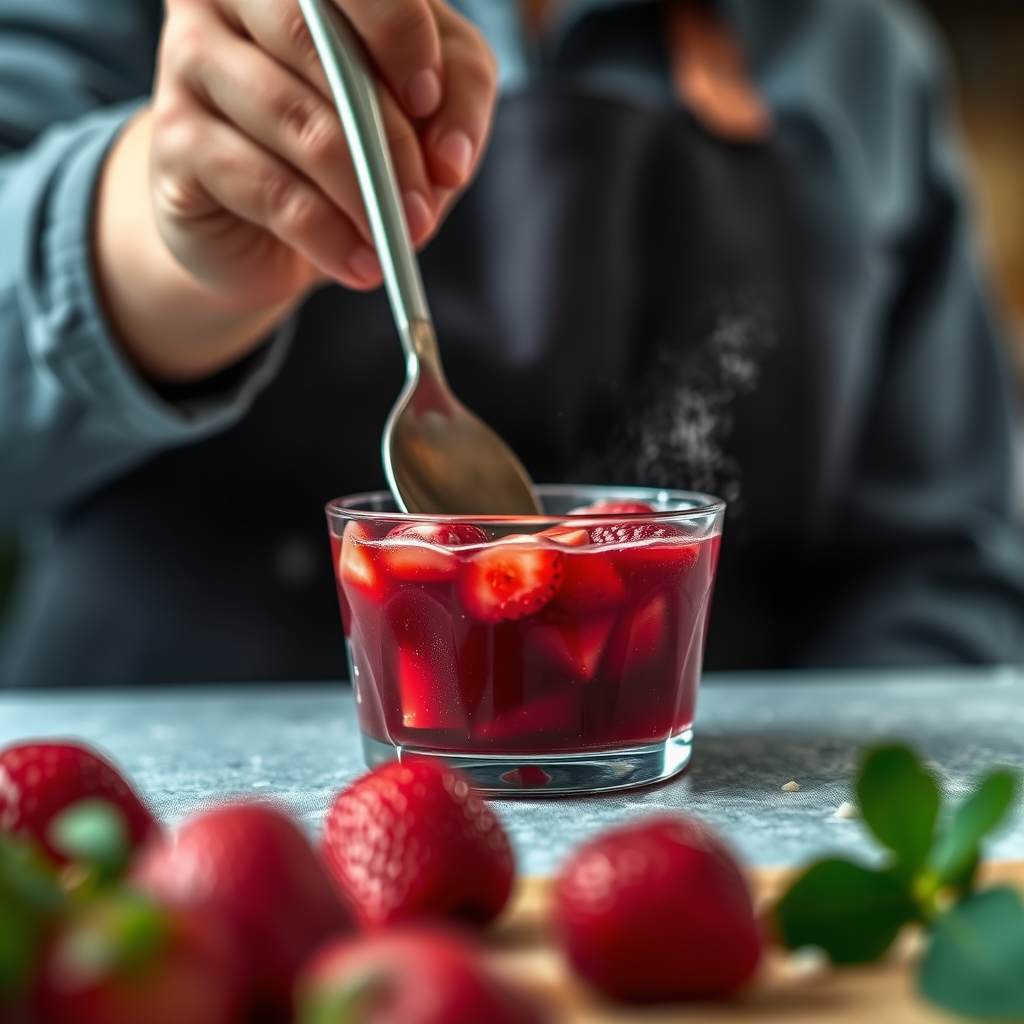
1. Gather Your Ingredients: Start with 2 cups of fresh, ripe strawberries, 2 cups of granulated sugar, and 1 package (1.75 oz) of low-sugar pectin. Ensure the strawberries are free from blemishes and bruises to maintain both flavor and safety.
2. Prepare the Strawberries: Wash, hull, and mash the strawberries in a large mixing bowl until you achieve a consistent puree. This can be accomplished with a potato masher or a food processor, ensuring that no large chunks remain for even consistency.
3. Combine Ingredients: In a separate bowl, mix the mashed strawberries with the sugar. Allow this mixture to sit for 10 minutes, which helps the sugar dissolve and draws out the juices, a critical step for achieving the desired texture.
4. Add Pectin: Stir in the low-sugar pectin, mixing thoroughly for about 2 minutes until it is fully dissolved. This step is essential, as it ensures the jelly sets properly; skipping it is not advisable.
5. Pour into Containers: Using a funnel, transfer the mixture into clean, freezer-safe jars, leaving about 1/2 inch of headspace for expansion. This space is necessary to accommodate the jelly as it freezes.
6. Freeze: Seal the jars tightly and place them in the freezer. Allow at least 24 hours for the jelly to set before using it. Proper freezing is crucial for achieving the desired jelly consistency.
Freezer Strawberry Jelly Nutritional Insights
| # | Nutritional Component | Per 1 Tablespoon (15g) | % Daily Value |
|---|---|---|---|
| 1 | Calories | 50 | 2% |
| 2 | Total Carbohydrates | 12g | 4% |
| 3 | Sugars | 11g | N/A |
| 4 | Protein | 0g | N/A |
| 5 | Fat | 0g | N/A |
| 6 | Vitamin C | 5% DV | 5% |
| 7 | Calcium | 0% DV | 0% |
Warning Signs: When Not to Follow This
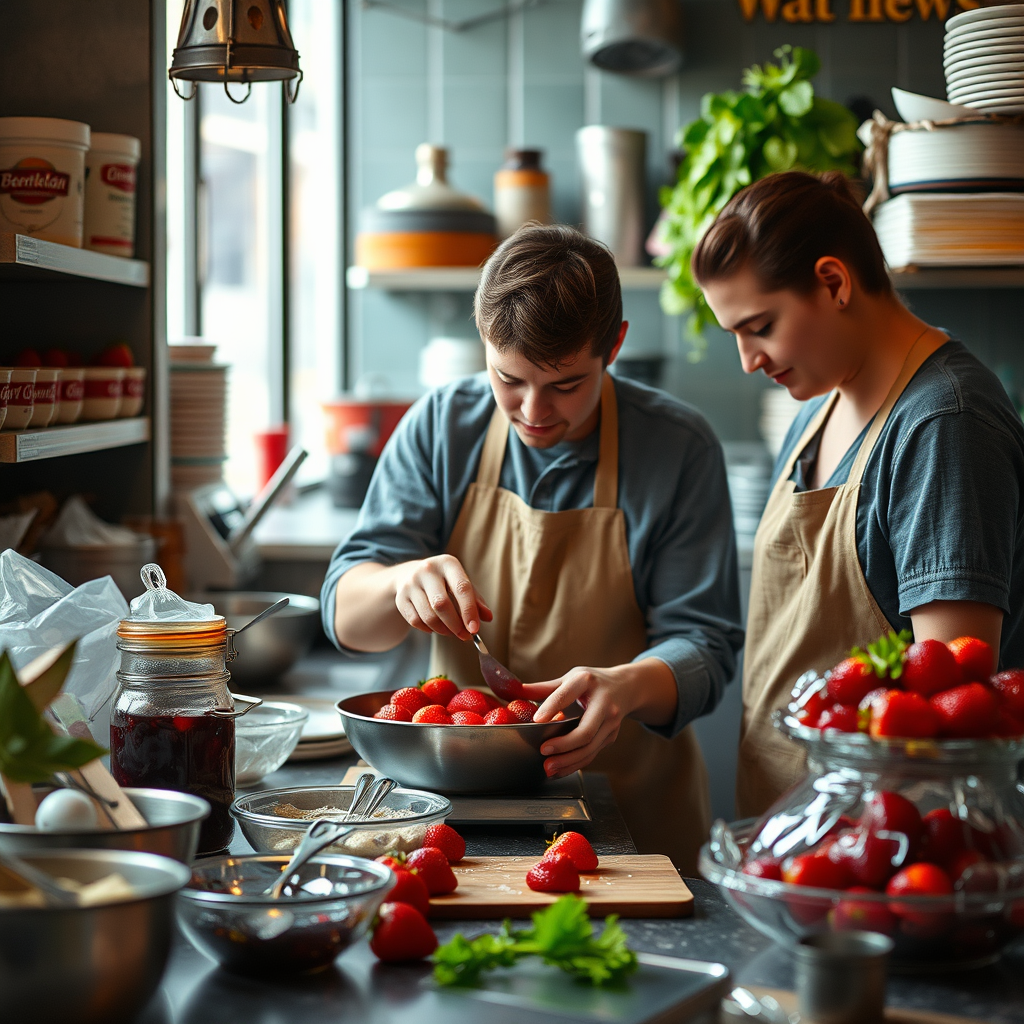
Avoid making freezer strawberry jelly if your strawberries are overripe, mushy, or displaying signs of spoilage, as this can compromise both flavor and safety. If you have allergies to any of the ingredients, particularly strawberries or pectin, consult ingredient labels before proceeding. Additionally, if you lack suitable storage containers or adequate freezer space, it’s best to refrain from making this jelly, as improper storage can lead to spoilage or freezer burn. Maintaining a consistent freezer temperature of 0°F (-18°C) or lower is crucial; otherwise, the jelly may not set correctly and could spoil over time.
The Most Common Mistakes (And Their Consequences)
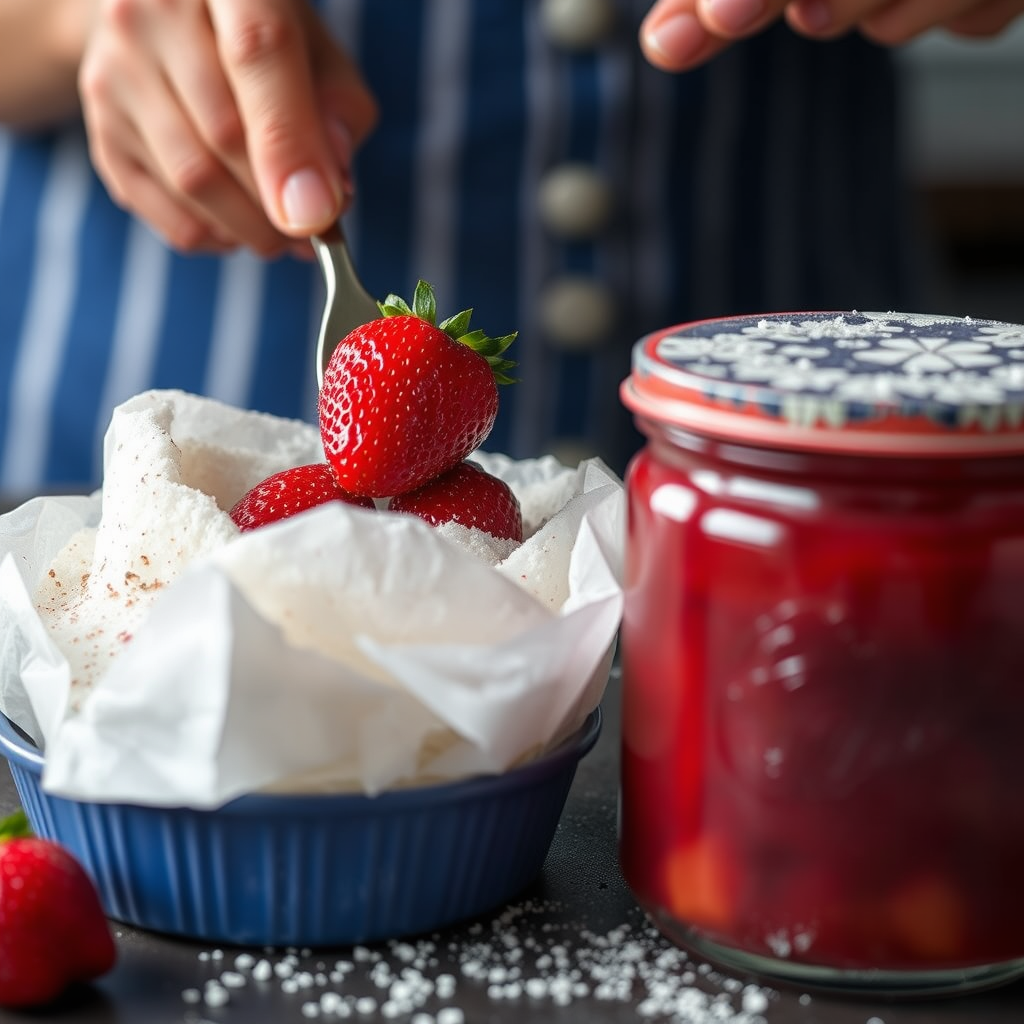
One of the most frequent pitfalls is failing to measure ingredients accurately, which can result in jelly that is either too runny or excessively sweet. Always use precise measurements for the best results. Not allowing the mixture to sit after adding sugar can hinder proper dissolution, resulting in a gritty texture in the final product. Additionally, using jars not designed for freezing can lead to breakage or leakage, so always opt for BPA-free, freezer-safe containers. Lastly, skipping the recommended setting time in the freezer can yield a jelly that is too soft and won’t hold its shape when served.
Special Cases That Need a Different Approach
If you wish to experiment with other fruits, such as raspberries or blueberries, adjust the sugar and pectin ratios accordingly to maintain the desired consistency. For those with dietary restrictions, consider using alternative sweeteners, ensuring they are compatible with pectin to achieve proper gelling. In a humid environment, you may need to store the finished jelly in a more controlled setting to prevent excessive moisture that could affect texture. If you’re feeling adventurous, consider adding a small amount of finely chopped jalapeño or ginger for a spicier version; however, this will require careful adjustments to the pectin and sugar levels.
When You Need a Professional
Consult a healthcare provider immediately if you experience any adverse reactions to the jelly, such as allergic symptoms or digestive issues. If you plan to preserve large batches of jelly or wish to explore canning methods, seek guidance from a certified food preservation expert to avoid food safety risks. For questions about safe food storage practices or if you suspect your freezer is malfunctioning, consult a professional appliance technician or food safety expert. In cases of severe food allergies or intolerances, working with a registered dietitian is advisable to ensure the recipe aligns with your health needs.
Sources and Further Reading
– National Center for Home Food Preservation: Offers comprehensive guidelines on safe food preservation methods, including freezing techniques.
– USDA Complete Guide to Home Canning: A valuable resource for understanding food safety and preservation methods, useful for those interested in expanding beyond freezer jelly.
– Pomona’s Pectin: Provides detailed instructions and recipes for making fruit preserves, including variations for low-sugar and no-sugar options.
– Local Cooperative Extension Services: Often provide workshops and resources on food preservation, including freezer jelly making, tailored to regional fruit availability.
Frequently Asked Questions
What ingredients are needed for a freezer strawberry jelly recipe?
To make a simple freezer strawberry jelly, you will need fresh strawberries, granulated sugar, pectin, and lemon juice. The strawberries should be washed, hulled, and mashed before mixing them with sugar and pectin to create a delicious jelly that can be stored in the freezer.
How do I make freezer strawberry jelly step-by-step?
Start by preparing your strawberries by washing and hulling them, then mash them in a bowl. Next, combine the mashed strawberries with sugar and let them sit for about 10 minutes to release their juices. Afterward, dissolve pectin in boiling water and mix it into the strawberry mixture along with lemon juice, then pour it into freezer-safe containers and freeze.
Why is pectin important in a freezer strawberry jelly recipe?
Pectin is a natural thickening agent that helps the jelly set properly, giving it the desired consistency. Without pectin, the jelly may remain too runny and not achieve the gel-like texture that is characteristic of a good jelly, which is essential for spreading on bread or toast.
What is the best way to store homemade freezer strawberry jelly?
The best way to store homemade freezer strawberry jelly is in airtight, freezer-safe containers or jars. Make sure to leave some space at the top of the container to allow for expansion when the jelly freezes, and label each container with the date for easy tracking.
Which type of strawberries is best for making freezer jelly?
The best strawberries for making freezer jelly are ripe, fresh strawberries that are sweet and fragrant. Look for berries that are deep red in color, firm, and free from blemishes, as these will provide the best flavor and sweetness for your jelly.
References
- Fruit preserves
https://en.wikipedia.org/wiki/Jam - https://www.ars.usda.gov/ARSUserFiles/20360500/FreezerJelly.pdf
https://www.ars.usda.gov/ARSUserFiles/20360500/FreezerJelly.pdf - https://extension.unh.edu/resource/freezer-jelly-and-jam-recipe
https://extension.unh.edu/resource/freezer-jelly-and-jam-recipe - Page not found
https://www.clemson.edu/extension/food/food-safety/preservation/jams-jellies.html - https://pubmed.ncbi.nlm.nih.gov/25936498/
https://pubmed.ncbi.nlm.nih.gov/25936498/ - Increased susceptibility of db/db mice to rosiglitazone-induced plasma volume expansion: role of …
https://www.ncbi.nlm.nih.gov/pmc/articles/PMC3840252/ - Google Scholar Google Scholar
https://scholar.google.com/scholar?q=freezer+strawberry+jelly+recipe - Google Scholar Google Scholar
https://scholar.google.com/scholar?q=strawberry+jelly+preservation - Google Scholar Google Scholar
https://scholar.google.com/scholar?q=making+jam+and+jelly - https://www.extension.iastate.edu/publications/pm1953.pdf
https://www.extension.iastate.edu/publications/pm1953.pdf