Making chia jelly safely requires precise techniques to ensure both flavor and food safety. This expert guide is designed for home cooks and culinary enthusiasts who want to master the art of chia jelly, providing detailed recipes and essential protocols. Understanding the science behind chia seeds and proper preparation methods is crucial to achieving the perfect texture and taste while avoiding potential health risks. Follow these expert steps to elevate your chia jelly-making skills and enjoy a delicious, nutritious treat.
What This Guide Covers (And What It Doesn’t)
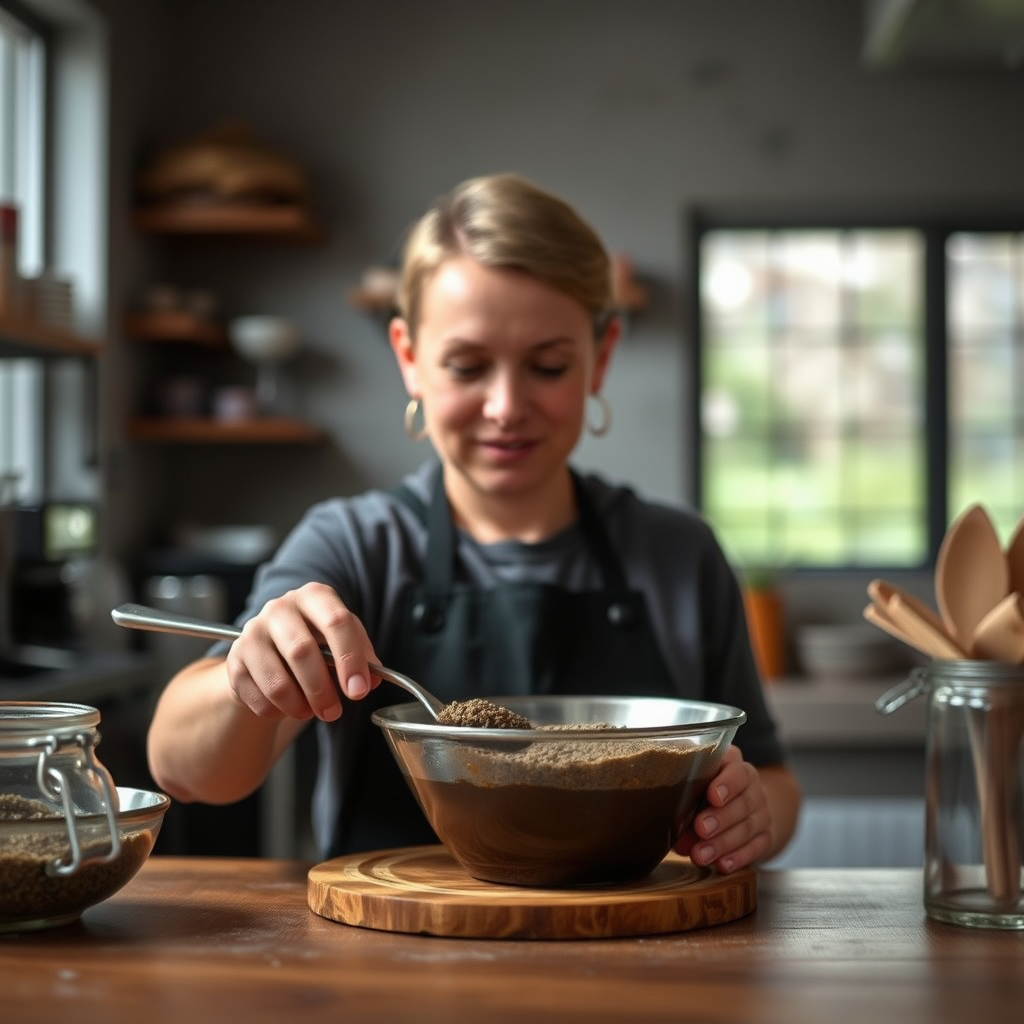
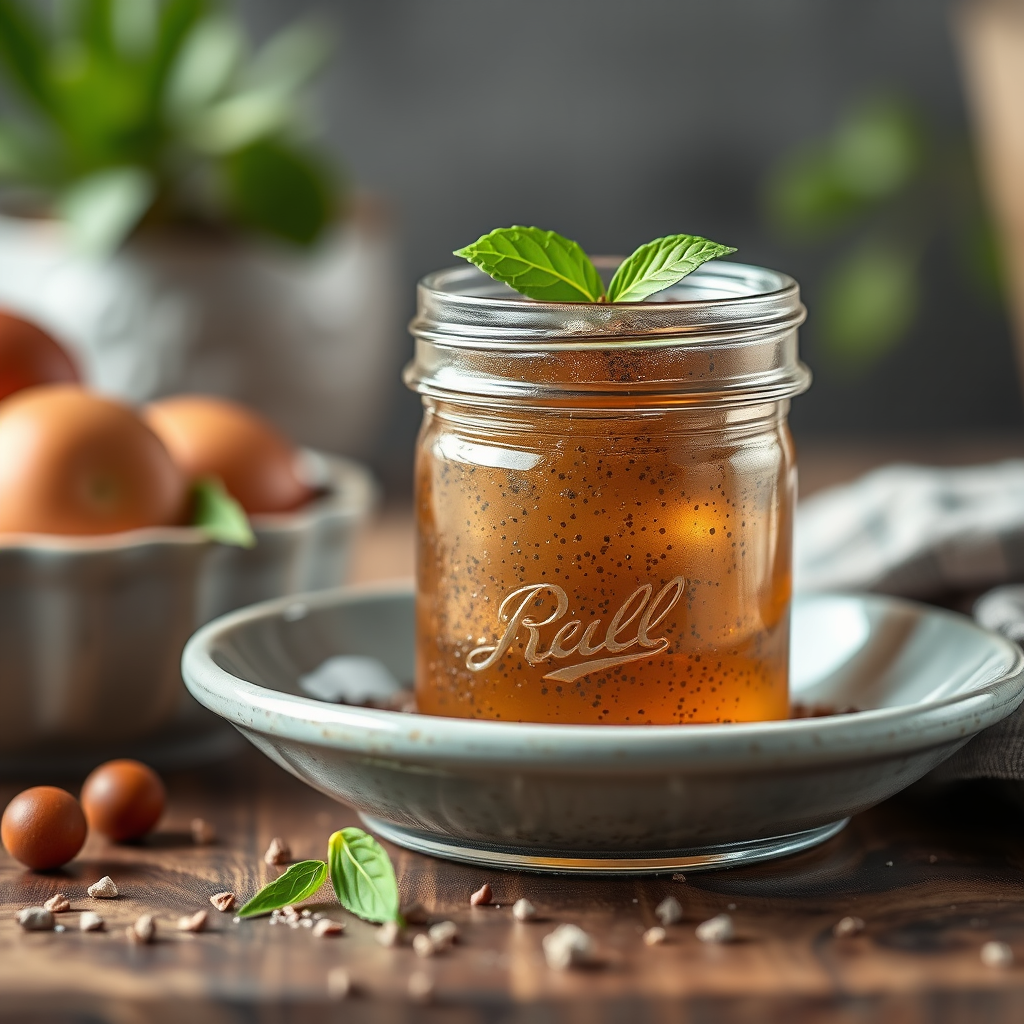
This comprehensive guide presents a detailed recipe for making chia jelly, complete with ingredient specifications, preparation methods, and storage tips. You’ll discover the nutritional benefits of chia seeds and how they enhance both the texture and flavor of the jelly. However, this guide does not explore alternative uses for chia jelly beyond traditional recipes, such as incorporating it into desserts or smoothies, nor does it delve into the historical background of chia seeds.
Who Should Read This
This guide is designed for home cooks eager to incorporate healthy, plant-based ingredients into their meals, particularly those interested in exploring chia seeds. It is best suited for individuals with a basic understanding of cooking techniques and food safety. Advanced chefs looking for complex gourmet recipes or individuals with allergies to chia seeds or related plants may find this guide less relevant.
The Step-by-Step Protocol
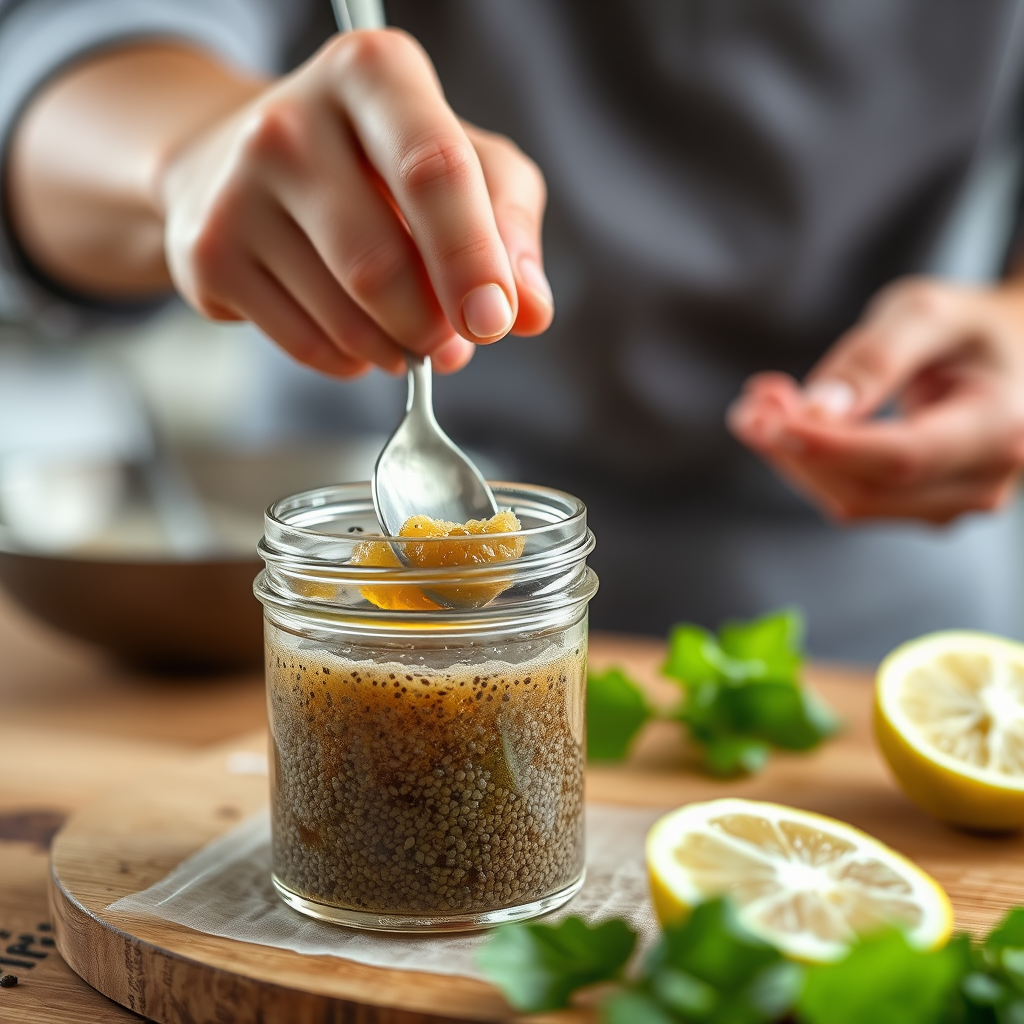
1. Gather Ingredients: Start with 1/2 cup of chia seeds, 2 cups of liquid (options include water, almond milk, or fruit juice), and 2 tablespoons of sweetener (such as honey, maple syrup, or agave) if desired.
2. Combine Ingredients: In a medium bowl, mix the chia seeds and liquid thoroughly, ensuring there are no clumps. This step is crucial to achieve a smooth texture in the final product.
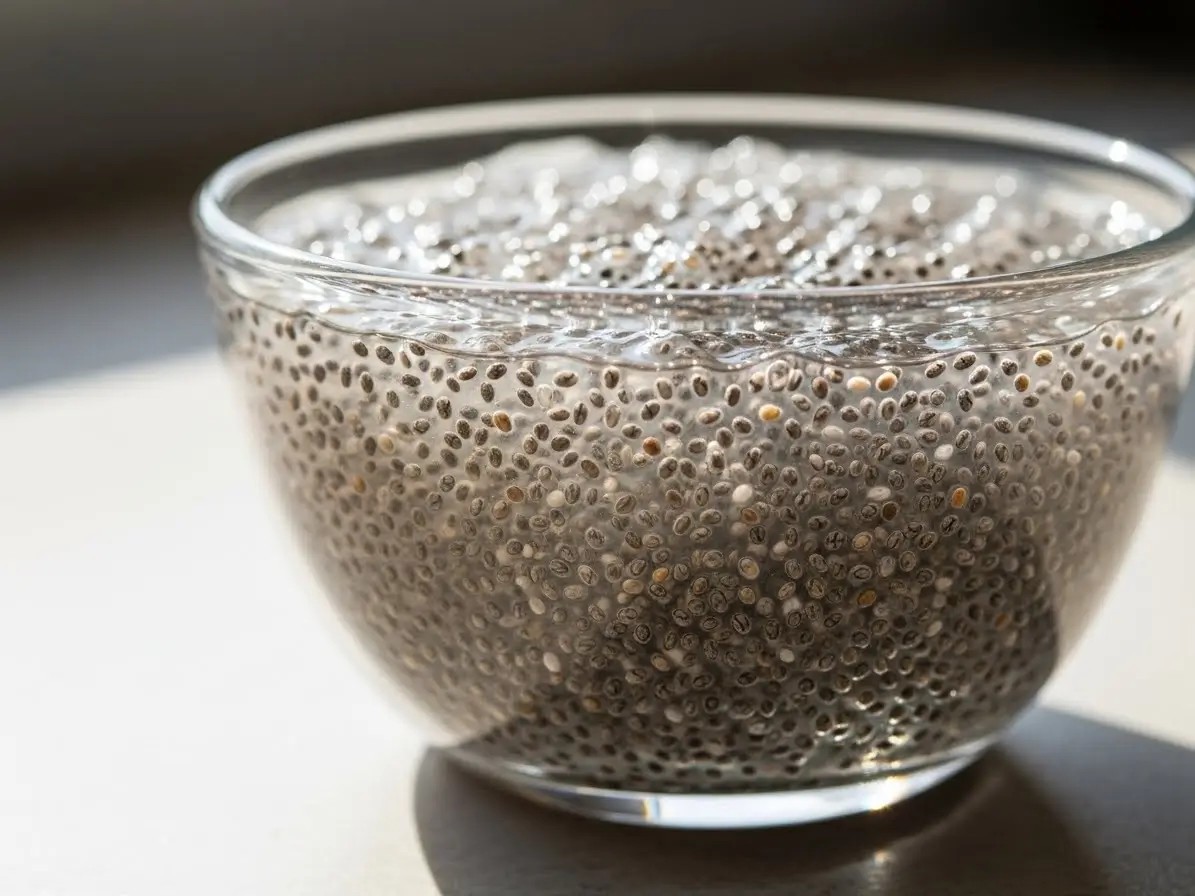
3. Let it Sit: Allow the mixture to sit for 10 minutes. Afterward, stir again to prevent clumping. Let it rest for an additional 30 minutes. During this period, the chia seeds will absorb the liquid and create a jelly-like consistency.
4. Store: Once the desired consistency is achieved, transfer the chia jelly into an airtight container. Refrigerate for up to one week. Be sure to label the container with the date of preparation for easy tracking.
Nutritional Comparison of Chia Jelly Ingredients (Per Serving)
| # | Ingredient | Calories | Fiber (g) | Protein (g) |
|---|---|---|---|---|
| 1 | Chia Seeds (1 oz) | 138 | 10.6 | 4.7 |
| 2 | Almond Milk (1 cup) | 30 | 1 | 1 |
| 3 | Honey (1 tbsp) | 64 | 0 | 0.1 |
| 4 | Maple Syrup (1 tbsp) | 52 | 0 | 0 |
| 5 | Fruit Juice (1 cup) | 110 | 0 | 0 |
| 6 | Agave (1 tbsp) | 60 | 0 | 0 |
| 7 | Total (Chia Jelly) | 382 | 11.6 | 5.8 |
Warning Signs: When Not to Follow This
– Avoid making chia jelly if you have a known allergy to chia seeds, which can manifest as itching, swelling, or gastrointestinal distress.
– Do not proceed if you are pregnant or breastfeeding without consulting a healthcare provider, as chia seeds possess a high fiber content that may affect digestion.
– If you have experienced any adverse reactions after consuming chia seeds in the past, it is advisable to refrain from making or consuming chia jelly.
The Most Common Mistakes (And Their Consequences)
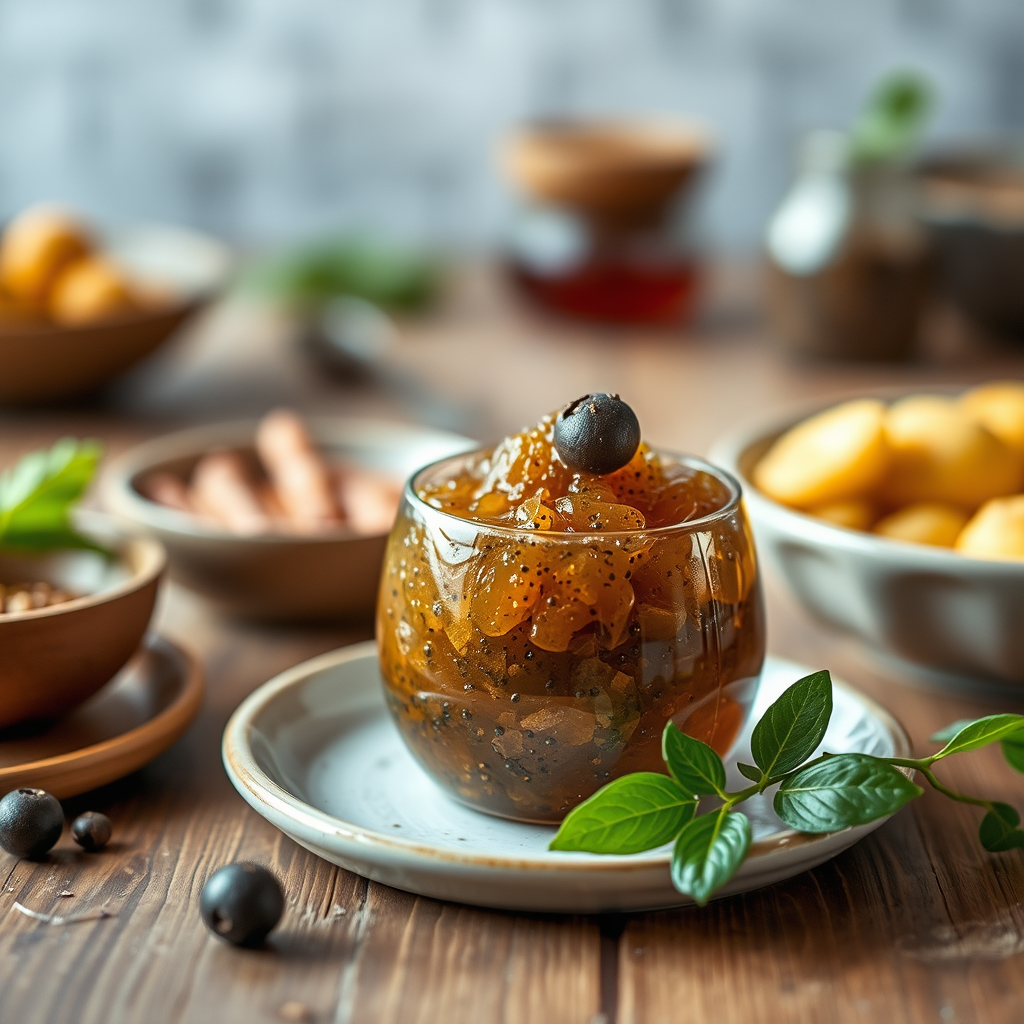
– Skipping the stirring step after the initial mixing: Failing to stir can lead to clumping, resulting in an unpleasant texture rather than a smooth jelly. Ensure thorough mixing to achieve an even consistency.
– Not allowing the chia seeds to fully absorb the liquid: If the mixture isn’t left to sit for the recommended time, it will remain runny and fail to gel properly, making it less enjoyable to eat.
– Using too much sweetener: Overdoing it with sweeteners can overpower the natural flavor of the chia jelly, creating an excessively sweet product that may not be palatable. It’s best to start with less and adjust to taste.
Special Cases That Need a Different Approach
– Fruit-Flavored Chia Jelly: To create a fruit-flavored version, blend fresh fruits into the liquid portion before mixing with chia seeds. This enhances the flavor profile and adds additional nutrients.
– Dietary Restrictions: If you’re avoiding sugar or gluten, adjust sweeteners and liquids accordingly. Options like stevia for sweetness or coconut water can be excellent alternatives.
– Increased Nutritional Content: To boost the nutritional value of your chia jelly, consider adding ingredients like ground flaxseed or protein powder to the mixture before letting it sit. This enriches the jelly with healthy fats and proteins.
When You Need a Professional
– Consult a registered dietitian if you have specific dietary concerns, such as managing blood sugar levels or high fiber intake, before incorporating chia jelly into your diet.
– Seek medical advice if you have gastrointestinal conditions, such as IBS, as the high fiber content in chia may exacerbate symptoms.
– If you’re considering chia jelly as a supplement for weight loss or other health benefits, consulting a healthcare provider can help ensure it aligns with your overall health goals.
Sources and Further Reading
– Refer to the USDA National Nutrient Database for accurate nutritional data on chia seeds and their health benefits.
– The American Heart Association provides guidelines on fiber intake and its importance in a balanced diet, which can be useful when incorporating chia jelly into meals.
– For further reading on recipe variations and health tips, consider resources like “The Chia Seed Cookbook” or websites dedicated to healthy eating and plant-based recipes.
Frequently Asked Questions
What are the basic ingredients for a chia jelly recipe?
The basic ingredients for a chia jelly recipe include chia seeds, fruit juice or puree, and a natural sweetener like honey or maple syrup. You can also add flavorings such as vanilla or lemon juice to enhance the taste. This simple combination creates a nutritious and delicious jelly that is rich in omega-3 fatty acids and fiber.
How do you make chia jelly step by step?
To make chia jelly, first combine 1 cup of your chosen fruit juice with 3 tablespoons of chia seeds in a bowl. Stir well to prevent clumping, then let the mixture sit for about 10-15 minutes until it thickens. Afterward, mix in a sweetener to taste, and refrigerate for an hour before serving to allow the jelly to set properly.
Why is chia jelly a healthier alternative to traditional jelly?
Chia jelly is a healthier alternative to traditional jelly because it is packed with nutrients and contains no added preservatives or artificial ingredients. Chia seeds are high in fiber, protein, and omega-3 fatty acids, which can aid digestion and promote heart health. Additionally, using natural fruit juices instead of sugar-laden syrups makes it a more wholesome choice.
What is the best type of fruit juice to use for chia jelly?
The best type of fruit juice for chia jelly depends on your personal taste preferences, but popular options include fresh orange, apple, or berry juices. These juices not only provide a delicious flavor but also offer various vitamins and antioxidants. For a unique twist, consider using coconut water or a blend of different juices for added complexity.
Which sweeteners work best for enhancing chia jelly flavor?
The best sweeteners for enhancing chia jelly flavor include honey, maple syrup, agave nectar, or stevia, depending on your dietary preferences. Each sweetener adds its distinct flavor profile; honey gives a rich taste, while maple syrup adds a warm, earthy note. Adjust the amount to your liking, keeping in mind that some juices may naturally be sweeter than others.
References
- Errata – PMC
https://www.ncbi.nlm.nih.gov/pmc/articles/PMC6837430/ - A dangerous balancing act: On matters of science, a well‐meaning desire to present all views equa…
https://www.ncbi.nlm.nih.gov/pmc/articles/PMC6680130/ - https://pubmed.ncbi.nlm.nih.gov/30514992/
https://pubmed.ncbi.nlm.nih.gov/30514992/ - Health care professionals and adolescent vaccination: A call for intervention research – PMC
https://www.ncbi.nlm.nih.gov/pmc/articles/PMC4975052/ - Checking your browser – reCAPTCHA
https://www.ncbi.nlm.nih.gov/pmc/articles/PMC7301984/ - Google Scholar Google Scholar
https://scholar.google.com/scholar?q=chia+jelly+recipe - Google Scholar Google Scholar
https://scholar.google.com/scholar?q=chia+seeds+health+benefits - Google Scholar Google Scholar
https://scholar.google.com/scholar?q=chia+jelly+nutrition - https://www.bbc.com/food/recipes/chia_seed_jelly_10362
https://www.bbc.com/food/recipes/chia_seed_jelly_10362 - https://www.washington.edu/…/chia-seed-jelly-recipe/
https://www.washington.edu/…/chia-seed-jelly-recipe/