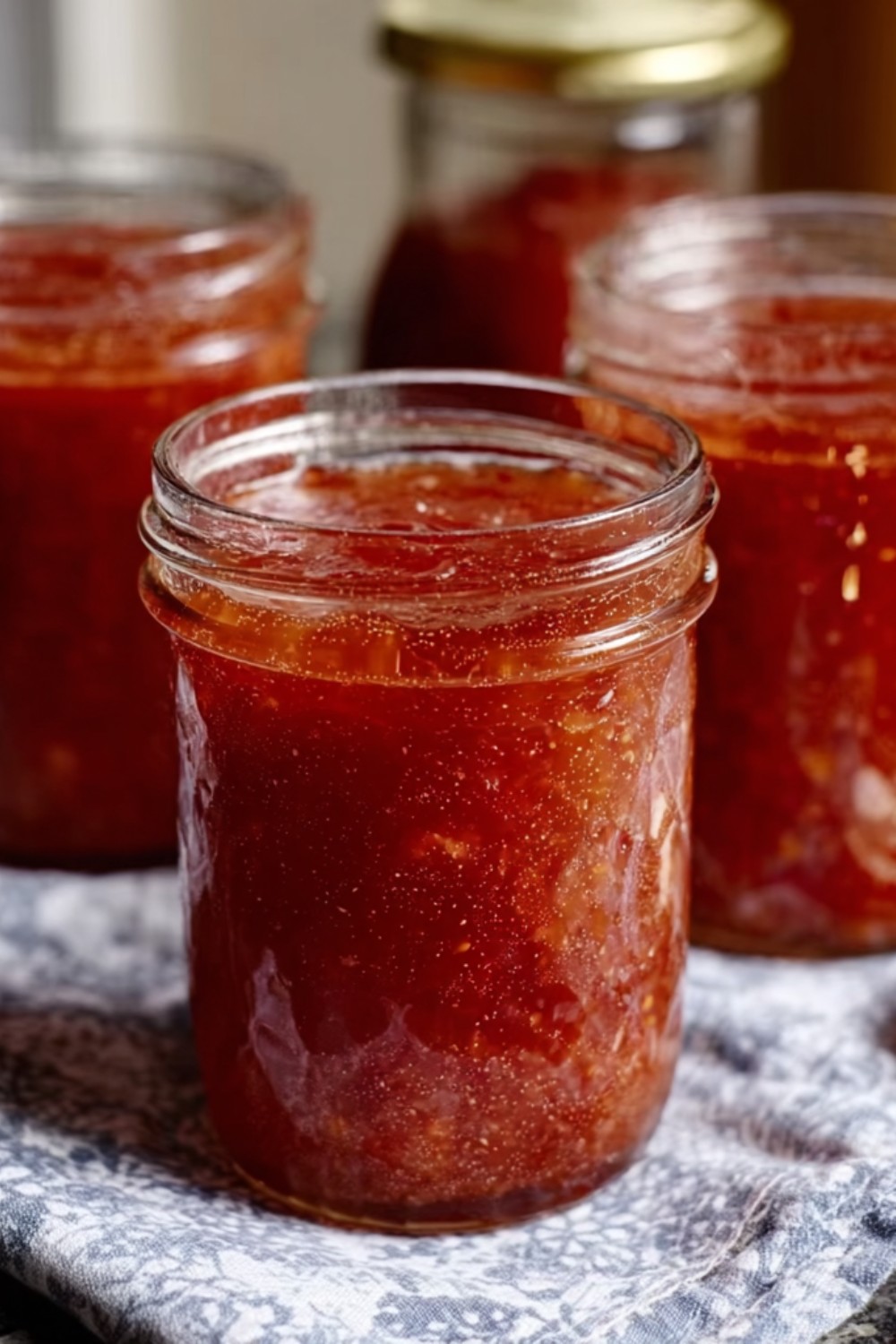
Master the art of making strawberry jelly without pectin with this complete step-by-step protocol designed for both novice and experienced cooks. This guide covers every essential detail, from selecting the ripest strawberries to achieving the perfect consistency, ensuring your homemade jelly is bursting with flavor. Following the right protocol not only guarantees a delicious outcome but also enhances your canning skills for future preserves. Get ready to elevate your culinary repertoire with a timeless classic that highlights the natural sweetness of strawberries.
What This Guide Covers (And What It Doesn’t)
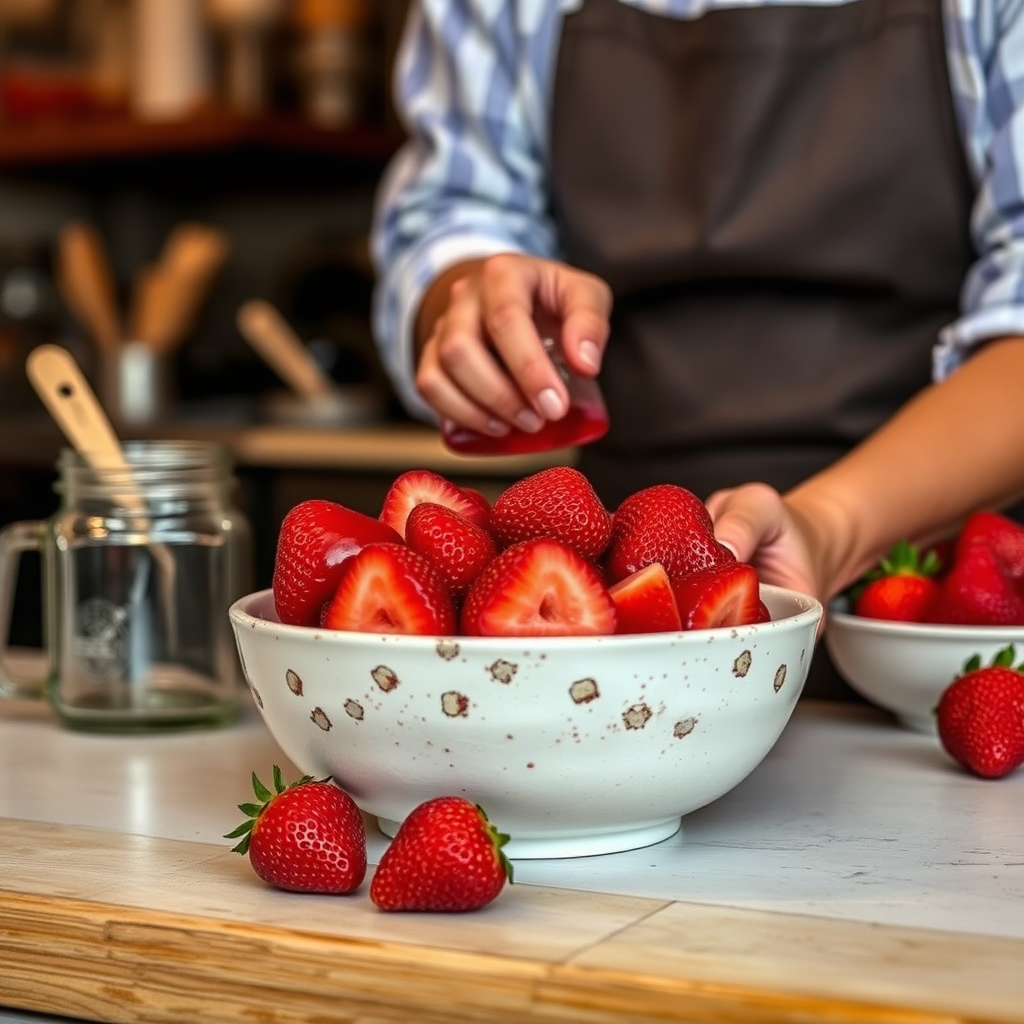
This guide offers a comprehensive, step-by-step protocol for crafting delicious strawberry jelly without the use of pectin. By focusing on the selection of ripe strawberries, essential ingredients, and proper techniques, it ensures a flavorful, natural outcome. You’ll learn everything from preparing the fruit to canning the finished jelly, all while embracing traditional methods that rely on sugar and cooking time for thickening. However, this guide does not delve into recipes for other types of fruit jellies or preserves, nor does it include pectin-based recipes or store-bought alternatives. It is tailored for home cooks eager to create a preservative-free strawberry jelly.
Who Should Read This
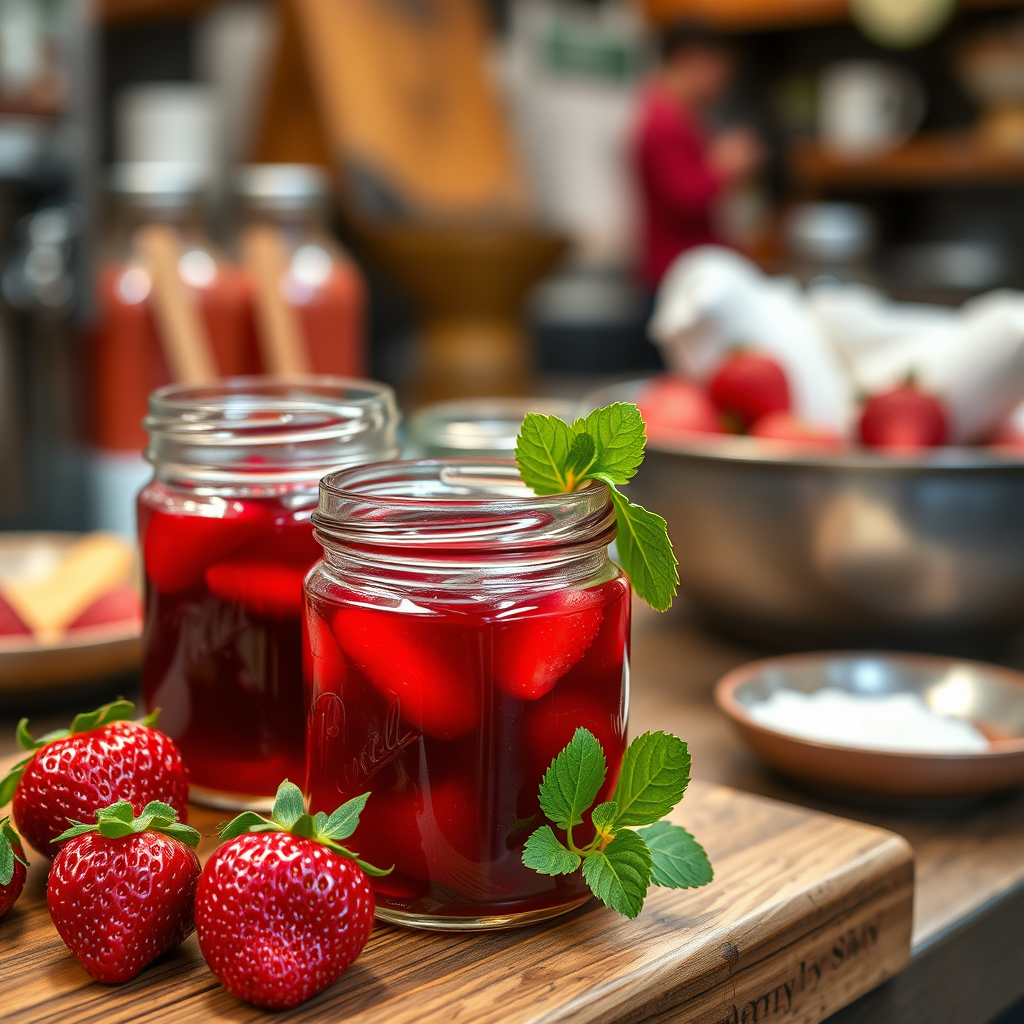
This guide is perfect for home cooks of all skill levels interested in fruit preservation and the art of making jelly without pectin. It particularly appeals to those who prioritize natural cooking methods. Readers should possess basic kitchen skills, including safe knife handling, cooking techniques, and an understanding of food safety principles related to canning. Additionally, this guide suits individuals with dietary restrictions that necessitate avoiding commercial pectin or those seeking traditional cooking practices. For those new to canning, supplementary resources on food preservation may enhance their understanding, as this guide assumes some familiarity with the process.
The Step-by-Step Protocol
1. Gather Ingredients and Tools: Collect 2 pounds of fresh, ripe strawberries, 4 cups of granulated sugar, and 1/4 cup of fresh lemon juice. Ensure you have a large pot, a potato masher, a candy thermometer, and sterilized jars.
2. Prepare Strawberries: Thoroughly wash the strawberries under cold water to remove any dirt or debris. Remove the green stems and lightly mash them in a large bowl using a potato masher. Measure to confirm you have about 4 cups of mashed fruit.
3. Cook the Mixture: In a large pot, combine the mashed strawberries, lemon juice, and sugar. Stir over medium heat until the sugar fully dissolves. Once dissolved, increase the heat to bring the mixture to a rolling boil. Keep a close eye on the temperature using a candy thermometer.
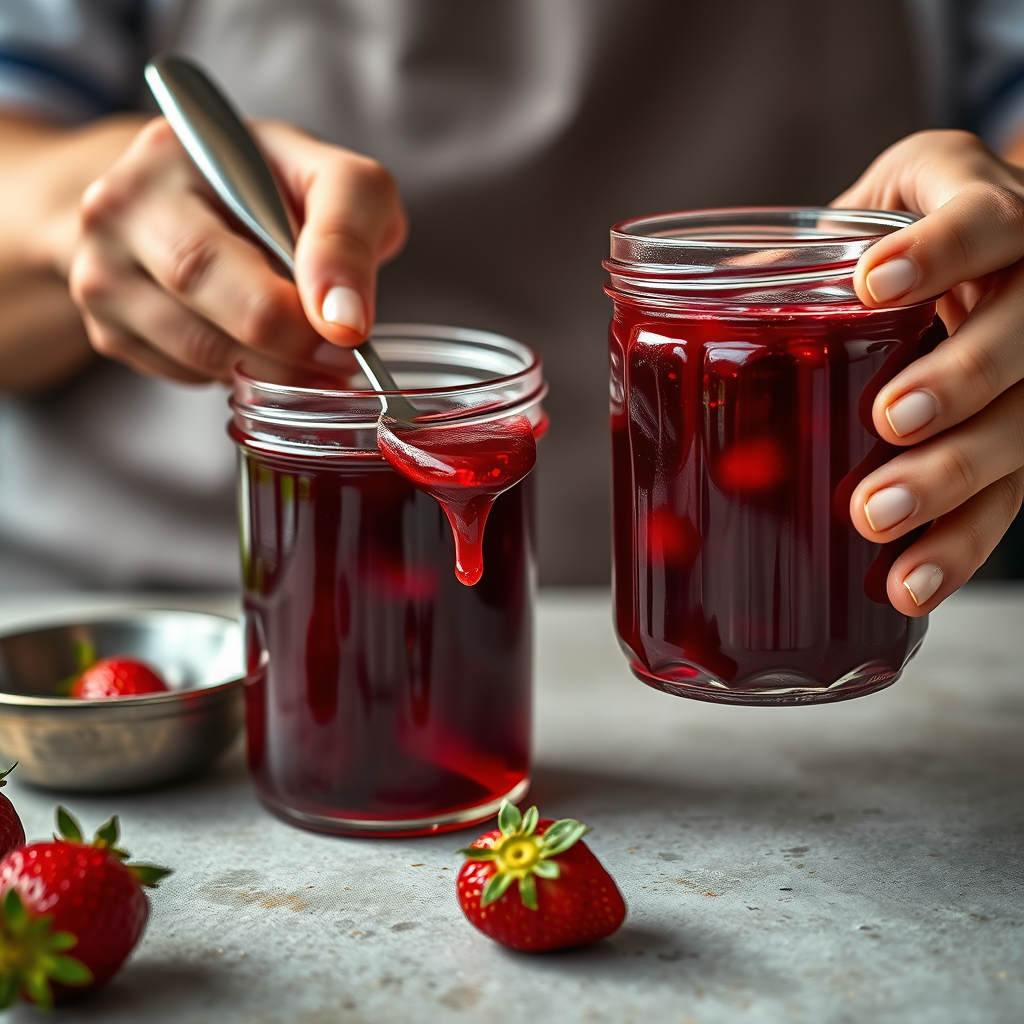
4. Check for Doneness: Boil the mixture for 10-15 minutes, stirring frequently, until it reaches a temperature of 220°F (104°C), the gel point for jelly. To test for doneness, place a spoonful of the mixture on a cold plate and let it sit for a minute. Run your finger through the jelly; if it holds its shape and doesn’t flood back together, it has achieved the desired consistency.
5. Canning Process: Once the jelly reaches the right consistency, carefully ladle it into sterilized jars, leaving about 1/4 inch of headspace at the top. Wipe the rims with a clean cloth to ensure a good seal, then place the lids and rings on the jars, tightening them until they’re finger-tight.
6. Process the Jars: Process the jars in a boiling water bath for 5-10 minutes to ensure proper sealing and preservation. Ensure the water covers the jars by at least an inch. After processing, remove the jars and allow them to cool completely on a clean kitchen towel or cooling rack. Store them in a cool, dark place.
Essential Ingredients for Strawberry Jelly Without Pectin
| # | Ingredient | Quantity | Purpose |
|---|---|---|---|
| 1 | Fresh Strawberries | 2 lbs | Primary flavor |
| 2 | Granulated Sugar | 4 cups | Sweetening and gelling |
| 3 | Fresh Lemon Juice | 1/4 cup | Acidity for preservation |
| 4 | Water | As needed | Used in boiling process |
| 5 | Sterilized Jars | As needed | Storage for jelly |
| 6 | Candy Thermometer | 1 | Measuring temperature |
| 7 | Potato Masher | 1 | Mashing strawberries |
Warning Signs: When Not to Follow This
– Do not attempt this recipe if your strawberries are overripe, moldy, or showing signs of spoilage. Using only fresh, firm strawberries is crucial for optimal flavor and safety.
– If you’re unfamiliar with the canning process or lack essential equipment, such as a boiling water bath or proper jars, seek guidance or consider alternative preservation methods.
– Avoid this recipe if your dietary restrictions require strict adherence to commercially prepared ingredients, as this method relies solely on natural components without additives.
– If you cannot accurately monitor the cooking temperature or lack a candy thermometer, it is vital to obtain one. This ensures the jelly reaches the appropriate consistency and safety standards.
The Most Common Mistakes (And Their Consequences)
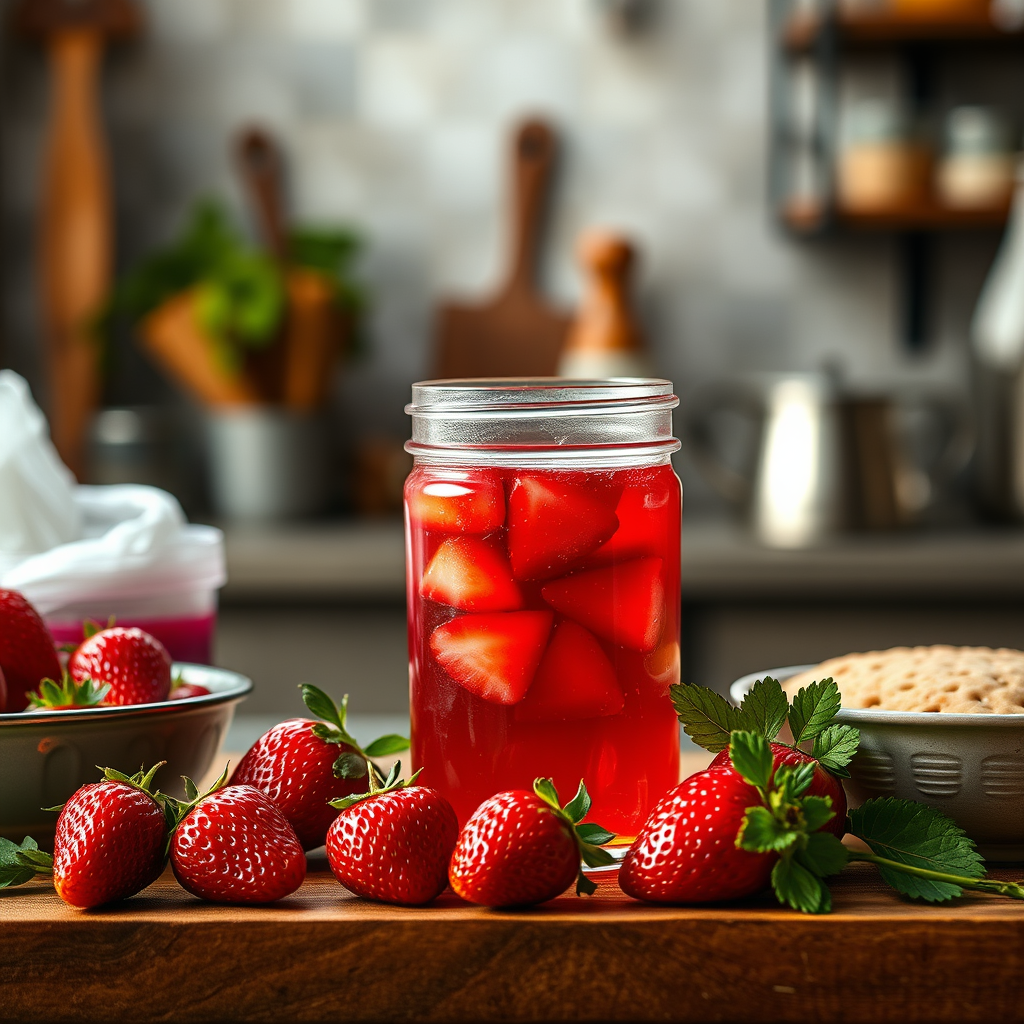
– Skipping the Lemon Juice: Omitting lemon juice can result in a jelly that lacks acidity, crucial for both preservation and achieving the right gel consistency, potentially leading to a runny product.
– Not Monitoring Temperature: Failing to use a candy thermometer can lead to undercooked jelly that won’t set or overcooked jelly that becomes too thick or caramelized, impacting flavor and texture.
– Ignoring Sterilization: Neglecting to properly sterilize jars and lids can introduce bacteria, resulting in spoilage or unsafe jelly, which poses health risks.
– Overcrowding the Pot: Cooking too large a batch can prevent even cooking, leading to inconsistent texture and flavor, with some areas potentially remaining liquid.
Special Cases That Need a Different Approach
– Low-Sugar Variants: For those looking to reduce sugar intake, consider substituting with alternative sweeteners. However, be aware that this may affect the jelly’s consistency and preservation properties. Consult USDA guidelines on safe canning practices when making substitutions.
– Using Frozen Strawberries: If using frozen strawberries, ensure they are thawed and drained well to remove excess moisture. Failure to account for this can lead to a runnier jelly. Adjust the sugar content accordingly, using about 3 cups for every 4 cups of mashed strawberries.
– Incorporating Additional Flavors: When adding herbs (like basil) or spices (like vanilla), do so sparingly. Infuse them during the cooking process for a unique flavor profile without compromising the jelly’s gelling ability. Add these ingredients in the final minutes of cooking.
– Adjusting for Altitude: Cooks at higher elevations should modify cooking times and temperatures, as the boiling point of water decreases, affecting the jelly’s setting. At elevations above 1,000 feet, increase the boiling time by one minute for every additional 1,000 feet.
When You Need a Professional
– If you notice any signs of spoilage, such as off-smells, bubbling, or mold, discard the jelly immediately and consult a food safety expert to understand the risks involved.
– If you have limited experience with canning and wish to pursue this further, consider reaching out to a local extension service or a certified food preservation expert for guidance.
– For those with specific health concerns, such as food allergies or chronic conditions that may affect dietary choices, seeking advice from a registered dietitian is recommended before trying new preservation methods.
– If you’re uncertain about the safety of your canning practices or experience repeated failures in achieving the right consistency, professional guidance can clarify best practices and troubleshooting techniques.
Sources and Further Reading
– National Center for Home Food Preservation: Comprehensive guidelines on home canning and food preservation techniques.
– Ball Blue Book Guide to Preserving: A trusted resource for safe and reliable canning methods, including recipes and troubleshooting tips.
– USDA Complete Guide to Home Canning: Official government guidelines on safe canning practices and food safety.
– Local extension services or community workshops: Often provide hands-on training and resources for home canning and preserving methods tailored to your region.
Frequently Asked Questions
What ingredients do I need for a strawberry jelly recipe without pectin?
To make strawberry jelly without pectin, you’ll need fresh strawberries, granulated sugar, and lemon juice. The strawberries provide natural pectin, while the sugar helps in the gelling process and adds sweetness. Lemon juice not only enhances flavor but also helps balance the sweetness and aids in preservation.
How do I prepare strawberries for making jelly without pectin?
Start by washing the strawberries thoroughly under running water. Remove the green stems and any bruised parts, then chop the strawberries into smaller pieces to release their juices more efficiently. This step is crucial as it helps in extracting maximum flavor and aids in the gelling process.
Why is pectin not necessary in my strawberry jelly recipe?
Pectin is often used to thicken jams and jellies, but it’s not necessary when using ripe strawberries. Ripe strawberries contain natural pectin, which, when combined with sugar and acid from lemon juice, can achieve a satisfactory gel consistency. This method allows for a more natural flavor and can be less sweet than traditional recipes.
What is the best method for cooking strawberry jelly without pectin?
The best method for cooking strawberry jelly without pectin is to combine the prepared strawberries, sugar, and lemon juice in a large pot. Heat the mixture over medium heat, stirring frequently until the sugar dissolves, then bring it to a boil. Cook for about 20-30 minutes, skimming off any foam, until the mixture reaches the desired jelly-like consistency.
Which tools do I need to make strawberry jelly without pectin?
To make strawberry jelly without pectin, you will need a large pot for cooking, a wooden spoon for stirring, and a potato masher or blender for crushing the strawberries. Additionally, having a candy thermometer can help you check the jelly’s temperature for doneness, while sterilized jars and lids are essential for proper storage.
References
- Fruit preserves
https://en.wikipedia.org/wiki/Jam - 208: TRANSLATION AND VALIDATION OF THE PELVIC FLOOR DISTRESS INVENTORY SHORT FORM (PFDI-20), IRAN…
https://www.ncbi.nlm.nih.gov/pmc/articles/PMC5759423/ - https://www.sciencedirect.com/topics/agricultural-and-biological-sciences/strawberry-jam
https://www.sciencedirect.com/topics/agricultural-and-biological-sciences/strawberry-jam - https://www.nal.usda.gov/sites/default/files/legacy_files/Strawberry_Jelly.pdf
https://www.nal.usda.gov/sites/default/files/legacy_files/Strawberry_Jelly.pdf - https://www.oregon.gov/ode/students-and-family/food-and-nutrition/Pages/home.aspx
https://www.oregon.gov/ode/students-and-family/food-and-nutrition/Pages/home.aspx - https://www.extension.purdue.edu/extmedia/FNR/FNR-493-W.pdf
https://www.extension.purdue.edu/extmedia/FNR/FNR-493-W.pdf - Google Scholar Google Scholar
https://scholar.google.com/scholar?q=strawberry+jelly+recipe+without+pectin - Google Scholar Google Scholar
https://scholar.google.com/scholar?q=home+canning+strawberry+jelly - Google Scholar Google Scholar
https://scholar.google.com/scholar?q=strawberry+jelly+natural+preservation - Glade/woodland restoration in the St. Francis Mountain Bird Conservation Area | US Forest Service…
https://www.fs.usda.gov/treesearch/pubs/12883