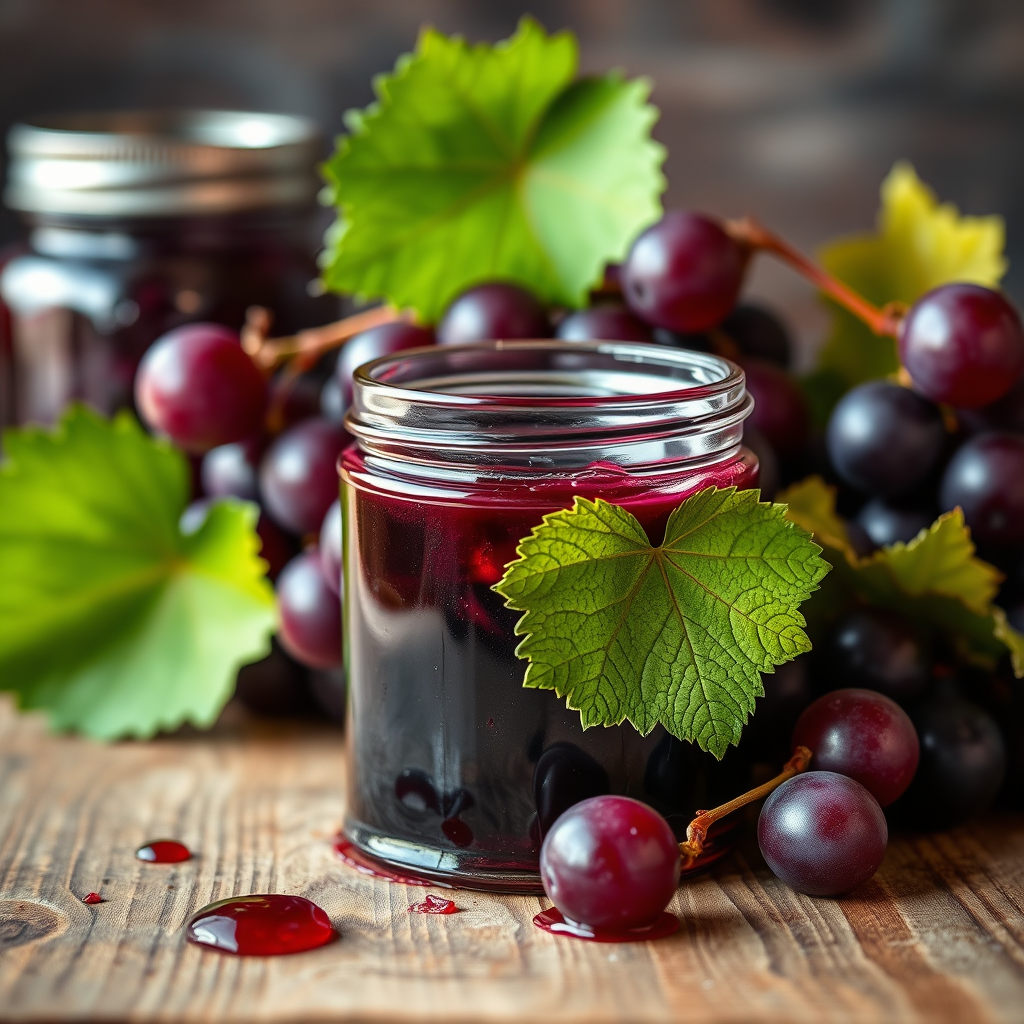
Making Concord grape jelly safely requires meticulous attention to detail and a solid understanding of the proper protocols. This complete step-by-step guide provides expert insights on selecting the best grapes, sterilizing equipment, and achieving the perfect consistency. Following these guidelines ensures not only delicious results but also safe preservation, allowing you to enjoy homemade jelly with confidence.
What This Guide Covers (And What It Doesn’t)
This guide offers a detailed, step-by-step protocol for making concord grape jelly using fresh grapes. It includes all necessary ingredients, equipment, and essential safety measures, ensuring that readers can confidently replicate the process at home. However, it does not delve into alternative sweeteners, commercial jelly-making methods, or recipes involving other grape varieties.
Who Should Read This
Designed for home cooks with basic kitchen skills, this guide is perfect for those interested in canning and preserving their own food, especially beginners in jelly-making. A foundational understanding of food safety practices, such as proper sanitation and handling of kitchen equipment, is essential. This guide may not suit individuals without access to fresh concord grapes or those unfamiliar with canning techniques.
The Step-by-Step Protocol
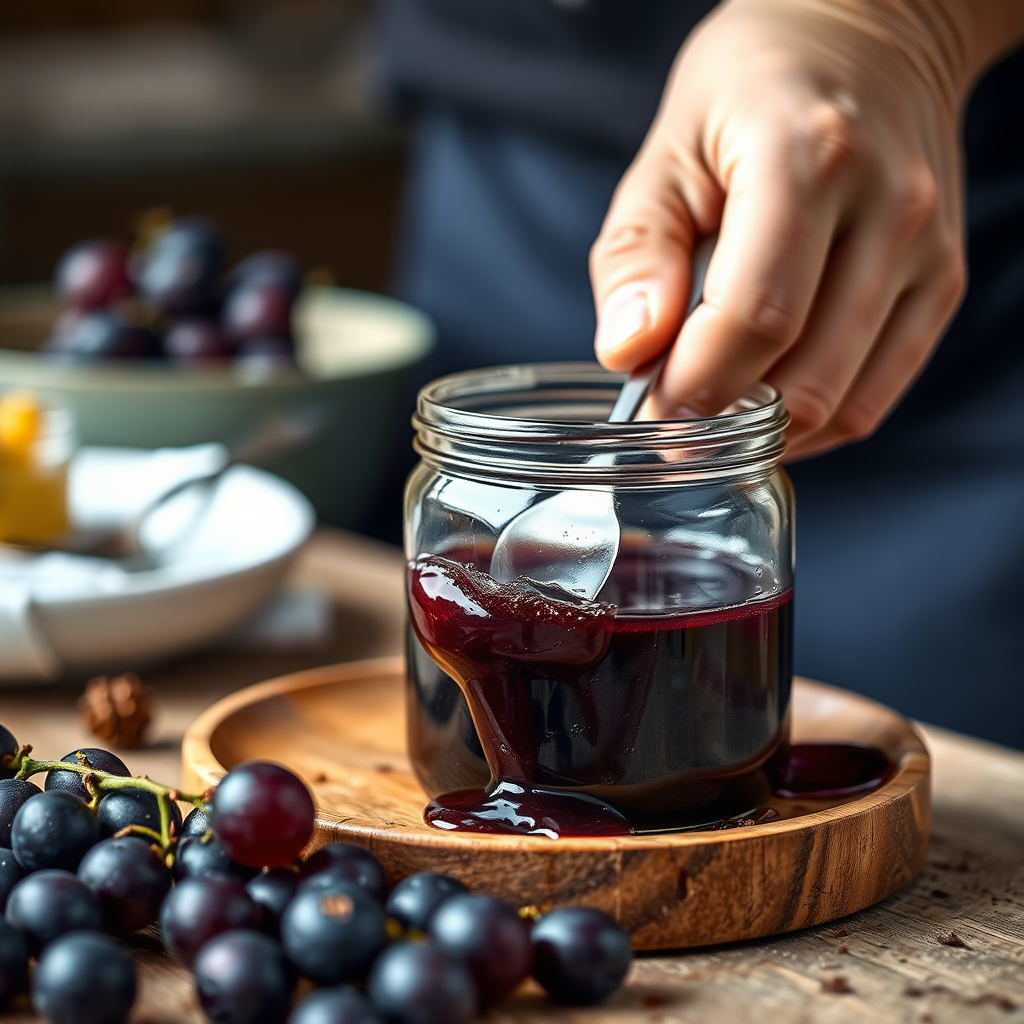
1. Gather Ingredients and Equipment:
– Obtain 4 cups of fresh concord grapes, 1 cup of water, and 5 cups of granulated sugar.
– Prepare canning jars (pint or half-pint), lids, a boiling water canner, and a jelly bag or fine-mesh strainer.
2. Prepare the Grapes:
– Rinse grapes thoroughly under cold water to remove any dirt or pesticides.
– Remove stems and lightly mash the grapes to release their juices.
3. Cook the Grape Mixture:
– In a large pot, combine the mashed grapes and 1 cup of water. Bring to a boil over medium heat, then reduce to a simmer for 10-15 minutes.
– Stir occasionally to prevent the mixture from sticking to the bottom of the pot.
4. Strain and Measure Juice:
– Pour the cooked grape mixture through a jelly bag or fine-mesh strainer into a clean bowl, allowing it to drip for 30 minutes.
– Measure out 4 cups of grape juice for the jelly recipe.
5. Cook the Jelly:
– In a clean pot, combine the grape juice and 5 cups of granulated sugar. Stir to dissolve the sugar.
– Bring the mixture to a full rolling boil over high heat, stirring constantly. Cook until it reaches 220°F (104°C) on a candy thermometer.
6. Jar the Jelly:
– Remove the pot from heat and skim off any foam from the surface.
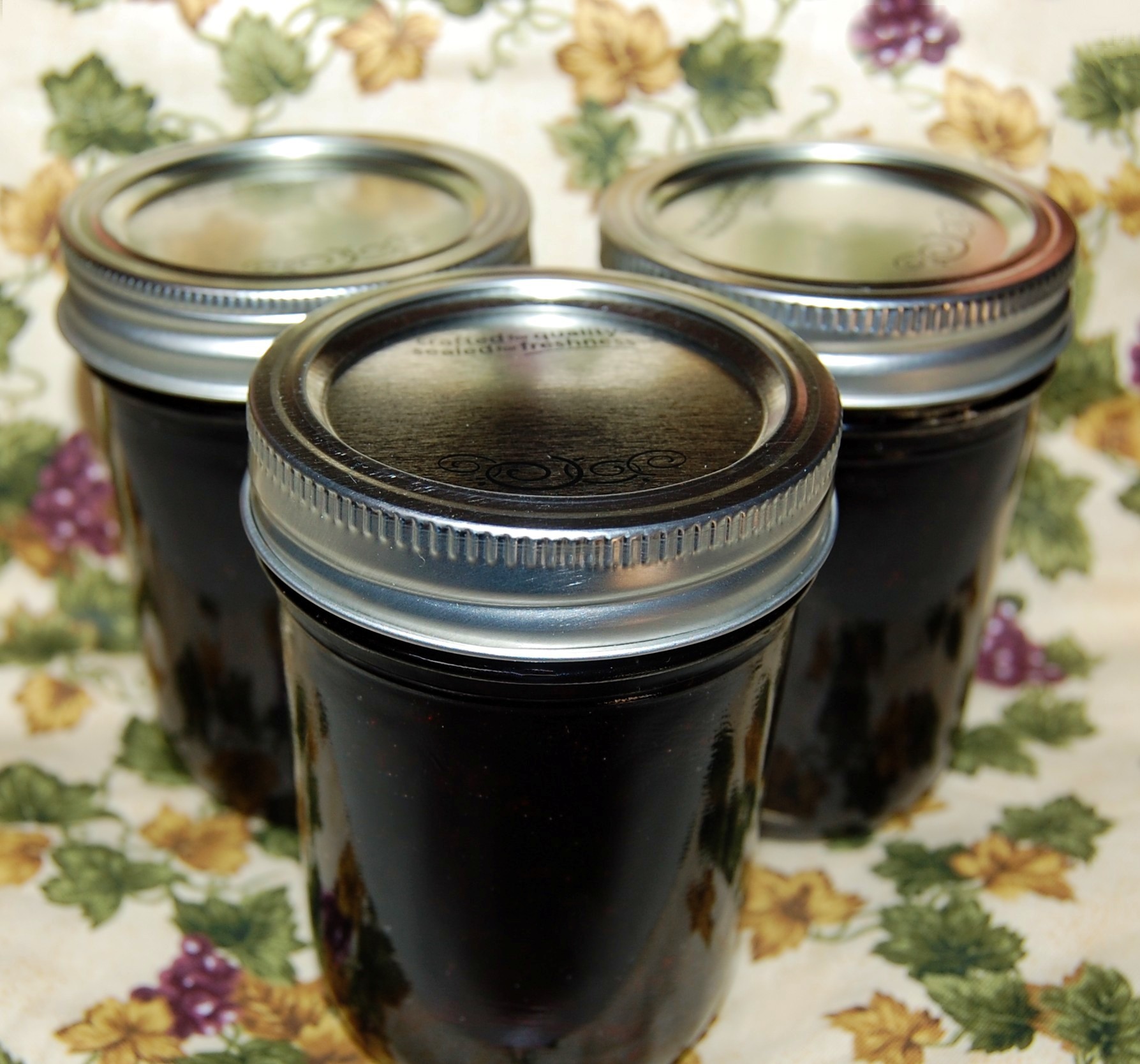
– Pour the hot jelly into prepared canning jars, leaving ¼-inch headspace, and seal with lids.
7. Process the Jars:
– Place jars in a boiling water canner, ensuring they are covered with at least 1 inch of water. Process for 5-10 minutes.
– Remove jars and allow them to cool completely on a clean towel or rack.
Nutritional Breakdown of Concord Grape Jelly (Per 1 tablespoon)
| Nutrient | Amount | Daily Value % |
|---|---|---|
| Calories | 50 | 2% |
| Total Fat | 0g | 0% |
| Sugars | 13g | — |
| Sodium | 0mg | 0% |
| Total Carbohydrates | 14g | 5% |
| Dietary Fiber | 0g | 0% |
| Protein | 0g | 0% |
| Vitamin C | 0% DV | 0% |
| Calcium | 0% DV | 0% |
| Iron | 0% DV | 0% |
Warning Signs: When Not to Follow This
If the grapes appear moldy, overly soft, or emit an off smell, avoid using them for jelly-making, as these conditions can compromise both safety and flavor. Additionally, refrain from following this protocol if you lack a reliable method for sealing jars; improper sealing can lead to spoilage. If you’re unfamiliar with canning techniques and don’t have access to resources on food preservation, it may be wise to reconsider attempting this recipe.
The Most Common Mistakes (And Their Consequences)
– Using Overripe Grapes: This can result in a jelly that is too watery or lacks flavor, as overripe grapes often contain insufficient pectin.
– Inaccurate Measurements: Failing to measure the grape juice or sugar accurately can lead to a jelly that doesn’t set properly. Precision is crucial; even slight deviations can yield an undesirable texture.
– Skipping the Sterilization Process: Neglecting to sterilize jars and lids can introduce bacteria, increasing the risk of spoilage or foodborne illness. Always ensure your equipment is clean.
Special Cases That Need a Different Approach
For those using frozen concord grapes, ensure they are completely thawed before starting the recipe, and adjust the water content slightly to account for any excess moisture. If you have dietary restrictions, using low-sugar pectin will necessitate adjustments in sugar and cooking time. Additionally, when making jelly at high altitudes, increase the boiling time according to altitude guidelines to ensure proper sealing and texture.
When You Need a Professional
If you notice signs of spoilage, such as bulging lids or off odors after processing, consult a food safety expert to determine whether the jelly is safe to consume. If you have doubts about the canning process or your equipment’s safety, reaching out to a certified canning instructor or local extension office may provide valuable guidance. For those planning to sell homemade jelly commercially, familiarize yourself with local food safety regulations and consider consulting a food safety professional.
Sources and Further Reading
– USDA Complete Guide to Home Canning, which provides authoritative guidelines on safe canning practices.
– National Center for Home Food Preservation, offering research-based methods for canning, freezing, and drying foods.
– “The Ball Book of Canning and Preserving,” a trusted resource containing various recipes and techniques for home canning enthusiasts.
Frequently Asked Questions
What ingredients do I need for a concord grape jelly recipe?
To make a classic concord grape jelly, you will need fresh concord grapes, sugar, lemon juice, and pectin. The grapes provide a rich flavor, while the pectin helps achieve the desired jelly consistency. Make sure to use ripe grapes for the best taste and color.
How do I properly prepare concord grapes for jelly?
Start by washing the concord grapes thoroughly to remove any dirt or pesticides. After washing, remove the stems and crush the grapes to release their juice, which is essential for making jelly. You can use a potato masher or a food processor for this step, but avoid blending too much to keep the skins intact.
Why is pectin important in making concord grape jelly?
Pectin is a natural thickening agent that helps the jelly achieve the right consistency and prevents it from being too runny. In concord grape jelly recipes, using pectin ensures that the jelly sets properly and has a nice, spreadable texture. If you prefer a more natural approach, you can also use the natural pectin found in the grape skins.
What is the best way to store homemade concord grape jelly?
The best way to store homemade concord grape jelly is to keep it in sterilized glass jars with airtight lids. Once sealed, store the jars in a cool, dark place like a pantry or cupboard. For longer shelf life, you can refrigerate the jelly after opening, where it can last for several weeks.
Which tools do I need for making concord grape jelly at home?
To make concord grape jelly, you will need a few essential tools: a large pot for cooking the mixture, a fine mesh strainer or cheesecloth for extracting juice, and sterilized jars for storage. Additionally, a ladle and a jar funnel can help make the pouring process easier and cleaner.
References
- Fruit preserves
https://en.wikipedia.org/wiki/Grape_jelly - Are care workers appropriate mentors for nursing students in residential aged care? – PMC
https://www.ncbi.nlm.nih.gov/pmc/articles/PMC4271505/ - Google Scholar Google Scholar
https://scholar.google.com/scholar?q=concord+grape+jelly+recipe - https://pubmed.ncbi.nlm.nih.gov/30061182/
https://pubmed.ncbi.nlm.nih.gov/30061182/ - https://www.sciencedirect.com/topics/food-science/concord-grape
https://www.sciencedirect.com/topics/food-science/concord-grape - https://www.britannica.com/topic/jelly-food
https://www.britannica.com/topic/jelly-food - Google Scholar Google Scholar
https://scholar.google.com/scholar?q=grape+jelly+preparation - https://www.healthline.com/nutrition/health-benefits-of-grapes
https://www.healthline.com/nutrition/health-benefits-of-grapes - https://www.nutrition.gov/topics/food-safety/food-preservation/jam-jelly-and-preserves
https://www.nutrition.gov/topics/food-safety/food-preservation/jam-jelly-and-preserves - concord grape jelly recipe – Search results
https://en.wikipedia.org/wiki/Special:Search?search=concord+grape+jelly+recipe