Mastering the complete step-by-step protocol for making pepper jelly safely is essential for both novice cooks and seasoned chefs. This guide details precise techniques, safety measures, and ingredient selections to ensure your homemade pepper jelly is delicious and free from contamination. By adhering to these expert procedures, you’ll achieve a perfect balance of heat and sweetness while preserving the integrity of your culinary creation.
What This Guide Covers (And What It Doesn’t)

This guide offers a thorough, step-by-step protocol for crafting delicious pepper jelly, highlighting the necessary ingredients, equipment, and techniques for success. Emphasizing safety and proper canning methods, it ensures that your pepper jelly is shelf-stable and safe for consumption. The focus is on traditional pepper jelly recipes, including variations that feature different types of peppers and levels of sweetness. However, it does not delve into other types of jellies or preserves.
Who Should Read This
This guide is designed for home cooks with a basic understanding of food preparation who wish to enhance their canning skills. It caters to individuals experienced in making jellies or preserves, as well as beginners eager to learn. Whether you’re making pepper jelly for personal enjoyment, gifting, or local markets, the detailed instructions and safety tips will be invaluable.
The Step-by-Step Protocol
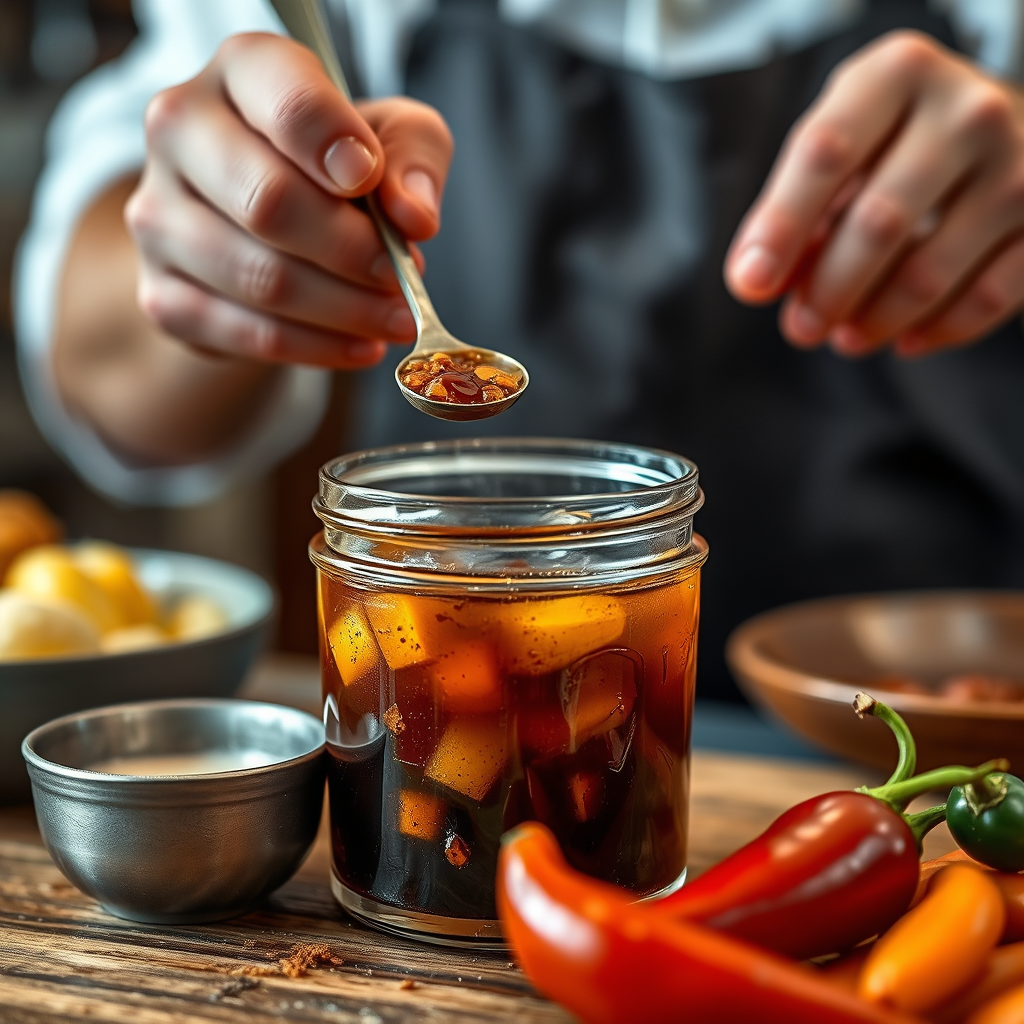
1. Gather Ingredients: Collect the following ingredients:
– 1 cup of finely chopped bell peppers (you can use a mix of red, green, and jalapeño for added heat)
– 1 cup of apple cider vinegar
– 5 cups of granulated sugar
– 1 packet of liquid pectin (typically 3 ounces)
2. Prepare Equipment: Ensure you have the following equipment:
– Clean canning jars (8-ounce or half-pint jars work well)
– Metal lids and bands
– A large pot for boiling
– A water bath canner for sterilizing jars
– A ladle and a clean cloth for wiping jar rims
3. Cook the Mixture: In a large saucepan, combine the chopped peppers, apple cider vinegar, and granulated sugar. Stir over medium heat until the sugar dissolves completely. Bring the mixture to a rolling boil and maintain that boil for 1-2 minutes, stirring frequently.
4. Add Pectin: Remove the mixture from heat and stir in the liquid pectin, ensuring it mixes in thoroughly to prevent clumping. Return the mixture to a boil and let it boil for an additional minute while stirring constantly.
5. Jar the Jelly: Using a ladle, carefully fill the sterilized jars with the hot pepper jelly, leaving approximately 1/4 inch of headspace at the top. This space is essential for the jelly to expand during processing. Wipe the rims of the jars with a clean cloth to remove any residue that could interfere with sealing.
6. Seal and Process: Place the metal lids on the jars and screw on the metal bands until they are fingertip-tight. Process the jars in a boiling water bath for 5-10 minutes, depending on your altitude:
– 5 minutes for sea level up to 1,000 feet
– 10 minutes for altitudes above 1,000 feet
Warning Signs: When Not to Follow This
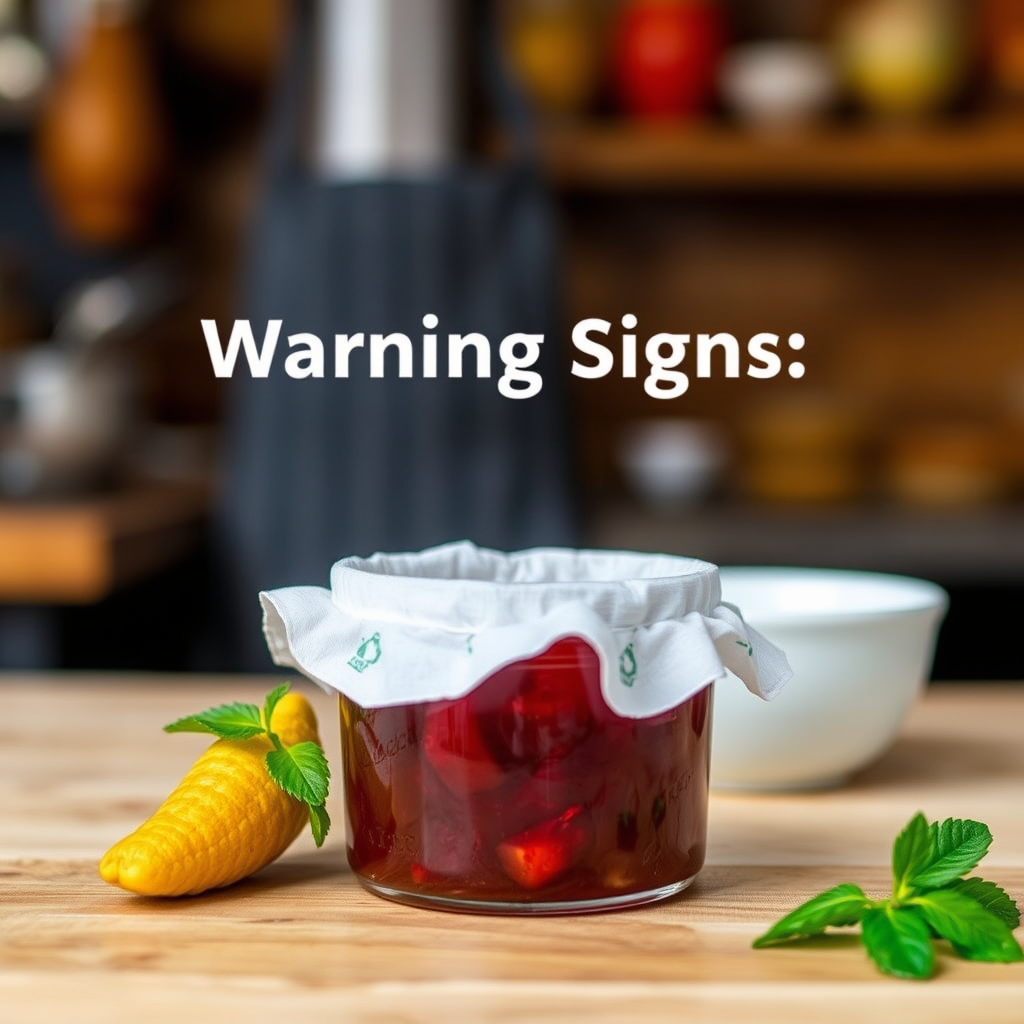
– Do not consume or attempt to use the pepper jelly if you notice any signs of spoilage, such as bubbling, unusual odors, or mold in the jars.
– Avoid using overly soft or moldy peppers, as they can introduce harmful bacteria into your jelly.
– Do not deviate from the specified ingredient ratios, particularly regarding sugar and pectin, since improper ratios can lead to unsafe or spoiled products.
The Most Common Mistakes (And Their Consequences)
– Inaccurate Measurements: Failing to measure sugar and vinegar accurately can result in jelly that doesn’t set properly or is overly sweet, compromising both safety and flavor.
– Skipping Sterilization: Neglecting to sterilize jars can lead to contamination, causing the jelly to spoil quickly or become unsafe to eat.
– Inadequate Processing Time: Not processing jars for the recommended time can leave them vulnerable to spoilage, especially in higher altitudes where longer processing is essential.
Special Cases That Need a Different Approach
– If you are using low-sugar or no-sugar pectin, follow the specific instructions included with the pectin package, as the ratios and cooking times may differ from traditional recipes.
– For individuals with dietary restrictions, such as those needing low-sodium or low-sugar diets, consider using alternative sweeteners. Adjust the recipe accordingly to ensure proper gelling, as some sweeteners may not interact with pectin in the same way.
– When making larger batches or varying the types of peppers, be aware that cooking times and pectin requirements may change and should be adjusted based on the specific ingredients used.
Pepper Jelly Varieties and Their Characteristics
| # | Pepper Type | Heat Level (Scoville) | Sugar Level (cups) | Pectin Type |
|---|---|---|---|---|
| 1 | Bell Pepper | 0 | 5 | Liquid |
| 2 | Jalapeño | 2,500 – 8,000 | 5 | Liquid |
| 3 | Serrano | 3,500 – 5,000 | 5 | Liquid |
| 4 | Habanero | 100,000 – 350,000 | 5 | Liquid |
| 5 | Poblano | 1,000 – 2,000 | 5 | Liquid |
| 6 | Thai Chili | 50,000 – 100,000 | 5 | Liquid |
| 7 | Chipotle | 2,500 – 8,000 | 5 | Liquid |
When You Need a Professional
– Consult a food safety expert or registered dietitian if you are unsure about the safety of your ingredients or the canning process, particularly if you are attempting to can large quantities for sale.
– If you plan to experiment with incorporating additional ingredients (like fruits or alcohol), seek advice to ensure the preservation method remains safe and effective.
– In cases of severe food allergies or sensitivities, involving a professional may be necessary to create a safe recipe that avoids cross-contamination.
Sources and Further Reading
– USDA Complete Guide to Home Canning: A comprehensive resource for safe canning practices and recipes.
– National Center for Home Food Preservation: Offers guidelines on preserving foods safely, including specifics on pepper jelly.
– “The Ball Book of Canning and Preserving”: A trusted reference for home canners, featuring various jelly recipes and techniques.
Frequently Asked Questions
What ingredients do I need for a basic pepper jelly recipe?
A basic pepper jelly recipe typically requires fresh or canned peppers, sugar, vinegar, and pectin. Common choices for peppers include bell peppers for milder jelly or jalapeños for a spicy kick. Ensure you have the right balance of sweet and tangy flavors to achieve the perfect consistency and taste.
How do I make homemade pepper jelly step-by-step?
To make homemade pepper jelly, start by finely chopping your chosen peppers and combining them with vinegar in a pot. Bring the mixture to a boil, then stir in sugar and pectin, allowing it to simmer for a few minutes until thickened. Finally, pour the jelly into sterilized jars, seal them, and process in a water bath for preservation.
Why is my pepper jelly not setting properly?
If your pepper jelly isn’t setting, it could be due to insufficient pectin, not boiling the mixture long enough, or using low-sugar ingredients. Ensure you follow the recipe closely and consider adding more pectin or adjusting the sugar content to improve the jelly’s consistency.
What are the best types of peppers to use in pepper jelly?
The best types of peppers for pepper jelly vary based on your taste preference. Sweet bell peppers create a mild jelly, while jalapeños add a spicy kick. For a unique flavor, consider using habaneros or serranos; just be cautious with the quantity to maintain balance in your recipe.
Which serving suggestions pair well with pepper jelly?
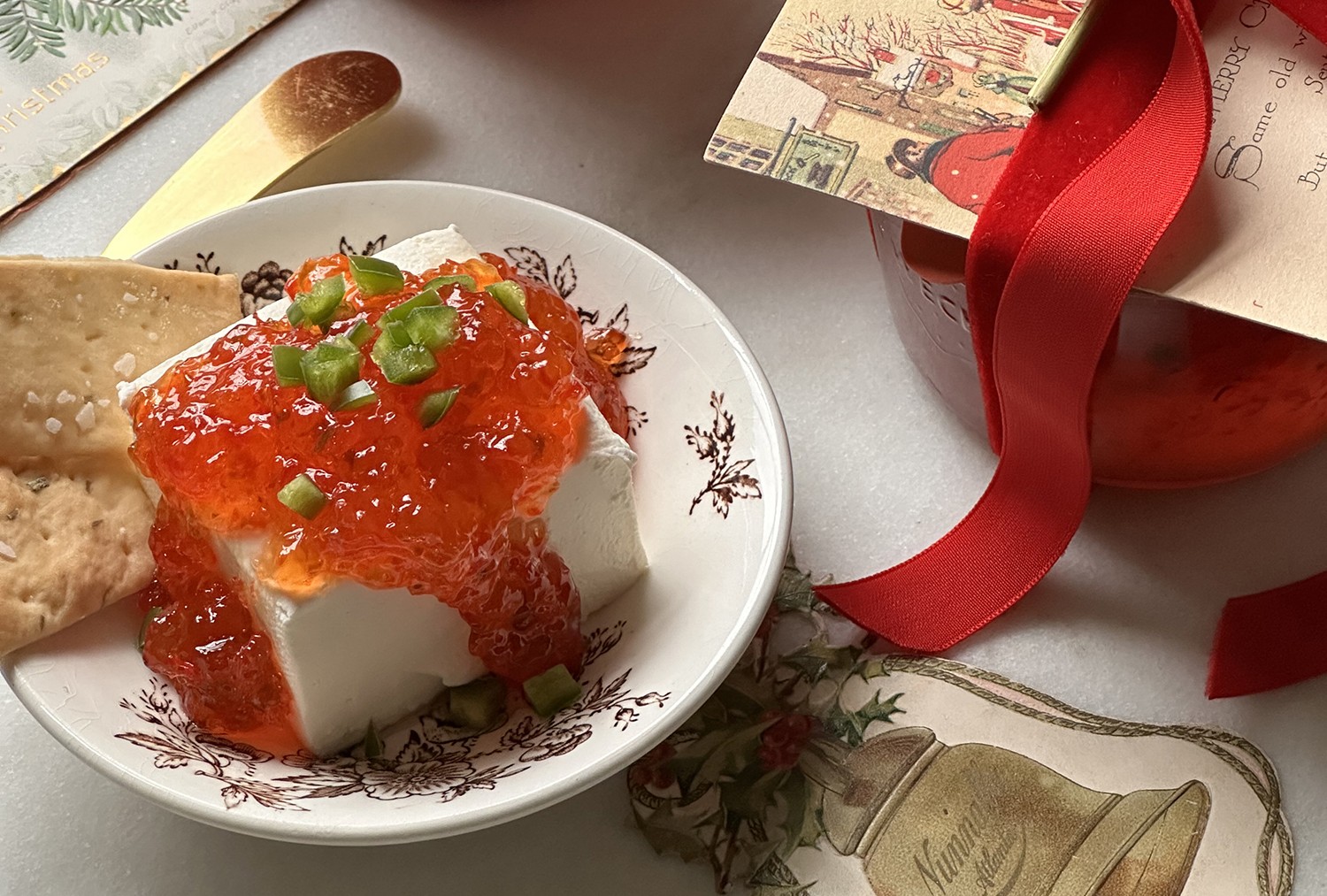
Pepper jelly pairs wonderfully with cream cheese on crackers for a simple appetizer, or it can be used as a glaze for meats like chicken or pork. It also makes a great addition to sandwiches and charcuterie boards, offering a sweet and spicy contrast that enhances various dishes.
References
- Jelly
https://en.wikipedia.org/wiki/Jelly - Google Scholar Google Scholar
https://scholar.google.com/scholar?q=pepper+jelly+recipe - https://www.ncbi.nlm.nih.gov/pmc/articles/PMC5504445/
https://www.ncbi.nlm.nih.gov/pmc/articles/PMC5504445/ - https://pubmed.ncbi.nlm.nih.gov/29082000/
https://pubmed.ncbi.nlm.nih.gov/29082000/ - https://www.foodsafety.gov/keep/charts/jelly.html
https://www.foodsafety.gov/keep/charts/jelly.html - Google Scholar Google Scholar
https://scholar.google.com/scholar?q=pepper+jelly - Jelly | Definition, Processing, & Uses | Britannica
https://www.britannica.com/topic/jelly - https://www.nal.usda.gov/legacy/legacy/jelly-and-jam-making
https://www.nal.usda.gov/legacy/legacy/jelly-and-jam-making - https://www.cdc.gov/foodsafety/communication/jelly.html
https://www.cdc.gov/foodsafety/communication/jelly.html - https://www.sciencedirect.com/topics/agricultural-and-biological-sciences/jelly
https://www.sciencedirect.com/topics/agricultural-and-biological-sciences/jelly