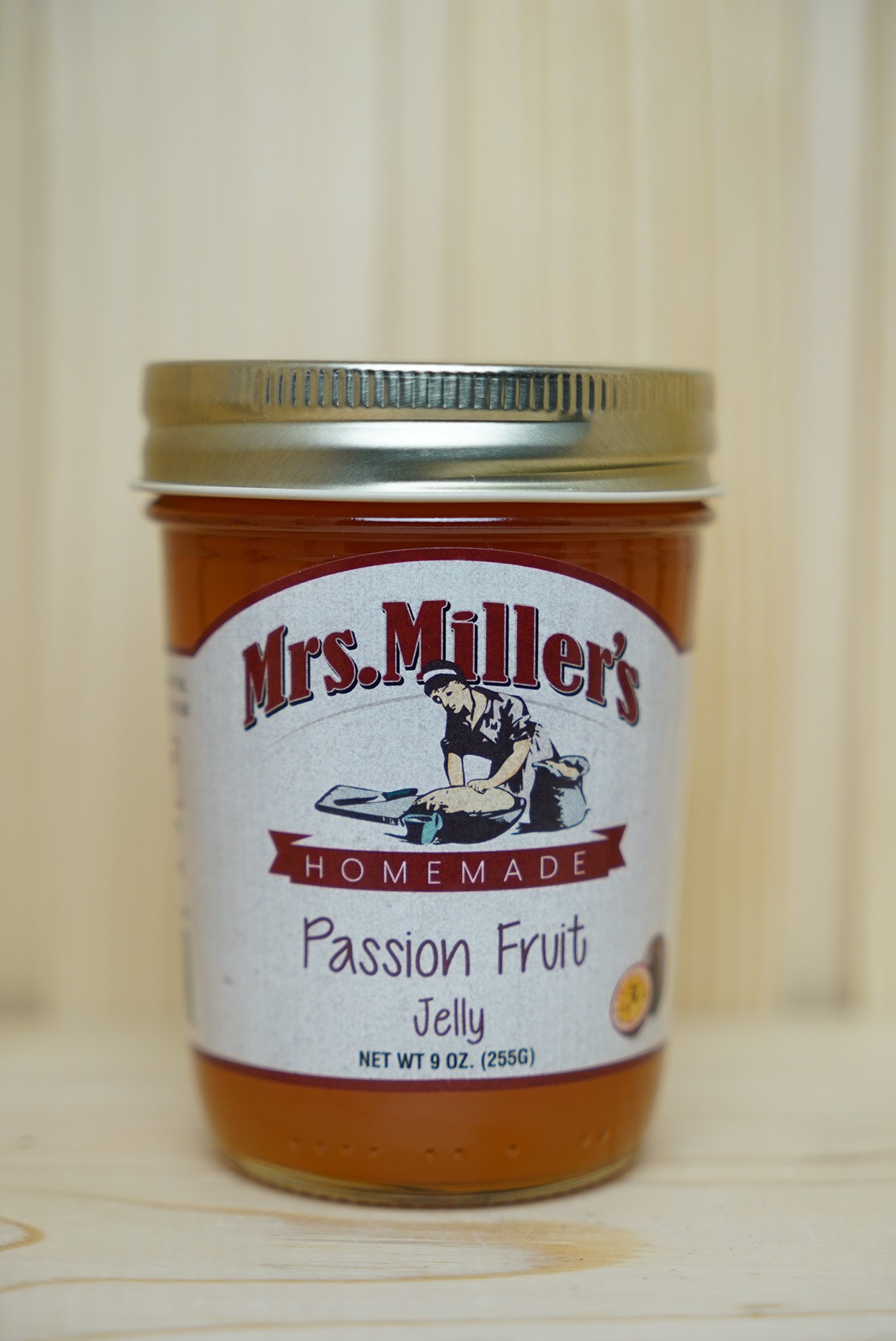
This expert guide to safely making passion fruit jelly jam provides precise, step-by-step instructions for achieving the perfect blend of flavor and texture. Understanding the importance of proper sterilization and ingredient selection is crucial for both taste and food safety. Whether you’re a seasoned canner or a novice in the kitchen, following these proven protocols will help you create delicious preserves that highlight the unique tartness of passion fruit.
What This Guide Covers (And What It Doesn’t)
This guide offers a thorough, step-by-step protocol for safely making passion fruit jelly jam. It details specific ingredient quantities and methods to achieve optimal results while emphasizing essential food safety practices, such as proper jar sterilization and the critical importance of pH levels. While it focuses exclusively on homemade passion fruit jelly jam, it does not delve into flavor variations, additional fruit combinations, or commercial production processes.
Who Should Read This

Aimed at home cooks familiar with canning and preserving techniques, this guide is especially beneficial for those with experience in making fruit preserves. Readers should have a basic understanding of boiling water bath methods and essential equipment, including canning jars, lids, and pressure cookers. Beginners without any canning experience or those looking for advanced gourmet techniques may find this guide less suitable for their needs.
The Step-by-Step Protocol
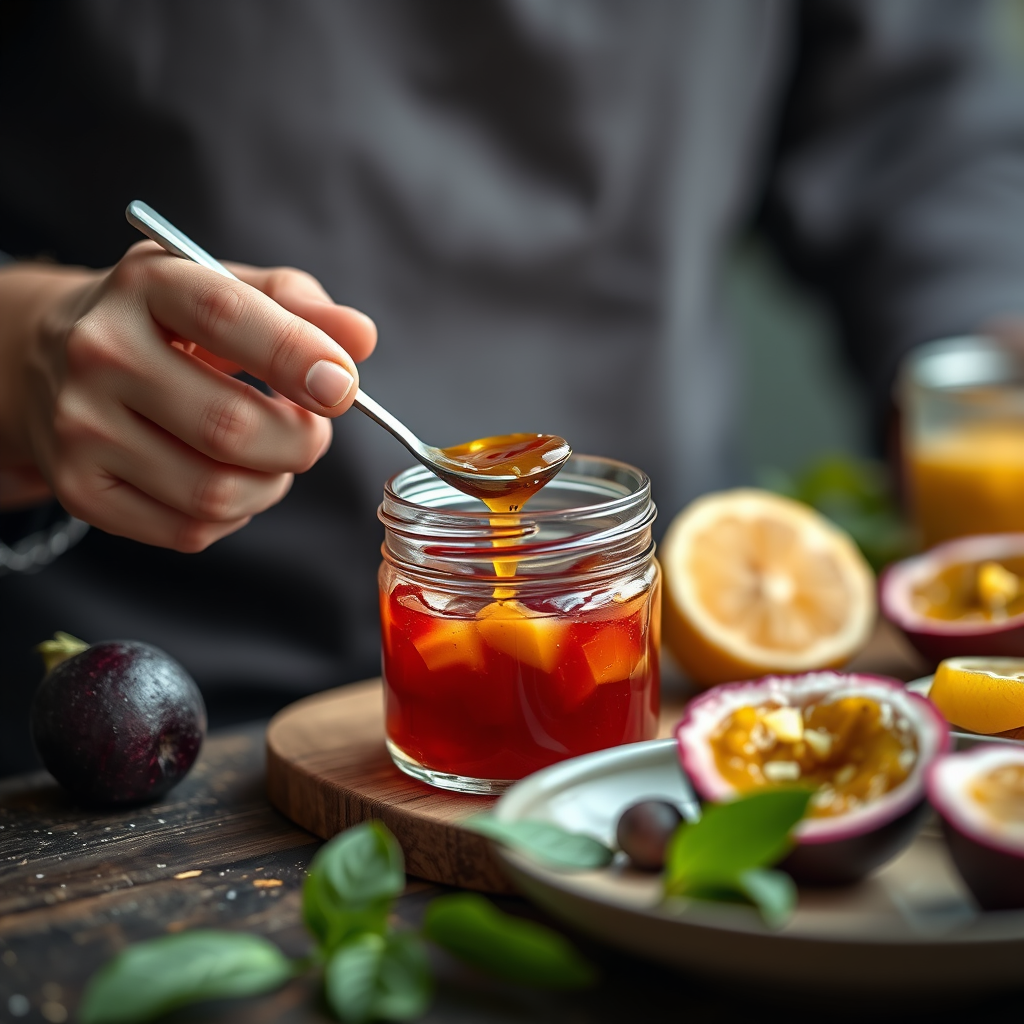
1. Gather Ingredients and Equipment: Collect 2 cups of fresh passion fruit pulp, 1 cup of granulated sugar, 3 tablespoons of lemon juice, and 1/2 teaspoon of pectin. Ensure you have sterilized jars and lids ready.
2. Prepare the Passion Fruit: Cut the passion fruits in half, scoop out the pulp, and strain it through a fine mesh sieve to separate the seeds, yielding approximately 2 cups of pulp.
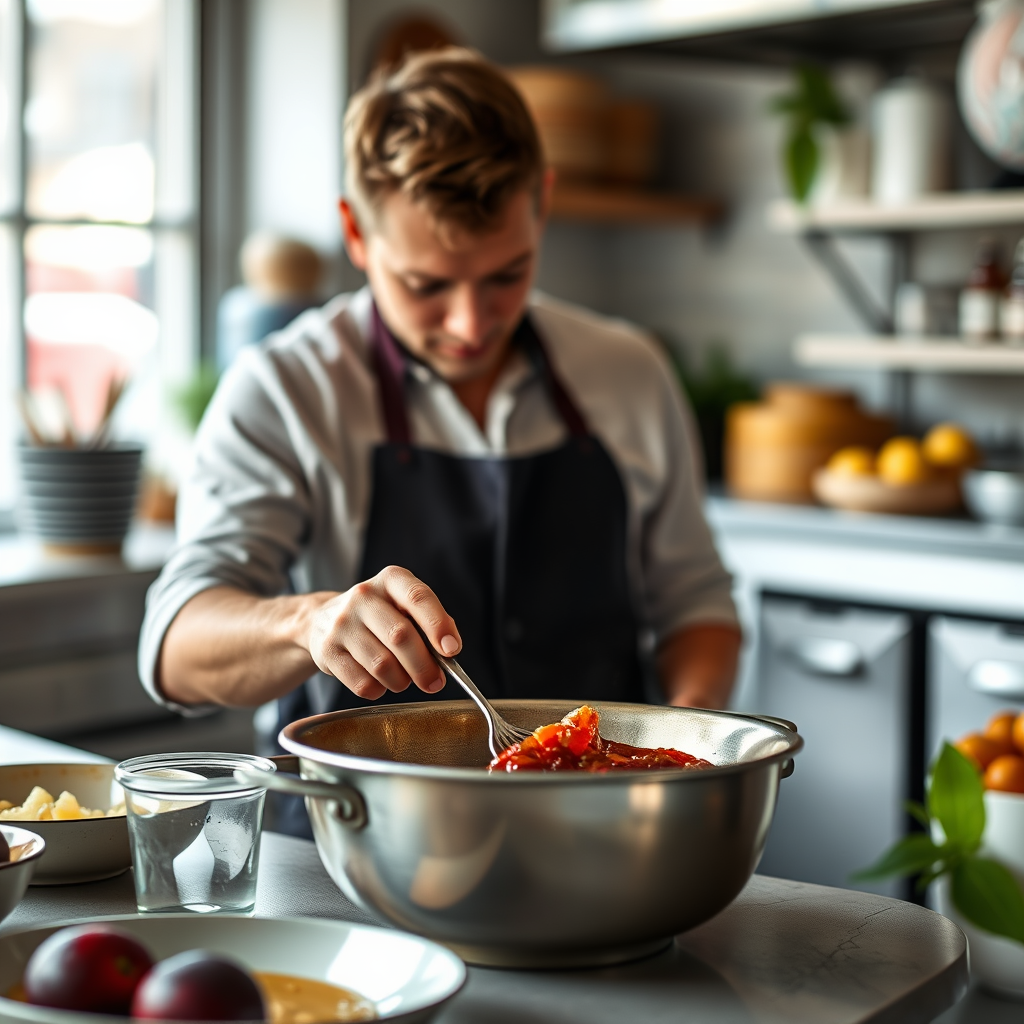
3. Cook the Mixture: In a large saucepan, combine the passion fruit pulp, sugar, lemon juice, and pectin. Heat over medium heat, stirring constantly until the mixture reaches a full boil. Once boiling, maintain the heat for 1 minute.
4. Jar the Jam: Pour the hot jelly into sterilized jars, leaving 1/4 inch of headspace. Wipe the rims with a clean cloth, place the lids on, and process the jars in a boiling water bath for 10 minutes.
Nutritional Information of Passion Fruit Jelly Jam (Per 1 Tablespoon)
| # | Nutrient | Amount | % Daily Value |
|---|---|---|---|
| 1 | Calories | 50 | 3% |
| 2 | Total Carbohydrates | 13g | 5% |
| 3 | Sugars | 12g | — |
| 4 | Fat | 0g | 0% |
| 5 | Protein | 0g | 0% |
| 6 | Vitamin C | 1mg | 2% |
| 7 | Calcium | 1mg | 0% |
| 8 | Iron | 0.1mg | 1% |
| 9 | Sodium | 1mg | 0% |
| 10 | Potassium | 10mg | 0% |
Warning Signs: When Not to Follow This

If you notice any signs of spoilage or fermentation in your passion fruits prior to preparing the jelly, do not proceed, as this can lead to unsafe consumption. Avoid attempting this recipe if you lack access to proper sterilizing equipment or the ability to process jars in a boiling water bath—both are essential for ensuring food safety. Additionally, refrain from following this recipe if you have allergies to any of the ingredients, such as passion fruit or citrus, to prevent adverse reactions.
The Most Common Mistakes (And Their Consequences)
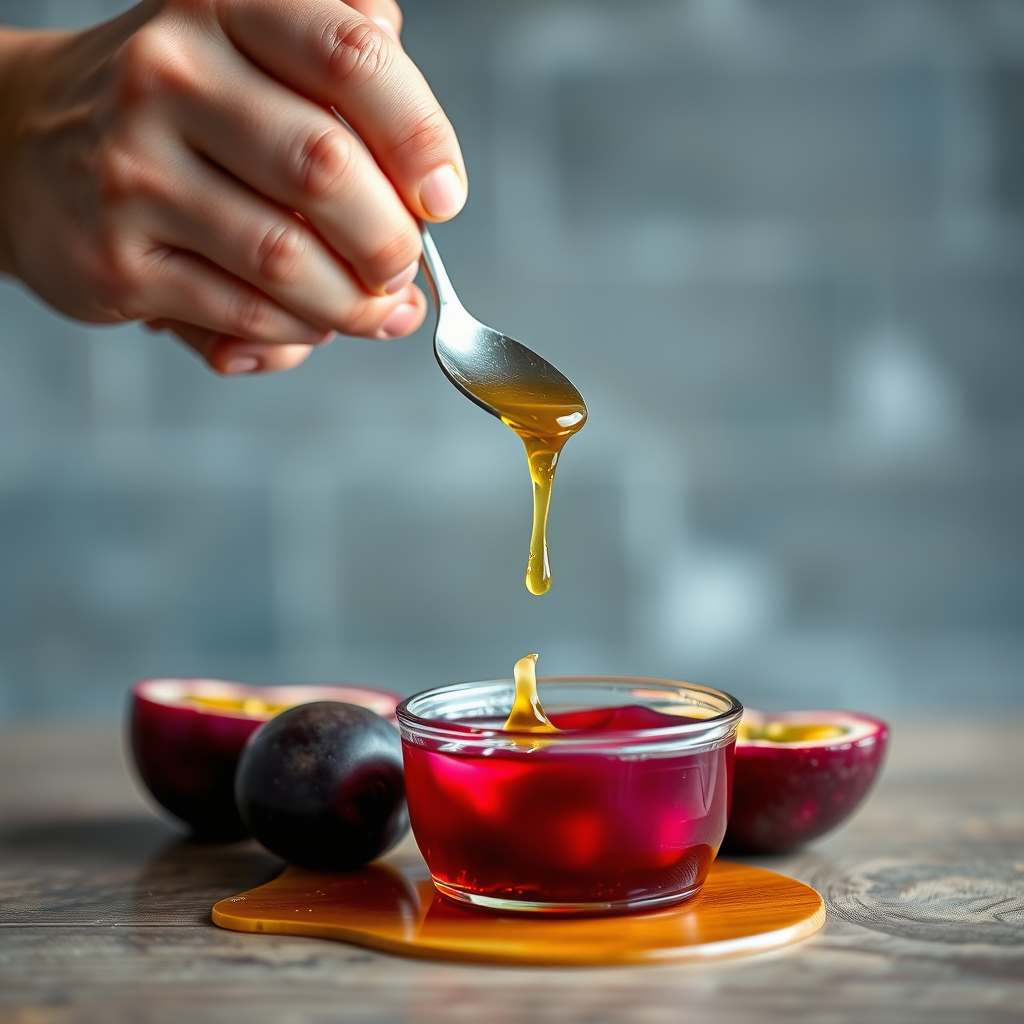
One common mistake is inaccurately measuring the passion fruit pulp; using less than 2 cups can result in a jelly that fails to set properly, leading to a runny consistency. Overcooking the mixture beyond 1 minute after reaching a full boil can make the jelly overly firm or hard, compromising its texture and spreadability. Failing to achieve the correct pH balance by neglecting to add lemon juice can produce a product that is both unsafe and lacks the desired flavor profile, as acidity is crucial for preservation.
Special Cases That Need a Different Approach
If you’re using frozen passion fruit pulp, ensure it is completely thawed and drained of excess liquid before measuring, as this can significantly affect the final consistency and flavor. Those living at high altitudes may need to adjust processing times and ingredient ratios due to variations in boiling temperatures—consult altitude-specific canning guidelines for best results. If you choose to substitute different types of pectin (such as low-sugar or no-sugar varieties), refer to the manufacturer’s instructions to determine proper ratios and cooking times to ensure the jelly sets correctly.
When You Need a Professional
If you are uncertain about your ability to safely can food or have never done it before, consider consulting a licensed canning expert or enrolling in a local workshop before attempting this recipe. If you experience any adverse reactions or foodborne illness after consuming homemade jelly, seek medical attention and report your experience to local health authorities. For those wishing to scale the recipe to produce a larger batch exceeding 10 jars, it is wise to consult a food preservation specialist to ensure safe practices are maintained.
Sources and Further Reading
– National Center for Home Food Preservation: provides extensive resources on home canning techniques and safety protocols for fruit preserves.
– “Ball Complete Book of Home Preserving”: a comprehensive guide to home canning, including tested recipes and safety tips specific to jelly making.
– University Extension Services: local university extensions often publish research-backed guidelines and best practices for fruit canning and preserving.
Frequently Asked Questions
What ingredients do I need for a passion fruit jelly jam recipe?
To make a delicious passion fruit jelly jam, you will need fresh passion fruit, granulated sugar, pectin, and lemon juice. The combination of these ingredients ensures a vibrant flavor and the perfect jelly consistency. It’s important to use ripe passion fruits for the best taste.
How do I make passion fruit jelly jam from scratch?
To make passion fruit jelly jam, start by extracting the pulp from ripe passion fruits and straining it to remove seeds. Combine the pulp with sugar, lemon juice, and pectin in a pot, bringing it to a boil while stirring continuously. Once the mixture reaches the desired thickness, pour it into sterilized jars and let it cool before sealing.
Why is my passion fruit jelly jam not setting properly?
If your passion fruit jelly jam isn’t setting, it may be due to insufficient pectin or not cooking it long enough. Ensure you are using the right amount of pectin based on the sugar-to-pectin ratio and that you boil the mixture for the recommended time. Additionally, make sure the fruit juice is fresh, as older juice may not contain enough natural pectin.
What is the best way to store homemade passion fruit jelly jam?
The best way to store homemade passion fruit jelly jam is in airtight jars kept in a cool, dark place like a pantry. Once opened, store the jar in the refrigerator to maintain freshness. Properly canned and sealed, your jam can last for up to a year, but it’s best enjoyed within six months for optimal flavor.
Which varieties of passion fruit are best for making jelly jam?
The best varieties of passion fruit for making jelly jam are the purple passion fruit and the yellow passion fruit. The purple variety offers a more intense flavor, while the yellow variety tends to be sweeter. Both types provide a vibrant color and aromatic qualities that enhance the overall taste of your jelly jam.
References
- Fruit preserves
https://en.wikipedia.org/wiki/Jam - Checking your browser – reCAPTCHA
https://www.ncbi.nlm.nih.gov/pmc/articles/PMC7151450/ - https://www.sciencedirect.com/topics/agricultural-and-biological-sciences/passion-fruit
https://www.sciencedirect.com/topics/agricultural-and-biological-sciences/passion-fruit - https://www.britannica.com/plant/passion-fruit
https://www.britannica.com/plant/passion-fruit - Google Scholar Google Scholar
https://scholar.google.com/scholar?q=passion+fruit+jelly+jam - Google Scholar Google Scholar
https://scholar.google.com/scholar?q=fruit+jelly+recipes - Google Scholar Google Scholar
https://scholar.google.com/scholar?q=passion+fruit+preservation - Turmeric, the Golden Spice – Herbal Medicine – NCBI Bookshelf
https://www.ncbi.nlm.nih.gov/books/NBK92752/ - https://www.cdc.gov/foodsafety/food-safety-education-month.html
https://www.cdc.gov/foodsafety/food-safety-education-month.html - https://www.sciencedirect.com/science/article/pii/S221478531630148X
https://www.sciencedirect.com/science/article/pii/S221478531630148X