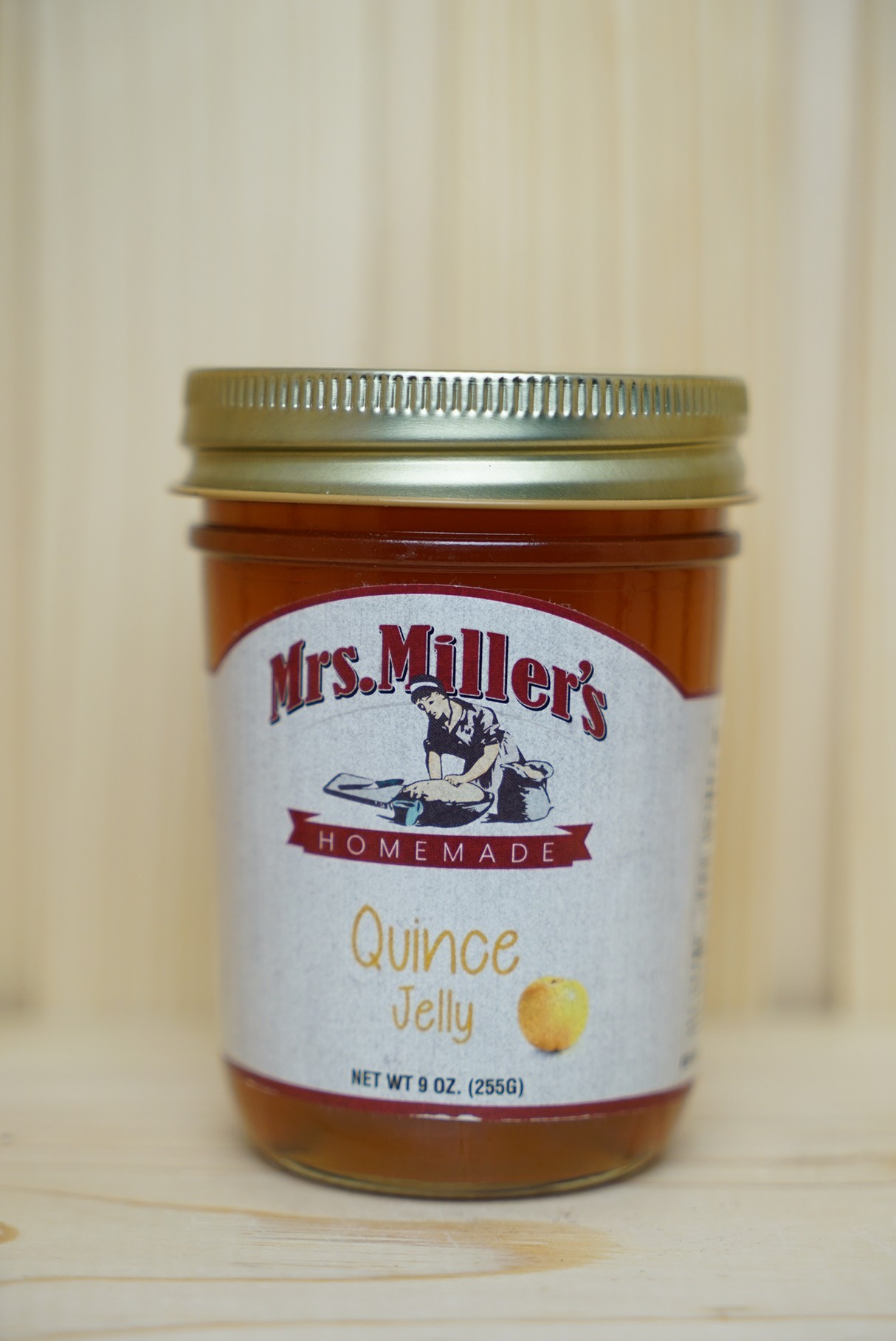
Quince jam and jelly recipes require careful attention to detail for safe preservation and optimal flavor. This complete guide provides expert procedures to ensure you achieve delicious, high-quality results while adhering to essential safety protocols. Mastering these techniques not only enhances your culinary repertoire but also safeguards your health and the integrity of your preserves.
What This Guide Covers (And What It Doesn’t)
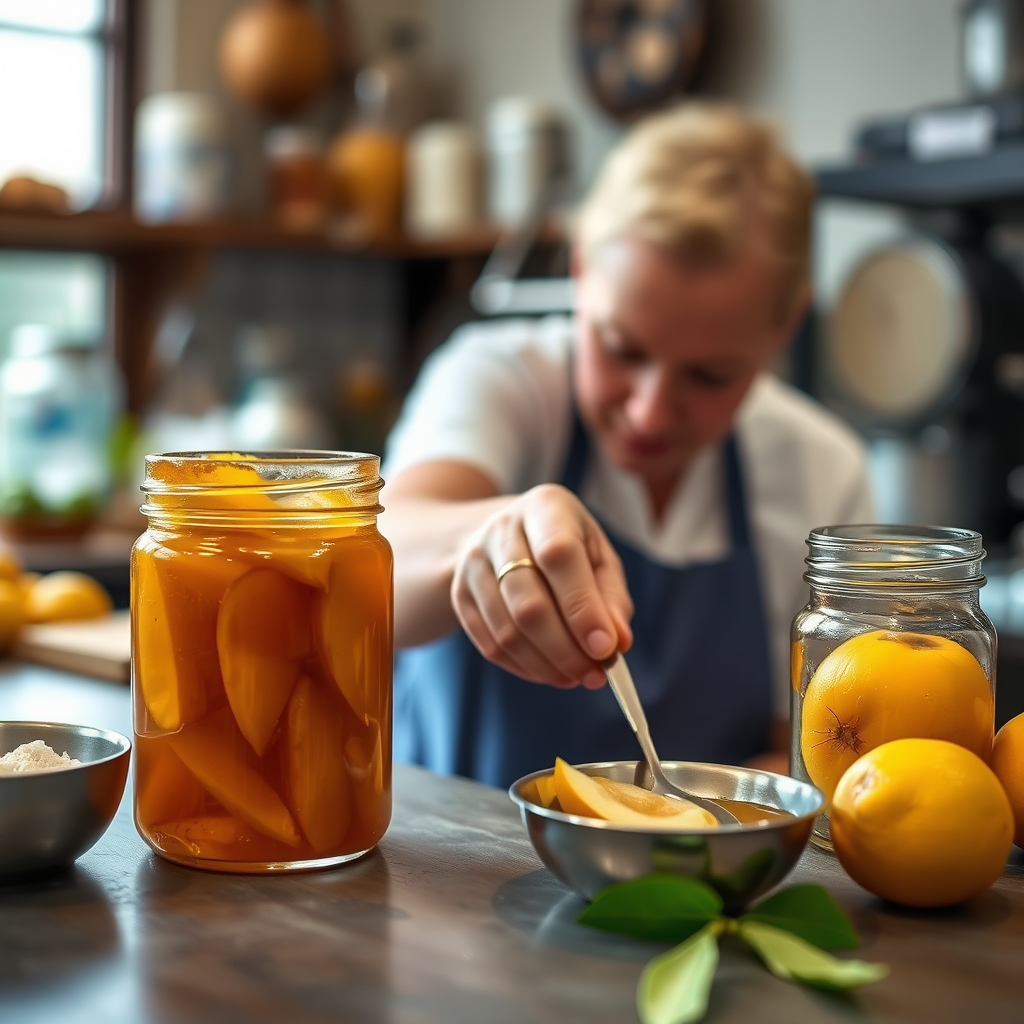
This guide provides a comprehensive overview of making quince jam and jelly, detailing everything from ingredient selection to preparation techniques and preservation methods. You’ll find specific recipes for both quince jam and jelly, along with variations that introduce other flavors, such as spices or citrus. However, this guide does not delve into making quince preserves or chutneys, nor does it explore techniques for other fruits or general canning practices unrelated to quince. Additionally, essential safety tips related to pH levels, sugar content, and sterilization methods necessary for safe canning are included.
Who Should Read This
This guide is crafted for home cooks and food preservation enthusiasts who possess a basic understanding of canning and want to expand their skills to include quince. Those interested in preserving seasonal fruits or creating homemade gifts will find these recipes particularly valuable. However, it is not designed for complete beginners unfamiliar with canning; a foundational knowledge of canning equipment and procedures is assumed. Readers with allergies to certain preservatives or sweeteners should also proceed with caution, as the recipes may include common canning agents that could trigger reactions.
The Step-by-Step Protocol
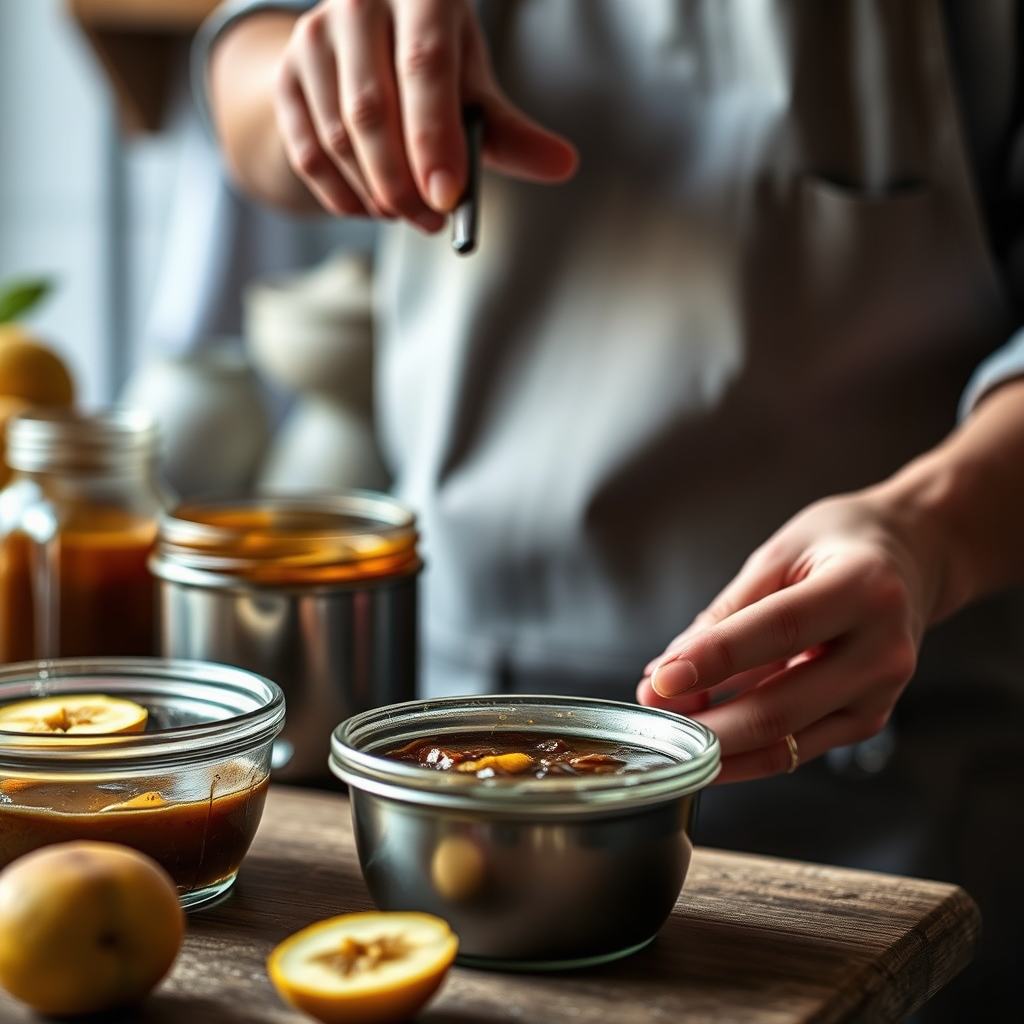
1. Selecting and Preparing Quince: Choose firm, ripe quinces (approximately 4-5 pounds). Wash them thoroughly under running water to remove any dirt or residues. Core the quinces without peeling them, as the skin contains pectin that aids in gelling.
2. Making Quince Puree: Cut the prepared quinces into quarters and place them in a large pot. Add 1 cup of water to prevent sticking and cook over medium heat until soft, which takes about 30-40 minutes. Once softened, mash the quinces using a potato masher or immersion blender, then strain the mixture through a fine sieve or cheesecloth to obtain a smooth puree.
3. Cooking the Jam or Jelly: For jam, combine 4 cups of quince puree with 2 cups of granulated sugar and 1 tablespoon of lemon juice in a large pot. Stir over medium heat until the sugar dissolves, then bring to a rolling boil for about 20-30 minutes or until the mixture reaches a temperature of 220°F (104°C). For jelly, add 1 packet of fruit pectin to the quince puree, following the package instructions for sugar and cooking times, typically requiring about 5-10 minutes of boiling after the pectin is added.
4. Canning Process: Sterilize jars by boiling them for 10 minutes in a water bath. Pour the hot quince jam or jelly into the jars, leaving 1/4-inch headspace. Wipe the rims of the jars with a clean cloth to remove any residue. Seal the jars with lids and process them in a boiling water bath for 10-15 minutes, adjusting for altitude as necessary (an additional 5 minutes for every 1,000 feet above sea level). Ensure that the water covers the jars by at least an inch during processing.
Nutritional Comparison of Quince Jam and Jelly (per 100g)
| # | Nutrient | Quince Jam | Quince Jelly | Difference |
|---|---|---|---|---|
| 1 | Calories | 250 | 200 | +50 |
| 2 | Total Sugars | 60g | 50g | +10g |
| 3 | Total Fiber | 2g | 0g | +2g |
| 4 | Vitamin C | 10% DV | 0% DV | +10% DV |
| 5 | Sodium | 5mg | 0mg | +5mg |
| 6 | Potassium | 130mg | 100mg | +30mg |
| 7 | Calcium | 20mg | 0mg | +20mg |
Warning Signs: When Not to Follow This

– If your quinces show signs of mold or significant bruising, do not use them; these conditions can compromise the safety and quality of your jam or jelly.
– Avoid this guide if you are unfamiliar with safe canning practices, such as maintaining proper acidity and sterilization. Improper methods can lead to foodborne illnesses.
– Do not proceed if you lack access to necessary canning equipment, including a water bath canner, jars, and lids, as these are essential for safe preservation.
– If you have an underlying health condition that requires strict dietary control (e.g., diabetes), consult with a healthcare provider before using recipes that are high in sugar.
The Most Common Mistakes (And Their Consequences)
– Many beginners neglect to measure the pH levels of the quince mixture, which can result in jam that is overly sweet or lacks adequate preservation, increasing the risk of spoilage.
– Skipping the sterilization of jars or lids can lead to contamination, resulting in spoilage or the potential growth of harmful bacteria.
– Using overripe quinces can result in a jam or jelly that is too soft and lacks the desired set, leading to an undesirable texture.
– Not adhering to recommended processing times in a water bath can result in jars that do not seal properly, creating food safety issues.
Special Cases That Need a Different Approach
– For those living at high altitudes (above 1,000 feet), adjustments in processing time and sugar levels may be necessary to achieve proper preservation and safety. Consult local guidelines for specific adjustments.
– If making a low-sugar version of quince jelly, consider using a specific low-sugar pectin designed for such recipes, as standard pectin requires higher sugar content for proper gel formation.
– Individuals with dietary restrictions can experiment with sugar substitutes; however, be aware that this may alter the gelling process. Consult specific brands’ instructions as needed.
– To infuse flavors, such as herbs or spices, add these during the cooking process, but be cautious about how they may affect acidity and safety. For example, cinnamon or ginger can complement quince well, but always ensure they do not disrupt the pH balance.
When You Need a Professional
– If you experience repeated failures in achieving proper set or preservation, consult a food preservation expert or a certified canning instructor for personalized guidance.
– When attempting to can large quantities or for commercial purposes, seek the advice of a food safety professional to ensure compliance with local health regulations.
– If you have doubts about the safety of your canned products, especially if they show signs of spoilage, contact local health authorities for testing and safety evaluation.
– Consider hiring a food scientist or preservation specialist if you wish to develop new recipes or significantly modify existing ones to ensure they meet safety standards.
Sources and Further Reading
– The National Center for Home Food Preservation (nchfp.uga.edu) offers extensive resources on safe canning practices, including quince-specific guidelines.
– “Ball Complete Book of Home Preserving” serves as a comprehensive resource for canning techniques and recipes, including those for quince jam and jelly.
– The USDA Complete Guide to Home Canning is an authoritative source on food safety and preservation methods, including acidity requirements for fruit preserves.
– Local extension services often provide workshops and publications on canning practices; check their websites for specific resources related to quince preservation.
By following the detailed steps in this guide, you can confidently create delicious and safe quince jam and jelly. This not only expands your food preservation repertoire but also allows you to enjoy the unique flavors of this often-overlooked fruit. Embrace the challenge and savor the rewards of your homemade creations!
Frequently Asked Questions
What are the key ingredients needed for making quince jam and jelly?
To make quince jam and jelly, you’ll need ripe quinces, sugar, lemon juice, and water. The quinces should be washed and peeled, as their high pectin content helps achieve the desired gel-like consistency. For enhanced flavor, consider adding spices like cinnamon or cloves.
How do I properly prepare quinces for jam and jelly recipes?
Begin by washing the quinces thoroughly to remove any dirt, then peel and core them. Cut the fruit into small pieces, as this will help release their natural pectin during cooking. Simmer the chopped quinces in water until soft, which makes them easier to mash and extract juice for your jam or jelly.
Why is it important to use lemon juice in quince jam and jelly?
Lemon juice is crucial in quince jam and jelly recipes because it adds acidity, which enhances the flavor and helps balance the sweetness of the sugar. Additionally, the acidity helps to set the jam by activating the natural pectin in quinces, ensuring a firm texture in your final product.
What is the best method for achieving a smooth texture in quince jelly?
To achieve a smooth texture in quince jelly, make sure to strain the juice through a fine-mesh sieve or cheesecloth after cooking the quinces. This will remove any solids and ensure that your jelly is clear and free from pulp. Be sure to let the juice cool before measuring it for the jelly recipe.
Which common mistakes should I avoid when making quince jam and jelly?
Common mistakes when making quince jam and jelly include not using ripe quinces, which can result in poor flavor and texture, and failing to measure the sugar accurately, leading to an imbalance in sweetness and preservation. Additionally, avoid overcooking the mixture, as this can lead to a hardened final product; always follow recommended cooking times for the best results.
References
- Quince
https://en.wikipedia.org/wiki/Quince - https://www.foodnetwork.com/recipes/articles/10-quince-recipes
https://www.foodnetwork.com/recipes/articles/10-quince-recipes - Extension publications | University of Idaho
https://www.extension.uidaho.edu/ - https://pubmed.ncbi.nlm.nih.gov/29213399/
https://pubmed.ncbi.nlm.nih.gov/29213399/ - https://www.sciencedirect.com/topics/agricultural-and-biological-sciences/quince
https://www.sciencedirect.com/topics/agricultural-and-biological-sciences/quince - https://www.bbc.co.uk/food/recipes/quince_jam_77946
https://www.bbc.co.uk/food/recipes/quince_jam_77946 - https://www.nal.usda.gov/legacy/legacy/food-safety-education/food-safety-research/recipes/quince-jam
https://www.nal.usda.gov/legacy/legacy/food-safety-education/food-safety-research/recipes/quince-jam - https://www.extension.purdue.edu/extmedia/HHS/HHS-800-W.pdf
https://www.extension.purdue.edu/extmedia/HHS/HHS-800-W.pdf - Google Scholar Google Scholar
https://scholar.google.com/scholar?q=quince+jam+recipes - Google Scholar Google Scholar
https://scholar.google.com/scholar?q=quince+jelly+recipes