Master the art of making strawberry jelly with Sure Jell using this comprehensive expert guide, designed for both novice and seasoned cooks. This detailed recipe ensures you achieve the perfect balance of flavor and texture while adhering to safe canning practices. Following the right protocol is crucial for preserving your jelly’s quality and preventing spoilage, making this guide an essential resource for anyone looking to create delicious homemade strawberry jelly.
What This Guide Covers (And What It Doesn’t)
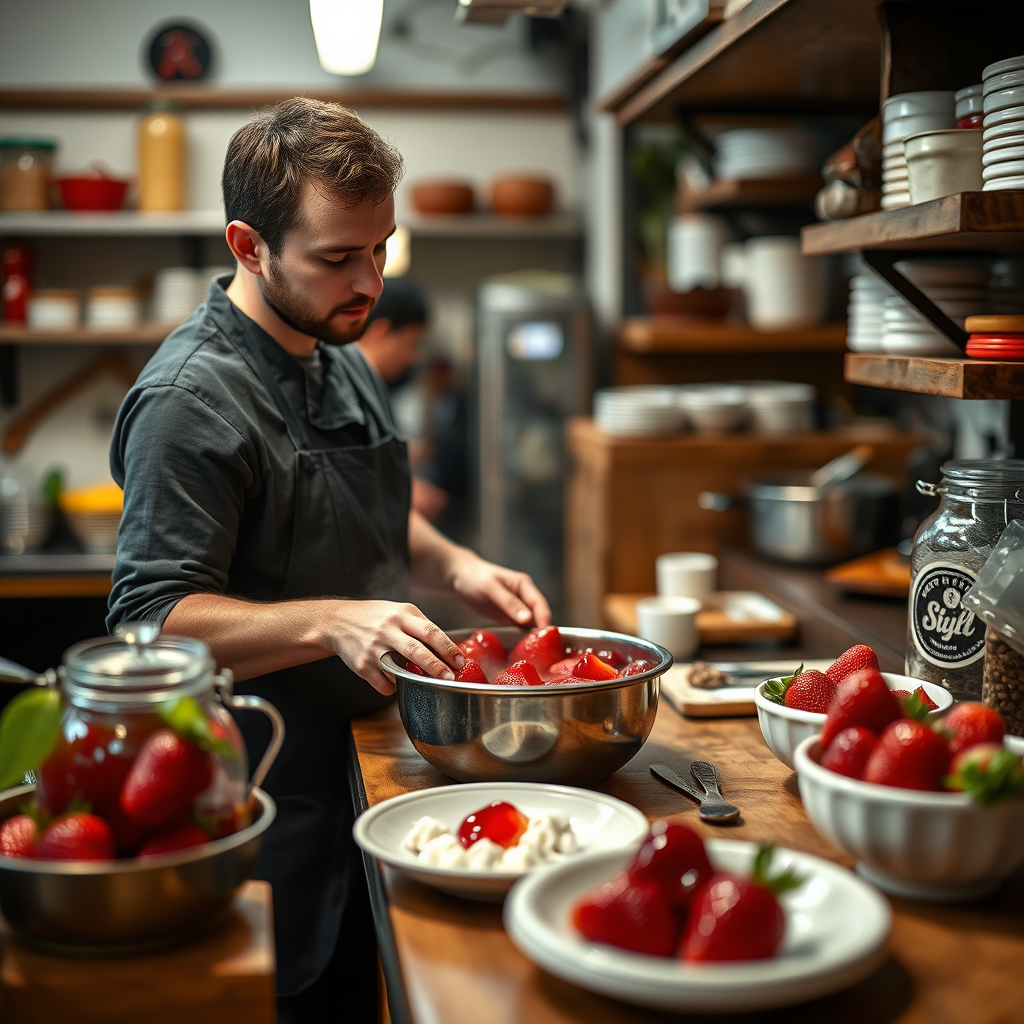
This guide offers a detailed, step-by-step approach to making strawberry jelly using Sure Jell, complete with precise measurements and cooking times. It outlines the essential ingredients, equipment, and techniques necessary for a successful jelly-making experience, while prioritizing safe food preservation practices. However, this guide does not include recipes for other types of jams or jellies, nor does it explore variations using different fruits or alternative pectin brands.
Who Should Read This
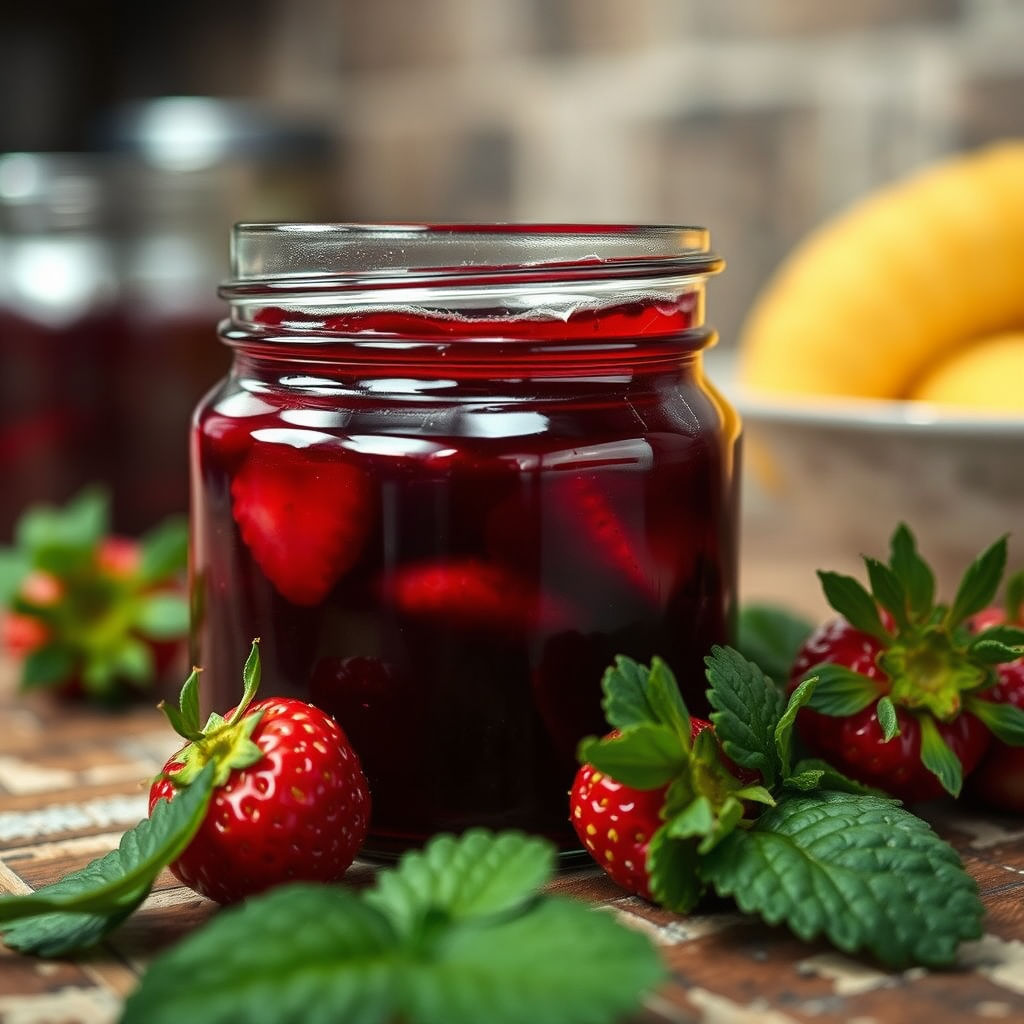
This guide is designed for home cooks of all skill levels, from beginners to those with intermediate experience, who wish to create strawberry jelly with Sure Jell and achieve reliable results. Readers should possess basic kitchen skills, including accurately measuring ingredients and using common cooking tools like pots and jars. Individuals with dietary restrictions or specific concerns regarding sugar and preservatives are advised to consult relevant dietary guidelines before proceeding with the recipe.
The Step-by-Step Protocol
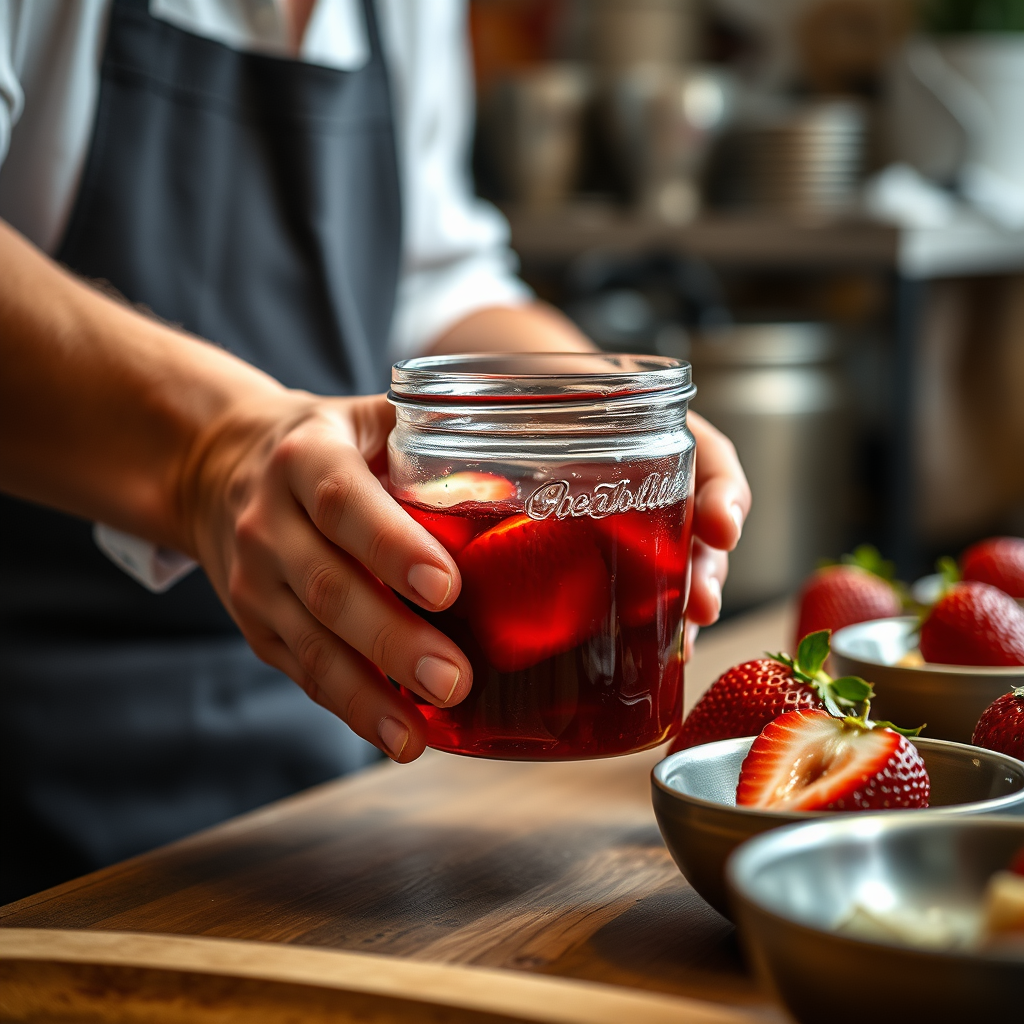
1. Gather your ingredients: You will need 2 quarts of fresh strawberries, 1 package (1.75 oz) of Sure Jell pectin, 5 cups of granulated sugar, and 1/4 cup of lemon juice.
2. Prepare the strawberries: Thoroughly wash the strawberries, hull them by removing the green tops, and crush them to yield about 4 cups of crushed fruit. A potato masher or food processor can facilitate this process.
3. Combine ingredients: In a large, heavy-bottomed pot, combine the crushed strawberries, lemon juice, and Sure Jell pectin. Stir the mixture well and allow it to sit for 10 minutes. This resting period helps the pectin dissolve evenly.
4. Heat the mixture: Over medium-high heat, bring the mixture to a rolling boil while stirring continuously. A rolling boil means that the mixture bubbles vigorously and does not stop bubbling when stirred.
5. Add sugar: Once boiling, add the granulated sugar all at once, stirring constantly until it is completely dissolved. This step should take about 2-3 minutes.
6. Boil the jelly: Boil the mixture for exactly 1 minute while continuing to stir. Timing is crucial here; boiling for too long can lead to a jelly that is too firm.
7. Remove from heat: After 1 minute of boiling, remove the pot from heat. Skim off any foam that forms on the surface using a spoon or ladle. This step is important for both appearance and preservation.
8. Jar the jelly: Immediately pour the hot jelly into sterilized jars, leaving a 1/4-inch headspace at the top. Wipe the rims of the jars with a clean, damp cloth to ensure a good seal.
9. Seal the jars: Place sterilized lids on the jars and secure them with metal bands, tightening them just until they are fingertip-tight.
10. Process the jars: If you plan to store the jelly for an extended period, process the jars in a boiling water bath for 5-10 minutes to ensure they are sealed properly. Check the specific guidelines from your local extension office for recommended processing times based on your altitude.
11. Cool and store: Allow the jars to cool completely at room temperature. Once cooled, check the seals by pressing the center of each lid; it should not pop back. Store sealed jars in a cool, dark place. Unsealed jars can be refrigerated and used within a few weeks.
Strawberry Jelly Ingredients Breakdown
| # | Ingredient | Quantity | Purpose |
|---|---|---|---|
| 1 | Fresh Strawberries | 2 quarts | Main flavor component |
| 2 | Sure Jell Pectin | 1 package (1.75 oz) | Thickening agent |
| 3 | Granulated Sugar | 5 cups | Sweetness and preservation |
| 4 | Lemon Juice | 1/4 cup | Acidity for flavor balance |
| 5 | Water | As needed | For boiling process |
Warning Signs: When Not to Follow This
– Avoid making strawberry jelly if your strawberries exhibit signs of spoilage, such as mold, soft spots, or an off smell. These issues can compromise both flavor and safety.
– If you do not have the correct type of Sure Jell (specifically formulated for fruit jellies), do not attempt this recipe, as it may adversely affect the setting process.
– Refrain from significantly altering the sugar content, as this can lead to improper gelling and potential food preservation issues.
The Most Common Mistakes (And Their Consequences)
– One common error is inaccurately measuring the strawberries; underestimating the quantity can result in a jelly that is too thin and fails to set properly. Always measure carefully to ensure you have the right amount.
– Many home cooks mistakenly add the sugar too early in the cooking process, which can lead to a syrupy consistency rather than a firm jelly. Sugar should only be added once the mixture reaches a rolling boil.
– Skipping the foam removal step can create an unattractive appearance and may promote spoilage, as trapped air can lead to mold growth. Always skim off foam before sealing the jars.
Special Cases That Need a Different Approach
– If using frozen strawberries, ensure they are completely thawed and drained of excess liquid, as this can alter the jelly’s consistency. Excess water can dilute the flavor and affect setting.
– For those looking to create a lower-sugar version, consult Sure Jell’s guidelines for low-sugar pectin, as it requires different ratios and additional cooking time to achieve the proper consistency.
– If you prefer a chunkier jelly with whole fruit pieces, adjust the blending technique and cooking time accordingly. However, this may affect the overall set, so consider slightly reducing the amount of pectin if using larger fruit pieces.
When You Need a Professional
– Consult a food preservation expert if you have any doubts about the safety of your ingredients or methods, particularly if you are new to canning.
– Seek professional advice if you have health conditions that necessitate monitoring sugar intake, as homemade jelly can be high in sugar.
– If your jelly fails to set after following the recipe and you’re unsure why, consider reaching out to a local extension office or food safety expert for tailored guidance.
Sources and Further Reading
– “The Complete Book of Home Preserving” by Judi Kingry and Lauren Devine offers extensive canning techniques and safety measures.
– Sure Jell’s official website provides updated recipes, troubleshooting tips, and safety guidelines specific to pectin use.
– The USDA’s Complete Guide to Home Canning delivers authoritative information on food preservation and safe canning practices.
Frequently Asked Questions
What ingredients do I need for a strawberry jelly recipe using Sure-Jell?
To make strawberry jelly with Sure-Jell, you will need fresh strawberries, granulated sugar, Sure-Jell fruit pectin, and lemon juice. It’s important to use ripe strawberries for the best flavor, and you can typically find Sure-Jell in the grocery store’s baking aisle.
How do I properly prepare strawberries for making jelly?
Start by washing the strawberries thoroughly and removing the green tops. Then, mash the strawberries using a potato masher or blender until you have about 4 cups of crushed fruit, which will yield a rich flavor for your jelly recipe using Sure-Jell.
Why is it important to follow the Sure-Jell instructions closely when making strawberry jelly?
Following the Sure-Jell instructions is crucial because the proportions of fruit to sugar and pectin affect the jelly’s texture and set. If the measurements are off, your strawberry jelly may not gel properly, resulting in a runny consistency instead of the desired firm jelly.
What is the best method for canning strawberry jelly made with Sure-Jell?
The best method for canning strawberry jelly involves sterilizing your jars and lids before filling them with the hot jelly. Use a water bath canner to process the jars for about 5-10 minutes, ensuring they are sealed properly for long-term storage and safety.
Which tips can improve the flavor of my strawberry jelly using Sure-Jell?
To enhance the flavor of your strawberry jelly, consider adding a splash of lemon juice or zest to brighten the taste. Additionally, using a mix of different berry types, such as raspberries or blackberries, can create a more complex and delicious jelly.
References
- Fruit preserves
https://en.wikipedia.org/wiki/Jam - https://www.extension.purdue.edu/extmedia/HHS/HHS-817-W.pdf
https://www.extension.purdue.edu/extmedia/HHS/HHS-817-W.pdf - UGA
https://www.uga.edu/ - https://www.nutrition.gov/recipes/strawberry-jelly
https://www.nutrition.gov/recipes/strawberry-jelly - https://pubmed.ncbi.nlm.nih.gov/19320596/
https://pubmed.ncbi.nlm.nih.gov/19320596/ - FoodSafety.gov
https://www.foodsafety.gov/ - Google Scholar Google Scholar
https://scholar.google.com/scholar?q=strawberry+jelly+recipe+sure+jell - Google Scholar Google Scholar
https://scholar.google.com/scholar?q=strawberry+jelly+making - https://www.sciencedirect.com/topics/agricultural-and-biological-sciences/strawberry-jelly
https://www.sciencedirect.com/topics/agricultural-and-biological-sciences/strawberry-jelly - The Columbia-Bronx VA amalgamative clerkship: an effective, 12-week, integrated, longitudinal cli…
https://www.ncbi.nlm.nih.gov/pmc/articles/PMC5419297/