Mastering the art of making red pepper jelly requires precision and adherence to safety protocols to ensure a delicious and safe product. This expert guide provides a step-by-step recipe, highlighting essential techniques and tips for successful canning. Following these detailed instructions not only enhances flavor but also guarantees food safety, making it a must-read for both novice and seasoned home preservers.
What This Guide Covers (And What It Doesn’t)
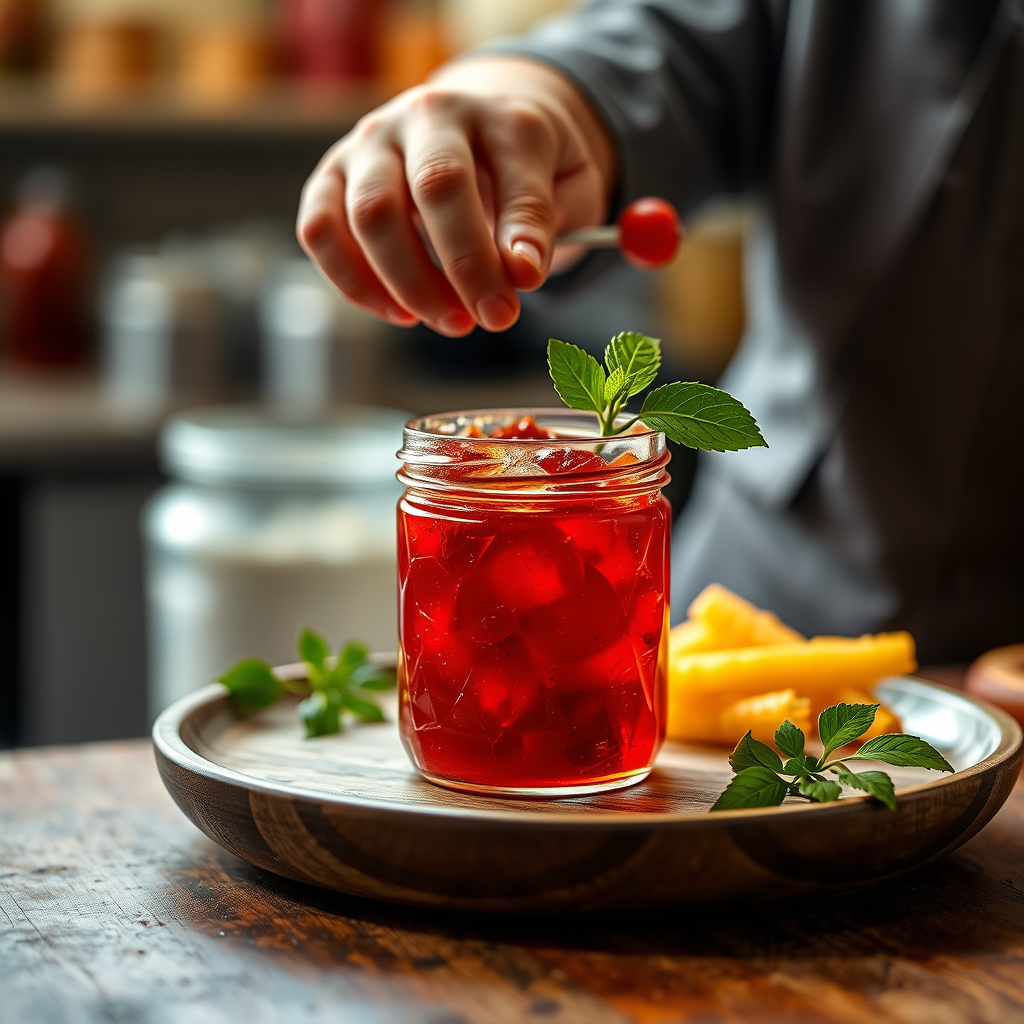
This guide offers a thorough exploration of safe methods for preparing red pepper jelly, detailing essential ingredients, cooking techniques, and bottling procedures. You will discover how to achieve the perfect balance of sweetness and heat while ensuring your jelly remains shelf-stable. However, it does not include variations of red pepper jelly that stray from the classic recipe, nor does it delve into unrelated pepper preservation methods. Tailored for home cooks, this guide is intended for those looking to create red pepper jelly for personal enjoyment or gifting, rather than for commercial production. If you’re seeking advanced preservation methods or an extensive overview of canning techniques beyond jelly making, you may find limited information here.
Who Should Read This
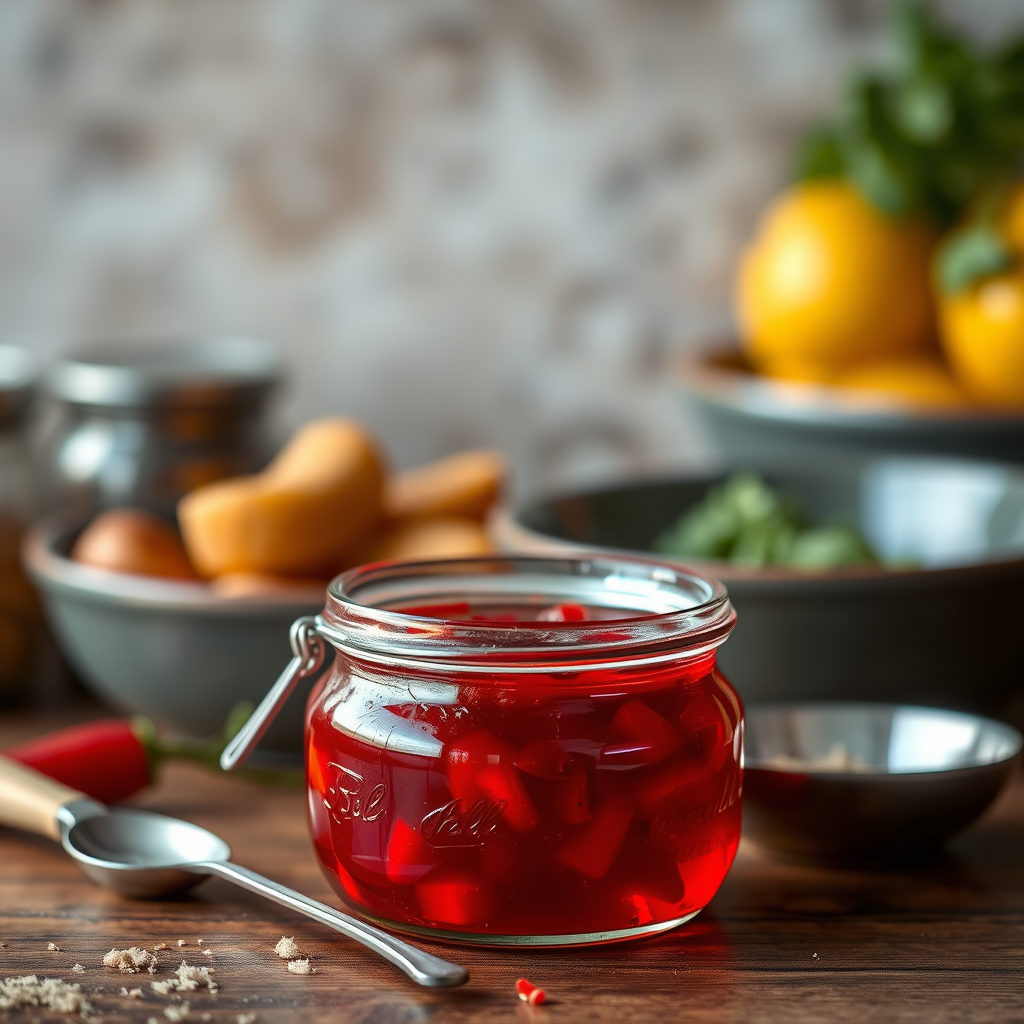
Home cooks eager to elevate their culinary repertoire with a distinctive condiment that complements cheeses and meats will find great value in this guide. Those with a foundational understanding of cooking and food preservation, particularly those acquainted with pectin and canning jars, will find the content relevant. This guide is not suitable for novices without prior cooking or canning experience, as it assumes a basic comprehension of kitchen safety and food preservation practices. Even experienced canners might discover useful techniques and troubleshooting tips within these pages, particularly for crafting a reliable red pepper jelly recipe.
The Step-by-Step Protocol

1. Gather ingredients: You will need 2 cups of finely chopped red bell peppers, 1 cup of apple cider vinegar, 1 box (1.75 oz) of powdered pectin, and 5 cups of granulated sugar.
2. Prepare jars: Sterilize 6 half-pint canning jars and lids by boiling them in water for 10 minutes, then set aside to dry. This crucial step prevents contamination and spoilage.
3. Cook the mixture: In a large pot, combine the chopped peppers and vinegar; bring to a boil over medium heat. Once boiling, add the pectin and stir continuously for 1-2 minutes until fully dissolved. This ensures proper activation of the pectin.
4. Add sugar: Gradually stir in the sugar, making sure it dissolves completely before returning to a rolling boil for 1-2 minutes. Remove from heat afterward, as overcooking can negatively affect both texture and flavor.
5. Fill jars: Using a ladle, fill the prepared jars with the jelly, leaving 1/4-inch headspace at the top. Wipe the rims with a clean, damp cloth to ensure a proper seal, preventing any jelly from interfering with the sealing process.
6. Process the jars: Seal the jars with lids and process them in a boiling water bath for 5-10 minutes. This step is vital for ensuring safety and shelf stability. Keep in mind that processing times may vary depending on your altitude, so adjust accordingly.
Top 7 Ingredients for Red Pepper Jelly (2024)
| # | Ingredient | Quantity | Purpose | Nutritional Value |
|---|---|---|---|---|
| 1 | Red Bell Peppers | 2 cups | Flavor, Color | Vitamin C, Fiber |
| 2 | Apple Cider Vinegar | 1 cup | Preservation, Flavor | Acetic Acid |
| 3 | Powdered Pectin | 1 box (1.75 oz) | Thickening | N/A |
| 4 | Granulated Sugar | 5 cups | Sweetness, Preservation | Calories |
| 5 | Water | As needed | Dissolution | N/A |
| 6 | Salt | 1/4 tsp | Flavor Enhancer | N/A |
| 7 | Optional Ingredients (e.g., spices) | To taste | Flavor | N/A |
Warning Signs: When Not to Follow This
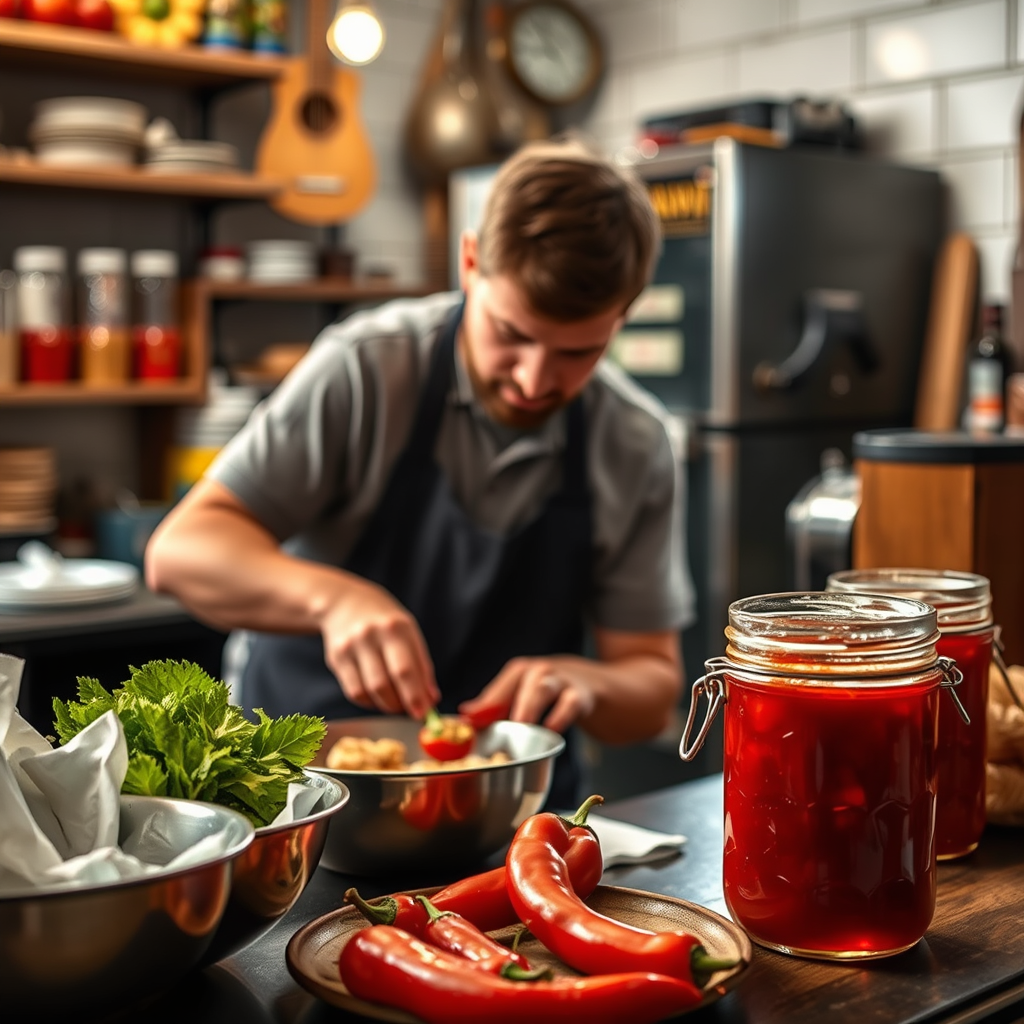
Avoid attempting this recipe if you have allergies to any of the ingredients, particularly red bell peppers or apple cider vinegar. It’s also essential not to make red pepper jelly without access to proper canning equipment, such as a water bath canner, as improper sealing can lead to spoilage. If any jars fail to seal correctly after processing (indicated by a dome-shaped lid that pops back when pressed), do not consume the jelly and discard it immediately. Individuals living in high-altitude areas should adjust processing times; consulting local guidelines for specific recommendations is advisable.
The Most Common Mistakes (And Their Consequences)
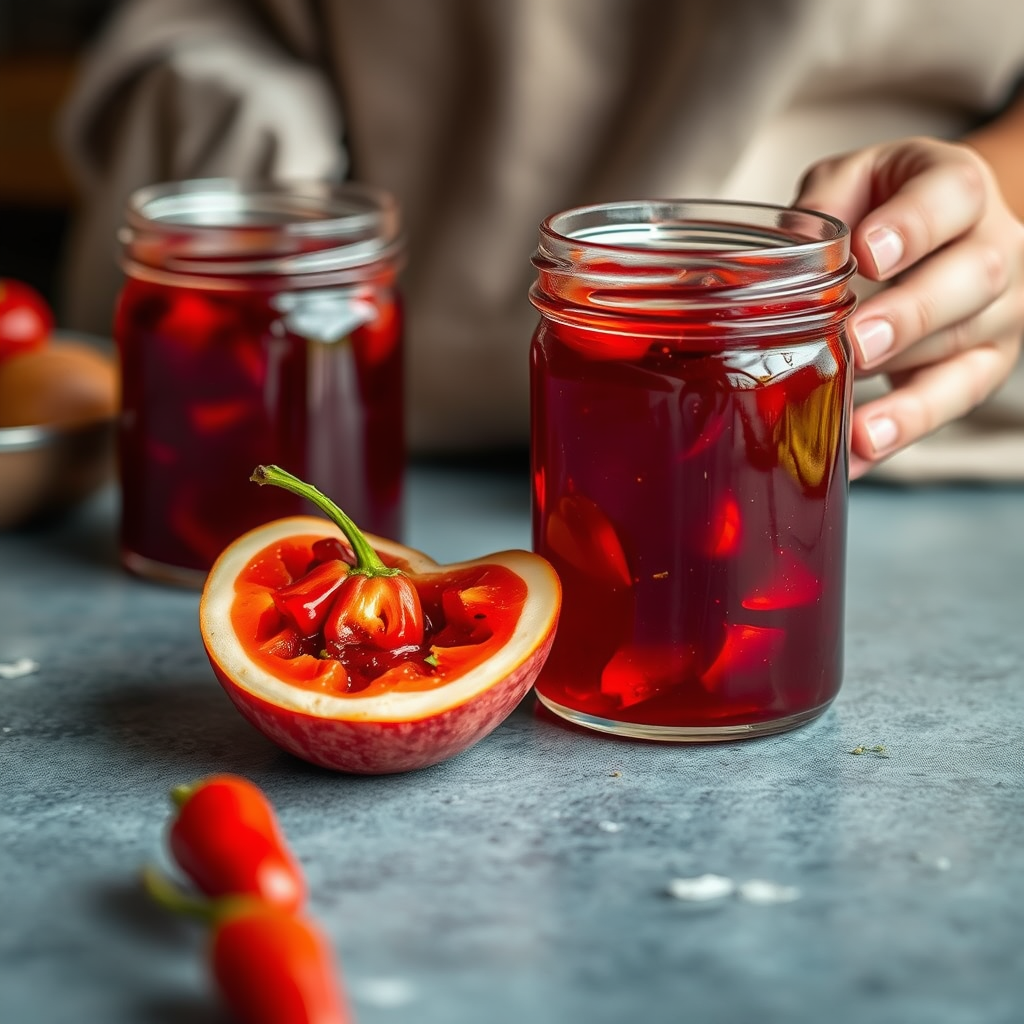
Incorrect measurements, such as insufficient pectin or sugar, can result in a jelly that fails to set properly, leading to a syrupy consistency rather than the desired firmness. Additionally, inadequate sterilization of jars can introduce bacteria, heightening the risk of spoilage and foodborne illnesses; always ensure jars are clean and hot before filling. Overcooking the mixture may cause it to caramelize, resulting in an undesirable flavor and color; adhere to the recommended boiling times closely. Failing to leave adequate headspace in the jars can lead to overflow during processing, compromising the airtight seal and increasing the risk of spoilage.
Special Cases That Need a Different Approach
For those interested in creating a low-sugar version of red pepper jelly, substitute regular sugar with a canning-specific sugar alternative, and consult specific recipes to ensure proper pectin usage. Individuals with dietary restrictions should consider using organic or locally sourced ingredients, which may necessitate adjustments in processing times or methods for optimal safety. If you’re cooking at high altitudes, increase the boiling time by 1 minute for every 1,000 feet above sea level to ensure proper sealing and safety. When incorporating additional flavors like herbs or spices, start with small batches first, as these can alter the setting properties of the jelly.
When You Need a Professional
If you consistently experience failures in sealing your jars despite following the established protocol, it may be time to consult a food preservation expert for tailored advice on technique and equipment. Should you have any concerns regarding food safety, such as questionable ingredient quality or jars that exhibit signs of spoilage, it’s best to discard the jelly and seek guidance from a local extension service or food safety expert. For those with severe allergies or sensitivities, consulting a registered dietitian might be necessary to ensure that the recipe and its ingredients align with dietary needs. If you plan to sell or distribute your jelly commercially, it’s crucial to seek guidance from local health departments to comply with safety standards and regulations.
Sources and Further Reading
– National Center for Home Food Preservation: A reliable resource for guidelines on canning, including specifics on safely making jelly and jam.
– “Ball Complete Book of Home Preserving” by Judi Kingry and Lauren Devine: This book provides extensive insights on various preservation methods, including jellies.
– USDA’s Complete Guide to Home Canning: Offers comprehensive instructions and safety measures for canning, including red pepper jelly recipes.
– Local extension services: Many universities provide resources and workshops on food preservation techniques tailored to various regions, including jelly making.
Frequently Asked Questions
What ingredients do I need for a basic red pepper jelly recipe?
A basic red pepper jelly recipe typically requires fresh red bell peppers, granulated sugar, apple cider vinegar, pectin, and salt. For added flavor, you can also include ingredients like garlic or hot peppers to give it a spicy kick. These ingredients combine to create a sweet and tangy jelly perfect for appetizers or glazes.
How do I make red pepper jelly from scratch?
To make red pepper jelly from scratch, finely chop red bell peppers and combine them with apple cider vinegar and sugar in a pot. Bring the mixture to a boil, then add pectin and simmer until it reaches the desired thickness. Once ready, pour the jelly into sterilized jars and let it cool before sealing for storage.
Why is my red pepper jelly not setting properly?
If your red pepper jelly is not setting, it may be due to insufficient pectin or not boiling the mixture long enough. Make sure to use the right type of pectin and follow the instructions closely for cooking times. Additionally, ensuring that the jars are properly sterilized can help achieve a better set.
What is the best way to store homemade red pepper jelly?
The best way to store homemade red pepper jelly is in sterilized, airtight jars kept in a cool, dark place. Once opened, the jelly should be refrigerated and can last for several weeks. If you want to preserve it for a longer period, consider canning the jelly using proper canning techniques.
Which dishes pair well with red pepper jelly?
Red pepper jelly pairs well with a variety of dishes, including cheese platters, grilled meats, and as a glaze for roasted vegetables. It also complements crackers and cream cheese for a simple appetizer. The sweet and spicy flavor enhances both savory and sweet dishes, making it a versatile condiment in your kitchen.
References
- Jelly
https://en.wikipedia.org/wiki/Jelly - Google Scholar Google Scholar
https://scholar.google.com/scholar?q=red+pepper+jelly+recipe - https://www.foodsafety.gov/food-safety-charts/canning-jelly
https://www.foodsafety.gov/food-safety-charts/canning-jelly - https://pubmed.ncbi.nlm.nih.gov/16624571/
https://pubmed.ncbi.nlm.nih.gov/16624571/ - https://www.extension.purdue.edu/extmedia/FNR/FNR-455-W.pdf
https://www.extension.purdue.edu/extmedia/FNR/FNR-455-W.pdf - Google Scholar Google Scholar
https://scholar.google.com/scholar?q=pepper+jelly+preservation - https://www.uga.edu/extension/food-safety/preservation.html
https://www.uga.edu/extension/food-safety/preservation.html - https://www.wisconsin.edu/extension/food-safety/preservation/jelly/
https://www.wisconsin.edu/extension/food-safety/preservation/jelly/ - Page not found
https://www.clemson.edu/extension/food_safety/preservation/canning/jellies.html - Google Scholar Google Scholar
https://scholar.google.com/scholar?q=red+pepper+jelly+health+benefits