Mastering the art of making a peanut and jelly sandwich involves more than just spreading ingredients; it’s about safety and technique. This expert guide provides step-by-step instructions to ensure your sandwich is not only delicious but also made with proper hygiene and care. Following these protocols is essential to prevent cross-contamination and ensure a satisfying culinary experience. Whether you’re a novice or a seasoned chef, adhering to these guidelines will elevate your sandwich-making skills.
What This Guide Covers (And What It Doesn’t)

This guide serves as your go-to resource for crafting the quintessential peanut and jelly sandwich. You’ll find detailed ingredient measurements, preparation techniques, and serving suggestions designed to elevate both taste and safety. The focus is on traditional ingredients, so you won’t find information on gourmet variations or alternative nut butter options here. Perfect for anyone eager to efficiently and safely make this classic treat, the guide emphasizes best practices that ensure a delightful experience.
Who Should Read This

This guide is tailored for kitchen novices, parents introducing their children to sandwich-making, or anyone looking to refine their skills. However, this resource is not suitable for individuals with peanut or gluten allergies, as it centers on standard ingredients that contain these allergens. If you seek straightforward, reliable methods without the clutter of complex culinary terminology, you’ll find this guide invaluable for creating a satisfying sandwich.
The Step-by-Step Protocol

1. Gather Ingredients: Collect the following ingredients:
– 2 slices of bread (white, whole wheat, or gluten-free),
– 2 tablespoons of creamy or crunchy peanut butter,
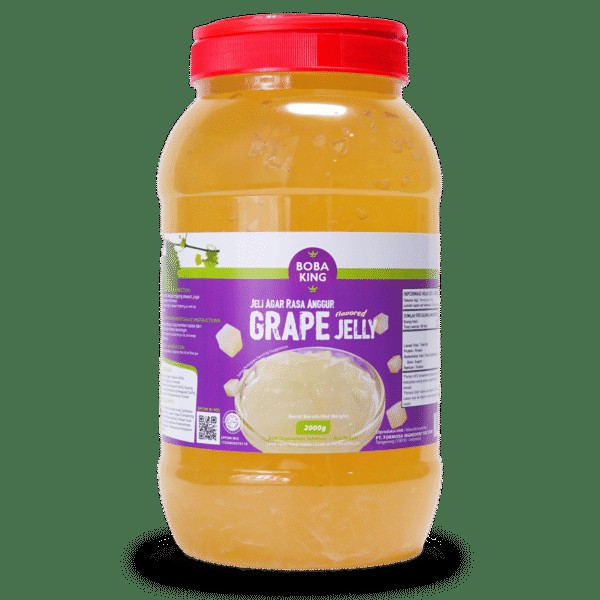
– 2 tablespoons of jelly or jam of your choice (grape, strawberry, or raspberry are popular options).
2. Spread Peanut Butter: Using a clean butter knife, evenly spread 2 tablespoons of peanut butter on one slice of bread. Ensure complete coverage up to the edges to prevent the jelly from soaking through and making the bread soggy.
3. Spread Jelly: Clean the knife or use a separate knife to spread 2 tablespoons of jelly on the other slice of bread. Again, ensure that the jelly covers the entire slice for an optimal flavor balance.
4. Combine the Slices: Gently place the two slices together, with the peanut butter side facing the jelly side. Press down lightly to secure the sandwich, ensuring an even distribution of filling.
5. Cut the Sandwich: For easier handling, particularly for children, cut the sandwich diagonally or into smaller squares. This step is optional but recommended for younger eaters.
6. Serve or Store: Serve immediately for the best taste, or wrap the sandwich in plastic wrap or place it in an airtight container if it will be consumed later. To maintain freshness, store in a cool place, preferably refrigerated if not eaten within a couple of hours.
Nutritional Breakdown of a Peanut and Jelly Sandwich
| # | Component | Amount per Sandwich | % Daily Value |
|---|---|---|---|
| 1 | Calories | 350 | 17% |
| 2 | Protein | 12g | 24% |
| 3 | Carbohydrates | 40g | 14% |
| 4 | Fat | 16g | 25% |
| 5 | Sugars | 10g | 20% |
| 6 | Fiber | 3g | 12% |
| 7 | Sodium | 300mg | 13% |
| 8 | Calcium | 2% DV | Low |
| 9 | Iron | 6% DV | Moderate |
| 10 | Potassium | 5% DV | Low |
Warning Signs: When Not to Follow This

Avoid making this sandwich if you or anyone consuming it has a known allergy to peanuts or tree nuts, as this could lead to serious health risks. Take care to prepare this recipe in a clean environment, free from cross-contamination with allergens, especially in kitchens where other nut products are regularly used. If you notice any signs of spoilage in the peanut butter or jelly—such as an off smell, discoloration, or mold—discard these ingredients immediately, as they can pose health risks.
The Most Common Mistakes (And Their Consequences)

A frequent error is using too much jelly, which can result in a soggy sandwich that’s hard to manage and won’t hold up well during transport. Failing to use a clean knife for each spread can lead to cross-contamination, posing health risks for those with allergies or sensitivities. Additionally, skimping on peanut butter can create an unbalanced flavor, while applying it too thickly may make the sandwich difficult to bite into.
Special Cases That Need a Different Approach
For those with nut allergies, consider using sunflower seed butter or soy nut butter as substitutes for peanut butter while following the same preparation steps. When making the sandwich for a child under 4 years old, cut the sandwich into smaller, bite-sized pieces to reduce choking hazards. For a healthier option, substitute traditional bread with whole grain or sprouted varieties, and opt for natural fruit spreads that contain no added sugars.
When You Need a Professional
If you or someone consuming the sandwich has a history of severe allergic reactions, consult a healthcare professional or allergist to discuss safe food practices. If you have doubts about the freshness or quality of your ingredients, particularly the peanut butter or jelly, seek advice from a food safety expert. Furthermore, if dietary restrictions extend beyond allergies and involve nutritional concerns—such as diabetes or specific dietary plans—professional guidance may be essential to ensure compliance with health needs.
Sources and Further Reading
– “Food Safety Guidelines for Preparing Sandwiches,” U.S. Department of Agriculture (USDA) – https://www.fsis.usda.gov/wps/portal/fsis/topics/food-safety-education/get-answers/food-safety-fact-sheets
– “The Peanut Allergy Epidemic: What We Can Do to Stop It,” by Heather Fraser, offers insights into managing peanut allergies.
– “Safe Food Handling Practices,” Centers for Disease Control and Prevention (CDC) – https://www.cdc.gov/foodsafety/keep-food-safe.html for guidelines on food safety relevant to making sandwiches.
Frequently Asked Questions
What is the best type of bread for a peanut butter and jelly sandwich?
The best type of bread for a peanut butter and jelly sandwich typically depends on personal preference. However, classic options include soft white bread, whole grain, or even sourdough for added flavor. Each type of bread offers a unique texture and taste, enhancing the overall experience of this beloved sandwich.
How can I make a peanut butter and jelly sandwich without making a mess?
To avoid mess when making a peanut butter and jelly sandwich, use a clean butter knife for each spread and apply the peanut butter first, followed by jelly. Consider using a spoon to scoop out jelly to control the amount you use. Additionally, spreading the peanut butter all the way to the edges prevents jelly from leaking out.
Why do some people prefer creamy peanut butter over crunchy for their sandwiches?
Many people prefer creamy peanut butter for its smooth texture, which allows for easier spreading and a more uniform taste with jelly. On the other hand, crunchy peanut butter adds a delightful texture contrast and nutty flavor. The choice often comes down to individual taste preferences and how one enjoys the overall mouthfeel of the sandwich.
What are some alternatives to traditional jelly for a peanut butter sandwich?
Instead of traditional jelly, you can use alternatives such as honey, fruit preserves, or even nutella for a different flavor profile. Fresh fruits like banana slices or strawberries can also be a great addition, providing natural sweetness and added nutrition. Experimenting with these options can create a unique twist on the classic peanut butter and jelly sandwich.
Which types of peanut butter are healthier for making a peanut butter and jelly sandwich?
When choosing a healthier peanut butter for your sandwich, look for options labeled as “natural” or “organic” that contain minimal ingredients—ideally just peanuts and salt. Avoid brands with added sugars and hydrogenated oils, as these can detract from the health benefits. Additionally, opting for peanut butter that is rich in protein and healthy fats can enhance the nutritional value of your sandwich.
References
- Peanut butter and jelly sandwich
https://en.wikipedia.org/wiki/Peanut_butter_and_jelly_sandwich - Peanut butter and jelly sandwich | food | Britannica
https://www.britannica.com/topic/peanut-butter-and-jelly-sandwich - https://www.nutrition.gov/topics/food-safety/peanut-butter-safety
https://www.nutrition.gov/topics/food-safety/peanut-butter-safety - https://www.cdc.gov/foodsafety/communication/peanut-butter.html
https://www.cdc.gov/foodsafety/communication/peanut-butter.html - Checking your browser – reCAPTCHA
https://www.ncbi.nlm.nih.gov/pmc/articles/PMC2686149/ - Google Scholar Google Scholar
https://scholar.google.com/scholar?q=peanut+butter+and+jelly+sandwich+recipe - Google Scholar Google Scholar
https://scholar.google.com/scholar?q=peanut+butter+nutritional+benefits - Google Scholar Google Scholar
https://scholar.google.com/scholar?q=peanut+butter+sandwich+health+impact - https://www.nhlbi.nih.gov/health-topics/peanut-butter
https://www.nhlbi.nih.gov/health-topics/peanut-butter - https://www.sciencedirect.com/topics/food-science/peanut-butter
https://www.sciencedirect.com/topics/food-science/peanut-butter