Mastering the art of making tomato jelly requires precision and safety to ensure a delicious and safe final product. This expert guide provides a step-by-step tomato jelly recipe, detailing essential techniques and safety protocols to avoid common pitfalls. Following these guidelines will not only elevate your culinary skills but also guarantee that your homemade jelly is both flavorful and safe to enjoy.
What This Guide Covers (And What It Doesn’t)

This comprehensive guide offers a step-by-step tomato jelly recipe, detailing ingredient measurements, cooking techniques, and essential safety protocols for home canning. By focusing on fresh, ripe tomatoes along with key ingredients like sugar, pectin, and lemon juice, it ensures a safe and delicious final product. However, it does not include alternative jelly recipes using tomato paste or canned tomatoes, nor will it explore variations such as spicy or herb-infused tomato jellies. If you’re interested in preserving techniques unrelated to tomato jelly, such as pickling or canning different fruits, please refer to specialized resources.
Who Should Read This
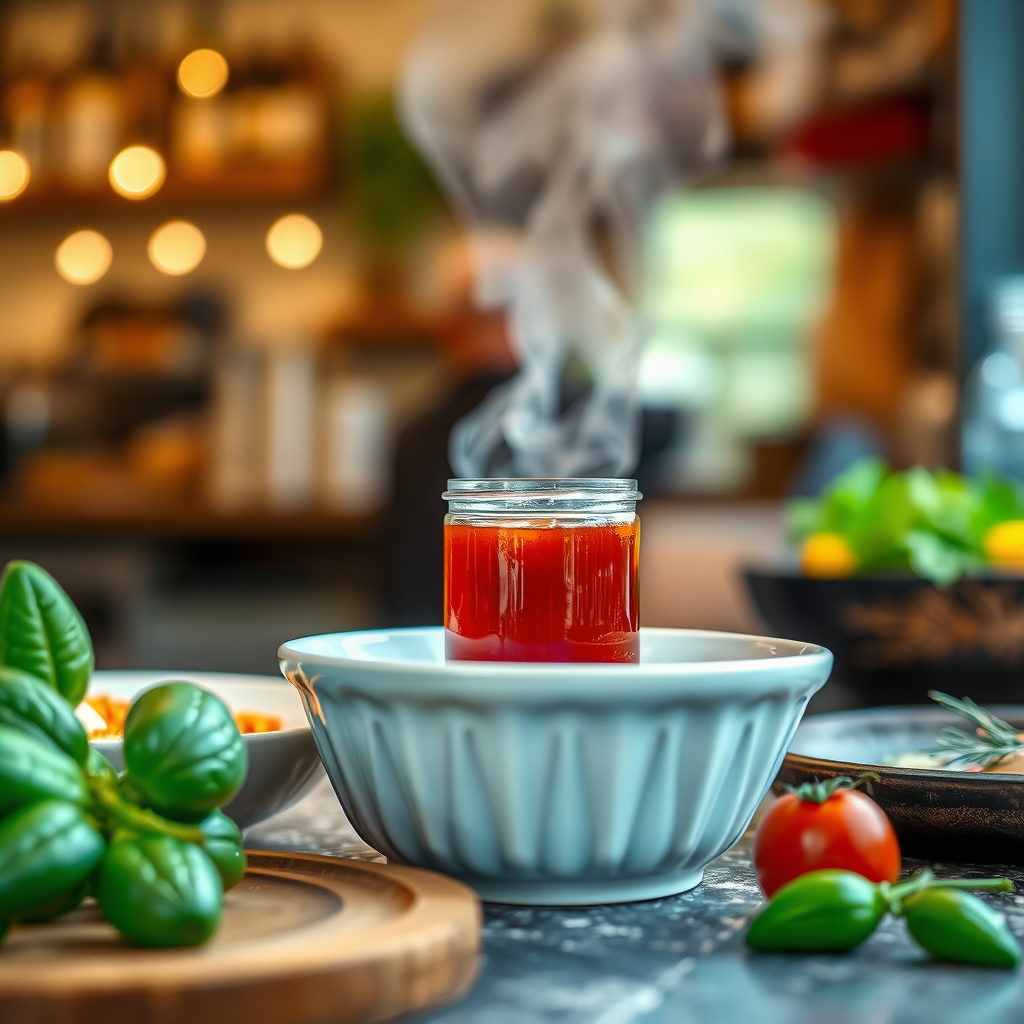
Designed for home cooks with a basic grasp of kitchen safety and food preservation methods, this guide is ideal for those who may not have prior experience in jelly-making. Individuals eager to can and preserve seasonal produce, particularly tomatoes, will find this guide both practical and informative. It is especially beneficial for those looking to make the most of homegrown tomatoes or local farm produce, emphasizing the importance of freshness and quality in the jelly-making process. Readers without any background in food preservation or jelly-making should seek beginner resources prior to attempting this recipe.
The Step-by-Step Protocol
1. Gather Ingredients and Equipment: Collect 2 pounds of ripe tomatoes, 1 cup of granulated sugar, 1/4 cup of lemon juice, and 1 package (1.75 oz) of fruit pectin. Ensure you have clean glass jars, lids, and a canning pot.
2. Prepare Tomatoes: Wash the tomatoes thoroughly, remove stems, and score the bottoms with an ‘X.’ Blanch them in boiling water for 30 seconds, then transfer to ice water to peel easily.
3. Cook the Jelly Base: In a large pot, combine the peeled tomatoes, lemon juice, and sugar. Bring to a boil over medium heat, stirring frequently. Cook for 10 minutes until the mixture reduces slightly.
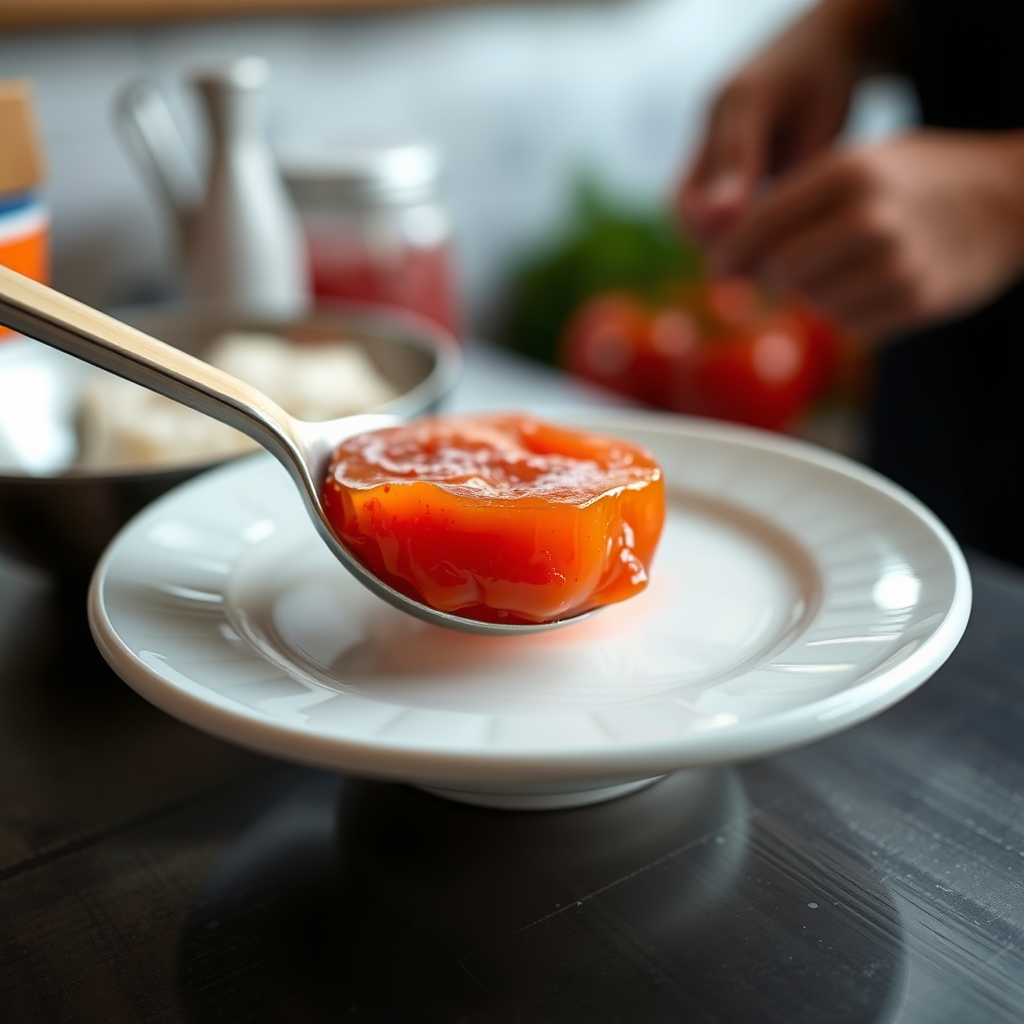
4. Add Pectin: Gradually stir in the fruit pectin, returning the mixture to a full boil. Boil for an additional 1-2 minutes until the jelly reaches the desired consistency, then test using a spoon.
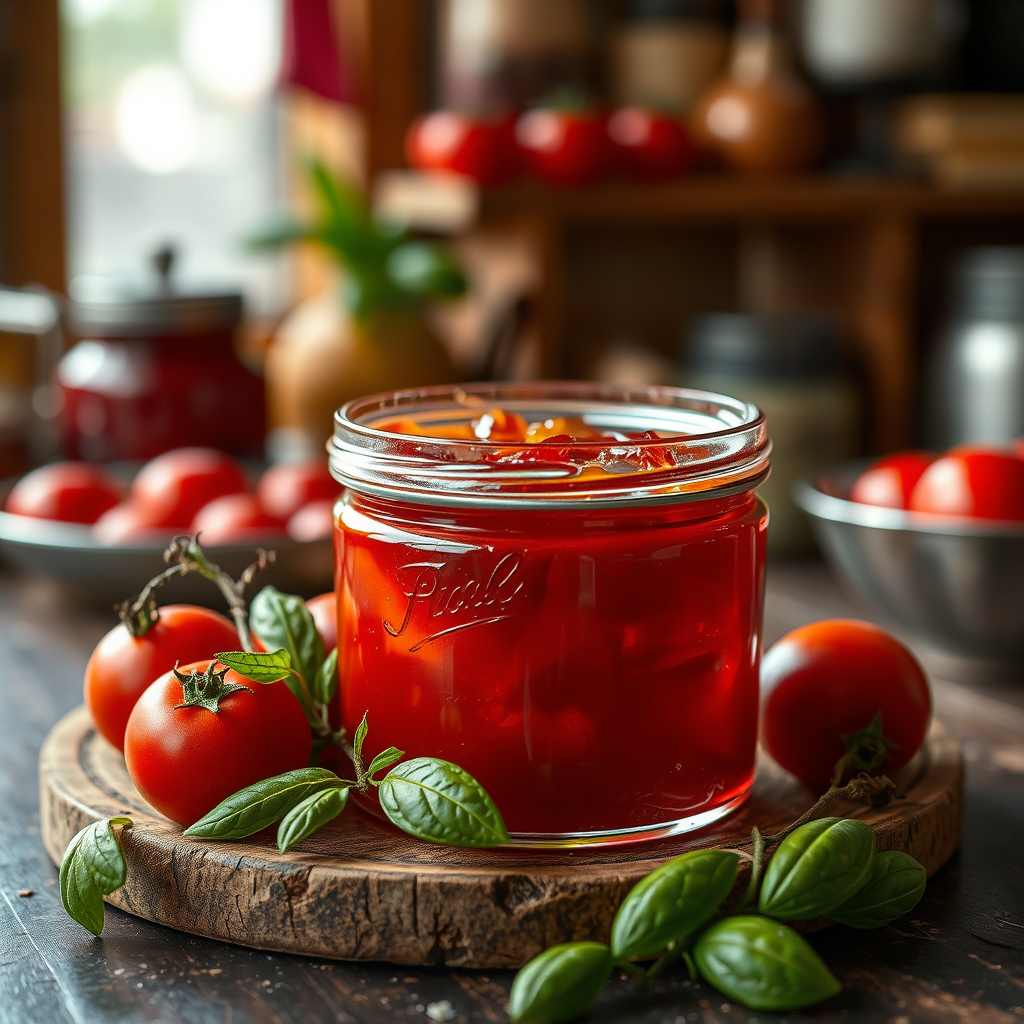
5. Can the Jelly: Sterilize your jars and lids in boiling water for 10 minutes. Pour the hot jelly into the jars, leaving 1/4 inch of headspace. Wipe the rims clean, place the lids on, and screw on the bands until fingertip-tight.
6. Process the Jars: Place the filled jars in a water bath canner. Ensure the jars are submerged by at least 1 inch of water. Bring to a rolling boil and process for 5-10 minutes depending on your altitude (5 minutes for 0-1,000 feet; 10 minutes for above 1,000 feet).
7. Cool and Store: Remove the jars from the canner and let them cool on a clean towel or cooling rack for 12-24 hours. Once cool, check the seals by pressing the center of the lid; it should not pop back. Store sealed jars in a cool, dark place.
Nutritional Breakdown of Tomato Jelly (Per 1 tablespoon)
| # | Nutrient | Amount | Daily Value | Calories |
|---|---|---|---|---|
| 1 | Calories | 50 | 2% | 50 |
| 2 | Total Fat | 0g | 0% | 0 |
| 3 | Sodium | 20mg | 1% | 20 |
| 4 | Total Carbohydrates | 13g | 5% | 52 |
| 5 | Sugars | 12g | N/A | 48 |
| 6 | Protein | 0g | 0% | 0 |
| 7 | Vitamin C | 2mg | 2% | 2 |
Warning Signs: When Not to Follow This

Certain indicators suggest you should not proceed with making tomato jelly. If your tomatoes exhibit signs of spoilage, such as mold, soft spots, or an off smell, they can compromise both safety and flavor. Additionally, refrain from attempting to make tomato jelly if you lack proper canning equipment, including a water bath canner, as this is essential for safe preservation. It’s also crucial to ensure you’ve reached the recommended cooking temperature of 220°F (104°C) for jelly consistency; otherwise, do not proceed with canning, as this may lead to spoilage. Lastly, individuals with dietary restrictions that prevent them from consuming sugar, pectin, or tomatoes should seek alternative recipes before attempting this process.
The Most Common Mistakes (And Their Consequences)
Several common mistakes can hinder your jelly-making success. One frequent error is using underripe tomatoes, which can lead to a jelly with insufficient acidity and an undesirable taste. Always opt for fully ripe tomatoes to achieve the best results. Additionally, many home cooks underestimate the importance of accurately measuring ingredients; inaccuracies can alter the jelly’s consistency and prevent proper gelling. Skipping the recommended boiling time after adding pectin can also result in a jelly that fails to set properly, yielding a runny final product that is unappealing. Lastly, neglecting to sterilize jars and lids adequately can lead to contamination and spoilage, endangering the safety of the canned jelly.
Special Cases That Need a Different Approach
Certain scenarios may require adjustments to the standard jelly-making process. If you’re using heirloom tomato varieties, which may have lower acidity, consider adding a bit more lemon juice—up to 1/3 cup—to ensure safe preservation and a balanced flavor. For those living at high altitudes (above 1,000 feet), it’s important to adjust the boiling time and jelly-setting process according to local canning guidelines to achieve the right consistency. If you wish to infuse flavors into your tomato jelly, such as basil or garlic, do so during the cooking phase, but be sure to strain out solids before canning to maintain proper preservation. For individuals with sugar allergies, alternative sweeteners can be used; however, it’s essential to consult specific guidelines on how to substitute them effectively without compromising the jelly’s gelling properties.
When You Need a Professional
In some circumstances, consulting a professional is wise. If you’re unsure about the acidity level of your tomatoes or the safety of your canning process, seek advice from a certified food preservation expert before proceeding with this recipe. Additionally, individuals with food allergies or intolerances related to the ingredients in this recipe should consult a nutritionist or allergist for tailored guidance. If you experience unexpected spoilage, such as jars that do not seal properly or jelly that molds, it’s best to contact your local extension service or a food safety expert for advice on safe disposal and prevention methods. Lastly, individuals with chronic health conditions affecting their immune systems should consider seeking professional advice before consuming home-canned products.
Sources and Further Reading
– National Center for Home Food Preservation: This resource provides comprehensive guidelines on safe canning practices and preserving fruits and vegetables, including tomatoes.
– “The Ball Book of Canning and Preserving”: A definitive guide to canning techniques, featuring a section dedicated to jelly-making with recipes and safety tips.
– USDA Complete Guide to Home Canning: This publication offers official recommendations for safe food preservation practices, including acidity adjustments for jelly recipes.
– Local agricultural extension offices: These often provide workshops and resources on home canning and preserving, tailored to regional produce and safety standards.
Frequently Asked Questions
What ingredients do I need for a basic tomato jelly recipe?
To make a basic tomato jelly, you will need ripe tomatoes, sugar, lemon juice, and pectin. Fresh herbs like basil or thyme can also be added for extra flavor. Ensure the tomatoes are at peak ripeness for the best taste and color in your jelly.
How do I properly prepare tomatoes for making jelly?
Start by washing the tomatoes thoroughly, then core and chop them into quarters. Cook the chopped tomatoes in a large pot over medium heat until they release their juices, then strain the mixture through a fine mesh sieve or cheesecloth to separate the liquid from the solids, which is essential for a smooth jelly.
Why is pectin important in a tomato jelly recipe?
Pectin is a natural thickening agent that helps the jelly set properly, giving it a firm texture. Without sufficient pectin, your tomato jelly may turn out runny and not achieve the desired consistency. Using commercial pectin ensures consistent results and helps prevent spoilage.
What is the best method for canning tomato jelly?
The best method for canning tomato jelly is the water bath canning technique. After filling sterilized jars with hot jelly, seal them with lids and process them in boiling water for the recommended time, usually around 5-10 minutes. This method helps ensure your jelly is shelf-stable and safe to consume.
Which types of tomatoes are best for making jelly?
The best types of tomatoes for making jelly are sweet varieties like Roma or San Marzano, as they have a higher sugar content and lower water content. These tomatoes provide a rich flavor and a thicker consistency in the finished jelly, enhancing both the taste and texture.
References
- Tomato
https://en.wikipedia.org/wiki/Tomato - Intestinal expression of metal transporters in Wilson’s disease – PMC
https://www.ncbi.nlm.nih.gov/pmc/articles/PMC3825560/ - Comparison between remote sensing and a dynamic vegetation model for estimating terrestrial prima…
https://www.ncbi.nlm.nih.gov/pmc/articles/PMC4412648/ - https://www.sciencedirect.com/topics/agricultural-and-biological-sciences/tomato
https://www.sciencedirect.com/topics/agricultural-and-biological-sciences/tomato - Tomato | Description, Cultivation, & History | Britannica
https://www.britannica.com/topic/tomato - https://www.nytimes.com/2010/08/04/dining/04tomato.html
https://www.nytimes.com/2010/08/04/dining/04tomato.html - Google Scholar Google Scholar
https://scholar.google.com/scholar?q=tomato+jelly+recipe - Google Scholar Google Scholar
https://scholar.google.com/scholar?q=tomato+preservation+methods - Google Scholar Google Scholar
https://scholar.google.com/scholar?q=tomato+jelly+health+benefits - https://www.extension.purdue.edu/extmedia/BP/BP-128-W.pdf
https://www.extension.purdue.edu/extmedia/BP/BP-128-W.pdf