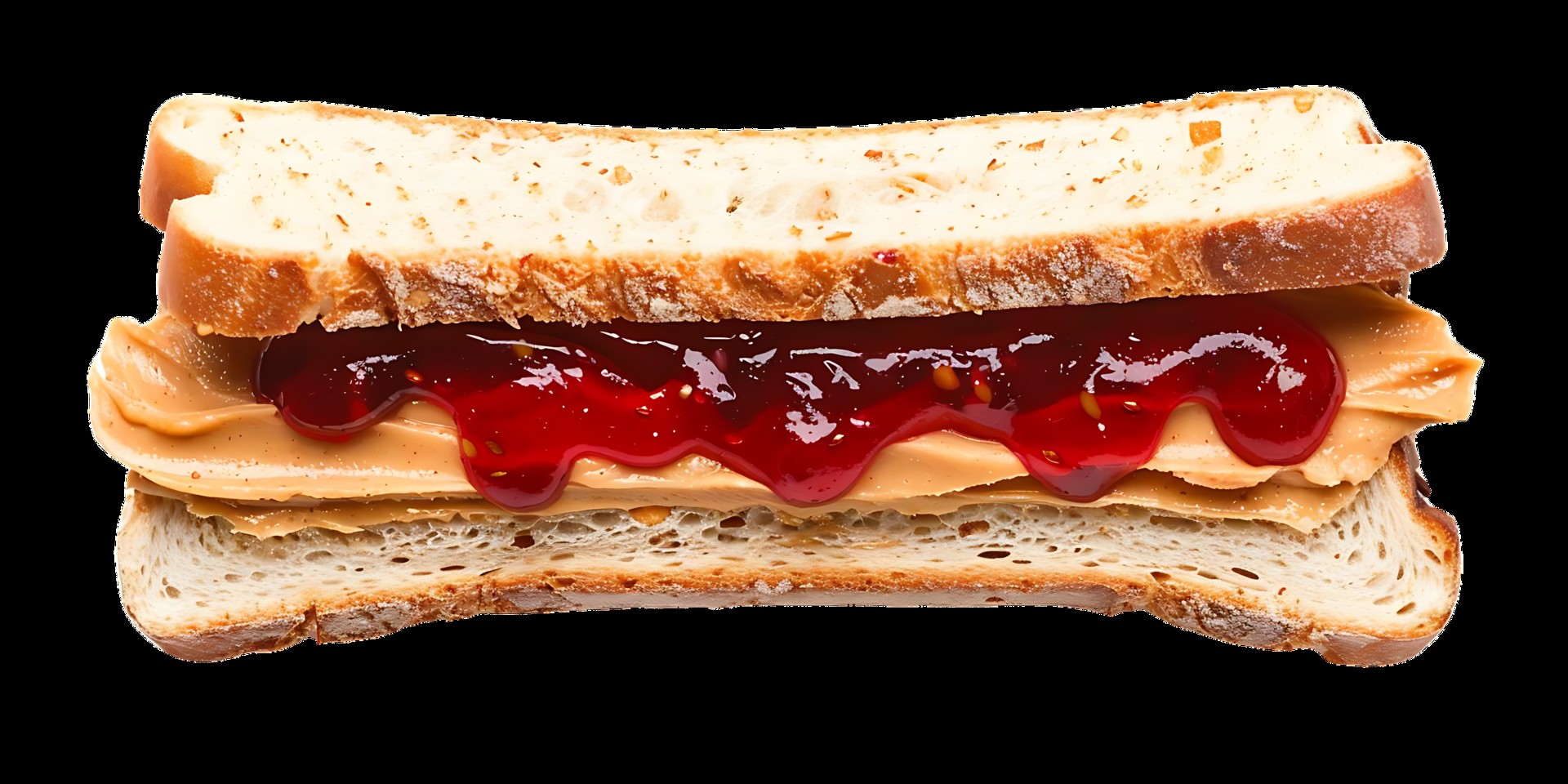
Mastering the art of making the perfect peanut butter and jelly sandwich is essential for anyone who values both taste and safety in their kitchen. This expert guide provides a step-by-step approach to achieve the ideal balance of flavors while adhering to food safety protocols. By following these precise techniques, you can elevate a simple classic into a delightful and worry-free meal.
What This Guide Covers (And What It Doesn’t)

This guide offers a comprehensive, step-by-step recipe for crafting a classic peanut butter and jelly sandwich, complete with ingredient specifications and preparation methods. It emphasizes safety tips related to food allergies and cross-contamination, particularly focusing on peanut allergies and gluten sensitivity. However, it does not delve into variations of the sandwich, such as alternative spreads or gourmet versions; its sole focus is the traditional peanut butter and jelly sandwich.
Who Should Read This

This guide is tailored for individuals or families eager to learn how to make a peanut butter and jelly sandwich from scratch, especially beginners. It is also perfect for parents aiming to prepare safe and delicious lunches for their children, with an emphasis on allergen awareness. Even those with prior culinary experience may find the safety and allergy information invaluable, enhancing their understanding of potential risks.
The Step-by-Step Protocol

1. Gather all necessary ingredients: You’ll need 2 slices of bread (preferably whole wheat or white), 2 tablespoons of peanut butter, and 2 tablespoons of jelly or jam (choose your favorite flavor, such as grape or strawberry).
2. Ensure all surfaces and utensils are clean: This includes countertops and cutting boards. Use a knife dedicated to spreading peanut butter to prevent cross-contamination with allergens.
3. Spread the peanut butter: Using the back of the knife, evenly spread the peanut butter on one slice of bread, ensuring a smooth layer that reaches the edges.
4. Clean the knife or use a separate utensil to spread the jelly: Make sure the jelly covers the second slice of bread evenly, applying the same spreading technique as with the peanut butter.
5. Assemble the sandwich: Gently place the peanut butter slice on top of the jelly slice, aligning the edges precisely, and press down softly to secure the sandwich.
Nutritional Breakdown of a Peanut Butter and Jelly Sandwich (per serving)
| # | Nutrient | Amount | % Daily Value |
|---|---|---|---|
| 1 | Calories | 350 | 17% |
| 2 | Total Fat | 16g | 25% |
| 3 | Sodium | 250mg | 11% |
| 4 | Total Carbohydrates | 30g | 10% |
| 5 | Sugars | 12g | 24% |
| 6 | Protein | 10g | 20% |
| 7 | Fiber | 2g | 8% |
Warning Signs: When Not to Follow This

There are critical scenarios where this recipe should not be followed. If you or anyone consuming the sandwich has a known peanut allergy, do not attempt this recipe without substituting peanut butter with a safe alternative. Similarly, avoid making this sandwich if any ingredients (bread, peanut butter, jelly) have been previously opened and stored improperly, as this could lead to spoilage. Lastly, if you notice any signs of mold or unusual odors from the bread or spreads, do not proceed with preparation.
The Most Common Mistakes (And Their Consequences)
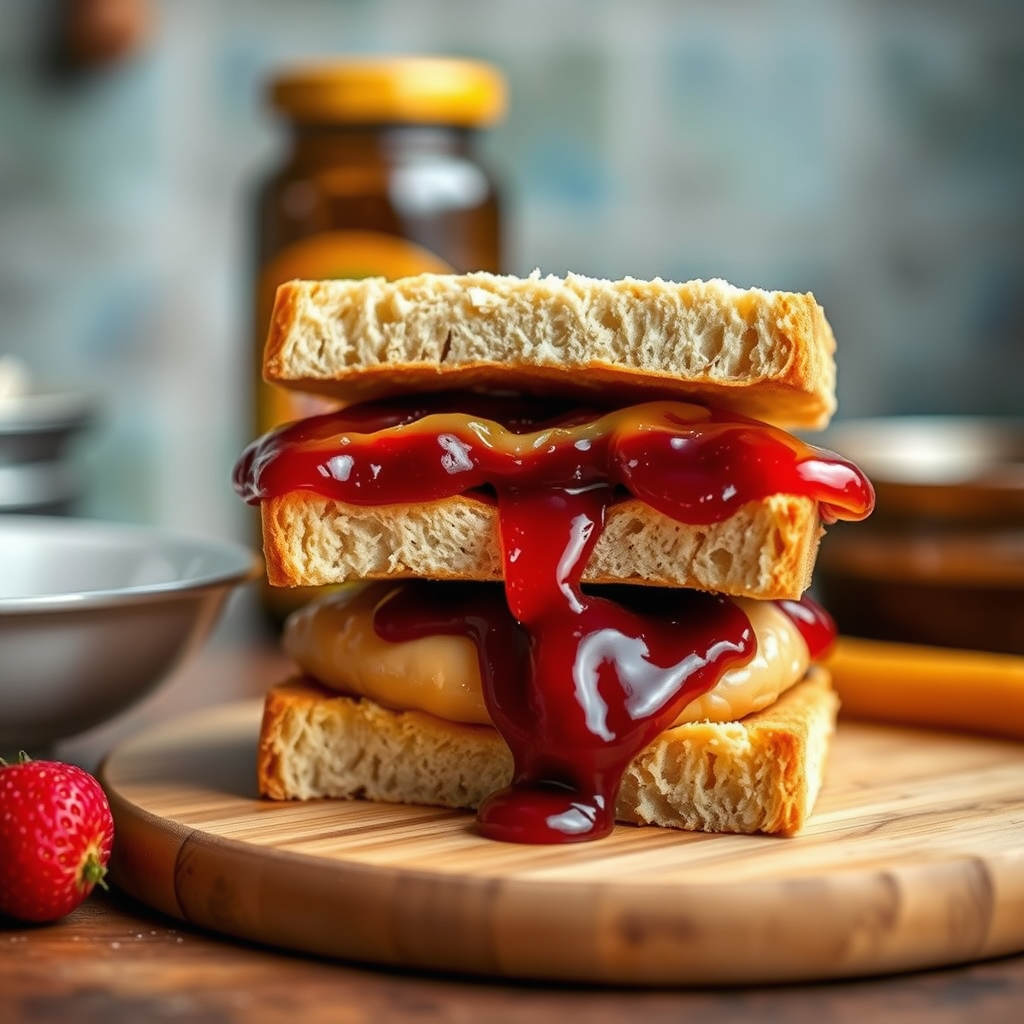
Several common errors can detract from the quality of your sandwich. Using excessive amounts of peanut butter or jelly can create a messy sandwich that is hard to eat, resulting in a frustrating dining experience. Striking a balanced ratio is crucial. Moreover, failing to clean utensils between spreading the peanut butter and jelly risks introducing allergens, which can be dangerous for those with allergies. Lastly, neglecting to check expiration dates on the bread or spreads may result in consuming spoiled products, leading to foodborne illnesses.
Special Cases That Need a Different Approach
Certain situations warrant a modified approach. For individuals with gluten intolerance, opting for gluten-free bread is essential to ensure safety. When preparing a sandwich for a child, consider applying thinner spreads to make it easier to eat, ensuring it remains appropriate for their age and chewing ability. For those with nut allergies, substituting peanut butter with sunflower seed butter or a similar safe spread is advisable, adjusting the quantity based on personal taste preferences.
When You Need a Professional
In some cases, professional guidance is necessary. Consult a healthcare professional if you are uncertain about allergies or suspect that someone consuming the sandwich may have a severe allergic reaction. If you are making this sandwich for someone with complex dietary restrictions that extend beyond peanuts, such as multiple food allergies, seeking advice from a registered dietitian is wise. Additionally, if gastrointestinal symptoms persist following the consumption of peanut butter, it is important to seek medical advice to rule out any underlying conditions.
Sources and Further Reading
– “Food Allergy Research & Education” provides extensive information on peanut allergies and safe food practices.
– The USDA’s “Food Safety and Inspection Service” outlines proper food storage and handling techniques to prevent foodborne illness.
– The “Academy of Nutrition and Dietetics” offers valuable resources on dietary restrictions and safe eating practices for individuals with food allergies.
Frequently Asked Questions
What ingredients do I need for a classic peanut butter and jelly sandwich?
To make a classic peanut butter and jelly sandwich, you will need two slices of bread, creamy or crunchy peanut butter, and your choice of jelly or jam, such as grape or strawberry. For an extra touch, consider using whole grain bread for added nutrition or experimenting with flavored nut butters.
How can I make a peanut butter and jelly sandwich without making a mess?
To avoid mess while making a peanut butter and jelly sandwich, use a butter knife to spread the peanut butter and jelly evenly, keeping them separate on each slice of bread. Additionally, consider using a paper towel or plate underneath to catch any drips and avoid sticky fingers.
Why is peanut butter and jelly a popular choice for lunch?
Peanut butter and jelly sandwiches are popular for lunch due to their convenience, quick preparation, and balance of protein and carbohydrates. They are also versatile, appealing to both children and adults, making them an ideal lunch option for busy families.
What is the best type of bread for a peanut butter and jelly sandwich?
The best type of bread for a peanut butter and jelly sandwich typically depends on personal preference, but classic choices include white, whole wheat, or sourdough bread. For a healthier option, whole grain or gluten-free bread can also be used, providing additional fiber and nutrients.
Which spreads can I use instead of jelly for a peanut butter sandwich?
Instead of jelly, you can use various spreads like honey, banana slices, or apple butter to add flavor to your peanut butter sandwich. Nutella, chocolate spread, or even a layer of crushed berries can also make delicious alternatives, allowing for creative variations that cater to different taste preferences.
References
- Peanut butter and jelly sandwich
https://en.wikipedia.org/wiki/Peanut_butter_and_jelly_sandwich - Bonded Repair Optimization of Cracked Aluminum Alloy Plate by Microwave Cured Carbon-Aramid Fiber…
https://www.ncbi.nlm.nih.gov/pmc/articles/PMC6566607/ - https://www.foodsafety.gov/food-safety-charts/cross-contamination
https://www.foodsafety.gov/food-safety-charts/cross-contamination - https://www.cdc.gov/foodsafety/communication/peanut-allergy.html
https://www.cdc.gov/foodsafety/communication/peanut-allergy.html - Page Not Found – Site Help – Mayo Clinic
https://www.mayoclinic.org/diseases-conditions/peanut-allergy/symptoms-causes/syc-20303761 - Peanut butter and jelly sandwich | food | Britannica
https://www.britannica.com/topic/peanut-butter-and-jelly-sandwich - Google Scholar Google Scholar
https://scholar.google.com/scholar?q=peanut+butter+and+jelly+sandwich+recipe - Google Scholar Google Scholar
https://scholar.google.com/scholar?q=peanut+butter+nutrition - Google Scholar Google Scholar
https://scholar.google.com/scholar?q=peanut+butter+health+benefits - https://www.sciencedirect.com/topics/food-science/peanut-butter
https://www.sciencedirect.com/topics/food-science/peanut-butter