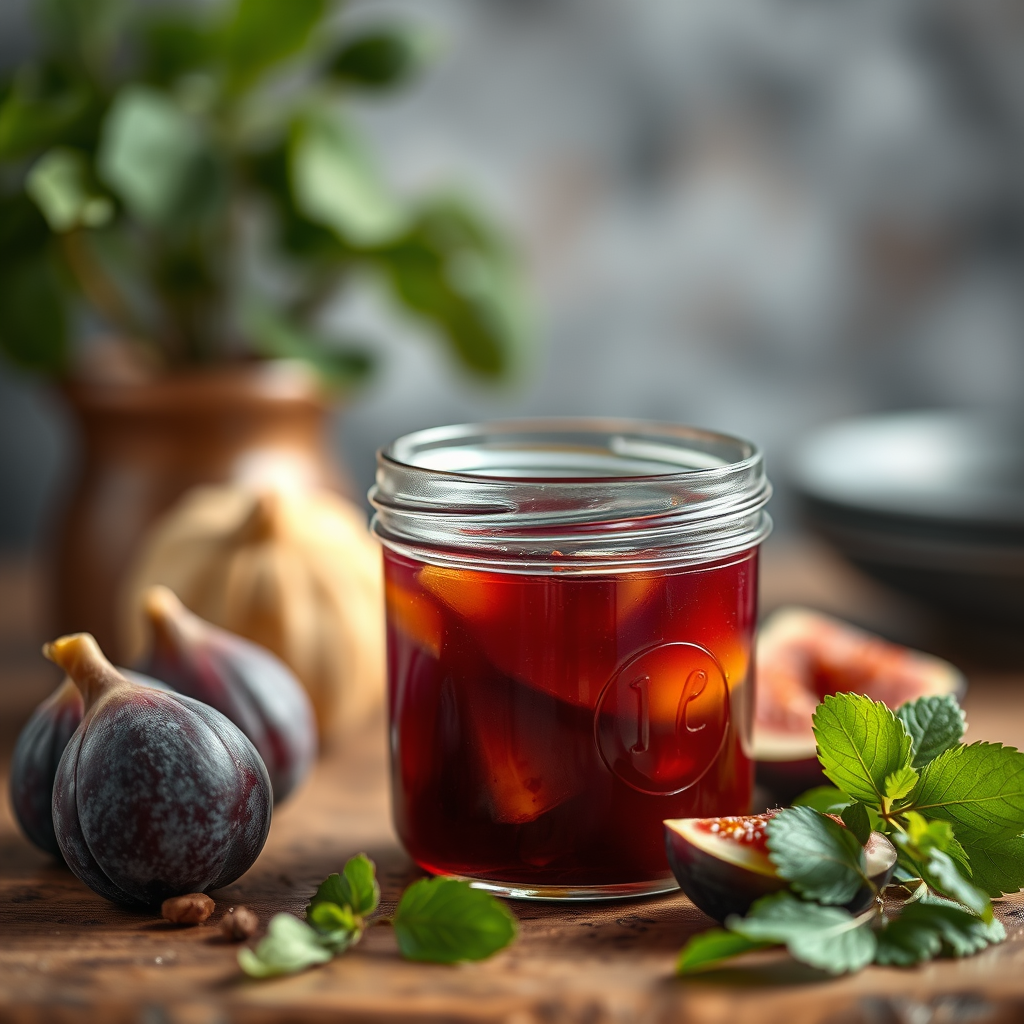
Master the art of making fig jelly with this complete expert guide, which details a step-by-step protocol that ensures both safety and flavor. This recipe is designed for home cooks who want to elevate their preserves while adhering to best practices. Proper techniques are crucial to prevent spoilage and guarantee a delightful outcome, making this guide an essential resource for anyone serious about jam-making.
What This Guide Covers (And What It Doesn’t)
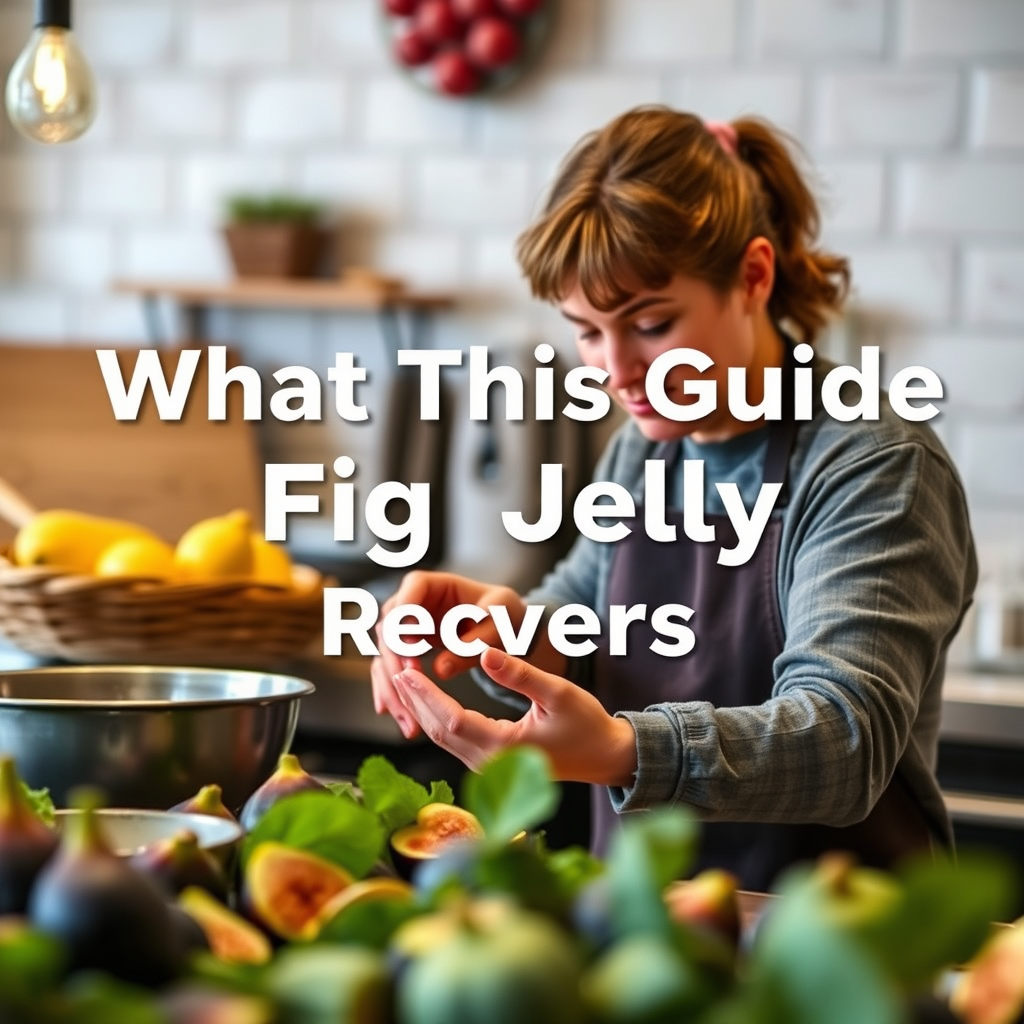
This guide provides a detailed, step-by-step protocol for making fig jelly from fresh figs, ensuring both safety and quality throughout the preservation process. It does not address alternative fruit preserves, jelly variations, or methods beyond the traditional boiling and canning techniques specific to fig jelly. Aimed at home cooks with basic canning experience, it assumes familiarity with kitchen safety and the proper use of canning equipment.
Who Should Read This
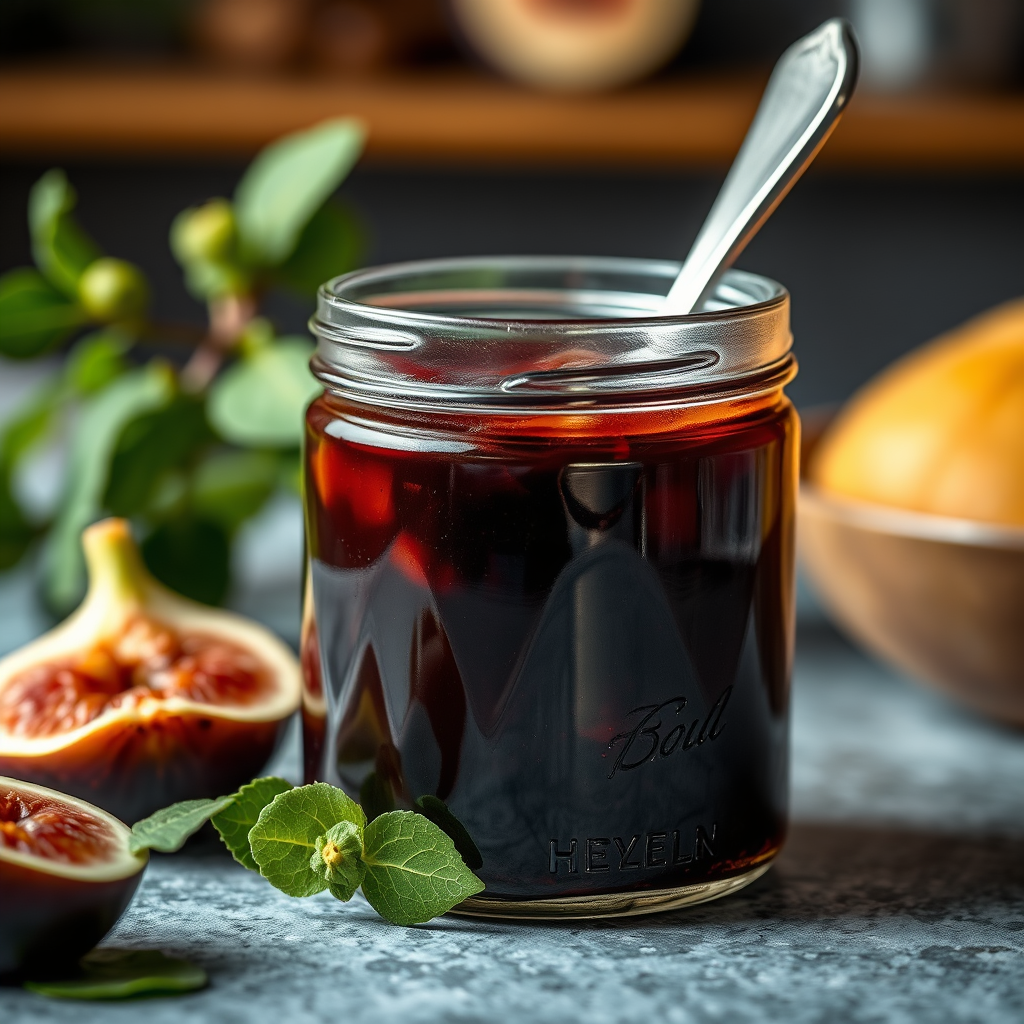
This guide is tailored for home cooks who are passionate about preserving food and eager to master the art of making fig jelly from scratch. It is ideal for those who may have some canning experience but lack specific knowledge about fig jelly or fruit jellies that demand precise pectin ratios. Additionally, it caters to individuals looking to create a homemade product that showcases the unique flavors of figs while following safety protocols to ensure a successful canning process.
The Step-by-Step Protocol
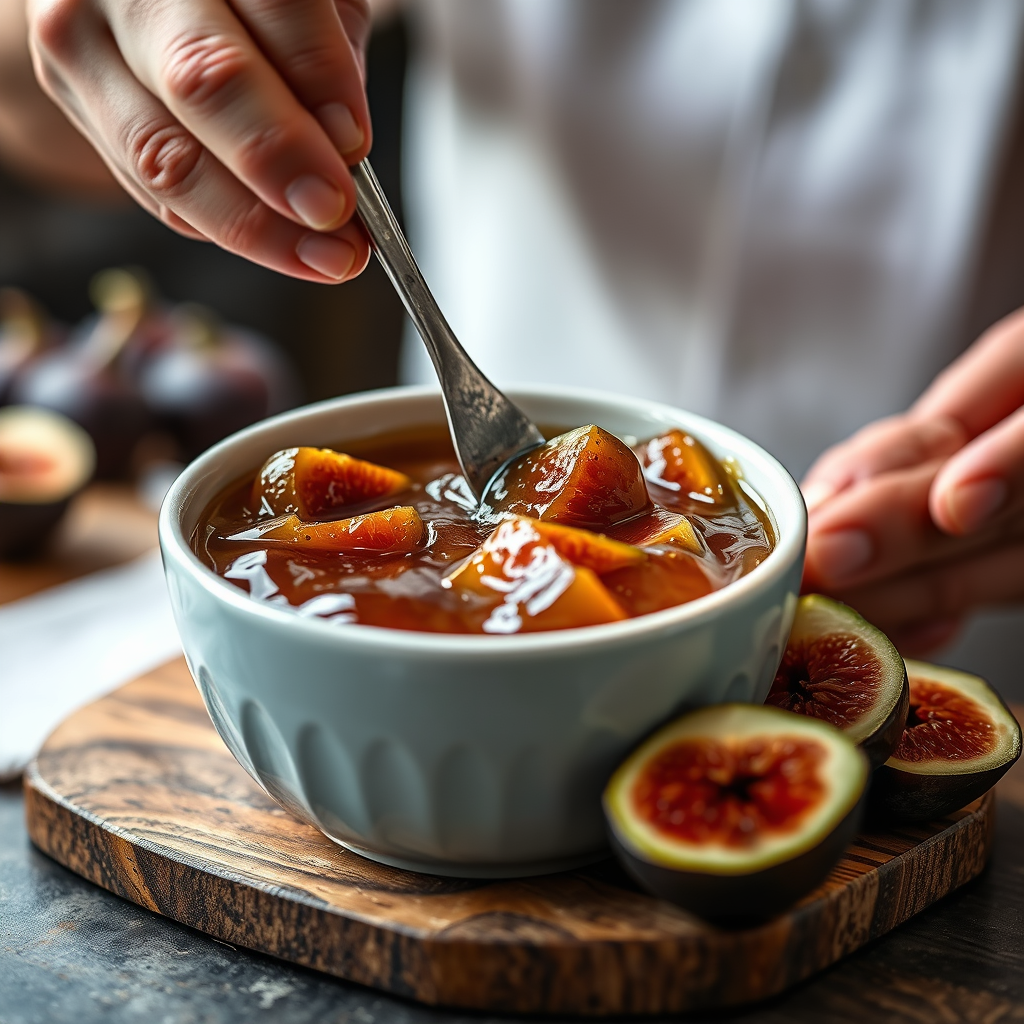
1. Gather Ingredients and Equipment: You will need 4 cups of ripe figs (approximately 2 pounds), 1 cup of water, 1/4 cup of lemon juice, and 1 package (1.75 oz) of fruit pectin. Ensure you have sterilized canning jars, lids, and a water bath canner ready.
2. Prepare the Figs: Wash the figs thoroughly under running water to remove any dirt or residue. Remove any stems and slice the figs in half. Measure out 4 cups of the prepared figs and place them in a large, heavy-bottomed pot.
3. Cook the Fruit Mixture: Add 1 cup of water to the figs and bring to a boil over medium heat, stirring frequently to prevent sticking. Cook for about 10-15 minutes until the figs become soft and mushy, breaking them down with a spoon if necessary.
4. Strain the Mixture: Using a fine mesh strainer or cheesecloth, strain the cooked figs to extract the juice. Press down on the solids to ensure maximum juice extraction, aiming for at least 3 cups of fig juice for the next steps.
5. Combine Ingredients: In a clean pot, mix the 3 cups of fig juice, 1/4 cup of lemon juice, and 1 package of fruit pectin. Stir the mixture well to ensure the pectin is thoroughly dissolved.
6. Bring to a Boil: Place the pot on the stove over medium-high heat and bring the mixture to a rapid boil. Stir constantly to prevent sticking.
7. Add Sugar: Once boiling, gradually add 4 cups of granulated sugar to the mixture all at once. Stir to combine and return to a rolling boil for exactly 1 minute. This step is crucial for the jelly to achieve the right consistency.
8. Check for Setting Point: To determine if the jelly has reached the setting point, place a spoonful on a cold plate and let it sit for a minute. Run your finger through it; if it holds its shape and wrinkles, it’s ready. If not, boil for an additional minute and test again.
9. Fill the Jars: Remove the pot from heat and use a ladle to fill the sterilized canning jars, leaving about 1/4 inch of headspace. Wipe the rims of the jars with a clean cloth to ensure a proper seal.
10. Seal and Process: Place the sterilized lids on the jars and screw on the metal bands until they are fingertip-tight. Process the jars in a boiling water bath for 5-10 minutes, depending on your altitude (10 minutes for sea level, adding 5 minutes for every additional 1,000 feet).
11. Cool and Store: Remove the jars from the water bath and place them on a clean towel or cooling rack. Allow them to cool completely at room temperature for 12-24 hours. Check the seals by pressing the center of each lid; it should not pop back. Store sealed jars in a cool, dark place.
Fig Jelly Ingredient Comparison (2023)
| # | Ingredient | Quantity | Function | Notes |
|---|---|---|---|---|
| 1 | Ripe Figs | 4 cups | Base Flavor | Fresh, ripe figs enhance flavor |
| 2 | Water | 1 cup | Extraction | Helps in cooking the figs |
| 3 | Lemon Juice | 1/4 cup | Acidifier | Enhances flavor and preserves |
| 4 | Fruit Pectin | 1 package (1.75 oz) | Thickening Agent | Essential for jelly consistency |
| 5 | Granulated Sugar | 4 cups | Sweetener | Balances acidity and flavor |
| 6 | Canning Jars | 8 (half-pints) | Storage | Must be sterilized properly |
| 7 | Lids & Bands | 8 sets | Sealing | Must be new or properly reused |
Warning Signs: When Not to Follow This
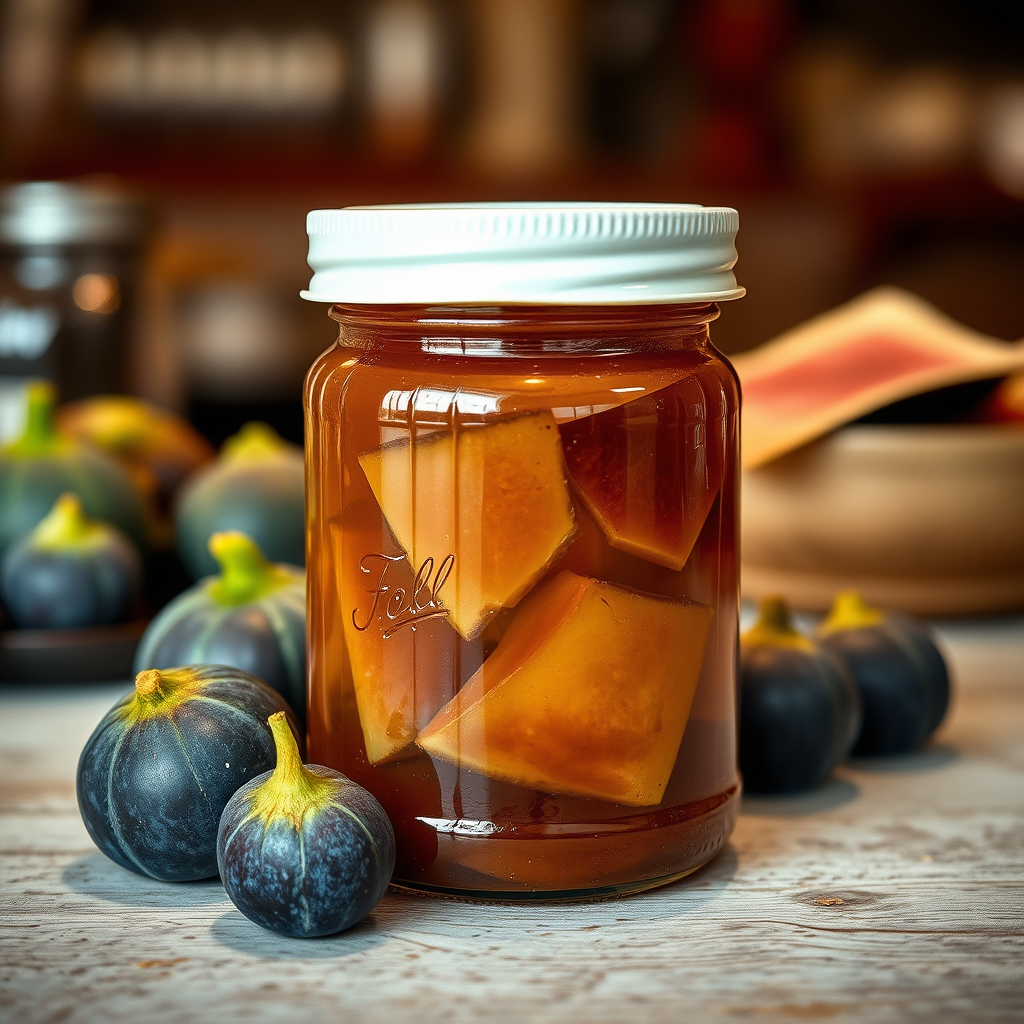
Be cautious if the figs are overly ripe, moldy, or emit a fermented smell; using such fruit can compromise the safety of your jelly. Additionally, if you lack access to a reliable pH meter or are unsure about the importance of acidity in preserving jellies, it’s best to avoid this recipe. Lastly, refrain from making fig jelly if you do not have the necessary equipment for water bath canning, as improper canning can lead to foodborne illnesses.
The Most Common Mistakes (And Their Consequences)
– Incorrect Pectin Ratios: Using too little pectin can result in a runny jelly, while too much can create a rubbery texture. Always measure precisely according to the recipe.
– Skipping Sterilization: Failing to properly sterilize jars can introduce bacteria, leading to spoilage. Ensure jars are boiled for at least 10 minutes before use.
– Ignoring Processing Times: Neglecting the recommended processing times in the water bath can yield unsafe jelly that may spoil or cause illness.
Special Cases That Need a Different Approach
If using dried figs instead of fresh, rehydrate them in boiling water for at least 30 minutes before proceeding with the jelly-making process. For those with dietary restrictions, consider using low-sugar pectin and adjusting the sugar content; however, be aware that this may impact the jelly’s consistency and shelf life. If making fig jelly at high altitudes, increase processing times by 5 minutes for every 1,000 feet above sea level to ensure proper sealing and safety.
When You Need a Professional
Consult a food safety expert if you are uncertain about the acidity levels of your fig jelly, especially when modifying the recipe for low sugar or using alternative sweeteners. Seek advice from a licensed nutritionist or food preservation specialist if you plan to distribute your fig jelly commercially or have questions about food labeling and safety standards. If you notice any signs of spoilage, such as gas bubbles, off-odors, or unusual colors in your canned fig jelly, contact your local health department for guidance on potential foodborne risks.
Sources and Further Reading
– National Center for Home Food Preservation: Comprehensive guidelines on safe home canning practices and recipes.
– USDA Complete Guide to Home Canning: Official standards for canning fruits and jellies, including troubleshooting tips.
– Local Extension Services: Many state agricultural extensions offer workshops and resources on home canning and food preservation techniques tailored to regional ingredients.
Frequently Asked Questions
What ingredients do I need for a basic fig jelly recipe?
To make a basic fig jelly, you will need fresh figs, granulated sugar, lemon juice, and pectin. Fresh figs provide the natural sweetness and flavor, while pectin helps achieve the desired jelly consistency. Make sure to use ripe figs for the best taste and texture in your fig jelly.
How do I properly prepare figs for making jelly?
To prepare figs for jelly, start by washing them thoroughly under running water to remove any dirt. Then, remove the stems and cut the figs into quarters to help release their juices during cooking. This preparation ensures that your fig jelly has a rich flavor and smooth consistency.
Why is pectin important in a fig jelly recipe?
Pectin is a natural thickening agent that helps your fig jelly set properly, giving it a gel-like consistency. Without pectin, the jelly may remain runny and not achieve the desired firmness. Using the right amount of pectin is crucial for a successful fig jelly that holds its shape.
What is the best method for canning fig jelly to ensure safety?
The best method for canning fig jelly involves using the water bath canning technique. First, ensure your jars and lids are sterilized, then fill the jars with hot fig jelly, leaving proper headspace. Process the jars in boiling water for the recommended time to eliminate bacteria and ensure a safe seal.
Which types of figs are best for making jelly?
The best types of figs for making jelly are Black Mission, Kadota, and Brown Turkey figs, as they have a rich flavor and high sugar content. These varieties yield a sweeter jelly with a deeper flavor profile, making them ideal for spreads and desserts. Using fresh, ripe figs will enhance the overall quality of your fig jelly.
References
- Fig
https://en.wikipedia.org/wiki/Fig - Contribution of Man – Made Activities to the Pollution of the Tigris within Mosul Area/IRAQ – PMC
https://www.ncbi.nlm.nih.gov/pmc/articles/PMC3810627/ - https://www.sciencedirect.com/topics/agricultural-and-biological-sciences/fig
https://www.sciencedirect.com/topics/agricultural-and-biological-sciences/fig - Arid1a controls tissue regeneration – PMC
https://www.ncbi.nlm.nih.gov/pmc/articles/PMC4981703/ - Fig | Description, History, Cultivation, & Types | Britannica
https://www.britannica.com/plant/fig - Google Scholar Google Scholar
https://scholar.google.com/scholar?q=fig+jelly+recipe - Google Scholar Google Scholar
https://scholar.google.com/scholar?q=figs+preservation+techniques - Publication : USDA ARS
https://www.ars.usda.gov/research/publications/publication/?seqNo115=392953 - https://www.frontiersin.org/articles/10.3389/fsust.2020.00006/full
https://www.frontiersin.org/articles/10.3389/fsust.2020.00006/full - Effect of Action Verbs on the Performance of a Complex Movement – PMC
https://www.ncbi.nlm.nih.gov/pmc/articles/PMC3700950/