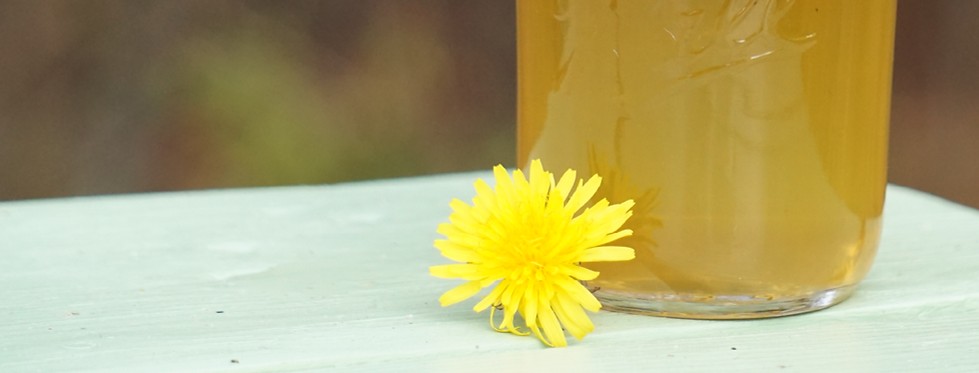
Master the art of making dandelion jelly with this complete expert guide, designed for both novice and experienced cooks. This comprehensive resource covers everything from selecting the right dandelions to ensuring safe canning practices, highlighting the importance of using the proper methods to avoid potential hazards. By following these protocols, you can enjoy a delicious and unique jelly while preserving the integrity of your culinary creations.
What This Guide Covers (And What It Doesn’t)
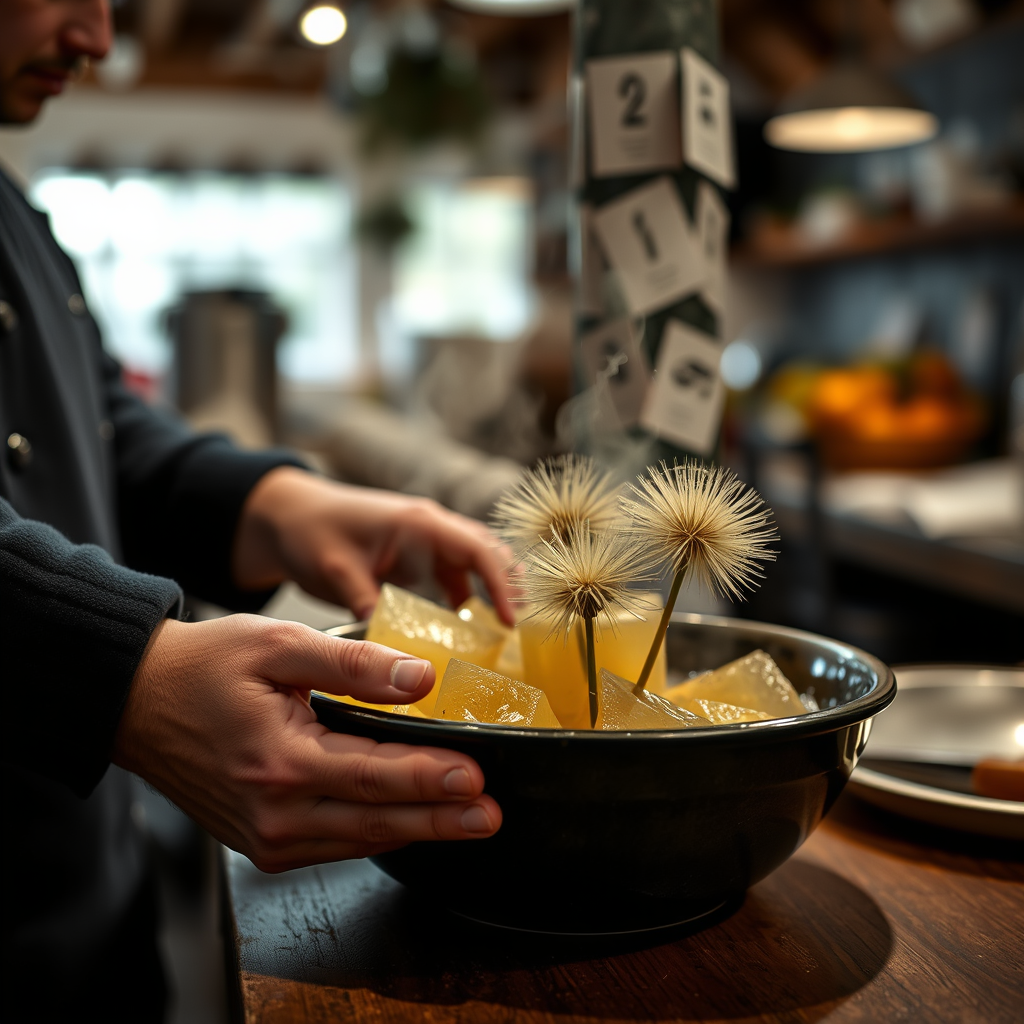
This guide offers a thorough, step-by-step recipe for crafting dandelion jelly, detailing ingredients, preparation methods, and preservation tips. You will discover the benefits of using dandelions, essential safety precautions for foraging, and guidance on properly identifying dandelion flowers to ensure your safety. Designed for home cooks eager to explore unique jelly recipes and enhance their culinary skills, this guide particularly appeals to those interested in foraging and natural foods. However, it does not address other types of jelly or preserves, nor does it delve into general canning procedures outside the specific context of dandelion jelly.
Who Should Read This
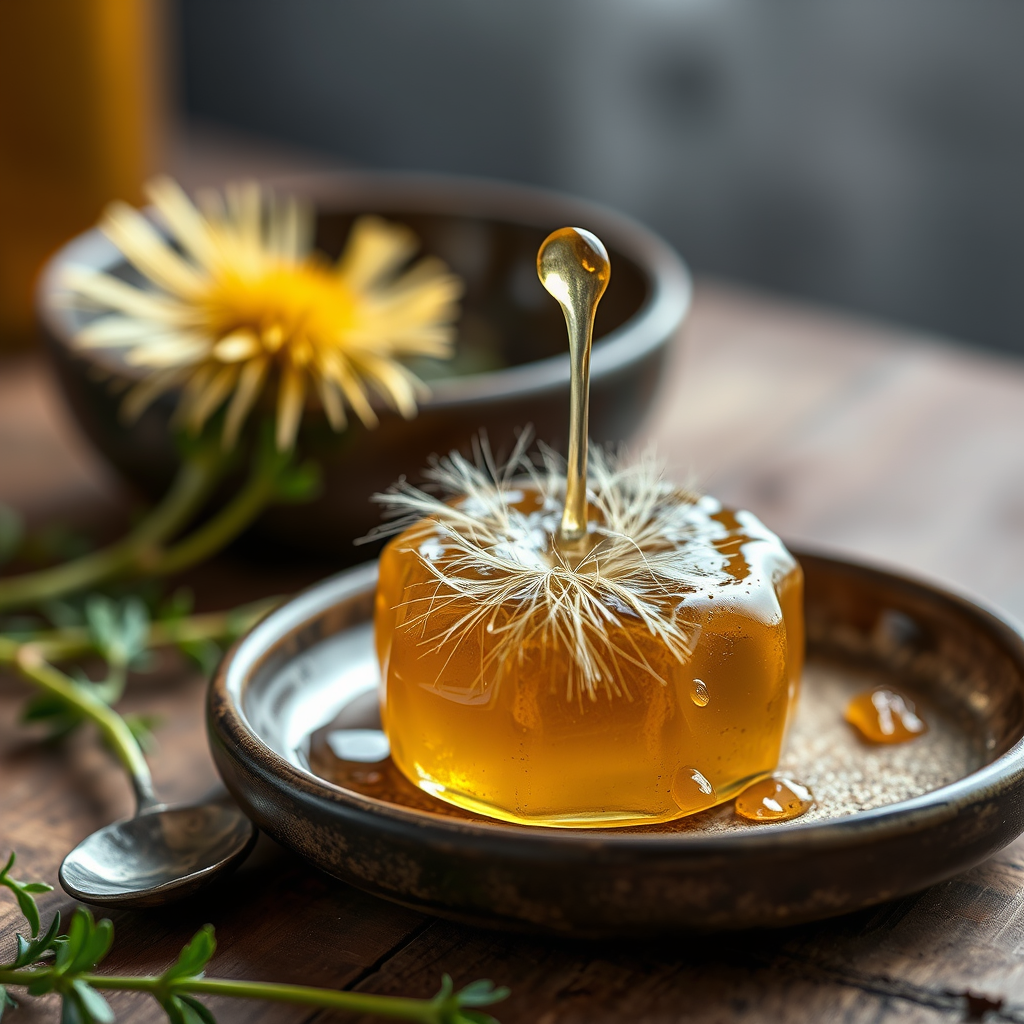
This guide is tailored for individuals with basic cooking skills, including the ability to measure ingredients and use kitchen tools such as pots, jars, and strainers. It is particularly suitable for foraging enthusiasts and anyone interested in sustainable cooking who wants to utilize safe, edible wild ingredients. Readers should be committed to practicing safe foraging techniques, which includes accurately identifying dandelion flowers and understanding their growing environment. Those with allergies to plants in the Asteraceae family, which includes daisies and marigolds, should consult a healthcare professional before attempting this recipe.
The Step-by-Step Protocol
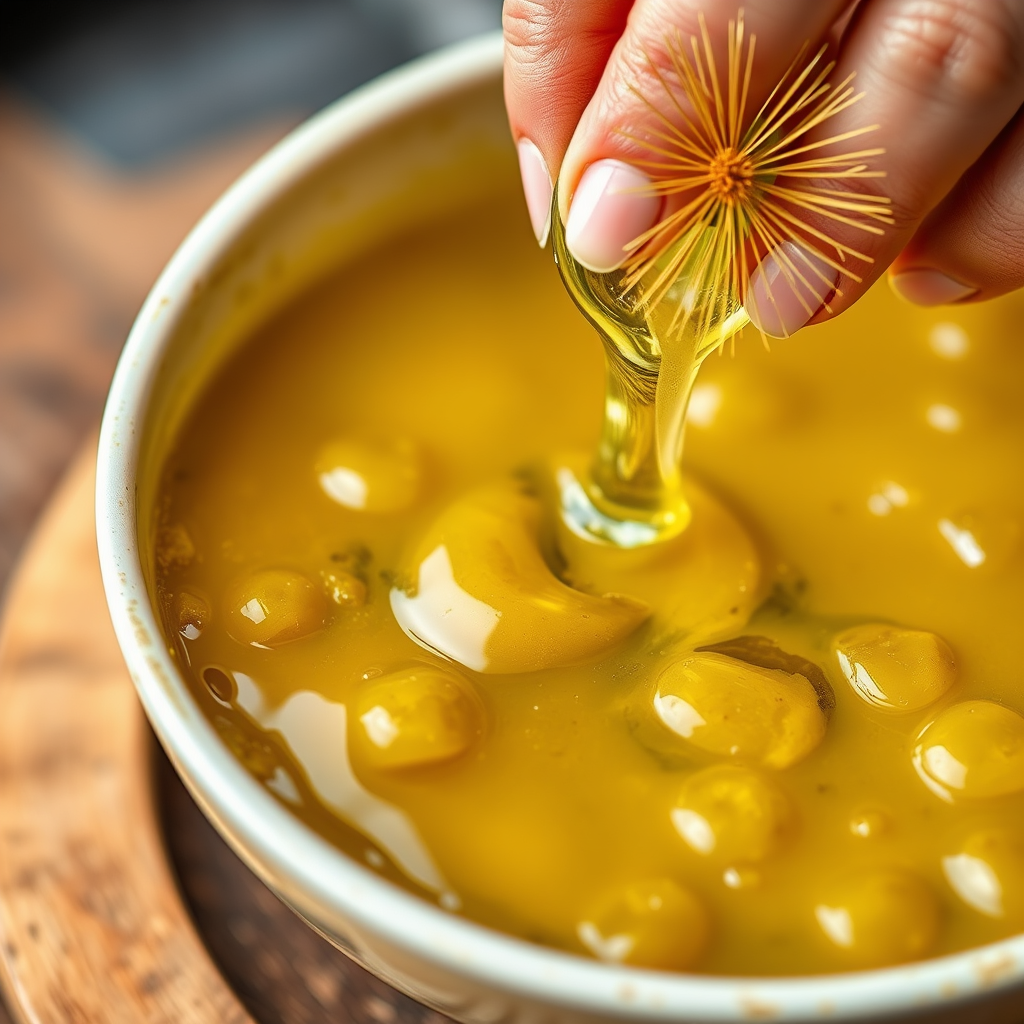
1. Gather Dandelion Flowers: Collect 2 cups of fresh, fully opened dandelion flowers, ensuring they are free from pesticides and pollutants. Choose bright yellow flowers, avoiding any brown or wilted blooms.
2. Prepare the Infusion: Rinse the flowers gently to remove dirt or insects. Place them in a pot with 4 cups of water and bring to a boil. Reduce the heat and let it simmer for 10 minutes to create a dandelion infusion.
3. Strain the Mixture: Use a fine-mesh strainer or cheesecloth to separate the liquid from the flower petals, pressing the petals to extract as much liquid as possible. You should have approximately 3 cups of dandelion tea.
4. Make the Jelly: In a clean pot, combine the dandelion tea with 1/4 cup of lemon juice and 1 package (1.75 ounces) of fruit pectin. Stir well and bring to a rolling boil. Add 4 cups of sugar, stirring continuously until dissolved, then boil for an additional 1-2 minutes until the mixture thickens.
Nutritional Comparison of Dandelion Jelly Ingredients
| # | Ingredient | Calories (per serving) | Sugars (g) | Vitamin C (% DV) |
|---|---|---|---|---|
| 1 | Dandelion Flowers | 45 | 0.5 | 12% |
| 2 | Lemon Juice | 4 | 1 | 7% |
| 3 | Granulated Sugar | 774 | 200 | 0% |
| 4 | Fruit Pectin | 20 | 0 | 0% |
| 5 | Total (per serving) | 843 | 201.5 | 19% |
Warning Signs: When Not to Follow This
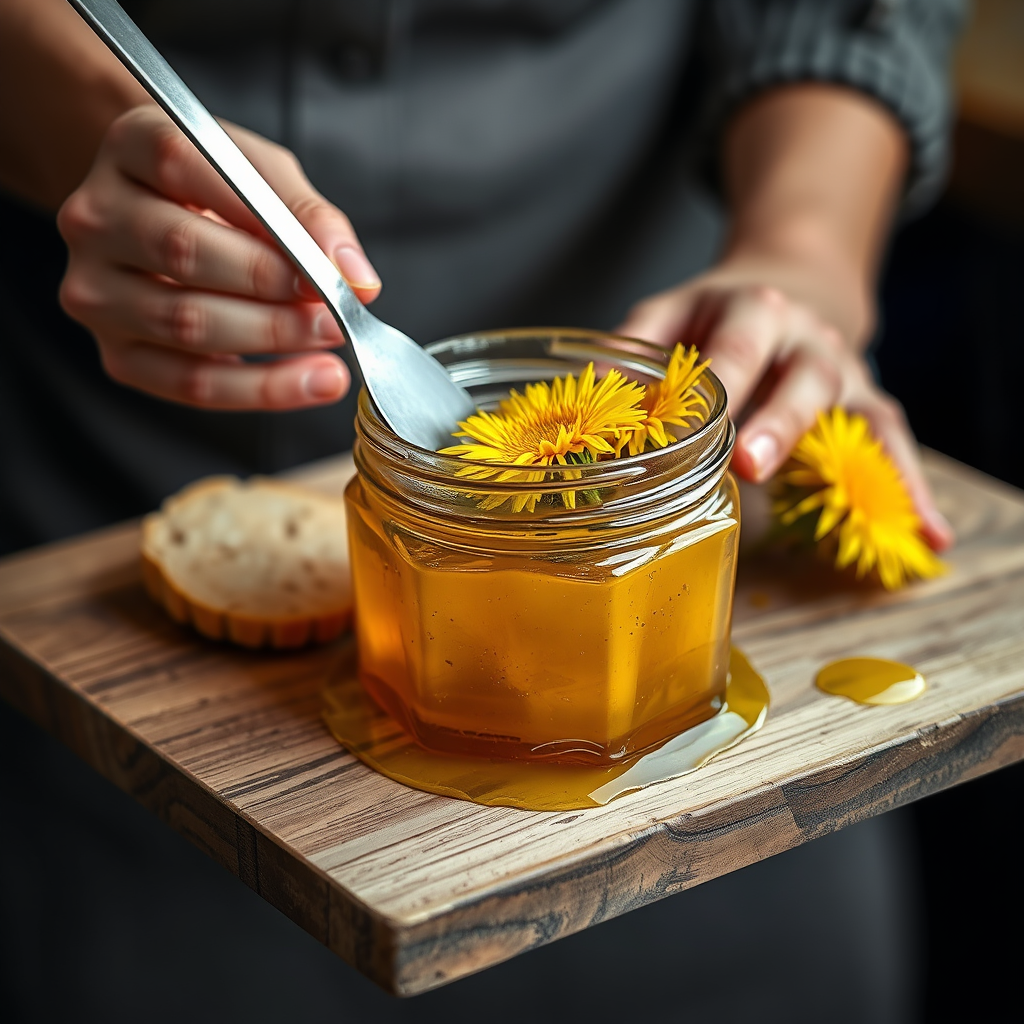
Avoid attempting this recipe if you cannot accurately identify dandelion flowers, as misidentification can lead to the consumption of toxic plants. Individuals allergic to dandelions or related species should refrain from using this recipe due to the risk of allergic reactions. If you have health conditions that could be worsened by high sugar intake, such as diabetes, consult a healthcare provider before making or consuming this jelly. Pregnant or nursing individuals should seek professional guidance before using foraged ingredients, as their effects on maternal health can be uncertain.
The Most Common Mistakes (And Their Consequences)
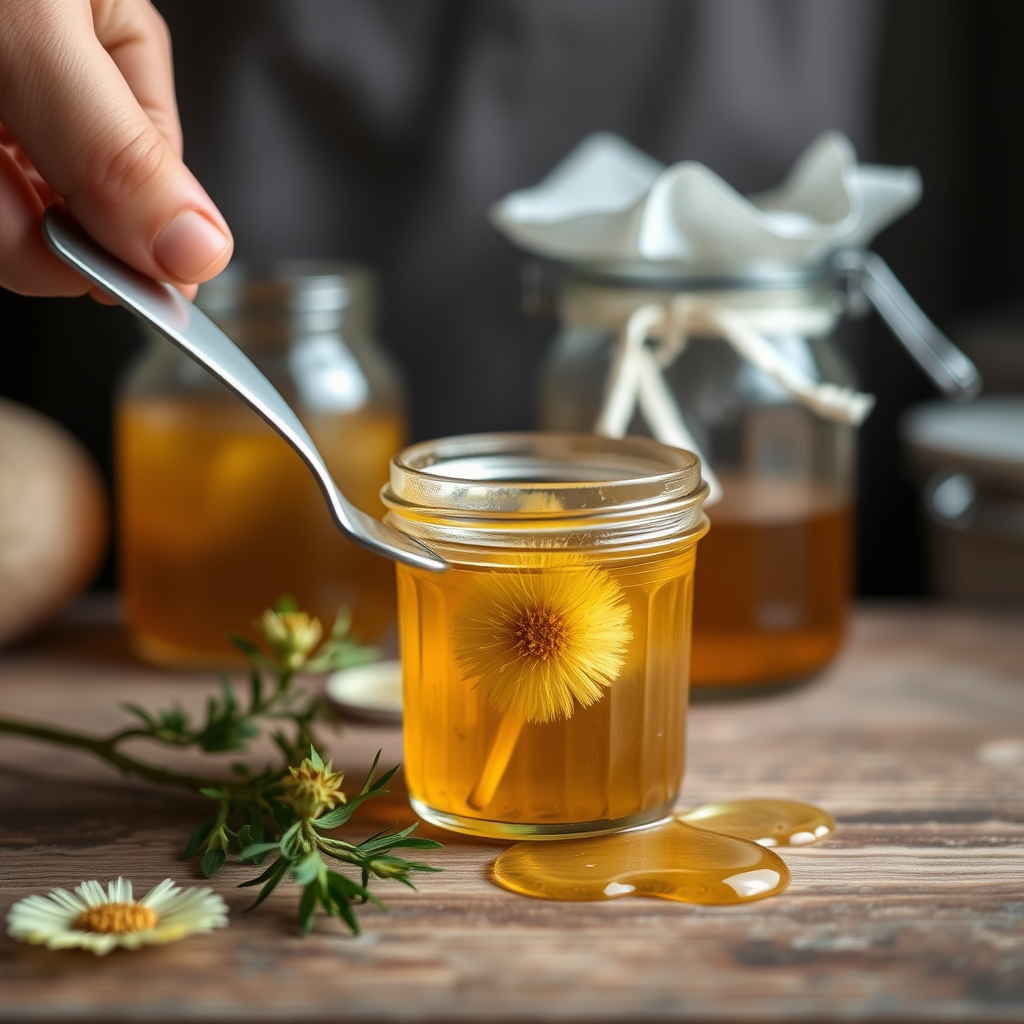
One frequent mistake is using flowers treated with pesticides, which can introduce harmful chemicals into the jelly. Always ensure your foraged dandelions come from safe, untreated areas. Some people skip the straining step, which can result in a gritty texture in the final jelly. Proper straining is essential for achieving a smooth consistency. Additionally, failing to measure ingredients accurately—particularly sugar and pectin—can lead to poor gelling or an overly sweet jelly that doesn’t set correctly. Not boiling the mixture long enough after adding sugar may result in a jelly that remains too runny, failing to achieve the desired consistency.
Special Cases That Need a Different Approach
If you’re making dandelion jelly in high humidity, consider extending the cooking time slightly to ensure proper gelling, as humidity can affect the setting process. For those preferring a low-sugar version, opt for a sugar substitute compatible with canning, and adjust the pectin according to the substitute’s instructions. If using dried dandelion flowers instead of fresh, use 1 cup of dried flowers and steep them in 4 cups of water for about 30 minutes to extract flavor and color. Additionally, if you want to infuse extra flavors, such as citrus zest or herbs like mint, add them during the infusion stage but strain them out along with the flowers.
When You Need a Professional
Seek professional advice if you’re uncertain about the safety of the dandelion flowers you’ve foraged, especially if your experience with wild plant identification is limited. If you have specific health concerns or dietary restrictions, consulting a healthcare provider before consuming dandelion jelly is advisable, particularly if you plan to use it for medicinal purposes. When canning the jelly for long-term storage, consider consulting a food preservation expert to ensure you’re following safe canning practices. Should you experience any adverse reactions after consuming dandelion jelly, such as allergic symptoms or gastrointestinal distress, consult a medical professional immediately.
Sources and Further Reading
– “Wild Edibles: A Practical Guide to Foraging” by John Kallas, which provides insights into identifying and safely foraging wild plants, including dandelions.
– The National Center for Home Food Preservation’s guidelines on safe canning practices, essential for anyone looking to preserve dandelion jelly.
– “The Herbal Medicine-Maker’s Handbook” by James Green, which offers information on the medicinal uses of dandelions and other wild plants.
– Research articles from the Journal of Ethnobiology detailing the culinary and medicinal uses of dandelions across various cultures, enhancing the understanding of this versatile plant.
This guide empowers you with the knowledge to safely and effectively create dandelion jelly, a unique addition to your culinary repertoire. Engage with your local environment responsibly, and enjoy the fruits of your foraging efforts.
Frequently Asked Questions
What ingredients do I need for a dandelion jelly recipe?
To make dandelion jelly, you’ll need fresh dandelion flowers, sugar, lemon juice, pectin, and water. It’s important to use only the yellow petals of the flowers, as the green parts can impart a bitter taste. Ensure you harvest dandelions from areas free of pesticides and pollutants for a safe and delicious jelly.
How do I properly prepare dandelion flowers for jelly?
To prepare dandelion flowers, start by gently rinsing them to remove any dirt or insects. Next, carefully separate the yellow petals from the green sepals, as the greens can make your jelly taste bitter. Measure out about 2 cups of packed yellow petals to use in your recipe for the best flavor.
Why is pectin important in a dandelion jelly recipe?
Pectin is crucial in a dandelion jelly recipe because it acts as a thickening agent, helping the jelly to set properly. Without enough pectin, your jelly may turn out runny or not achieve the desired consistency. If you’re using fresh dandelion petals, you might need to add a commercial pectin to ensure a successful gel.
What is the best way to store homemade dandelion jelly?
The best way to store homemade dandelion jelly is in sterilized glass jars with tight-fitting lids. Keep the jars in a cool, dark place like a pantry or cupboard, where they can last for up to a year if properly sealed. Once opened, refrigerate the jelly and consume it within a few weeks for optimal freshness.
Which recipes can I make using dandelion jelly?
Dandelion jelly is versatile and can be used in a variety of recipes. It makes an excellent spread for toast or biscuits and can also be used as a glaze for meats or a filling for desserts like tarts and cakes. Additionally, you can incorporate it into salad dressings or marinades for a unique flavor twist.
References
- Taraxacum
https://en.wikipedia.org/wiki/Dandelion - DNA Methylation Patterns in the Early Human Embryo and the Epigenetic/Imprinting Problems: A Plea…
https://www.ncbi.nlm.nih.gov/pmc/articles/PMC6471582/ - https://pubmed.ncbi.nlm.nih.gov/29217468/
https://pubmed.ncbi.nlm.nih.gov/29217468/ - https://www.sciencedirect.com/topics/agricultural-and-biological-sciences/dandelion
https://www.sciencedirect.com/topics/agricultural-and-biological-sciences/dandelion - Dandelion | Definition, Uses, & Facts | Britannica
https://www.britannica.com/plant/dandelion - Google Scholar Google Scholar
https://scholar.google.com/scholar?q=dandelion+jelly+recipe - Google Scholar Google Scholar
https://scholar.google.com/scholar?q=dandelion+recipes - Google Scholar Google Scholar
https://scholar.google.com/scholar?q=Taraxacum+officinale+culinary+uses - https://www.nature.com/articles/s41598-018-21536-8
https://www.nature.com/articles/s41598-018-21536-8 - https://www.cdc.gov/healthyweight/healthy_eating/recipes.html
https://www.cdc.gov/healthyweight/healthy_eating/recipes.html