Mastering the art of making coffee jelly safely is essential for both culinary enthusiasts and those seeking a unique dessert experience. This expert guide provides a detailed recipe, along with crucial safety protocols to ensure your coffee jelly is delicious and safe to enjoy. With precise instructions and expert tips, you’ll elevate your coffee jelly game while avoiding common pitfalls. Follow this comprehensive approach to create a delightful treat that impresses every time.
What This Guide Covers (And What It Doesn’t)

This guide presents a comprehensive recipe for crafting coffee jelly, detailing the essential ingredients, equipment, and step-by-step instructions to guarantee a successful result. It also addresses safety considerations related to food-grade gelatin and specific brewing techniques that enhance flavor while steering clear of potential allergens or harmful additives. However, this guide does not delve into variations of coffee jelly that incorporate alcohol, dairy, or flavored syrups, as these may necessitate additional safety measures and expertise. Readers interested in non-coffee alternatives or advanced culinary methods unrelated to coffee jelly preparation will find this guide less applicable.
Who Should Read This
This guide is intended for home cooks with a foundational understanding of kitchen safety and cooking techniques, particularly those acquainted with both coffee and gelatin. Coffee enthusiasts eager to broaden their culinary repertoire through unique dessert presentations will also benefit. Individuals with dietary restrictions, such as vegans or those allergic to specific ingredients, can find valuable information in the detailed ingredient lists and alternative suggestions provided. Conversely, those with no prior experience in preparing gelatin-based desserts may find this guide somewhat challenging and should consider starting with simpler recipes before attempting coffee jelly.
The Step-by-Step Protocol
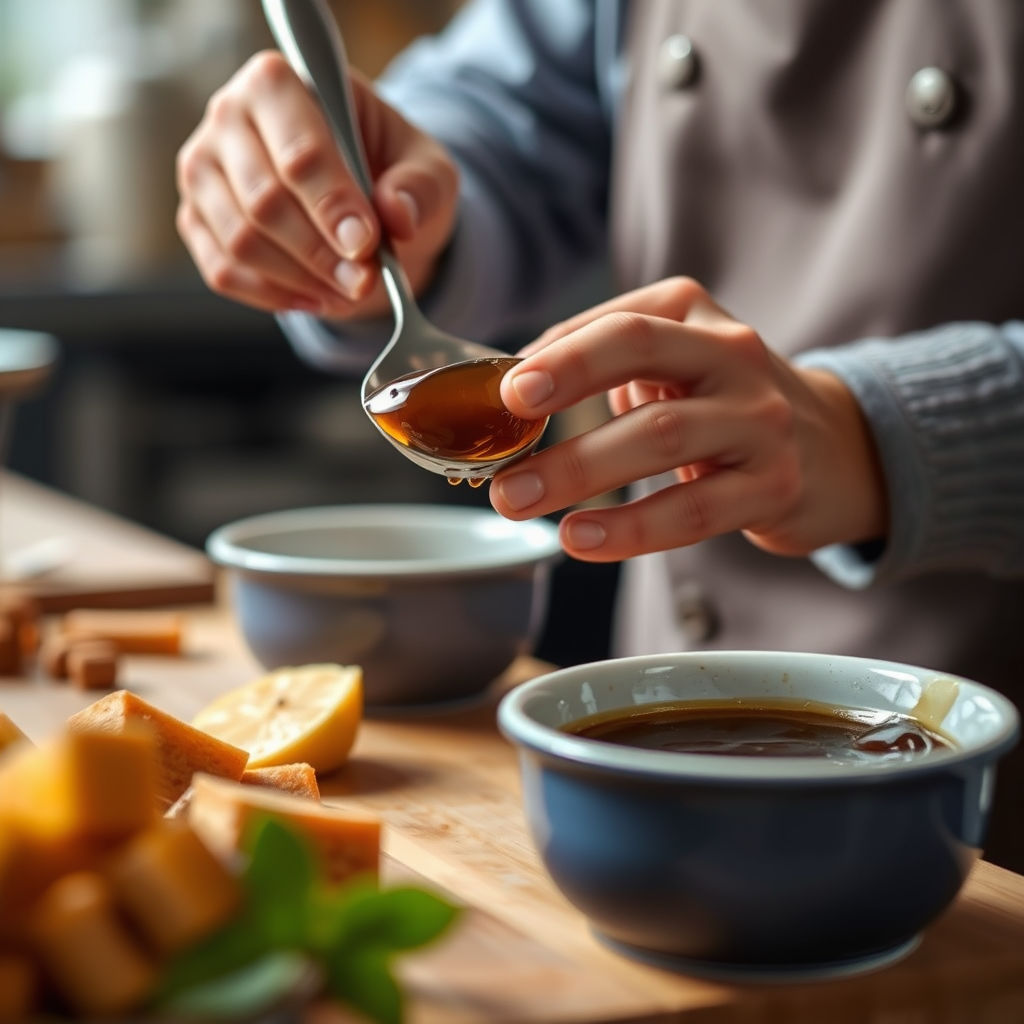
1. Gather Ingredients: You will need 2 cups of brewed strong coffee (preferably cold), 2 tablespoons of granulated sugar, and 1 tablespoon of food-grade gelatin powder.
2. Dissolve Gelatin: In a small bowl, sprinkle the gelatin over 1/4 cup of cold water. Allow it to sit for 5-10 minutes until it blooms. This step is crucial as it activates the gelatin’s gelling properties.
3. Combine Ingredients: Heat the brewed coffee and sugar in a saucepan over medium heat. Stir until the sugar is fully dissolved, then remove from heat. Add the bloomed gelatin to the warm coffee mixture, stirring until the gelatin is completely dissolved. Ensure there are no lumps.
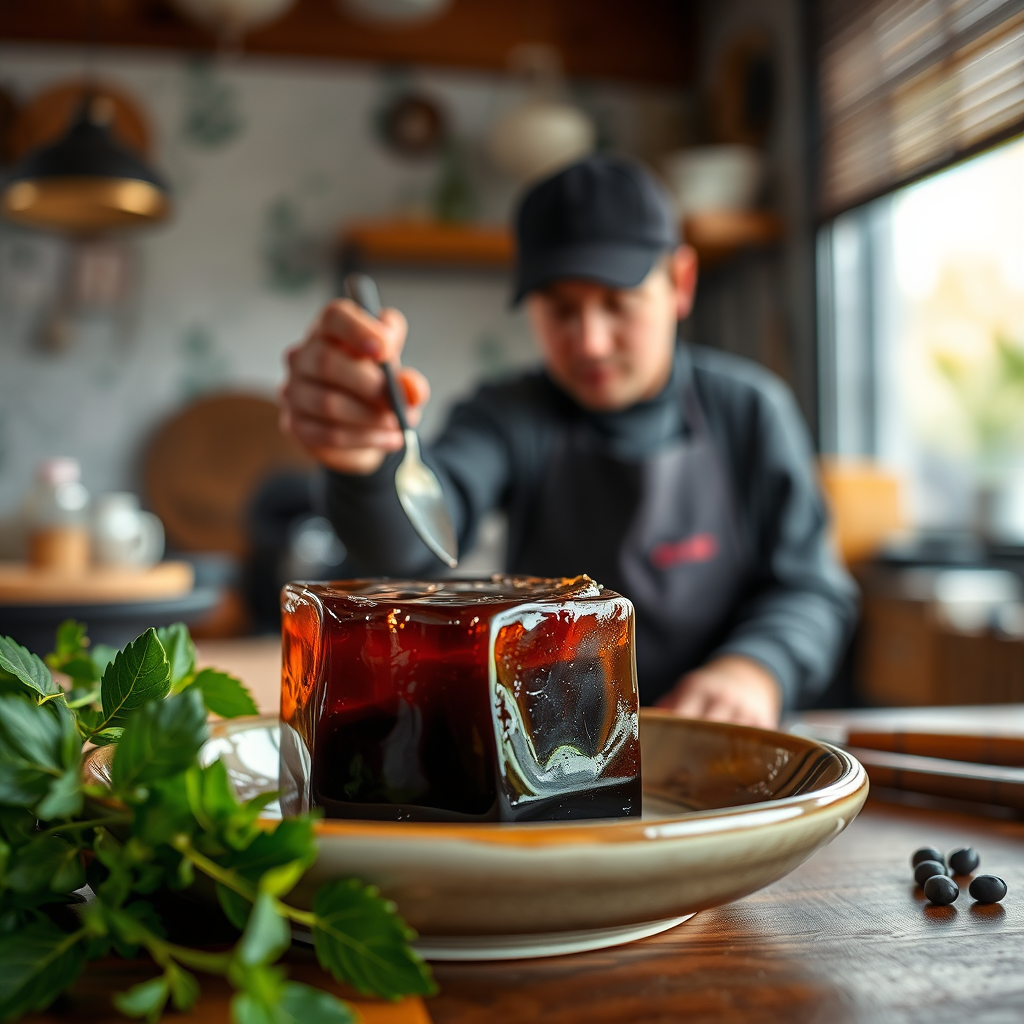
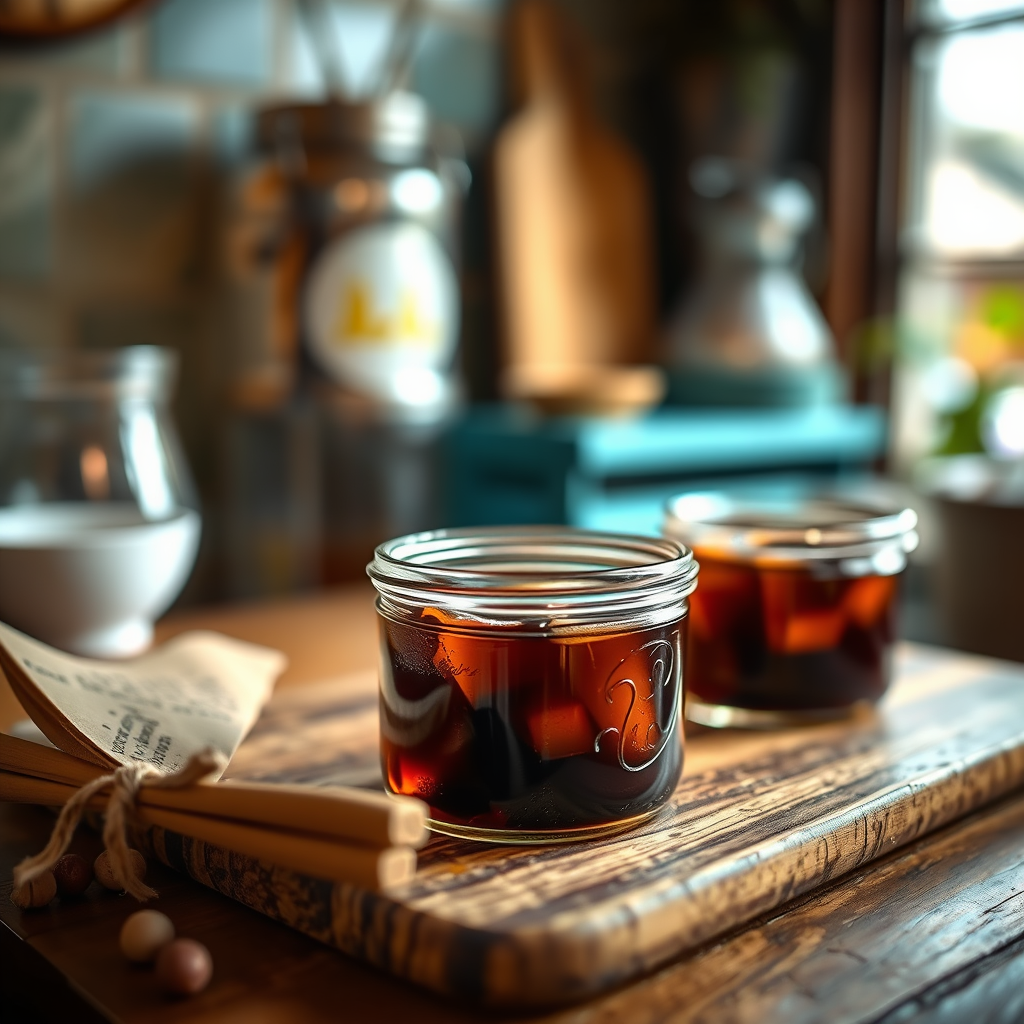
4. Set the Jelly: Pour the coffee mixture into a mold or individual cups. Allow it to cool to room temperature before transferring it to the refrigerator. Refrigerate for at least 4 hours, or until fully set. Opt for a clear mold to showcase the jelly’s appearance for an impressive presentation.
Common Ingredients in Coffee Jelly Recipes (2024)
| # | Ingredient | Quantity | Purpose | Notes |
|---|---|---|---|---|
| 1 | Brewed Coffee | 2 cups | Base flavor | Use strong coffee for best results |
| 2 | Granulated Sugar | 2 tbsp | Sweetener | Adjust based on taste preference |
| 3 | Food-Grade Gelatin | 1 tbsp | Gelling agent | Ensure it is food-grade and unflavored |
| 4 | Cold Water | 1/4 cup | Blooming gelatin | Essential for proper gelatin activation |
| 5 | Flavorings (Optional) | To taste | Enhances flavor | Consider spices like cinnamon or vanilla |
| 6 | Salt (Optional) | Pinch | Enhances sweetness | A small amount can enhance flavor |
| 7 | Toppings (Optional) | To preference | Presentation | Consider whipped cream or chocolate shavings |
Warning Signs: When Not to Follow This

– If you are allergic to any of the ingredients, particularly gelatin or coffee, do not attempt this recipe without consulting appropriate alternatives.
– Avoid making coffee jelly if you have a sensitivity to caffeine, as the recipe uses strong brewed coffee, which may lead to adverse reactions.
– This recipe is unsuitable for individuals with compromised immune systems, as homemade gelatin can pose a risk if not handled or stored correctly.
– If your gelatin does not bloom properly (it should expand and become sponge-like), do not proceed, as this indicates it may not set correctly.
The Most Common Mistakes (And Their Consequences)
– Incorrect Gelatin Measurement: Using too much or too little gelatin can result in either a jelly that is too firm or one that fails to set, leading to a soupy texture. Always measure with precision.
– Not Cooling the Coffee: Adding gelatin to coffee that is too hot can denature the gelatin, preventing it from setting properly and resulting in a runny consistency.
– Skipping the Refrigeration Step: Failing to refrigerate the jelly for the recommended time can lead to a soft texture that does not cut well, making it difficult to serve and enjoy.
– Inadequate Stirring: Not thoroughly mixing the gelatin with the coffee can cause clumps to form, resulting in an uneven texture and appearance.
Special Cases That Need a Different Approach
– If you prefer a vegan version, substitute gelatin with agar-agar, understanding that the setting process and quantities will differ (typically a 1:1 ratio for agar).
– For those seeking a sugar-free option, consider using sugar substitutes like erythritol, but be sure to adjust the quantity based on the specific product’s sweetness level.
– To enhance flavor with additional ingredients, such as spices (cinnamon or cardamom), add them to the coffee during the brewing process for an aromatic jelly.
– People with lactose intolerance may want to avoid traditional toppings (like whipped cream) and could substitute with coconut cream for a dairy-free alternative.
When You Need a Professional
– If you experience any allergic reactions or adverse effects after consuming coffee jelly, seek medical attention immediately.
– Individuals considering making coffee jelly for a large event or catering service should consult a food safety expert to ensure compliance with local food handling regulations.
– If you have specific dietary concerns or health conditions, such as diabetes or gastrointestinal issues, consult a dietitian before making this recipe to ensure it aligns with your nutritional needs.
– When experimenting with alternative ingredients, particularly if they are less common or have unique storage conditions, it’s advisable to consult a food scientist for safety guidelines.
Sources and Further Reading
– “The Science of Cooking: Understanding the Basics of Cooking” by Dr. Stuart Farrimond for foundational knowledge on gelatin and its properties.
– “Food Safety and Inspection Service” guidelines for safe food handling and preparation practices relevant to homemade desserts.
– Research articles from the Journal of Food Science on the properties of gelatin and its culinary applications, providing deeper insights into texture and flavor.
– “The New Coffee Book: A Comprehensive Guide to Coffee” by the Coffee Research Institute for understanding different brewing methods and their impact on flavor profiles.
Frequently Asked Questions
What ingredients do I need for a basic coffee jelly recipe?
To make a basic coffee jelly, you’ll need brewed coffee, sugar, gelatin, and water. Typically, about 2 cups of brewed coffee, 1/4 cup of sugar, and 2 tablespoons of gelatin mixed with 1/4 cup of cold water are used. This simple combination allows you to create a delightful dessert that showcases the rich flavor of coffee.
How do I make coffee jelly step by step?
Start by dissolving the gelatin in cold water and letting it sit for about 5 minutes. In a saucepan, combine brewed coffee and sugar, heating until the sugar dissolves. Once heated, remove from the heat and stir in the gelatin mixture until fully dissolved. Pour into a mold and refrigerate for at least 4 hours until set.
Why is my coffee jelly not setting properly?
If your coffee jelly isn’t setting, it may be due to insufficient gelatin or not allowing enough time to chill. Ensure that you’re using the correct ratio of gelatin to liquid, typically 1 tablespoon of gelatin for every 2 cups of liquid. Also, make sure to refrigerate it long enough, as it needs time to firm up properly.
What is the best way to serve coffee jelly?
The best way to serve coffee jelly is chilled, topped with whipped cream or a scoop of ice cream for added creaminess. You can also serve it in individual cups with a drizzle of sweetened condensed milk or a sprinkle of cocoa powder for extra flavor. This enhances the dessert and makes it visually appealing.
Which variations can I try for my coffee jelly recipe?
You can try various flavors in your coffee jelly by using flavored coffee, such as vanilla or hazelnut, or adding cocoa powder for a mocha twist. Additionally, incorporating milk or cream into the coffee before setting can create a creamier texture. For a more indulgent option, consider mixing in liqueurs like Kahlúa or Baileys.
References
- Coffee
https://en.wikipedia.org/wiki/Coffee - Mycotoxins during the Processes of Nixtamalization and Tortilla Production – PMC
https://www.ncbi.nlm.nih.gov/pmc/articles/PMC6520960/ - Coffee | Origin, Types, Uses, History, & Facts | Britannica
https://www.britannica.com/topic/coffee - Checking your browser – reCAPTCHA
https://www.ncbi.nlm.nih.gov/pmc/articles/PMC6365475/ - https://pubmed.ncbi.nlm.nih.gov/26794162/
https://pubmed.ncbi.nlm.nih.gov/26794162/ - Google Scholar Google Scholar
https://scholar.google.com/scholar?q=coffee+jelly+recipe - Google Scholar Google Scholar
https://scholar.google.com/scholar?q=coffee+jelly - Google Scholar Google Scholar
https://scholar.google.com/scholar?q=coffee+dessert+recipes - https://www.sciencedirect.com/topics/agricultural-and-biological-sciences/coffee
https://www.sciencedirect.com/topics/agricultural-and-biological-sciences/coffee - https://www.mayoclinic.org/healthy-lifestyle/nutrition-and-healthy-eating/in-depth/coffee/art-20046141
https://www.mayoclinic.org/healthy-lifestyle/nutrition-and-healthy-eating/in-depth/coffee/art-20046141