This complete expert guide to safely making apple jelly provides a precise, step-by-step protocol that ensures delicious results while minimizing risks associated with canning. Designed for both novice and experienced cooks, this guide emphasizes the importance of following tested methods to preserve flavor and safety. By adhering to these expert techniques, you can create perfect apple jelly that delights the palate and stands the test of time.
What This Guide Covers (And What It Doesn’t)
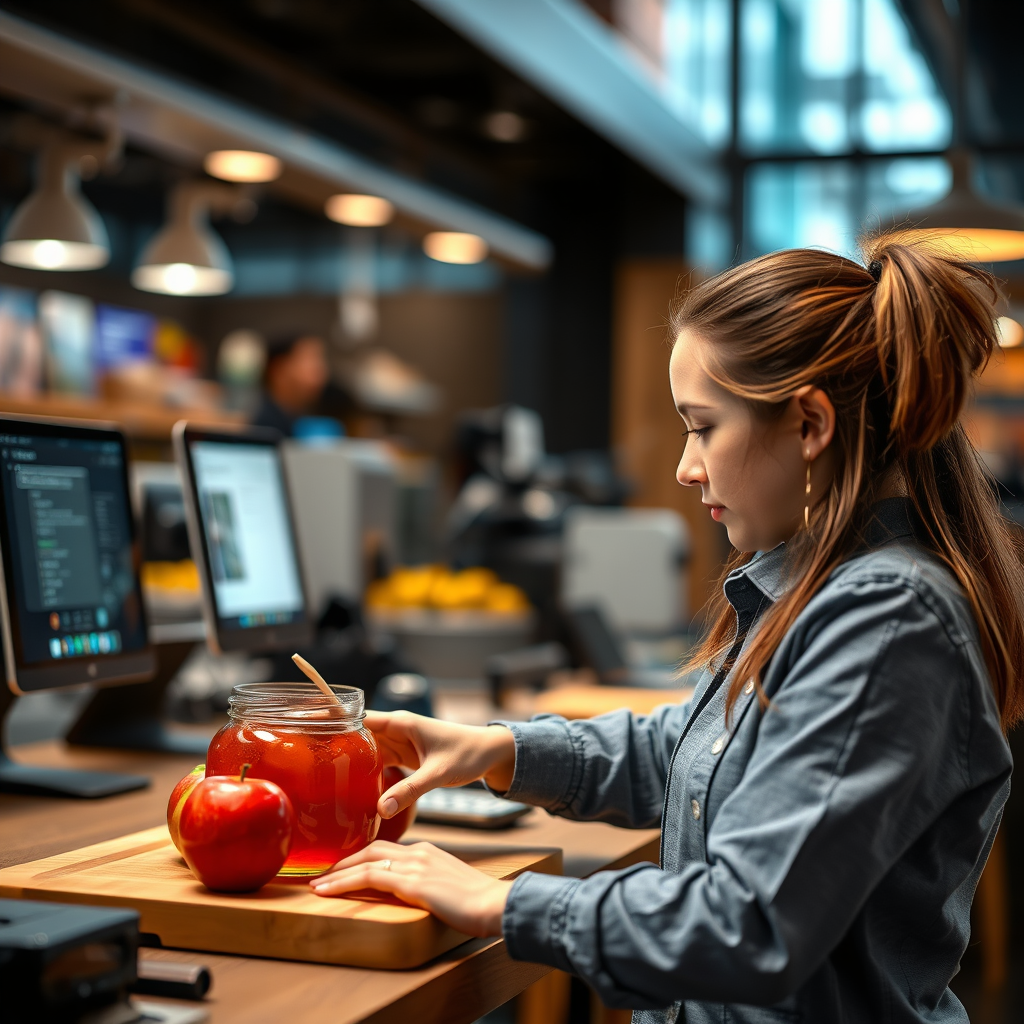
This comprehensive guide presents an expert-level protocol for making apple jelly, detailing ingredient lists, necessary equipment, and step-by-step instructions to ensure both safety and quality. You will learn essential techniques for preparing apples, achieving the perfect consistency, and canning jelly to prolong shelf life without compromising safety. However, please note that variations such as flavored jellies (like cinnamon apple jelly) or alternative preservation methods that do not involve canning are outside the scope of this guide, as they require different procedures and safety considerations.
Who Should Read This

This guide is tailored for home cooks who have a basic understanding of canning and preserving and wish to enhance their skills specifically in making apple jelly. It is especially valuable for those looking to create homemade gifts, preserve cherished family recipes, or utilize surplus apples from their harvest or local markets. If you are unfamiliar with kitchen safety standards or the canning process, you may find this information challenging. In such cases, seeking out introductory resources prior to attempting apple jelly is advisable.
The Step-by-Step Protocol
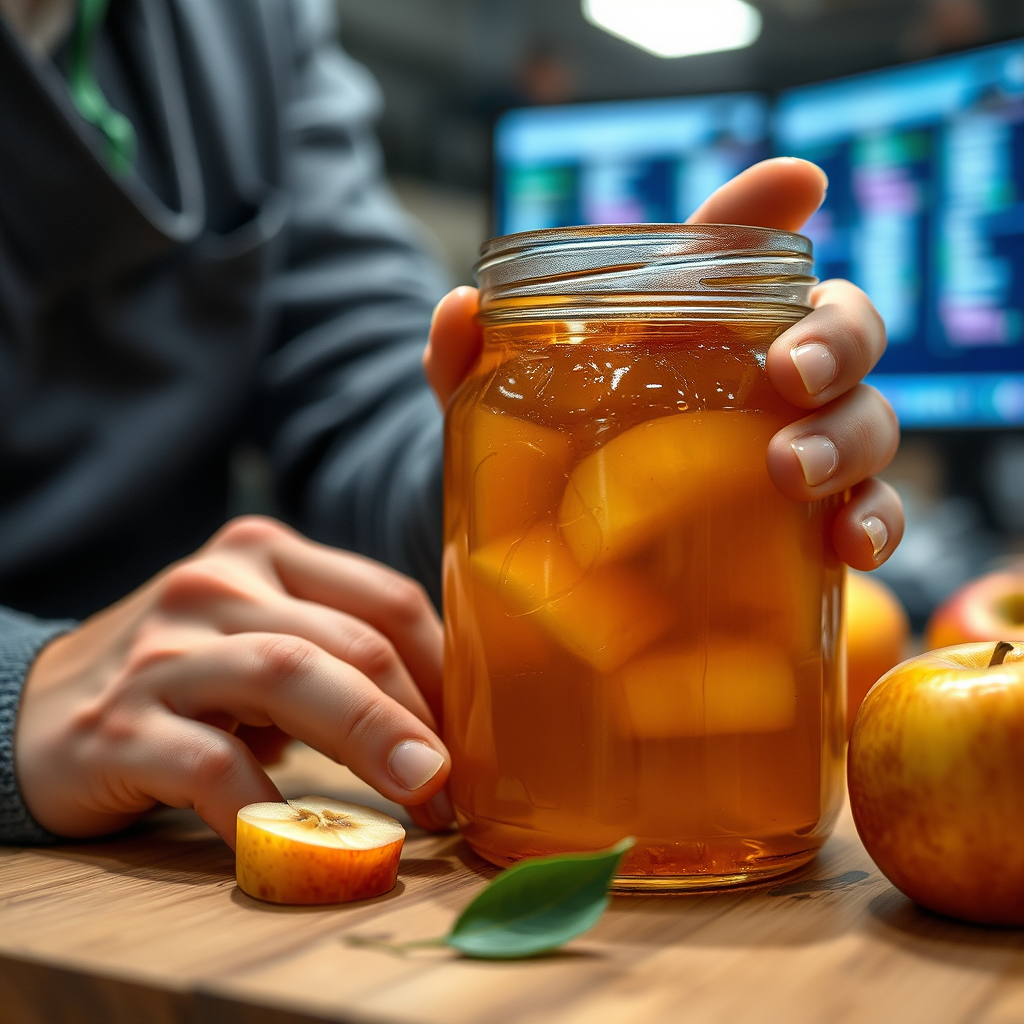
1. Gather Ingredients and Equipment: Start with 6 to 8 medium-sized, ripe apples (Granny Smith or McIntosh are ideal) to yield approximately 4 cups of apple juice. Thoroughly wash the apples to remove any pesticides or dirt. You will also need 1 package (1.75 oz) of fruit pectin, 5 cups of granulated sugar, 1 to 2 cups of water, a large pot, a fine mesh sieve or cheesecloth, and sterilized canning jars with lids.
2. Prepare the Apples: Cut the apples into quarters without peeling or coring them. Place them in a large pot with 1 to 2 cups of water to prevent burning during cooking. Ensure that the water just covers the bottom of the pot; too much water can dilute the juice.
3. Simmer the Apples: Simmer the apples over medium heat for 30 to 40 minutes until they become soft. Stir occasionally to promote even cooking. This step maximizes juice extraction from the apples.
4. Strain the Mixture: After the apples are soft, strain the mixture through a fine mesh sieve or cheesecloth to collect the juice. Allow the juice to drip for at least 30 minutes to extract as much liquid as possible. Discard the solids.
5. Prepare the Jelly Mixture: Measure 4 cups of fresh apple juice and add it to a clean pot. Mix in 1 package of fruit pectin, stirring until it dissolves completely. Gradually add 5 cups of granulated sugar while stirring continuously. It’s crucial that the sugar is fully dissolved before moving on.
6. Boil the Mixture: Bring the mixture to a rapid boil over high heat. Once boiling, continue cooking for exactly 1 minute, stirring constantly. This step activates the pectin, which is vital for proper gelling.
7. Test for Doneness: To check if the jelly has set, dip a spoon into the mixture. If it coats the back of the spoon and holds its shape, it’s ready to be poured into jars. If it appears too runny, boil for an additional minute and test again.
8. Canning the Jelly: Ladle the hot jelly into sterilized jars, leaving about 1/4 inch of headspace. Wipe the rims of the jars to remove any residue, then place the sterilized lids on top, securing them with metal bands.
9. Process the Jars: Process the filled jars in a boiling water bath for 5 to 10 minutes, depending on your altitude. Ensure the water covers the jars by at least an inch. This crucial step eliminates potential bacteria and seals the jars properly.
10. Cool and Store: After processing, remove the jars from the water bath and allow them to cool completely on a clean towel or cooling rack. You should hear a popping sound as the jars seal. Once cool, check the seals by pressing down in the center of the lid; if it doesn’t pop back, the jar is sealed. Store sealed jars in a cool, dark place.
Nutritional Comparison of Common Apples Used for Jelly (per 100g)
| # | Apple Variety | Calories | Carbs (g) | Sugar (g) |
|---|---|---|---|---|
| 1 | Granny Smith | 52 | 14 | 10 |
| 2 | McIntosh | 55 | 14 | 10 |
| 3 | Fuji | 69 | 17 | 10 |
| 4 | Gala | 60 | 15 | 10 |
| 5 | Honeycrisp | 52 | 14 | 9 |
| 6 | Jonagold | 60 | 14 | 10 |
| 7 | Ambrosia | 57 | 14 | 10 |
Warning Signs: When Not to Follow This

Do not attempt to make apple jelly if you observe any signs of spoilage in the apples, such as mold, unusual odors, or a mushy texture. These issues can compromise the safety of the final product. Additionally, avoid proceeding with the recipe if your canning equipment (jars, lids, or processing pot) shows signs of damage or wear, as this can lead to seal failures and potential foodborne illnesses. If you are allergic to any listed ingredients, such as pectin or sugar substitutes, consult an allergist or food safety expert for alternatives before attempting this recipe.
The Most Common Mistakes (And Their Consequences)
A common mistake is not measuring the apple juice accurately; using insufficient juice can result in jelly that fails to set properly, while too much juice can dilute flavors and affect safety. Neglecting to use sterilized jars can lead to contamination, risking spoilage and botulism, particularly if the jelly is not processed correctly. Overcooking the jelly may yield a tough texture or caramelization, resulting in an undesirable flavor, while undercooking can produce a runny product that does not gel.
Special Cases That Need a Different Approach
When making apple jelly from different apple varieties, adjustments in sugar content may be necessary; sweeter apples may require less sugar, while tart varieties may need additional sweetening. If using low-sugar pectin, closely follow the package instructions, as the ratio of sugar to fruit juice can significantly differ from standard recipes, impacting the jelly’s texture and preservation. For those interested in adding spices or flavors to their apple jelly, consider adjusting both the boiling time and sugar levels, as these additions can alter the gelling properties.
When You Need a Professional
If you have concerns about your local water quality, which can affect the safety of home canning processes, consult a food safety expert or licensed canning professional. Additionally, if you are unfamiliar with pressure canning or have never canned before—especially with low-acid foods—seeking guidance is crucial to ensure adherence to safety standards. Should you suspect any foodborne illness after consuming homemade apple jelly, contact a healthcare professional immediately and report the incident to local health authorities for further investigation.
Sources and Further Reading
The National Center for Home Food Preservation (NCHFP) offers comprehensive guidelines on safe canning practices and preservation techniques for various fruits, including apples. “Canning and Preserving for Beginners” by Carla Emery provides foundational knowledge on canning safety, including specific techniques for making jellies and jams. The USDA’s Complete Guide to Home Canning outlines essential standards and safety protocols for anyone looking to preserve food at home, emphasizing proper sterilization and processing methods.
Frequently Asked Questions
What ingredients do I need for a homemade apple jelly recipe?
To make a basic homemade apple jelly, you will need apples (preferably tart ones like Granny Smith), sugar, lemon juice, and pectin. The pectin helps the jelly set, while the lemon juice enhances the flavor and aids in the gelling process. Make sure to choose fresh, high-quality ingredients for the best results.
How do I prepare apples for making apple jelly?
Start by washing and coring the apples, but there’s no need to peel them, as the skin contains natural pectin. Cut the apples into quarters and place them in a large pot with enough water to cover them. Simmer the apples for about 30 minutes, then strain the juice through a fine mesh sieve or cheesecloth to collect the liquid needed for your apple jelly recipe.
Why is my apple jelly not setting properly?
If your apple jelly isn’t setting, it could be due to insufficient pectin or not boiling the mixture long enough. Ensure that you’re using the right amount of pectin based on your apple juice quantity and follow the boiling times in your recipe closely. You can also try adding more lemon juice, which can help with the gelling process.
What is the best method for canning apple jelly?
The best method for canning apple jelly involves sterilizing your jars and lids before filling them with hot jelly. Pour the cooked jelly into the prepared jars, leaving about 1/4 inch of headspace, and then process them in a boiling water bath for approximately 5 to 10 minutes. This ensures that your apple jelly is safe for long-term storage.
Which apples are best for making apple jelly?
The best apples for making apple jelly are those that are high in pectin and have a tart flavor, such as Granny Smith, McIntosh, or Jonathan apples. These varieties not only provide a great taste but also help achieve the desired consistency in your jelly. Mixing different types of apples can also enhance the flavor profile of your homemade apple jelly.
References
- Jelly
https://en.wikipedia.org/wiki/Jelly - https://www.uga.edu/extension/food-safety/apple-jelly-recipe.html
https://www.uga.edu/extension/food-safety/apple-jelly-recipe.html - Page not found
https://www.clemson.edu/extension/food_safety/preservation/jelly.html - https://www.nal.usda.gov/legacy/legacy/food-preservation-apple-jelly
https://www.nal.usda.gov/legacy/legacy/food-preservation-apple-jelly - Google Scholar Google Scholar
https://scholar.google.com/scholar?q=apple+jelly+recipe - Google Scholar Google Scholar
https://scholar.google.com/scholar?q=making+jelly+from+apples - Google Scholar Google Scholar
https://scholar.google.com/scholar?q=apple+preservation+methods - https://www.britannica.com/topic/jelly-food
https://www.britannica.com/topic/jelly-food - https://pubmed.ncbi.nlm.nih.gov/?term=apple+jelly+recipe
https://pubmed.ncbi.nlm.nih.gov/?term=apple+jelly+recipe - apple jelly recipe – Search results
https://en.wikipedia.org/wiki/Special:Search?search=apple+jelly+recipe