Master the art of crafting pepper jelly with this comprehensive guide, designed for both novice and experienced cooks. Explore expert protocols and a variety of recipes that ensure not only delicious results but also safe canning practices. Understanding the importance of proper techniques is crucial to avoid foodborne risks and achieve the perfect balance of heat and sweetness in your pepper jelly.
What This Guide Covers (And What It Doesn’t)
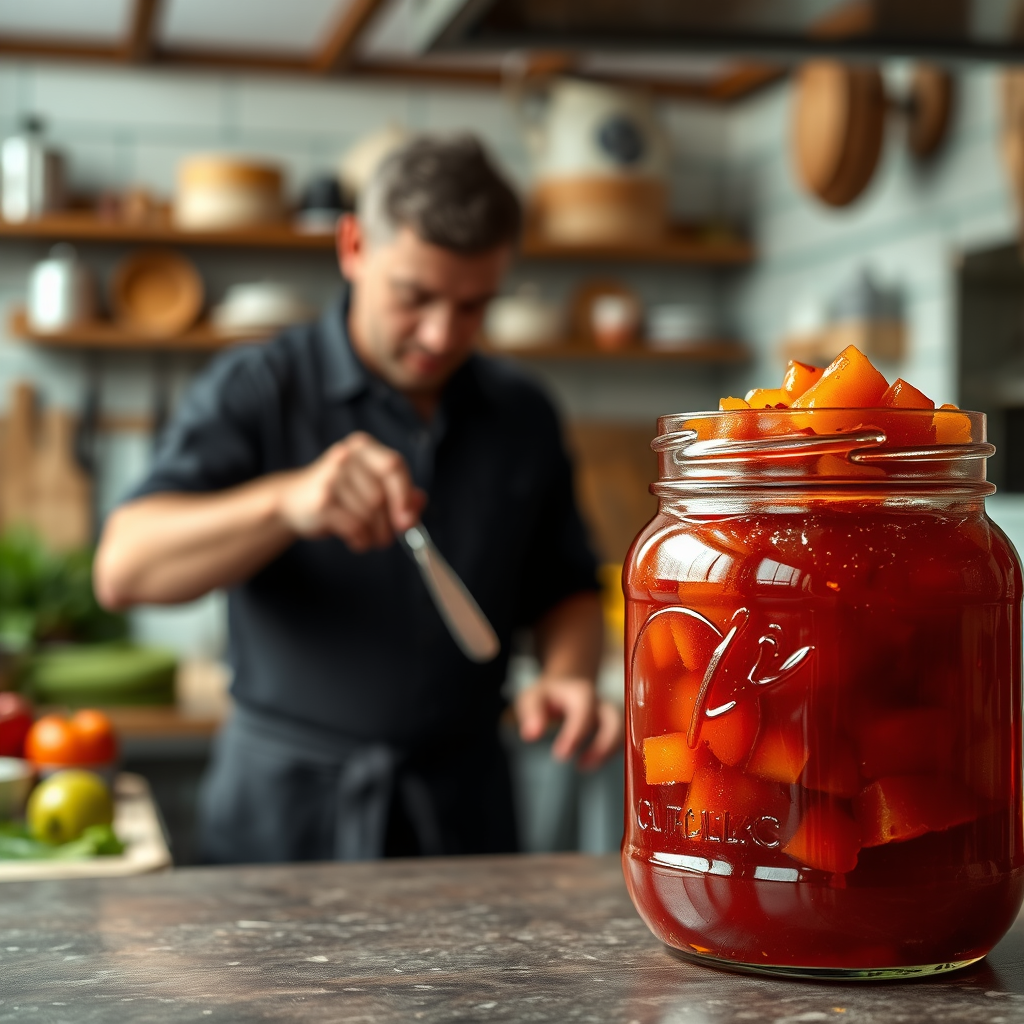
This guide offers comprehensive protocols for safely crafting pepper jelly, detailing ingredient selection, preparation techniques, and preservation methods. It highlights recipes that feature various types of peppers—such as jalapeño, habanero, and bell peppers—each contributing to distinct flavor profiles. However, it intentionally excludes unrelated jelly-making methods and does not delve into non-pepper-based preserves. Readers who seek experimental or unconventional jelly recipes may find this guide too structured and methodical.
Who Should Read This
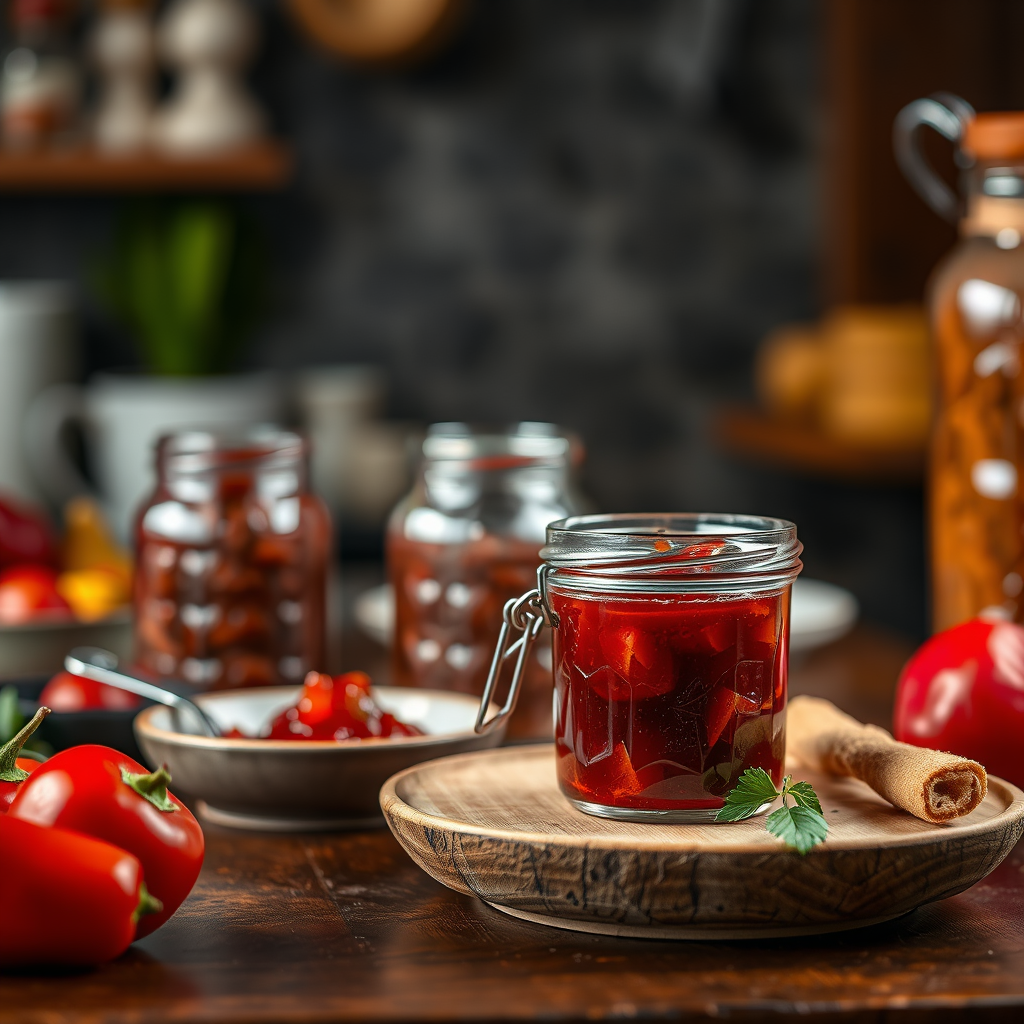
Designed for home cooks familiar with basic canning and preserving techniques, this guide is perfect for those looking to expand their repertoire with delicious pepper jelly recipes. It’s also a valuable resource for individuals interested in creating gourmet gifts or enhancing their charcuterie boards with homemade preserves. If you’re new to canning, it’s advisable to consult introductory resources before diving into the pepper jelly recipes presented here. Food enthusiasts eager to explore the science of pepper jelly preservation will discover insightful tips and guidance throughout this guide.
The Step-by-Step Protocol
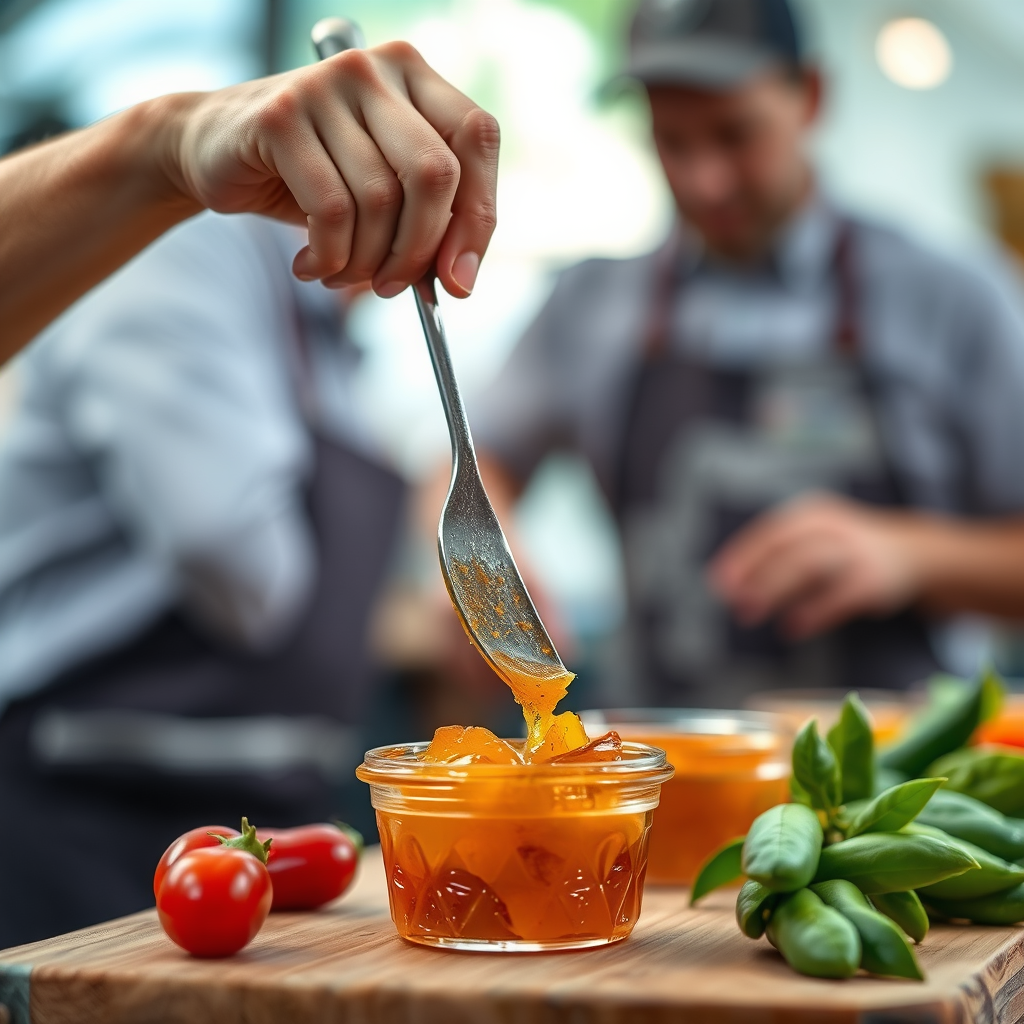
1. Select Your Peppers: Choose between 1 to 3 cups of finely chopped peppers. A balanced combination might include 1 cup of jalapeño for heat and 1 cup of bell pepper for sweetness. Adjust the quantity based on your preference for spice.
2. Prepare the Mixture: In a saucepan, combine the chopped peppers with 2 cups of white vinegar and 1/4 teaspoon of salt. Allow this mixture to simmer for 5 minutes to enhance the flavors and release the pepper oils.
3. Add Sugar and Pectin: Gradually stir in 5 cups of granulated sugar and 1 package (1.75 oz) of Sure-Jell pectin. Bring the mixture to a rolling boil, stirring continuously for 1 minute. Ensure the sugar dissolves completely, which is crucial for proper gelling.
4. Fill Sterilized Jars: Using a canning funnel, fill 8 oz sterilized jars with the hot jelly. Leave 1/4 inch of headspace at the top and ensure the rims of the jars are clean before sealing them with sterilized lids.
5. Process the Jars: Process the jars in a boiling water bath for 5 to 10 minutes, depending on your altitude. Ensure the water covers the jars by at least an inch to guarantee even heat distribution.
6. Cool and Store: Remove the jars from the water bath and let them cool completely on a clean towel or cooling rack. Once cooled, check the seals. Store the sealed jars in a cool, dark place. Properly sealed jars can last for up to a year.
Pepper Jelly Flavor Profiles
| # | Pepper Type | Heat Level (Scoville) | Sugar (cups) | Vinegar (cups) |
|---|---|---|---|---|
| 1 | Jalapeño | 2,500 – 8,000 | 5 | 2 |
| 2 | Habanero | 100,000 – 350,000 | 5 | 2 |
| 3 | Bell Pepper | 0 | 5 | 2 |
| 4 | Serrano | 2,500 – 5,000 | 5 | 2 |
| 5 | Poblano | 1,000 – 2,000 | 5 | 2 |
| 6 | Ghost Pepper | 800,000 – 1,200,000 | 5 | 2 |
| 7 | Chipotle | 2,500 – 10,000 | 5 | 2 |
Warning Signs: When Not to Follow This
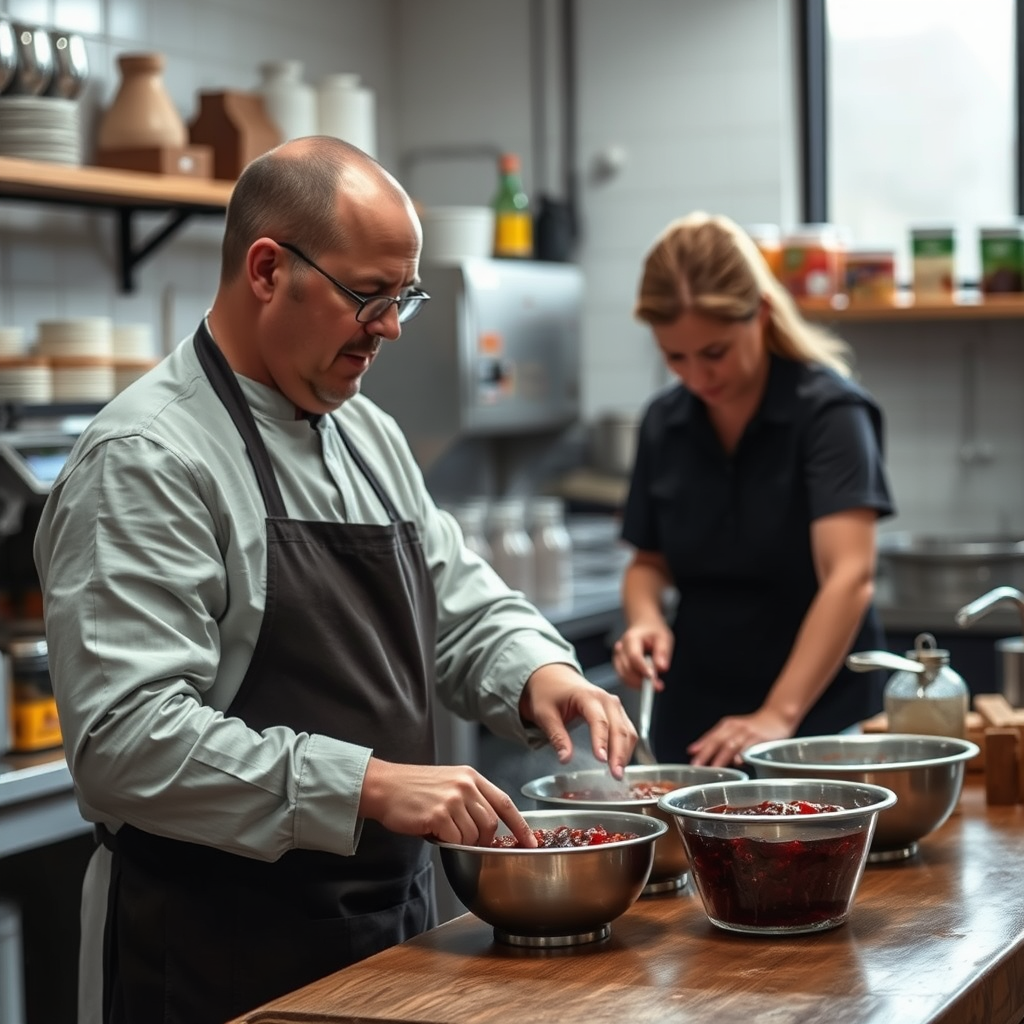
– If your peppers display signs of mold, spoilage, or unusual coloration, do not use them; such conditions could compromise the safety of your jelly.
– Avoid proceeding with the recipe if you lack the proper canning equipment, such as a water bath canner and an accurate thermometer for ensuring safe temperatures (above 212°F).
– Refrain from significantly altering the sugar-to-pectin ratio, as this can disrupt gelling and lead to spoilage.
– If you doubt your ability to maintain clean and sterile conditions throughout the process, it’s wise to hold off on attempting these recipes.
The Most Common Mistakes (And Their Consequences)
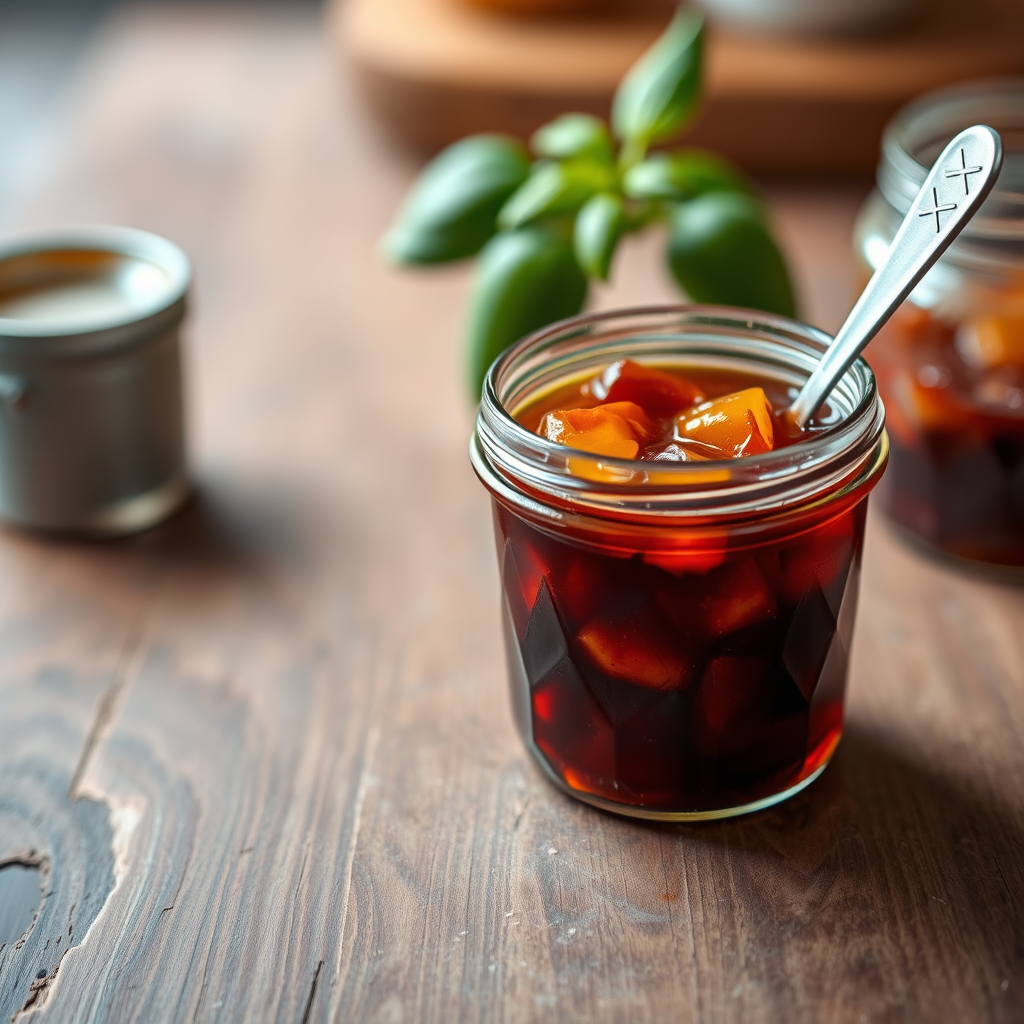
– Many home cooks misjudge the necessary acidity, resulting in unsafe pH levels in the jelly. This oversight can lead to spoilage or botulism, a serious foodborne illness.
– A common error is not boiling the jelly long enough to activate the pectin completely. This mistake yields a runny consistency instead of a gel-like texture, rendering the jelly unusable.
– Incorrectly measuring ingredients, particularly sugar or pectin, can either create overly sweet or improperly set jelly, diminishing both flavor and texture.
– Failing to leave adequate headspace when filling jars can cause seal failures, leading to spoilage and waste. Always ensure you leave the recommended headspace of 1/4 inch.
Special Cases That Need a Different Approach
– For those with dietary restrictions, consider using low-sugar pectin and adjusting the sugar content to create a lower-calorie version of pepper jelly, following the package instructions for low-sugar recipes.
– If you’re working with very hot peppers (like ghost peppers), reduce the quantity to 1/2 cup and increase the sugar to balance the heat, adjusting by 1-2 cups based on your taste preferences.
– For a smokier flavor, roasting the peppers before chopping and adding them to the mixture can enhance the taste. Just be sure to maintain the standard ratios of vinegar and pectin for proper gelling.
– When making pepper jelly in high-altitude areas, increase the processing time by 5-10 minutes due to lower boiling temperatures. Consult local guidelines for altitude adjustments specific to your region.
When You Need a Professional
– If you’re unfamiliar with safe canning practices or have health concerns related to food preservation, consulting a food safety expert before attempting these recipes is crucial.
– If unexpected spoilage occurs in your preserves (e.g., bulging lids, foul odors), seek guidance from a licensed food preservation specialist to mitigate health risks.
– For individuals with compromised immune systems or those preparing jelly for someone with food allergies, professional advice is advisable to ensure safety and compliance with dietary needs.
– If you wish to sell your pepper jelly commercially, consulting a food safety expert will help you comply with local regulations and obtain the necessary permits.
Sources and Further Reading
– National Center for Home Food Preservation: Guidelines on safe canning and preserving techniques.
– Ball’s Complete Book of Home Preserving: A comprehensive resource for canning recipes, including pepper jelly.
– USDA Complete Guide to Home Canning: Official recommendations for safe canning practices and pH levels.
– “The Pepper Pantry: Recipes and Techniques for Cooking with Peppers” by Susan Belsinger: A resource for expanding your pepper cooking skills.
Frequently Asked Questions
What are some easy pepper jelly recipes for beginners?
Easy pepper jelly recipes for beginners often include basic ingredients like bell peppers, sugar, vinegar, and pectin. A simple method involves finely chopping the peppers, boiling them with sugar and vinegar, and then adding pectin to thicken the mixture. This straightforward approach allows you to create delicious homemade pepper jelly without any advanced cooking skills.
How can I adjust the spiciness of my pepper jelly recipe?
To adjust the spiciness of your pepper jelly, you can modify the types of peppers used. For a milder flavor, opt for sweet peppers like red or yellow bell peppers, while jalapeños or habaneros can add more heat. Additionally, you can control the spiciness by removing the seeds and membranes from hot peppers before cooking.
Why is my pepper jelly not setting properly?
If your pepper jelly is not setting properly, it may be due to insufficient pectin or incorrect cooking times. Ensure you are using the right amount of pectin according to your recipe, and allow the mixture to boil for the full time recommended. If the jelly remains runny after cooling, you can reheat it and add more pectin to achieve the desired consistency.
What are the best uses for homemade pepper jelly?
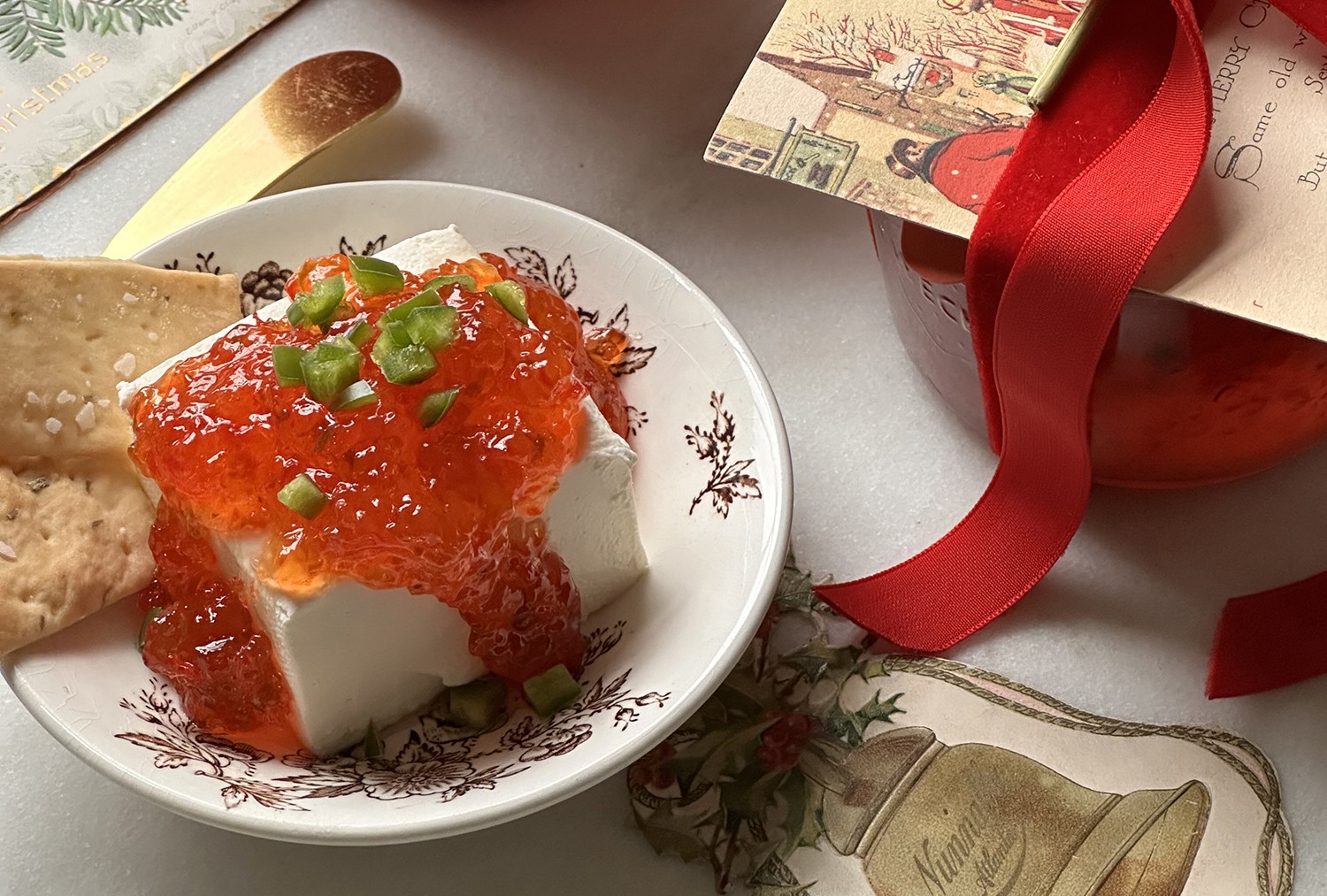
Homemade pepper jelly is incredibly versatile and can be used in various ways, including as a glaze for meats, a spread for crackers and cheeses, or a topping for breakfast items like cream cheese on bagels. It also makes a great addition to marinades and salad dressings, enhancing flavors with its sweet and spicy profile.
Which peppers are best for making sweet and spicy pepper jelly?
The best peppers for making sweet and spicy pepper jelly include jalapeños for heat and bell peppers for sweetness. You can also experiment with other varieties such as serranos or Fresno peppers to achieve different flavor profiles. Combining several types of peppers can create a more complex and enjoyable taste in your jelly.
References
- Jelly
https://en.wikipedia.org/wiki/Jelly - https://www.foodnetwork.com/topics/jelly
https://www.foodnetwork.com/topics/jelly - https://www.seriouseats.com/jelly-recipe
https://www.seriouseats.com/jelly-recipe - https://www.cdc.gov/foodsafety/food-safety-education-month/recipes.html
https://www.cdc.gov/foodsafety/food-safety-education-month/recipes.html - https://www.nutrition.gov/topics/food-safety/recipes
https://www.nutrition.gov/topics/food-safety/recipes - Google Scholar Google Scholar
https://scholar.google.com/scholar?q=pepper+jelly+recipes - Google Scholar Google Scholar
https://scholar.google.com/scholar?q=pepper+jelly - Google Scholar Google Scholar
https://scholar.google.com/scholar?q=pepper+jelly+making+techniques - Correction to: Fostamatinib in chronic immune thrombocytopenia: a profile of its use in the USA -…
https://www.ncbi.nlm.nih.gov/pmc/articles/PMC6267526/ - https://www.britannica.com/topic/jelly-food
https://www.britannica.com/topic/jelly-food