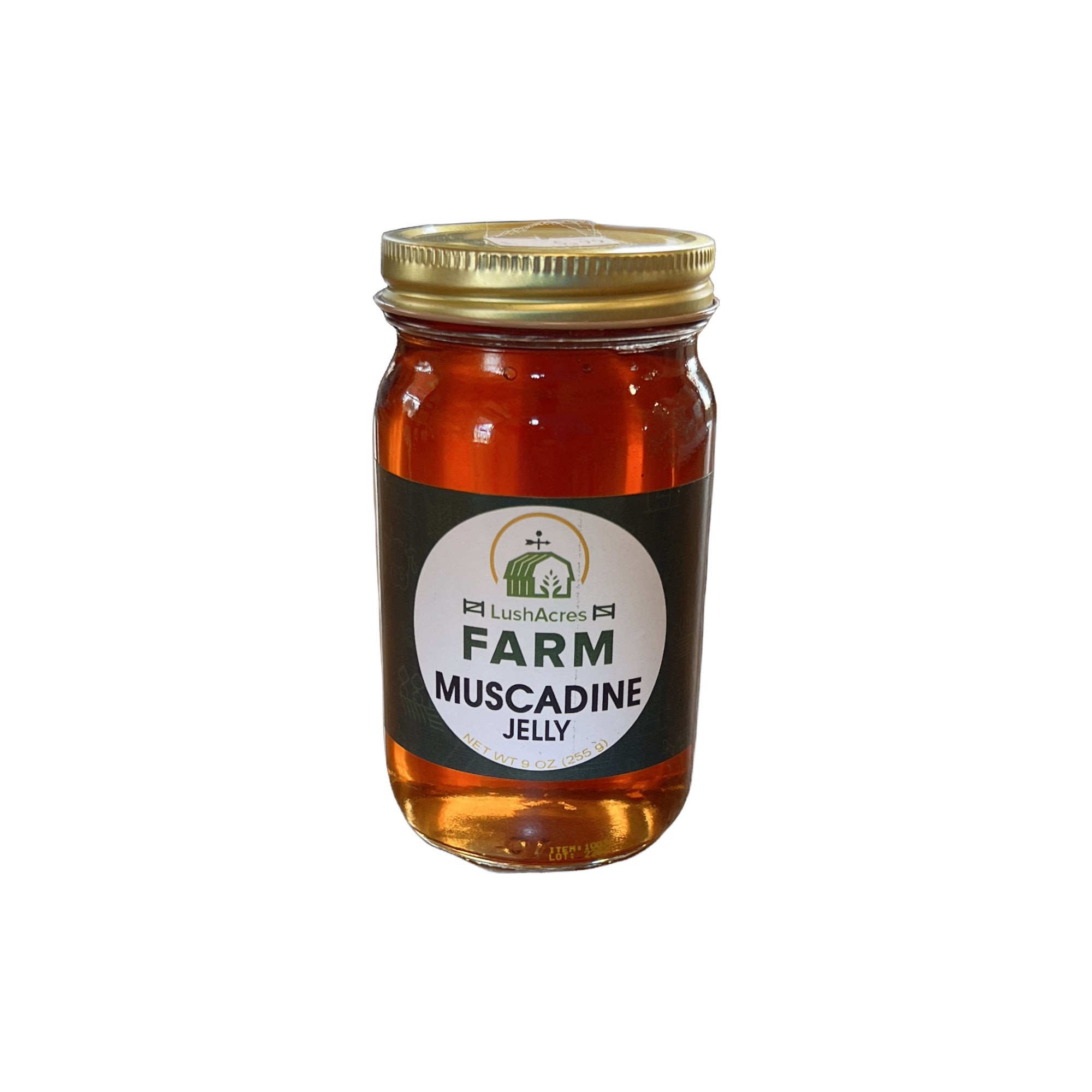
Master the art of making muscadine jelly with this complete expert guide, designed for both novice and seasoned home canners. This guide details the precise steps, essential ingredients, and safety protocols necessary to create a delicious and shelf-stable jelly. Understanding these methods is crucial to ensure both flavor and food safety, allowing you to enjoy the rich taste of muscadine year-round.
What This Guide Covers (And What It Doesn’t)
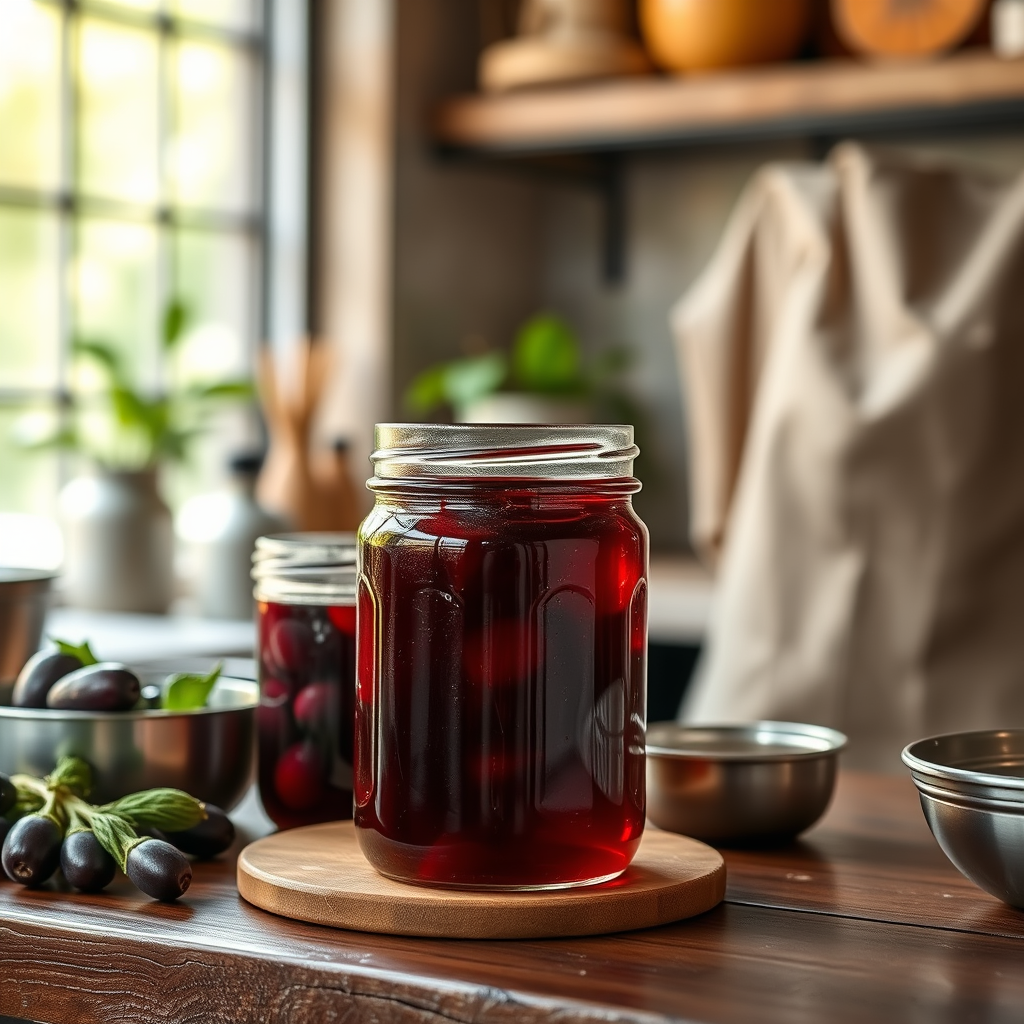
This guide offers a thorough overview of the muscadine jelly-making process, focusing on ingredient selection, preparation, cooking, and canning techniques while ensuring adherence to food safety standards. You’ll find precise measurements and ratios essential for crafting a successful muscadine jelly recipe, including the amounts of sugar, pectin, and muscadine grapes required. However, it does not address alternative jelly recipes or variations that do not include muscadine grapes, nor does it explore the historical background of muscadine grapes.
Who Should Read This
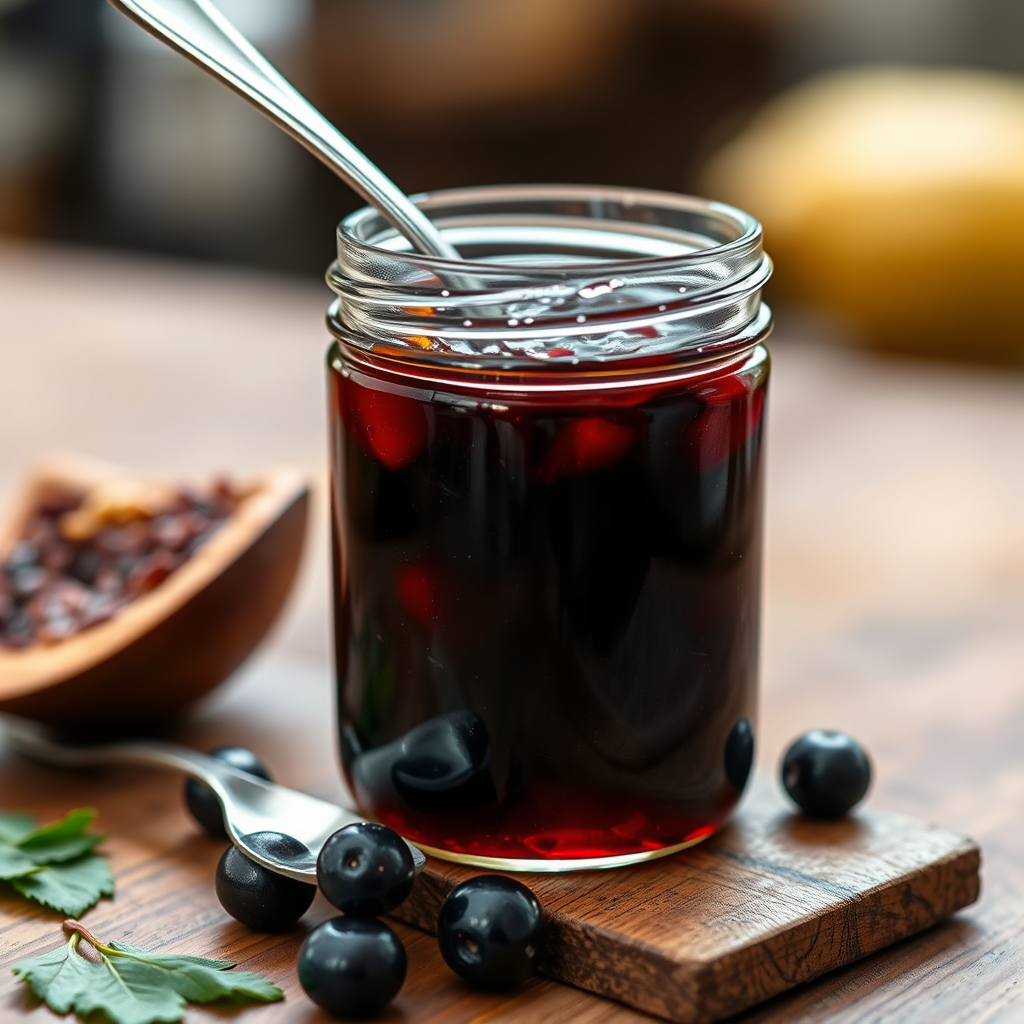
Designed for home cooks and food enthusiasts, this guide is ideal for those with a foundational understanding of canning and jelly-making, even if they lack specific experience with muscadine grapes. Readers should have access to standard kitchen equipment, such as pots, jars, and a canning setup, and feel comfortable following detailed recipes and safety protocols. This guide will particularly benefit individuals interested in preserving seasonal fruits and exploring traditional Southern recipes.
The Step-by-Step Protocol
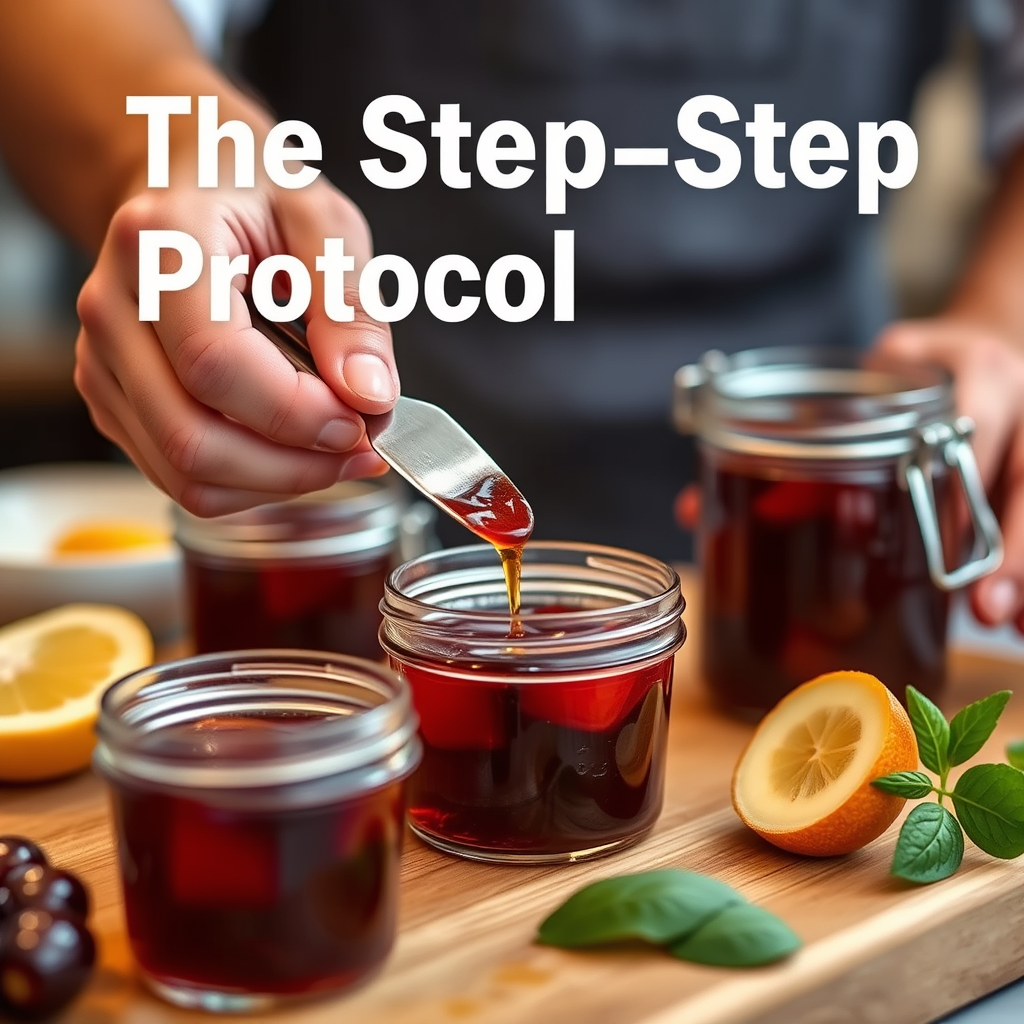
1. Gather Ingredients: Collect 4 cups of ripe muscadine grapes, 1 cup of water, 1 package (1.75 oz) of pectin, and 5 cups of granulated sugar.
2. Prepare Grapes: Wash the muscadine grapes thoroughly under cold water to eliminate any dirt or pesticides. Remove the stems and crush the grapes in a large pot using a potato masher or your hands to release the juice.
3. Cook the Mixture: Add 1 cup of water to the crushed grapes. Bring the mixture to a rolling boil over medium-high heat. Cook for 10-15 minutes, stirring occasionally, until the grapes soften and the juice is extracted.
4. Strain the Juice: Pour the cooked grape mixture through a fine mesh strainer or cheesecloth placed over a bowl. Press down on the solids to extract as much juice as possible, measuring out 4 cups of muscadine juice. Discard the solids.
5. Combine Ingredients: In a clean pot, combine the muscadine juice with the pectin. Stir well and bring to a boil. Gradually add 5 cups of granulated sugar, stirring constantly. Boil for 1-2 minutes until the sugar is fully dissolved.
6. Test for Doneness: Conduct a gel test by placing a spoonful of the mixture on a cold plate. Allow it to cool for a minute. If it holds its shape and wrinkles when pushed with your finger, it is ready for canning. If not, continue boiling for another minute and retest.
7. Can the Jelly: Pour the hot jelly into sterilized jars, leaving ¼ inch headspace. Wipe the rims of the jars with a clean, damp cloth to ensure a proper seal. Seal with sterilized lids and process in a boiling water bath for 10 minutes to ensure safety.
Nutritional Breakdown of Muscadine Jelly (per 1 tablespoon)
| # | Nutrient | Amount | Daily Value % |
|---|---|---|---|
| 1 | Calories | 50 | 2% |
| 2 | Total Carbohydrates | 13g | 4% |
| 3 | Sugars | 10g | — |
| 4 | Dietary Fiber | 0g | 0% |
| 5 | Protein | 0g | 0% |
| 6 | Calcium | 0mg | 0% |
| 7 | Iron | 0mg | 0% |
Warning Signs: When Not to Follow This
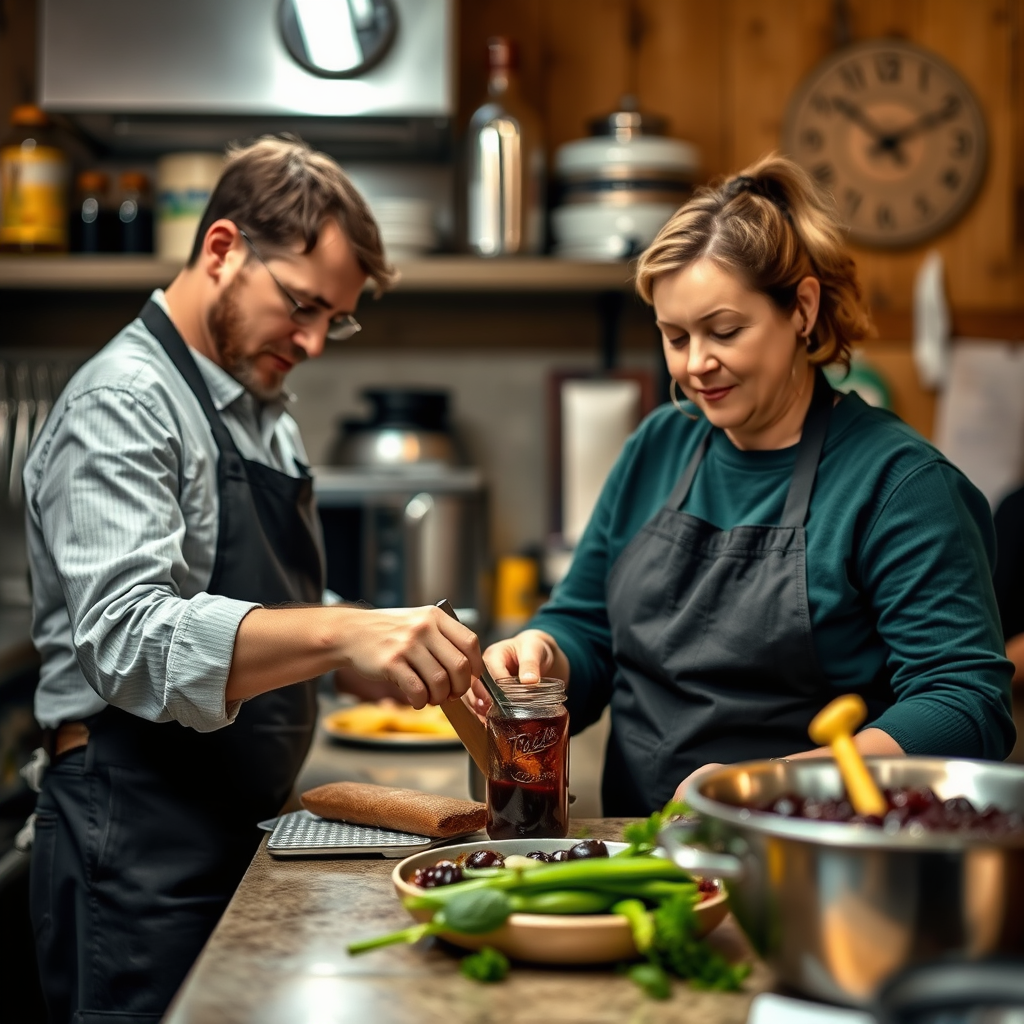
Do not attempt this recipe if you have an allergy to muscadine grapes or any other ingredients, as this could trigger a serious allergic reaction. Additionally, avoid making jelly from grapes that are overripe, moldy, or emit an off smell, as these factors can lead to spoilage and food safety concerns. If you lack the necessary canning equipment or are uncertain about your sterilization methods, it is best to refrain from proceeding with the jelly-making process.
The Most Common Mistakes (And Their Consequences)
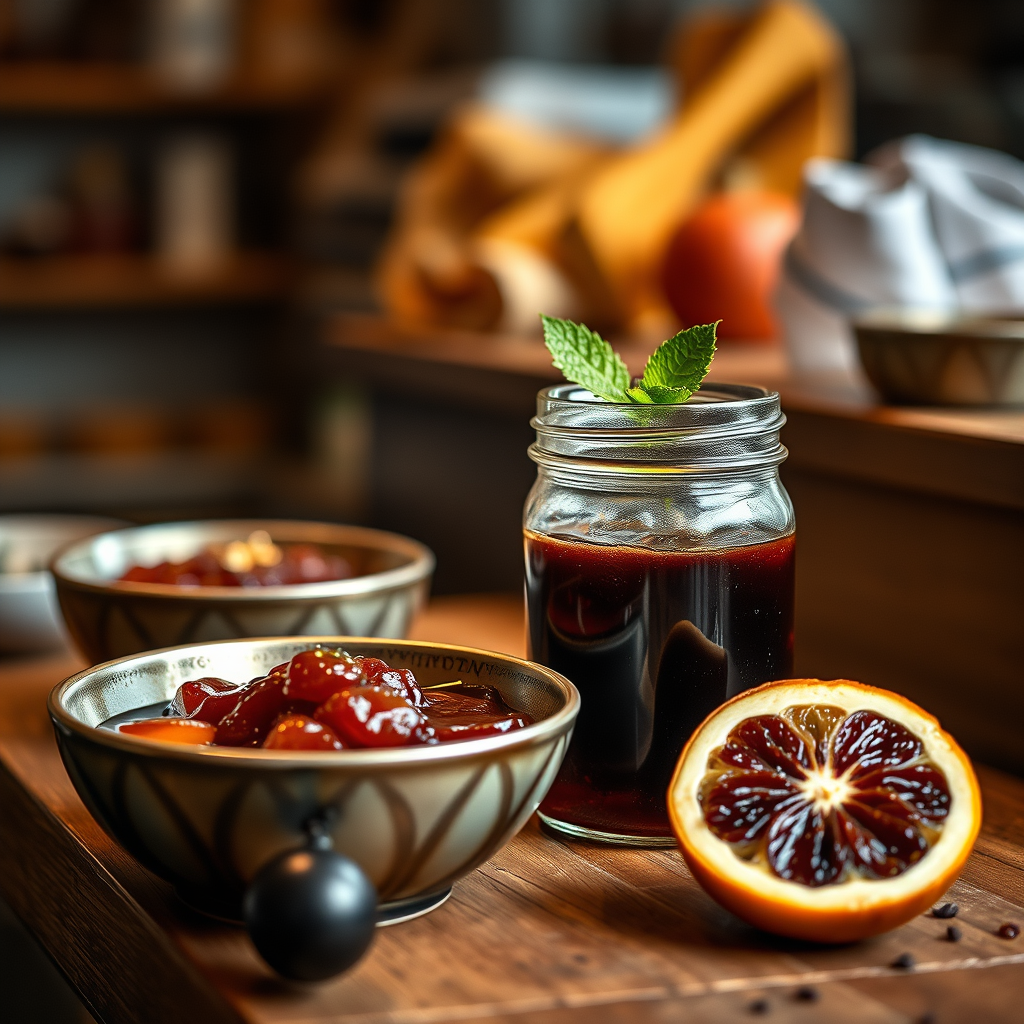
One frequent misstep is inaccurate measurement of pectin and sugar, which can lead to undesirable jelly consistency. Insufficient pectin may result in a runny jelly, while excessive sugar can overshadow the natural flavor of the muscadine. Neglecting to properly sterilize jars and lids can introduce harmful bacteria, causing spoilage and potential foodborne illness. Furthermore, skipping the gel test risks creating jars that do not set correctly, resulting in a disappointing liquid jelly that cannot be remedied after processing.
Special Cases That Need a Different Approach
When using frozen muscadine grapes, extend the cooking time to 15-20 minutes to ensure sufficient juice extraction; be sure to thaw them completely before beginning the process. For those following low-sugar diets, consider using a low-sugar pectin product and adjust the sugar content according to the pectin’s instructions to avoid issues with gel formation. If you’re making jelly at high altitudes, increase the processing time by 5-10 minutes to guarantee proper sealing and safety.
When You Need a Professional
If you notice any signs of spoilage in the muscadine grapes or the jelly, such as unusual odors, mold, or bubbling, discard the batch immediately and consult a food safety expert before attempting to preserve food again. For those uncertain about food preservation safety, particularly beginners in canning, reaching out to a local extension office or a certified food preservation specialist can provide valuable guidance. If you experience adverse reactions after consuming the jelly, such as severe gastrointestinal symptoms, seek medical attention promptly and report the incident to a healthcare provider for proper evaluation.
Sources and Further Reading
The National Center for Home Food Preservation offers essential guidelines on canning and jelly-making, ensuring that all safety protocols are followed. “So Easy to Preserve” by the University of Georgia Cooperative Extension provides detailed instructions and recipes for home canning. Additionally, the USDA Complete Guide to Home Canning outlines best practices for preserving fruits and maintaining food safety in home-canned products.
Frequently Asked Questions
What ingredients are needed for a basic muscadine jelly recipe?
To make a basic muscadine jelly, you will need fresh muscadine grapes, granulated sugar, pectin, and lemon juice. The typical ratio is about 4 cups of crushed muscadine grapes to 5 cups of sugar, 1 box of pectin, and 1/4 cup of lemon juice to ensure the right balance of sweetness and acidity.
How do I prepare muscadine grapes for jelly making?
Start by washing the muscadine grapes thoroughly to remove any dirt or debris. Then, remove the stems and crush the grapes to release their juice; you can use a potato masher or a food processor for this. It’s essential to strain the mixture through a fine mesh sieve or cheesecloth to extract the juice, which is the base for your jelly.
Why is pectin important in a muscadine jelly recipe?
Pectin is a natural thickening agent that helps the muscadine jelly set properly, giving it the desired consistency. Without pectin, the jelly may not gel or could end up too runny. Using the right type and amount of pectin is crucial for achieving that perfect spreadable texture.
What is the best way to store homemade muscadine jelly?
The best way to store homemade muscadine jelly is by sealing it in sterilized jars and processing them in a water bath canner for long-term preservation. Once opened, store the jelly in the refrigerator and consume it within a few weeks for optimal freshness. Properly canned jelly can last up to a year when kept in a cool, dark place.
Which common mistakes should I avoid when making muscadine jelly?
Common mistakes to avoid include not measuring ingredients accurately, using unripe grapes, or skipping the lemon juice, which can lead to poor flavor and texture. Additionally, failing to properly sterilize jars or not processing the jelly correctly can result in spoilage. Following the recipe closely and ensuring all equipment is clean will help you achieve the best results.
References
- Vitis rotundifolia
https://en.wikipedia.org/wiki/Muscadine - Checking your browser – reCAPTCHA
https://www.ncbi.nlm.nih.gov/pmc/articles/PMC7071628/ - Checking your browser – reCAPTCHA
https://www.ncbi.nlm.nih.gov/pmc/articles/PMC6225198/ - https://www.extension.umn.edu/food/food-safety/food-preservation/jams-jellies/
https://www.extension.umn.edu/food/food-safety/food-preservation/jams-jellies/ - https://www.extension.purdue.edu/extmedia/FS/FS-30-W.pdf
https://www.extension.purdue.edu/extmedia/FS/FS-30-W.pdf - Food Preservation and Wild Game | NDSU Agriculture
https://www.ag.ndsu.edu/food/food-preservation/jams-and-jellies - Page not found
https://www.clemson.edu/extension/food/food_preservation/jams_and_jellies.html - Google Scholar Google Scholar
https://scholar.google.com/scholar?q=muscadine+jelly+recipe - Google Scholar Google Scholar
https://scholar.google.com/scholar?q=muscadine+preservation - Google Scholar Google Scholar
https://scholar.google.com/scholar?q=muscadine+fruit+uses