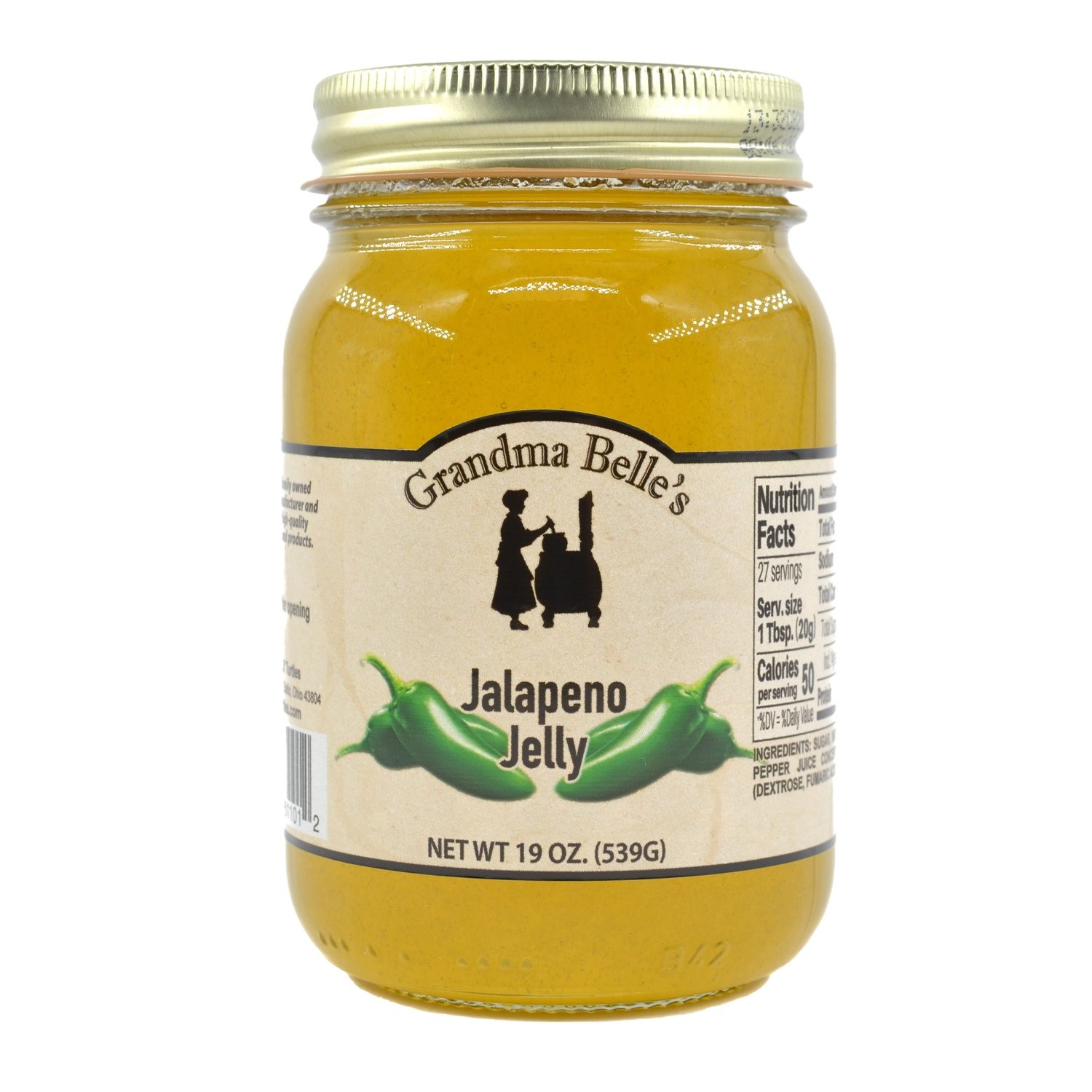
Master the art of crafting jalapeno jelly with this comprehensive expert guide, designed for both novice cooks and seasoned canners. This guide covers essential techniques, safety protocols, and precise recipes to ensure your jalapeno jelly is both delicious and safe for consumption. Following the right procedures is crucial to avoid spoilage and ensure the perfect balance of heat and sweetness in every jar.
What This Guide Covers (And What It Doesn’t)
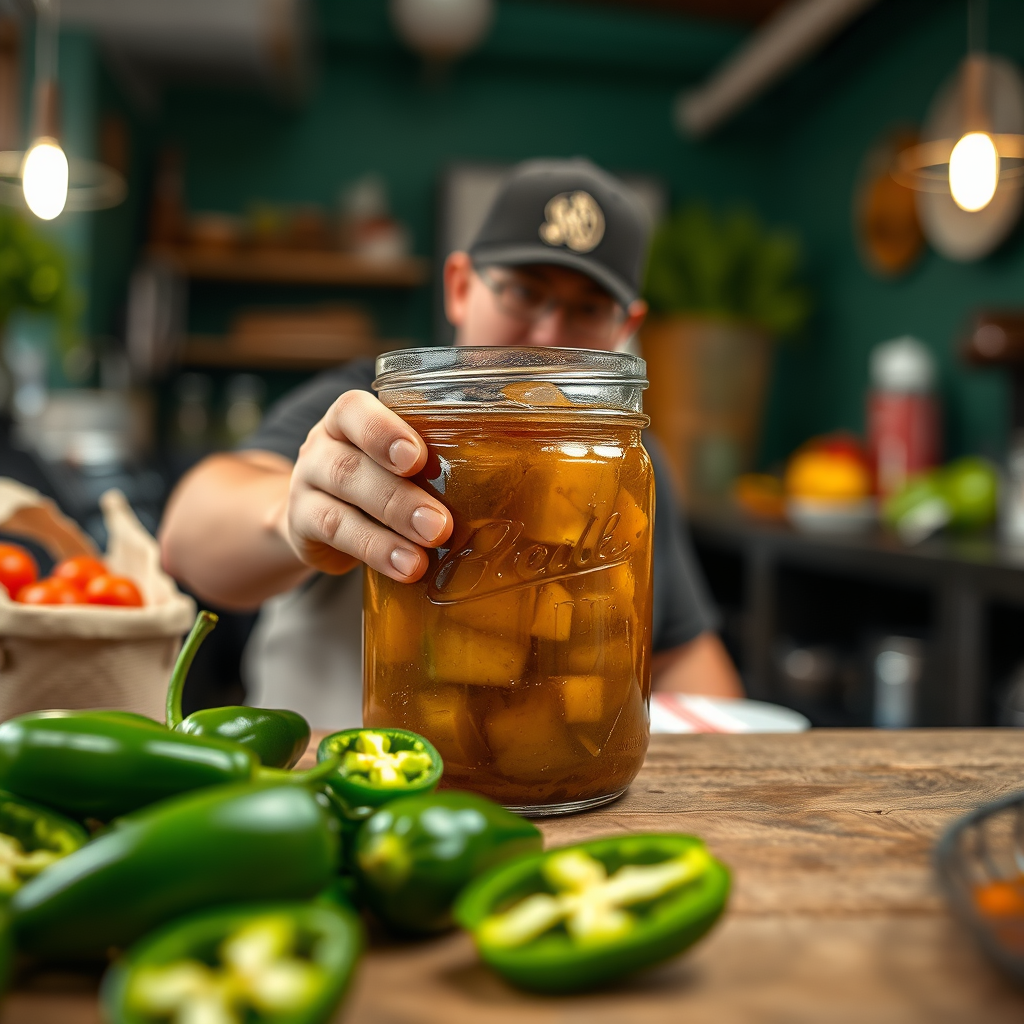
This guide offers a detailed, step-by-step protocol for crafting jalapeno jelly, complete with ingredient lists, precise measurements, and safe canning practices. It focuses on the techniques required to achieve the perfect balance of sweetness and heat, as well as maintaining the proper pH levels for safe preservation. However, it does not address other jelly or jam varieties, nor does it explore alternative uses for jalapenos outside of the jelly-making process.
Who Should Read This
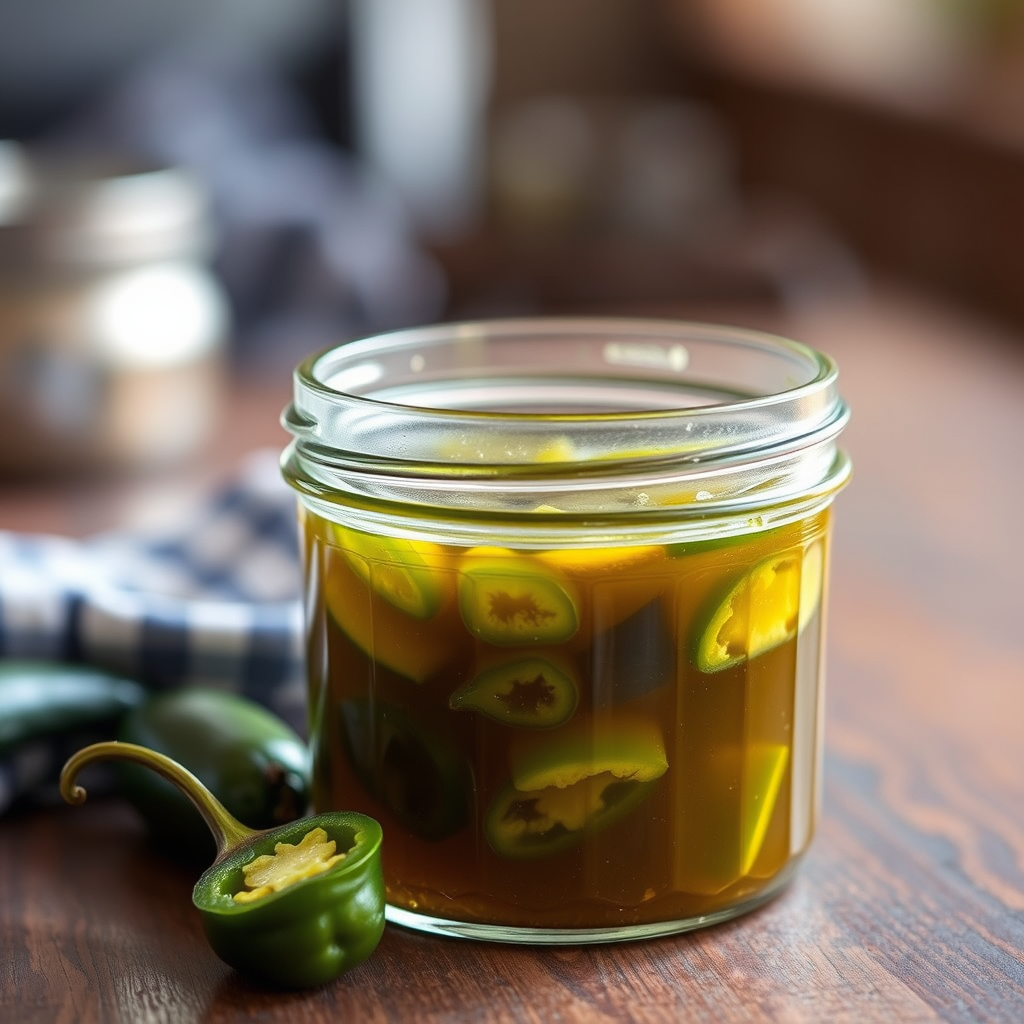
This guide is designed for home cooks who possess a basic understanding of kitchen techniques, such as measuring ingredients, boiling, and canning. It is also ideal for those familiar with preserving fruits and vegetables but who may be new to creating pepper-based jellies. If you have dietary restrictions related to sugar or are in search of low-sugar alternatives, you may want to explore other resources, as this guide centers on traditional jalapeno jelly recipes.
The Step-by-Step Protocol
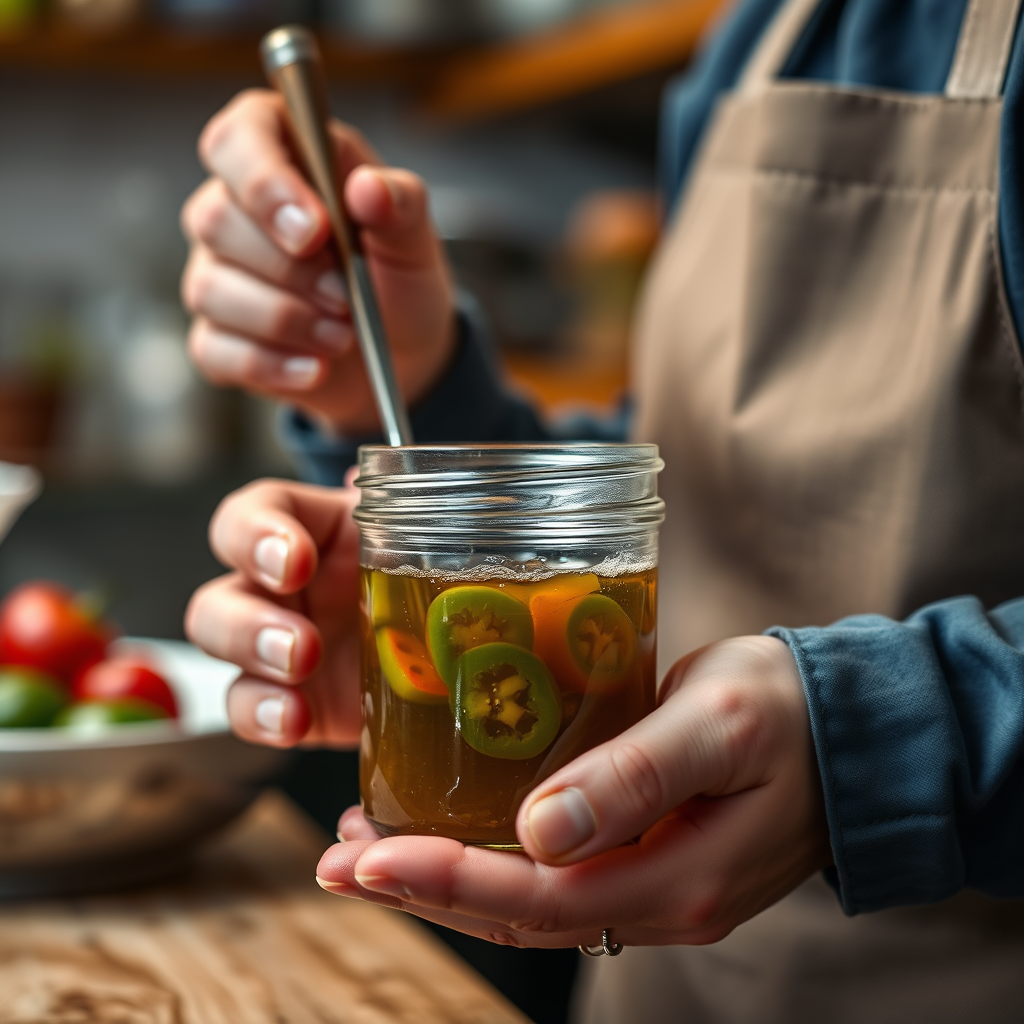
1. Gather Ingredients: You will need the following:
– 6 cups of finely chopped fresh jalapenos (approximately 12 large peppers)
– 3 cups of white granulated sugar
– 1 cup of apple cider vinegar
– 1 package (1.75 oz) of fruit pectin (such as Sure-Jell)
2. Prepare Jalapenos: To avoid skin irritation from the capsaicin in jalapenos, wear gloves. Remove the stems and seeds, then finely chop the peppers. This step ensures even distribution in the jelly, enhancing both texture and flavor.
3. Combine Ingredients: In a large pot, mix the chopped jalapenos, apple cider vinegar, and sugar. Stir thoroughly and let the mixture sit for 10 minutes. This resting period allows the jalapenos to release their juices, improving flavor integration.
4. Cook Mixture: Place the pot over medium-high heat and bring the mixture to a rolling boil, stirring constantly to prevent scorching. Once boiling, add the fruit pectin and maintain a vigorous boil for an additional 1-2 minutes until the mixture thickens. The jelly should reach a temperature of 220°F (104°C) to ensure proper gelling.
5. Test for Doneness: To determine if the jelly is ready, place a small spoonful on a chilled plate and let it sit for a minute. Run your finger through the jelly; if it holds its shape and wrinkles slightly, it’s time to can.
6. Prepare Jars: While the jelly cooks, sterilize your canning jars and lids by submerging them in boiling water for 10 minutes. Keep them warm until you’re ready to fill them to prevent cracking.
7. Fill Jars: Using a ladle, fill each jar with hot jelly, leaving about 1/4 inch of headspace at the top. Wipe the rims with a clean, damp cloth to eliminate any residue that could hinder a proper seal.
8. Seal Jars: Place the sterilized lids on the jars and screw on the metal bands until fingertip-tight. Avoid overtightening, as this can impede the sealing process.
9. Process Jars: To ensure food safety, process the filled jars in a boiling water bath for 5-10 minutes, ensuring the water covers the jars by at least an inch. This step eliminates any remaining bacteria and seals the jars.
10. Cool and Store: Remove the jars from the water bath and allow them to cool completely on a clean towel or rack. Once cool, check the lids for a proper seal by pressing down in the center; if it pops back, the jar did not seal correctly. Store sealed jars in a cool, dark place for up to a year.
Top 7 Jalapeno Jelly Variations and Their Key Features
| # | Variation | Sugar Content (per 100g) | Heat Level (Scoville) | Best For |
|---|---|---|---|---|
| 1 | Classic Jalapeno Jelly | 50g | 5,000 | Cheese Pairing |
| 2 | Smoky Jalapeno Jelly | 48g | 7,000 | BBQ Glaze |
| 3 | Cilantro Jalapeno Jelly | 52g | 4,000 | Tacos & Dips |
| 4 | Sweet Pineapple Jalapeno Jelly | 56g | 3,000 | Dessert Topping |
| 5 | Garlic Jalapeno Jelly | 50g | 6,000 | Savory Dishes |
| 6 | Chipotle Jalapeno Jelly | 49g | 8,000 | Spicy Marinades |
| 7 | Honey Jalapeno Jelly | 54g | 2,500 | Breakfast Spread |
Warning Signs: When Not to Follow This
– Do not attempt to make jalapeno jelly if you are allergic to peppers or sensitive to spicy foods, as this could trigger adverse reactions.
– If your jalapenos exhibit signs of mold or spoilage, do not continue with the recipe, as this compromises food safety.
– Avoid this recipe if you lack access to proper canning equipment, as improper sealing can lead to spoilage and foodborne illness.
The Most Common Mistakes (And Their Consequences)
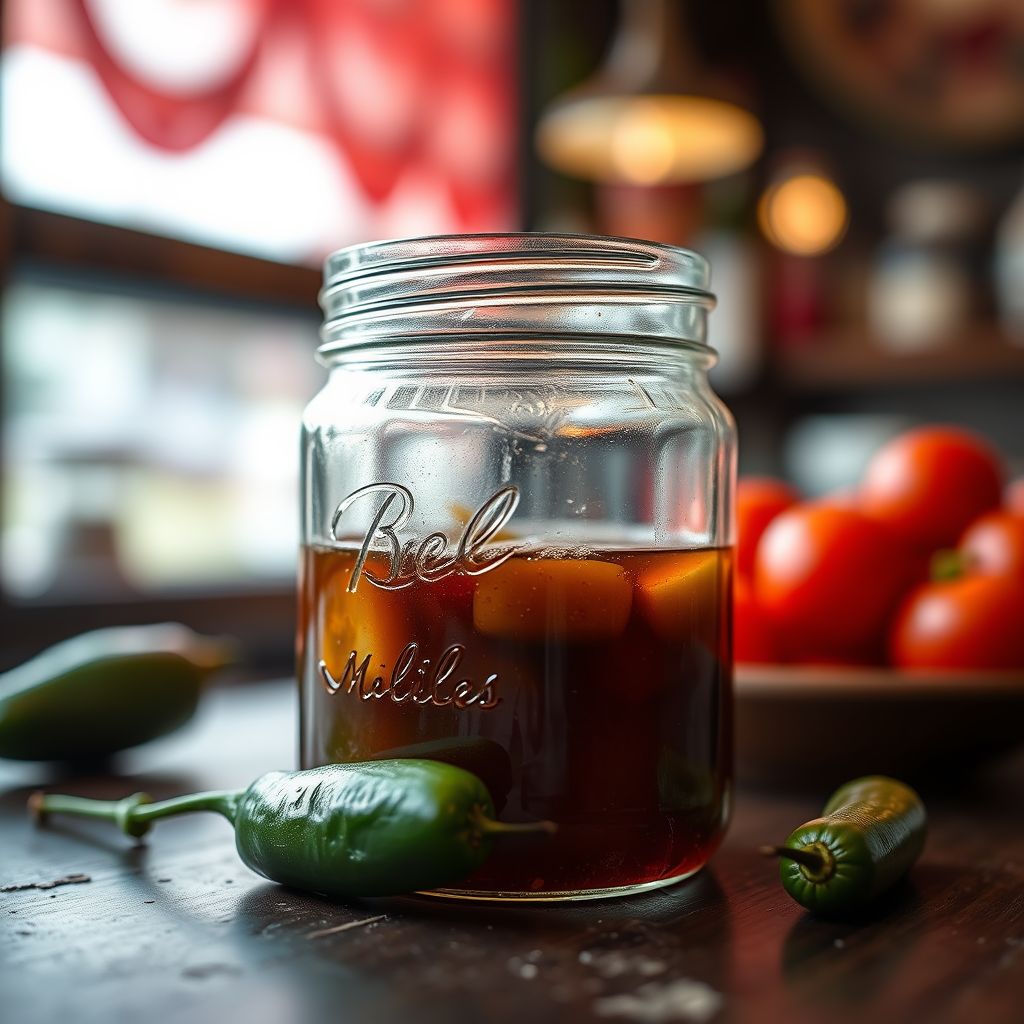
– A frequent error is neglecting to wear gloves while handling jalapenos, which can lead to skin irritation or accidental transfer of oils to sensitive areas, such as the eyes.
– Failing to accurately measure pH levels can result in spoilage; under-acidified jelly can harbor dangerous bacteria, such as botulism. Always use a pH meter or test strips to confirm the acidity level is below 4.6 for safe preservation.
– Overcooking the jelly mixture may cause the sugars to caramelize, resulting in a bitter taste and undesirable texture. Keep a close eye on the cooking time to prevent this issue.
Special Cases That Need a Different Approach
– When using larger or hotter varieties of jalapenos (e.g., habaneros), adjust the quantity to maintain the desired heat level without overwhelming the sweetness. A good rule of thumb is to replace half of the jalapenos with milder varieties to achieve a balanced flavor.
– For those seeking a lower sugar option, consider using a sugar substitute specifically designed for canning, and follow the manufacturer’s guidelines for measurements to ensure a proper gelling reaction occurs.
– If you prefer a smoother texture, you can blend the jalapenos before adding them to the recipe; however, ensure the mixture still maintains its acidity for safe preservation.
When You Need a Professional
– If you are uncertain about the canning process or lack experience with preserving foods, consult a local extension office or food safety expert for guidance. They can provide localized advice on safe canning practices.
– For individuals with dietary concerns that necessitate altering the recipe (e.g., using alternative sweeteners or pectin), consider reaching out to a registered dietitian for tailored advice suited to your health needs.
– Should you experience any adverse reactions while making or consuming jalapeno jelly, seek medical attention immediately, especially if symptoms are severe or persistent.
Sources and Further Reading
– National Center for Home Food Preservation: Guidelines for safe canning and preserving.
– USDA Complete Guide to Home Canning: Detailed information on canning methods and safety protocols.
– “The Ball Book of Canning and Preserving”: A comprehensive resource for recipes and techniques in home canning.
This guide aims to empower you with the knowledge needed to create delicious jalapeno jelly safely. By following the outlined steps and precautions, you can enjoy a flavorful condiment that enhances a wide variety of dishes. Happy canning!
Frequently Asked Questions
What ingredients do I need for a basic jalapeno jelly recipe?
To create a basic jalapeno jelly, you will need fresh jalapenos, granulated sugar, apple cider vinegar, liquid pectin, and water. Optionally, you can add food coloring for a more vibrant appearance. This combination of ingredients will give you a sweet and spicy jelly that’s perfect for spreading on crackers or serving with meats.
How do I make jalapeno jelly from scratch?
To make jalapeno jelly, first, finely chop your jalapenos and combine them with water and apple cider vinegar in a saucepan. Bring the mixture to a boil, then strain it to extract the liquid. Next, return the liquid to the pan, add sugar and pectin, and boil again until it reaches the desired consistency. Finally, pour the jelly into sterilized jars and process them in a water bath for preservation.
Why did my jalapeno jelly not set properly?
If your jalapeno jelly did not set, it may be due to insufficient cooking time or not using the right amount of pectin. Make sure to follow the recipe’s measurements closely and boil the mixture long enough to activate the pectin properly. Additionally, using fresh, high-quality ingredients can greatly affect the setting process.
What are the best uses for jalapeno jelly?
Jalapeno jelly is incredibly versatile; it can be used as a glaze for meats, a topping for cream cheese or brie, or an ingredient in marinades. It also makes a delicious addition to sandwiches and wraps, providing a sweet heat that complements various flavors. Experiment with it in recipes to discover new ways to enjoy this unique jelly.
Which types of jalapenos are best for making jelly?
For making jalapeno jelly, it’s best to use fresh, firm jalapenos that are bright green and free of blemishes. The level of heat can vary among jalapenos, so choose milder ones if you prefer a less spicy jelly, or opt for red or slightly overripe jalapenos for a richer flavor. Ultimately, the choice depends on your heat tolerance and flavor preference.
References
- Jelly
https://en.wikipedia.org/wiki/Jelly - https://www.sciencedirect.com/topics/food-science/jalapeno-jelly
https://www.sciencedirect.com/topics/food-science/jalapeno-jelly - Chronic cough in a patient with stable ulcerative colitis: a rare but important extraintestinal m…
https://www.ncbi.nlm.nih.gov/pmc/articles/PMC6340560/ - Jelly | Definition, Processing, & Uses | Britannica
https://www.britannica.com/topic/jelly - https://www.jstor.org/stable/10.5325/jfoodscience.74.8.2067
https://www.jstor.org/stable/10.5325/jfoodscience.74.8.2067 - Google Scholar Google Scholar
https://scholar.google.com/scholar?q=jalapeno+jelly+recipe - Google Scholar Google Scholar
https://scholar.google.com/scholar?q=jelly+making+techniques - Google Scholar Google Scholar
https://scholar.google.com/scholar?q=jalapeno+preservation+methods - https://www.nutrition.gov/topics/food-safety/food-preservation
https://www.nutrition.gov/topics/food-safety/food-preservation - https://www.cdc.gov/foodsafety/food-safety-education-month.html
https://www.cdc.gov/foodsafety/food-safety-education-month.html