Master the art of making sugar free strawberry jam safely with this comprehensive expert guide. This resource provides precise recipes and essential safety protocols to ensure your homemade jam is both delicious and safe for consumption. Following these guidelines is crucial for maintaining flavor and preventing spoilage, allowing you to enjoy a guilt-free treat year-round.
What This Guide Covers (And What It Doesn’t)
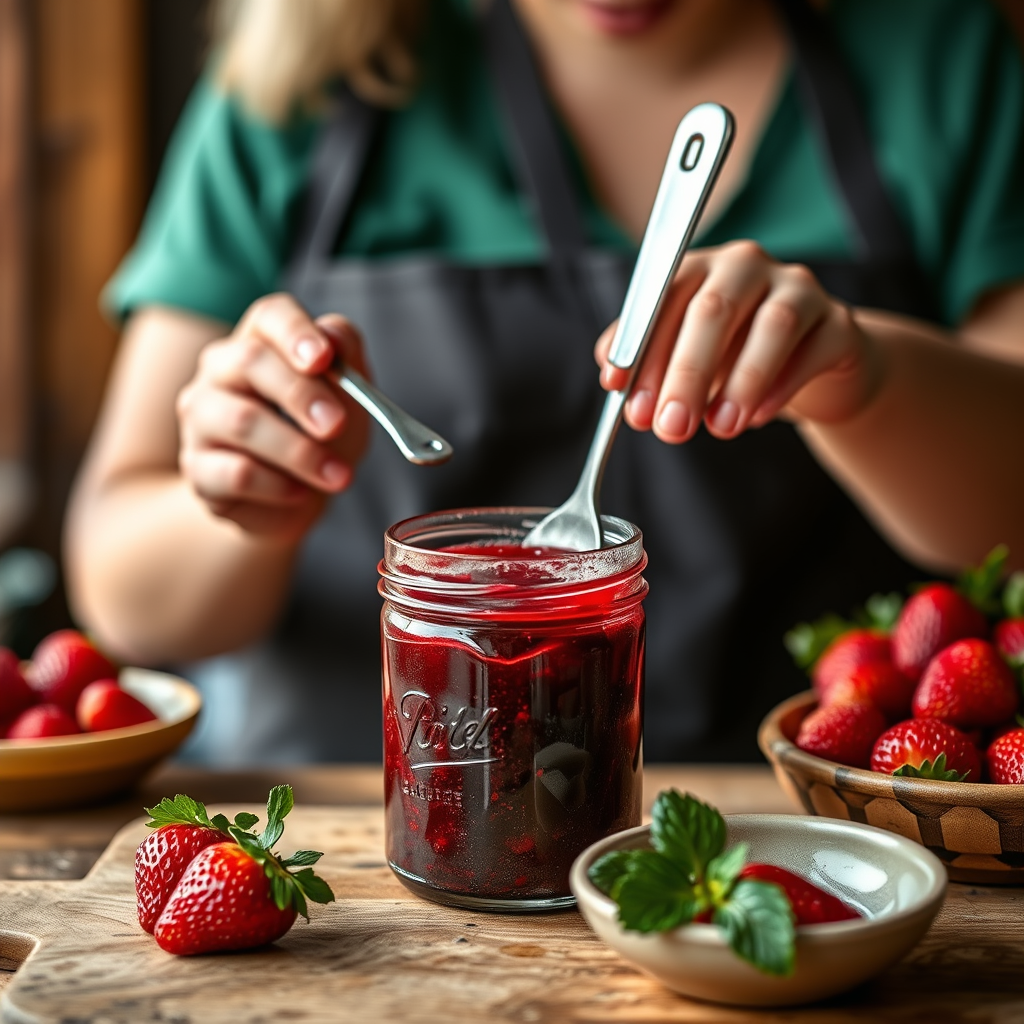
This guide offers a detailed, step-by-step approach to crafting sugar-free strawberry jam, focusing on techniques that preserve flavor while eliminating added sugars. It delves into various sugar substitutes suitable for home canning, highlighting their effects on taste and texture. However, this guide does not include traditional jam recipes that rely on sugar or other fruit spreads, nor does it address commercial jam production methods.
Who Should Read This
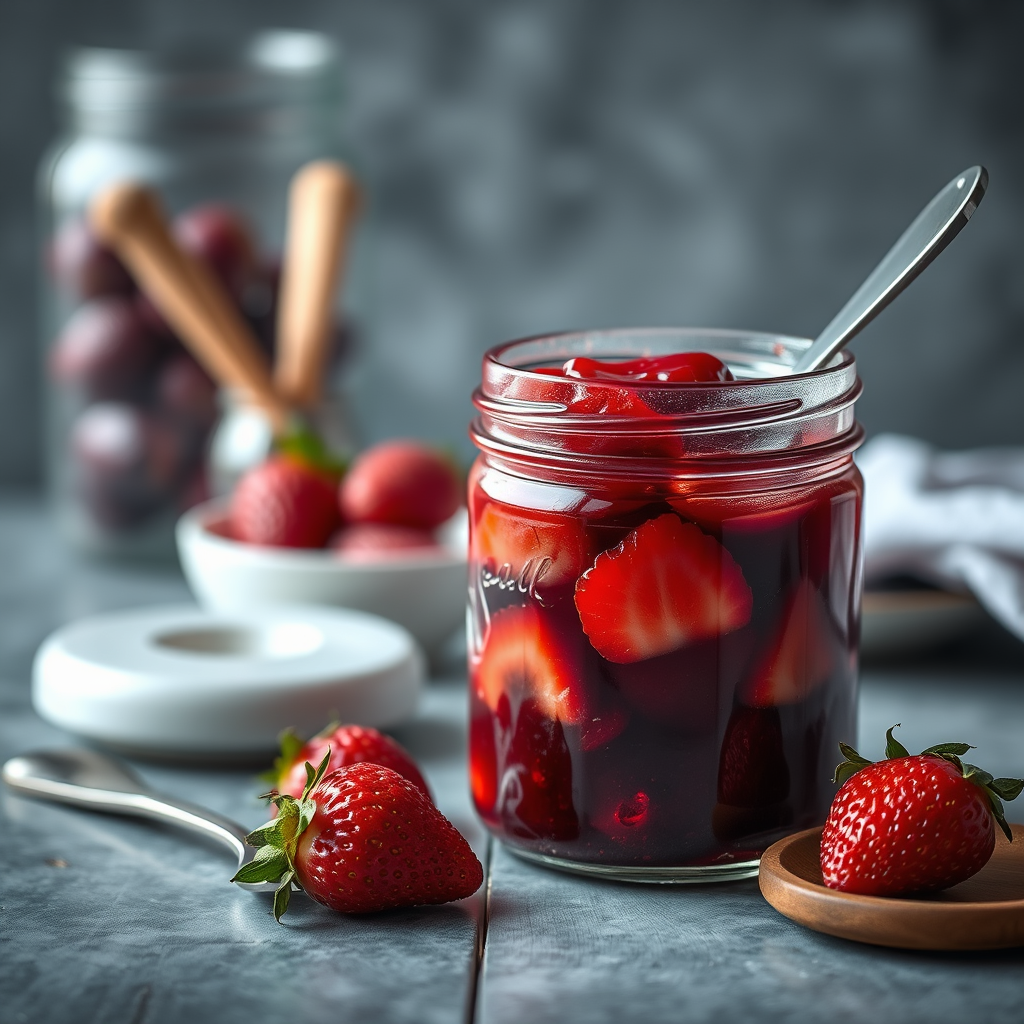
This guide is designed for home cooks with a foundational understanding of canning and preserving techniques who want to reduce their sugar intake without sacrificing the taste of their preserves. It’s especially beneficial for individuals managing diabetes, those following low-sugar diets, or health-conscious consumers eager to make the most of seasonal fruit. However, beginners might find some sections challenging without prior experience in food safety and preservation practices.
The Step-by-Step Protocol
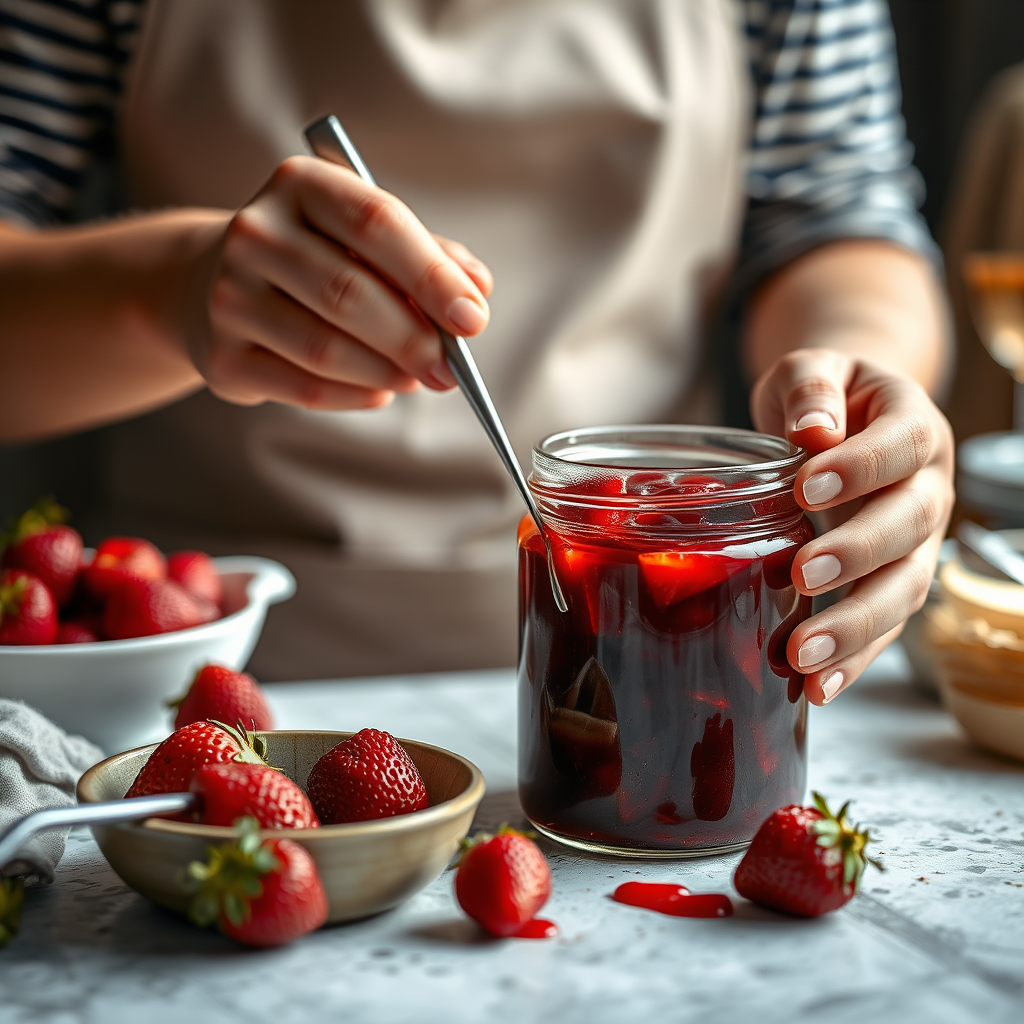
1. Gather Ingredients: Begin with 2 cups of fresh strawberries, 1 cup of water, 1/4 cup of a sugar substitute such as erythritol or stevia, and 1 tablespoon of lemon juice. Using high-quality, fresh ingredients is essential for optimizing flavor.
2. Prepare Strawberries: Rinse the strawberries under cold water to eliminate any dirt and pesticides. Remove the green stems and chop the strawberries into uniform pieces, around ¼ to ½ inch in size, to ensure even cooking.
3. Cook the Mixture: In a medium saucepan, combine the chopped strawberries, water, sugar substitute, and lemon juice. Heat the mixture over medium heat, stirring occasionally until it reaches a gentle boil. This step encourages the natural juices of the strawberries to be released.
4. Thicken the Jam: Once boiling, reduce the heat to low and let the mixture simmer for about 20 to 30 minutes. Stir frequently to prevent sticking and promote even thickening. The jam is finished when it coats the back of a spoon and reaches your desired consistency.
5. Test Consistency: To confirm that the jam has thickened properly, perform a plate test. Place a small amount of the jam on a chilled plate and run your finger through it. If it retains its shape and does not run back together, it’s ready for canning.
6. Prepare Jars: While the jam thickens, prepare your canning jars. Wash them in hot, soapy water and rinse thoroughly, or run them through a dishwasher cycle. Keep the jars warm until you’re ready to fill them to avoid cracking.
7. Fill Jars and Seal: Once the jam achieves the desired consistency, carefully ladle it into the prepared jars, leaving about 1/4 inch of headspace. Wipe the rim of each jar with a clean cloth to eliminate any residue, then secure the lids.
8. Process the Jars: Process the jars in a boiling water bath for 10 minutes to ensure a proper seal and prevent spoilage. Adjust processing times for altitude according to USDA guidelines.
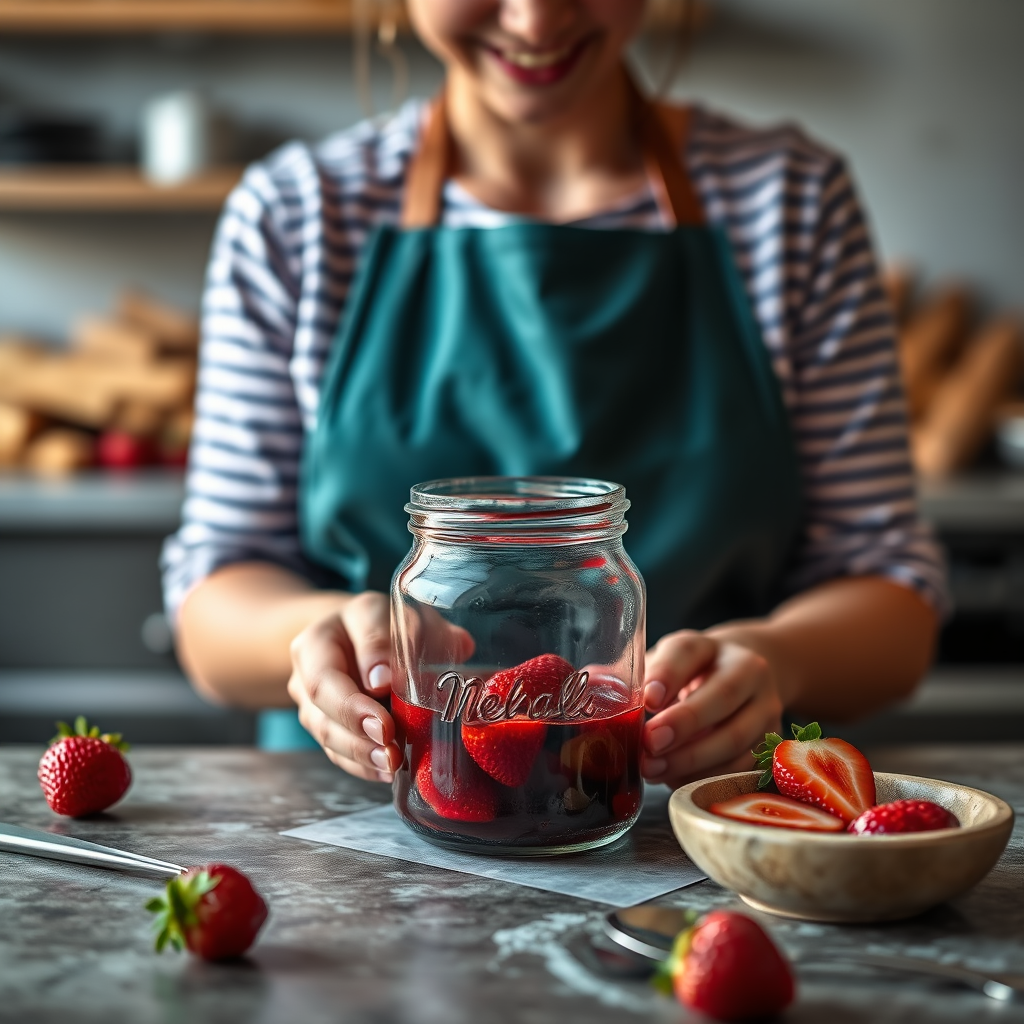
9. Cool and Store: After processing, remove the jars from the water bath and set them on a clean kitchen towel or cooling rack. Allow them to rest undisturbed for 24 hours. Check the seals by pressing down on the center of each lid; it should not pop back. Store sealed jars in a cool, dark place.
Sugar Substitutes for Jam Making
| # | Sugar Substitute | Sweetness Level | Calories (per tsp) | Impact on Texture |
|---|---|---|---|---|
| 1 | Erythritol | 70% as sweet as sugar | 0 | Similar to sugar |
| 2 | Stevia | 200-300x sweeter | 0 | Can be bitter if overused |
| 3 | Monk Fruit | 150-200x sweeter | 0 | Excellent for sweetness |
| 4 | Agave Nectar | 1.5x sweeter | 20 | Adds moisture |
| 5 | Xylitol | 1x sweetness | 15 | Good for texture |
| 6 | Sucralose | 600x sweeter | 0 | May alter flavor |
| 7 | Aspartame | 200x sweeter | 4 | Can have aftertaste |
Warning Signs: When Not to Follow This
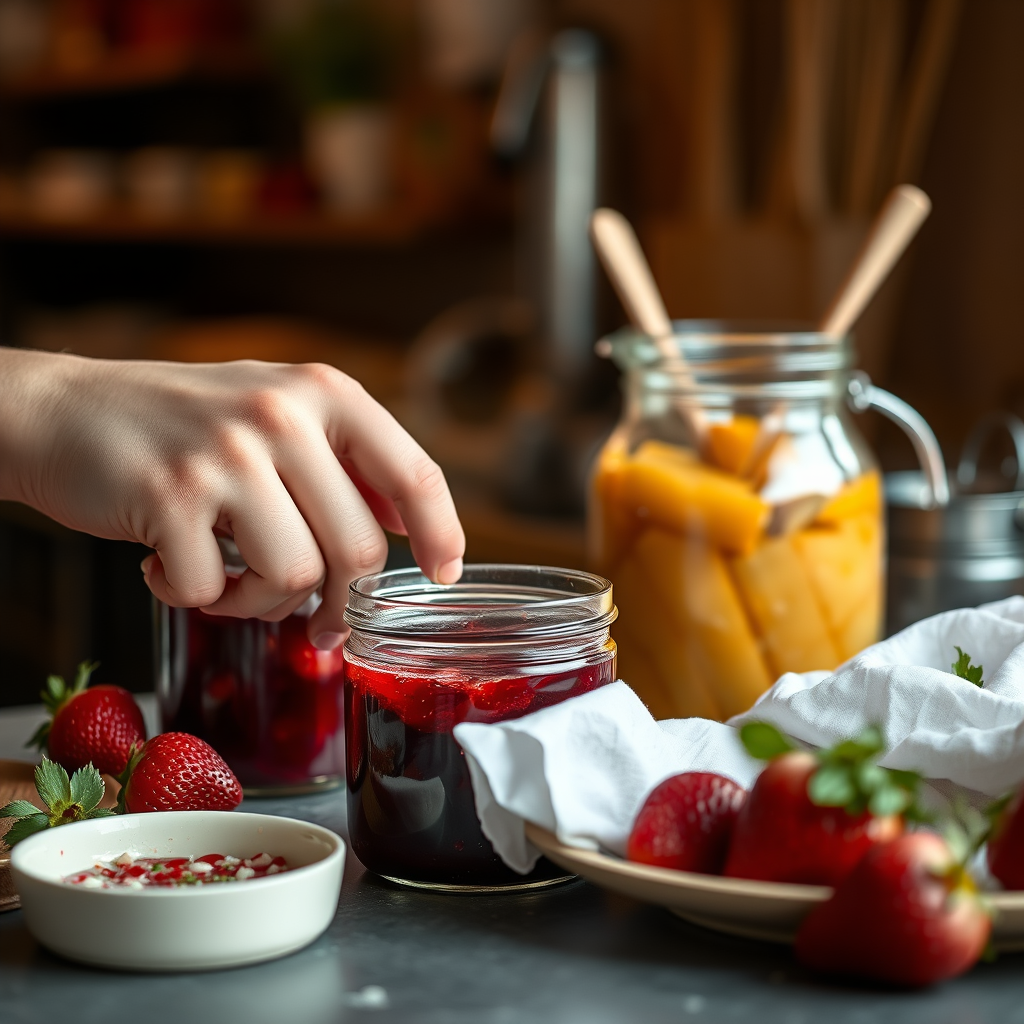
– Do not attempt this recipe if the strawberries are overripe or moldy, as these can lead to spoilage and pose food safety risks.
– Avoid making this jam in environments that lack proper sanitation. Poor hygiene can result in contamination and foodborne illnesses.
– If you have known allergies to any sugar substitute or fruit being used, refrain from proceeding without substituting appropriate ingredients.
The Most Common Mistakes (And Their Consequences)
– Using too much sugar substitute can create an overly sweet jam that overshadows the natural tartness of the strawberries, leading to an unbalanced flavor profile.
– Not allowing the jam to cool completely before sealing it in jars can introduce condensation, promoting mold growth and spoilage.
– Omitting lemon juice or skimping on it can compromise the necessary acidity for safe canning, increasing the risk of spoilage.
Special Cases That Need a Different Approach
– When using frozen strawberries, ensure they are fully thawed and excess liquid is drained before starting the jam-making process to maintain the desired consistency.
– At high altitudes, it’s essential to adjust processing times and sealing methods according to USDA guidelines to ensure proper preservation.
– If you prefer a chunkier jam, limit the mashing of strawberries during cooking, but ensure the mixture still achieves a safe thickness for canning.
When You Need a Professional
– Consult a healthcare provider if you have concerns about food allergies or sensitivities related to the ingredients in this recipe.
– If you are uncertain about the canning process or the safety of your equipment—especially if using older canning tools—seek advice from a food safety expert.
– For large batch preservation or experimenting with different fruits and substitutes, consider consulting a licensed nutritionist or food safety professional to ensure best practices are followed.
Sources and Further Reading
– U.S. National Center for Home Food Preservation: Guidelines on safe canning practices and sugar substitutes.
– Ball Canning Company: Recommended recipes and techniques for low-sugar and sugar-free jams.
– “The Complete Book of Home Preserving” by Ball: A comprehensive resource on the science and art of food preservation.
Frequently Asked Questions
What ingredients do I need for a sugar-free strawberry jam recipe?
To make a sugar-free strawberry jam, you’ll need fresh strawberries, a sugar substitute like erythritol or stevia, lemon juice for acidity, and pectin to help it set. This combination allows you to enjoy a delicious jam without the added sugar, while still maintaining flavor and texture.
How do I make sugar-free strawberry jam without added preservatives?
To create a sugar-free strawberry jam without preservatives, start by washing and hulling your strawberries, then mash them in a saucepan. Add your chosen sugar substitute, lemon juice, and pectin, then cook on medium heat until it thickens. Pour the jam into sterilized jars and seal them properly to ensure freshness without the need for preservatives.
Why should I choose a sugar-free strawberry jam recipe?
Opting for a sugar-free strawberry jam recipe offers a healthier alternative for those watching their sugar intake or managing conditions like diabetes. This version allows you to enjoy the sweet flavor of strawberries while reducing calories and avoiding the negative effects of high sugar consumption.
What is the best sugar substitute for making sugar-free strawberry jam?
The best sugar substitute for making sugar-free strawberry jam depends on your taste preferences, but erythritol and stevia are popular choices. Erythritol offers a taste and texture similar to sugar, while stevia is more concentrated, so you need less of it. Experiment with both to find the perfect sweetness level for your jam.
Which method is best for canning sugar-free strawberry jam?
The best method for canning sugar-free strawberry jam is the water bath canning technique. After preparing your jam, pour it into sterilized jars, leaving some headspace, and process them in boiling water for about 10-15 minutes. This method ensures that your jam is preserved safely while maintaining its flavor and nutritional benefits.
References
- Changes in the vibration sensitivity and pressure pain thresholds in patients with burning mouth …
https://www.ncbi.nlm.nih.gov/pmc/articles/PMC5962090/ - Histo-Blood Group Antigens in Children with Symptomatic Rotavirus Infection – PMC
https://www.ncbi.nlm.nih.gov/pmc/articles/PMC6520971/ - https://www.cdc.gov/nutrition/data-statistics/know-your-limitations.html
https://www.cdc.gov/nutrition/data-statistics/know-your-limitations.html - Healthy diet
https://www.who.int/news-room/fact-sheets/detail/healthy-diet - https://www.mayoclinic.org/healthy-lifestyle/nutrition-and-healthy-eating/in-depth/sugar/art-20045774
https://www.mayoclinic.org/healthy-lifestyle/nutrition-and-healthy-eating/in-depth/sugar/art-20045774 - https://www.sciencedirect.com/topics/agricultural-and-biological-sciences/strawberry-jam
https://www.sciencedirect.com/topics/agricultural-and-biological-sciences/strawberry-jam - https://www.bbc.com/future/article/20200304-why-sugar-is-so-addictive
https://www.bbc.com/future/article/20200304-why-sugar-is-so-addictive - https://www.nytimes.com/2020/08/13/well/eat/sugar-substitutes.html
https://www.nytimes.com/2020/08/13/well/eat/sugar-substitutes.html - Google Scholar Google Scholar
https://scholar.google.com/scholar?q=sugar+free+strawberry+jam+recipe - Google Scholar Google Scholar
https://scholar.google.com/scholar?q=strawberry+jams+without+sugar