Creating rhubarb and strawberry jam requires careful attention to detail and proper techniques to ensure safety and flavor. This complete guide walks you through expert methods for selecting ingredients, preparing your fruit, and canning your jam to perfection. By following these precise protocols, you’ll not only enhance the taste but also ensure your jam is safe for enjoyment.
What This Guide Covers (And What It Doesn’t)
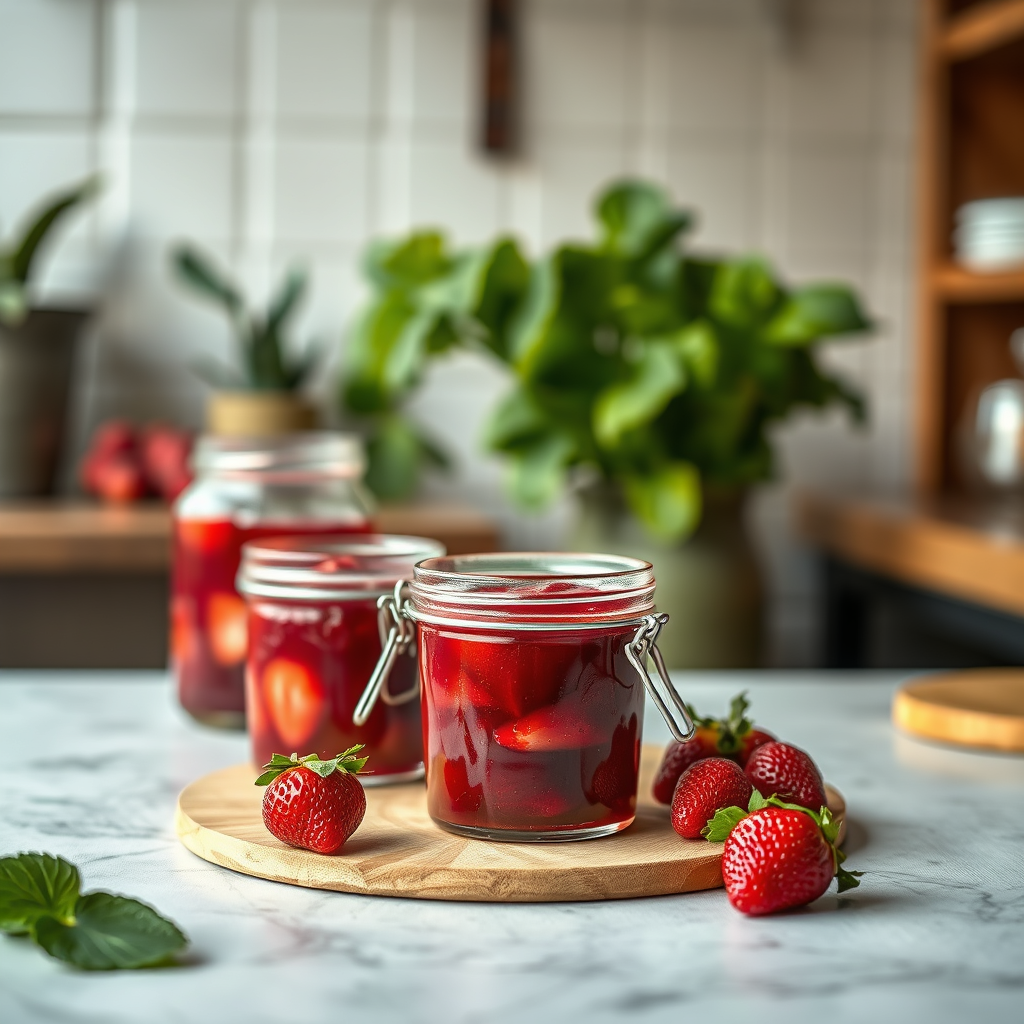
This guide offers a comprehensive, step-by-step recipe for crafting rhubarb and strawberry jam. It includes precise ingredient measurements, cooking times, and preservation methods. The emphasis is on achieving a harmonious flavor profile, ensuring the ideal texture, and steering clear of common pitfalls unique to this jam. While it focuses on home jam-making, it does not delve into commercial production methods or alternative preservation techniques such as freezing or drying.
Who Should Read This
This guide is tailored for home cooks with a fundamental understanding of canning, including sterilization methods and water bath canning. It appeals particularly to enthusiasts eager to explore fruit preservation, especially those who relish the tartness of rhubarb combined with the sweetness of strawberries. However, readers unfamiliar with canning techniques or those with dietary restrictions affecting jam ingredients may find this guide less relevant.
The Step-by-Step Protocol
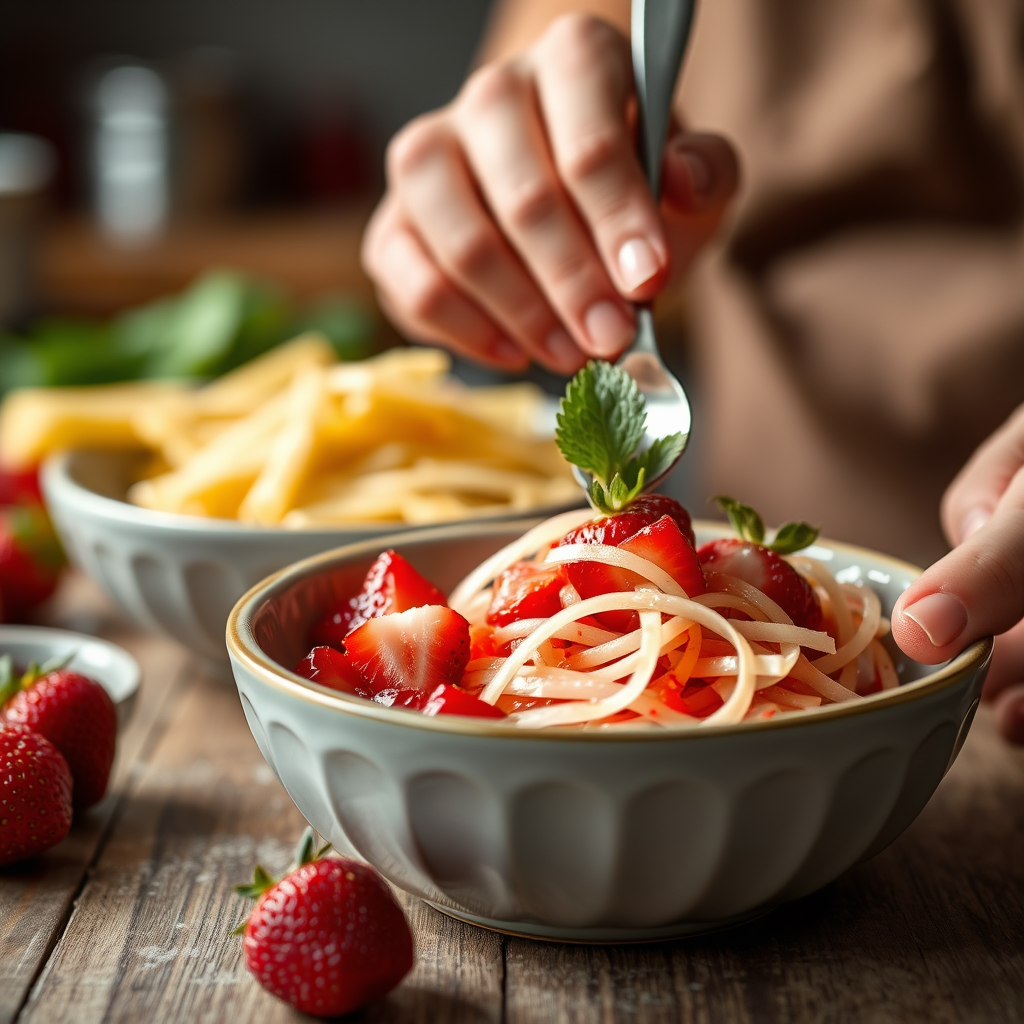
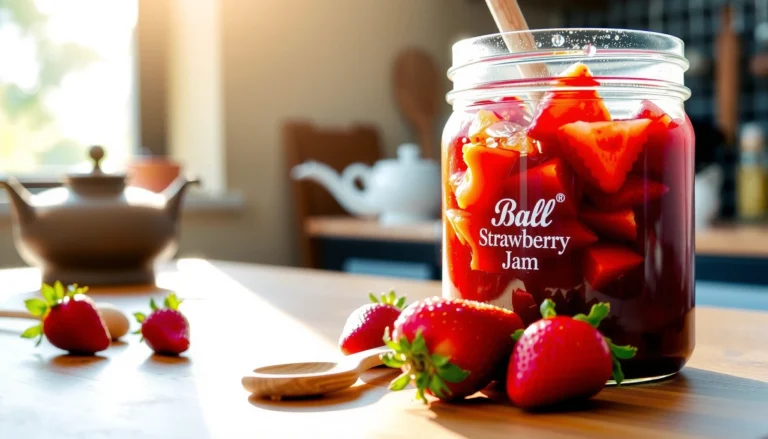
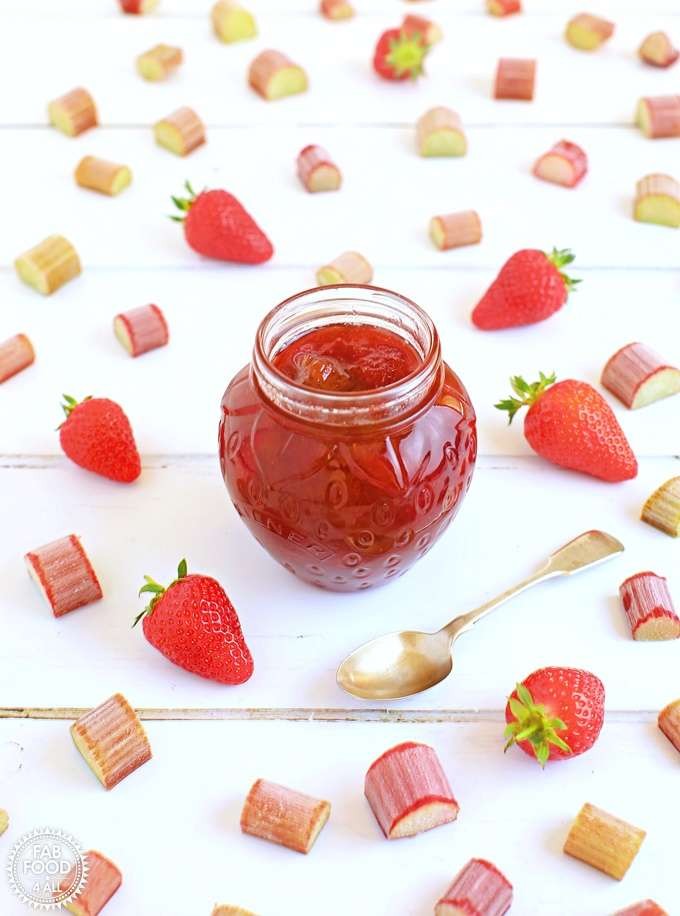
1. Gather Ingredients: Measure out 2 cups of chopped rhubarb, 2 cups of hulled and sliced strawberries, 4 cups of granulated sugar, and 1/4 cup of lemon juice.
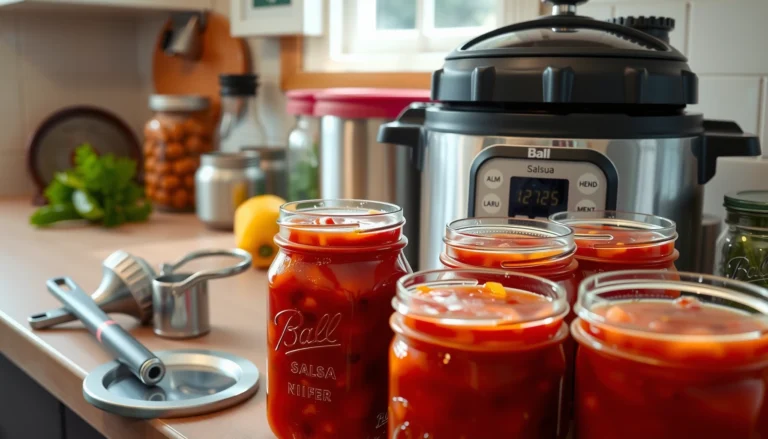
2. Prepare Equipment: Sterilize 4 to 6 half-pint jars and lids by boiling them in water for 10 minutes. Set them aside to dry on a clean towel.
3. Cook the Fruit: In a large pot, combine the rhubarb, strawberries, and lemon juice. Cook over medium heat until the mixture starts to bubble, about 10 minutes.
4. Add Sugar and Boil: Gradually stir in the sugar, ensuring it dissolves completely. Boil the mixture for 10-15 minutes, reaching a temperature of 220°F (104°C) for proper gel consistency.
5. Test for Doneness: Use the cold plate test; place a small amount of jam on a chilled plate and return it to the freezer for 1 minute. If it gels, it’s ready for canning.
6. Fill Jars: Pour the hot jam into the sterilized jars, leaving 1/4 inch of headspace. Wipe the rims with a clean cloth to remove any residue before sealing with lids.
7. Process Jars: Place the filled jars in a boiling water bath for 10 minutes, ensuring they are submerged by at least 1 inch of water. Remove and let cool completely on a clean towel.
Top 7 Ingredients for Rhubarb and Strawberry Jam (2024)
| # | Ingredient | Quantity | Calories (per serving) | Cost (USD) |
|---|---|---|---|---|
| 1 | Rhubarb | 2 cups | 60 | $2.00 |
| 2 | Strawberries | 2 cups | 104 | $3.00 |
| 3 | Granulated Sugar | 4 cups | 774 | $1.50 |
| 4 | Lemon Juice | 1/4 cup | 15 | $0.50 |
| 5 | Pectin | 1 packet | 0 | $1.00 |
| 6 | Vanilla Extract | 1 tsp | 12 | $0.25 |
| 7 | Salt | 1/4 tsp | 0 | $0.05 |
Warning Signs: When Not to Follow This
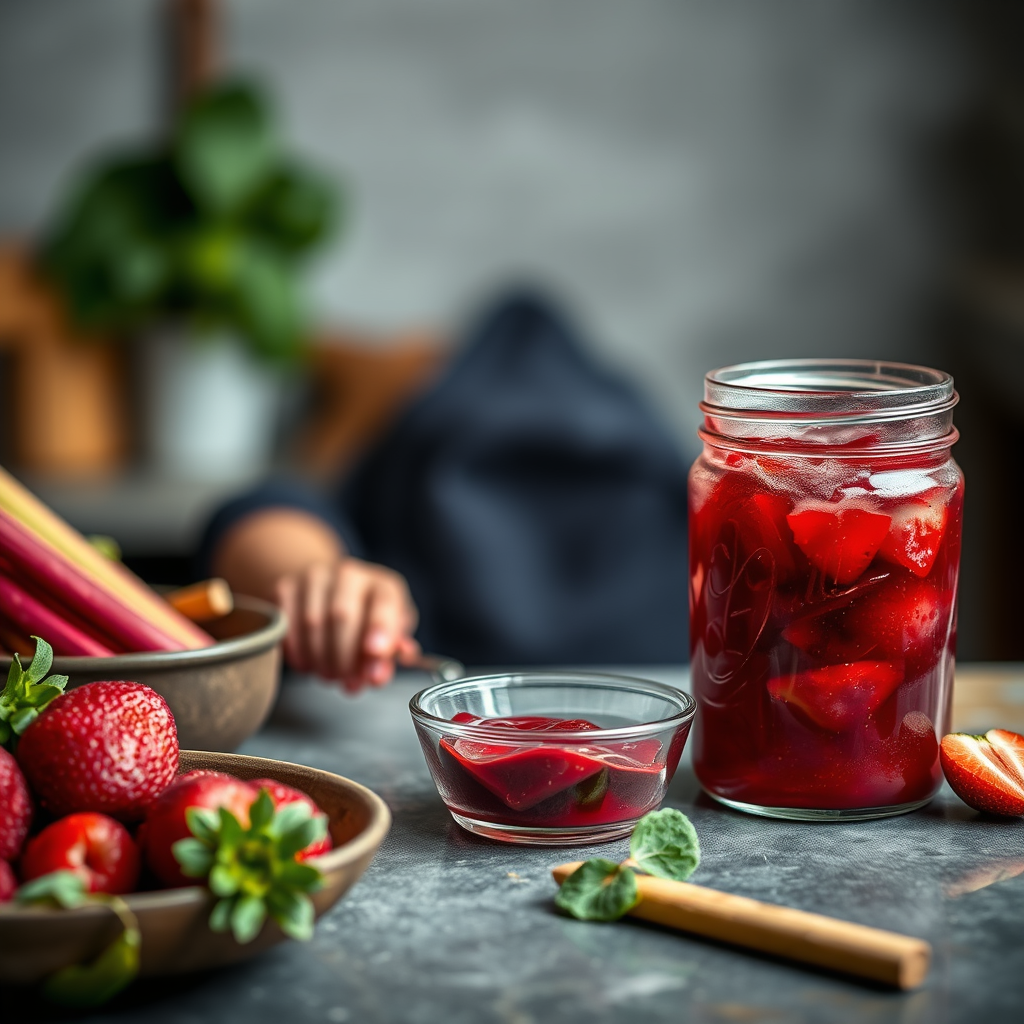
– Avoid proceeding with this recipe if the rhubarb exhibits signs of spoilage, such as brown spots or a mushy texture, as these can compromise preservation safety.
– Refrain from making this jam if you have allergies to strawberries or rhubarb, as even minimal exposure can trigger severe reactions.
– If you lack the essential canning equipment or are uncertain about the sterilization process, it’s best to skip this recipe, since improper canning can lead to foodborne illnesses.
The Most Common Mistakes (And Their Consequences)
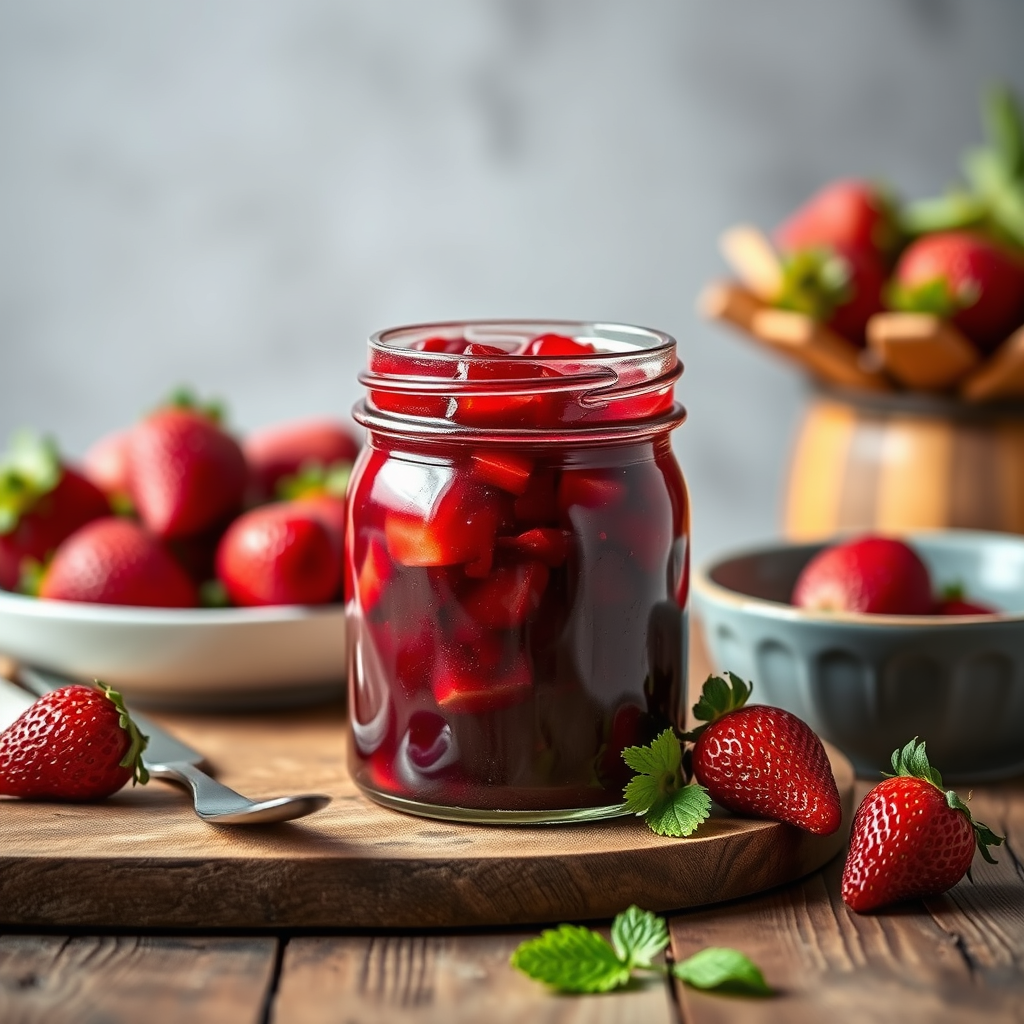
– One frequent error is miscalculating the acidity; using insufficient lemon juice can result in jam that is unsafe for preservation due to inadequate acidity levels.
– Not reaching the correct temperature (220°F/104°C) can yield a runny jam, making it unsuitable for spreading.
– Skipping the water bath processing may lead to jars that fail to seal properly, increasing the risk of spoilage and food safety hazards.
Special Cases That Need a Different Approach
– If you’re using frozen strawberries or rhubarb, adjust the cooking times accordingly, as frozen fruit releases more moisture and may require longer cooking to achieve the right consistency.
– For those seeking a lower-sugar version, consider using pectin designed for low-sugar recipes. Adjust the sugar content to no more than 2 cups while closely following the pectin instructions.
– When making a large batch (more than double the recipe), process the jam in smaller batches to ensure even cooking and proper sealing.
When You Need a Professional
– Consult a certified food preservation expert if you plan to significantly scale recipes, as changing ingredient ratios can affect both safety and quality.
– If you’re unsure about the safety of your canning methods or have previously experienced seal failures, reach out to a local extension service or food safety expert.
– For individuals with health conditions that may be impacted by high sugar content, professional advice on alternative recipes or preservation methods is highly recommended.
Sources and Further Reading
– National Center for Home Food Preservation guidelines on safe canning practices and recipes tailored to fruit preserves.
– “The Complete Book of Home Preserving” by Ball, which provides detailed insights on various canning techniques and safety tips.
– University extension services, such as Oregon State University’s Extension Service, for research-based recommendations on fruit preservation.
Frequently Asked Questions
What are the best types of strawberries to use for rhubarb and strawberry jam?
For making rhubarb and strawberry jam, it’s best to use fresh, ripe strawberries that are sweet and flavorful. Varieties like June-bearing strawberries or ever-bearing types such as ‘Albion’ and ‘Seascape’ are excellent choices, as they provide a perfect balance of sweetness to complement the tartness of rhubarb.
How do I properly prepare rhubarb for making jam?
To prepare rhubarb for jam, start by washing the stalks thoroughly to remove any dirt. Next, trim off the ends and cut the rhubarb into small, uniform pieces, about 1-inch long, to ensure even cooking. It’s important to note that only the stalks are edible; the leaves should be discarded as they are toxic.
Why is pectin important in rhubarb and strawberry jam recipes?
Pectin is a natural thickening agent that helps the jam set and achieve the desired consistency. Since rhubarb is low in natural pectin, adding commercial pectin or using high-pectin fruits like strawberries is essential to ensure your jam thickens properly and maintains a good texture.
What is the best way to store rhubarb and strawberry jam after making it?
After making rhubarb and strawberry jam, it’s best to store it in sterilized glass jars with airtight lids. For optimal freshness, keep the jam in the refrigerator for up to three weeks, or you can process it in a water bath canner to store it at room temperature for up to one year.
Which recipe variations can enhance the flavor of rhubarb and strawberry jam?
To enhance the flavor of rhubarb and strawberry jam, consider adding complementary ingredients such as vanilla extract, lemon juice, or a pinch of grated ginger. You can also experiment with herbs like basil or mint to create a unique twist that elevates the traditional jam.
References
- Rhubarb
https://en.wikipedia.org/wiki/Rhubarb - Genome sequence of Phormia regina Meigen (Diptera: Calliphoridae): implications for medical, vete…
https://www.ncbi.nlm.nih.gov/pmc/articles/PMC5084420/ - Google Scholar Google Scholar
https://scholar.google.com/scholar?q=rhubarb+and+strawberry+jam+recipe - https://www.sciencedirect.com/topics/agricultural-and-biological-sciences/rhubarb
https://www.sciencedirect.com/topics/agricultural-and-biological-sciences/rhubarb - https://pubmed.ncbi.nlm.nih.gov/16895345/
https://pubmed.ncbi.nlm.nih.gov/16895345/ - https://www.bbc.co.uk/food/recipes/strawberry_rhubarb_jam_83840
https://www.bbc.co.uk/food/recipes/strawberry_rhubarb_jam_83840 - Google Scholar Google Scholar
https://scholar.google.com/scholar?q=strawberry+jams - Ultrafast acousto-optic mode conversion in optically birefringent ferroelectrics | Nature Communi…
https://www.nature.com/articles/ncomms12345 - https://www.theguardian.com/food/2020/jun/27/how-to-make-the-perfect-strawberry-jam
https://www.theguardian.com/food/2020/jun/27/how-to-make-the-perfect-strawberry-jam - https://www.verywellfit.com/rhubarb-nutrition-facts-4110497
https://www.verywellfit.com/rhubarb-nutrition-facts-4110497