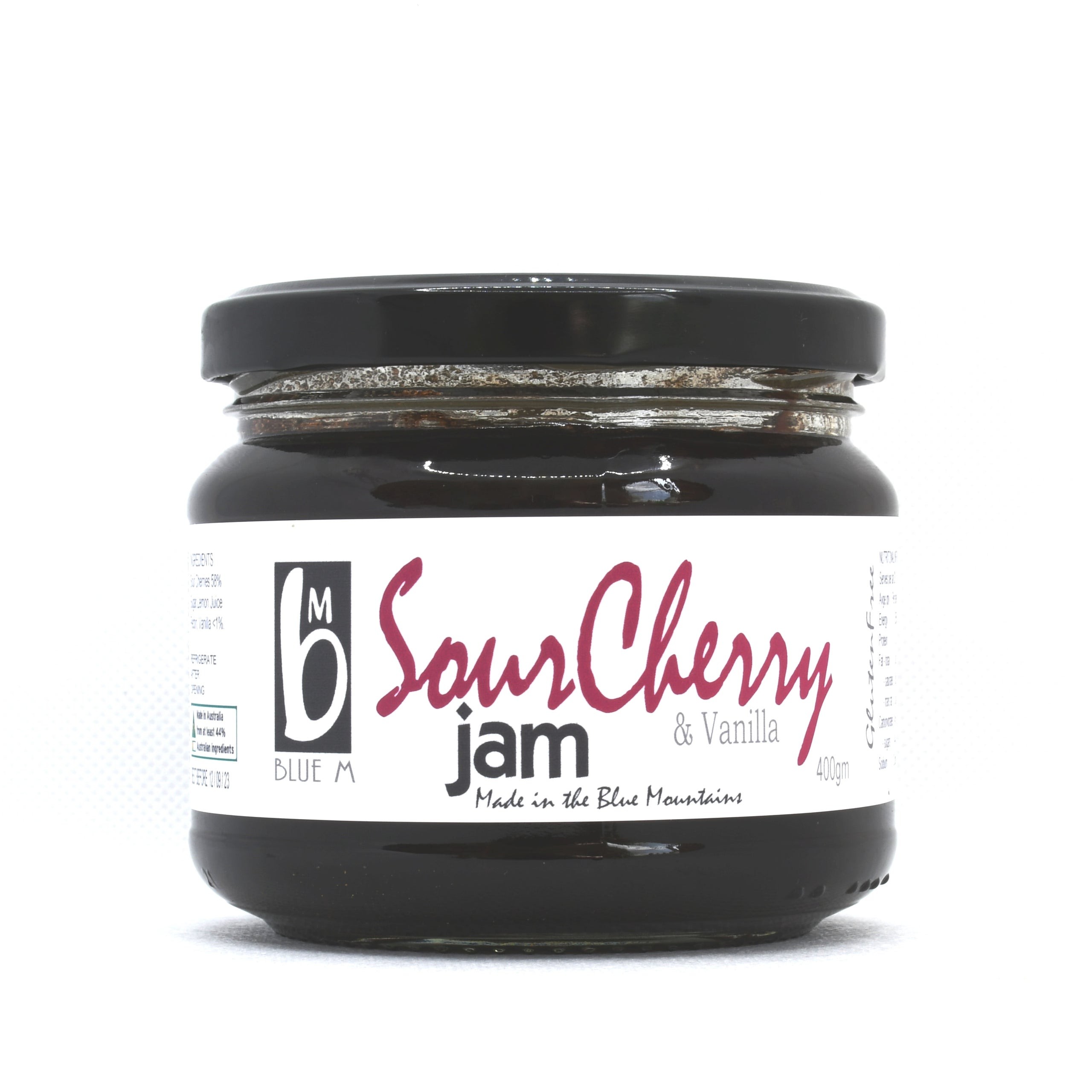
Master the art of making sour cherry jam with this complete protocol designed for both novice and seasoned preservers. This expert guide details each step, from selecting the best sour cherries to achieving the perfect consistency, ensuring your jam not only tastes exceptional but also preserves well. Following this precise method is crucial for maximizing flavor and shelf-life, making your homemade jam a standout addition to any pantry.
What This Guide Covers (And What It Doesn’t)
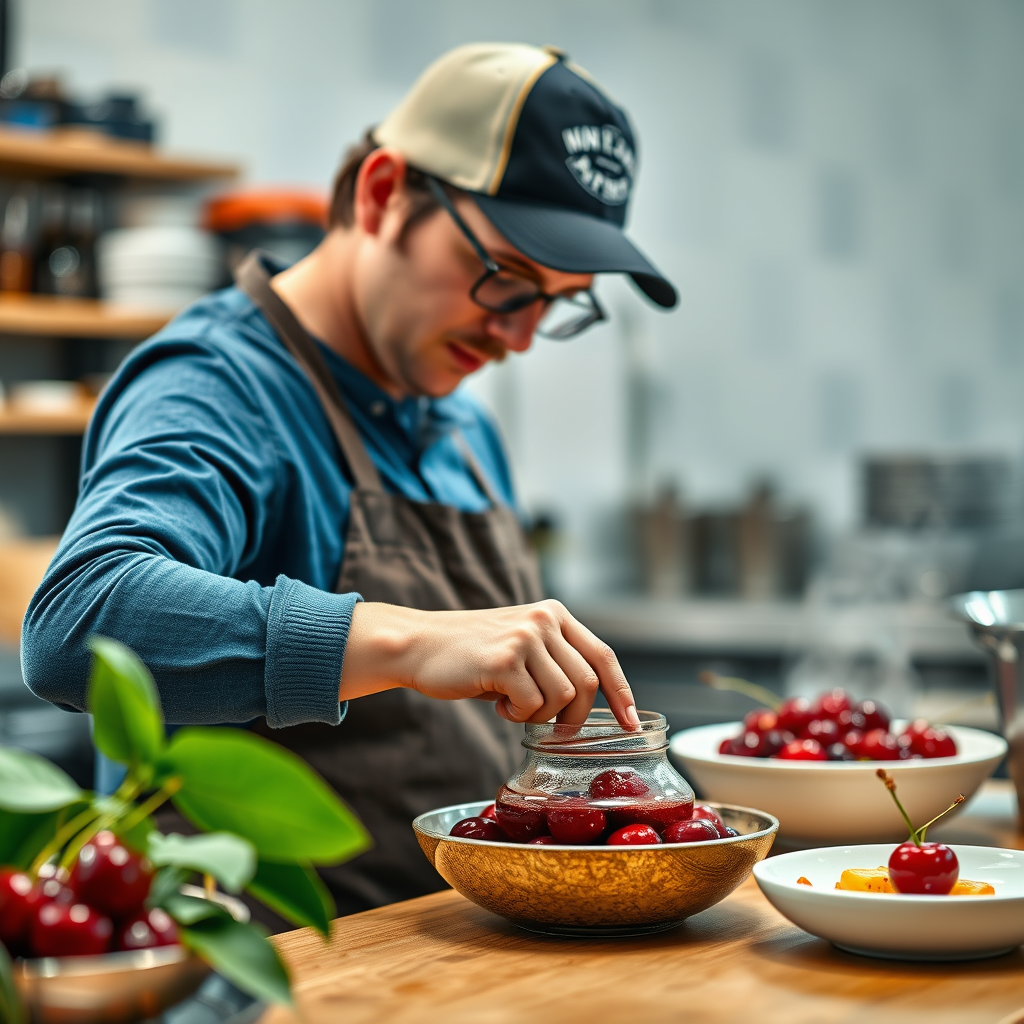
This guide provides a detailed methodology for crafting sour cherry jam, focusing on ingredient ratios, cooking times, and preservation techniques tailored specifically for sour cherries. You’ll find comprehensive information about the essential equipment, including the types of jars, lids, and tools needed for preparation and canning, ensuring a thorough understanding of the process. Additionally, it outlines food safety guidelines relevant to fruit preservation. However, this guide does not explore variations of cherry jam using sweet cherries or other fruits, nor does it address unrelated preserves or jellies.
Who Should Read This
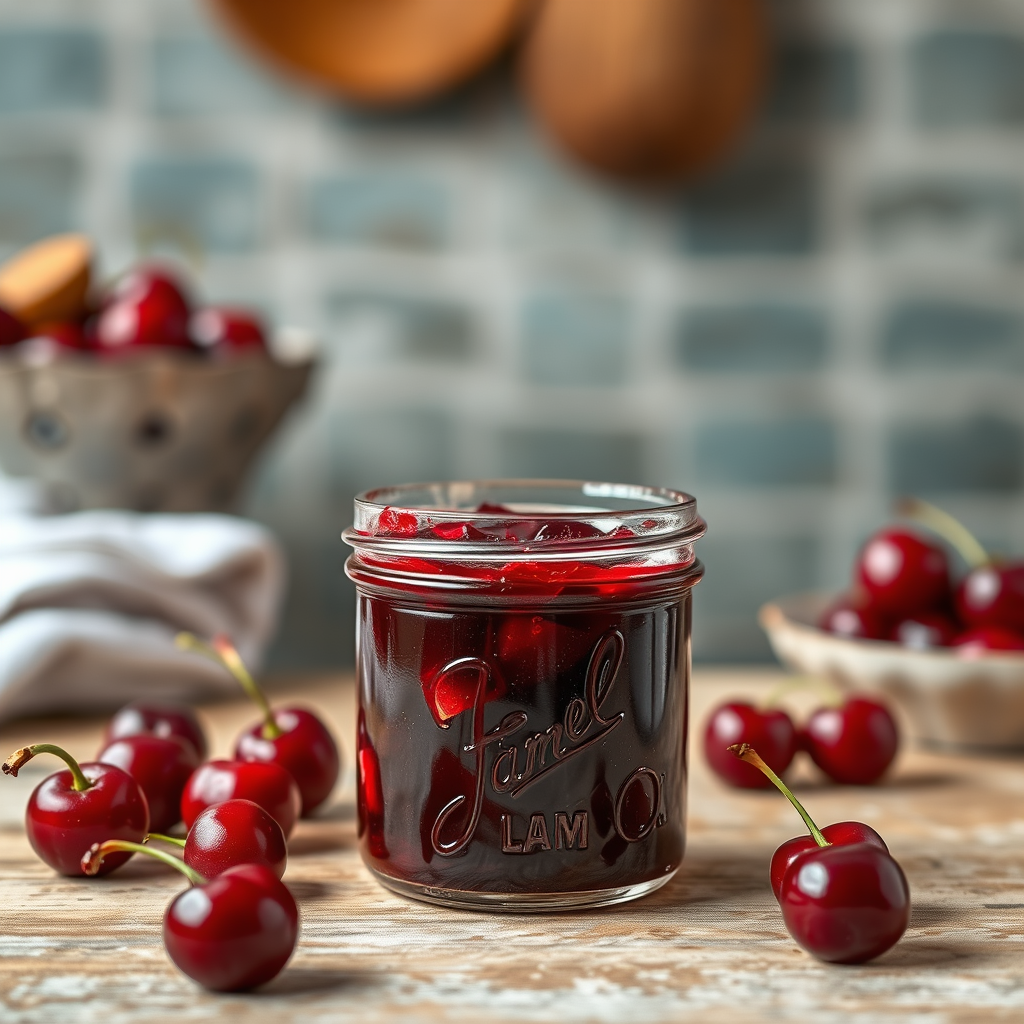
This guide is designed for home canners with a basic grasp of food preservation who wish to enhance their skills in making sour cherry jam. It will particularly benefit individuals looking to utilize seasonal produce effectively, especially those with access to fresh sour cherries or sour cherry juice. However, it is not aimed at complete beginners without prior canning experience, as it assumes familiarity with the principles of food safety and boiling water bath canning.
The Step-by-Step Protocol
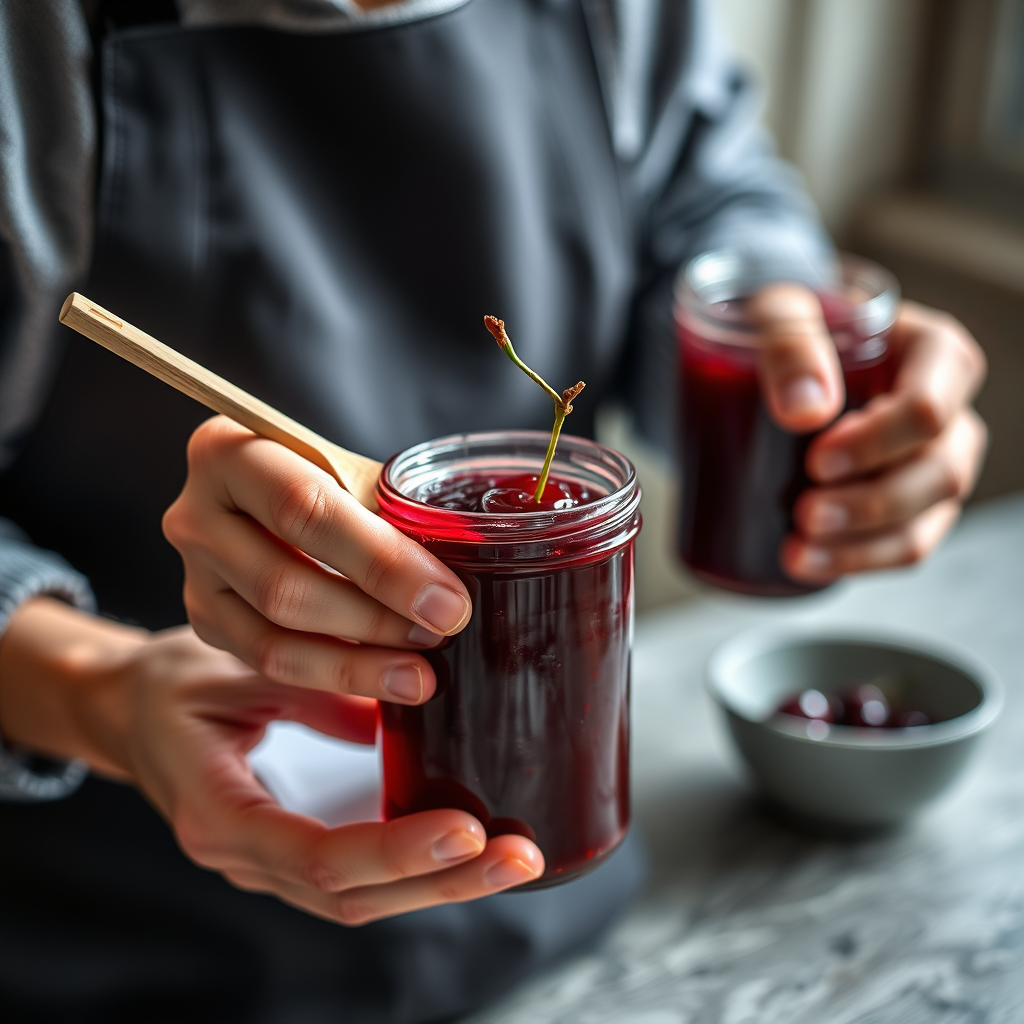
1. Gather Ingredients: Collect 4 cups of pitted sour cherries, 1 cup of granulated sugar, and 1 tablespoon of lemon juice. Ensure that the cherries are ripe, vibrant in color, and free from any blemishes.
2. Prepare Equipment: Sterilize jars by boiling them for 10 minutes. Confirm that lids are new and free from rust or damage. Use half-pint or pint-sized glass canning jars suitable for preserves.
3. Cook the Jam: In a large pot, combine the sour cherries, sugar, and lemon juice. Bring the mixture to a boil over medium heat, stirring constantly until it reaches 220°F (104°C). A candy thermometer will help you achieve accuracy.
4. Test for Gelling: Drop a small amount of the mixture onto a cold plate using a spoon. If it holds its shape and wrinkles when pushed, it’s ready for canning. If not, continue boiling and testing every couple of minutes.
5. Fill Jars: Pour the hot jam into sterilized jars, leaving 1/4 inch of headspace. Wipe the rims clean with a damp cloth to ensure a proper seal. Fill jars immediately to prevent the jam from cooling.
6. Seal and Process: Place the sterilized lids on the jars and screw on the metal bands until fingertip tight. Process in a boiling water bath for 10 minutes, making sure that the jars are submerged in at least an inch of water.
7. Cool and Store: Remove the jars from the water bath and let them cool on a towel for 24 hours. Once cool, check that the lids have sealed by pressing the center. Store the jars in a cool, dark place for up to one year.
Top 7 Ingredients for Sour Cherry Jam (2023)
| # | Ingredient | Quantity | Nutritional Value (per cup) | Flavor Profile |
|---|---|---|---|---|
| 1 | Sour Cherries | 4 cups | 90 calories | Tart, fruity |
| 2 | Granulated Sugar | 1 cup | 774 calories | Sweet, balancing |
| 3 | Lemon Juice | 1 tbsp | 4 calories | Zesty, bright |
| 4 | Water | As needed | 0 calories | Neutral |
| 5 | Pectin (optional) | As needed | Varies | Thickening agent |
| 6 | Canning Jars | As needed | N/A | Preservation |
| 7 | Lids and Bands | As needed | N/A | Sealing |
Warning Signs: When Not to Follow This
Do not proceed with making sour cherry jam if the cherries exhibit signs of mold, excessive bruising, or any unpleasant odors, as these factors can compromise both the quality and safety of the final product. Additionally, avoid attempting the recipe if you lack the appropriate equipment for boiling water bath canning; improper sealing can lead to spoilage. If you have a medical condition that affects your ability to handle high-acid foods safely, consult a healthcare provider before starting.
The Most Common Mistakes (And Their Consequences)
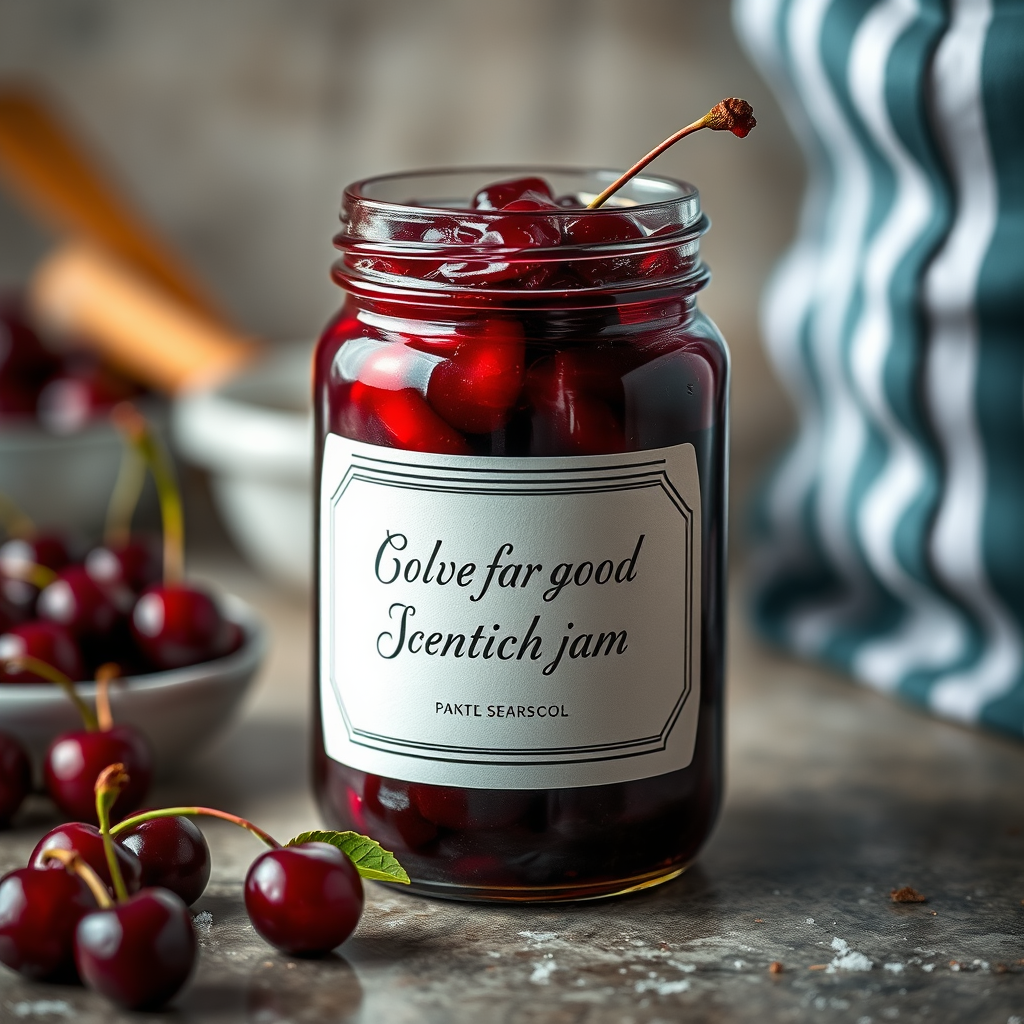
One prevalent error occurs when sugar is not measured accurately. Using too little can prevent the jam from setting, while too much can create an overly sweet product that masks the sour cherry flavor. Ignoring the boiling point can result in undercooked jam, yielding a runny consistency that won’t preserve well. Moreover, failing to properly sterilize jars and lids can lead to contamination, raising serious food safety concerns.
Special Cases That Need a Different Approach
If you live at a high altitude (above 1,000 feet), be sure to adjust the processing time by adding one additional minute for every 1,000 feet in elevation to ensure proper sealing. For those with dietary restrictions, consider using low-sugar pectin designed specifically for low-sugar recipes, which will require a different ratio of fruit to pectin. If you opt for frozen sour cherries, thaw them completely and drain any excess liquid to avoid creating an overly watery jam.
When You Need a Professional
If you’re uncertain about the safety of preserving your sour cherry jam, especially if you notice any signs of spoilage, consult a food preservation expert or your local extension office for guidance. Newcomers to canning who feel overwhelmed by the process should consider attending a workshop led by a certified food preservation instructor before attempting to make sour cherry jam. If you experience any adverse reactions after consuming your jam, seek medical attention immediately and report the issue to your local health department.
Sources and Further Reading
– “The USDA Complete Guide to Home Canning” offers extensive information on safe canning practices and preserving fruit jams.
– “Ball Blue Book of Canning” serves as a trusted resource for canning techniques, recipes, and troubleshooting tips specific to fruit preserves.
– The National Center for Home Food Preservation provides research-based guidelines and updates on safe food preservation methods, including jam making.
This authoritative guide empowers you with the knowledge needed to successfully create delicious and safe sour cherry jam, allowing you to extend the joy of seasonal fruit into your pantry.
Frequently Asked Questions
What are the best ingredients for making sour cherry jam?
The best ingredients for making sour cherry jam include fresh or frozen sour cherries, granulated sugar, and lemon juice. Using pectin is optional but can help achieve a thicker consistency. For added flavor, consider incorporating vanilla or almond extract, which complements the tartness of the cherries beautifully.
How do I prepare sour cherries for jam?
To prepare sour cherries for jam, start by washing them thoroughly under cold water. Remove the stems and pits, then chop the cherries in half or leave them whole, depending on your texture preference. It’s important to measure the cherries accurately for precise cooking results, which will help in achieving the perfect jam consistency.
Why did my sour cherry jam not set properly?
If your sour cherry jam did not set properly, it could be due to insufficient sugar or pectin, or not cooking the mixture long enough. Ensure you follow the recipe’s sugar-to-fruit ratio closely, and check that you’ve allowed the jam to reach the appropriate temperature during cooking. Additionally, using underripe cherries can affect the gelling process, so opt for fully ripe sour cherries for the best results.
What is the best recipe for sour cherry jam using low sugar?
The best recipe for low-sugar sour cherry jam typically uses a ratio of 1 cup of sour cherries to 1/2 cup of sugar, along with a tablespoon of lemon juice and low-sugar pectin. This combination allows you to enjoy the tart flavor of the cherries while keeping the sweetness balanced. Cooking time may vary, so monitor closely until the jam thickens to your desired consistency.
Which tools do I need to make sour cherry jam at home?
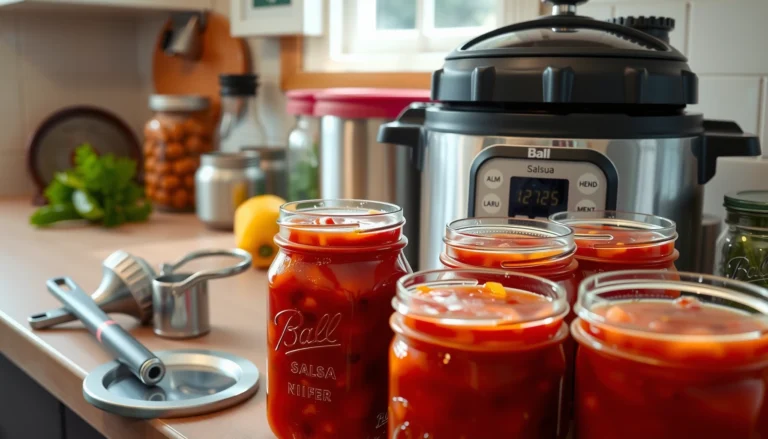
To make sour cherry jam at home, you will need basic kitchen tools such as a large pot, a wooden spoon for stirring, measuring cups, and a ladle for pouring the jam into jars. Additionally, a food mill or a blender can help puree the fruit if desired, and a canning jar lifter is essential for safely handling hot jars during the canning process.
References
- Fruit preserves
https://en.wikipedia.org/wiki/Jam - Cherries sour (Prunus cerasus) foods
https://www.nutritionvalue.org/Cherries%2C_sour_%28Prunus_cerasus%29_nutritional_value.html - Google Scholar Google Scholar
https://scholar.google.com/scholar?q=sour+cherry+jam+recipes - https://pubmed.ncbi.nlm.nih.gov/24689093/
https://pubmed.ncbi.nlm.nih.gov/24689093/ - Checking your browser – reCAPTCHA
https://www.ncbi.nlm.nih.gov/pmc/articles/PMC4332242/ - Google Scholar Google Scholar
https://scholar.google.com/scholar?q=sour+cherry+jam - Checking your browser – reCAPTCHA
https://www.ncbi.nlm.nih.gov/pmc/articles/PMC3824124/ - https://www.sciencedirect.com/topics/agricultural-and-biological-sciences/cherry-jam
https://www.sciencedirect.com/topics/agricultural-and-biological-sciences/cherry-jam - https://www.britannica.com/topic/jam
https://www.britannica.com/topic/jam - https://www.foodstandards.gov.au/industry/jams/Pages/default.aspx
https://www.foodstandards.gov.au/industry/jams/Pages/default.aspx