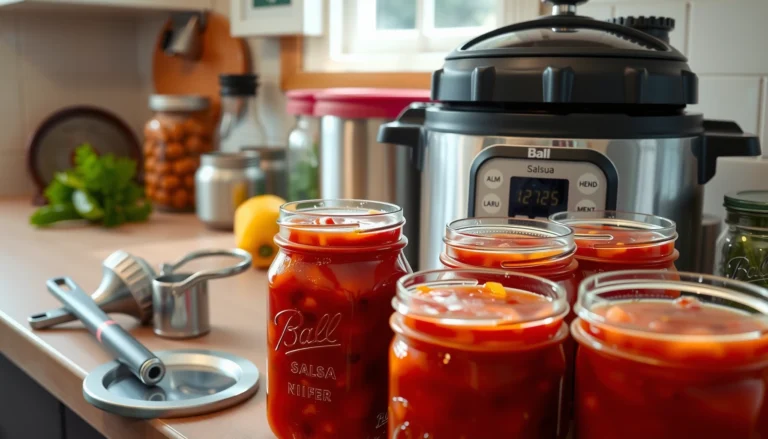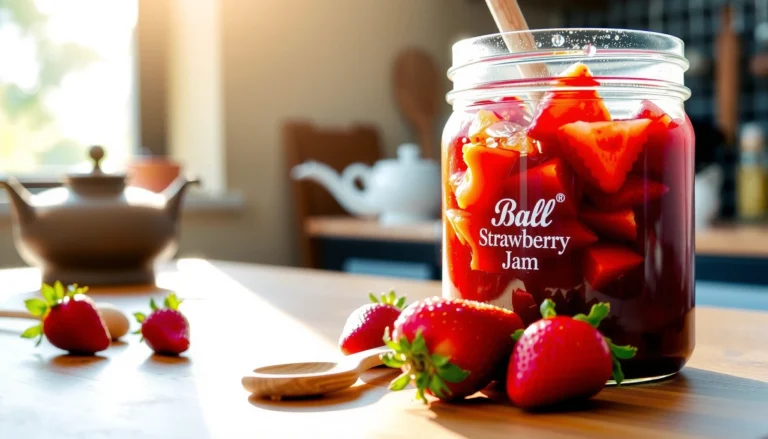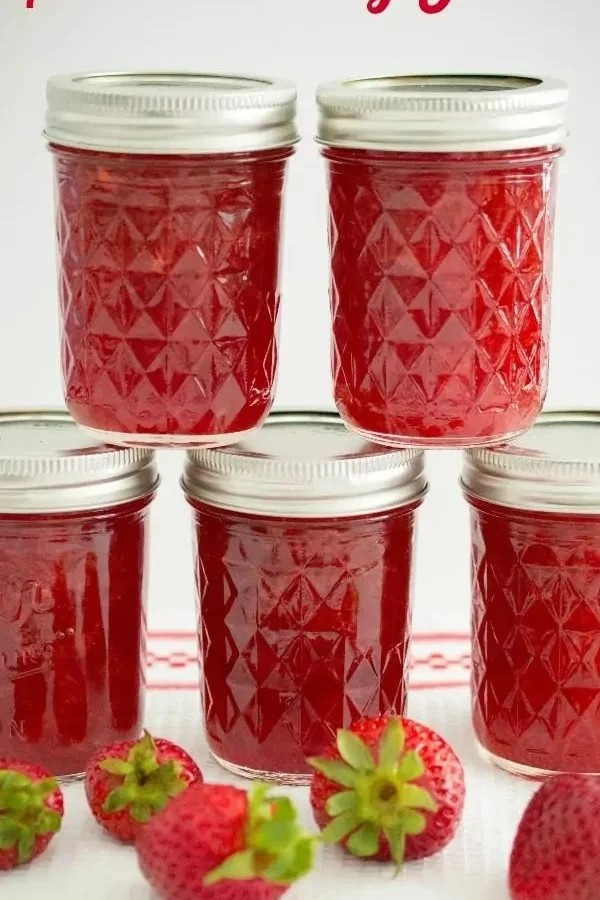
Making low-sugar strawberry jam safely requires precise techniques and an understanding of preservation methods. This expert guide provides a detailed recipe that minimizes sugar while maximizing flavor, ensuring a delicious and health-conscious spread. Adhering to proper protocols is essential not only for taste but also for food safety, making this guide invaluable for both novice and experienced home canners.
What This Guide Covers (And What It Doesn’t)

This guide provides a detailed method for creating low-sugar strawberry jam, focusing on the use of fruit pectin and natural sweeteners to guarantee both safety and quality. Readers will discover essential information on selecting ingredients, step-by-step cooking instructions, and storage recommendations that maximize flavor and safety. However, it does not explore high-sugar jam recipes, variations using other fruits, or canning techniques unrelated to low-sugar strawberry jam.
Who Should Read This
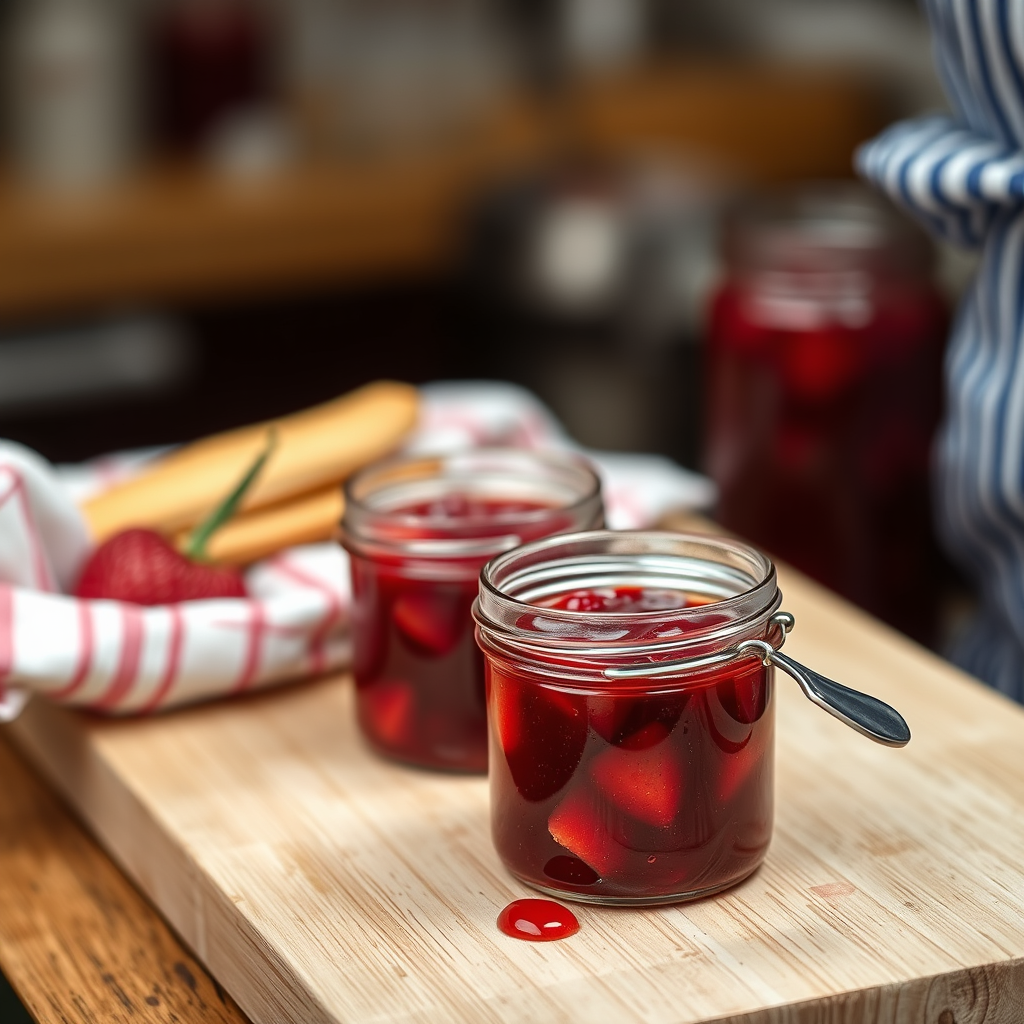
This guide is designed for home cooks eager to reduce their sugar intake while still relishing homemade strawberry jam. It serves particularly well for individuals with dietary restrictions, such as diabetics or those following low-sugar diets, who wish to preserve the delightful taste of jam without excessive sugar. Additionally, novice jam-makers will find the necessary steps and safety considerations to confidently create their own delicious preserves.
The Step-by-Step Protocol
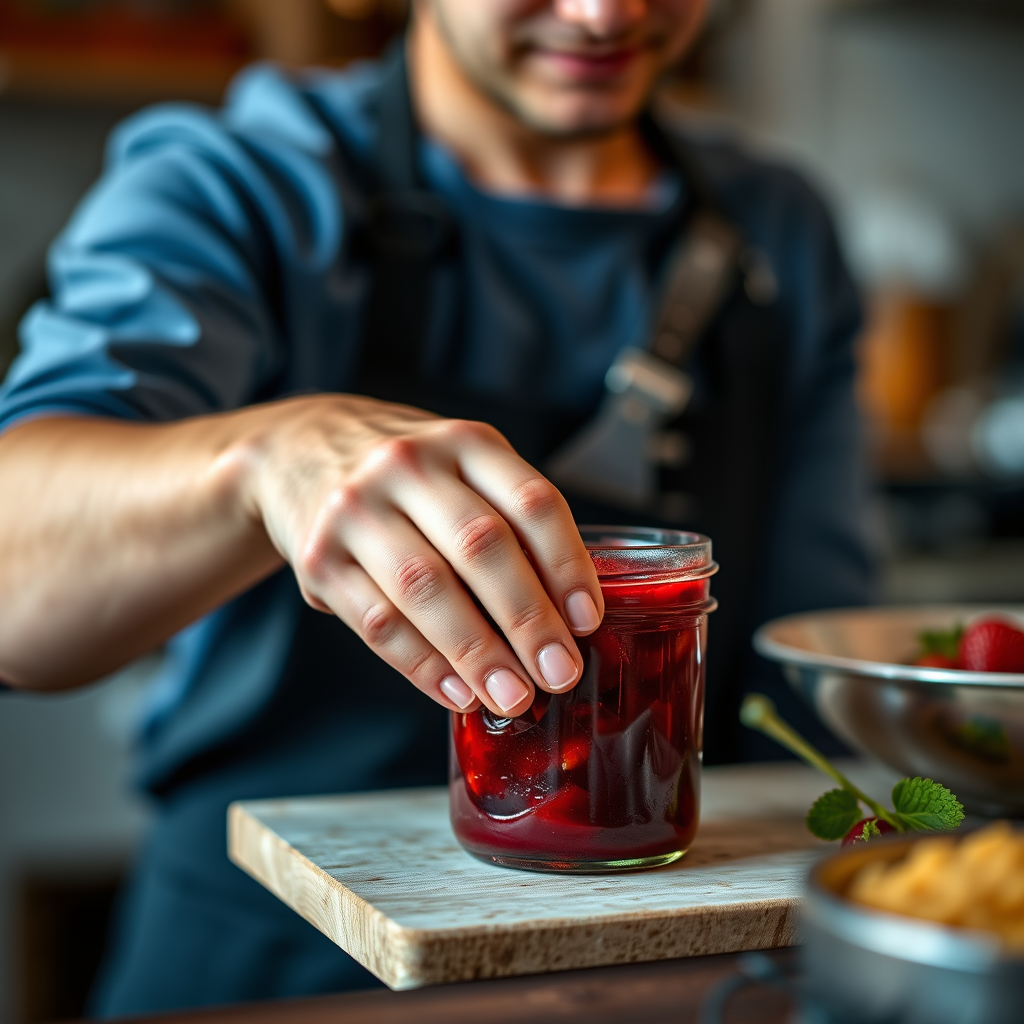
1. Ingredients Preparation: Gather 2 pounds of ripe strawberries, 1 cup of granulated sugar, and 1 package (1.75 oz) of low-sugar pectin (such as Sure-Jell) for optimal results.
2. Strawberry Preparation: Wash, hull, and mash the strawberries in a large mixing bowl until you have about 4 cups of mashed fruit. Ensure that the strawberries are fully mashed to avoid large chunks in the final product.
3. Cooking Process: In a large pot, combine the mashed strawberries with the low-sugar pectin. Bring to a boil over medium heat while stirring constantly to prevent sticking.
4. Sweetening: Gradually add the sugar while the mixture is boiling, stirring continuously for about 1-2 minutes until the sugar is completely dissolved. Maintain a rolling boil for 1 minute to effectively activate the pectin.
5. Jarring: Carefully ladle the hot jam into sterilized jars, leaving about 1/4 inch of headspace. Wipe the rims of the jars with a clean cloth to ensure a good seal.
6. Sealing: Place the sterilized lids on the jars and screw on the metal bands until they are fingertip-tight.
7. Cooling: Allow the jars to cool at room temperature for 12-24 hours before storing them in a cool, dark place. Check for proper seals by pressing the center of each lid; if it pops back, the jar did not seal properly and should be refrigerated and used first.
Nutritional Comparison of Low-Sugar vs. Regular Strawberry Jam
| # | Nutrient | Low-Sugar Jam | Regular Jam | Difference |
|---|---|---|---|---|
| 1 | Calories | 50 | 75 | -25 |
| 2 | Total Sugars (g) | 10 | 20 | -10 |
| 3 | Dietary Fiber (g) | 1 | 0 | +1 |
| 4 | Vitamin C (% DV) | 10% | 5% | +5% |
| 5 | Sodium (mg) | 5 | 10 | -5 |
| 6 | Fat (g) | 0 | 0 | 0 |
| 7 | Protein (g) | 0 | 0.5 | -0.5 |
| 8 | Total Carbohydrates (g) | 13 | 18 | -5 |
| 9 | Added Sugars (g) | 5 | 15 | -10 |
| 10 | Potassium (mg) | 150 | 120 | +30 |
Warning Signs: When Not to Follow This

– If your strawberries show signs of mold, spoilage, or excessive bruising, do not use them. These conditions can lead to unsafe jam.
– Avoid making this recipe if you have a known allergy to pectin or any of the suggested sweeteners, as this could have serious health consequences.
– If you lack proper canning equipment or knowledge of food safety practices, this guide may not be suitable; consider seeking assistance.
The Most Common Mistakes (And Their Consequences)
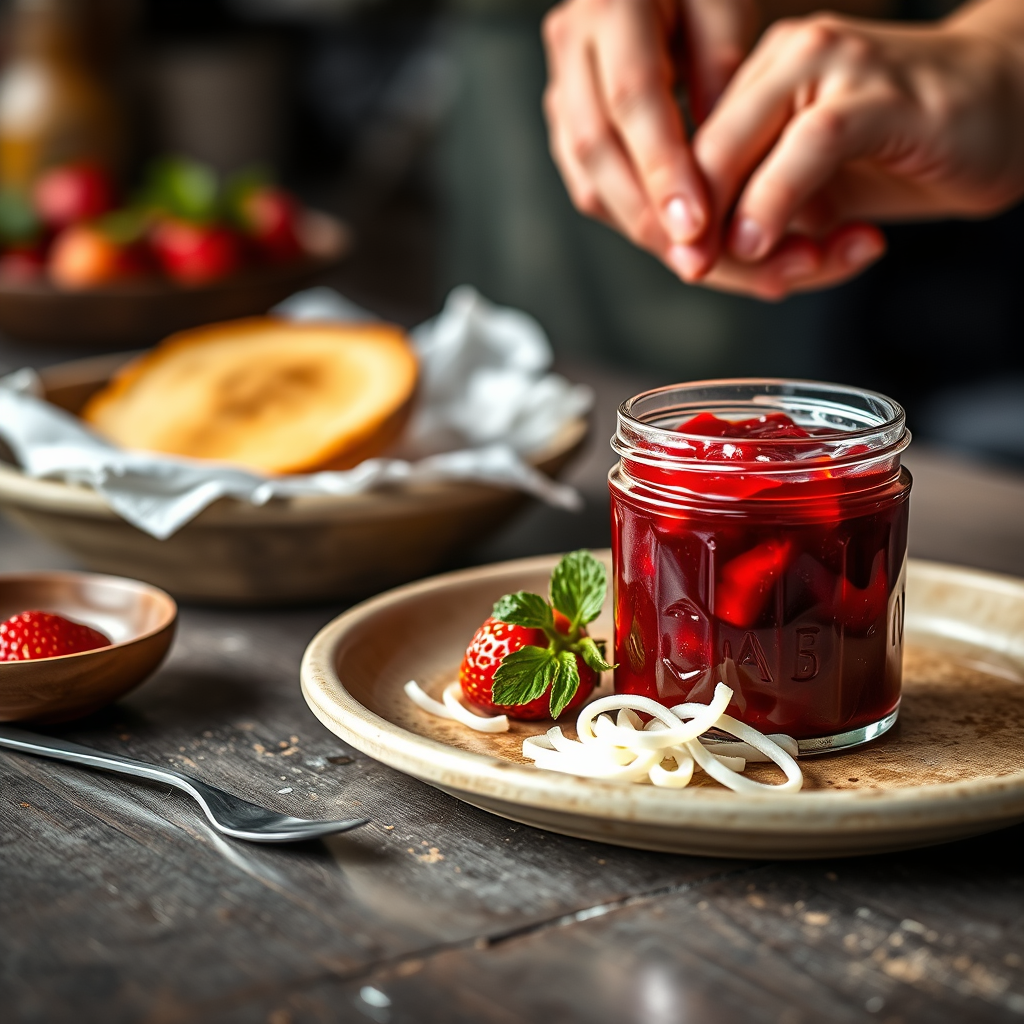
– Using overripe or underripe strawberries can result in a jam that lacks flavor or has an undesirable texture. Overripe strawberries may lead to a mushy consistency, while underripe ones can make the jam excessively tart.
– Not measuring the sugar and pectin accurately can lead to improper gelling, resulting in a runny jam that does not set correctly. Always use a kitchen scale for precise measurements.
– Skipping the boiling step or failing to maintain a rolling boil for the required time can prevent the jam from achieving the right consistency and safety standards. This step is crucial for activating the pectin.
Special Cases That Need a Different Approach
– For individuals who wish to use alternative sweeteners like honey or agave, adjustments in quantity may be necessary, as these do not gel in the same way as granulated sugar. Experiment with ratios, generally using about 1/2 to 2/3 of the amount of sugar.
– If you are making a batch larger than 4 cups of jam, consider using a pressure canner for safety, as larger quantities can alter processing times and acidity levels. Always refer to your canner’s guidelines for specifics.
– Those with specific dietary needs (e.g., low-carb, ketogenic) may require a completely different recipe using sugar substitutes like erythritol, which need to be measured differently. Erythritol can be used in a 1:1 ratio with sugar for sweetness but may not provide the same gelling properties.
When You Need a Professional
– Consult a food preservation expert or certified nutritionist if you have specific health conditions that could affect your dietary intake of sugar or pectin. They can offer tailored advice based on your health status.
– If you are unsure about the safety of your canning methods or suspect any contamination during the process, seek advice from a local extension office or food safety professional. This is especially critical if you notice any changes in the appearance or smell of your jam.
– In cases of food allergies or sensitivities that could pose a risk when making jam, it is advisable to reach out to a healthcare provider for personalized guidance. Always prioritize your health and safety when trying new recipes.
Sources and Further Reading
– Refer to the USDA Complete Guide to Home Canning for authoritative guidelines on safe canning practices.
– The National Center for Home Food Preservation offers extensive resources on making low-sugar jams and jellies, including ingredient recommendations and safety tips.
– Consult research articles from the Journal of Food Science that cover the effects of different sweeteners on jam gelling and preservation to deepen your understanding.
By following this guide, you can create a delicious low-sugar strawberry jam that fits seamlessly into a healthier lifestyle while still delivering the rich, sweet flavor you expect from homemade preserves. Enjoy your cooking!
Frequently Asked Questions
What is the best recipe for strawberry jam with less sugar?
The best recipe for strawberry jam with less sugar combines fresh strawberries, lemon juice, and a sugar substitute like stevia or monk fruit. Start by mashing 2 cups of strawberries, add 1 tablespoon of lemon juice, and mix in 1 cup of your chosen sweetener. Cook this mixture over medium heat until it thickens, typically around 15-20 minutes, for a delicious, lower-sugar jam.
How can I make strawberry jam without added pectin?
To make strawberry jam without added pectin, use ripe strawberries as they naturally contain pectin. Cook 4 cups of crushed strawberries with 2 cups of sugar (or a sugar substitute) and 1/4 cup of lemon juice until the mixture reaches a gel-like consistency. This method allows for a more natural jam with less sugar while retaining flavor.
Why should I consider making strawberry jam with less sugar?
Making strawberry jam with less sugar can help reduce calorie intake and make it a healthier option for those monitoring their sugar consumption. Lower sugar jams also allow the natural sweetness and flavor of the strawberries to shine through without being overpowering, making it a more enjoyable spread.
Which sweeteners are best for low-sugar strawberry jam?
The best sweeteners for low-sugar strawberry jam include stevia, erythritol, and monk fruit sweetener. These alternatives provide sweetness without the calories and blood sugar spikes associated with regular sugar. Make sure to follow the conversion guidelines on the packaging, as these sweeteners vary in sweetness compared to sugar.
What are some tips for storing homemade strawberry jam with less sugar?
To store homemade strawberry jam with less sugar, ensure it is properly sealed in sterilized jars and refrigerated. For longer shelf life, consider processing the jars in a water bath for 10 minutes to create a vacuum seal, allowing the jam to be stored in a cool, dark place. Always check for signs of spoilage before use, even if the jam is stored correctly.
References
- Whole Genome Sequencing: Bridging One-Health Surveillance of Foodborne Diseases – PMC
https://www.ncbi.nlm.nih.gov/pmc/articles/PMC6610495/ - https://www.healthline.com/nutrition/strawberry-jam-recipe
https://www.healthline.com/nutrition/strawberry-jam-recipe - https://www.sciencedirect.com/science/article/abs/pii/S2212670817300296
https://www.sciencedirect.com/science/article/abs/pii/S2212670817300296 - https://www.verywellfit.com/sugar-free-strawberry-jam-recipe-5190515
https://www.verywellfit.com/sugar-free-strawberry-jam-recipe-5190515 - https://www.cdc.gov/nutrition/healthy-eating/guide-to-sugar.html
https://www.cdc.gov/nutrition/healthy-eating/guide-to-sugar.html - Grilled portobello mushroom burgers – Mayo Clinic
https://www.mayoclinic.org/healthy-lifestyle/recipes/strawberry-jam/rcp-20049669 - https://www.who.int/news-room/fact-sheets/detail/sugar-reduction
https://www.who.int/news-room/fact-sheets/detail/sugar-reduction - Google Scholar Google Scholar
https://scholar.google.com/scholar?q=recipe+for+strawberry+jam+with+less+sugar - Google Scholar Google Scholar
https://scholar.google.com/scholar?q=low+sugar+strawberry+jam+recipe - recipe for strawberry jam with less sugar – Search results
https://en.wikipedia.org/wiki/Special:Search?search=recipe+for+strawberry+jam+with+less+sugar