This expert guide provides a precise recipe for raspberry jam with pectin, ensuring a delicious and safe outcome. Each step is meticulously outlined to help both novice and experienced cooks achieve the perfect balance of flavor and texture. Following the correct protocols is essential for food safety and preserving the vibrant taste of fresh raspberries. Embrace the art of jam-making with confidence and elevate your culinary skills.
What This Guide Covers (And What It Doesn’t)

This guide offers a comprehensive, step-by-step recipe for crafting raspberry jam with pectin, emphasizing ingredient ratios, necessary equipment, and proper canning techniques. It specifically excludes alternative jam recipes, such as those made without pectin or with different fruits, as well as a deep dive into the science behind pectin itself. Catering to home cooks with basic kitchen experience and familiarity with canning practices, this guide provides a structured approach to making raspberry jam. However, it does not address dietary restrictions or modifications, such as low-sugar or sugar-free alternatives, which require entirely different recipes.
Who Should Read This
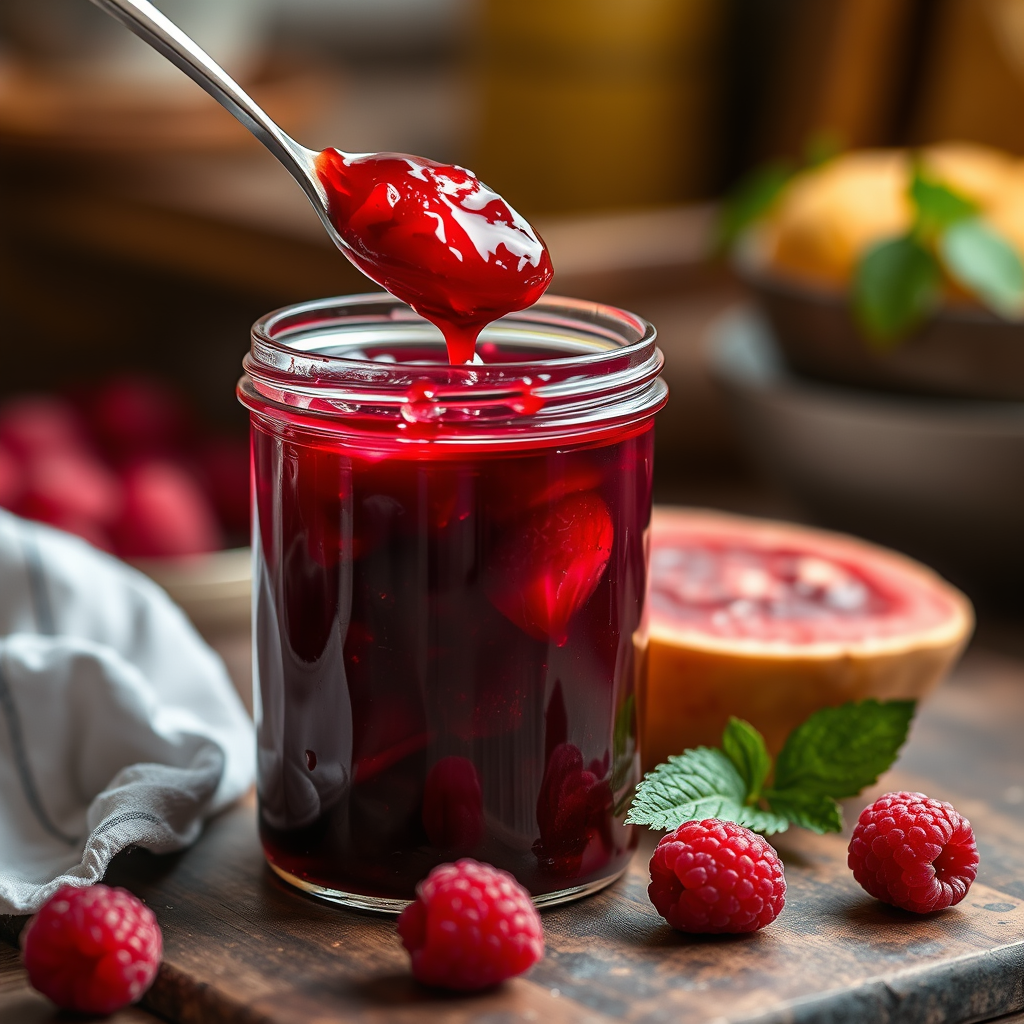
This guide is intended for home cooks who take pleasure in making preserves and wish to master the specific process of creating raspberry jam using pectin. Readers should possess a foundational understanding of kitchen tools and techniques, including accurate ingredient measurement and safe handling of boiling liquids. It is particularly suitable for individuals eager to preserve seasonal fruits or those who may have previously struggled with jam-making. However, complete novices in canning or food preservation might find this guide challenging and should consider introductory resources before diving into the recipe.
The Step-by-Step Protocol
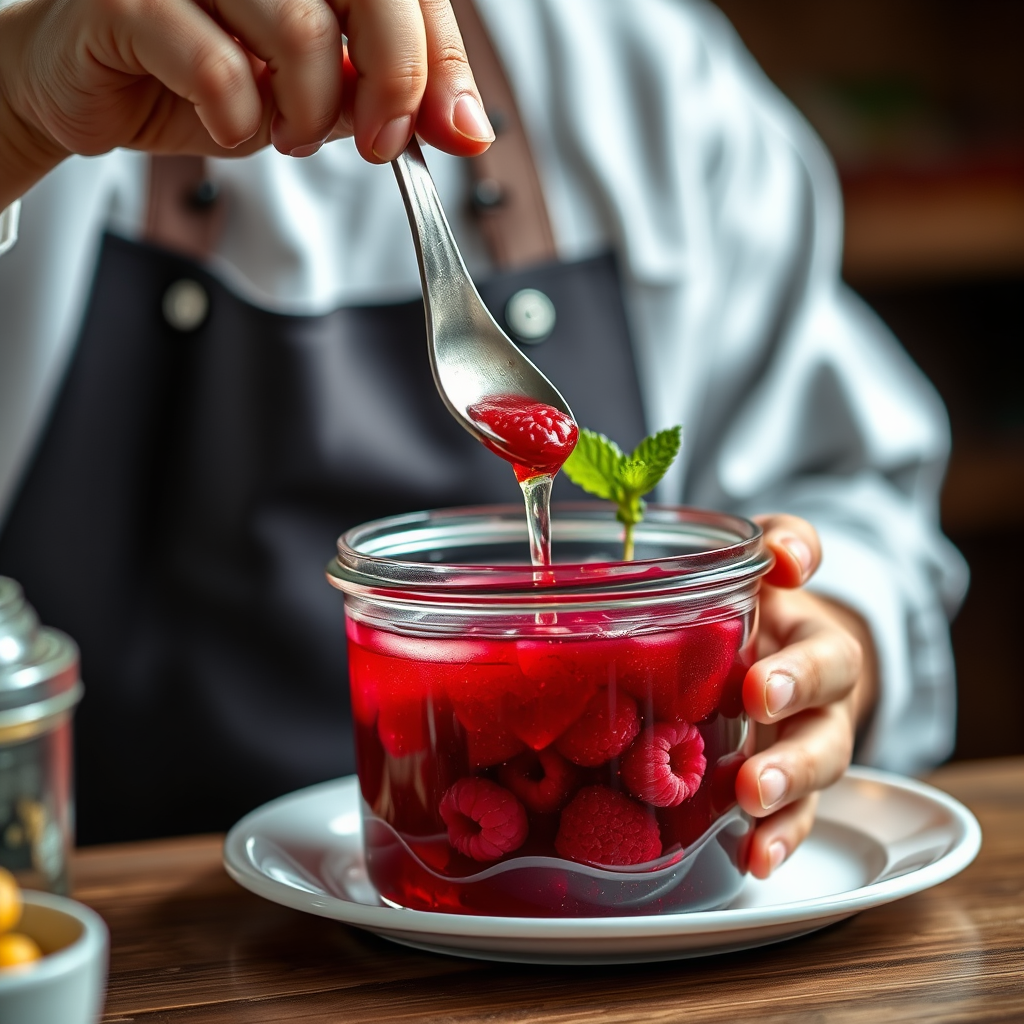
1. Prepare Ingredients: Gather 4 cups of fresh raspberries, 1 cup of granulated sugar, and 1 package (1.75 oz) of powdered pectin.
2. Sterilize Jars: Boil canning jars and lids in water for 10 minutes to sterilize; allow them to dry completely.
3. Macerate Raspberries: In a large bowl, crush the raspberries with a potato masher until you have a puree, measuring out 4 cups afterward.
4. Combine Ingredients: In a large pot, mix the raspberry puree, powdered pectin, and 1 cup of sugar. Stir thoroughly and bring to a rapid boil over medium-high heat.
5. Cook the Jam: Once boiling, stir constantly for 1-2 minutes until the mixture thickens; test consistency by placing a spoonful on a cold plate.
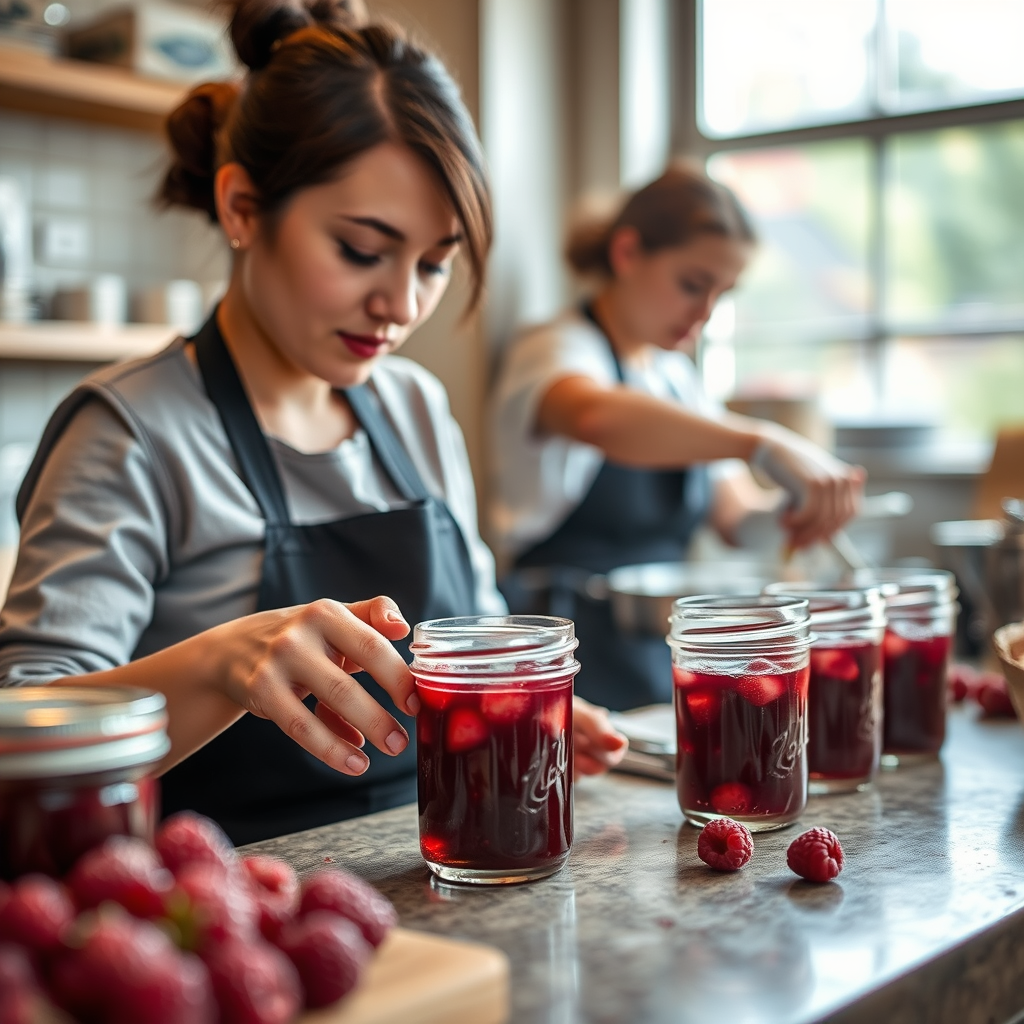
6. Fill Jars: Using a ladle, fill the sterilized jars with the hot jam, leaving 1/4-inch headspace, and wipe the rims clean before sealing with sterilized lids.
7. Process in Water Bath: Process jars in a boiling water bath for 10 minutes, ensuring the water covers the jars by at least 1 inch.
8. Cool and Store: Remove jars from water, allow to cool completely, and check seals before storing in a cool, dark place.
Raspberry Jam Key Ingredients and Their Functions
| # | Ingredient | Quantity | Function |
|---|---|---|---|
| 1 | Fresh Raspberries | 4 cups | Main flavor and natural pectin source |
| 2 | Granulated Sugar | 1 cup | Preserves sweetness and aids in gelling |
| 3 | Powdered Pectin | 1 package (1.75 oz) | Helps to thicken and set the jam |
| 4 | Water | As needed | Used for sterilization and canning process |
| 5 | Lemon Juice | Optional (1 tablespoon) | Enhances flavor and acidity for preservation |
Warning Signs: When Not to Follow This
Avoid this recipe if your raspberries are moldy, overripe, or improperly stored, as this can result in spoilage and unsafe consumption. Additionally, if you detect any off-smells or unusual colors in the jam post-cooking, do not consume it, as these are indicators of spoilage. It’s also wise to steer clear of recipes that suggest substitutions in pectin types or quantities, as these can lead to incorrect gelling and spoilage. Finally, if you’re uncertain about the safety or integrity of your canning equipment, do not proceed, as improper canning practices can result in foodborne illnesses.
The Most Common Mistakes (And Their Consequences)
– Incorrect Sugar Measurement: Using less sugar than specified may yield runny jam that fails to set properly, resulting in a syrup rather than a spreadable product.
– Skipping Sterilization: Neglecting to sterilize jars can introduce bacteria, leading to spoilage and potential health risks from consuming contaminated food.
– Not Using Enough Pectin: Employing the wrong type or insufficient amount of pectin can result in jam that does not gel, producing a liquid consistency unsuitable for spreading.
– Overcooking the Jam: Cooking the mixture for too long can cause caramelization, altering the flavor and texture, and making the jam overly thick and difficult to spread.
Special Cases That Need a Different Approach
If using frozen raspberries, ensure they are completely thawed and excess moisture is drained to achieve the right consistency before measuring for the recipe. For those living at high altitudes, be aware that adjustments in processing time may be necessary; increase the water bath time by one minute for every 1,000 feet above sea level. If you prefer a lower-sugar option, consider using low-sugar pectin and adjust the sugar content according to the package instructions, keeping in mind that this will affect shelf life. For added flavor variations, you might incorporate lemon juice (1 tablespoon) or zest, but be cautious, as this may alter the pH balance and gelling properties, requiring careful attention.
When You Need a Professional
If you experience an unexpected reaction after consuming homemade jam, such as nausea or gastrointestinal distress, consult a healthcare professional immediately. For individuals with specific dietary concerns or health conditions impacting their ability to consume high-sugar or high-acid foods, it’s wise to seek guidance from a registered dietitian. If you have questions about the safety of your canning methods or need clarification on food preservation regulations, reach out to your local cooperative extension office for expert advice. Lastly, if you notice jars that do not seal properly after processing (lids that pop back when pressed), refrain from consuming the contents and consult resources on reprocessing or safely discarding the jam.
Sources and Further Reading
– “The Complete Book of Home Preserving” by Ball® Canning; a comprehensive guide to home canning practices and recipes.
– USDA Complete Guide to Home Canning; offers detailed instructions on safe canning practices and techniques.
– National Center for Home Food Preservation (NCHFP); a reputable source for research-based canning recipes and food safety information.
– Pectin manufacturers’ guidelines (e.g., Sure-Jell) for specific instructions on using their products in jam-making recipes.
Frequently Asked Questions
What ingredients do I need for a raspberry jam recipe with pectin?
To make raspberry jam with pectin, you will need fresh raspberries, granulated sugar, and a fruit pectin product, such as Sure-Jell or Ball Pectin. Additionally, you may want to include lemon juice for acidity, which helps with the gelling process and enhances the flavor of the jam.
How do I make raspberry jam using pectin?
Start by washing and crushing the raspberries in a large pot. Then, mix the crushed fruit with sugar and pectin according to package instructions, bringing it to a boil. Stir continuously for about a minute until the mixture thickens, then pour it into sterilized jars and seal for preservation.
Why should I use pectin in my raspberry jam?
Pectin is a natural thickening agent that helps your raspberry jam set properly, resulting in a smooth and spreadable texture. Using pectin ensures that your jam achieves the right consistency quickly, allowing for a shorter cooking time and preserving the fresh flavor of the raspberries.
What is the best type of pectin to use for raspberry jam?
The best type of pectin for raspberry jam is typically a high-pectin variety like Sure-Jell or Ball Instant Pectin, as they are specifically designed for fruit preserves. These options provide reliable gelling and require less cooking time, making the jam preparation process more efficient.
Which common mistakes should I avoid when making raspberry jam with pectin?
Common mistakes include using overripe or underripe raspberries, which can affect the jam’s flavor and setting ability. Additionally, not measuring ingredients accurately or failing to follow the pectin package instructions can lead to poor results, such as runny jam. Always ensure your jars are properly sterilized to prevent spoilage.
References
- Fruit preserves
https://en.wikipedia.org/wiki/Jam - https://www.extension.purdue.edu/extmedia/FS/FS-88-W.pdf
https://www.extension.purdue.edu/extmedia/FS/FS-88-W.pdf - https://www.foodsafety.gov/food-safety-charts/jam-jelly-safety
https://www.foodsafety.gov/food-safety-charts/jam-jelly-safety - https://www.nal.usda.gov/legacy/legacy/welcome-our-web-site
https://www.nal.usda.gov/legacy/legacy/welcome-our-web-site - https://www.uga.edu/extension/publications/food-preservation/
https://www.uga.edu/extension/publications/food-preservation/ - https://www.mayoclinic.org/healthy-lifestyle/nutrition-and-healthy-eating/in-depth/jam-and-jelly-safety/art-20045120
https://www.mayoclinic.org/healthy-lifestyle/nutrition-and-healthy-eating/in-depth/jam-and-jelly-safety/art-20045120 - ODA : Welcome Page : State of Oregon
https://www.oregon.gov/oda/shared/Documents/Publications/FoodSafety/PreservingJamsJellies.pdf - https://www.extension.iastate.edu/publications/pm1176.pdf
https://www.extension.iastate.edu/publications/pm1176.pdf - Google Scholar Google Scholar
https://scholar.google.com/scholar?q=raspberry+jam+recipe+with+pectin - Google Scholar Google Scholar
https://scholar.google.com/scholar?q=homemade+raspberry+jam+pectin+recipe