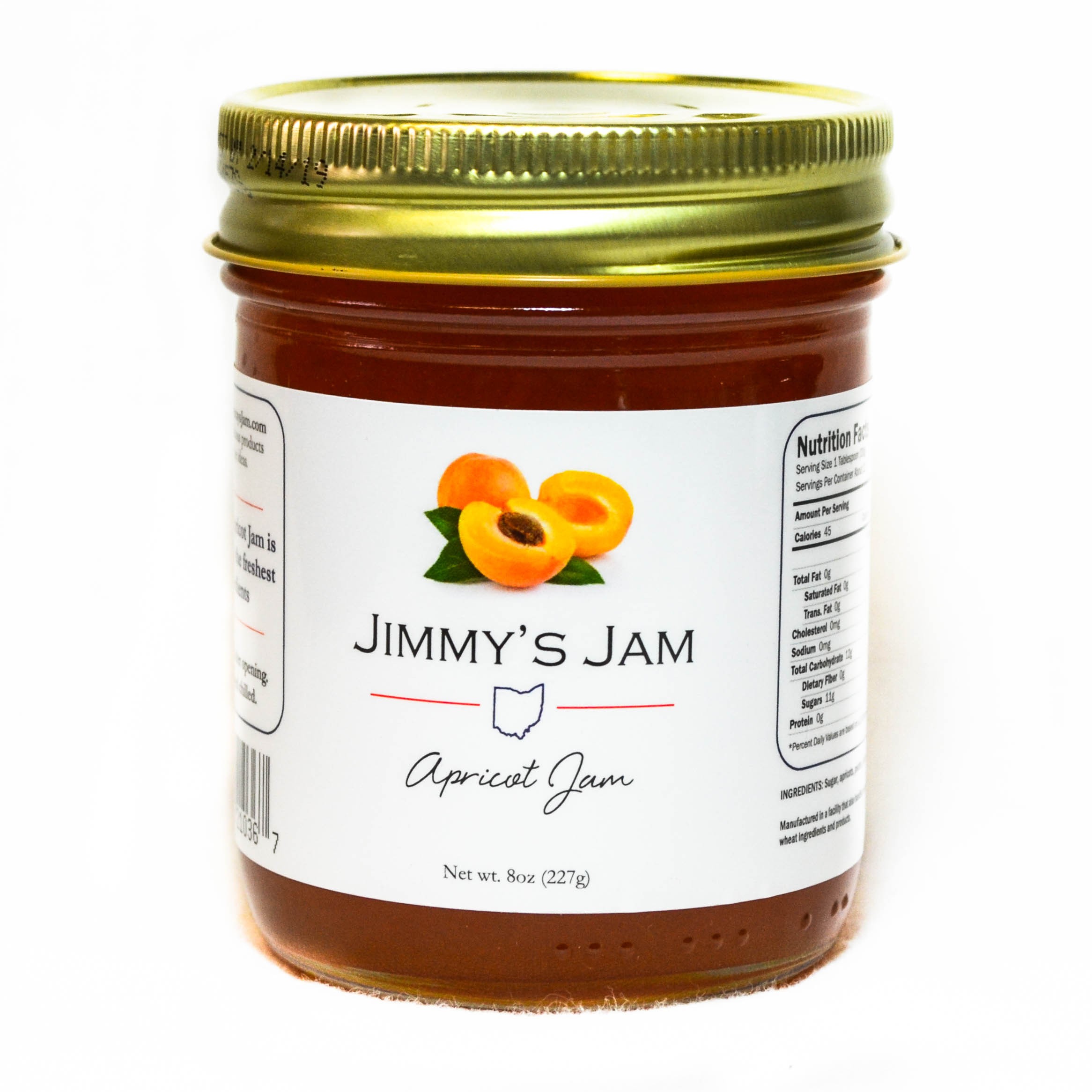
Mastering the recipe for apricot jam at home requires precise techniques and safety protocols to ensure both flavor and preservation. This expert guide delivers step-by-step instructions, from selecting the ripest apricots to achieving the perfect jam consistency. Understanding the importance of proper canning methods will help you create delicious, shelf-stable preserves while minimizing the risk of foodborne illness.
What This Guide Covers (And What It Doesn’t)

This guide presents a thorough, step-by-step method for crafting apricot jam at home while employing safe food preservation techniques. It includes precise ingredient measurements and processing times, focusing on the essential steps for selecting, preparing, and canning apricots to guarantee a delicious and shelf-stable product. However, this guide does not delve into other types of fruit jams, alternative preservation methods like freezing, or advanced techniques such as low-sugar or no-sugar recipes.
Who Should Read This
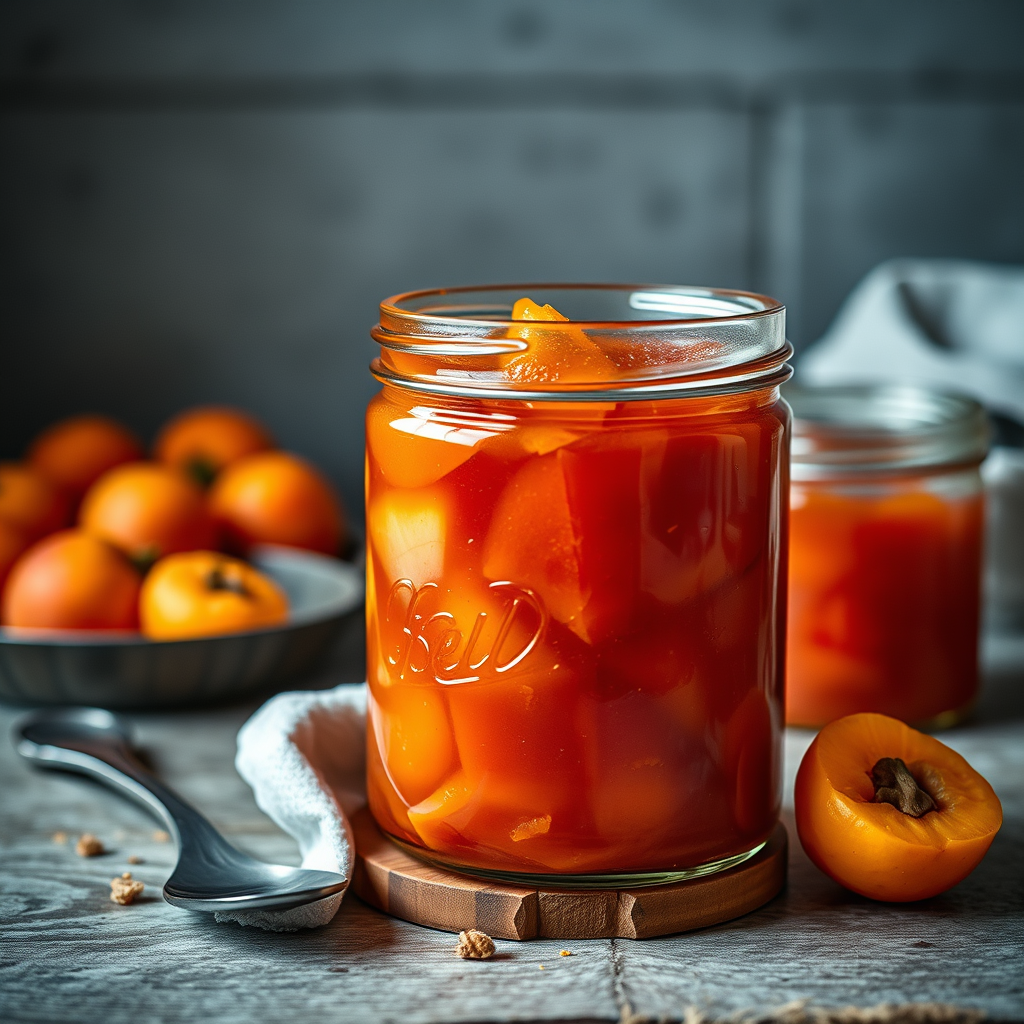
This guide is designed for home cooks with basic kitchen skills who are interested in food preservation, especially those aiming to make apricot jam for personal enjoyment or as gifts. It caters to individuals eager to learn safe canning practices and grasp the science behind jam-making, ensuring they produce a high-quality product. Conversely, this guide is not suitable for those seeking commercial jam production advice or for individuals without access to the necessary canning equipment and supplies.
The Step-by-Step Protocol
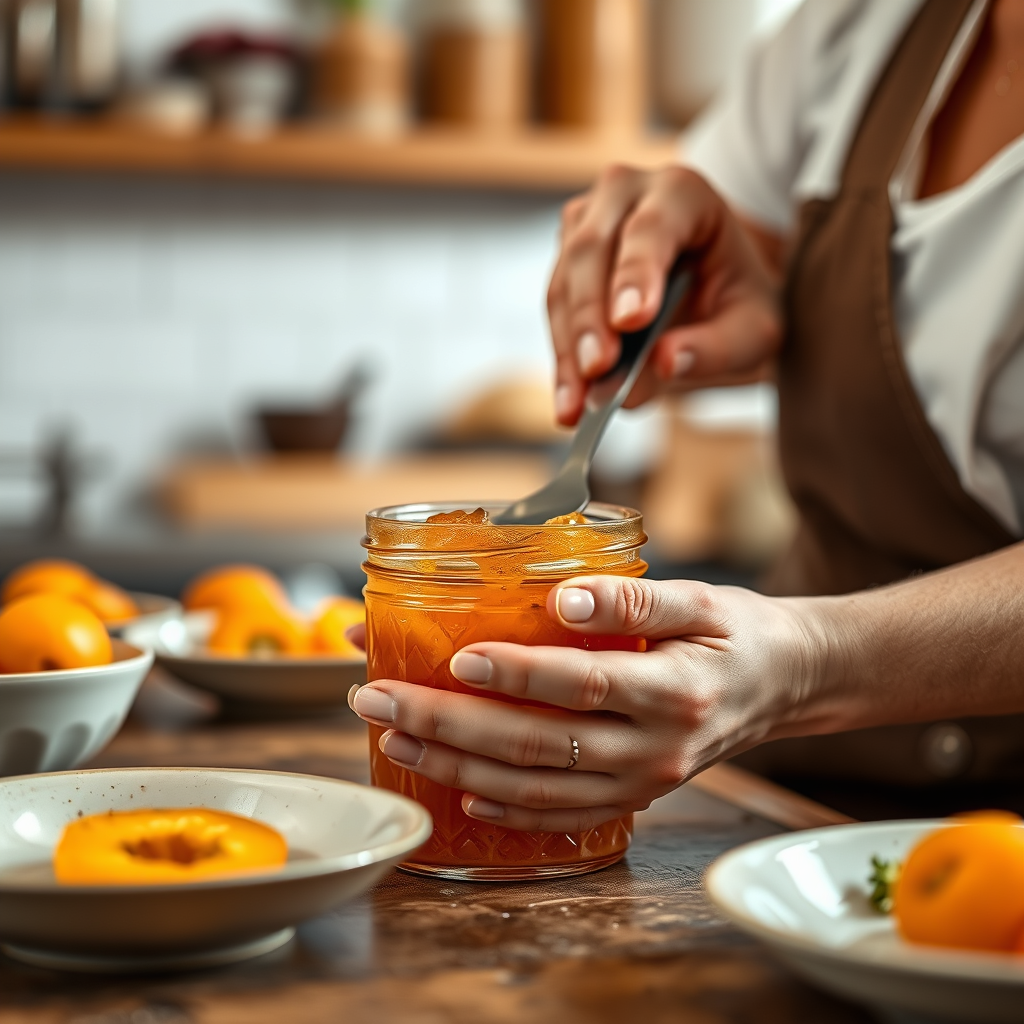
1. Select Fresh Apricots: Begin with 2 pounds of ripe, firm apricots, steering clear of any that are overly soft or blemished. Look for apricots with a bright orange hue and a sweet aroma.
2. Prepare the Apricots: Rinse the apricots thoroughly under cold running water to eliminate dirt and pesticide residues. Remove the pits and chop the apricots into small pieces, roughly 1/4 inch in size. This will enhance flavor extraction during the cooking process.
3. Measure Ingredients: In a large, heavy-bottomed pot, combine the chopped apricots with 1.5 cups of granulated sugar and the juice of one lemon (approximately 1/4 cup). The acidity from the lemon is vital for both flavor enhancement and achieving a proper set.
4. Cook the Mixture: Over medium heat, gently bring the mixture to a boil, stirring frequently until the sugar completely dissolves. Once dissolved, increase the heat and boil for 15-20 minutes. Use a food thermometer to monitor the temperature; the jam should reach the gel stage at 220°F (104°C), indicating that it has thickened properly.
5. Jar the Jam: Sterilize your canning jars and lids by boiling them in water for 10 minutes. Carefully fill the hot jars with the jam, leaving 1/4 inch of headspace at the top. Wipe the rims of the jars with a clean, damp cloth to eliminate any residue that could interfere with sealing.
6. Process the Jars: Process the jars in a boiling water bath for 10 minutes. Ensure that the water covers the jars by at least an inch. Adjust the processing time for altitude: increase by 1 minute for each 1,000 feet above sea level.
7. Cool and Store: After processing, remove the jars from the water bath and let them cool on a clean towel, leaving them undisturbed for 24 hours. Once cooled, check the seals by pressing the center of each lid; if it does not pop back, the jar is sealed properly. Store sealed jars in a cool, dark place for up to one year.
Nutritional Values of Apricot Jam per 100g
| # | Nutrient | Amount | % Daily Value |
|---|---|---|---|
| 1 | Calories | 250 | 12.5% |
| 2 | Total Fat | 0g | 0% |
| 3 | Sodium | 1mg | 0% |
| 4 | Total Carbohydrates | 64g | 21% |
| 5 | Dietary Fiber | 1g | 4% |
| 6 | Sugars | 60g | N/A |
| 7 | Protein | 1g | 2% |
| 8 | Vitamin C | 5mg | 6% |
| 9 | Calcium | 10mg | 1% |
| 10 | Iron | 0.7mg | 4% |
Warning Signs: When Not to Follow This
– If you observe any signs of spoilage in the apricots, such as mold or an off smell, do not proceed with the recipe, as this could compromise the safety of the jam.
– Avoid making the jam if you lack access to proper canning equipment, such as a pressure canner or boiling water bath; these tools are essential for ensuring food safety.
– Refrain from attempting this recipe if you cannot accurately measure the temperature of the jam mixture, as reaching the proper gel stage is crucial for safe preservation.
The Most Common Mistakes (And Their Consequences)
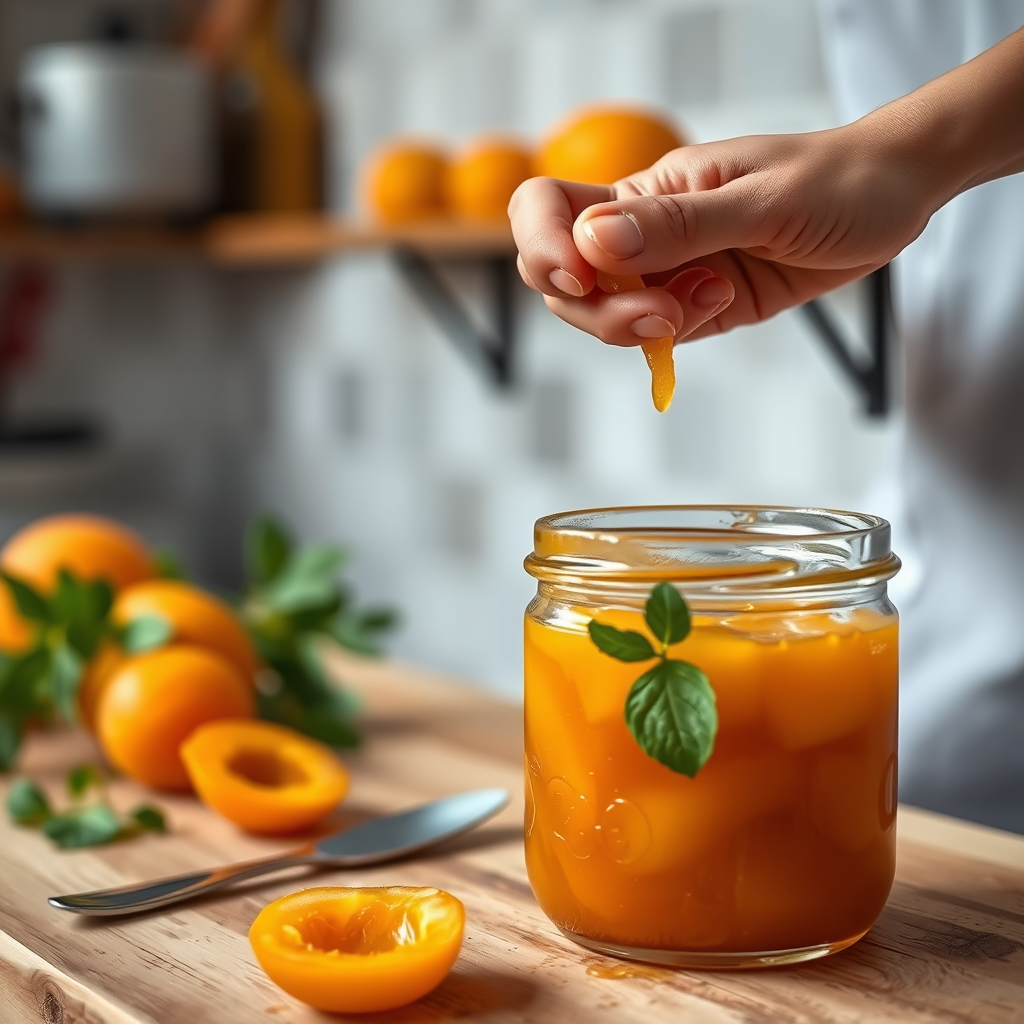
– Inadequate sterilization of jars can lead to contamination and spoilage, resulting in unsafe jam that poses health risks.
– Insufficient sugar can prevent the jam from setting correctly, resulting in a runny consistency that does not preserve well.
– Skipping the boiling water bath process may result in improperly sealed jars, allowing harmful bacteria to proliferate in poorly stored jam.
Special Cases That Need a Different Approach
– To create low-sugar apricot jam, use a pectin designed for low-sugar recipes and adjust the sugar quantity to 1 cup, following the specific instructions on the pectin package.
– For those with dietary restrictions, using alternative sweeteners may necessitate different processing times and methods; be sure to consult specific guidelines for sugar substitutes.
– If you are working with frozen apricots, ensure they are fully thawed and that excess moisture is removed before starting the jam-making process, as this can affect texture and preservation quality.
When You Need a Professional
– If you notice any signs of fermentation (bubbling or off-gassing) in your jam, discard it immediately and seek advice from a local food safety expert or extension service.
– In cases of severe allergies or food sensitivities related to the recipe’s ingredients, consultation with a food scientist may be advisable.
– If you are uncertain about the safety of your canning process or have questions regarding specific food preservation laws in your area, seek guidance from a certified food preservation specialist.
Sources and Further Reading
– “So Easy to Preserve” by the University of Georgia Cooperative Extension offers detailed canning guidelines and recipes.
– The USDA Complete Guide to Home Canning provides comprehensive information on safe canning practices and processing times for various foods.
– Resources from the National Center for Home Food Preservation (NCHFP) include up-to-date research on home canning, along with safety tips for making fruit preserves.
Frequently Asked Questions
What ingredients do I need for a basic apricot jam recipe?
To make a basic apricot jam, you will need fresh apricots, granulated sugar, lemon juice, and pectin. Typically, the ratio is about 2 pounds of apricots to 4 cups of sugar and the juice of one lemon, along with the appropriate amount of pectin as per the package instructions. This combination will ensure a sweet and tangy flavor, perfect for spreading on toast or using in desserts.
How do I prepare apricots for making jam?
To prepare apricots for jam, start by washing them thoroughly and then halving the fruits to remove the pits. You can leave the skins on for added texture and flavor, or peel them if you prefer a smoother jam. After pitting and halving, chop the apricots into smaller pieces to facilitate even cooking and better jam consistency.
Why is pectin important in apricot jam recipes?
Pectin is essential in apricot jam recipes because it acts as a thickening agent that helps the jam set properly. Without pectin, the jam may remain runny and not achieve the desired spreadable consistency. Many fruits, including apricots, have natural pectin, but adding commercial pectin can ensure a quicker and more reliable gelling process.
What is the best way to store homemade apricot jam?
The best way to store homemade apricot jam is to keep it in sterilized glass jars, ensuring they are sealed tightly. Once opened, store the jam in the refrigerator where it can last for up to three weeks. For longer storage, you can process the jars in a water bath canner, which allows you to keep the jam in a cool, dark place for up to a year.
Which tools do I need to make apricot jam at home?
To make apricot jam at home, you’ll need a large pot for cooking the jam, measuring cups for accurate ingredient portions, and a ladle for filling jars. Additionally, having a food thermometer is helpful to ensure that the jam reaches the correct temperature for proper gelling. A jar lifter can also make transferring hot jars safer and easier.
References
- Fruit preserves
https://en.wikipedia.org/wiki/Jam - https://pubmed.ncbi.nlm.nih.gov/22585102/
https://pubmed.ncbi.nlm.nih.gov/22585102/ - Relative Density of Away from Home Food Establishments and Food Spend for 24,047 Households in En…
https://www.ncbi.nlm.nih.gov/pmc/articles/PMC6313448/ - https://www.sciencedirect.com/topics/food-science/apricot-jam
https://www.sciencedirect.com/topics/food-science/apricot-jam - https://www.britannica.com/topic/jam
https://www.britannica.com/topic/jam - Structure based analysis of KATP channel with a DEND syndrome mutation in murine skeletal muscle …
https://www.nature.com/articles/s41598-021-86121-5 - Google Scholar Google Scholar
https://scholar.google.com/scholar?q=apricot+jam+recipe - Google Scholar Google Scholar
https://scholar.google.com/scholar?q=making+apricot+jam - Google Scholar Google Scholar
https://scholar.google.com/scholar?q=apricot+preservation+methods - https://www.verywellfit.com/apricot-jam-recipe-5084822
https://www.verywellfit.com/apricot-jam-recipe-5084822