Master the art of safely canning plum jam with our complete expert guide, designed for both novice and seasoned preservers. This step-by-step protocol ensures you achieve delicious, shelf-stable plum jam while adhering to essential food safety standards. Proper techniques not only enhance flavor but also prevent spoilage, making this guide an indispensable resource for your canning success.
What This Guide Covers (And What It Doesn’t)
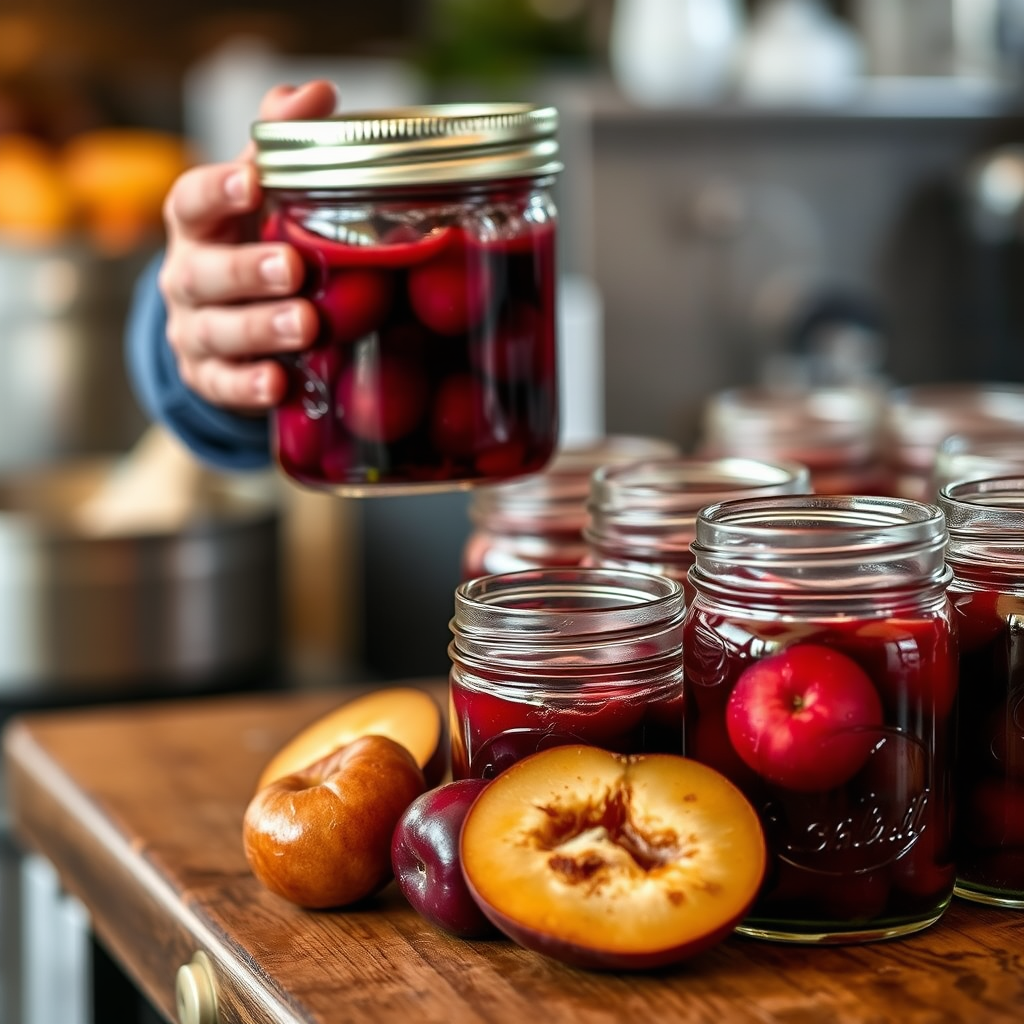
This guide offers a thorough, step-by-step protocol for safely canning plum jam, detailing ingredient measurements, cooking times, and proper storage methods. Our focus is on ensuring the safety and quality of home-canned plum jam, all while adhering to established food preservation standards. While it provides invaluable insights for this specific recipe, it does not explore other types of jams or alternative preservation methods such as freezing or drying. This guide is tailored for home canners with basic kitchen skills who are familiar with canning terminology and techniques, rather than those seeking general cooking advice.
Who Should Read This
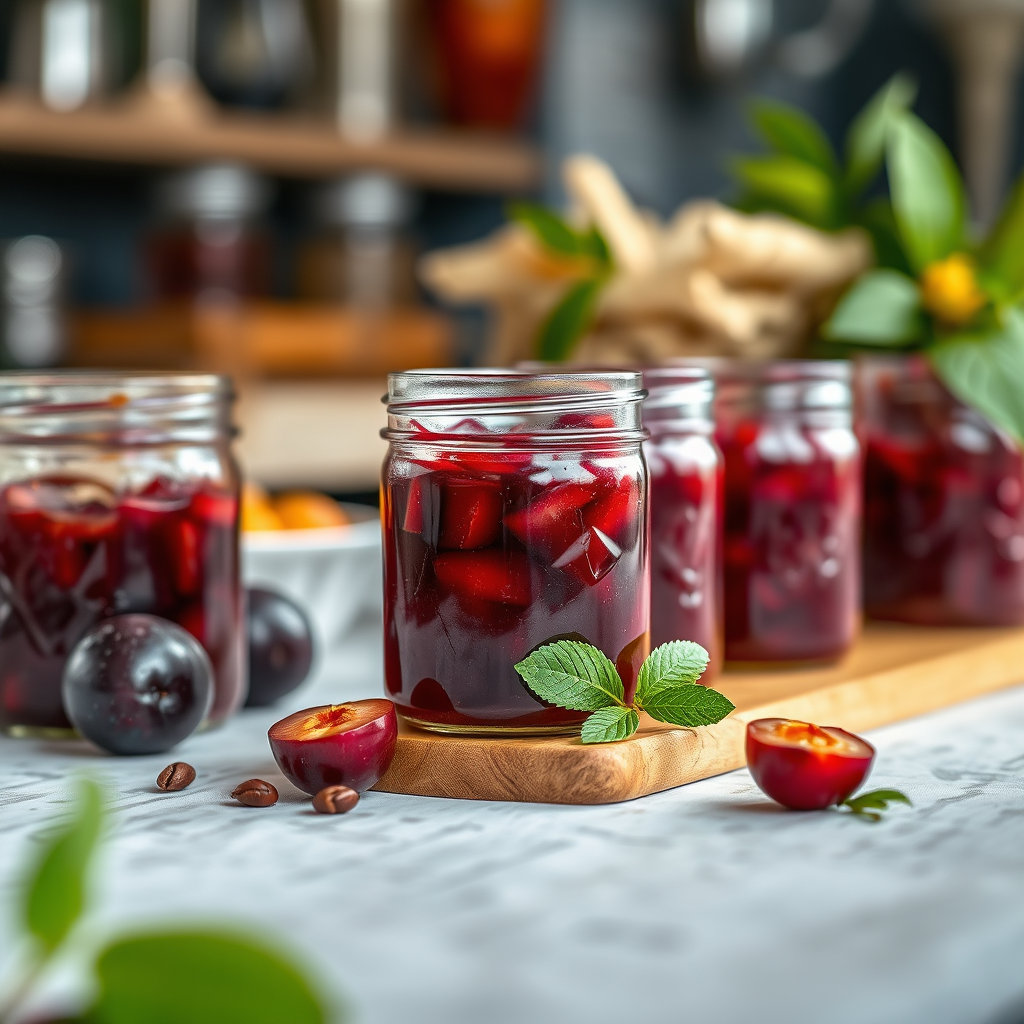
This guide is designed for home canners with some prior experience who are eager to refine their skills specifically in making plum jam. Those interested in preserving seasonal fruits while ensuring the safety and longevity of their canned goods will find it particularly beneficial. Individuals with specific dietary needs or preferences, such as low-sugar or pectin-free recipes, may need to consult alternative resources that cater to those requirements.
The Step-by-Step Protocol
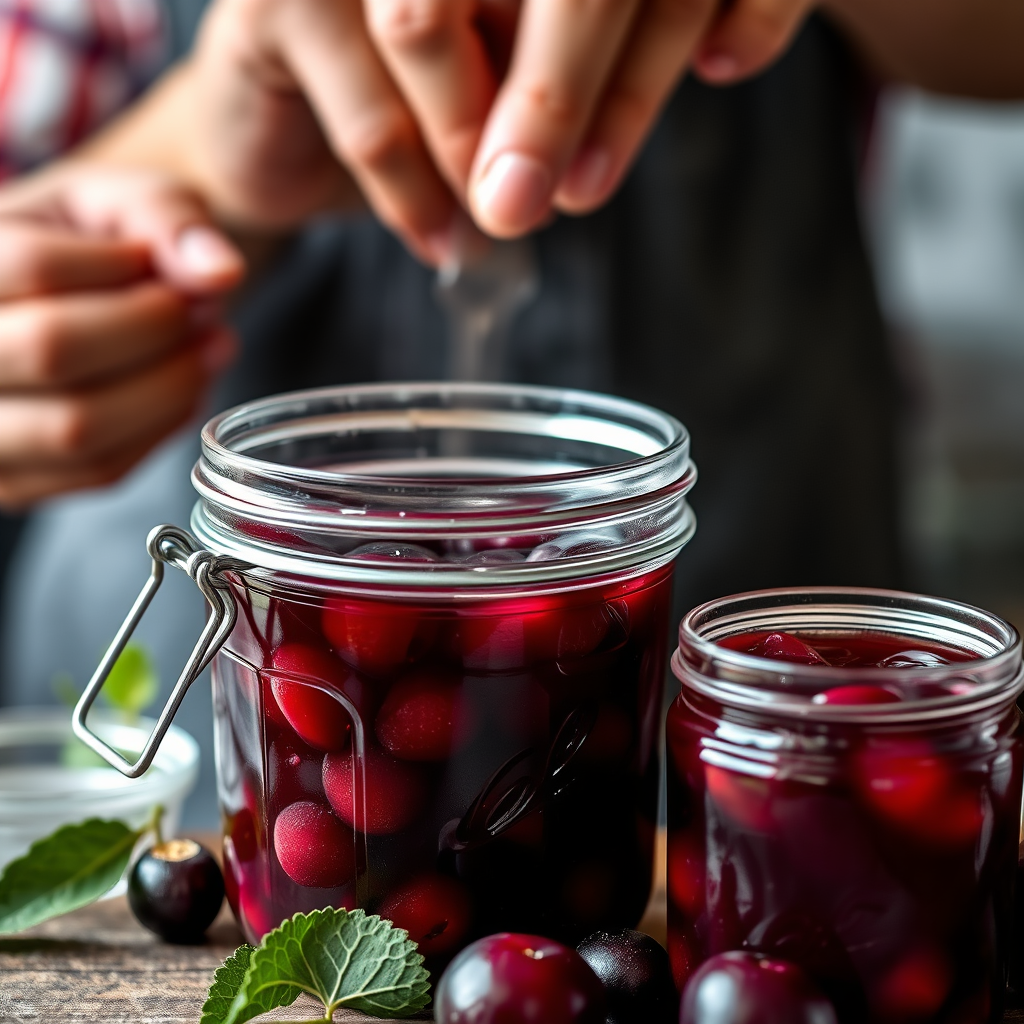
1. Gather Ingredients and Equipment:
– Collect 2 pounds of ripe plums, 1.5 cups of granulated sugar, and 1/4 cup of lemon juice.
– Assemble necessary canning supplies: a water bath canner, 4 (8-ounce) sterilized jars with lids, a jar lifter, a ladle, a funnel, and a clean cloth.
2. Prepare the Plums:
– Wash the plums thoroughly under running water to remove any dirt or residues.
– Pit and chop the plums into small pieces. Measure out 4 cups of chopped plums, ensuring they are free from blemishes and overripe sections.
3. Cook the Jam:
– In a large pot, combine the chopped plums, lemon juice, and sugar. Stir gently over medium heat until the sugar has completely dissolved.
– Bring the mixture to a rolling boil, maintaining this boil for 10 minutes, stirring frequently to prevent sticking and burning. Keep a close watch as the jam thickens.
4. Jar the Jam:
– After cooking, remove the pot from heat. Ladle the hot jam into the sterilized jars, leaving a 1/4 inch headspace at the top of each jar.
– Wipe the rims of the jars with a clean, damp cloth to eliminate any residue that could hinder a proper seal.
5. Seal and Process:
– Place the lids on the jars and screw on the rings until fingertip-tight—avoid over-tightening, as this can interfere with sealing.
– Process the jars in a boiling water bath for 10 minutes, ensuring the water covers the jars by at least 1 inch. If you are at an altitude above 1,000 feet, increase the processing time by 1 minute for every additional 1,000 feet.
6. Cool and Store:
– Carefully remove the jars from the water bath using a jar lifter and place them on a clean towel to cool completely.
– After 24 hours, check the seals by pressing down in the center of each lid; if it clicks back, the jar has not sealed properly. Store sealed jars in a cool, dark place for up to one year. If any jars did not seal, refrigerate and use them within a few weeks.
Nutritional Comparison of Homemade Plum Jam (Per 1 Tbsp)
| # | Nutrient | Amount | % Daily Value |
|---|---|---|---|
| 1 | Calories | 50 | 2% |
| 2 | Total Carbohydrates | 13g | 4% |
| 3 | Sugars | 12g | — |
| 4 | Total Fat | 0g | 0% |
| 5 | Sodium | 0mg | 0% |
| 6 | Vitamin C | 1mg | 2% |
| 7 | Calcium | 0mg | 0% |
| 8 | Iron | 0mg | 0% |
| 9 | Potassium | 30mg | 1% |
| 10 | Dietary Fiber | 0g | 0% |
Warning Signs: When Not to Follow This
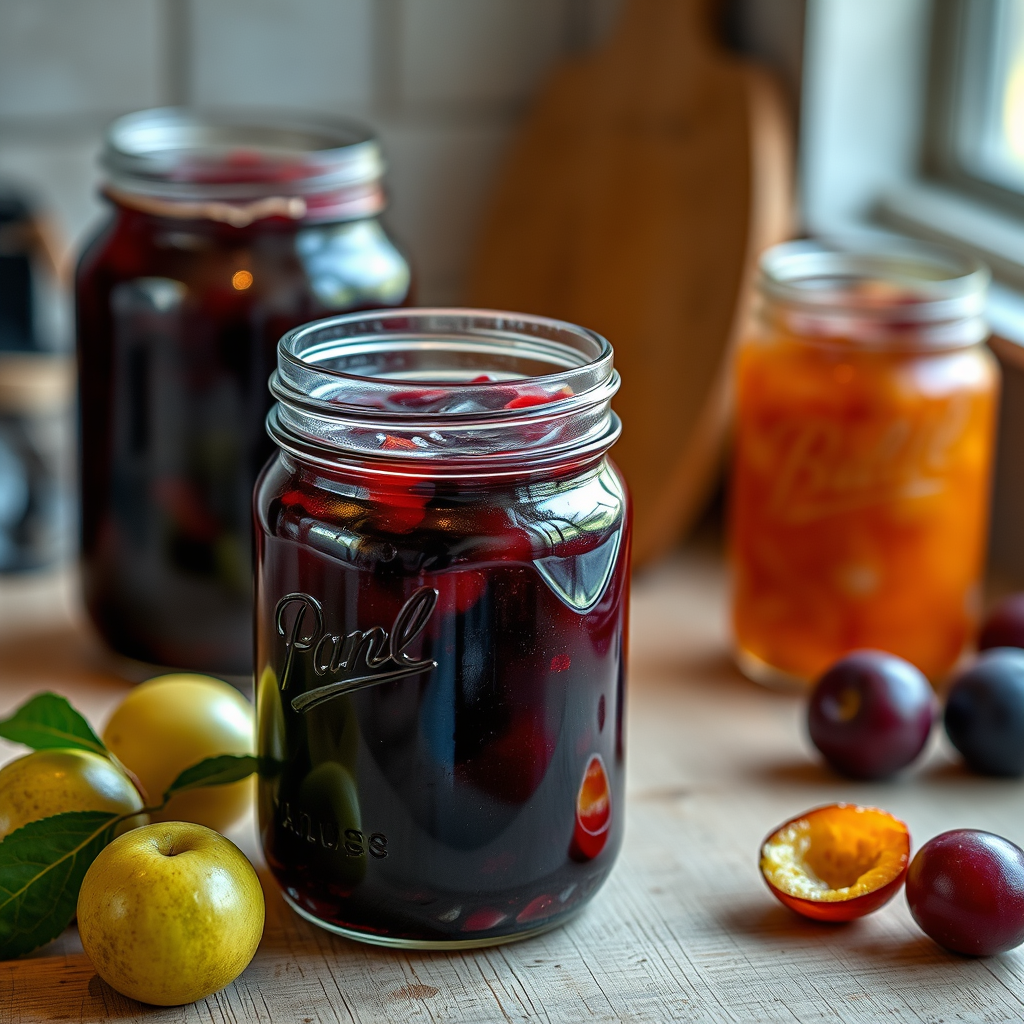
– If the plums are overripe or moldy, do not use them, as this can jeopardize the safety of the final product.
– Avoid canning if you do not have the proper equipment, especially a water bath canner, which is essential for safe preservation.
– If you are uncertain about the safety of your canning process or notice that jars do not seal properly after cooling, do not consume the jam.
The Most Common Mistakes (And Their Consequences)
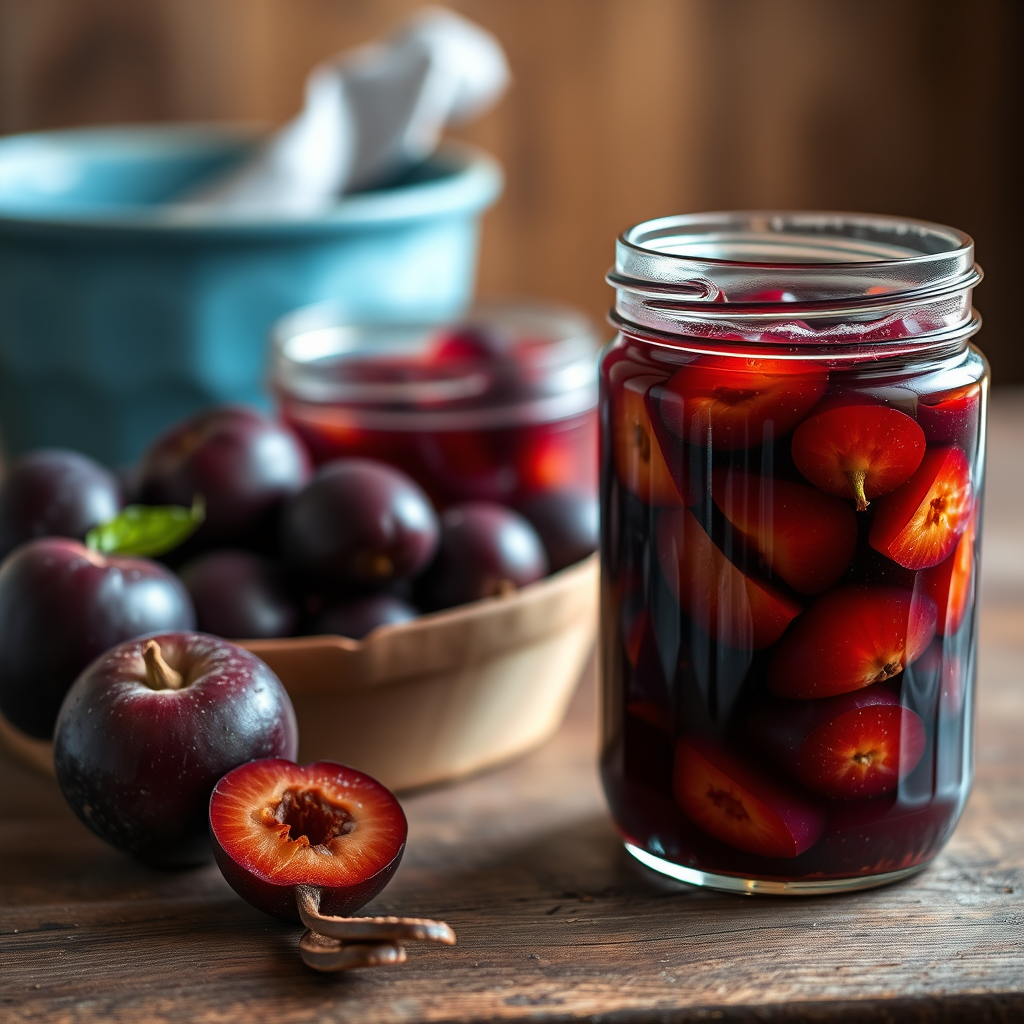
– Using unripe or spoiled plums can compromise flavor and texture, increasing the risk of spoilage. This could result in jam that ferments or develops off-flavors.
– Inaccurate sugar measurements can lead to a jam that fails to set properly, resulting in a syrupy consistency rather than a spreadable texture.
– Neglecting to process jars for the correct duration may produce under-processed jam, potentially harboring bacteria and leading to foodborne illness.
Special Cases That Need a Different Approach
– For those with dietary restrictions, such as diabetes, consider using alternative sweeteners or low-sugar pectin specifically designed for canning. This will alter both the texture and sweetness of the jam, necessitating adjustments in cooking time.
– If using a pressure canner instead of a water bath, adhere to specific guidelines for processing times and pressures, as fruit preserves require different handling. Refer to USDA guidelines for precise information.
– When canning at high altitudes (over 1,000 feet), adjust processing times in accordance with USDA guidelines to ensure food safety. For instance, increase the processing time by 1 minute for every additional 1,000 feet.
When You Need a Professional
– If you have questions about the safety of your canning method or ingredients, particularly concerning allergic reactions or health concerns, consult a certified food preservation expert.
– In cases of jar spoilage, or if jars fail to seal properly, do not consume the contents and seek guidance from local extension services or canning professionals.
– Should you experience any adverse reactions after consuming home-canned products, such as gastrointestinal distress, seek medical attention immediately.
Sources and Further Reading
– USDA Complete Guide to Home Canning: A definitive source for safe canning practices and recipes.
– National Center for Home Food Preservation: Provides research-based guidelines for home canning and preservation.
– Ball Blue Book Guide to Preserving: A widely recognized resource for canning techniques and recipes, including fruit jams and jellies.
By diligently following these structured steps and adhering to safety guidelines, you can successfully create delicious and safe plum jam to enjoy throughout the year. Happy canning!
Frequently Asked Questions
What ingredients do I need for a plum jam canning recipe?
To make plum jam, you’ll need ripe plums, granulated sugar, lemon juice, and pectin. The plums should be washed and pitted, while the sugar and lemon juice help to balance the sweetness and acidity, ensuring proper preservation during the canning process.
How do I properly can plum jam to ensure it’s safe for long-term storage?
To safely can plum jam, start by sterilizing your jars and lids in boiling water. After cooking the jam to the desired consistency, pour it into the hot jars, leaving a 1/4 inch headspace. Seal the jars with lids and process them in a boiling water bath for about 10 minutes to eliminate bacteria and create a vacuum seal.
Why is it important to use pectin in my plum jam canning recipe?
Pectin is a natural thickening agent that helps your plum jam achieve the right consistency and gel-like texture. Without pectin, the jam may remain too runny, and it may not set properly, affecting both the flavor and shelf stability of your canned plum jam.
What is the best type of plums to use for making jam?
The best plums for making jam are those that are ripe and sweet, such as Santa Rosa or Stanley plums. These varieties have a high sugar content and good flavor, which results in a more delicious and well-set jam. Ensure they are free of bruises for the best quality.
Which canning method is recommended for plum jam to preserve flavor and quality?
The water bath canning method is recommended for plum jam as it effectively preserves flavor and quality. This method involves submerging filled jars in boiling water, which helps to kill any bacteria and ensures a proper seal, allowing your plum jam to stay fresh for up to a year when stored in a cool, dark place.
References
- Fruit preserves
https://en.wikipedia.org/wiki/Jam - https://extension.umn.edu/preserving-and-preparing/plum-jam
https://extension.umn.edu/preserving-and-preparing/plum-jam - https://nchfp.uga.edu/how/can_07/plum_jam.html
https://nchfp.uga.edu/how/can_07/plum_jam.html - Predicting site locations for biomass using facilities with Bayesian methods | US Forest Service …
https://www.fs.usda.gov/treesearch/pubs/53873 - https://www.cdc.gov/foodsafety/communication/canning.html
https://www.cdc.gov/foodsafety/communication/canning.html - Functional mapping of the magnocellular and parvocellular subdivisions of human LGN – PMC
https://www.ncbi.nlm.nih.gov/pmc/articles/PMC4353611/ - Google Scholar Google Scholar
https://scholar.google.com/scholar?q=plum+jam+canning+recipe - Google Scholar Google Scholar
https://scholar.google.com/scholar?q=canning+plum+jam - Google Scholar Google Scholar
https://scholar.google.com/scholar?q=preserving+plum+jam - https://www.ars.usda.gov/ARSUserFiles/30200500/Preserving_Fruit.pdf
https://www.ars.usda.gov/ARSUserFiles/30200500/Preserving_Fruit.pdf