Learn how to safely make kumquat jam with this expert guide that details every step of the process. This comprehensive resource is designed for both novice and seasoned canners, covering essential techniques and safety protocols to ensure your jam is delicious and safe to consume. Mastering these methods not only enhances flavor but also preserves the integrity of your ingredients, making your kumquat jam a standout addition to any pantry.
What This Guide Covers (And What It Doesn’t)

This guide offers a thorough exploration of kumquat jam-making, detailing everything from selecting the freshest kumquats to cooking techniques and bottling methods for optimal preservation. It encompasses the entire process, ensuring both safety and quality throughout. However, it does not delve into variations of kumquat jam, alternative fruit preservation methods, or recipes involving other fruits or jams. Readers seeking unconventional techniques or those less interested in safe canning practices might find this guide less relevant.
Who Should Read This
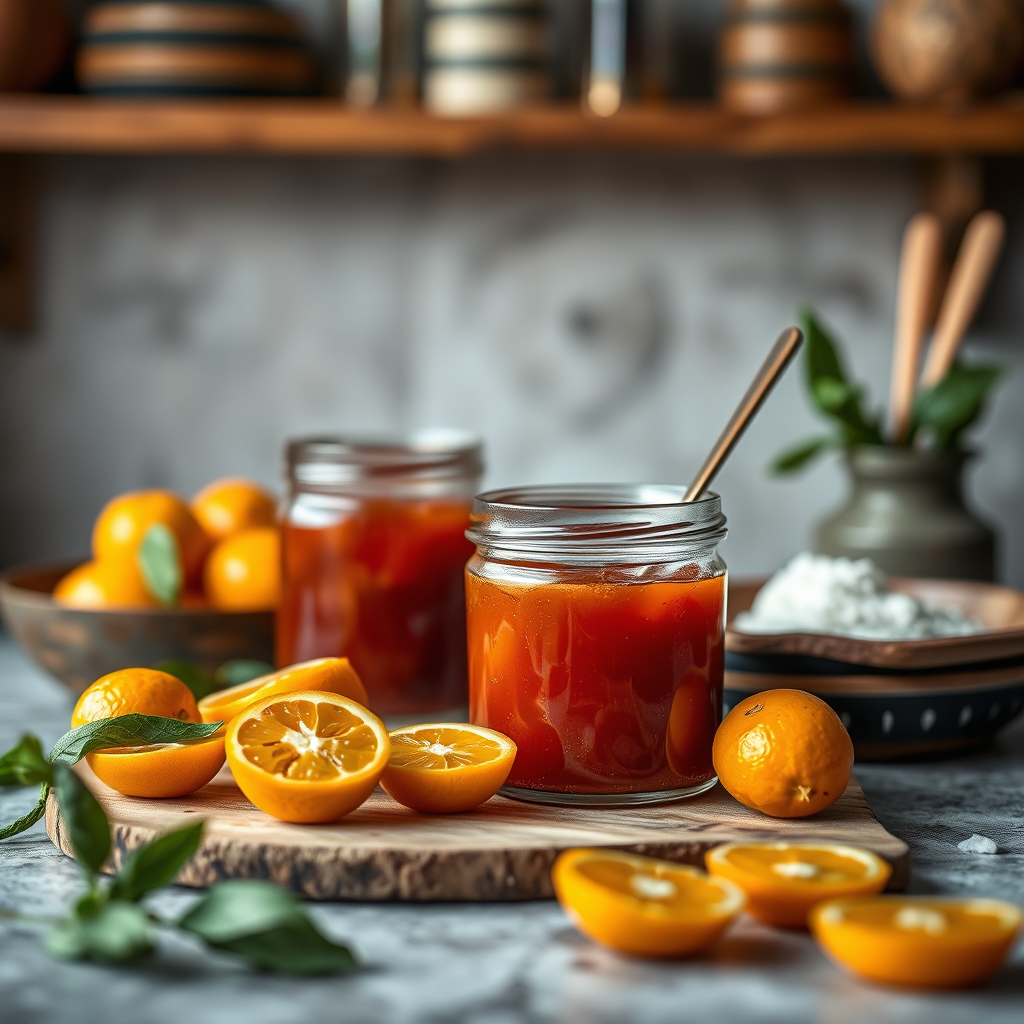
Designed for home cooks with a basic understanding of canning and preserving, this guide aims to elevate your skills specifically with kumquats. It caters to individuals keen on transforming seasonal fruits into homemade preserves, especially those who enjoy unique flavors and artisanal foods. Even those new to jam-making can benefit from this guide, as it provides foundational techniques essential for safe and successful preservation. However, if you have allergies to citrus fruits or specific dietary restrictions regarding sugar or preservatives, this guide may not be suitable for you.
The Step-by-Step Protocol
1. Gather Ingredients: You’ll need 1 pound of fresh kumquats, 2 cups of granulated sugar, and 1 cup of water. Ensure all ingredients are measured accurately; using a kitchen scale for the kumquats will yield the best results.
2. Prepare Kumquats: Rinse kumquats thoroughly under cold water to eliminate any dirt or pesticide residue. Slice them into quarters, discarding any visible seeds. This should yield approximately 2 cups of prepared fruit.
3. Cook the Jam: In a large pot, combine the sliced kumquats, sugar, and water. Bring the mixture to a boil over medium heat, stirring occasionally to dissolve the sugar. Cook for 30-40 minutes, or until it thickens, and keep a close eye on the consistency to prevent burning.
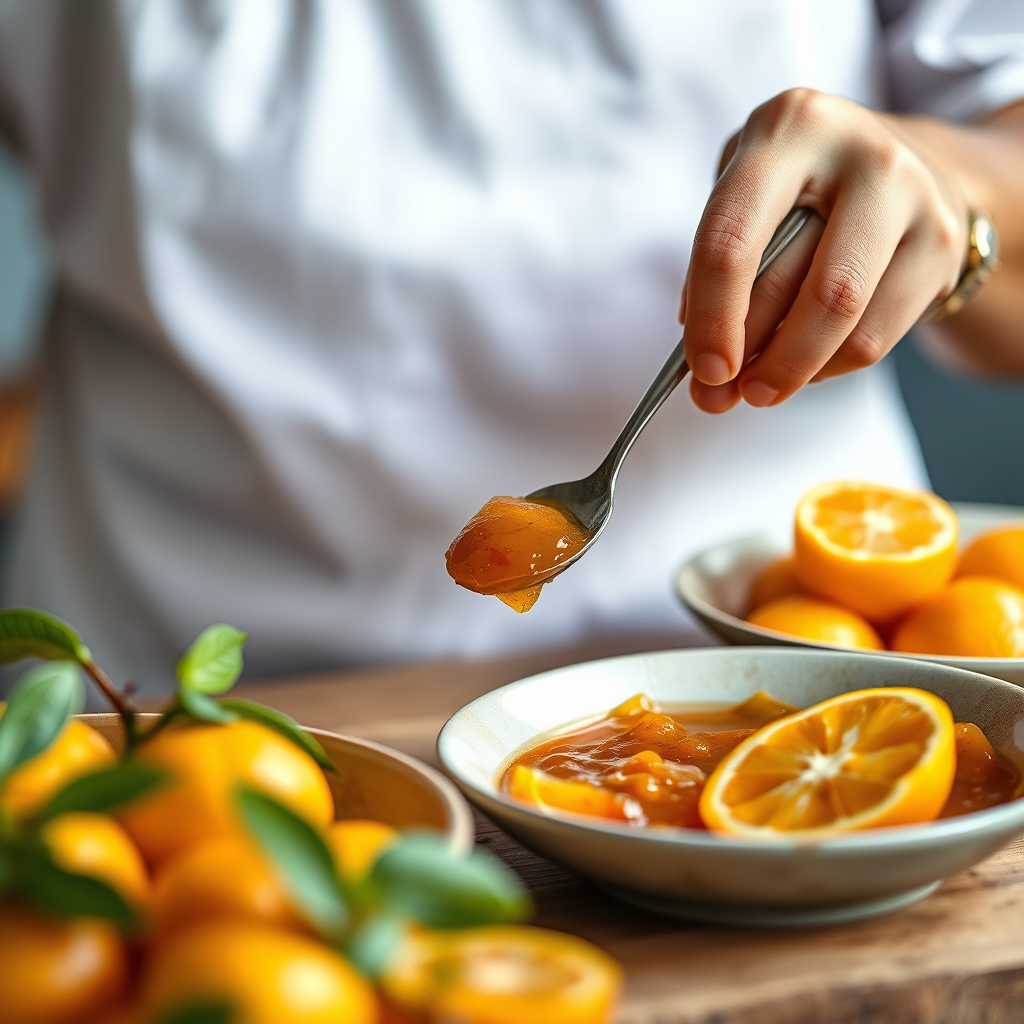
4. Test for Consistency: Drop a small spoonful of jam onto a cold plate. After a minute, run your finger through it; the jam should hold its shape. If it runs together, continue boiling for an additional 5-10 minutes before testing again.
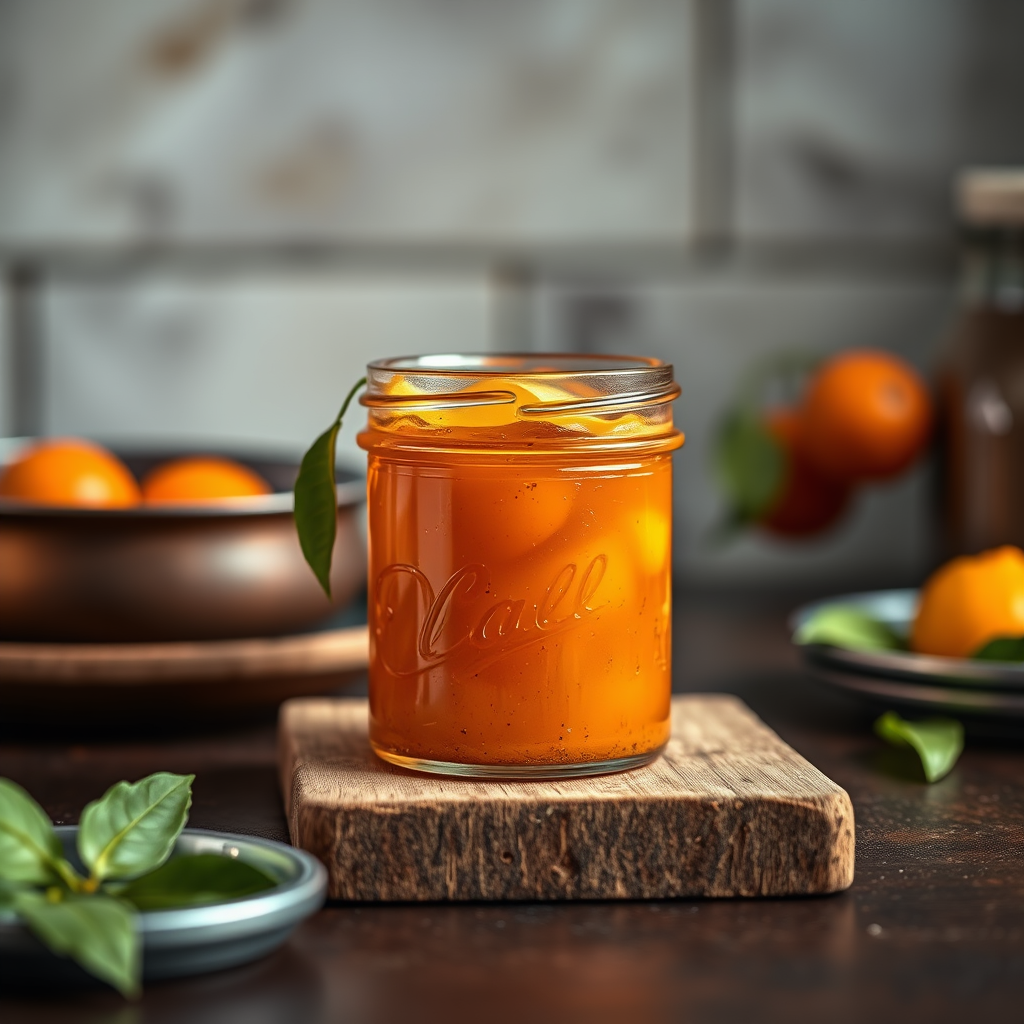
5. Can and Seal: Pour the hot kumquat jam into sterilized jars, leaving a ¼ inch headspace. Wipe the rims clean to remove any residue that could hinder sealing. Apply sterilized lids and process the jars in a boiling water bath for 10 minutes to ensure proper sealing and preservation.
Kumquat Jam Making Essentials
| # | Ingredient | Quantity | Preparation Time | Cooking Time |
|---|---|---|---|---|
| 1 | Fresh Kumquats | 1 lb | 10 min | 30-40 min |
| 2 | Granulated Sugar | 2 cups | 0 min | 0 min |
| 3 | Water | 1 cup | 0 min | 0 min |
| 4 | Canning Jars | 4 jars | 5 min | 0 min |
| 5 | Lids & Rings | 4 sets | 0 min | 0 min |
| 6 | Boiling Water | As needed | 0 min | 0 min |
| 7 | Cold Plate | 1 | 0 min | 0 min |
Warning Signs: When Not to Follow This
– If your kumquats display any signs of mold, spoilage, or off-odors, do not proceed with the recipe; using such fruit can lead to foodborne illness.
– Avoid this guide if you have kumquats that have been improperly stored, such as those left at room temperature for extended periods or that are older than one week.
– If you have a medical condition affecting your immune system, such as diabetes or cancer, consult a healthcare provider before attempting to make or consume any homemade preserved foods.
– Do not attempt this recipe if you lack the necessary equipment for safe canning, including a boiling water canner or proper canning jars.
The Most Common Mistakes (And Their Consequences)
– One prevalent mistake is neglecting to properly sterilize jars, which can lead to contamination and spoilage of the kumquat jam within weeks. Always ensure jars are sterilized before use.
– Inaccurate measurement of ingredients can result in a jam that is too runny or overly sweet, ultimately ruining the flavor balance and desired consistency. Use precise measurements for the best results.
– Failing to allow the jam to reach the appropriate boiling temperature before bottling can lead to bacterial growth and food safety issues. Ensure the jam reaches a rolling boil.
– Skipping the cold plate test can result in jams that do not set properly, producing a syrupy product instead of a spreadable jam. Always perform this consistency test prior to canning.
Special Cases That Need a Different Approach
– If you are using organic kumquats, consider reducing the sugar by ¼ cup, as they may be naturally sweeter, affecting the overall taste and texture of the jam.
– Those with dietary restrictions can opt for a sugar substitute suitable for canning; however, be aware that this may alter the final texture and set of the jam. Consult a food preservation expert if uncertain.
– If you live at higher altitudes, adjust the boiling time for canning jars according to altitude guidelines to ensure proper sealing and preservation. As a general rule, add one additional minute for every 1,000 feet above sea level.
– For individuals with food allergies, substitute kumquats with a similar citrus fruit, like clementines, while following the same steps and proportions for the best results.
When You Need a Professional
– If you encounter issues with fermentation or off-flavors during the jam-making process, contact a food safety expert, as these could indicate improper preservation.
– Seek professional advice if you are uncertain about the canning process or have specific health concerns related to food preservation, particularly regarding high-acid foods.
– If you plan to scale up the recipe for large batch production (more than 5 pounds of kumquats), consult a food scientist or certified canning expert for guidance on safe processing.
– If you notice any bubbling or leakage from the jars after sealing your kumquat jam, it’s essential to seek professional guidance on handling potentially compromised products.
Sources and Further Reading
– National Center for Home Food Preservation: Guidelines for Safe Canning Practices (https://nchfp.uga.edu)
– USDA Complete Guide to Home Canning: Detailed instructions and safety tips for preserving food (https://www.fsis.usda.gov/wps/portal/fsis/topics/food-safety-education/get-answers/food-safety-fact-sheets)
– “The Joy of Jams, Jellies, and Other Sweet Preserves” by Linda Ziedrich: A comprehensive resource covering various preservation techniques.
– Canning and Preserving with a Purpose: A valuable resource for safe methods and recipes based on the latest food safety standards.
By following this expert guide, you can ensure that your kumquat jam is both delicious and safe, making it a delightful addition to your pantry or a thoughtful gift. Happy canning!
Frequently Asked Questions
What ingredients do I need for a kumquat jam recipe?
To make a delicious kumquat jam, you will need fresh kumquats, granulated sugar, water, and lemon juice. The kumquats provide a unique tartness, while the sugar helps in preserving the jam and enhancing its flavor. Optionally, you can add spices like ginger or cinnamon for an extra layer of taste.
How do I prepare kumquats for making jam?
To prepare kumquats for jam, start by washing them thoroughly to remove any dirt or pesticides. Then, slice the kumquats in half to remove the seeds and make the fruit easier to cook down. You can leave the skin on, as it adds texture and flavor to the jam.
Why is my kumquat jam not setting properly?
If your kumquat jam isn’t setting, it may be due to insufficient pectin or cooking time. Ensure that you are using ripe kumquats, as they contain natural pectin, and allow the mixture to boil for an adequate time to reach the desired consistency. You can also add commercial pectin if necessary.
What is the best method for canning kumquat jam?
The best method for canning kumquat jam is the water bath canning process. After cooking your jam to the right consistency, pour it into sterilized jars, leaving about a quarter-inch of headspace. Seal the jars with lids and process them in a boiling water bath for 5-10 minutes to ensure they are properly preserved.
Which recipes can I pair with kumquat jam for serving?
Kumquat jam pairs wonderfully with a variety of dishes, including toast, biscuits, and cheese platters. You can also use it as a glaze for meats like chicken or pork, or swirl it into yogurt for a refreshing snack. The bright flavor of kumquat jam enhances both sweet and savory dishes, making it a versatile addition to your kitchen.
References
- Kumquat
https://en.wikipedia.org/wiki/Kumquat - https://www.usc.edu/dept/foodscience/recipes/kumquat_jam.html
https://www.usc.edu/dept/foodscience/recipes/kumquat_jam.html - Google Scholar Google Scholar
https://scholar.google.com/scholar?q=kumquat+jam+recipe - https://www.oregon.gov/ode/students-and-family/childnutrition/PublishingImages/recipes/kumquat-jam.pdf
https://www.oregon.gov/ode/students-and-family/childnutrition/PublishingImages/recipes/kumquat-jam.pdf - https://www.foodnetwork.com/recipes/articles/50-jams-and-jellies
https://www.foodnetwork.com/recipes/articles/50-jams-and-jellies - Google Scholar Google Scholar
https://scholar.google.com/scholar?q=kumquat+preservation+methods - https://pubmed.ncbi.nlm.nih.gov/?term=kumquat+jam
https://pubmed.ncbi.nlm.nih.gov/?term=kumquat+jam - https://www.sciencedirect.com/topics/agricultural-and-biological-sciences/kumquat
https://www.sciencedirect.com/topics/agricultural-and-biological-sciences/kumquat - Kumquat jam foods
https://www.nutritionvalue.org/Kumquat%2C_jam_nutritional_value.html - kumquat jam recipe – Search results
https://en.wikipedia.org/wiki/Special:Search?search=kumquat+jam+recipe