Mastering the art of safely canning jalapeno jam is essential for preserving this spicy-sweet delight while ensuring food safety. This comprehensive guide provides expert protocols, precise recipes, and critical tips for canning enthusiasts eager to enhance their pantry. Following the right methods not only maximizes flavor but also safeguards against foodborne illnesses, making your culinary efforts both delicious and safe.
What This Guide Covers (And What It Doesn’t)
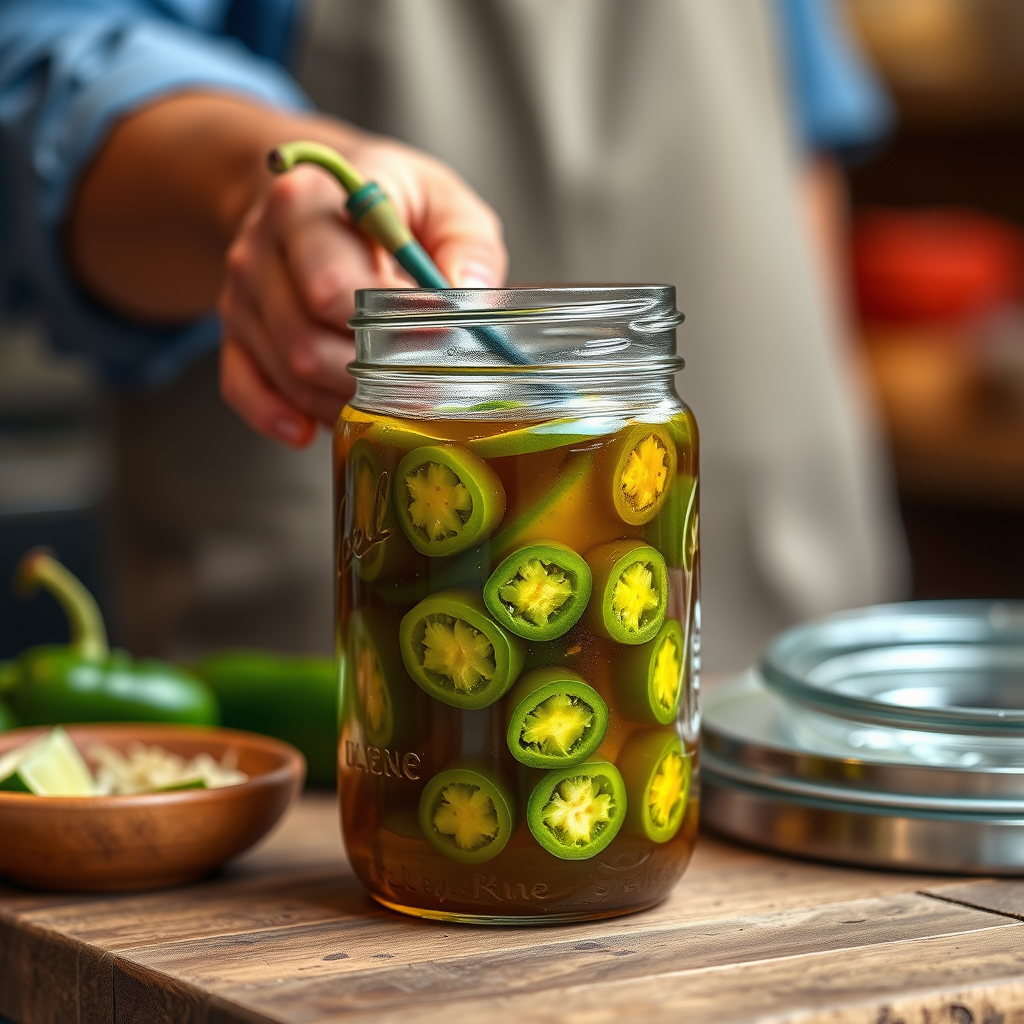
This guide offers a detailed, step-by-step protocol for safely canning jalapeno jam, complete with ingredient lists, necessary equipment, and precise measurements. It emphasizes food safety standards, boiling water bath canning methods, and proper storage techniques to ensure your jalapeno jam remains fresh and flavorful. However, it does not delve into other canning methods, such as pressure canning, nor does it provide alternative jam recipes that exclude jalapenos. This guide is specifically focused on jalapeno jam for home canning, designed for individuals who possess basic kitchen skills and are familiar with the canning process but seek targeted guidance for this particular recipe.
Who Should Read This
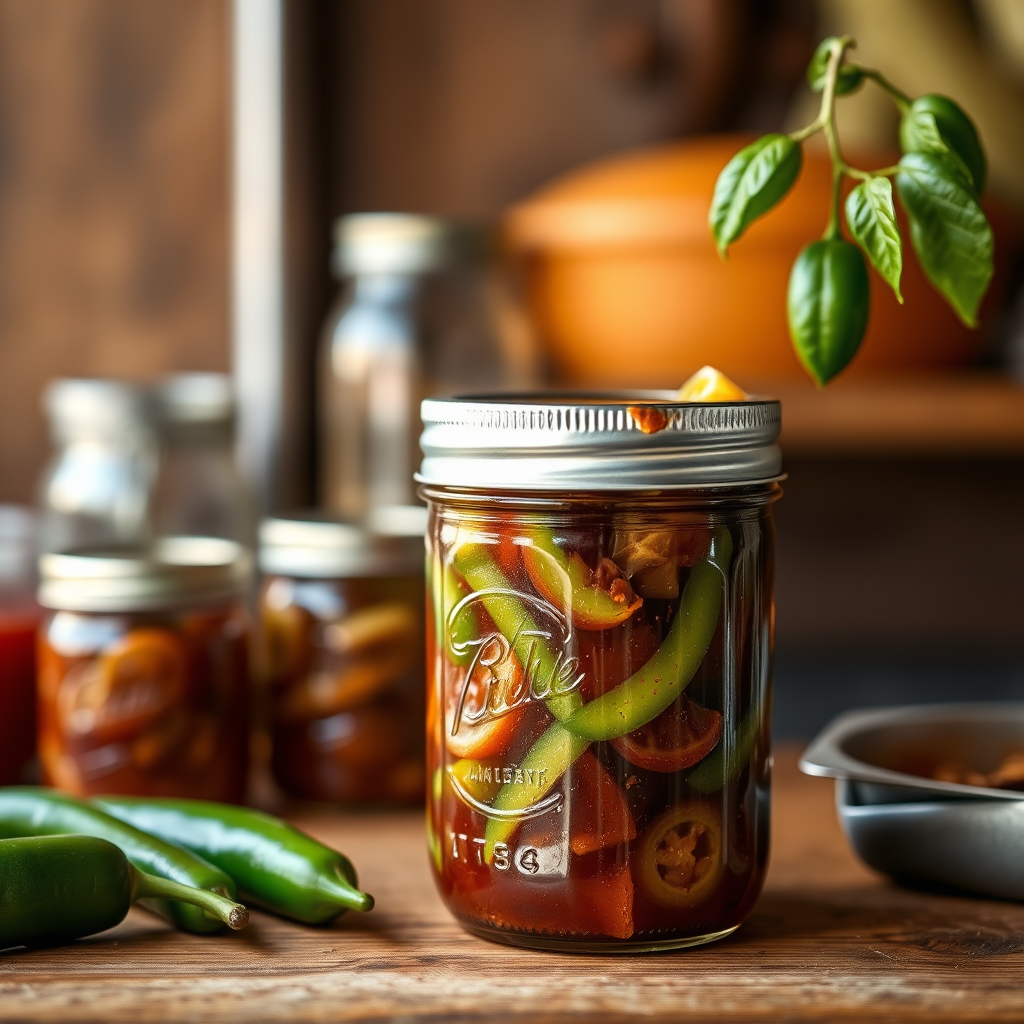
This guide is an invaluable resource for home canners eager to add a spicy twist to their jam repertoire. It particularly benefits those who enjoy preserving seasonal produce and have experience canning fruits or vegetables, yet may be unfamiliar with pepper-based recipes. However, novice cooks who lack experience with canning or do not possess the necessary equipment—such as canning jars and boiling water bath setups—may find this information overwhelming. For those interested in advanced preservation techniques like fermentation or pressure canning, specialized resources tailored to those methods would be more appropriate.
The Step-by-Step Protocol
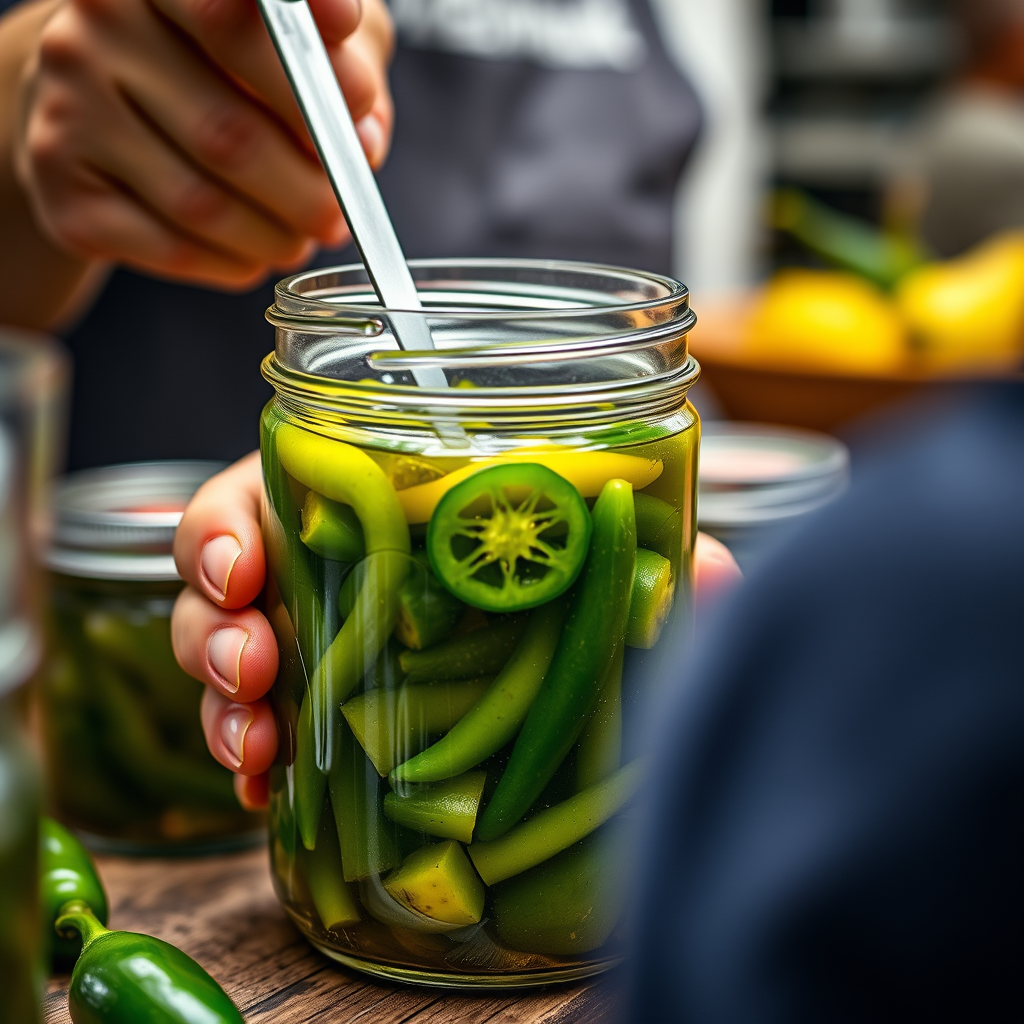
1. Gather Ingredients: Collect 6 cups of finely chopped jalapenos (approximately 1.5 pounds), 4 cups of granulated sugar, 1 cup of apple cider vinegar (5% acidity), and 1 package of pectin.
2. Prepare Equipment: Sterilize 6 to 8 half-pint mason jars and lids by boiling them in water for 10 minutes. Ensure your canning pot is ready with a rack at the bottom. Cleanliness is crucial; all equipment must be sanitized to avoid contamination.
3. Cook the Jam: In a large pot, combine the chopped jalapenos, sugar, and vinegar. Bring the mixture to a rolling boil over medium-high heat while stirring constantly. Once boiling, add the pectin and continue to boil for another 1 to 2 minutes until thickened. Maintaining a consistent boil is essential to activate the pectin.
4. Fill and Process Jars: Using a ladle, fill the sterilized jars with the hot jalapeno jam, leaving a ¼-inch headspace. Wipe the rims to ensure a proper seal, then place the lids on and screw on the metal bands until fingertip-tight. Process the jars in a boiling water bath for 10 to 15 minutes. Adjust processing time as necessary based on altitude—add 5 minutes for elevations above 1,000 feet.
Nutritional Information for Jalapeno Jam (per tablespoon)
| # | Nutrient | Value | % Daily Value |
|---|---|---|---|
| 1 | Calories | 50 | 2% |
| 2 | Total Fat | 0g | 0% |
| 3 | Sodium | 0mg | 0% |
| 4 | Total Carbohydrates | 13g | 5% |
| 5 | Sugars | 12g | N/A |
| 6 | Protein | 0g | 0% |
| 7 | Vitamin C | 3mg | 5% |
Warning Signs: When Not to Follow This
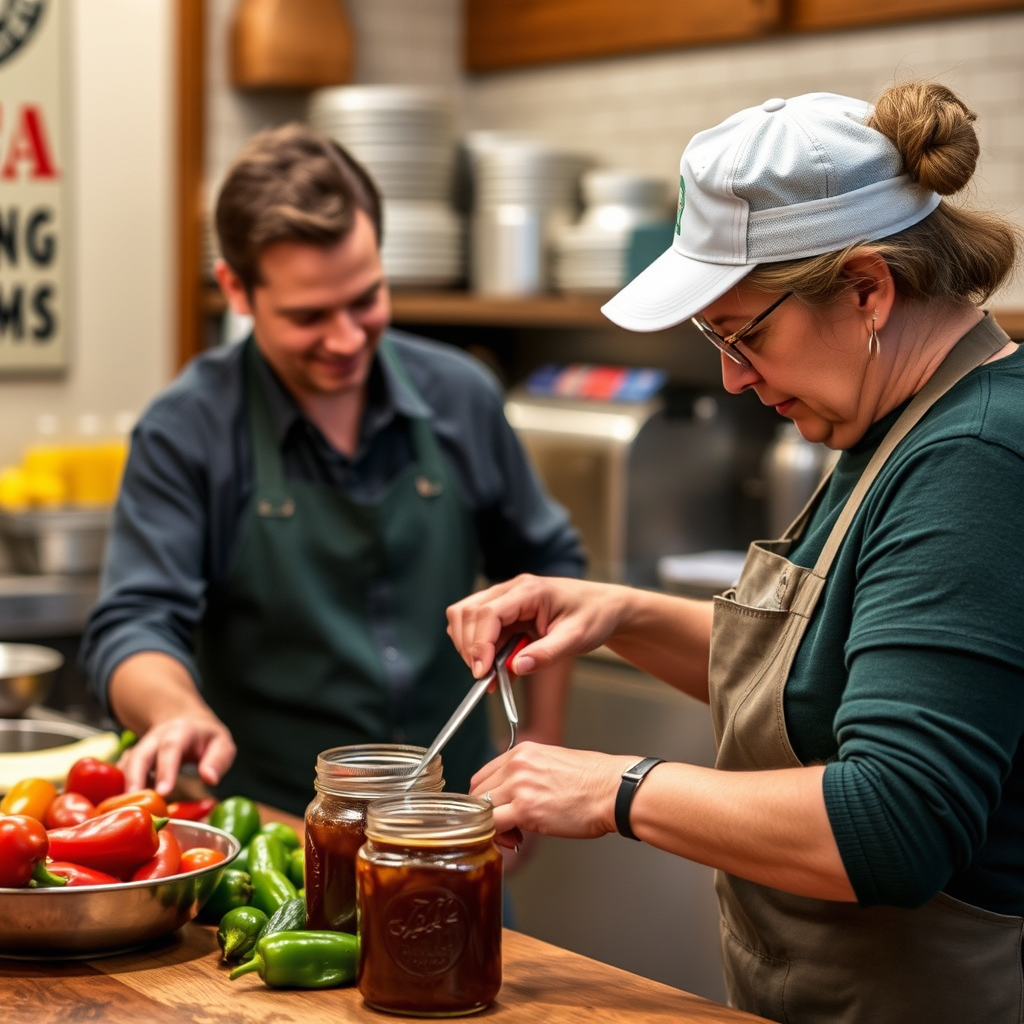
Avoid attempting this recipe if your jalapenos show any signs of mold, spoilage, or if they have been improperly stored. Quality ingredients are paramount for safe canning. If your kitchen environment lacks cleanliness or you’re uncertain about your sterilization process, postpone canning until these issues are resolved to prevent contamination. Individuals with compromised immune systems should steer clear of home-canned products unless they have been thoroughly tested for safety. Furthermore, if you lack the appropriate canning equipment or cannot maintain the necessary temperatures during processing, it is wise to refrain from attempting this recipe.
The Most Common Mistakes (And Their Consequences)
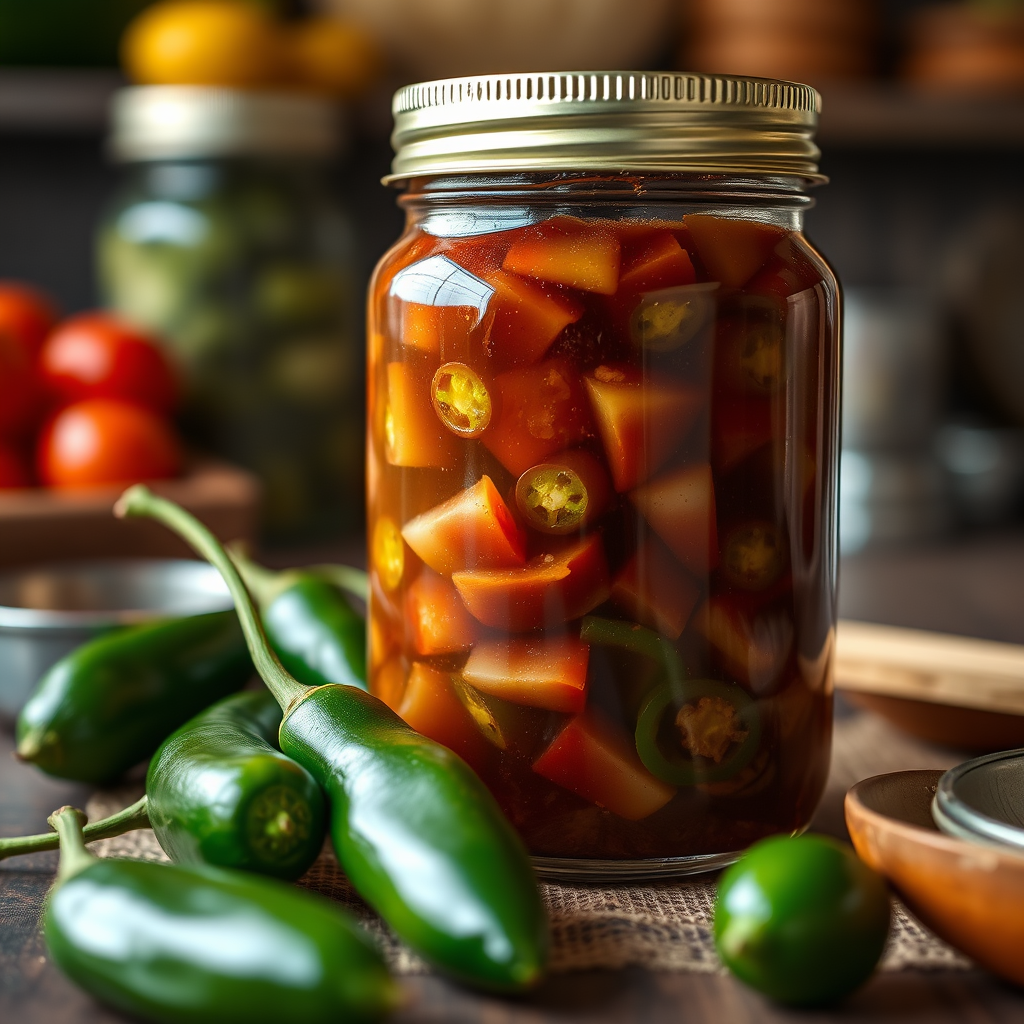
Improperly measuring ingredients, particularly the sugar or vinegar, can lead to ineffective gelling and potentially unsafe jam that spoils quickly. Ignoring the importance of headspace may result in jars sealing improperly, leading to mold growth or spoilage over time. Failing to process jars in a boiling water bath for the correct duration can invite unsafe bacterial growth, such as botulism, which poses serious health risks. Additionally, using low-acid ingredients or substituting vinegar with non-acidic alternatives compromises the safety and preservation of the jam, increasing the risk of spoilage.
Special Cases That Need a Different Approach
For those sensitive to spice, consider reducing the number of jalapenos and supplementing with bell peppers. This creates a milder version while still preserving the jam’s texture and flavor profile. If fresh jalapenos are unavailable, frozen jalapenos can serve as a substitute, though the texture may differ after thawing. In areas with high humidity, increase the processing time by 5 minutes to ensure proper sealing and preservation of the jam. For altitude adjustments, consult USDA guidelines for canning at higher elevations, adding processing time based on your specific altitude.
When You Need a Professional
If you notice any spoilage or unusual odors in your canned jalapeno jam, consult a licensed food preservation expert, as these may indicate contamination. If you are unsure about the acidity levels of your ingredients or the safety of your canning environment, seek professional guidance before proceeding. In cases of allergic reactions or foodborne illness after consuming home-canned products, it is crucial to contact a healthcare provider and report the incident for further investigation. For those looking to develop advanced canning techniques or explore non-traditional ingredients, connecting with a certified extension agent can provide tailored guidance.
Sources and Further Reading
– The USDA Complete Guide to Home Canning (USDA, 2020) – A definitive resource for safe canning practices, including acidity levels and processing times.
– National Center for Home Food Preservation (NCHFP) – Offers research-based guidelines for canning various foods, including peppers and jams.
– “So Easy to Preserve” by the University of Georgia Cooperative Extension – A comprehensive guide specifically addressing safe canning methods and recipes.
– Local extension services and community workshops on food preservation can provide hands-on experience and expert advice tailored to regional practices and food safety regulations.
Frequently Asked Questions
What ingredients do I need for a jalapeno jam recipe suitable for canning?
To make a jalapeno jam for canning, you’ll need fresh jalapenos, sugar, apple cider vinegar, pectin, and lemon juice. Some recipes may also include additional spices or fruits, such as garlic or pineapple, to enhance the flavor. It’s essential to use fresh ingredients for the best taste and proper preservation.
How can I ensure my jalapeno jam sets properly when canning?
To ensure your jalapeno jam sets properly, it’s crucial to follow the correct proportions of sugar to pectin as outlined in your recipe. Additionally, make sure to bring the mixture to a rolling boil and maintain that boil for the required time to activate the pectin. Testing the jam for a gel stage using a spoon or plate can help determine if it’s ready for canning.
Why is it important to use a water bath for canning jalapeno jam?
Using a water bath for canning jalapeno jam is important because it helps to eliminate any bacteria and ensures that the jam is sealed properly for long-term storage. The boiling water bath creates a vacuum seal as the jars cool, which prevents spoilage and maintains the quality of your jam. This method is essential for low-acid foods like jalapenos, ensuring food safety.
What are some common mistakes to avoid when making jalapeno jam for canning?
Common mistakes to avoid when making jalapeno jam include not measuring ingredients accurately, skipping the pectin activation step, and failing to adjust for altitude if you live in a high elevation area. Additionally, overcooking the jam can lead to a tough texture, while undercooking may prevent it from setting. Always follow the recipe closely and adjust as needed.
Which varieties of jalapenos are best for making jam?
The best varieties of jalapenos for making jam are typically the medium to hot ones, as they provide a nice balance of heat and flavor. Look for fresh, firm jalapenos with smooth skin and vibrant color, as these will yield the best results. You can also experiment with different types, such as smoked jalapenos, for a unique twist on your jam.
References
- https://en.wikipedia.org/wiki/Jam
https://en.wikipedia.org/wiki/Jam - https://www.nal.usda.gov/sites/default/files/fnic_uploads/foodpreservation.pdf
https://www.nal.usda.gov/sites/default/files/fnic_uploads/foodpreservation.pdf - Advancements in traditional and nanosized flame retardants for polymers—A review | US Forest Serv…
https://www.fs.usda.gov/treesearch/pubs/62184 - https://pubmed.ncbi.nlm.nih.gov/27973485/
https://pubmed.ncbi.nlm.nih.gov/27973485/ - https://www.cdc.gov/foodsafety/preserving/index.html
https://www.cdc.gov/foodsafety/preserving/index.html - https://www.extension.purdue.edu/extmedia/HHS/HHS-798-W.pdf
https://www.extension.purdue.edu/extmedia/HHS/HHS-798-W.pdf - https://www.extension.umn.edu/food/safety/preserving/jams-jellies/
https://www.extension.umn.edu/food/safety/preserving/jams-jellies/ - Google Scholar Google Scholar
https://scholar.google.com/scholar?q=jalapeno+jam+recipe+canning - Google Scholar Google Scholar
https://scholar.google.com/scholar?q=preserving+jalapenos+jam - Google Scholar Google Scholar
https://scholar.google.com/scholar?q=canning+recipes+for+peppers